
This Colorado Town Serves Up A Sweet Summer Escape With Juicy Watermelons And Small-Town Charm
A town of fewer than 4,000 people should not be able to dominate summer conversation, yet one legendary watermelon crop makes a convincing exception.
Deep in southeastern Colorado, this agricultural community has built a reputation far larger than its population sign suggests.
Visitors arrive chasing fruit that locals have celebrated for generations, but the sweetness is only part of the story. Slow streets, open skies, and easy conversations give the day a rhythm that feels unhurried.
There is no pressure to race from one attraction to the next. Buy a melon, linger awhile, and let the afternoon unfold on its own terms.
The agricultural pride here is not staged for tourists or polished into a performance. It is woven into summer itself.
Colorado may be famous for peaks and powder, but here, the season tastes like sunshine, fieldwork, and a ripe slice shared outdoors with juice running down your wrist.
It’s Watermelon Legacy That Earned It A Nickname

There are towns that claim a food identity and towns that actually earn one. This place falls firmly in the second category.
Known across Colorado and well beyond as the “Watermelon Capital of Colorado,” this small Otero County city has built a reputation on fruit so sweet and reliable that people genuinely plan road trips around it.
The secret lives in the soil. The sandy loam along the Arkansas River Valley creates growing conditions that produce melons with a distinctly rich flavor profile that commercial operations simply can’t replicate at scale.
Locals will tell you, without a hint of exaggeration, that once you’ve had a Rocky Ford watermelon, grocery store versions feel like a different fruit entirely.
Quick Tip: Plan your visit for late July through August when watermelon season is fully underway and farm stands are stocked and ready.
Families driving through southeastern Colorado on U.S. Highway 50 often make Rocky Ford an intentional detour rather than an afterthought.
That shift from pit stop to destination says everything about the town’s agricultural credibility. The watermelon is not a gimmick here; it’s a genuine point of local pride backed by generations of farming know-how.
The Arkansas River Valley Soil That Makes The Magic Happen
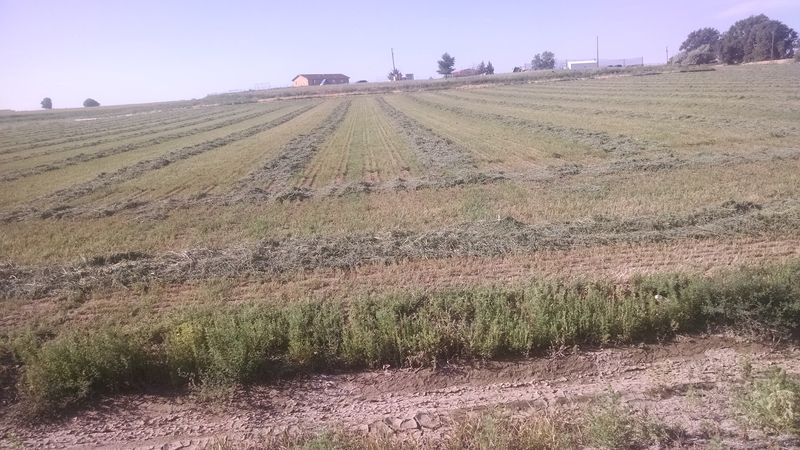
Not every patch of ground grows great melons, and the farmers of Rocky Ford will be the first to explain why theirs does. The Arkansas River Valley delivers a particular combination of sandy loam soil, reliable sunshine, and warm days paired with cooler nights that creates near-ideal conditions for growing cantaloupes and watermelons.
Colorado’s southeastern plains get over 300 days of sunshine annually, and that relentless solar exposure accelerates sugar development in fruit during the growing season. The region’s low humidity also reduces disease pressure on crops, which means farmers can focus on quality rather than damage control.
Why It Matters: Understanding the geography helps visitors appreciate why Rocky Ford melons taste different. This isn’t marketing language; it’s basic agricultural science working in the town’s favor.
The irrigation infrastructure along the Arkansas River has supported farming in this valley for well over a century. Water rights and canal systems are deeply embedded in the local culture and economy.
When you bite into a Rocky Ford watermelon, you’re tasting the result of smart land stewardship, favorable geography, and the kind of patient, generational farming knowledge that doesn’t transfer easily to a spreadsheet.
Cantaloupe Country: Rocky Ford’s Other Sweet Superstar
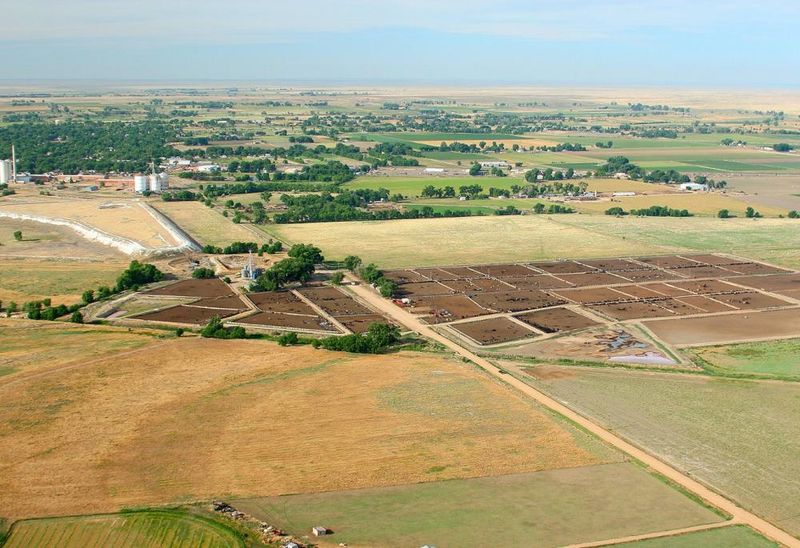
Watermelons get the headline, but cantaloupes are the quiet co-star that longtime visitors know to prioritize. Rocky Ford cantaloupes have their own devoted following, and for good reason.
The same valley conditions that coax exceptional sweetness from watermelons work equally well on cantaloupes, producing fruit that’s fragrant, dense, and almost shockingly flavorful compared to what most people find in supermarkets.
Rocky Ford cantaloupes were once shipped by rail across the country in the late 1800s and early 1900s, establishing the region’s agricultural reputation long before modern food marketing existed. That history gives the fruit a kind of earned credibility that’s rare in today’s agricultural landscape.
Best For: Anyone who considers themselves a serious fruit enthusiast or wants to bring home a genuinely memorable edible souvenir from a Colorado road trip.
Farm stands around town typically carry both melons side by side during peak season, so you don’t have to choose. Grabbing one of each and eating them on a tailgate somewhere along a quiet country road nearby is exactly the kind of low-effort, high-reward moment that makes a summer road trip feel worth the gas money.
Simple, seasonal, and hard to improve upon.
Small-Town Colorado Atmosphere Worth Slowing Down For
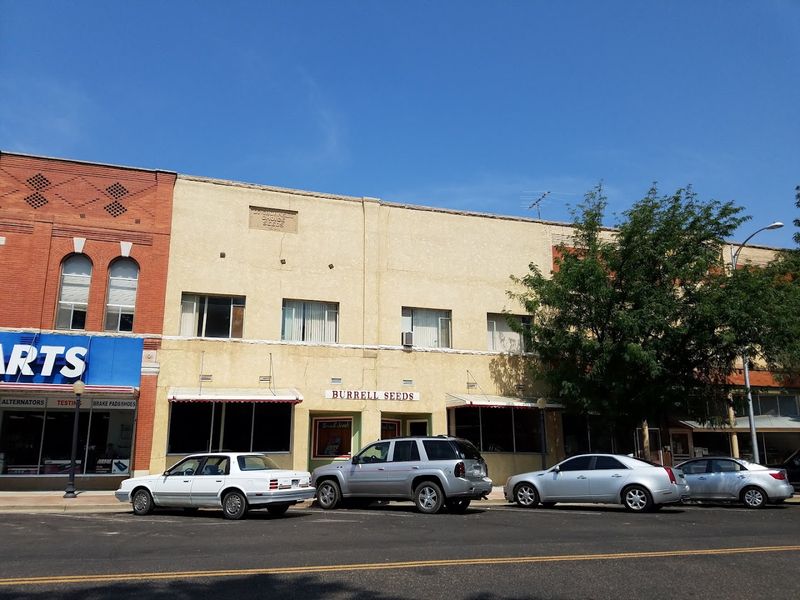
Rocky Ford sits at an elevation of roughly 4,183 feet and covers a modest footprint in Otero County, but what it lacks in size it compensates for in character. The pace here is deliberate in the best possible way.
Nobody is rushing anywhere, the streets don’t require navigation apps, and the locals tend to make eye contact and actually mean it when they say hello.
A short stroll through the downtown area gives visitors a clear read on what the town values: practical businesses, community-oriented spaces, and a general lack of pretension that feels genuinely refreshing. There are no velvet ropes in Rocky Ford.
The charm is unforced.
Insider Tip: Visit on a weekday morning if you want the quietest version of the town. Weekends during melon season bring more traffic, which adds energy but also lines at the best farm stands.
For families tired of engineered tourist experiences and couples looking for a reset from overscheduled weekends, Rocky Ford offers something harder to package: authentic small-town Colorado life that hasn’t been polished into a theme park version of itself. That realness is increasingly rare and, for the right traveler, worth a detour off the main highway without a second thought.
Planning Your Visit: Timing, Routes, And What To Expect
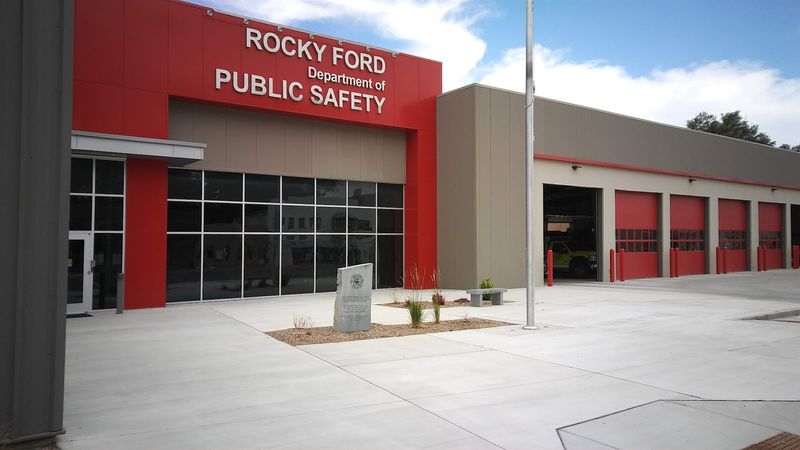
Rocky Ford sits along U.S. Highway 50 in southeastern Colorado, making it a natural stop on a longer road trip connecting Pueblo to the west and the Kansas border to the east.
The drive from Colorado Springs runs roughly 120 miles and takes about two hours, which puts it squarely in the range of a comfortable day trip with room left over for exploration.
Peak watermelon and cantaloupe season typically runs from late July through early September, so timing your visit within that window is the difference between hitting the town at full swing and arriving to find the farm stands winding down for the year.
Planning Advice: Call ahead or check local listings before making the drive specifically for melons. Season timing can shift slightly depending on growing conditions each year, and a quick confirmation saves disappointment.
The town itself is easy to navigate without any real effort. Parking is not a competitive sport here, and most of what you’d want to see is within a short drive or walk of the main corridor.
Bring a cooler for the melons you’ll inevitably buy in quantities larger than you planned, because nobody leaves Rocky Ford with just one. That’s not a warning; it’s a near-universal visitor experience.
The Rocky Ford Watermelon Festival And Community Spirit
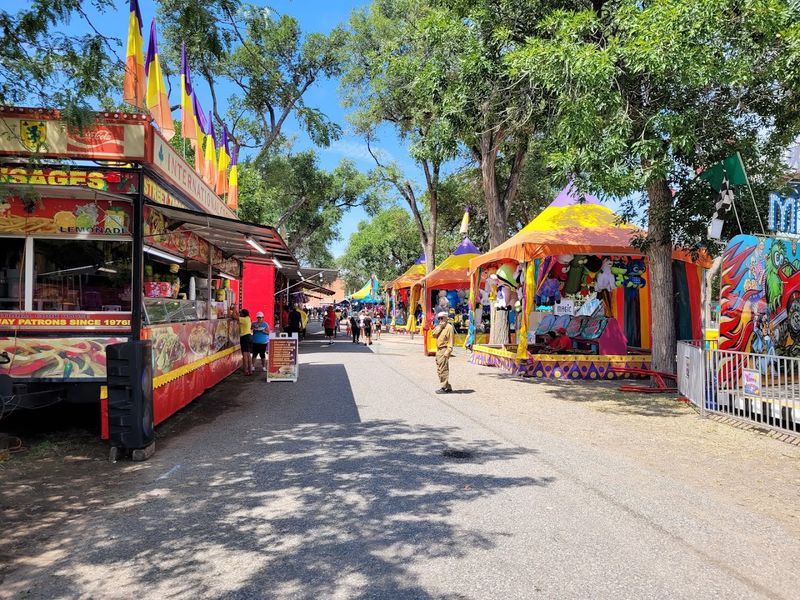
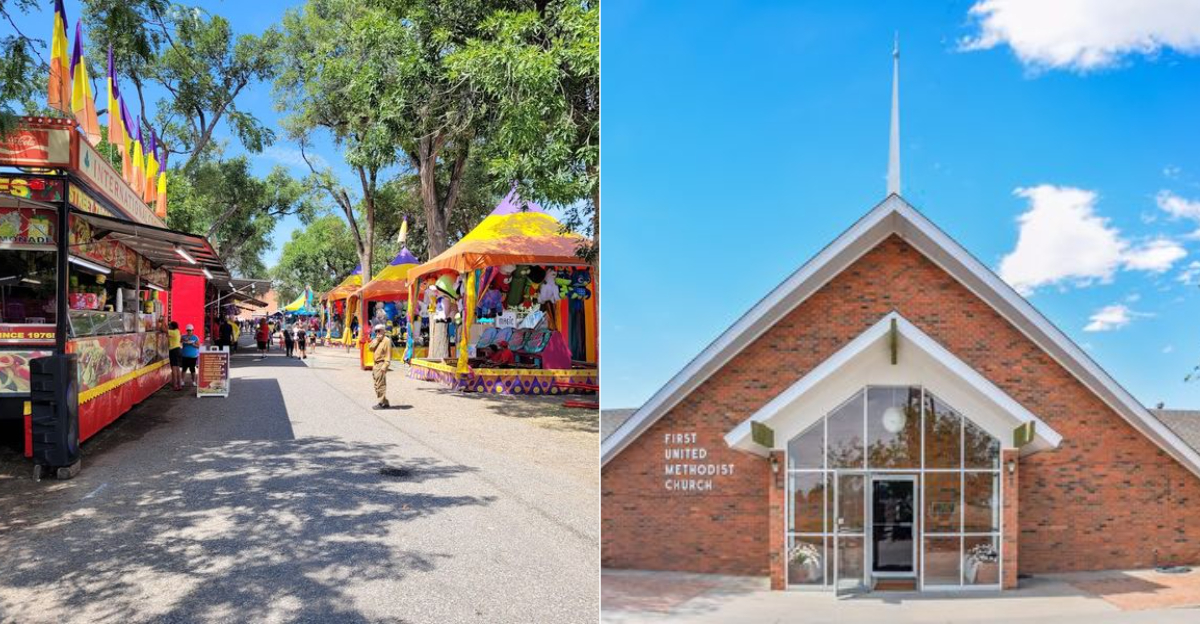
Rocky Ford hosts an annual Watermelon Festival that draws visitors from across the region and gives the town a chance to celebrate what it does best in a communal, unpretentious setting. The event typically features watermelon-themed activities, local vendors, and the kind of crowd energy that only a genuinely community-driven festival can produce.
This isn’t a corporate-sponsored food event with a wristband system and a VIP section. It’s a small-town celebration that reflects the actual personality of the place, which is to say it’s accessible, friendly, and built around the idea that sharing good food with strangers is a perfectly reasonable way to spend a summer afternoon.
Who This Is For: Families with kids who want a low-stress outing with genuine local flavor, and couples looking for a weekend plan that doesn’t require reservations, parking garages, or a detailed itinerary.
Who This Is Not For: Visitors expecting a polished, high-production festival experience with extensive amenities. Rocky Ford’s version is charmingly straightforward, and that simplicity is exactly what makes it work.
The watermelons are the main attraction, and they need no supporting cast to deliver a satisfying experience for anyone willing to show up with an open schedule and an empty cooler.
Why Rocky Ford Deserves A Spot On Your Colorado Summer List
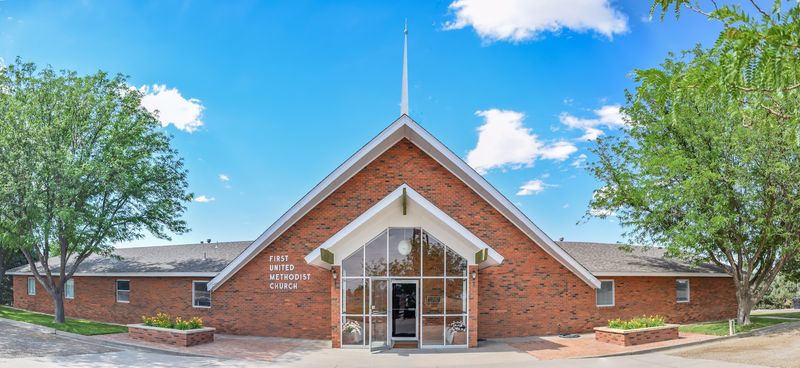
Colorado’s summer travel conversation tends to center on mountain towns, national parks, and outdoor adventure destinations. Rocky Ford sits in a different lane entirely, and that’s precisely what makes it worth adding to the list.
It offers a version of Colorado that doesn’t require hiking boots, altitude adjustment, or a reservation made six months in advance.
The town’s agricultural identity gives visitors something tangible to bring home, whether that’s a cooler full of cantaloupes, a renewed appreciation for regional farming, or simply the memory of eating a watermelon slice that genuinely surprised you with how good it was. Those small, specific moments tend to stick longer than the ones you planned exhaustively.
Quick Verdict: Rocky Ford is a high-confidence, low-effort summer detour that delivers a distinctly Colorado experience without the crowds, costs, or complexity of the state’s more famous destinations.
For weekend planners, road trippers, and families looking for a summer outing that feels both purposeful and relaxed, this small Otero County city makes a compelling case for itself. Stop in, load up on the best melons you’ll find in the state, take a slow walk through downtown, and drive home with the kind of satisfied feeling that no amount of itinerary engineering can manufacture.
Some places just work.