
This Colorado Wildlife Refuge Is A Dream Destination For April Birdwatching
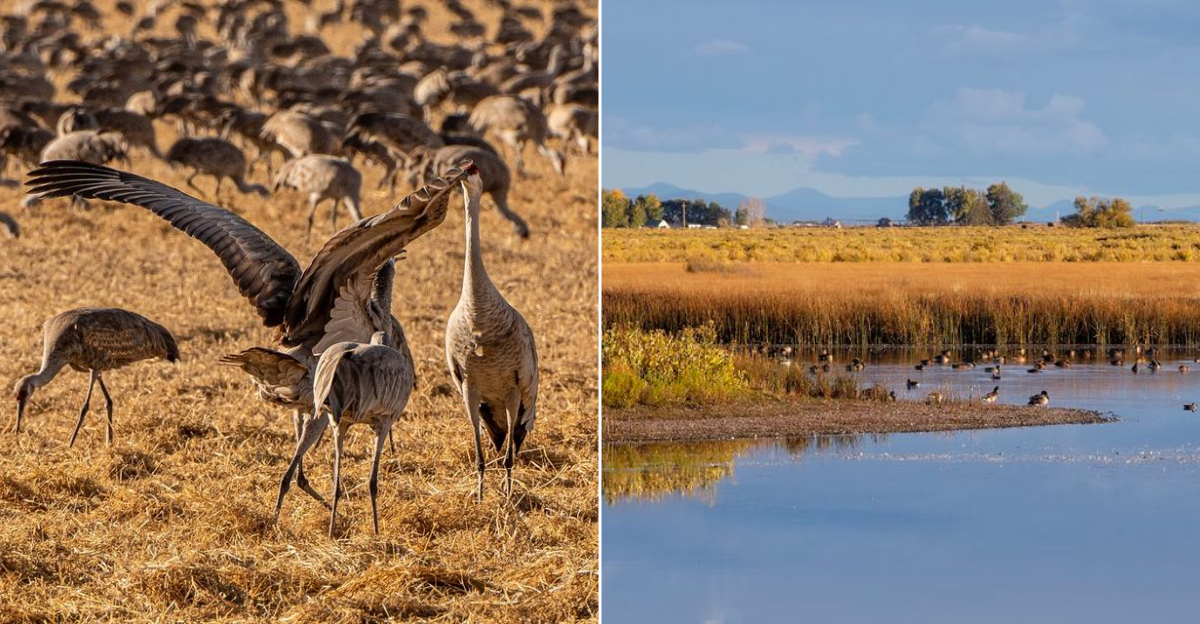
Some places beg for attention with flashy signs, crowded parking lots, and endless shelves of matching souvenirs. In Colorado, this one takes the opposite approach.
It stays wonderfully quiet and lets the sky steal the show, especially when spring arrives and tens of thousands of Sandhill Cranes sweep in like a living parade of wings, calls, and motion. The whole scene feels almost unreal at first, like nature decided to put on a performance for anyone lucky enough to be standing nearby.
Even people who only casually enjoy wildlife can find themselves completely mesmerized, scanning the horizon, listening for that unmistakable rattling chorus, and forgetting to check their phones for hours. Colorado’s spring magic feels especially powerful here because the experience is not polished or staged.
It is wild, immediate, and full of surprise. By the time April is over, you may leave with muddy shoes, a full camera roll, and entirely new priorities.
Why April Is The Sweet Spot For Crane Watching
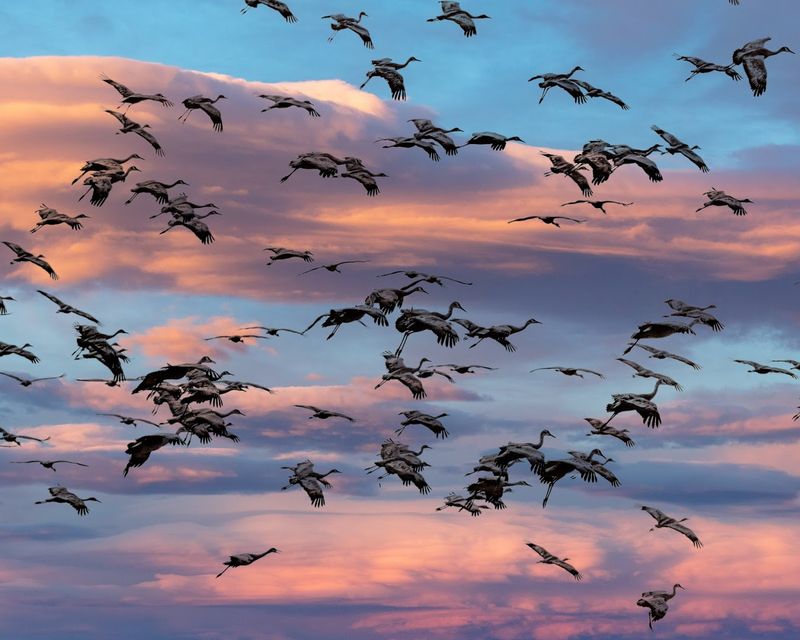
There is a window in spring when the San Luis Valley feels like it belongs to the birds, and April sits right at the heart of it. Sandhill Cranes pass through this place in staggering numbers during their northward migration, and the refuge’s nearly 15,000 acres give them plenty of room to stage, feed, and rest before continuing their journey.
April tends to offer more moderate temperatures than March, which means visitors can spend longer stretches of time outdoors without losing feeling in their fingers. The wetland pools are typically fuller, and the surrounding landscape carries just enough green to make every photograph look effortless.
Pro Tip: Early morning is when crane activity peaks. Plan to arrive at the refuge before sunrise if you want to witness the dramatic liftoff when thousands of birds take flight at once.
That single moment is why people drive three or four hours without a single complaint.
Best For: Families, couples, and solo visitors who want a genuinely rare wildlife encounter without a crowded park entrance or a steep fee attached to it.
Navigating The Refuge Without Losing Half Your Day
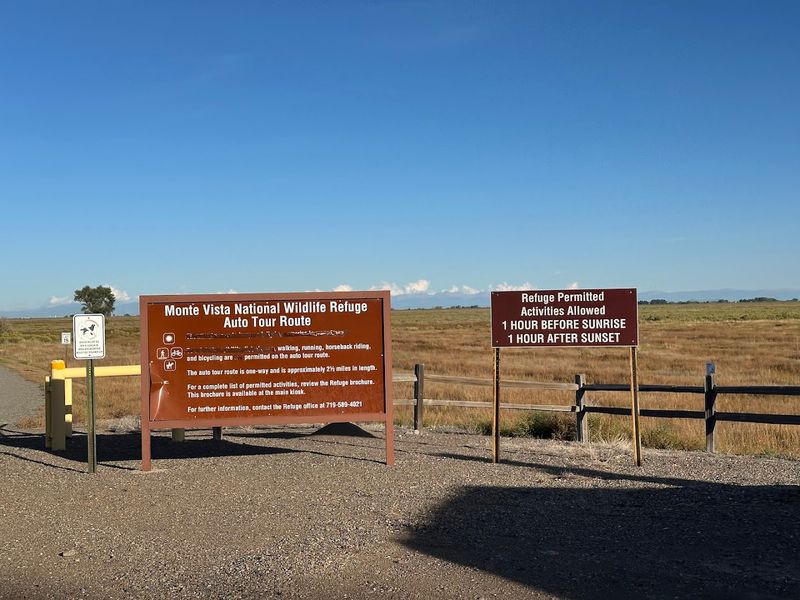
Here is a piece of advice that will save you the kind of frustration that turns a good outing into a cautionary tale: do not rely on Google Maps to deliver you to the right spot. Multiple visitors have reported being routed into random farmland or the middle of the preserve instead of the actual entrance.
The official access point is on State Highway 15, approximately six miles south of the town of Monte Vista.
The address to aim for is 6120 S Highway 15, Monte Vista, Colorado 81144. Once you are on that gravel loop road, life gets considerably better.
Clearly marked pullouts and short trail access points make the whole experience feel organized and manageable, even for first-time visitors.
Common Mistakes to Avoid: Trusting navigation apps blindly at this location has cost visitors upward of thirty minutes of wandering. Screenshot the entrance coordinates before you leave home, or look up the visitor center location on the U.S.
Fish and Wildlife Service website directly.
Insider Tip: A quick stop in Monte Vista before heading south lets you fuel up and ask a local for the latest road conditions, which is always worth thirty seconds of your time out here.
The Gravel Loop Road That Changes Everything
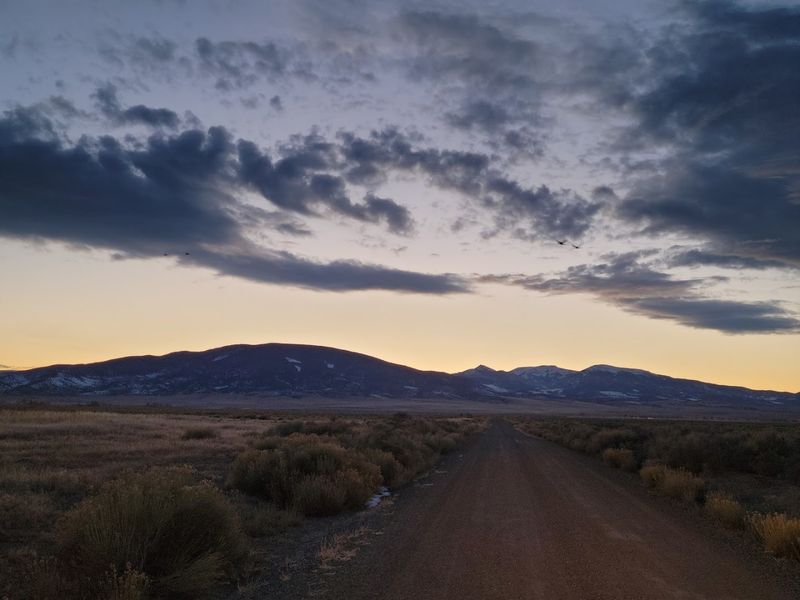
Not every wildlife refuge hands you a front-row seat from inside your car, but Monte Vista does. The gravel loop road that runs through the refuge is one of its most practical and underrated features.
You can drive it slowly, stop at the marked pullouts, scan the wetlands with binoculars, and never feel like you are missing something happening around the next bend.
For families traveling with young kids or anyone with limited mobility, this road-based viewing option removes the pressure of needing to hike long distances to see something worthwhile. The birds are genuinely close, and the mountain backdrop that frames the whole scene is the kind of scenery that makes you forget you were ever stressed about the drive down.
Quick Tip: Keep your engine idling low or shut it off entirely when you stop at a pullout. Cranes and waterfowl are sensitive to sudden noise, and a quiet car dramatically improves how close the birds will allow you to get before moving off.
Who This Is For: Anyone who wants the wildlife refuge experience without committing to a full-day hike. The loop road format makes this an accessible win for nearly every type of visitor, from toddler-wrangling parents to retirees with a good pair of binoculars.
Birds Beyond The Cranes Worth Watching For
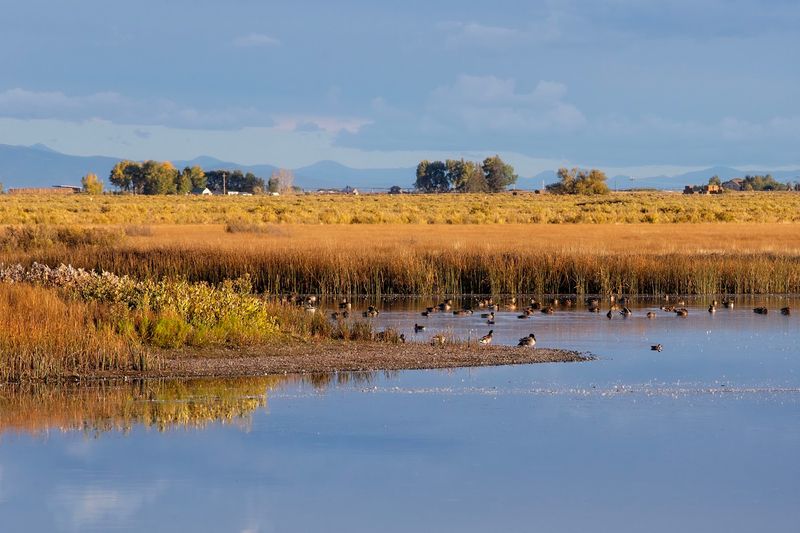
Sandhill Cranes get the headline billing, and fairly so, but the supporting cast at this refuge deserves its own round of appreciation. Visitors in April regularly spot red-winged blackbirds, various species of waterfowl, ducks, and even the occasional woodpecker working the tree lines along the wetland edges.
The diversity of bird activity means that even if the cranes are being elusive on a given morning, you are never standing around with nothing to look at.
The refuge functions as a genuine bird sanctuary across its nearly 15,000 acres, and that scale means different habitat zones attract different species throughout the day. Wetland birds tend to be most active in the early hours, while other species become more visible as the morning warms up.
Why It Matters: April sits in the middle of spring migration for many North American bird species, not just cranes. The San Luis Valley in Colorado acts as a natural funnel for birds moving northward, which means the refuge sees elevated bird diversity during this window compared to any other month.
Best For: Birders who want to build a solid species list in a single visit, and curious newcomers who are surprised to discover just how much is happening at a refuge that most people only associate with one famous bird.
What The 15,000 Acres Actually Feel Like On The Ground
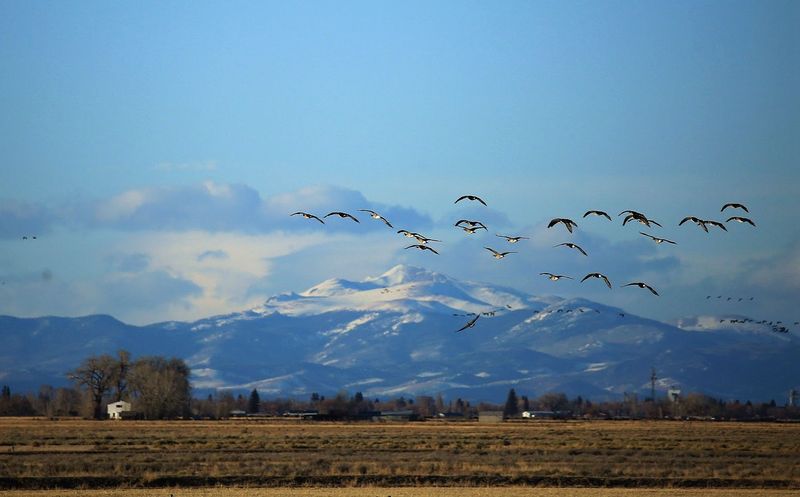
There is a particular kind of quiet that settles over the San Luis Valley that you simply cannot manufacture anywhere else. At nearly 15,000 acres, the refuge does not feel crowded or rushed, even when other visitors are present.
The scale of the landscape absorbs people in a way that smaller parks cannot, and the interpretive displays near the trails give the visit an educational layer that families especially tend to appreciate.
The trails and roads that wind through the property are designed to work together, so you can combine a short walk into the wetlands with a longer drive along the loop road without doubling back awkwardly. That flexibility makes the refuge work equally well for a ninety-minute visit and a full half-day exploration.
Planning Advice: Wear layers even in April. The San Luis Valley sits at high elevation, and morning temperatures can drop noticeably compared to what your phone’s weather app promised the night before.
A windproof outer layer and good walking shoes will make the difference between a comfortable visit and a hurried one.
Insider Tip: The interpretive displays near the trailheads offer genuinely useful context about crane migration patterns and local ecology, making them worth a few minutes of your time before heading out onto the loop road.
Making It A Full Weekend Rather Than Just A Quick Stop
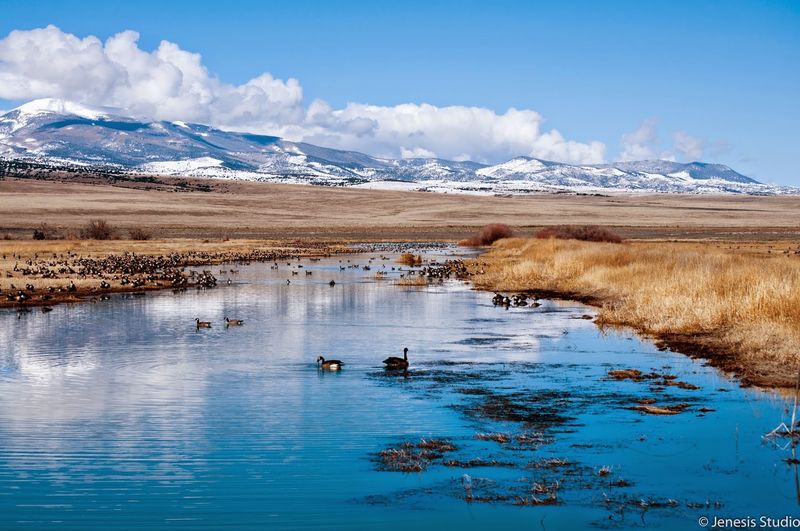
Monte Vista, Colorado sits right in the heart of the San Luis Valley, which means a trip to the refuge fits naturally into a broader weekend without requiring elaborate logistics. The town itself has the kind of unhurried Main Street energy that makes a quick pre-outing breakfast feel like part of the experience rather than just a fuel stop.
Locals tend to know the refuge well, and striking up a conversation at a diner counter can yield genuinely useful tips about where the cranes have been concentrating that week.
The refuge is also positioned within reasonable driving distance of other public lands in the region, making it a strong anchor point for a two-day itinerary that does not feel overstuffed or rushed. Arriving Saturday morning, spending the afternoon exploring the loop road, and returning Sunday at dawn for the crane liftoff is a plan that consistently delivers.
Best Strategy: Book lodging in Monte Vista rather than driving in from a larger city on the same day you plan to visit. Early morning access is critical for the best crane viewing, and being within a short drive of the refuge entrance means you can actually make that 6 a.m. arrival without suffering for it.
Who This Is For: Weekend planners, couples, and families who want a low-effort, high-payoff Colorado trip that does not involve ski lift lines or crowded trailheads.
Final Verdict: A Refuge That Earns Every Star Of Its 4.7 Rating
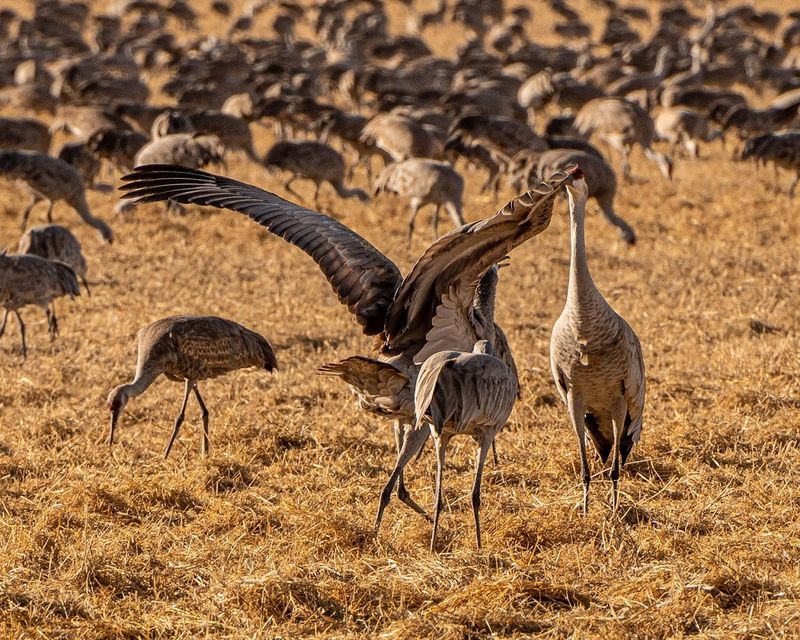
Monte Vista National Wildlife Refuge carries a 4.7-star rating from nearly 300 visitors, and that number holds up under scrutiny. The combination of accessible viewing infrastructure, genuine wildlife density, and a landscape that looks like it was designed for photography gives this refuge a profile that most natural areas take decades to earn.
The one honest caveat is navigation. Go in informed, use the correct entrance on State Highway 15, and do not trust turn-by-turn apps to figure it out for you.
That single adjustment converts a potentially frustrating outing into exactly the kind of effortless, memorable experience that makes people recommend a place to everyone they know for the next six months.
Key Takeaways: April is the optimal month for crane activity, early mornings deliver the most dramatic wildlife moments, and the gravel loop road makes the refuge genuinely accessible for nearly every type of visitor. At nearly 15,000 acres with no admission fee required, this is the kind of place that makes you feel like you found something the rest of the world has not fully caught onto yet.
Quick Verdict: If you are within a half-day’s drive of southern Colorado this spring, the Monte Vista National Wildlife Refuge is the most rewarding detour your itinerary could possibly absorb. Your future self will send a thank-you note.