
This Colorado Zoo Lets Visitors Hand-Feed Colorful Lorikeets In An Open Aviary
A bird landing on your arm has a funny way of making the whole day feel instantly brighter. In Colorado, this open-air aviary turns a simple zoo visit into a burst of color, chatter, and close-up wonder.
The lorikeets are tiny showoffs in the best possible sense, flashing jewel-toned feathers as they swoop between branches, visitors, and feeding cups with fearless confidence. It is playful without feeling staged, lively without being overwhelming, and memorable in a way that kids and adults can both claim equally.
One moment you are watching from a distance, and the next a curious little bird has chosen you as its temporary perch. That surprise is the magic.
Colorado’s animal encounters often lean grand and rugged, but this one wins with brightness, personality, and pure delight. For a family outing or spontaneous weekend plan, it brings the kind of happy chaos people remember.
Where Birds Choose You
There is a particular kind of magic that happens when a small, spectacularly colored bird decides your shoulder is the best seat in the house. The Lorikeet aviary at this spot operates as an open walk-through experience, meaning visitors step directly into the birds’ space rather than watching from behind glass.
That changes everything about how the encounter feels.
Rainbow lorikeets are native to Australia and are known for their bold plumage and equally bold personalities. They are not waiting for a formal introduction.
Visitors can purchase a small cup of nectar to attract the birds, and within seconds the transaction becomes something far more theatrical than a simple feeding. Wings flap, birds jostle for position, and someone in your group will almost certainly make a noise they have never made before.
The aviary is designed to let the birds fly freely overhead and land where they please. Staff members are nearby to offer guidance and answer questions, which adds a layer of education to what already feels like a full sensory experience.
Pro Tip: Arrive early in the day when the birds are most active and the crowd is still manageable. Wear a shirt you do not mind getting a little decorated.
What Makes These Birds So Special
Rainbow lorikeets look like someone handed a preschooler a full set of paint and said go for it. Their plumage is not subtle: a deep blue head, bright red beak, orange and yellow chest, and green wings that catch the light every time they shift position.
They are, by almost any measure, one of the most visually striking parrots in the world.
Beyond the appearance, what makes them genuinely fascinating is their diet. Unlike most parrots that rely heavily on seeds, lorikeets have a specialized brush-tipped tongue designed specifically for feeding on nectar and pollen.
That is why the nectar cups at the Denver Zoo aviary work so well as an interactive tool. The birds are not performing a trick; they are simply doing exactly what their biology was built to do.
Lorikeets are also highly social and vocal, which means the aviary is never quiet. They chatter, squabble lightly over perch space, and move in quick, confident bursts.
Watching them interact with each other is almost as entertaining as having one land on you directly. Best For: Animal lovers of all ages, photographers chasing a colorful shot, and anyone who has ever wondered what it feels like to be briefly adopted by a parrot.
How The Hands-On Experience Actually Works
The mechanics of the lorikeet feeding experience are refreshingly simple, which is part of why it works so well for visitors of all ages. Small cups of nectar are available for purchase near the aviary entrance.
Once you step inside, you hold the cup out and wait roughly four seconds before a lorikeet decides you are trustworthy enough to land on.
The birds are not shy about expressing opinions. Some will fly directly to the cup.
Others will inspect your sleeve first, tilt their head at an angle that suggests deep philosophical thought, and then go for the nectar anyway. Children tend to react with a mix of delight and mild panic, which is completely understandable and entirely part of the fun.
One practical note worth knowing: the birds can fly on visitors but are not to be touched or grabbed. This is both a welfare guideline and, honestly, sound advice, since lorikeets have small but capable beaks and a confident sense of personal boundaries.
Staff are present throughout to keep the experience smooth and safe. Insider Tip: Hold the cup steady and low rather than lifting it toward the bird.
Lorikeets prefer to come to you on their own terms, which, frankly, is a personality trait worth respecting.
Planning Your Visit To Denver Zoo Conservation Alliance
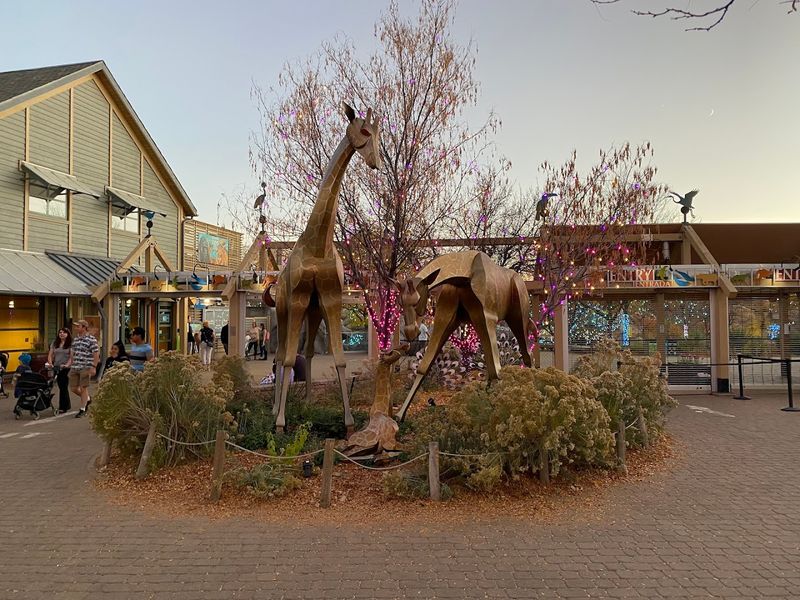
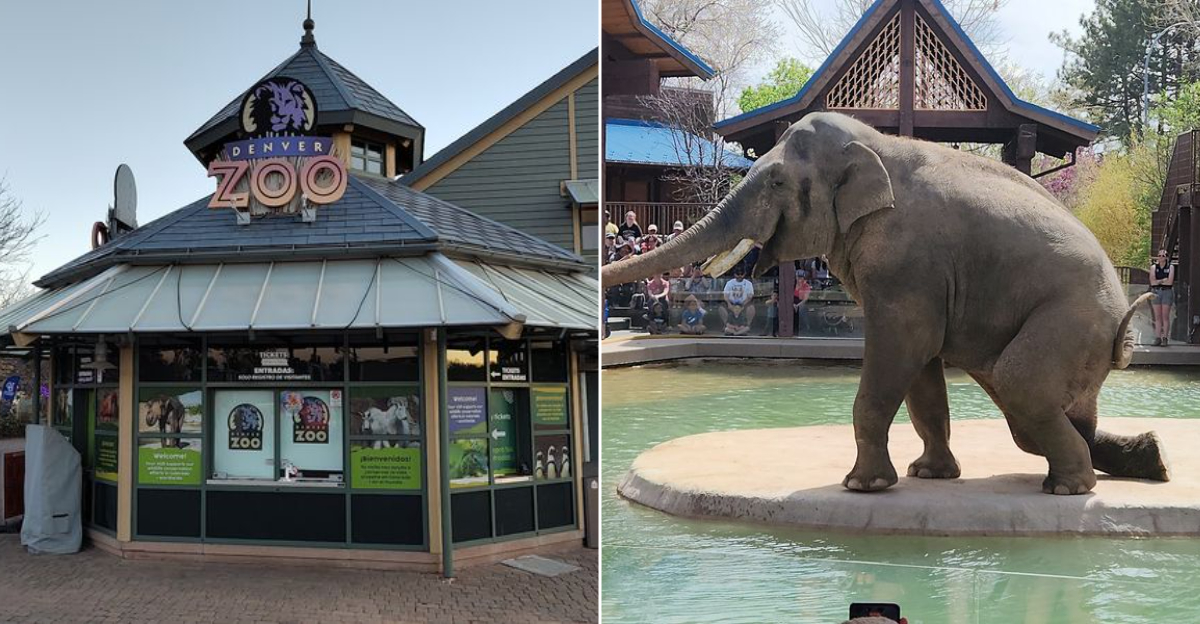
Denver Zoo Conservation Alliance sits at 2300 Steele Street in Denver, Colorado, right inside City Park, one of the city’s most beloved green spaces. The zoo opens daily at 9 AM and closes at 4 PM, which gives visitors a solid window for a half-day or full-day outing depending on how thoroughly you want to explore the roughly four miles of walking paths.
The grounds are well-maintained, clean, and easy to navigate, though the zoo is large enough that first-time visitors often realize they have covered only about three-quarters of it before closing time.
Arriving closer to opening means more active animals, shorter lines at popular exhibits, and a noticeably calmer atmosphere before the late-morning crowd settles in.
Strollers, manual wheelchairs, and electric scooters are available for rent on site, making the visit accessible for a wide range of visitors. Dining options include a restaurant near the entrance as well as snack stands offering popcorn, ice cream, and cotton candy throughout the grounds.
Parking can fill up on busy days, so arriving early is a practical strategy rather than just a suggestion. Planning Advice: Check the zoo website at denverzoo.org before your visit to confirm any seasonal events, exhibit hours, or special programming that might affect your day.
Animals Worth The Extra Walk
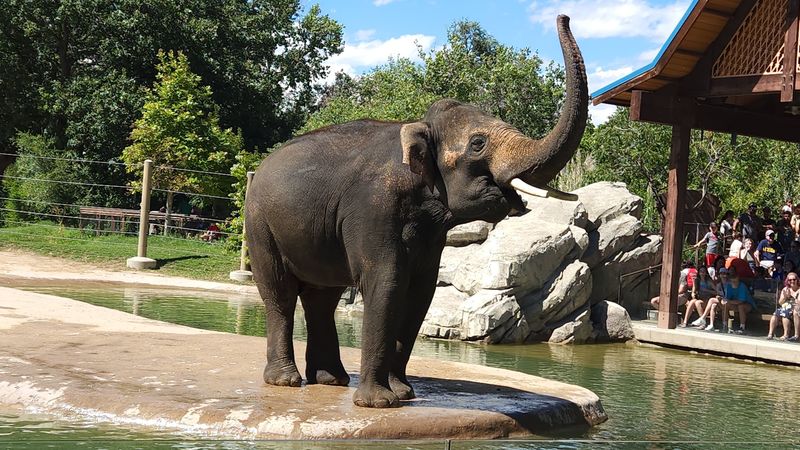
The lorikeet aviary earns its reputation, but stopping there would mean missing a significant portion of what makes this zoo worth the trip. The elephant habitat draws long, quiet crowds of people who could apparently watch elephants move around for hours, which is a completely defensible way to spend an afternoon.
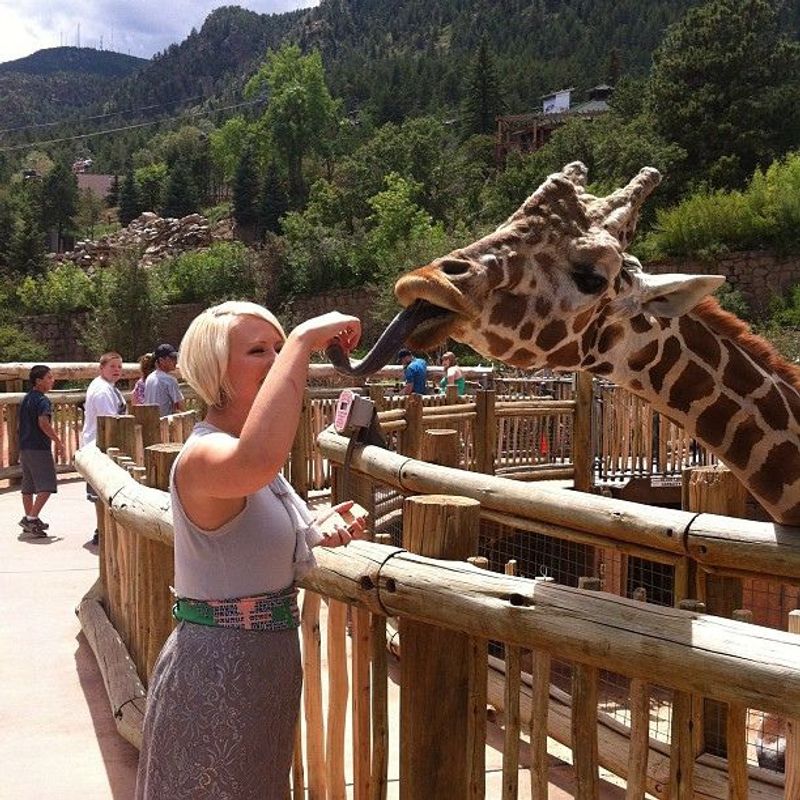
The giraffe exhibit offers similar staying power, especially for younger visitors who are still processing the fact that an animal can be that tall and that graceful simultaneously.
Primate Panorama is another section that tends to hold visitors longer than expected. Watching gorillas and orangutans move through their spaces with obvious intelligence and personality is the kind of thing that shifts how you think about the animal kingdom for at least a few days afterward.
The Tropical Discovery building houses a Komodo dragon, a giant tortoise that visitors have genuinely mistaken for a prop, and a collection of reptiles and amphibians that reward slow, careful looking.
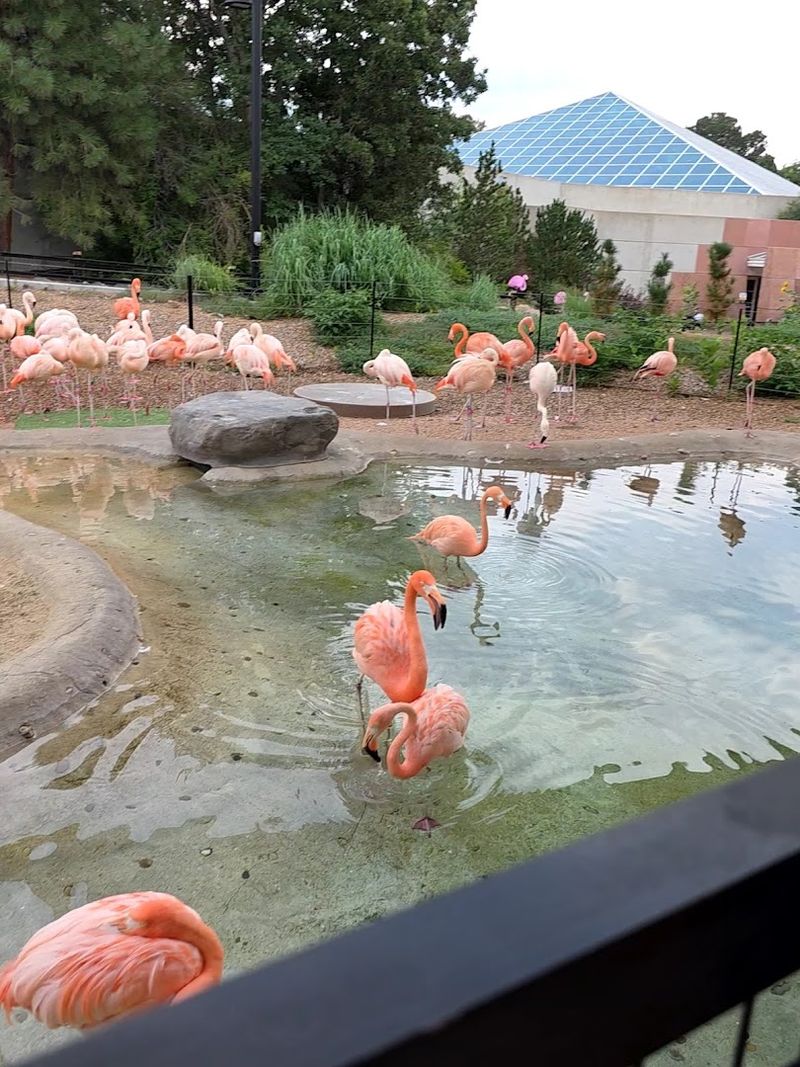
Flamingos, penguins, rhinos, clouded leopards, and free-roaming squirrels and rabbits round out a roster that keeps the grounds feeling alive at every turn.
Why It Matters: Denver Zoo is accredited and operates active conservation programs, meaning your visit contributes directly to wildlife research and habitat protection efforts globally.
Who This Visit Is For (And Who Should Know What To Expect)
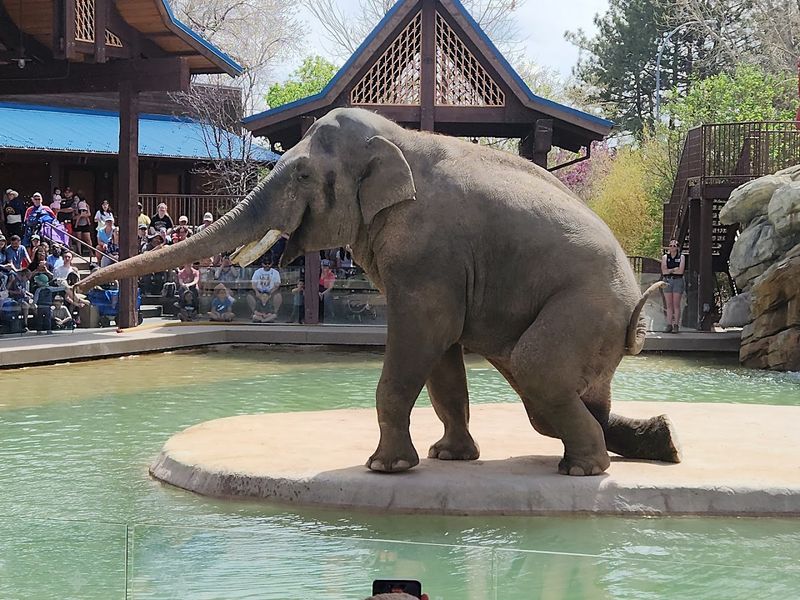
Denver Zoo Conservation Alliance is genuinely well-suited for a wide range of visitors, but knowing your group’s needs before arrival makes the experience significantly smoother.
Families with young children will find the zoo highly accommodating, with playgrounds, stroller rentals, and exhibits designed for eye-level engagement.
The lorikeet aviary in particular tends to be a highlight for kids, though the reaction range spans from pure joy to momentary terror and back to joy within about thirty seconds.
Couples and solo visitors who enjoy slow, observational walks will find plenty to reward that pace. The zoo covers enough ground that you can spend a full morning moving through exhibits without feeling rushed or crowded, particularly on weekday mornings.
Photography enthusiasts will find the animal variety and natural lighting across the grounds consistently rewarding.
Who This Is Not For: Visitors expecting a quick thirty-minute loop will likely feel the zoo’s scale works against them. The grounds are large, the 4 PM closing time is firm, and there is genuinely more to see than most people anticipate.
Budget-conscious visitors should also note that admission pricing reflects the zoo’s conservation mission, and additional costs apply for nectar cups and rental equipment. Going in with realistic expectations makes the whole day land better.
Making A Full Morning Of It: A Simple Outing Frame
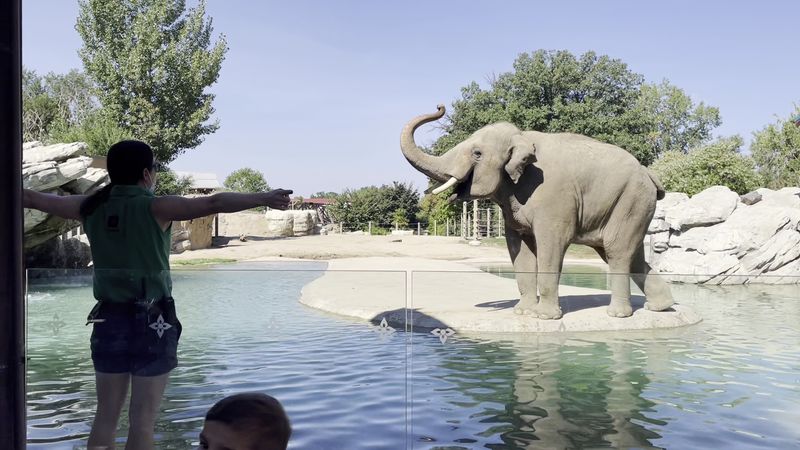
The zoo sits inside City Park, which means a visit pairs naturally with a short walk through one of Denver’s most pleasant urban green spaces before or after your time with the animals. The park has open lawns, a lake, and enough room to decompress after the sensory richness of four miles of zoo paths.
It is the kind of post-visit wind-down that requires zero planning and zero additional spending.
For a clean half-day structure, arriving at 9 AM gives you the lorikeet aviary at peak bird activity, a full pass through the major exhibits, and enough time to grab a snack from one of the food stands before the afternoon crowd picks up.
Treat it like a post-errand reward on a weekday and the whole thing feels almost suspiciously easy to pull off.
Comfortable shoes are non-negotiable given the walking distance. Sunscreen and water are worth bringing, especially during Colorado’s warmer months when the sun is direct and the paths are largely open.
Best Strategy: Hit the lorikeet aviary first, then work your way through Primate Panorama and the elephant habitat before looping back toward the entrance. This routing keeps the most popular sections from feeling like an afterthought at the end of a tired afternoon.
What The Zoo Is Actually Doing
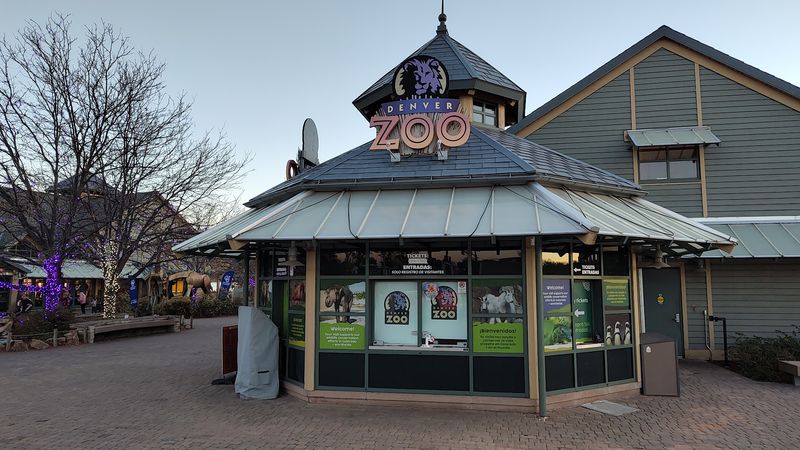
The name Denver Zoo Conservation Alliance is not decorative. The organization runs active conservation and research programs that extend well beyond the zoo’s physical boundaries in Denver.
Exhibit signage throughout the grounds reflects this mission, with information about species status, habitat pressures, and ongoing field work that connects what visitors see in front of them to what is happening in wild ecosystems around the world.
Interactive educational stations are positioned throughout the zoo, giving visitors of all ages a way to engage with conservation topics at their own pace. These are not the kind of placards you glance at and forget.
They are designed to spark actual curiosity, and they tend to work, especially on the younger visitors who arrive thinking they are just there to see cool animals and leave with a working understanding of why biodiversity matters.
The lorikeet aviary itself functions as part of this broader educational framework.
Learning that these birds have a brush-tipped tongue adapted for nectar feeding, that they are native to Australia, and that their wild populations face habitat pressure gives the hands-on encounter a weight it would not have otherwise.
Quick Verdict: This is a zoo that takes its conservation identity seriously, and that commitment shows up in the quality and depth of the visitor experience at every level.
Why This Zoo Keeps Drawing People Back
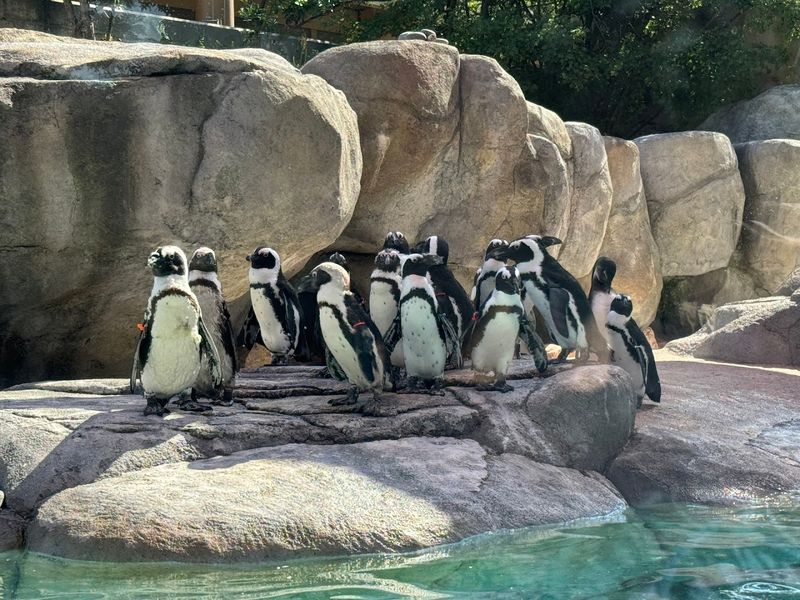
Denver Zoo Conservation Alliance has held a strong reputation with visitors for a reason that becomes obvious pretty quickly once you are inside: it is a place that delivers on what it promises.
The animals are well-cared-for, the exhibits are thoughtfully designed, the staff are knowledgeable and approachable, and the overall experience is one that holds up across repeat visits in a way that a lot of attractions simply do not manage.
The lorikeet aviary represents everything the zoo does well in a compact, memorable package. It is interactive without being gimmicky.
It is educational without being dry. And it produces the kind of genuine, unscripted moment that no amount of planning can fully manufacture.
When a brilliantly colored bird chooses your arm as its preferred landing spot, you are not watching wildlife from a distance anymore. You are briefly, wonderfully part of it.
For anyone within driving distance of Denver looking for a dependable, high-reward outing that works for nearly every type of visitor, this is the confident recommendation a good friend texts you the night before you are trying to figure out what to do with your weekend.
Go early, wear comfortable shoes, and buy the nectar cup.
Common Mistakes to Avoid: Do not underestimate the time you will need, and do not skip the aviary thinking it is a minor exhibit. It is not.