
This Curious Museum In Maine Is Stranger Than You’d Expect
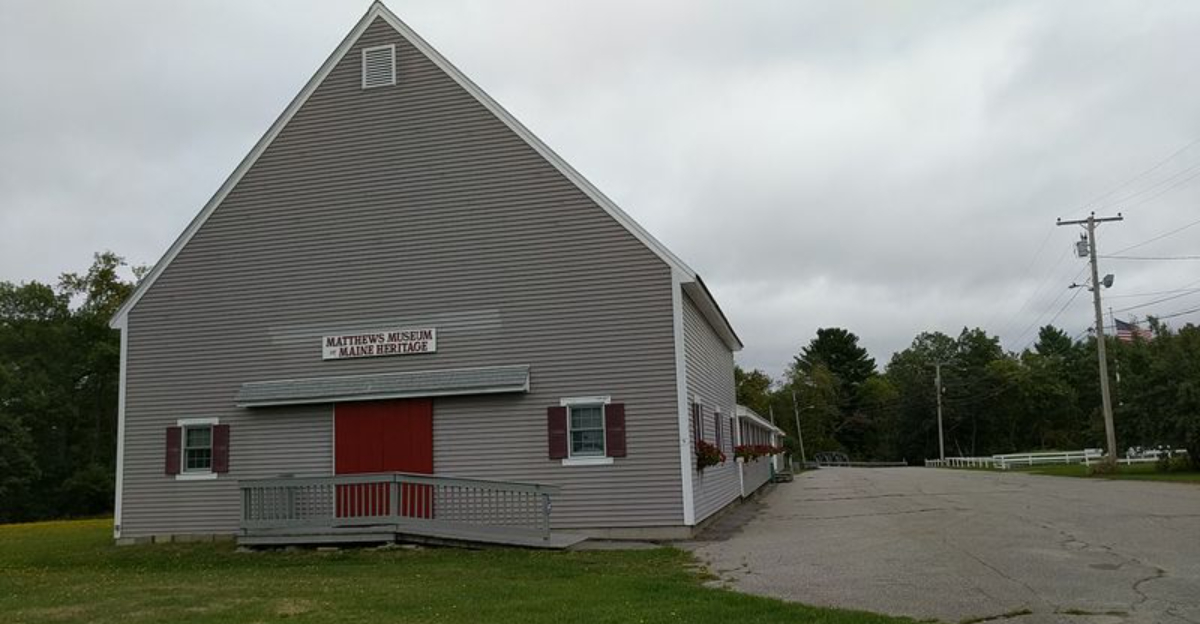
Stranger things have happened in Maine, but this museum might just take the cake. I walked in expecting quaint antiques and left feeling like I’d stumbled into a parallel universe curated by the quirkiest time traveler ever.
There were dusty relics that made me do a double-take, a one-room schoolhouse that screamed “back to the 1800s,” and odd little treasures that I didn’t know I needed until I saw them.
Every aisle dared me to gasp, giggle, or whisper, “Wait, what even is this?” By the end, I wasn’t just browsing, I was fully immersed in a delightfully bizarre mashup of history, nostalgia, and utter weirdness.
If curiosity had a theme park, this place would be the rollercoaster you didn’t know you were craving.
Maine’s Most Beloved Obsession In One Room
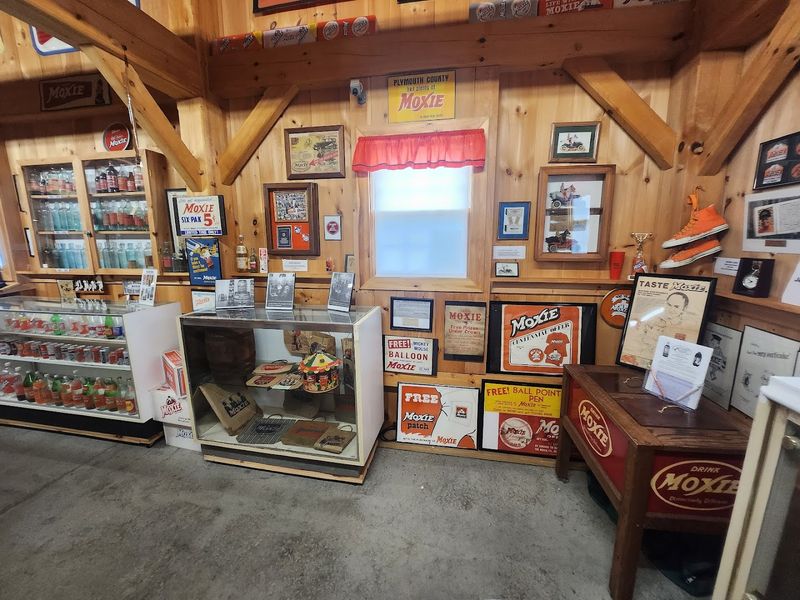
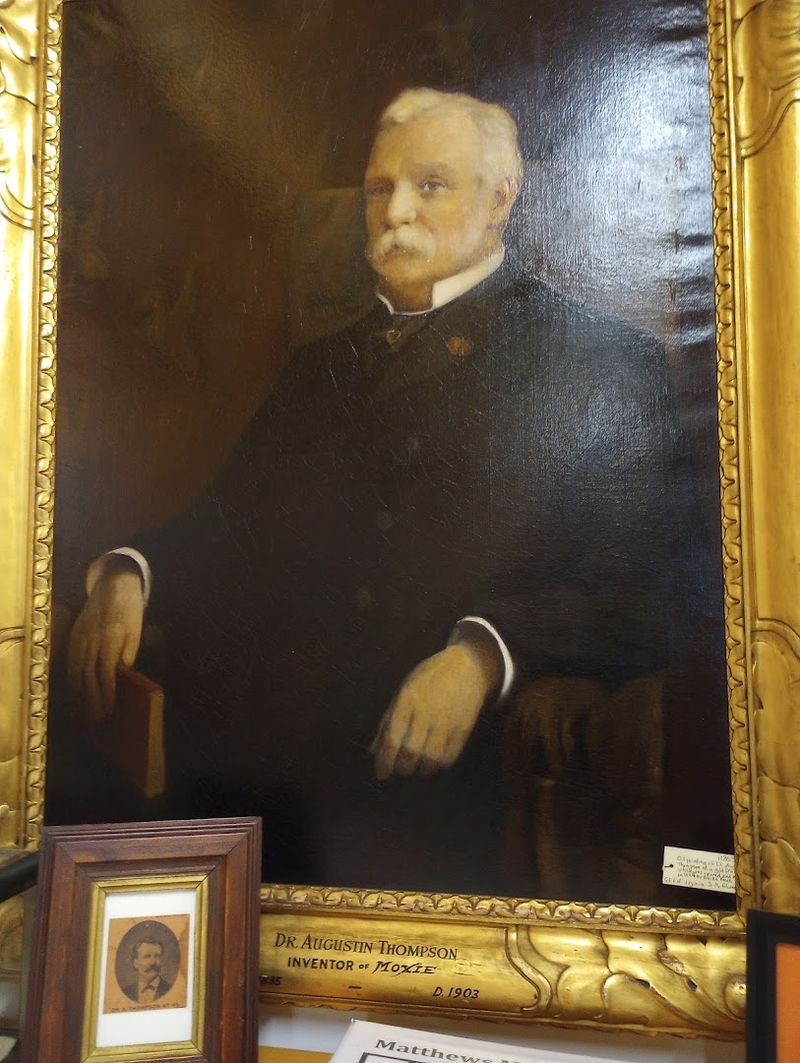
It’s impossible to be prepared for a room entirely built around a single soda. The Moxie Museum inside the Matthews Museum of Maine Heritage is one of the most specific, passionate, and genuinely delightful collections I have ever seen.
Moxie became the official soft drink of Maine in 2005, and locals have been fiercely loyal to it since the 1800s.
The shelves are lined with vintage bottles, original advertising posters, tin signs, and Moxie-branded merchandise that spans more than a century of history. Some pieces looked like they belonged in a time capsule.
I kept picking things up and thinking, someone saved this, someone cared about this, and now here it is for all of us to enjoy.
Moxie was originally marketed as a patent medicine before it became a soft drink. That backstory alone makes the collection feel like a window into American history.
The flavor itself is famously bold and slightly bitter, which is exactly why Mainers love it so much. It matches their personality perfectly.
Walking through this room felt like flipping through a really good scrapbook. Every item told a small story about how a regional drink became a point of serious cultural pride.
I bought a Moxie magnet on my way out and I have zero regrets about that decision. If you love quirky Americana, this room alone is worth the entire trip.
Finding It In Union

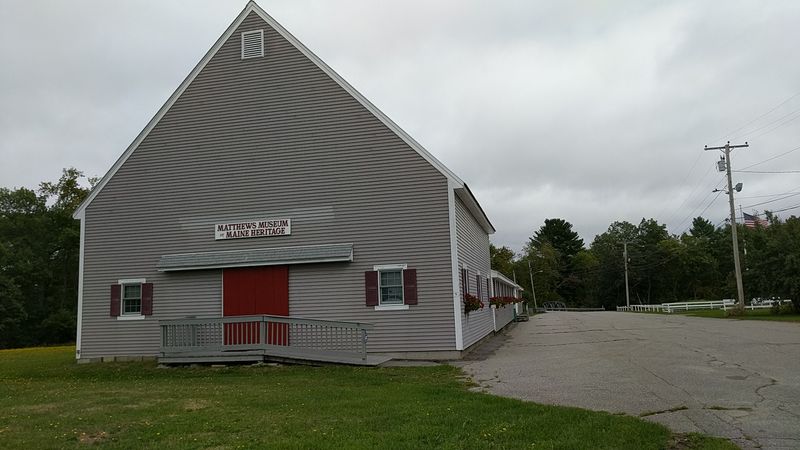
Getting to the Matthews Museum of Maine Heritage is half the adventure. The museum lives at the Union Fairgrounds at 33 Common Rd, Union, ME 04862, right in the heart of Knox County.
Union is a small, quiet town that feels untouched by the noise of the modern world, which makes it the perfect setting for a museum like this.
I drove through winding roads lined with trees and farmland before the fairgrounds appeared. The whole property has this wonderful sense of history baked into it.
The Union Fair itself has been running since 1869, making it one of the longest-running agricultural fairs in all of New England.
The museum building sits on the fairground property and is open seasonally, so planning ahead is a smart move before making the trip.
I arrived on a weekday morning and had the whole place nearly to myself, which felt like a gift. There is something special about wandering through a museum at your own pace without crowds.
The drive through Knox County is beautiful in its own right. Rolling hills, old farmhouses, and the kind of Maine scenery that makes you want to pull over and take pictures every five minutes.
Arriving at the fairgrounds felt like stepping back in time.
The whole experience started before I even walked through the door, and that set the tone for everything that followed.
Antique Tools And Farm Equipment
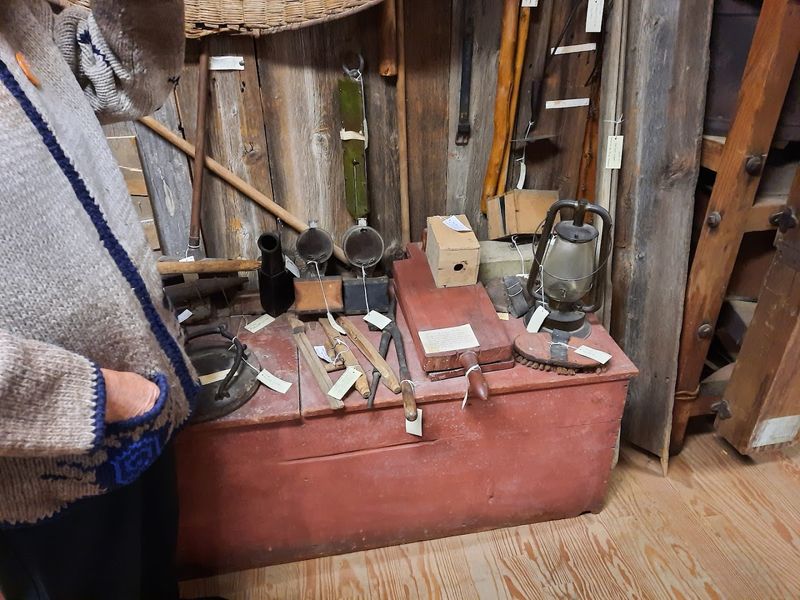
There is something deeply moving about standing next to a tool that someone used every single day a hundred and fifty years ago. The antique tools and farm equipment collection inside the Matthews Museum stopped me in my tracks.
These were not decorative objects. These were the instruments of real, hard, daily life in rural Maine.
Wooden plows, hand-forged axes, butter churns, and grain threshers filled the space with a kind of quiet dignity.
Each piece had a small label explaining its purpose and approximate age. I found myself reading every single one, which is not something I usually do in museums.
Maine has always been a working state, and this collection honors that identity without any pretense or polish.
The tools are worn, weathered, and real. You can see where hands gripped handles for years on end.
That physical evidence of human effort is genuinely humbling.
People solved complicated problems with wood, iron, and creativity. No apps, no tutorials, just skill and necessity.
I kept thinking about how different daily life must have felt when every task required this level of physical engagement.
The collection made history feel immediate and personal rather than distant and abstract. This is the kind of exhibit that changes how you think about the people who came before us.
Maine Creativity On Full Display
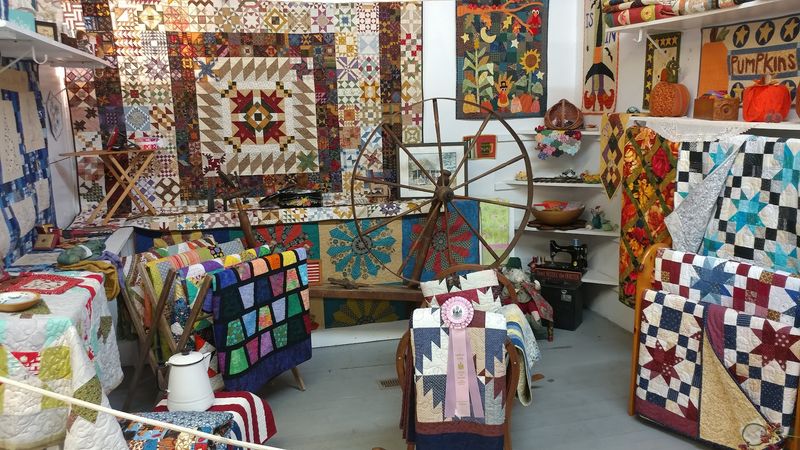
Folk art has a way of communicating things that fine art sometimes cannot. The folk art collection at the Matthews Museum was one of the most charming surprises of my entire visit.
Handmade quilts, painted wooden figures, carved decoys, and textile pieces filled the room with color and personality.
Every single piece was made by someone in Maine, often someone with no formal training and absolutely no shortage of talent. The craftsmanship was remarkable.
A hand-stitched quilt near the back of the room had a pattern so intricate that I leaned in close just to count the individual pieces of fabric.
There is a particular kind of joy that comes from looking at something handmade and knowing exactly how much time and care went into it.
These pieces were not made to impress galleries or collectors. They were made because someone had a vision and the patience to bring it to life.
Maine has a rich tradition of folk art rooted in long winters, practical creativity, and a deep connection to the natural world. You can see all of that reflected in the museum’s collection.
The animal carvings especially caught my eye.
Each one had a personality, a sense of humor almost, that felt very distinctly Maine. Walking through this room felt like meeting a whole community of makers across time, and I left genuinely inspired to pick up a craft of my own.
Faces From Another Era
Old photographs do something to me that I cannot fully explain. The vintage photography collection at the Matthews Museum hit differently than I expected.
Row after row of black and white images showed faces, farms, families, and moments from Knox County’s past that felt both distant and completely immediate.
Looking at a photograph of a Union family from 1895 standing in front of their farmhouse is a genuinely strange experience. They look back at you from across more than a century.
Their expressions are serious, their clothes are formal, but their eyes carry something recognizable.
The collection includes images of the Union Fair itself from its earliest decades. Seeing what the fairgrounds looked like a hundred years ago and then standing on that same ground was one of those moments that makes travel feel genuinely meaningful.
History became spatial and real.
Local history photography collections like this one rarely get the attention they deserve. Most people walk past them in favor of flashier exhibits.
I spent a long time in this section because every image raised a new question. Who is this person?
What happened to this farm? Did this family stay in Maine?
The photographs do not answer those questions, but they make you care enough to ask them.
That is the real magic of this kind of archive, and the Matthews Museum handles it beautifully.
The Everyday Items That Tell Big Stories
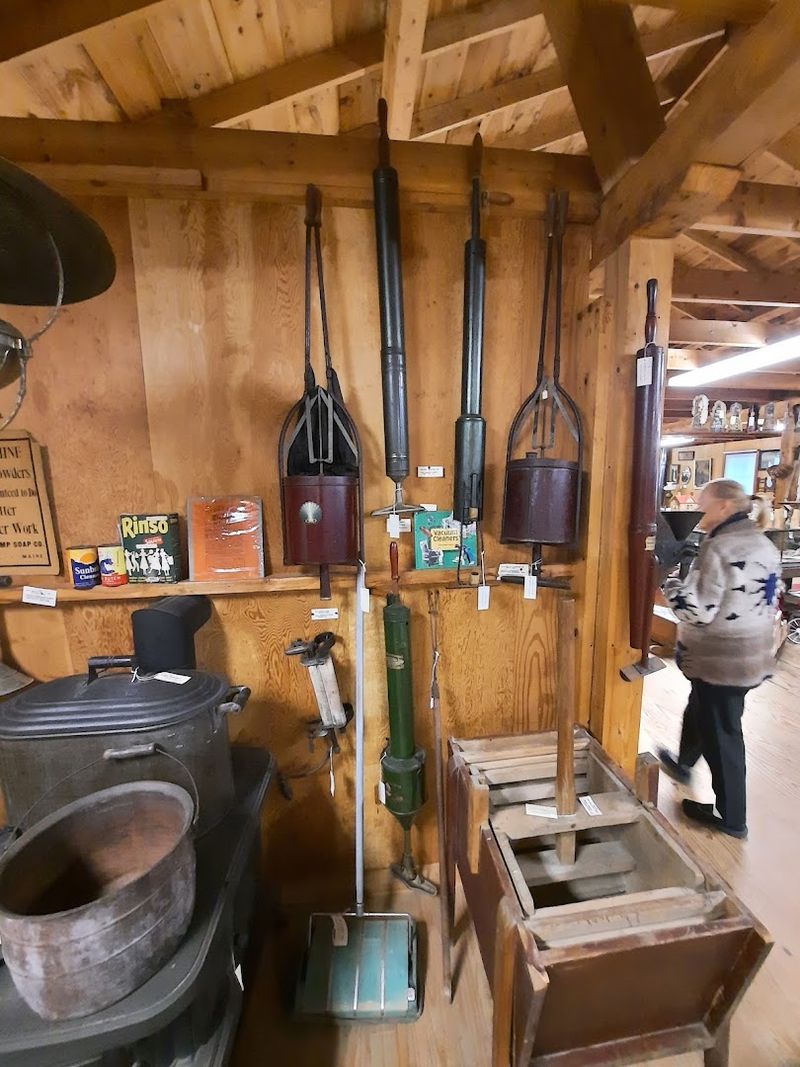
Some of the most telling objects in any history museum are the mundane ones. A ceramic bowl, a worn wooden chair, a hand-stitched apron.
The everyday heritage objects collection at the Matthews Museum is packed with exactly these kinds of pieces, and they are quietly fascinating.
I picked up a small card next to an old butter mold and read about how it was used twice a day on a Knox County farm in the early 1900s.
That specificity made the object feel alive. It was not just a wooden thing anymore.
It was part of someone’s actual routine.
The collection covers domestic life, trade, and community in Maine from the 1800s through the mid-1900s. Seeing the progression of household tools across decades tells a subtle story about how life changed over time.
Things got a little easier, a little more efficient, but the core rhythms of rural Maine life stayed remarkably consistent.
What I loved most about this section was how democratic it felt. These were not the possessions of wealthy or famous people.
They were the belongings of farmers, teachers, shopkeepers, and homemakers. The museum treats these objects with the same respect you would give a priceless painting.
That choice says something important about what the Matthews Museum values, and it made the whole experience feel genuinely inclusive and human.
Every object deserves to have its story told.
The Museum That Turns History Into Adventure
The Matthews Museum of Maine Heritage had exceeded every low expectation I arrived with. I came curious and left converted.
This museum does not have flashing lights or interactive screens or gift shops the size of airport terminals. What it has is depth, authenticity, and a real love for the place it represents.
Every exhibit felt curated with care rather than assembled for spectacle.
Maine tourism often focuses on the coast, the lobster, the lighthouses. And yes, all of that is wonderful.
But the inland, agricultural, community-driven Maine that the Matthews Museum celebrates is just as essential to understanding what this state actually is. You cannot get this story from a postcard.
I have recommended this museum to every Maine-bound friend since my visit. It is the kind of stop that resets your pace and reminds you why slow travel matters.
You leave knowing something real about a real place and the real people who shaped it. If you find yourself anywhere near Union, skip nothing and see everything this museum has to offer.
The Moxie Museum alone will make you smile for days. Have you ever found a hidden gem that completely changed your whole trip?
Because this one did exactly that for me.