
This Donation-Based Pennsylvania Thrift Store Is A Maker’s Dream For Secondhand Fabric
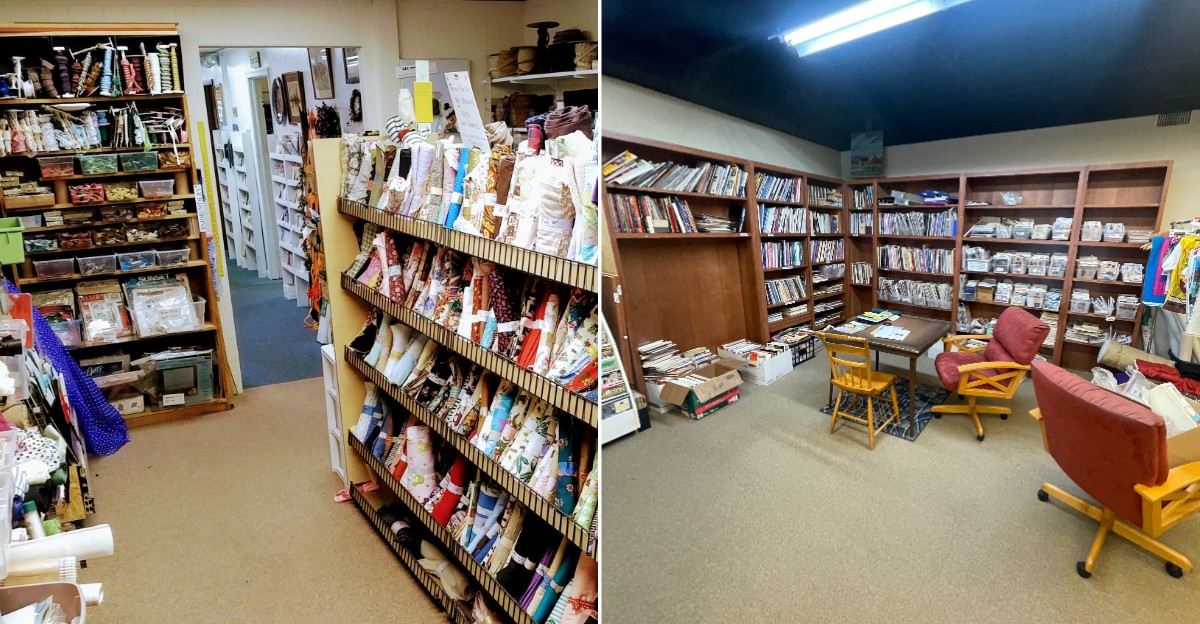
Secondhand fabric has a funny way of turning “I’m just browsing” into three new project ideas before you reach the next shelf.
For makers in Pennsylvania, a donation-based thrift store packed with reusable materials can feel less like shopping and more like creative fuel.
The appeal is not perfection. It is finding a strange print, an unusual texture, or a piece of fabric that instantly suggests what it could become next.
Nothing has to match, and half the fun is giving overlooked materials another shot at usefulness.
I once picked up a scrap of fabric simply because the pattern made me laugh. I had no plan for it and absolutely no reason to bring it home.
A week later, it became the starting point for an entire project I would never have thought of otherwise.
That is what I like about places built around creative reuse. Sometimes the best idea is already sitting on a shelf, waiting for somebody curious enough to notice it.
A Nonprofit Built Entirely On What Neighbors Give Away
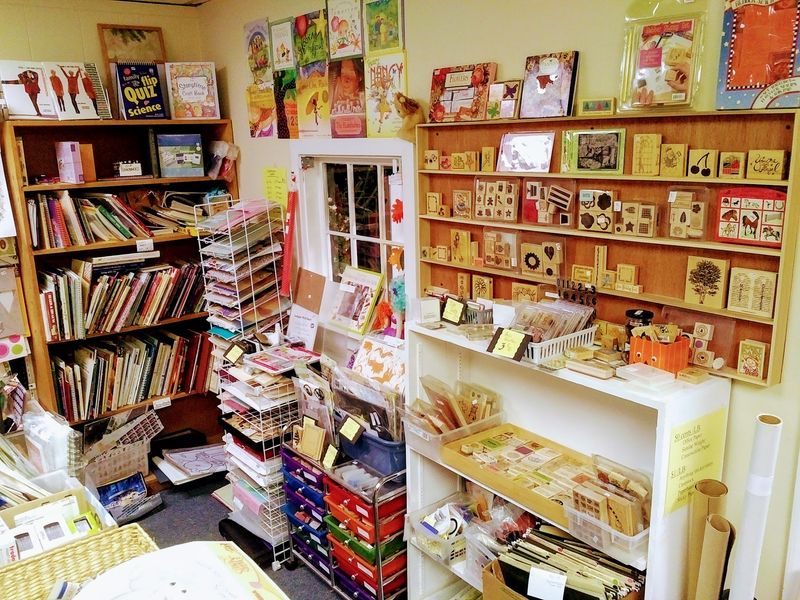
Everything inside arrived in somebody’s car trunk.
Lancaster Creative Reuse runs as a nonprofit organization, and the entire sales floor is stocked by donated craft supplies from households across the county.
Someone finishes a quilt, clears out the sewing room, and those leftovers become the next person’s starting point.
That simple handoff is the whole business model, and it works because Pennsylvania crafters accumulate a lot of material over the years.
What that means for shoppers is honest and a little wild. Inventory is unpredictable, so you shop with an open mind instead of a rigid list.
I have found full bolts of quilting cotton on one trip and almost nothing in that category two weeks later.
The trick is to treat each visit as a scouting mission rather than a shopping errand.
Because donations fund the shelves, prices stay low and the money circles back into keeping the doors open. Buying here supports the operation instead of a corporate register.
Fabric Bins That Reward Patient Diggers
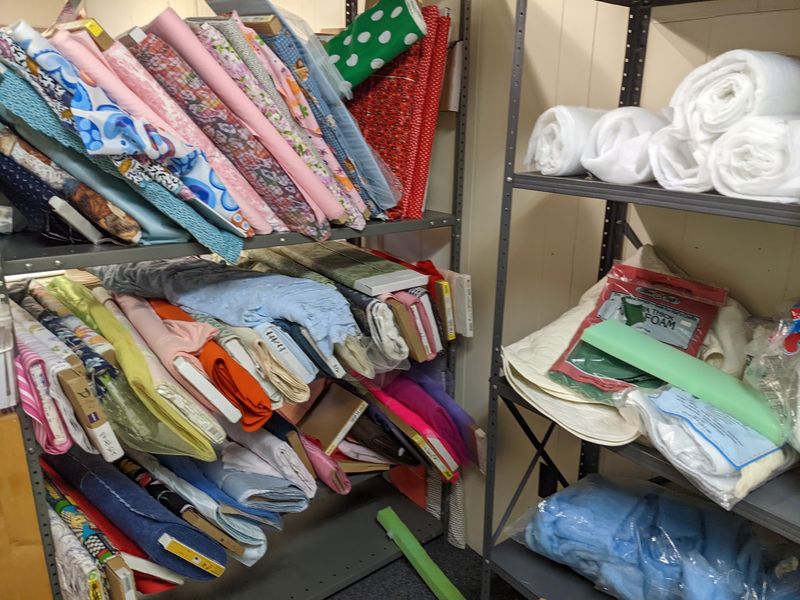
Ask any sewist what makes a fabric stash exciting and they will say variety.
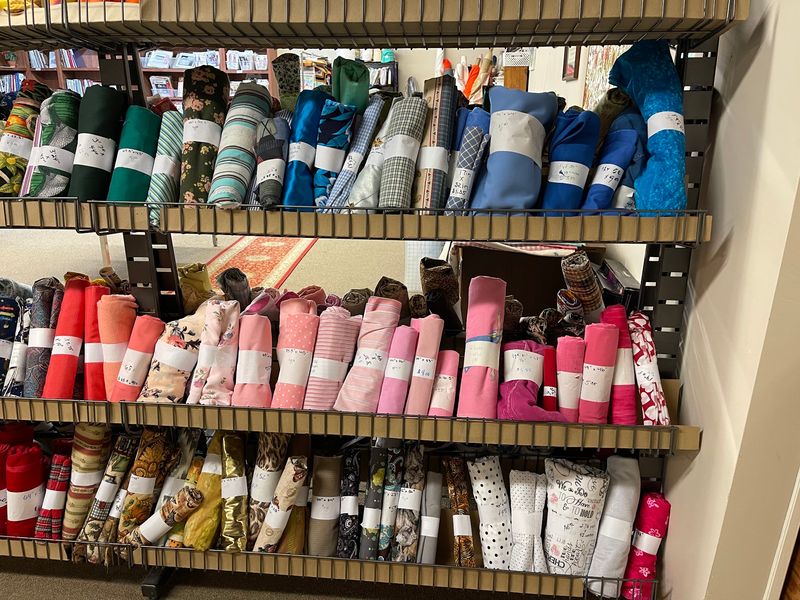
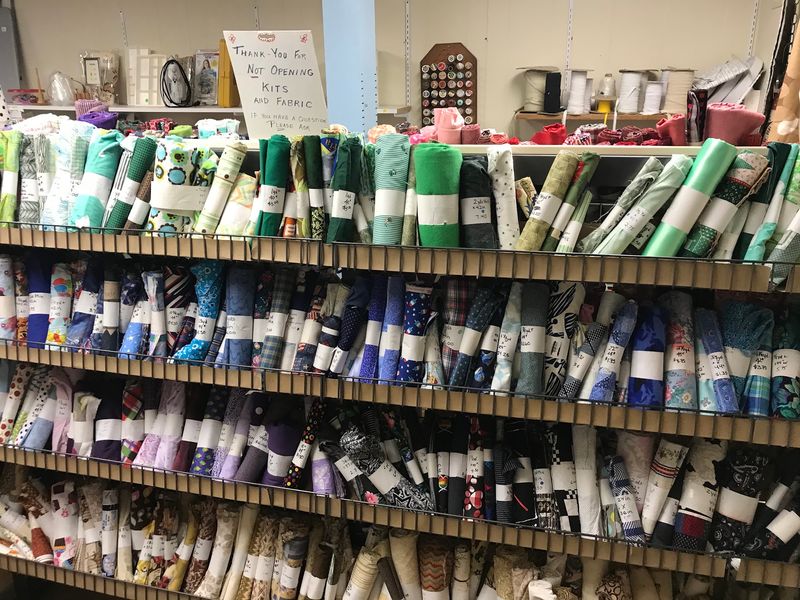
The fabric section here delivers exactly that, with remnants, yardage, quilting cottons, fleece pieces, and odd prints that no longer exist in stores.
Vintage florals sit next to modern geometrics because donors of every generation bring things in.
Digging is part of the deal. I have learned to bring a tote bag and give myself twenty solid minutes in the fabric area alone, because the good stuff hides under the boring stuff.
Hold pieces up to the light to check for fading or thin spots, since these textiles have already lived one life.
Prices land far below what a chain store charges for comparable yardage, which makes experimenting cheap. If a project flops, you are out a couple of dollars instead of thirty.
That freedom is exactly why beginners should start here before buying anything new.
Sewing Notions, Patterns, And The Little Things Nobody Stocks
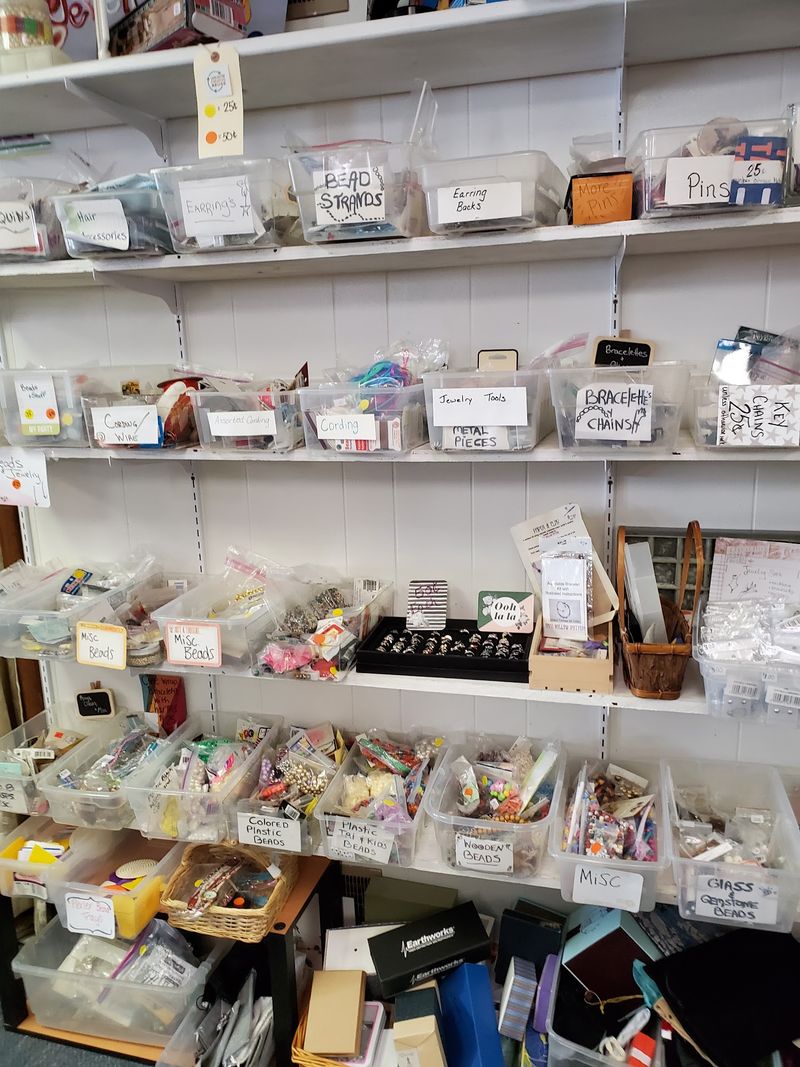
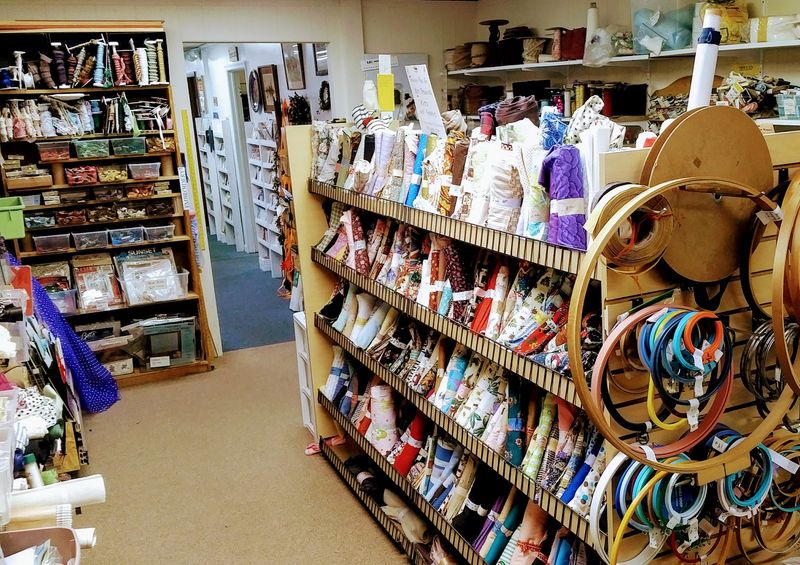
Zippers alone can wreck a project budget. Here you will find drawers of them, along with buttons, bias tape, snaps, thread, elastic, and those small metal bits that sewing machines demand at the worst moment.
Vintage paper patterns fill racks too, including styles that went out of print decades ago.
Costume makers and historical sewing fans treat those pattern racks like a treasure map.
I once pulled a nineteen seventies dress pattern in my exact size for pocket change, which felt like winning a very small lottery.
Envelopes are usually intact, though it pays to peek inside and confirm the pieces are still there.
Notions get organized by type, so browsing does not turn into chaos. Staff regularly reset sections as fresh donations come in, which keeps things findable.
For anyone building a home sewing kit from scratch, one trip through this department can cover most of the basics for very little money.
Yarn And Fiber Arts Get Their Own Corner
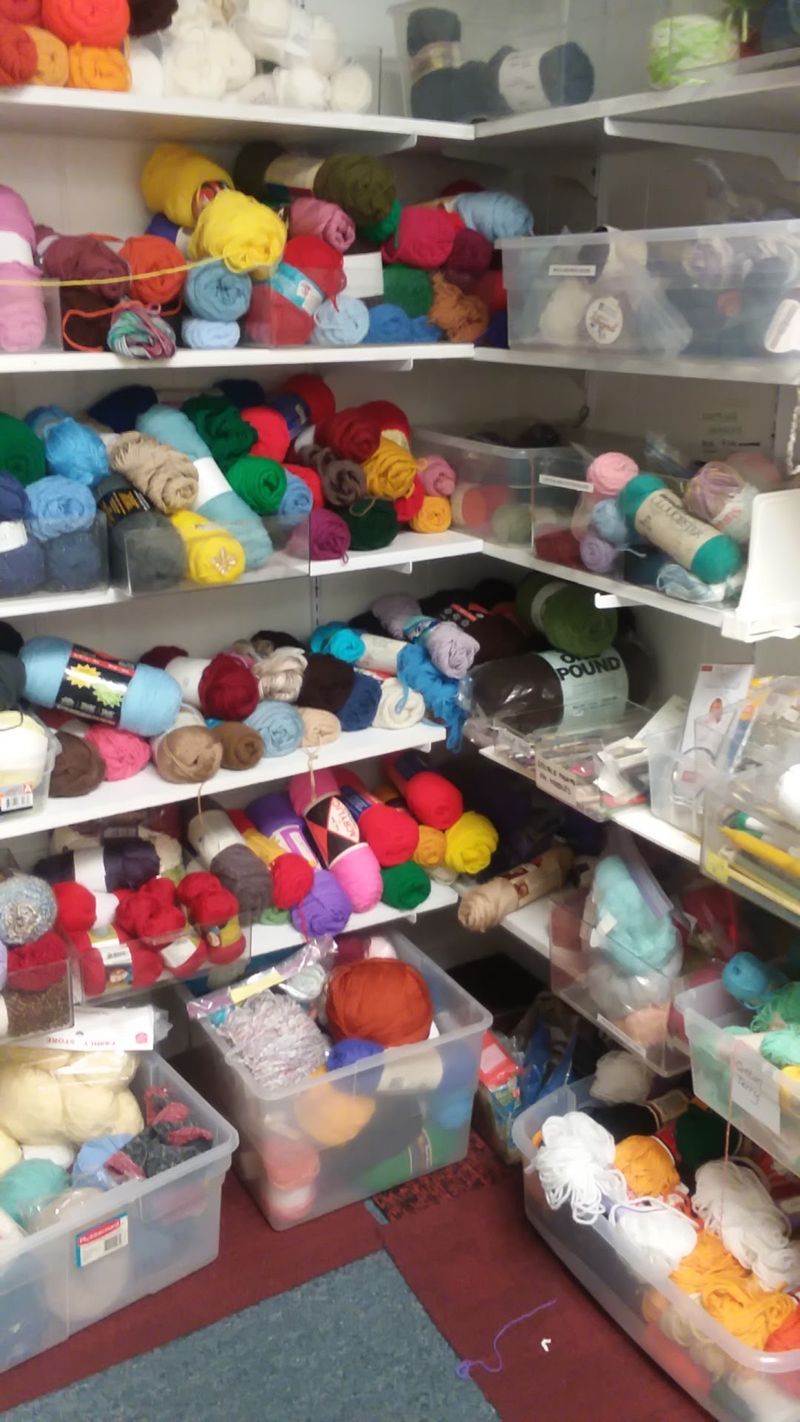
Knitters, prepare yourself. Skeins pile up in bins by weight and color, ranging from basic acrylic to wool blends that someone clearly bought with big plans and never touched.
Needles, crochet hooks, looms, and pattern books sit nearby, rounding out the fiber arts section.
Partial skeins are common, and honestly that is a feature.
Scrap blankets, granny squares, amigurumi, and colorwork projects all thrive on odd leftovers, so mismatched lots become an advantage rather than a problem.
I grabbed a bag of assorted wool once and turned it into a striped scarf that got more compliments than anything I bought new.
Check labels when they survive, since fiber content matters for anything you plan to wash. When labels are gone, a burn test at home settles the question.
Given how expensive quality yarn has become, this corner of the Pennsylvania shop feels almost unfair to chain retailers.
Secondhand Sewing Machines Find New Homes Here
Bigger items show up too, and sewing machines are among the most popular.
Used models appear on the floor periodically, often older metal workhorses that outlast anything made today.
Prices vary with condition and brand, and staff will walk you through what they know about each one.
Buying a machine secondhand takes a little homework. Ask whether it has been tested, look for the foot pedal and power cord, and check that the bobbin case and presser feet are included.
A machine that stitches a straight line and a zigzag covers most home projects perfectly well.
Since stock depends on donations, machines come and go quickly. Regulars keep an eye out and move fast when something good lands.
For a new sewist who is not ready to spend hundreds on a fresh model, picking up a solid used one here removes the biggest barrier to starting.
Frames, Paper, And Scrapbooking Supplies By The Stack
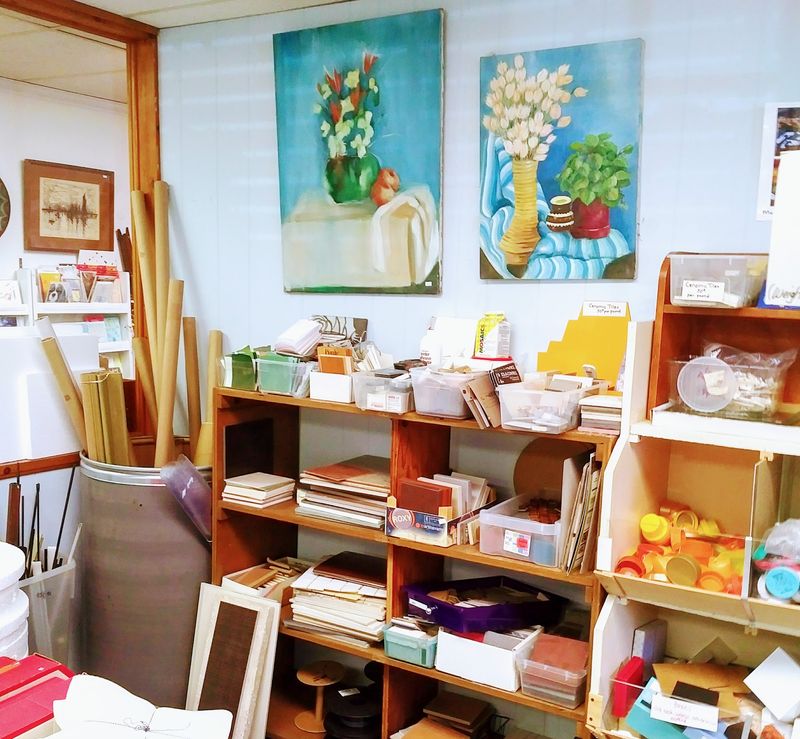
Empty picture frames lean against the walls in glorious disorder, waiting for artwork or a coat of spray paint.
Sizes run from tiny tabletop ones to pieces big enough for a statement wall.
Nearby, scrapbook paper fills racks by pattern and theme, alongside stamps, stickers, card stock, and embellishments.
Card makers tend to lose track of time in that aisle. Specialty papers that cost real money new sit here for a fraction, and buying a variety pack costs less than a fancy coffee.
I once framed four prints for my hallway and spent less than what one new frame would have run me.
Measure your art before you go, or at least snap a photo with dimensions on your phone. Frame glass occasionally has scratches, so tilt each one toward the light.
Seasonal and holiday decor rotates through this area as well, which makes autumn visits especially rewarding.
Keeping Craft Supplies Out Of Pennsylvania Landfills
Landfill diversion sits at the heart of the whole operation.
Craft materials are notoriously hard to recycle through normal programs, so fabric scraps, plastic beads, and half used paint sets usually end up thrown out.
Redirecting those items into a shop gives them another shot at becoming something.
The environmental math adds up fast. Textile production uses enormous amounts of water and energy, so every yard of secondhand fabric someone buys is a yard that did not need to be manufactured.
Multiply that across a busy Saturday and the impact gets real.
Shoppers who care about sustainability get a practical way to act on it without any lectures involved. You just shop, and the good outcome happens automatically.
Plenty of Pennsylvania families now make this their default first stop before any big box craft chain, which is exactly the habit the place was built to encourage.
Donating Your Own Clutter Is Half The Fun
That closet full of abandoned projects has somewhere to go.
Donations of gently used craft supplies are what keep the shelves full, and dropping off a box feels genuinely satisfying.
Fabric, yarn, beads, art materials, frames, and notions all find takers.
Before loading the car, sort your items and skip anything moldy, badly stained, or broken beyond use. Clean, usable supplies move quickly, while damaged goods just create work for the small team.
Calling ahead about large or unusual donations saves everyone confusion, especially with furniture sized items or bulk quantities.
There is something oddly freeing about handing over the quilt top you will never finish. Someone else will finish it, and you get your storage space back.
Guilt about wasted money fades once you realize the materials are heading toward a maker who actually wants them. I cleared two shelves that way and slept better for it.
Staff Who Actually Know Their Way Around A Bobbin
Walk in confused and somebody will sort you out.
The people working the floor are crafters themselves, which means questions about fabric weight, needle sizes, or which glue holds fabric get real answers.
Conversations between shoppers happen constantly too, with strangers swapping project ideas over the same bin.
That community feel is a big part of why people keep coming back. Nobody rushes you, and browsing for an hour is completely normal behavior here.
If you are hunting something specific, just ask, because staff often know about items that have not made it to the sales floor yet.
Teachers and nonprofit groups have historically received special consideration, so it is worth mentioning if you fall into either category.
The atmosphere leans helpful rather than transactional, and in a world of self checkout lanes, having an actual conversation about zipper types feels refreshingly old fashioned.
Planning Your Visit To 1766 Oregon Pike
Timing matters more than you might expect.
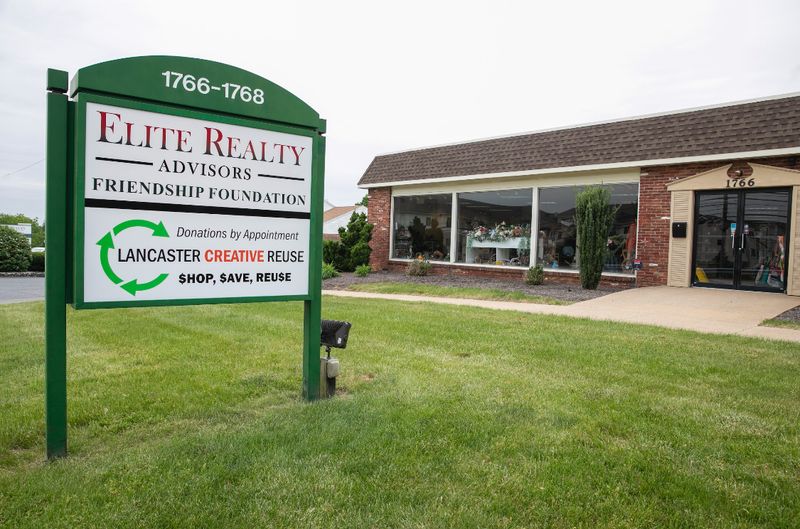
Lancaster Creative Reuse sits at 1766 Oregon Pike, Lancaster, PA 17601, and the doors stay closed Sundays and Mondays.
Tuesday through Friday hours start at ten in the morning, with most days wrapping at three and Thursday running later until six.
Saturday brings a longer window, ten to four, and tends to draw the biggest crowds.
Weekday mornings feel calmer if you want room to spread out and compare fabrics without bumping elbows.
Thursday evenings work nicely for anyone tied up during standard business hours. Bring cash or card, a reusable bag, and a rough idea of your project measurements.
Parking is straightforward, and the location on Oregon Pike is easy to reach from the north side of the city.
Give yourself more time than you think you need, because this Pennsylvania shop has a way of stretching a quick stop into an afternoon.