
This Double-Decker And One-Of-A-Kind Illinois Bridge Is An Engineering Marvel
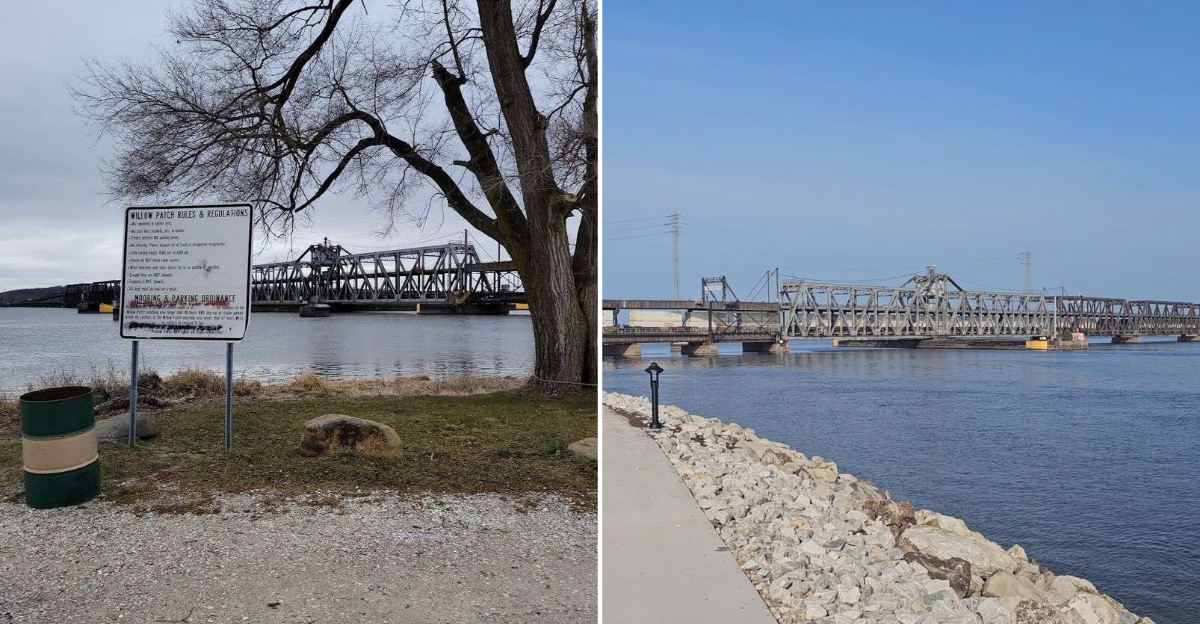
I slowed down without meaning to. Not for traffic, traffic always slows here, but because the whole bridge started moving.
Not shaking or swaying, but turning. I remember gripping the wheel, half-confused, half-grinning, watching the center span pivot out over the Mississippi like it had all the time in the world.
Cars idled above the river while a freight train rumbled somewhere beneath my tires, and for a minute nobody went anywhere. The river got first dibs.
Illinois does that sometimes, lets the landscape make the rules. I’ve crossed plenty of bridges, but this one sticks because it feels alive, like infrastructure with a personality.
You don’t just drive across it. You wait with it.
You listen. And if you’re like me, you end up enjoying the delay more than the drive.
A Double-Deck Original You Can Actually Drive
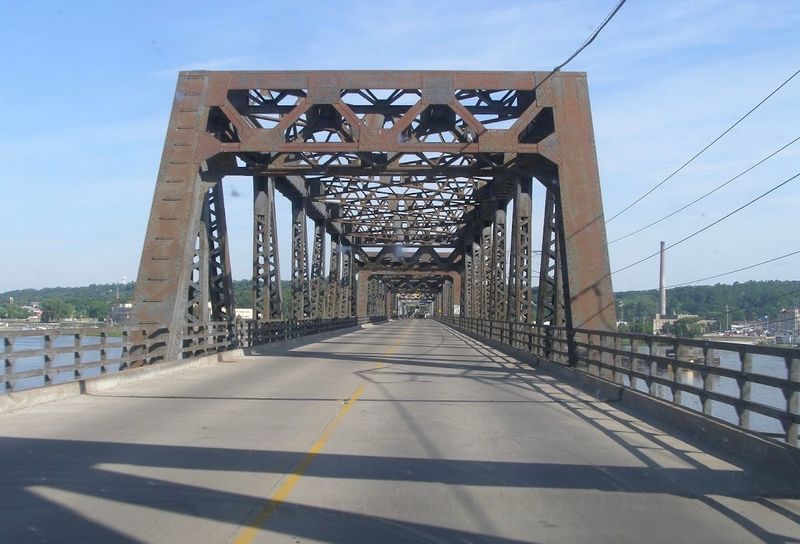
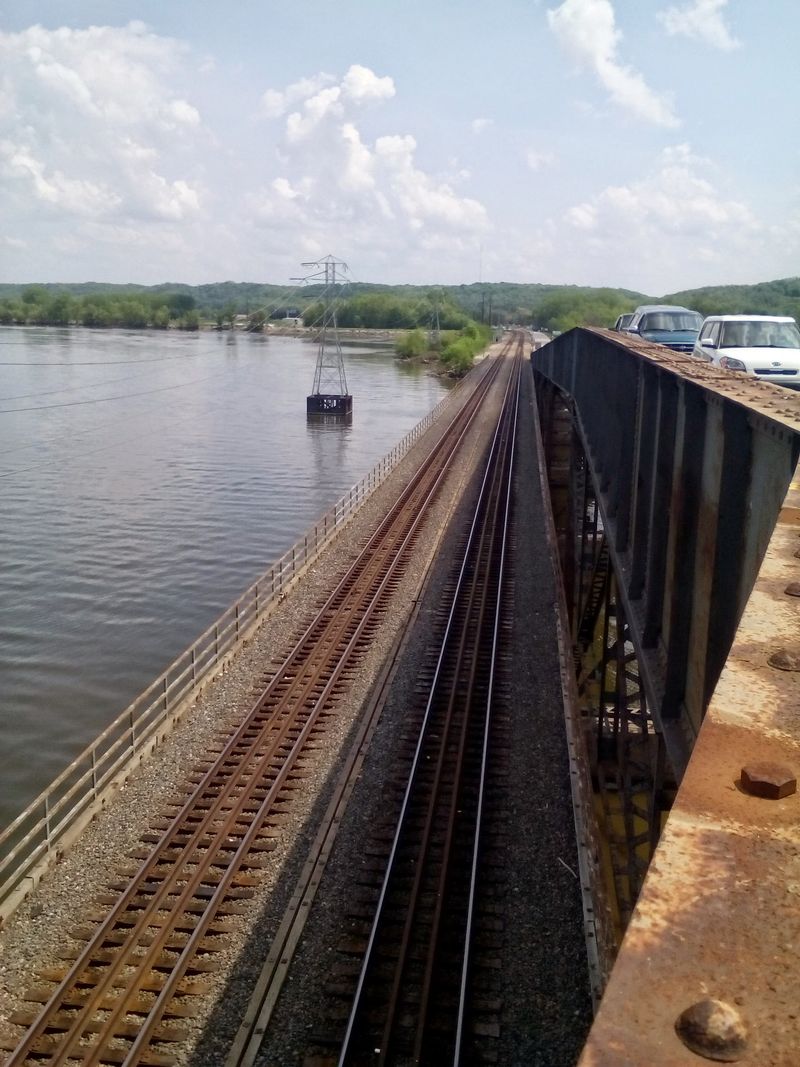
It stands out the second you roll up to the Illinois shoreline near Niota. Two stacked levels stretch over the Mississippi, one carrying everyday drivers, the other hauling freight, and the whole structure feels like a working time capsule that never retired.
A barge noses upriver. A horn echoes.
Traffic slows without anyone saying a word. The bridge almost seems to pause, like it’s deciding who gets the right of way.
That quiet negotiation between steel and current gives the crossing a personality I don’t forget.
From behind the wheel, the upper deck feels tight and focused, lattice ironwork pacing past the windows in steady rhythm. Somewhere beneath my tires, freight cars clatter toward Iowa, their weight humming through the structure.
The river breeze drifts up carrying mud, cottonwood, and that faint industrial tang that always hangs near working water.
I catch myself looking sideways more than usual, levees, rooftops, and the Fort Madison riverfront sliding by through the truss. The lanes feel narrow enough to keep both hands honest on the wheel, so I slow down and stay centered like the locals do.
When the span is open and traffic flows, it’s more than a shortcut across the river. It’s a small story in motion, one that starts on the Illinois bank and finishes on the steel bones of the BNSF Fort Madison Toll Bridge.
The Swing-Span That Turns Like A Giant Key
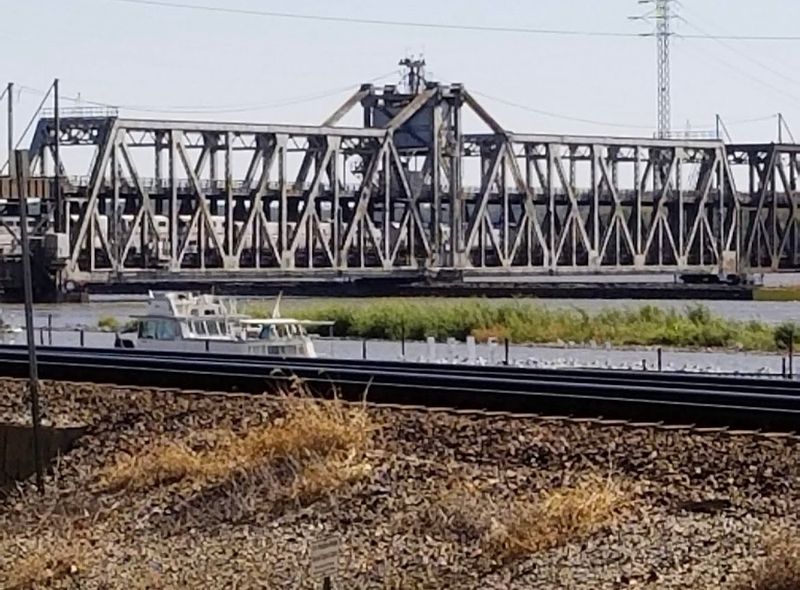
The most jaw-dropping feature is the swing span. When river traffic approaches, the central section pivots horizontally around a stone and steel pier, opening a navigable channel for river traffic.
It is like watching a giant key turn in a lock, deliberate and smooth, set to the tempo of horns and river chatter. You sit, you wait, and then you catch the soft shudder of machinery as the river claims right of way.
This choreography dates to an era when riverboats ruled and railroads raced the clock. Today, it still works because it has to, serving barge tows stacked high with grain or coal.
Patience becomes part of the visit. The bridge crew times openings with traffic and safety in mind, and sometimes it pivots earlier than you expect, giving everyone space.
Waiting on the approach lane, you can watch the truss slowly glide, sunlight flickering across rivets. It is a living lesson in clearance, currents, and cooperation.
Bring a camera and a calm mindset. When the span closes, the world realigns with a decisive stop, and cars begin to creep forward.
The show ends, and your crossing resumes, richer for the pause you just witnessed.
Rails Above, Road Below
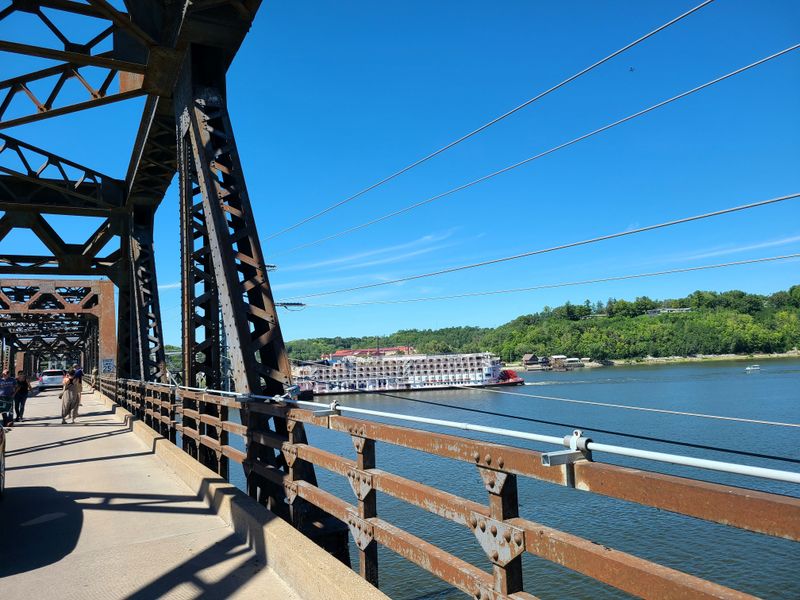
Look up while you drive, and you will see why this bridge feels so alive. The upper deck carries everyday drivers, while the lower deck moves heavy freight on BNSF rails heading to work, school, or Nauvoo.
That two-story arrangement is rare along the Mississippi, and it compresses the drama of an entire transportation network into a single crossing.
It is not just spectacle. The stacked design maximizes space and keeps the river corridor efficient, especially where approaches must fit between levees and riverfront neighborhoods.
The soundscape tells the story better than any plaque. You hear brakes squeal softly and metal resonate, a reminder that freight economics hum beneath your tires at all hours.
When a train barrels over, the deck vibrates with a deep steady rhythm. You grip the wheel a touch tighter, then relax as the cadence fades downstream.
The bridge becomes a duet. Large trucks and semis face strict width and size limits, so you will mostly share the road with cars, pickups, and motorcycles.
It is a cooperative dance built into the bones of the structure, and it makes every crossing feel like a brief membership in the river’s working club.
History In The Trusses, Stories In The Rivets
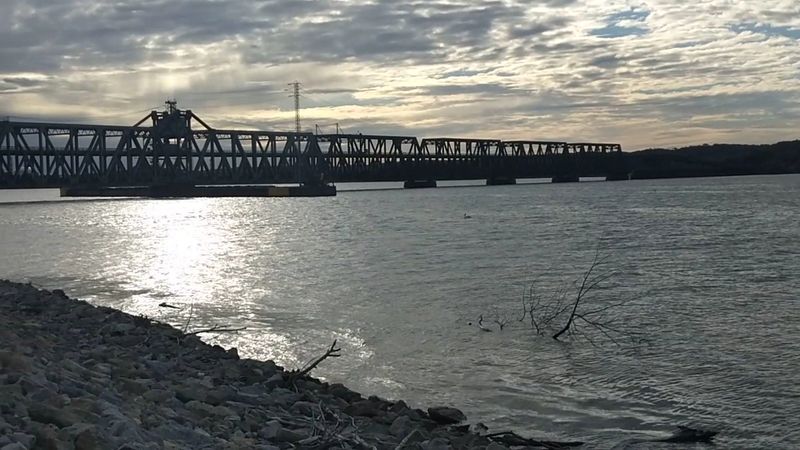
Stand on the Illinois riverbank and you can almost read the timeline in the steel. The bridge traces its lineage to the 1920s, a period when American engineering embraced brawn, symmetry, and problem-solving with visible confidence.
Swing-span technology served the river’s needs, and double-deck efficiency fit a railroad town that pulsed with industry. Those choices still do the heavy lifting today.
Locals will tell you about generations who crossed here for school sports, factory shifts, and family reunions. Railfans remember classic liveries roaring past on the upper deck.
The structure became a set piece for everyday life, sturdy and photogenic in snow, fog, or dazzling summer sun. You can feel that legacy in the way people point it out to visitors with a small nod of pride.
Is every date and claim neat and tidy? Not always.
Awards and rankings change with new measurements and new bridges. What you can trust is the authenticity of the place.
It is a real working span, not a museum piece, still adapting to river demands and regional traffic. That pragmatic beauty is the bridge’s truest historic quote.
First Impressions: Narrow Lanes, Big Views
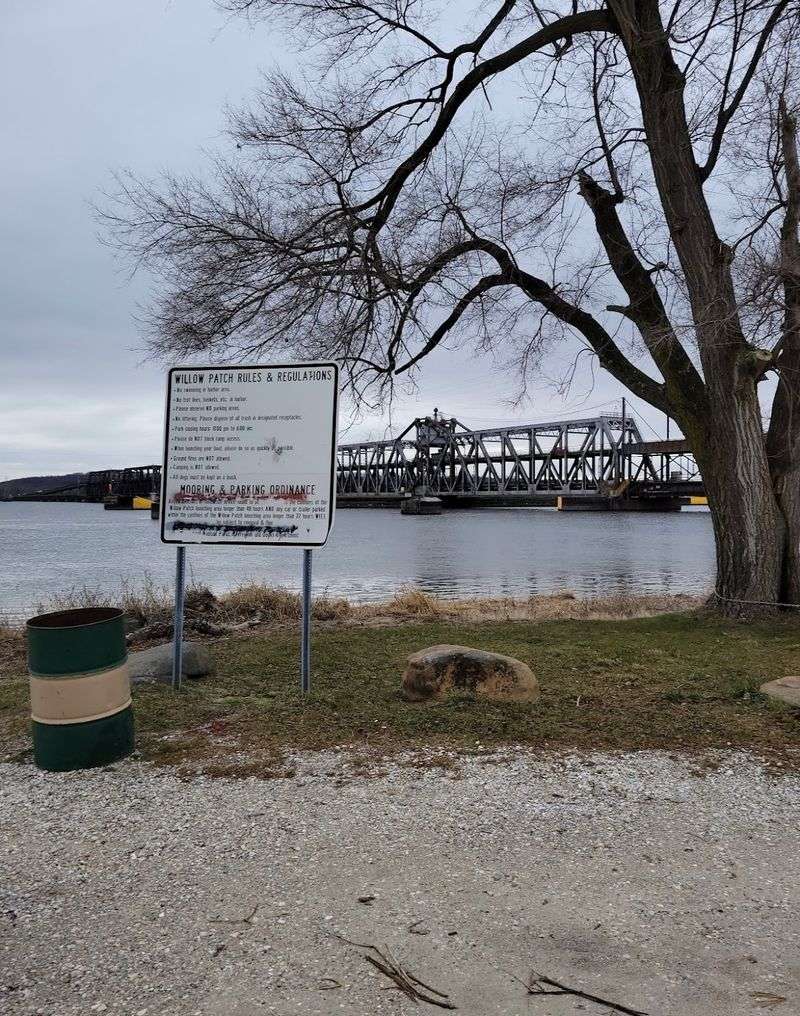
Roll onto the deck and the first thing you notice is the width. The lanes feel snug, with steelwork right at your shoulders.
It is perfectly drivable at posted speeds, but you will want to keep both hands steady and your gaze forward. That slight squeeze is part of the bridge’s personality, and it clears the mind quickly.
Then the river steals the show. Through the lattice, the Mississippi flashes silver, with barges pushing slow and steady and gulls chasing wake.
On bright days, the trusses throw patterned shadows that flicker across the windshield like old film. If it is raining, the deck takes on a moody sheen, and motorcycle riders treat the crossing with extra respect.
Because trucks face width limits, traffic feels mostly local, mixed with visitors heading toward Nauvoo or Fort Madison. The payoff is visual.
You get power plant stacks in the distance, church spires on the Iowa side, and a sweep of levee greens. By the time your tires meet solid land again, you have ridden a brief aerial over America’s backbone river, and it lingers long after the turn signal clicks.
Tolls, Timing, And That Swing-Bridge Patience
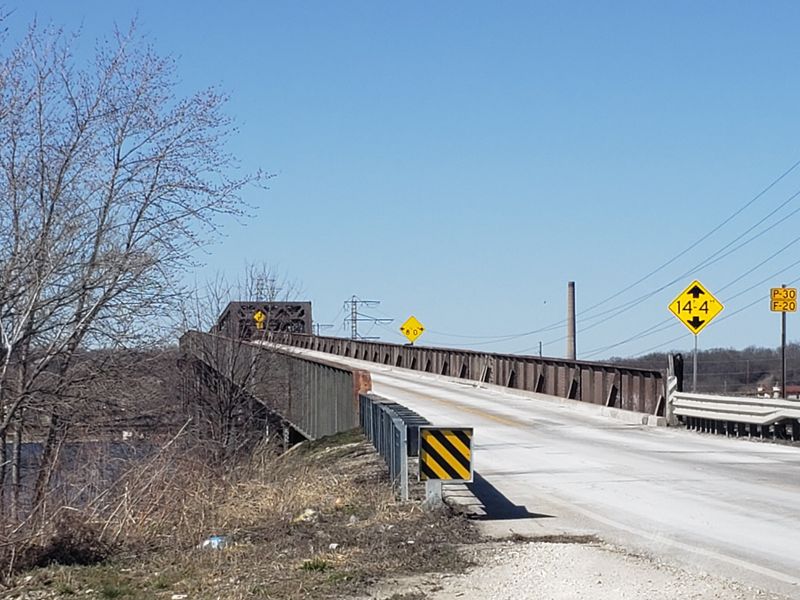
Expect a toll when crossing in either direction. Tolls are currently reported at about $2.50 per crossing, with payment collected regardless of which direction you travel.
Tolling is cashless, so payment is handled electronically rather than with cash. Hours and toll amounts can vary, so think of it as a modest fee for a front-row seat to the river’s choreography.
Timing is the trick. If a barge is near, the span can swing open well before it arrives, and the wait might stretch.
Locals plan a cushion, and you should too, especially during peak tourism or maintenance windows. Checking local updates or calling ahead can save you a surprise delay, but sometimes the river writes the schedule.
When you do pause, roll down a window and listen. Tugs rumble, birds chatter, and the current whispers against the piers.
It is a short course in patience that often rewards you with a great view. Once the bridge locks back into place, traffic flows again.
Your best strategy is simple: accept the rhythm, and you will enjoy the crossing more.
Where To Park, Watch, And Photograph The Action
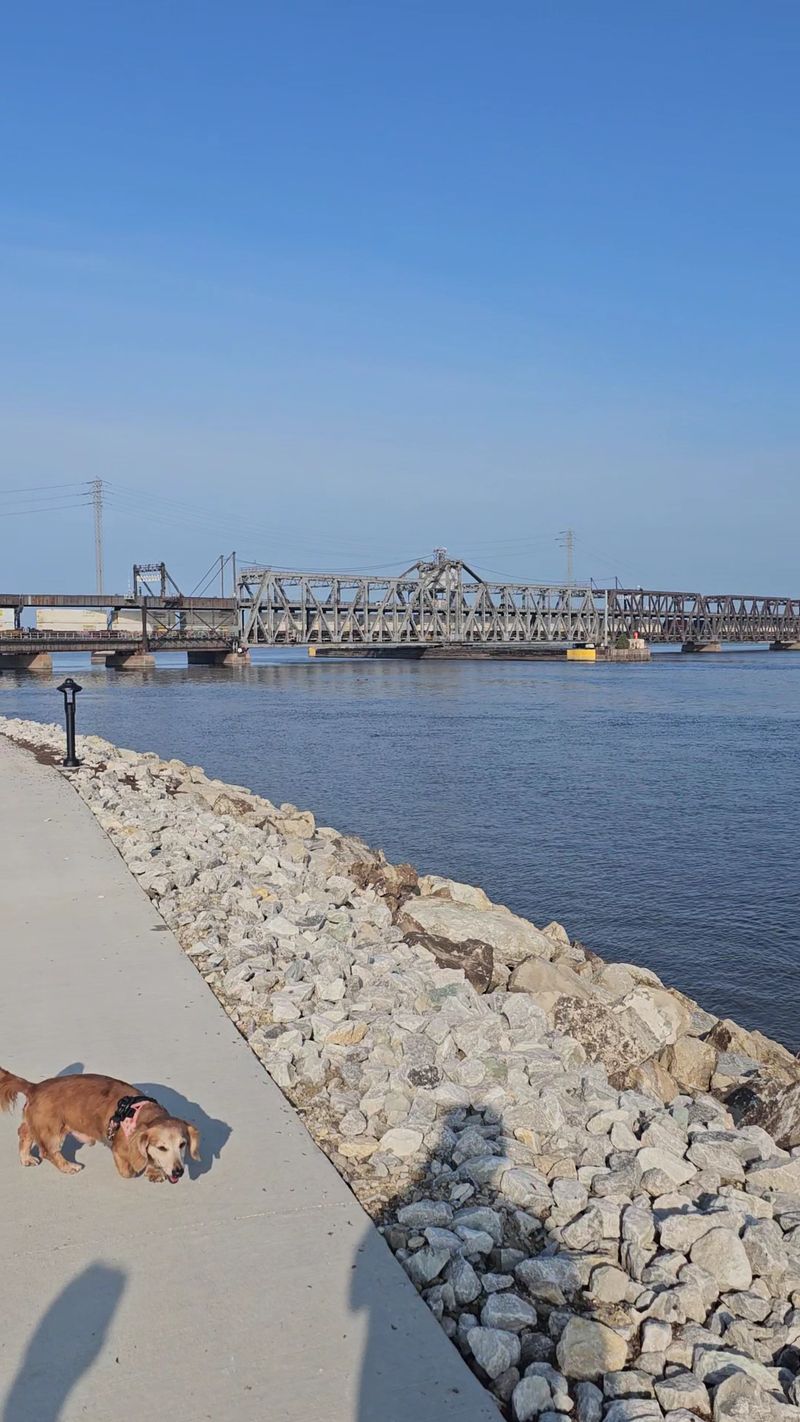
If you want photos or just a quiet view, explore the Illinois riverbank near the approach. Pull-offs and small shoulder areas offer quick stops, but be mindful of signage and keep well off the roadway.
For longer looks, find legal parking in Niota or across the river in Fort Madison’s riverfront parks, then walk to a safe vantage point. The pivot pier and truss geometry line up beautifully from just downstream.
Golden hour rewards patience. The steel warms to honey tones, reflections ripple on the Mississippi, and passing trains make perfect silhouettes on the upper deck.
Telephoto lenses capture the rotating span, while wide angles frame both shorelines and sky. Bring a steady hand because vibrations from traffic can nudge your shot.
If the span opens, you get drama. Barges slide through as the bridge slowly spins, and the whole scene becomes a graceful mechanical ballet.
Winter brings clear air and long shadows, though icy edges call for caution underfoot. No matter the season, stay clear of operational zones and never block approaches.
Safety first makes the viewing better for everyone, including the crews running this impressive machine.
Accessibility And Ease
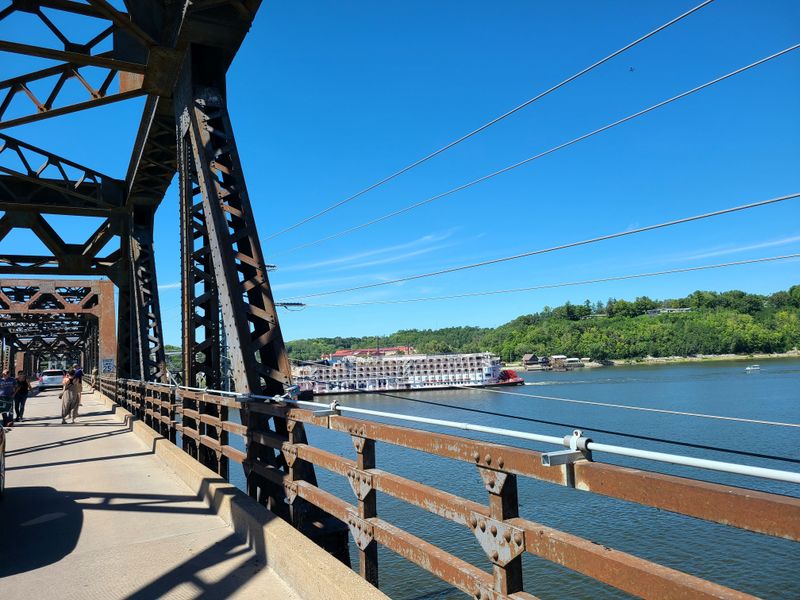
On the driving deck, space is tight and shoulders are limited, so the crossing experience favors confident, unhurried drivers. There is no pedestrian sidewalk on the vehicle level, and foot access across is not part of the typical visit.
If mobility is a concern, aim for riverfront overlooks on either shore, where you can park close and still enjoy the show. Smooth paths and gentle slopes vary by park and levee segment, so scout options ahead.
For many visitors, the best plan is to treat the bridge as a scenic drive and pair it with accessible riverfront time. Fort Madison’s waterfront has paved walks with benches that face the trusses.
On the Illinois side, vantage points are more informal, often gravel or grass near the approach. After rain or snow, expect mud or slick spots.
If you use a wheelchair or stroller, consider daylight visits and dry weather for easier navigation. Restrooms and amenities are not part of the bridge itself, so plan stops in town.
With a little prep, you can still catch the swing, see the trains, and feel the river energy without wrestling difficult terrain. The key is choosing the right perch.
Best Times To Cross For Calm, Views, And Sunsets
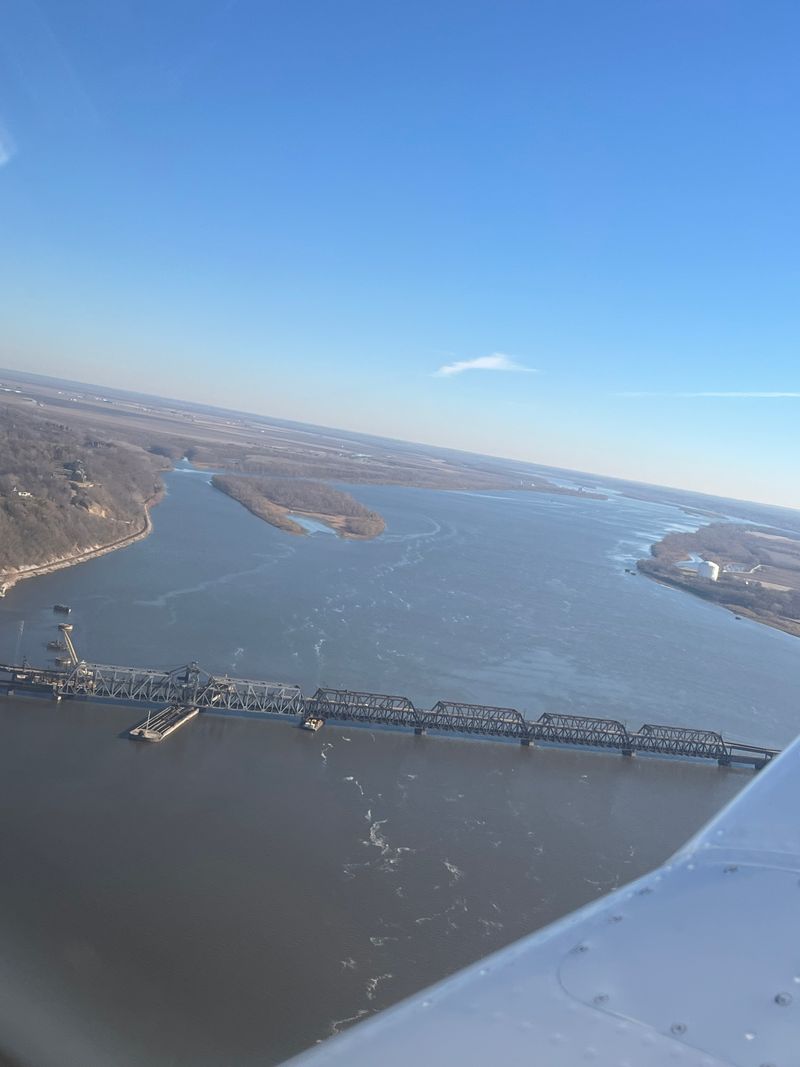
Early morning delivers the smoothest vibe. Commuter traffic has not peaked yet, the river feels glassy, and you might catch fog lifting from the water like a quiet curtain rise.
Midday is livelier, with trains and barges crisscrossing schedules, so build in extra time. When the span swings, you get free theater with your drive.
Sunset is the crowd-pleaser. The steel silhouette etches against pink and tangerine skies, and reflections tremble on the Mississippi.
If you are not in a rush, park legally on either shore and watch a barge line up before the opening. The slow rotation looks almost gentle at day’s end, like a deep exhale after the workday rush.
Seasonal changes matter. Summer can bring river haze and shimmer, while winter offers crisp air and long shadows that sharpen every rivet.
Ice fringes the banks in cold snaps, adding sparkle beneath the trusses. Check for construction or maintenance notices if timing is tight.
And keep headlights on through the deck’s shade bands, because contrast can fool your eyes during golden hour.
Safety Sense On A Working River Crossing
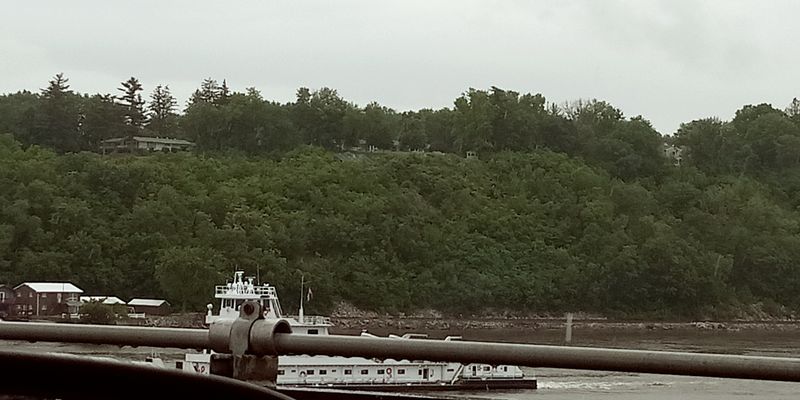
Treat this crossing like the active work zone it is. Lanes are narrow, visibility changes with weather, and traffic can bunch up when the swing span opens.
Keep speed steady, maintain your lane, and watch mirrors for drivers lining up at ramps with tight curves. Motorcyclists should be extra gentle on throttle and brakes during rain when the deck feels slick.
On the Illinois to Iowa leg, you may encounter a full stop sign at the exit ramp. Make it a real stop.
Local stories about tickets for rolling through are not rumors. When waiting for a river opening, staying in your vehicle is the usual guidance.
It is tempting to step out for a river peek, but safety crews prefer clear lanes and focused drivers.
For night crossings, good headlights and patience go far. Glare off wet steel and oncoming lights can compress depth perception.
If a barge delay stacks traffic, take the pause as a breather instead of a hassle. The bridge team handles complex choreography out there.
Your job is simple: drive calm, look twice, and let the river get its turn.
Grit, Pride, And A Few Grumbles
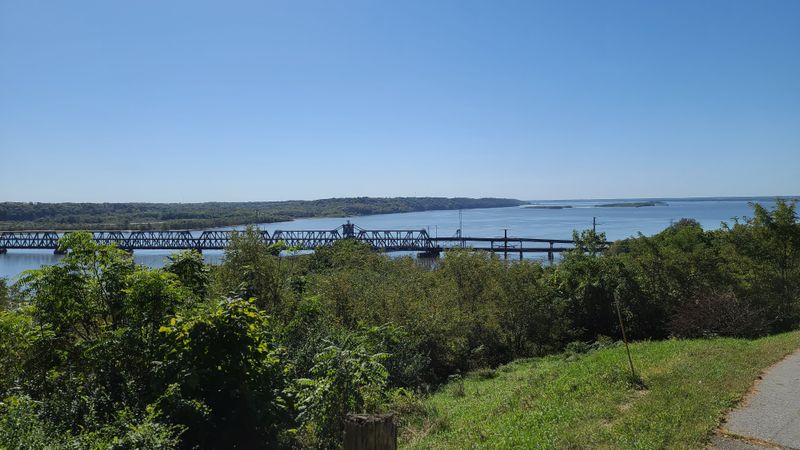
Talk to folks on both banks and you will hear a mix of affection and frustration. People love the history, the views, and the character.
They also juggle closures, maintenance windows, and the occasional long wait when the river calls the shots. Tolls spark debate, too, since they have changed over time and may only apply one way.
Yet the bridge anchors daily routines. Kids learn to read the river by watching barges nose around bends.
Railfans count locomotives and wave at crews. Visitors roll through, snap photos, and leave with a surprising story about a crossing that literally turns to let a tow pass.
The bridge keeps everyone honest about time and tides.
Local pride surfaces at sunsets when the steel glows and families linger along the shore. You will notice the patience of toll workers, the courtesy of drivers who inch forward without fuss, and the way town chatter always includes the river.
Grumbles fade when the span locks back and traffic flows again. Around here, shared inconvenience sometimes makes the best community glue.
Practical Guide
Treat hours as generally open with interruptions for river traffic, scheduled maintenance, and occasional extended closures announced in advance. There is no grand visitor center, so updates come from local sources, city pages, or posted signs.
Expect an approximately $2.50 toll per crossing, collected through a cashless system. Tolls apply in both directions, so plan for a charge each way, but always watch for current notices because operations evolve.
Plan a cushion of 15 to 30 minutes in case the swing opens or traffic compresses. If you are scheduling around events in Fort Madison or Nauvoo, double that buffer.
Parking near the approaches is limited, so use town lots or riverfront parks for linger-and-watch time. Pack water, sunscreen, and a charged phone if you intend to wait for a swing opening.
As for best strategies, travel earlier in the day or just after the evening rush for a calmer experience. In winter, check conditions, because wind can make the deck feel extra exposed.
Posted width and clearance limits restrict semis and other large commercial vehicles With a small plan and flexible mindset, your crossing becomes smooth, scenic, and, with luck, perfectly timed to a river show.