
This Easy 1.6-Mile Arizona Hike Ends At One Of The Prettiest Hidden Waterfalls In The State
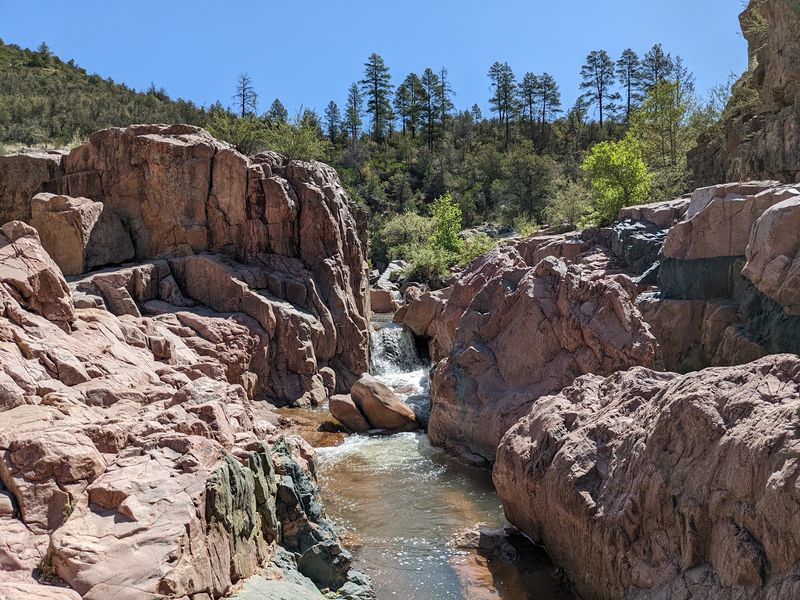
Snowmelt keeps a creek running cold and clear here even when the desert down below is baking. Follow it for about a mile and a half and you land at a cascade so pretty it feels borrowed from Colorado.
Ponderosa pines shade much of the walk, and natural rock slides and swimming holes wait along the way. For Arizona families chasing cool water and a little wonder without a big price tag, this one earns the drive.
A High-Country Escape Near Payson
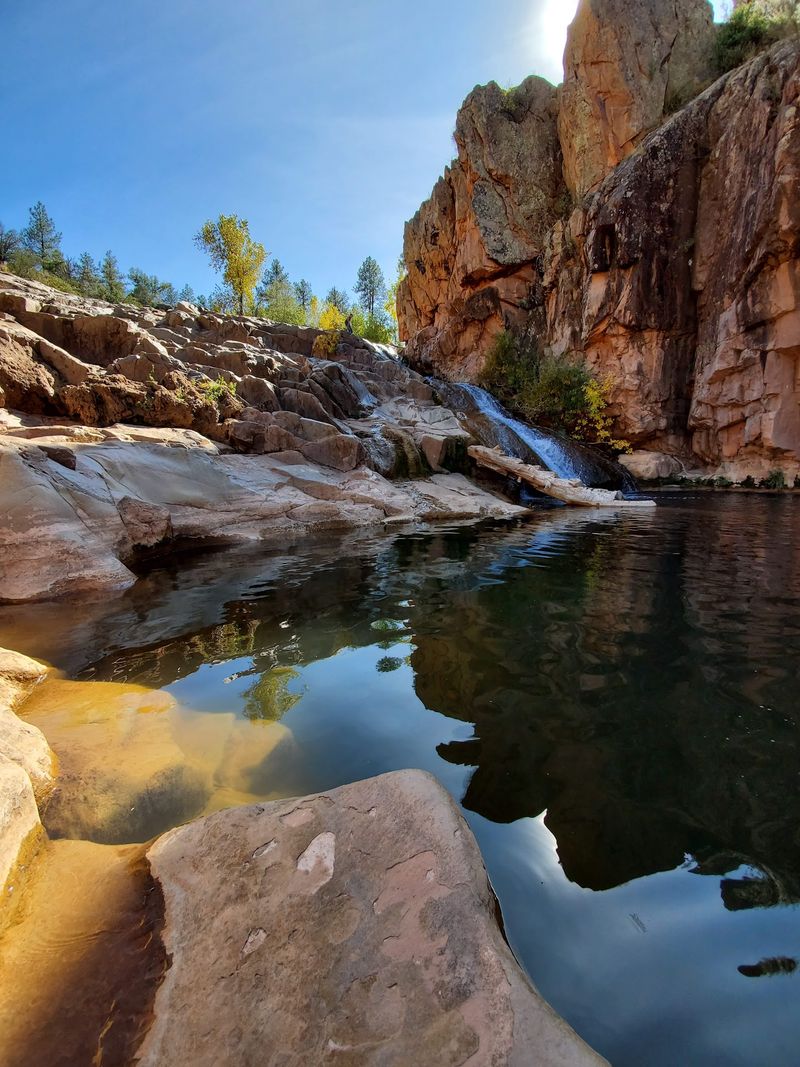
Roughly a 20-minute drive from the town of Payson, this trail sits inside the Tonto National Forest, well up in Arizona’s cooler high country. The setting alone surprises first-timers who expect saguaros and sand.
Instead, tall ponderosa pines line the route, and Ellison Creek runs alongside much of the walk. That combination of shade, running water, and elevation keeps temperatures friendlier than the desert floor below.
The hike measures about 1.6 miles one way, making it a 3.2-mile round trip if you go all the way to the falls. Many folks never make it that far, though, because the swimming holes along the way tempt them to stop and splash.
Only an hour or two from Phoenix, it’s an easy day trip when the city heat gets unbearable. Regulars who’ve done it several times mention how quickly the scenery shifts once you leave the parking area.
What starts as an ordinary forest walk turns into a canyon adventure, and that early payoff is a big reason the place stays a beloved local secret.
Following Ellison Creek Through the Pines
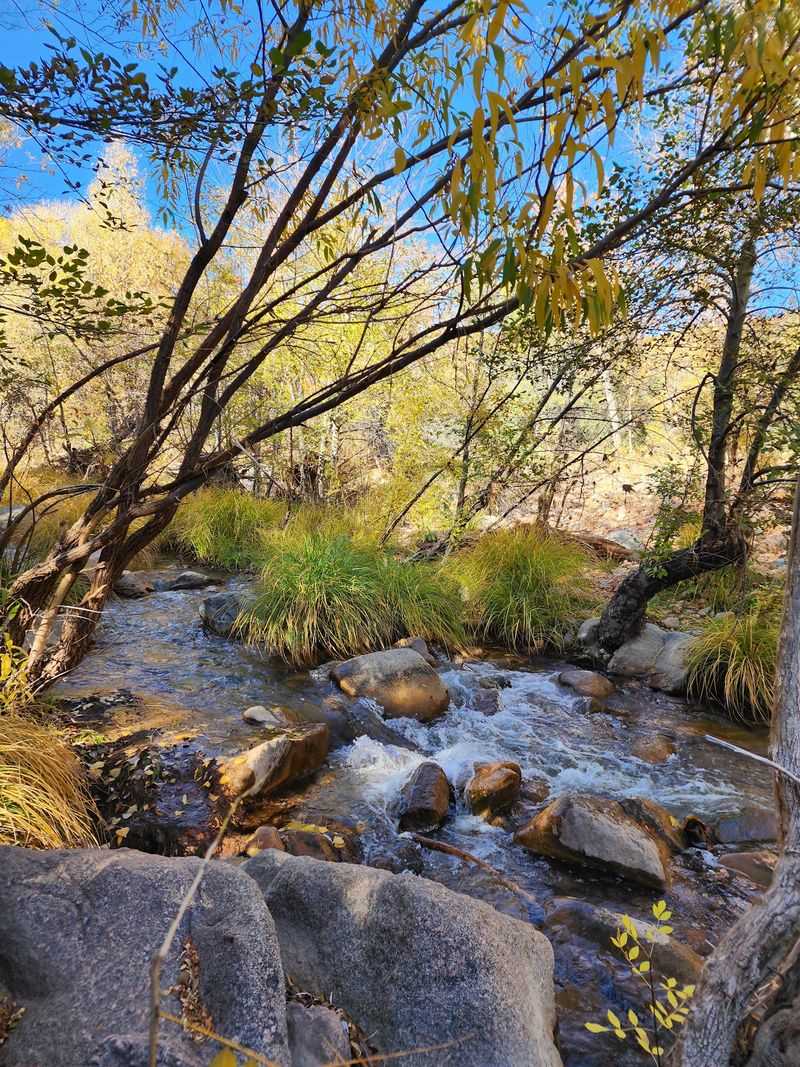
Water does most of the talking on this hike. The path traces Ellison Creek for a good stretch, so the calming sound of moving water follows you nearly the whole way in.
Overhead, ponderosa pines form a loose canopy that filters sunlight into soft, dappled patches. It’s the kind of scenery that feels nothing like the Sonoran Desert, which is exactly why so many visitors fall for it.
Early on, the trail is a friendly dirt path with several clearings that dip right down to the river. Those spots make perfect pause points, especially for families with little ones who want to wade and cool off before pushing farther.
Because the area sits in the high country, cooler temperatures let the creek flow year-round. One winter visitor described snow dusting the rocks in February, with the falls running full and dramatic.
The mix of forest smell, cold clear water, and pine-filtered light gives the walk a gentle, almost storybook rhythm. Take your time on this section, since it sets the whole mood before the terrain gets more adventurous.
The Cascade That Feels Like Colorado
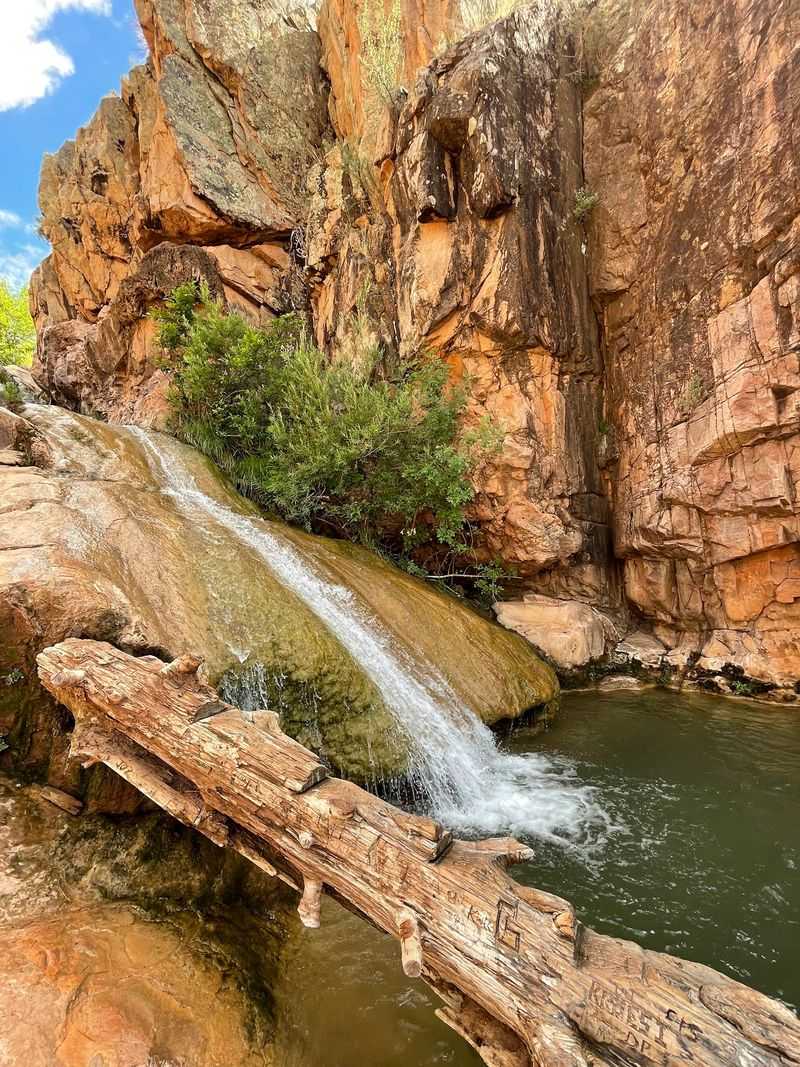
Every step earns its reward at the end, where the water tumbles through ancient rock into a series of pools. This is the payoff that keeps people coming back year after year.
At the base, crystal-clear pools reflect the sky between canyon walls, creating an inviting spot that looks almost too pretty for the desert state. Snowmelt feeds the flow, so the water runs cold even on the warmest afternoons.
Visitors often say the pictures never do it justice. The way the flowing water cuts through the canyon, paired with the surrounding wildlife, makes for the kind of scene you remember long after you drive home.
One hiker counted around 16 waterfalls on the route, ranging from small trickles to drops close to 12 feet tall. So while Water Wheel Falls is the headline attraction, it’s really a whole gallery of cascades strung along the East Verde drainage.
Reaching the largest pool at the very end takes a little extra effort, but regulars agree it’s worth pushing to that final spot. That deep, glassy pool beneath the main falls is the star of the show.
Natural Rock Slides and Swimming Holes
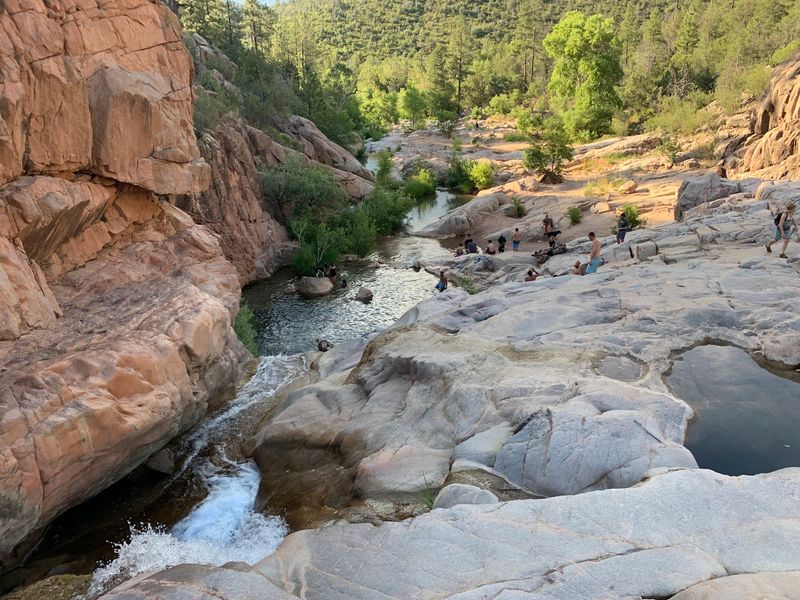
Kids light up when they spot it: smooth rocks with water running over them that work like natural slides. One visitor described literally sliding down them into the pool below, grinning the whole way.
Beyond that playful feature, the trail is dotted with small waterfalls and water holes perfect for a dip. Families frequently make a full day of it, hopping from one swimming spot to the next as they climb.
The water stays chilly thanks to its snowmelt source, but on a warm Arizona day that cold is exactly what you want. Several regulars mention hiking to the end, then backtracking to a favorite deep pool for a swim and a sunbath on the rocks.
Pack a bathing suit, water shoes, and a towel if swimming is on your agenda, because you’ll almost certainly want to get wet. Some folks even bring a fishing net for the shallow spots near the parking area.
Whether you jump, slide, or just wade to your knees, the water is the heart of this adventure. It turns an ordinary hike into something the whole family talks about for weeks.
Boulders, Scrambling, and the Real Terrain
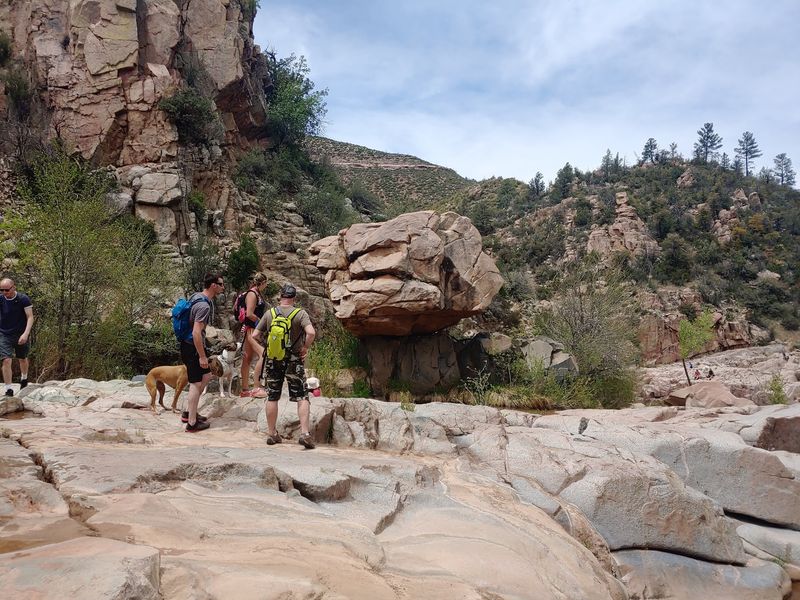
Don’t let the word “easy” fool you completely. The first stretch is a gentle dirt path, but about a quarter mile in, the trail turns rocky and asks for a bit more from your legs.
From there, much of the route involves climbing over granite boulders, sandy steps, and steep rock faces. Several hikers describe it as easy at first, then moderate once the scrambling begins, so it lands somewhere between a stroll and a workout.
The rocks can be smooth and slippery, especially where water runs across them. During peak summer, some visitors say the wet, slick sections made it tough to reach the very end with small children in tow.
Good footwear matters more than anything else here. Regulars are firm about skipping flip-flops and slip-on sandals in favor of sneakers or grippy water shoes.
Older hikers often bring walking sticks for balance, and that’s a smart call on the uneven ground. The reward for the effort is real, though, and plenty of people of all ages make it work by simply taking their time and watching each step.
Creek Crossings You’ll Need to Wade
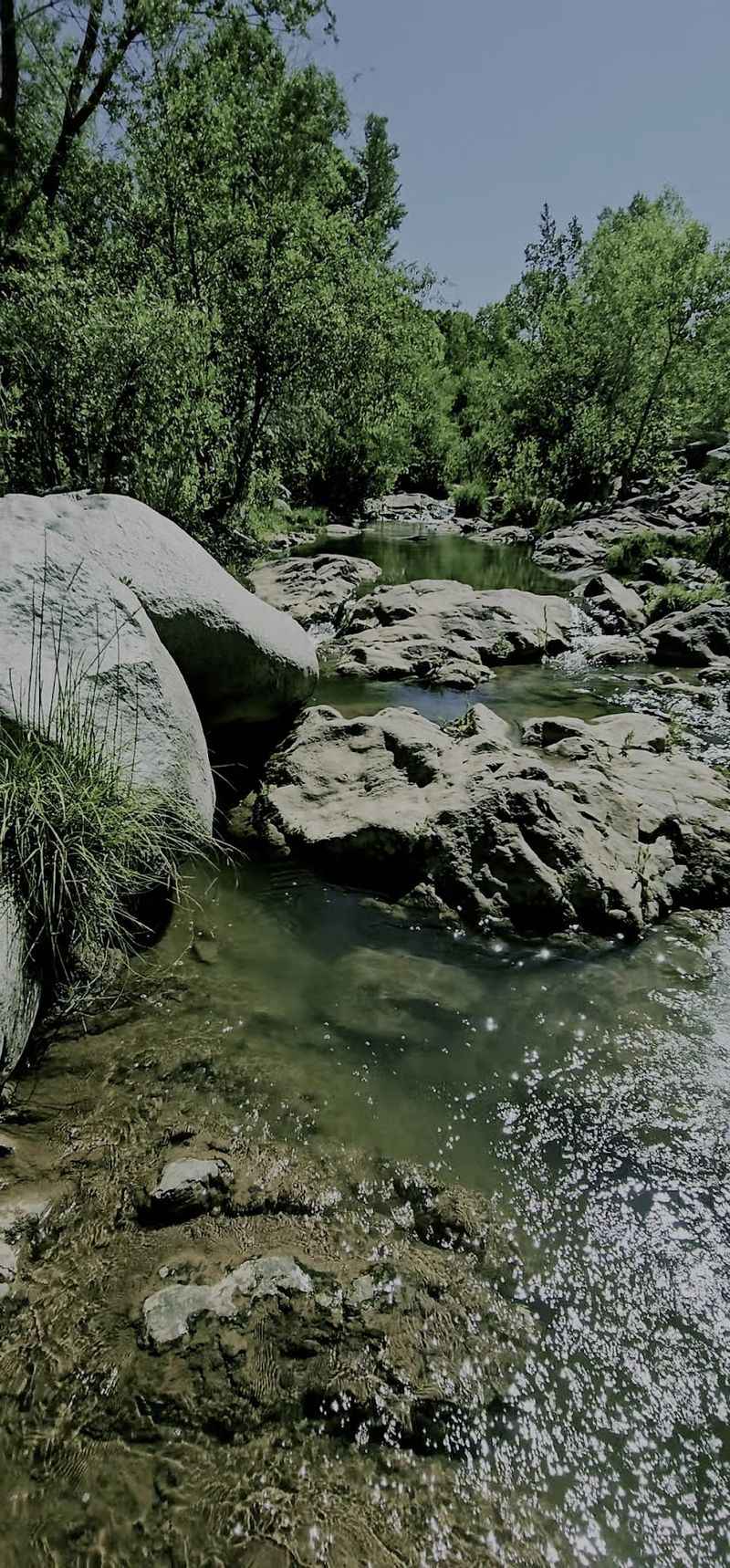
Wet feet are practically guaranteed on the upper part of this hike. As you climb higher, the trail requires crossing the creek, and there’s no dry way around it.
Some crossings run shallow, while others reach a couple of feet deep depending on the season and water flow. One hiker mentioned wading through water about knee to thigh height, then stepping onto pointy rocks on the far side.
Water shoes make these crossings far more comfortable and a lot safer. Families with young kids or older adults should plan for a little extra time and patience at each spot.
The crossings are part of what makes the adventure feel special, honestly. Splashing across a cold, clear stream with canyon walls rising around you is a memory worth a few soggy socks.
Move slowly and watch your footing, since the rocks underwater can shift and get slick. Trekking poles or a steady hand from a hiking buddy help on the trickier passages.
Plan your route so the deeper crossings happen when everyone in your group feels fresh, not tired on the way back.
The Water Wheel and Riverside Picnic Spot
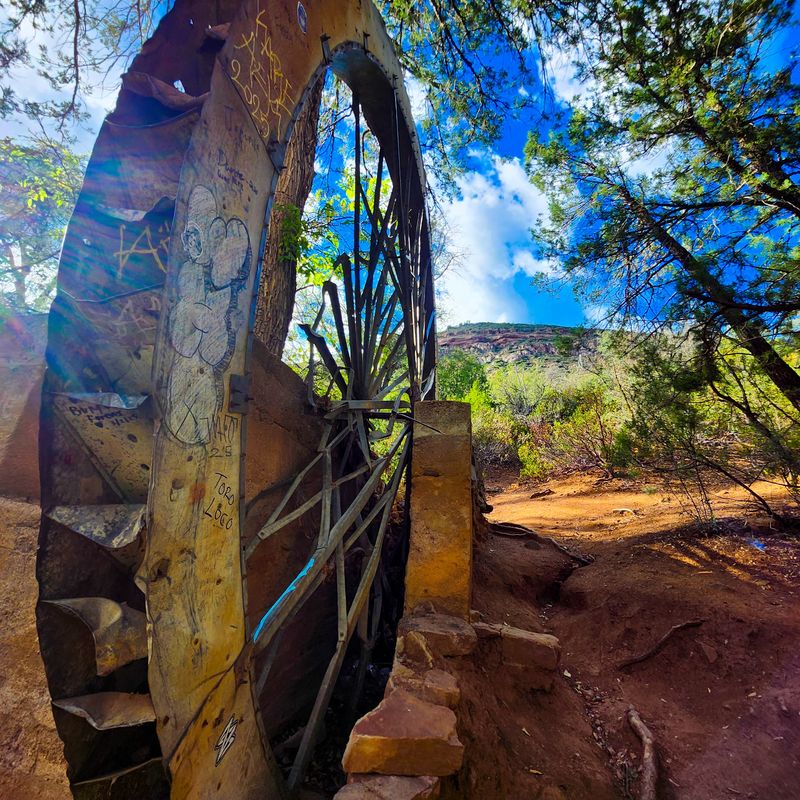
The trail’s namesake sits close to where you park, so you don’t have to hike far to see it. The water wheel itself is right near the lot, along with easy water access for fishing or a lazy picnic.
A handful of picnic tables make this a comfortable base for the day. One visitor called it a lovely way to spend either an hour or a whole afternoon, depending on your energy.
For those who’d rather skip the boulder scramble, the riverside area near the trailhead offers plenty on its own. You can wade, cast a line, or simply relax by the moving water without going far.
Anglers often set up here, and the calm clearings by the creek suit families who want water play without the climb. It’s a nice option for grandparents or toddlers who prefer to stay close to the car.
Because it’s so accessible, the spot near the parking area tends to fill up on busy weekends. Getting there early gives you first pick of the shady tables and the best patches of streamside sand.
Wildlife, Wildflowers, and Free-Roaming Cows
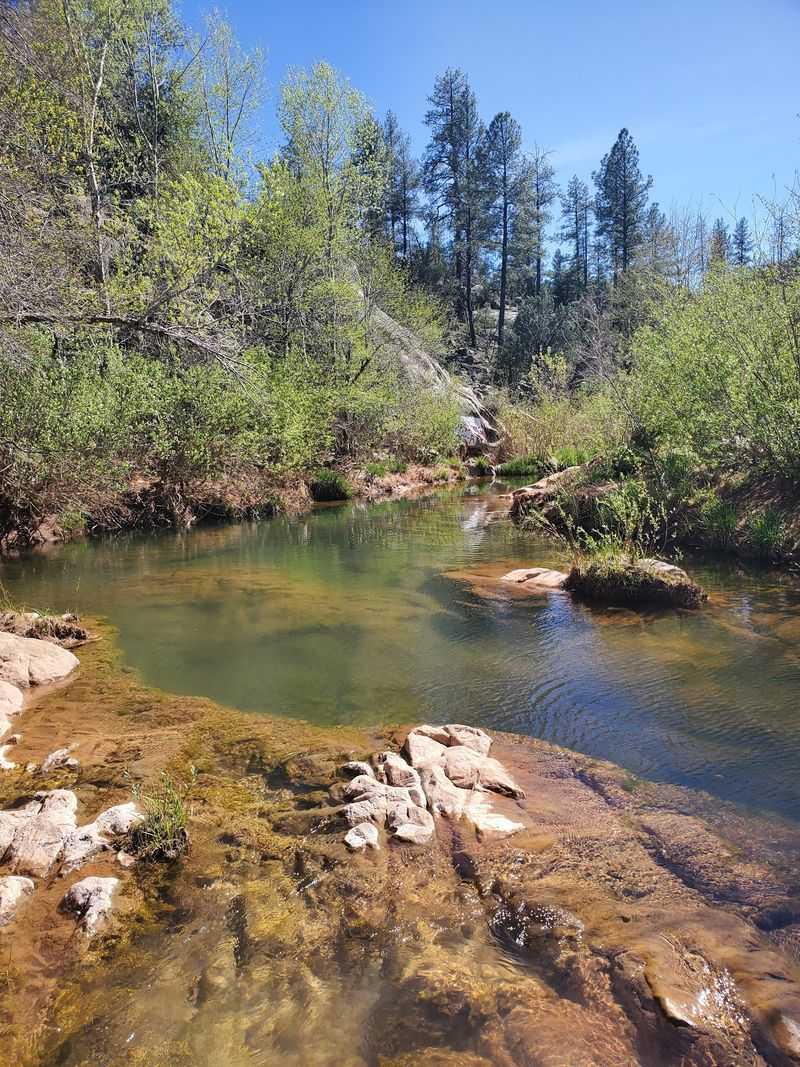
Keep your eyes open, because this canyon teems with life. Hikers regularly spot abundant wildlife along the way, and the combination of animals and flowing water gives the place a wonderfully alive feeling.
Scattered wildflowers add little pops of color in the warmer months. One visitor noted just a few blooms here and there, not a full carpet, but enough to brighten the trail.
You’ll likely meet a few cattle too, since cows roam freely through the area. Regulars say the animals are mellow and rarely cause any trouble, so a calm distance is all you need.
Snakes do sometimes rest under rocks, especially in warmer weather. One hiker got a warning from one on the trail, so watch where you place your hands and feet while scrambling over boulders.
That touch of wildness is part of the charm. Between the birds, the cattle, and the occasional reptile sunning itself, the canyon feels like a genuine slice of untamed Arizona.
Stay alert, respect the animals’ space, and you’ll enjoy the natural show without any worry.
A Trail Built for Family Adventures
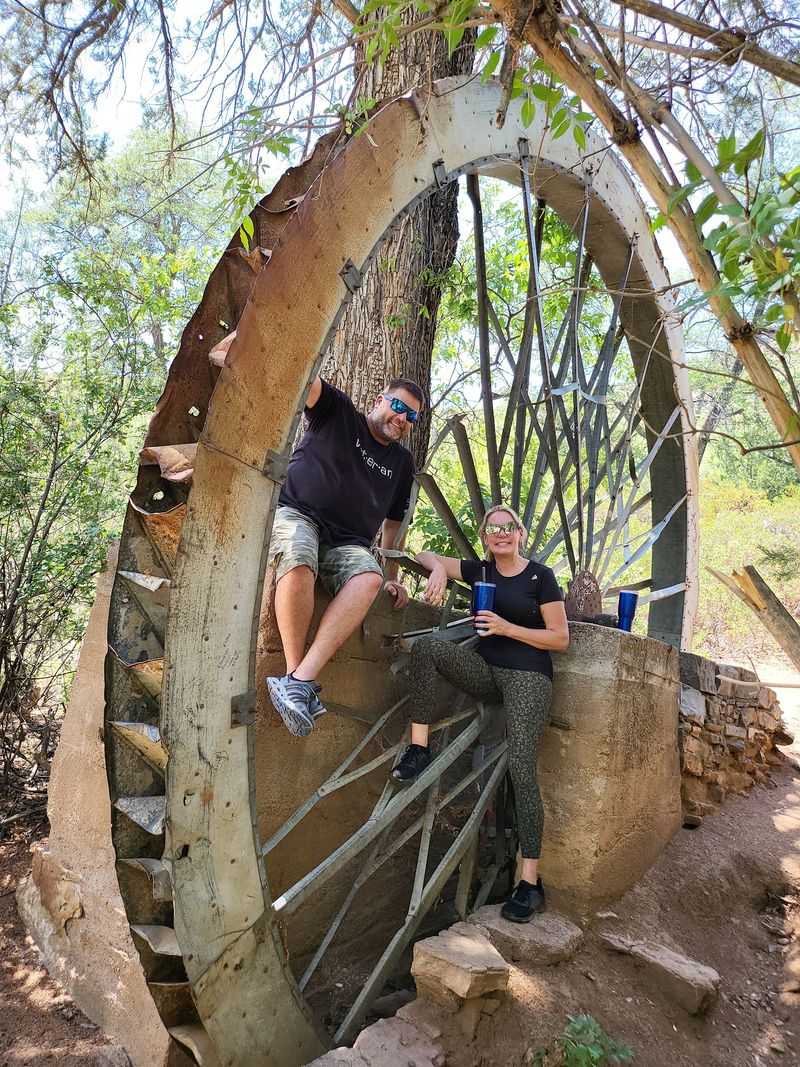
Here’s a small victory worth celebrating: one parent shared that their hiking-averse teenager made it through the whole trail without a single complaint. That says a lot about how much fun this place delivers.
Little ones and grandparents alike manage the route when they pace themselves. One visitor hiked with an 8-year-old and an 81-year-old, and both handled it with very little trouble.
The constant water access is the secret ingredient for families. Kids can splash, slide, and swim at frequent stops, which keeps energy high and whining low across the whole outing.
Because there’s so much to explore, plenty of families spend the entire day on the trail. Packing a lunch and settling onto a sunny rock for a picnic turns the hike into a full day of memories.
Dogs come along too, though the hot rocks and sand can bother their paws on warmer days. Bringing water for pets and choosing a cooler morning helps keep everyone comfortable.
For value-minded Arizona families chasing a big payoff on a small budget, this ranks among the most rewarding adventures around.
What to Pack and When to Go
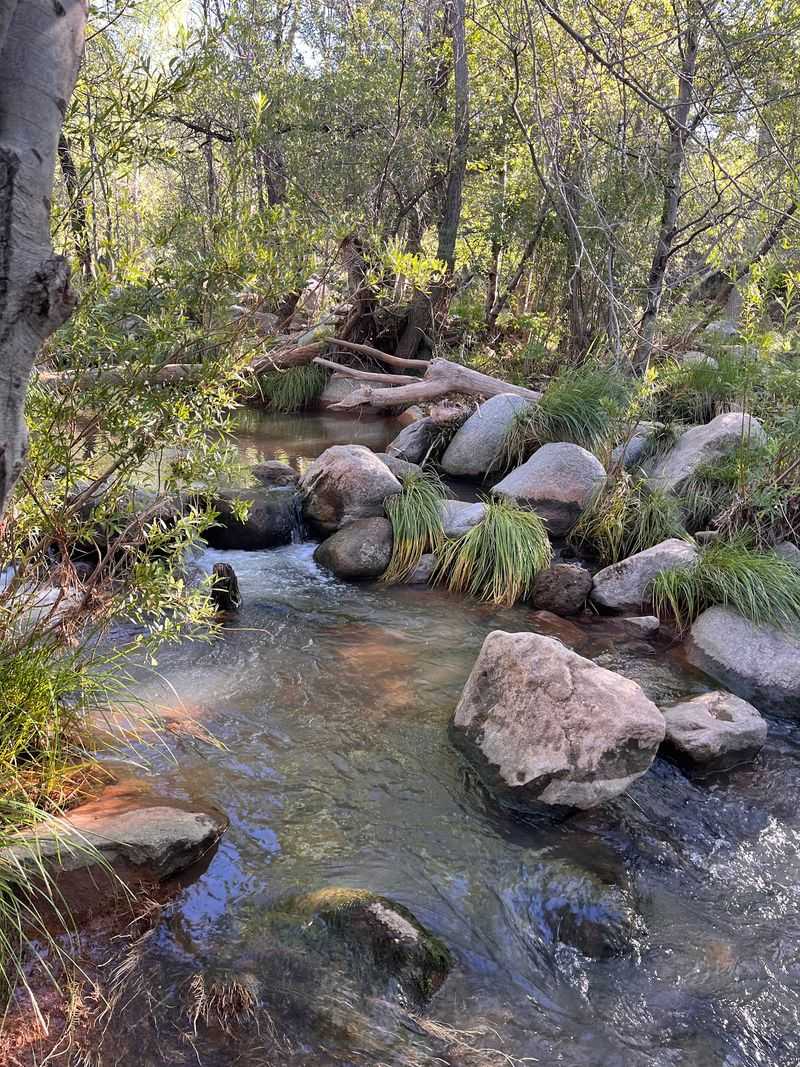
Water tops the packing list, and you’ll want more than you think. Between the sun, the scrambling, and the swimming, hikers consistently stress bringing lots of water and snacks to keep energy up.
Solid footwear ranks just as high. Skip the flip-flops and slip-on sandals, and choose sneakers or grippy water shoes that handle both boulders and creek crossings.
Round out your bag with a hat, sunscreen, and a towel for drying off after a dip. A backpack keeps your hands free for scrambling, which you’ll appreciate on the rockier stretches.
Timing matters too. Water flows year-round, but many regulars love the cooler months of fall through spring, when the forest setting shines and the crowds thin out.
One winter visitor found the rocks dusted with snow and the falls running full in February, a magical and quieter version of the hike. Summer swimmers, meanwhile, get the reward of that cold water on a hot day.
Whenever you go, plan for a self-contained trip since there’s no water refill or food along the trail. Pack in, pack out, and leave the canyon as pretty as you found it.
Getting There, Passes, and Parking
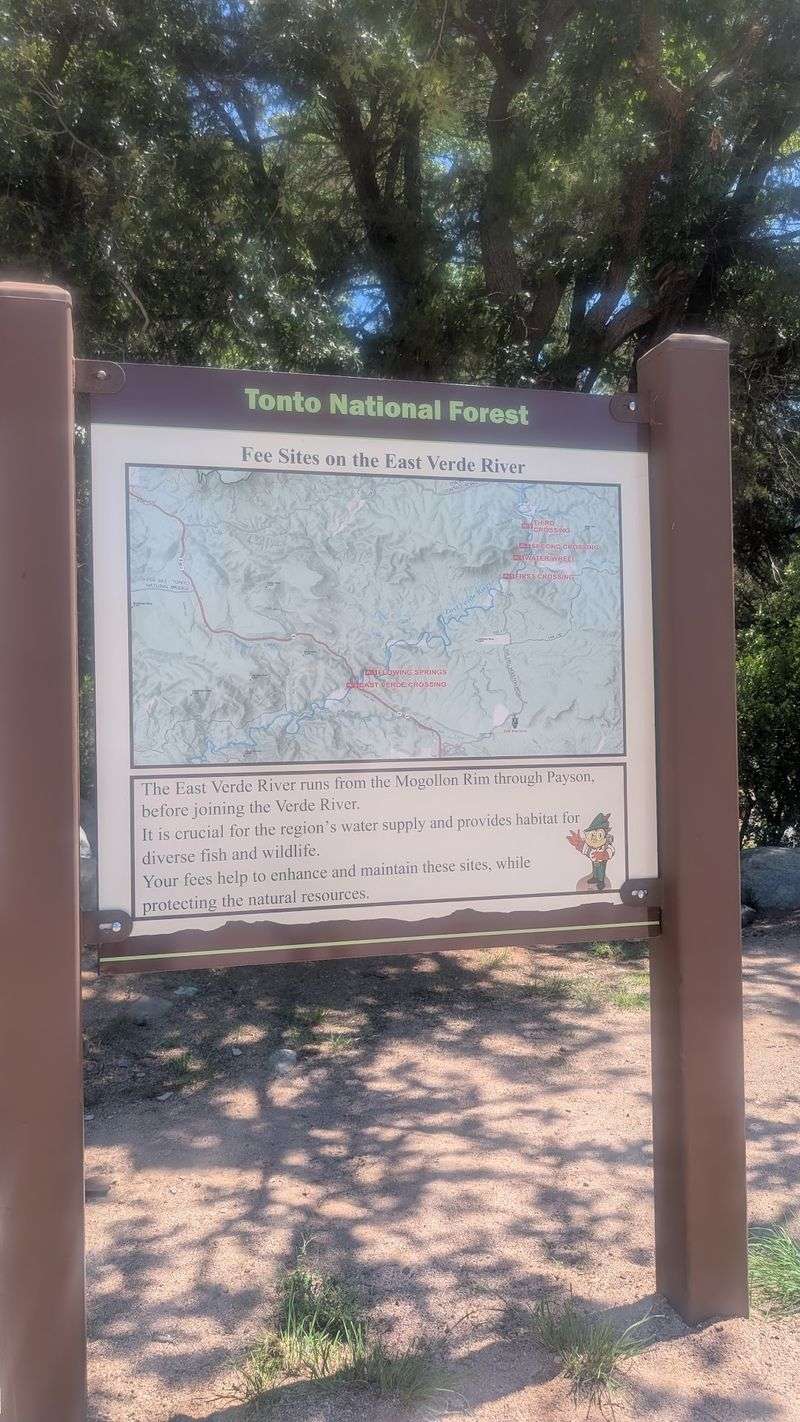
Reaching the trailhead is refreshingly simple. It sits about 10 to 20 minutes from Payson and roughly one to two hours from Phoenix, making it an easy escape from the valley heat.
Parking is the trickiest part, since the lot holds only around 15 to 20 vehicles. Weekend visitors especially should arrive early to snag a spot and beat the crowds.
Most of the year, you’ll need a Tonto Pass to park. Visitors mention picking one up at the Shoofly entrance a couple of miles before the falls, where a ticket machine sits near the Shoofly Indian Site, at around $12 per vehicle for an all-day pass.
One longtime visitor noted that no fee was required from November through March, so winter trips can be lighter on the wallet. Rules can shift, so it’s smart to confirm the current pass details before you drive out.
One more heads-up: there’s no cell service in the canyon, and some carriers get nothing in the area. Download directions ahead of time and let someone know your plans, then simply enjoy being unplugged for the day.
Why This Hidden Cascade Earns the Drive
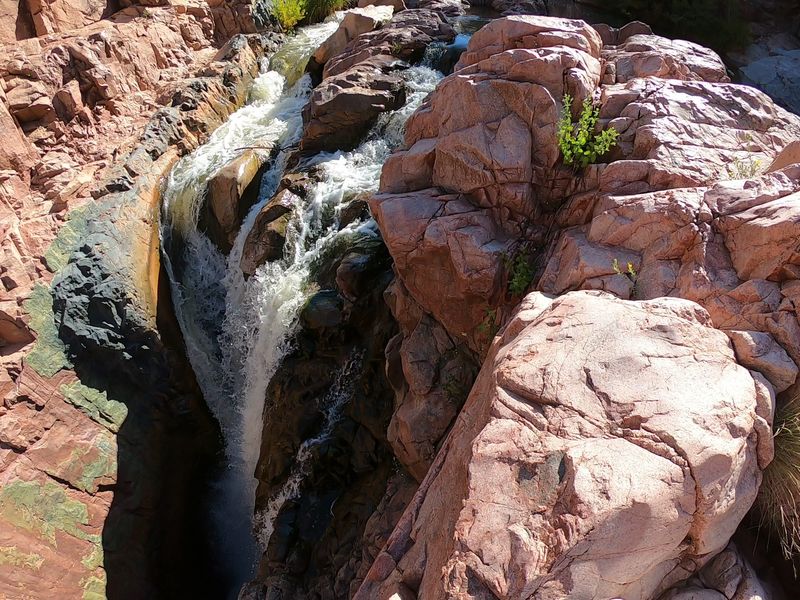
Few Arizona day trips pack this much variety into such a short distance. A pine-shaded creek walk, natural water slides, a string of waterfalls, and swimming holes all wait within a mile and a half of the car.
What makes it truly special is how unexpected the scenery feels. Visitors keep marveling that a place this lush and green exists in the state at all, and that sense of surprise never quite fades.
It suits nearly everyone, from splash-happy kids to grandparents willing to take their time over the boulders. Just come prepared with good shoes, plenty of water, and a willingness to get a little wet.
The modest parking fee and free-in-winter stretches keep it friendly for budget-minded explorers. That’s a rare combination of low cost and high reward.
People who visit once tend to add it to their annual list, returning season after season for the cool water and canyon magic. If you’re hunting for a genuine hidden gem that delivers far more than its short mileage suggests, this quiet corner near Payson makes a wonderful choice.
Tag a friend who’d love it, and save it for your next cool-weather adventure.