
This Easy 2.6-Mile Hike In Washington Is So Scenic, You’ll Think About It For Days
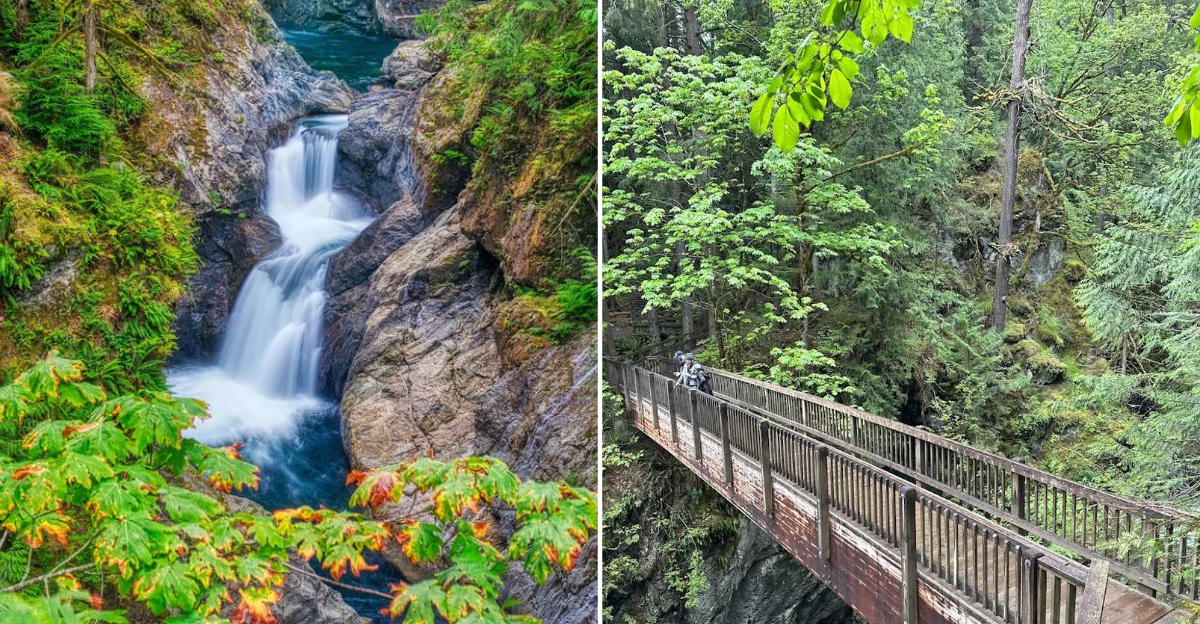
Some hikes stay with you long after you have rinsed the mud off your boots, and this one near North Bend, Washington is exactly that kind of trail.
They told me it was an “easy” hike, but they failed to mention that the scenery would completely ruin my ability to be happy in a boring office chair ever again. I’ve seen my fair share of views, but traversing the lush, emerald corridors of Washington feels like wandering through a secret kingdom built by giants.
If you’re looking for a trail that will haunt your thoughts in the best way possible for days to come, look no further-I’ve found your new obsession.
I first walked it on a cool October morning with mist still hanging in the trees, and I found myself mentally replanning a return trip before I even got back to my car.
The Trailhead And Getting There
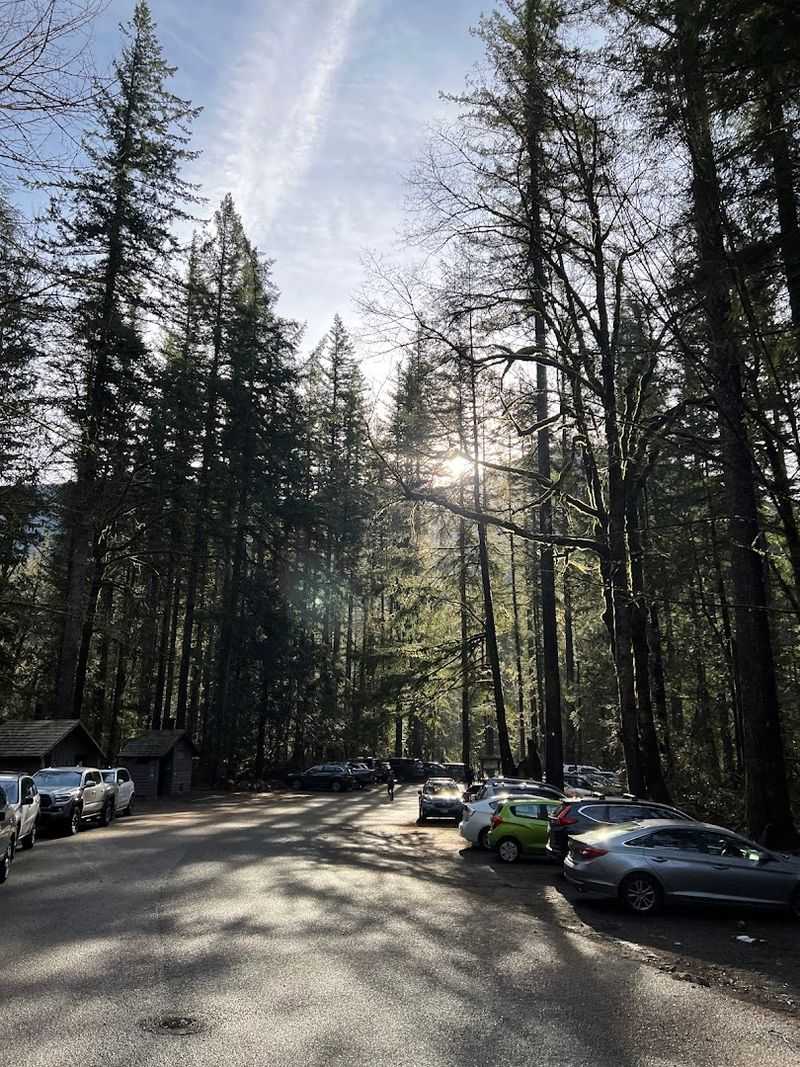
Finding the Twin Falls Trailhead is surprisingly straightforward, which is part of what makes this hike so appealing for first-timers and weekend adventurers alike. The trailhead sits just off Exit 34 on Interstate 90, about 35 miles east of Seattle, placing it well within reach for a day trip from the city.
The address most hikers use is SE 159th Street, North Bend, WA 98045, and your GPS will handle the rest with no drama. One thing worth knowing before you leave home is that a Washington State Discover Pass is required to park at the trailhead.
You can purchase one online ahead of time, at a licensing office, or sometimes from a vendor near the park. Arriving early on weekends is strongly recommended because the small parking lot fills up fast, especially between May and October.
Weekday mornings offer a much calmer experience, with fewer cars and a quieter forest atmosphere that honestly makes the whole hike feel more personal. Plan to arrive before 9 a.m. on weekends to secure a spot without stress.
The Forest Walk Along The River
From the moment you step past the trailhead gate, the forest takes over in the most welcoming way. Towering Douglas firs, western red cedars, and big-leaf maples form a thick canopy overhead, filtering sunlight into soft, shifting patterns on the trail below.
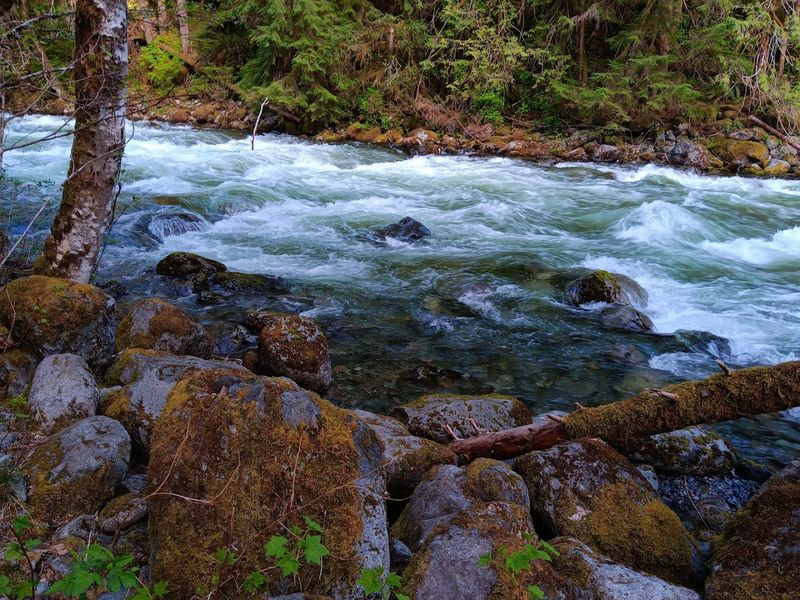
The air smells like damp earth and pine, and the sound of the South Fork Snoqualmie River running alongside the path creates a constant, calming soundtrack.
The trail hugs the riverbank for much of its early stretch, giving hikers plenty of chances to pause at the water’s edge and watch the clear, fast-moving current tumble over smooth stones.
Mossy boulders line the banks, and small side paths invite you to get closer to the water if you want a better look or a quick photo.
This section of the hike is relatively flat and easy underfoot, making it ideal for families with younger kids or anyone who simply wants to enjoy a peaceful forest walk without working too hard for the reward waiting ahead.
It is the kind of opening stretch that makes you slow down almost without realizing it. Even before the main scenic payoff arrives, the trail already feels like a destination in its own right.
The Lower Falls Viewpoint
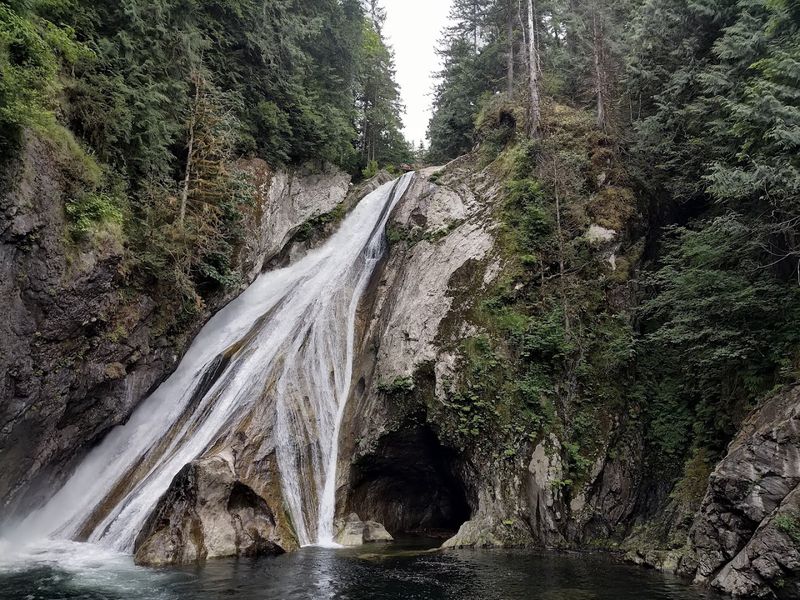
About halfway through the trail, the forest opens just enough to reveal the first major reward of the hike: the Lower Falls. Water rushes over a wide ledge of dark basalt and crashes into a deep, churning pool below, sending up a fine mist that you can feel on your face from the viewpoint above.
The roar of it is impressive, the kind of sound that makes you stop talking mid-sentence just to listen. A well-placed viewing platform gives hikers a safe and comfortable spot to take in the full drop without having to scramble over slippery rocks.
The platform is sturdy and spacious enough for a small group, and the angle it offers frames the falls beautifully against the surrounding green canopy.
Early morning visits reward photographers with soft light and occasional mist effects that add real drama to their shots.
Even if photography is not your thing, standing here and watching all that raw water power pour over the edge is genuinely one of the most satisfying moments the Pacific Northwest has to offer.
The Suspension Bridge Experience
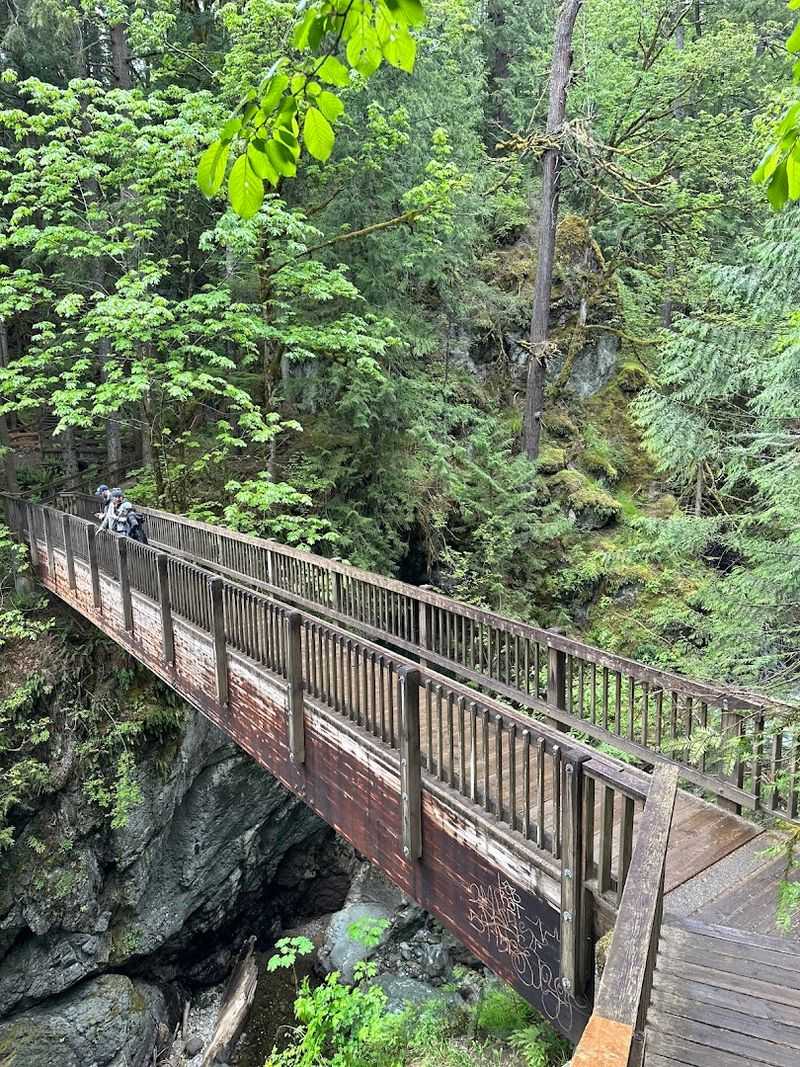
Few moments on any hike match the slight thrill of stepping onto a suspension bridge strung across a deep river gorge, and Twin Falls delivers exactly that experience.
The wooden footbridge that spans the South Fork Snoqualmie River sits high above the churning water below, swaying just enough to remind you that you are genuinely out in the wild.
Looking down through the slats at the rushing river is equal parts exhilarating and humbling. The bridge serves as the trail’s central crossing point, connecting the two sides of the gorge and offering one of the best elevated views of the waterfall system from a completely different angle.
Standing in the middle of it, you can see both the Lower Falls behind you and the upper section of the river ahead, which creates a panoramic perspective that no single viewpoint on land can quite replicate.
Kids tend to absolutely love this part, bouncing gently on the boards while parents grip the rope railing and smile through their nerves. Cross it slowly and soak in every second because the view from here is something genuinely hard to forget.
The Upper Falls And Final Overlook
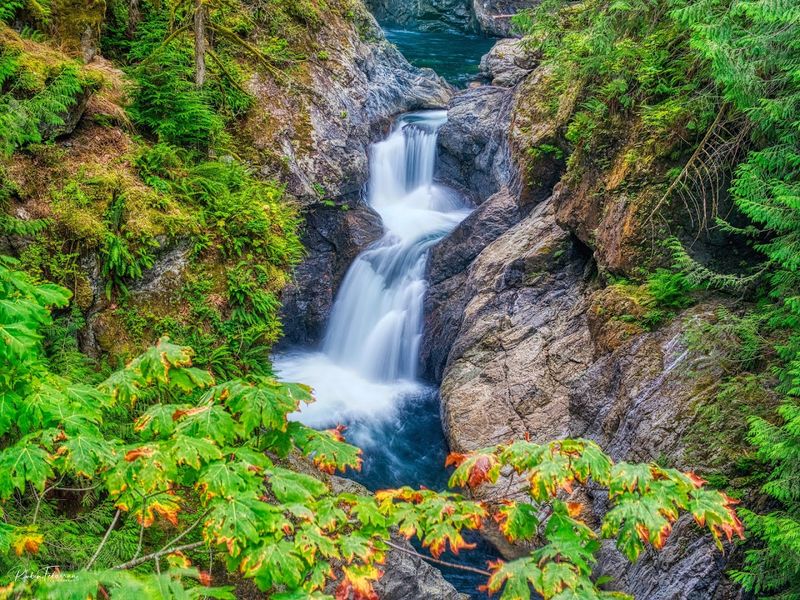
Pushing past the bridge and continuing up the trail brings you to the Upper Falls, which many hikers consider the most dramatic section of the entire route.
Here, the river squeezes through a narrow basalt gorge and drops in a powerful, concentrated torrent that echoes off the canyon walls with a deep, resonant boom. The confined rock channel amplifies everything, making this waterfall feel almost theatrical by comparison to the lower one.
A final overlook platform near the top of the trail gives you a comprehensive view of the entire waterfall system laid out below, and on clear days you can see multiple tiers of falling water all at once.
This is the natural turnaround point for most hikers, and it makes for a genuinely satisfying destination after the gradual climb to get there.
Bring a snack and sit on one of the nearby logs for a few minutes before heading back. The return trip through the same forest feels surprisingly fresh because the perspective changes completely when you are walking the other direction and noticing details you missed on the way up.
The Upper Falls deliver the most dramatic moment on the trail, with the river forcing its way through a narrow basalt gorge before plunging in a powerful rush that fills the canyon with sound.
It is the kind of view that makes the hike feel fully earned, and the walk back through the forest somehow feels new all over again.
Wildlife And Seasonal Highlights
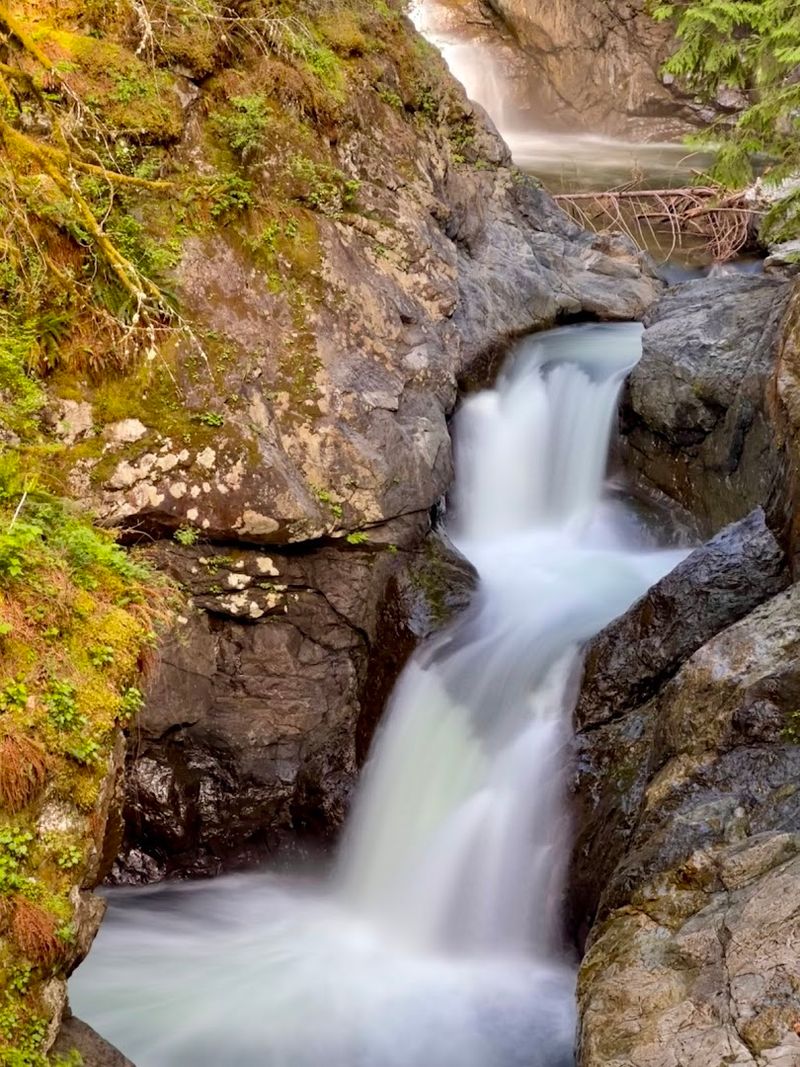
The Twin Falls Trail is not just about waterfalls. The surrounding forest is alive with wildlife and shifts dramatically with each season, giving repeat visitors a genuinely different experience depending on when they show up.
Spring brings an explosion of wildflowers along the riverbank, including trilliums and bleeding hearts tucked between the sword ferns. The forest floor practically glows green after the winter rains.
Summer visits mean warmer temperatures and longer daylight hours, though the trail can get crowded. Fall is arguably the most visually stunning season, when the big-leaf maples turn brilliant shades of gold and orange, draping the forest in warm color that contrasts beautifully with the dark evergreens.
Winter visits are quieter and often misty, with the waterfalls running at full force after heavy rainfall.
Wildlife sightings along the trail include black-tailed deer, Douglas squirrels, Steller’s jays, and the occasional great blue heron standing motionless near the riverbank.
Keeping your eyes open and your footsteps quiet dramatically increases your chances of spotting something memorable on any given visit.
Tips For Making The Most Of Your Visit
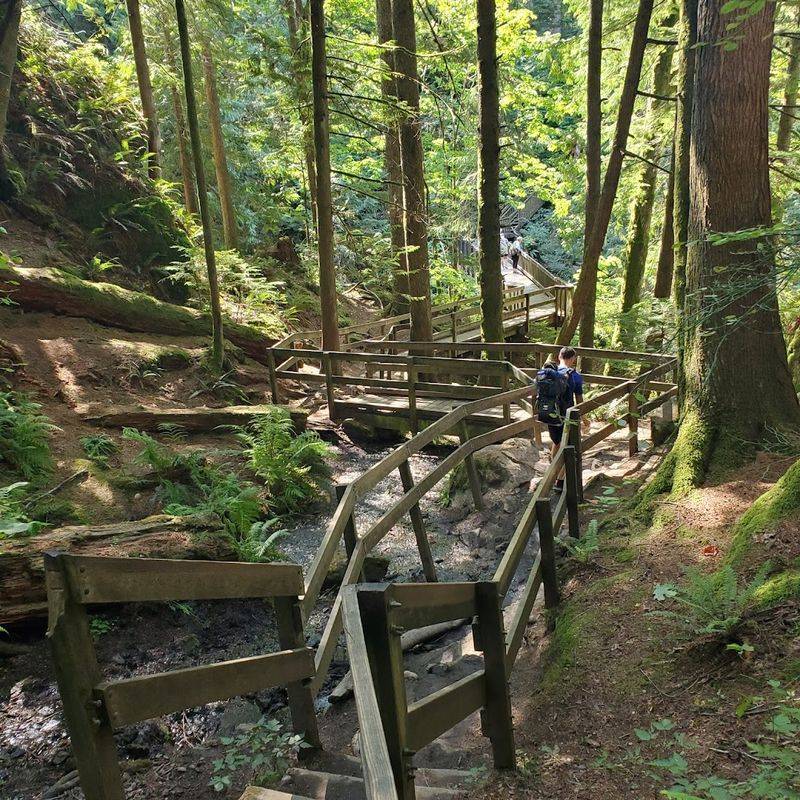
A little preparation goes a long way on the Twin Falls Trail, even though the hike itself is relatively short and accessible. Waterproof footwear is highly recommended because the trail can be muddy and wet year-round, and some sections near the river get genuinely slippery after rain.
Trekking poles are helpful for the uphill stretch to the Upper Falls, especially for younger kids or hikers who prefer extra stability on uneven ground.
Bring more water than you think you need, along with a light snack for the overlook. Cell service can be spotty in the gorge, so downloading an offline map before leaving home is a smart move.
Dogs are welcome on the trail but must remain on leash at all times to protect the local wildlife and keep other hikers comfortable.
Checking current trail conditions on the Washington Trails Association website at wta.org before heading out is always a good idea, as seasonal closures or maintenance work occasionally affect access.
With the right preparation, this hike delivers one of the most rewarding short adventures the entire Cascade foothills region has to offer.