
This Easy Paved Trail In Florida Leads Straight To A Surprisingly Hidden Waterfall
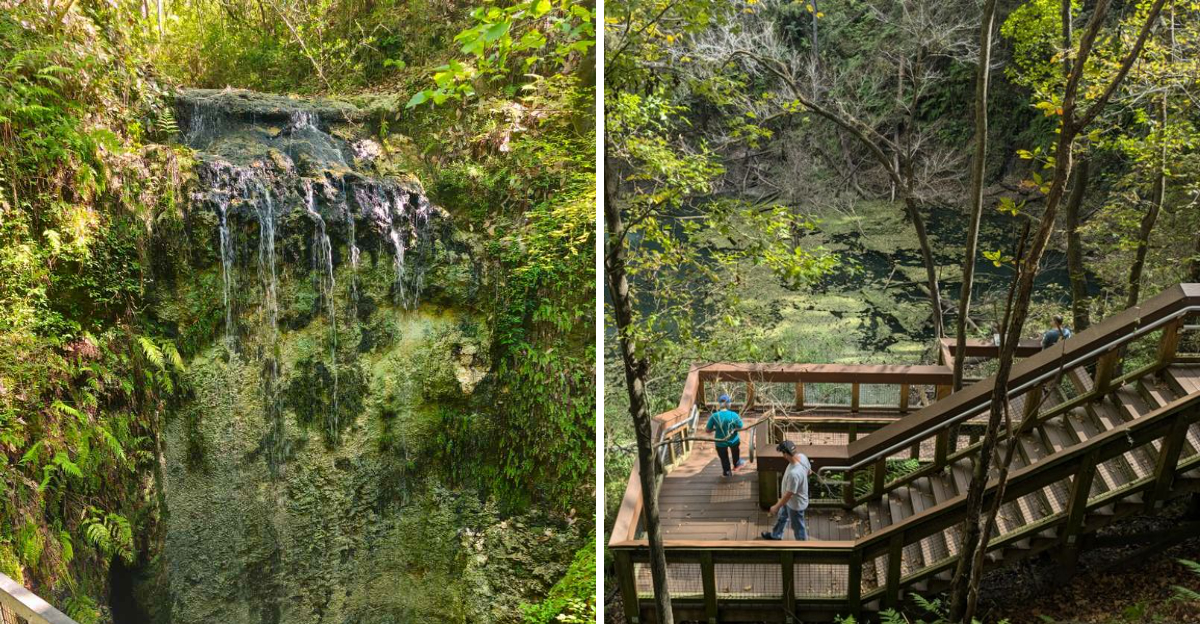
What if Florida was hiding a secret?
And what if that secret wasn’t a beach or a theme park?
Tucked away in the Florida Panhandle near the town of Chipley, Falling Waters State Park is home to something few expect to find in the Sunshine State — a 73-foot waterfall that plunges straight into a dark, perfectly round sinkhole.
Where does the water go? How deep is the pit below? No one knows for sure.
Surrounded by shaded forests and ancient geology, this quiet park tells a very different Florida story.
So why don’t more people know about it?
Whether you’re a nature lover or simply looking for an adventure without crowds and long lines, Falling Waters State Park delivers an unforgettable day — and leaves you wondering how it stayed hidden for so long.
Florida’s Tallest Waterfall: A 73-Foot Wonder
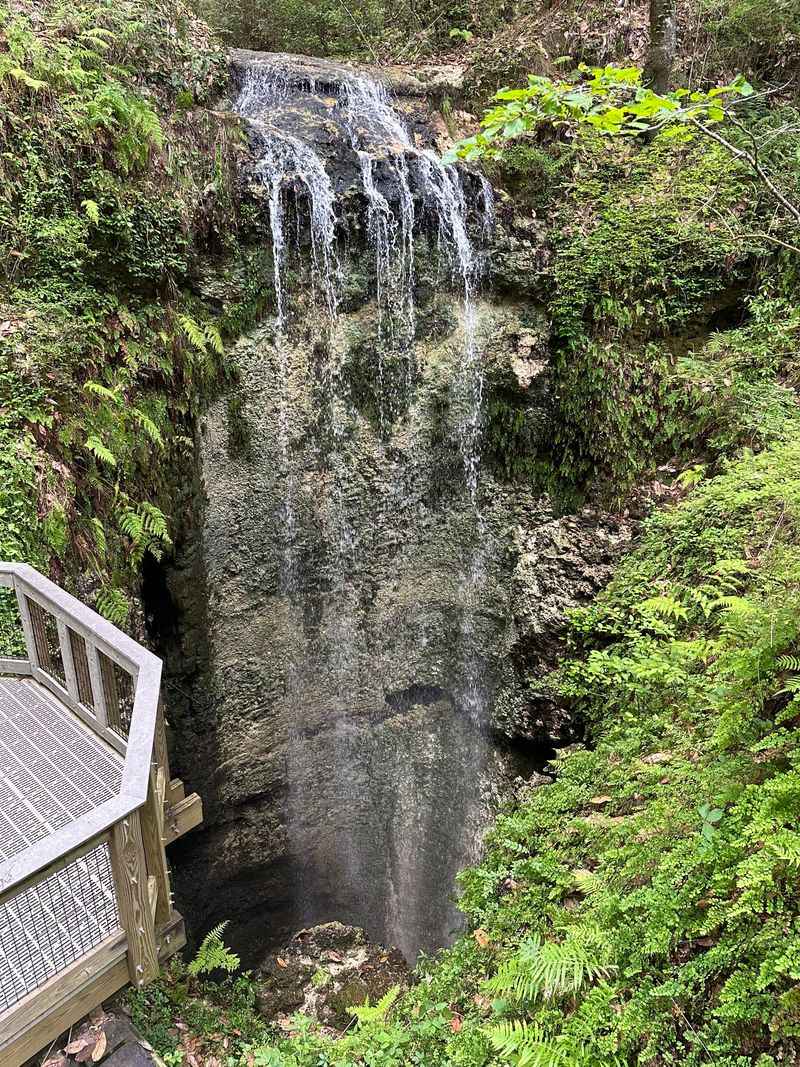
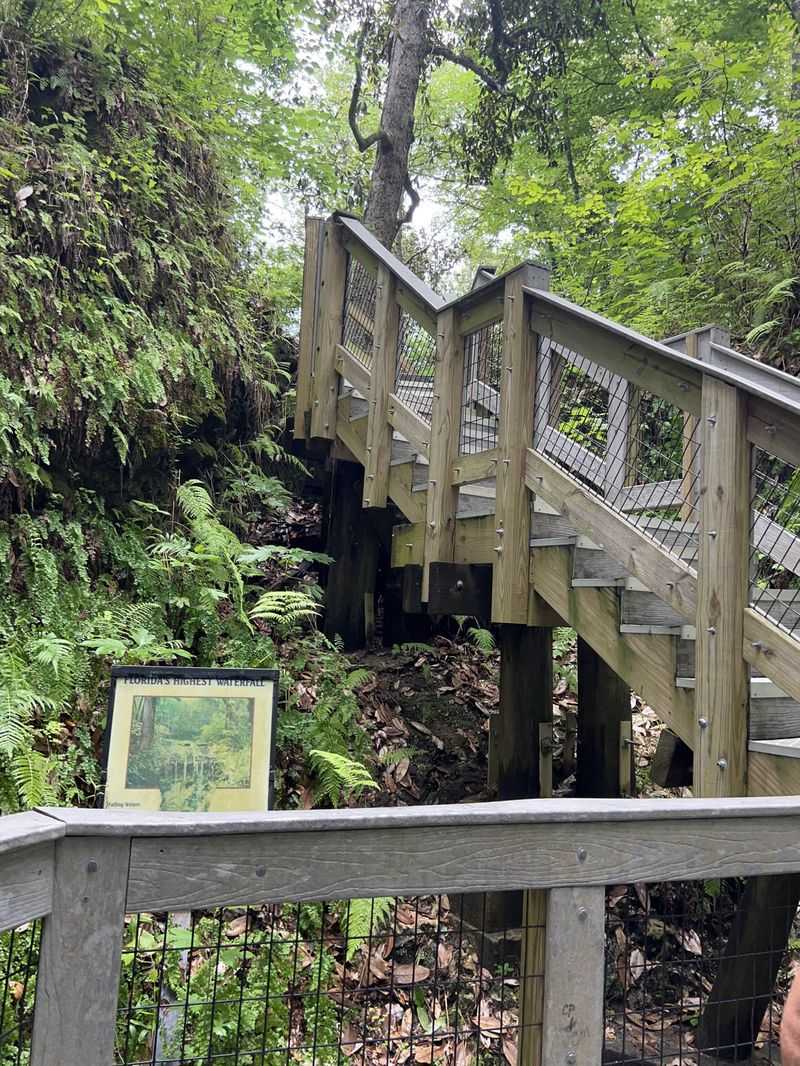
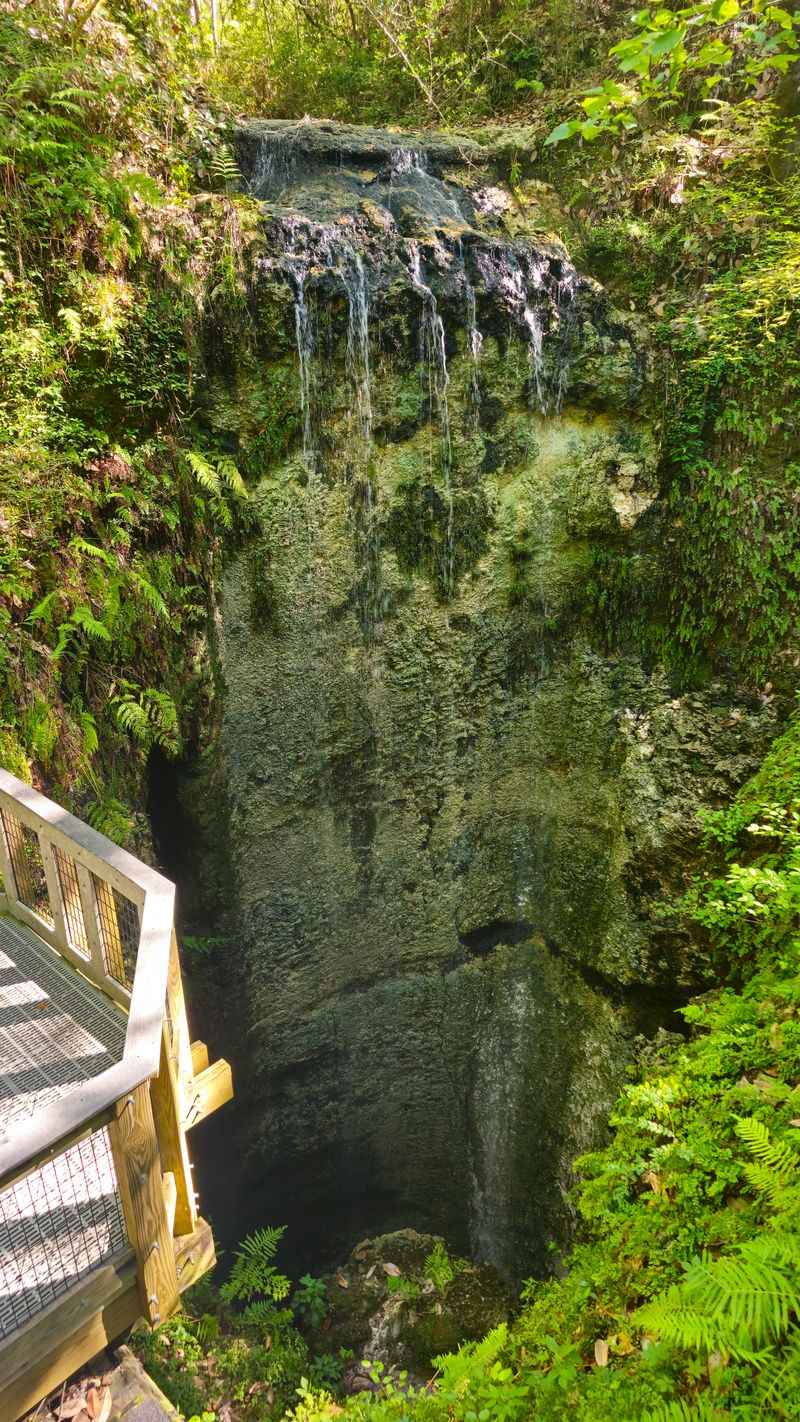
Standing at the observation deck, you’ll witness something that seems almost impossible in Florida—a waterfall that actually falls a significant distance.
At 73 feet, Falling Waters is the tallest waterfall in the state, and it doesn’t just tumble over rocks like most waterfalls you’ve seen.
Instead, it drops straight down into a perfectly cylindrical sinkhole, creating a scene that looks more like something from a fantasy novel than the Florida Panhandle.
The water disappears into the limestone below, feeding an underground cave system that remains partially unexplored.
During dry seasons, the flow can slow to a trickle, but after heavy rains, it becomes a thundering cascade that echoes through the sinkhole.
Geologists believe the sinkhole is over 100 feet deep, though the exact depth remains a mystery since it’s partially filled with debris.
The best viewing times are early morning or late afternoon when the sunlight filters through the trees and illuminates the falling water in golden rays.
Bring your camera, because this natural phenomenon photographs beautifully from multiple angles around the observation platform.
The Sinkholes: Windows Into Florida’s Underground World

Beyond the main waterfall, the park is dotted with several other sinkholes that offer fascinating glimpses into the karst topography that defines this region.
These aren’t your average holes in the ground—they’re geological time capsules that have been forming for thousands of years as slightly acidic rainwater slowly dissolves the limestone bedrock underneath.
Walking the trails, you’ll encounter sinkholes of various sizes and stages of development, some still actively forming while others have stabilized and filled with vegetation.
The cylindrical shape of the main waterfall sinkhole is particularly unusual and has puzzled geologists for decades.
Some theories suggest it was formed by a collapsed cave chamber, while others point to the unique composition of the limestone in this area.
Interpretive signs along the trails explain the science behind sinkhole formation in language that’s easy to understand.
Kids especially love peering into the smaller sinkholes and imagining the vast network of caves that exists beneath their feet.
Just remember to stay on designated paths—the ground around sinkholes can be unstable.
The Hiking Trails: Three Miles Of Natural Beauty
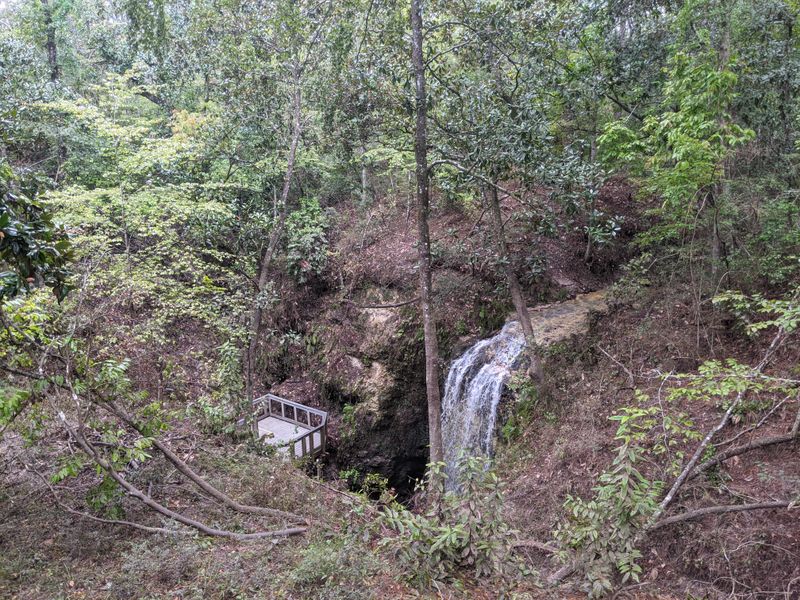
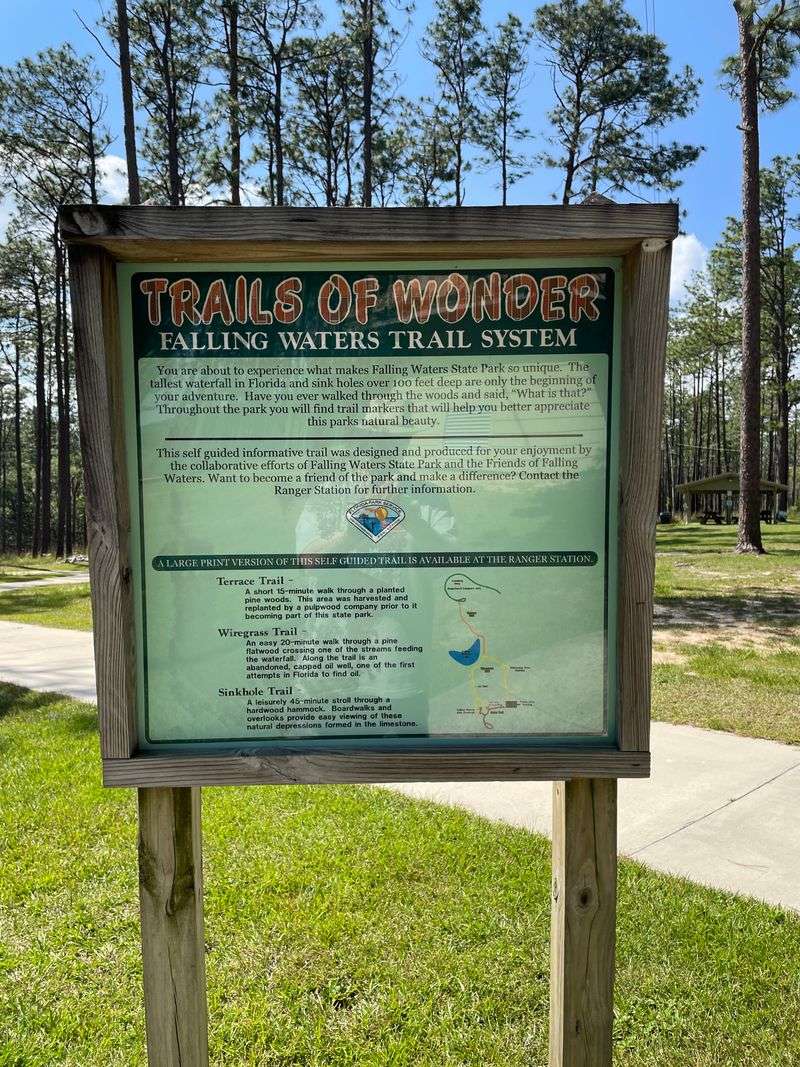
Lace up your most comfortable walking shoes because the park’s trail system offers just over three miles of paths that wind through some of the most beautiful terrain in the Florida Panhandle.
The main trail is a moderate loop that takes you past the waterfall, through hardwood forests, and around several sinkholes, with enough elevation changes to remind you that not all of Florida is pancake-flat.
Unlike the sandy trails found in many Florida parks, these paths are firm and well-maintained, making them accessible for most fitness levels.
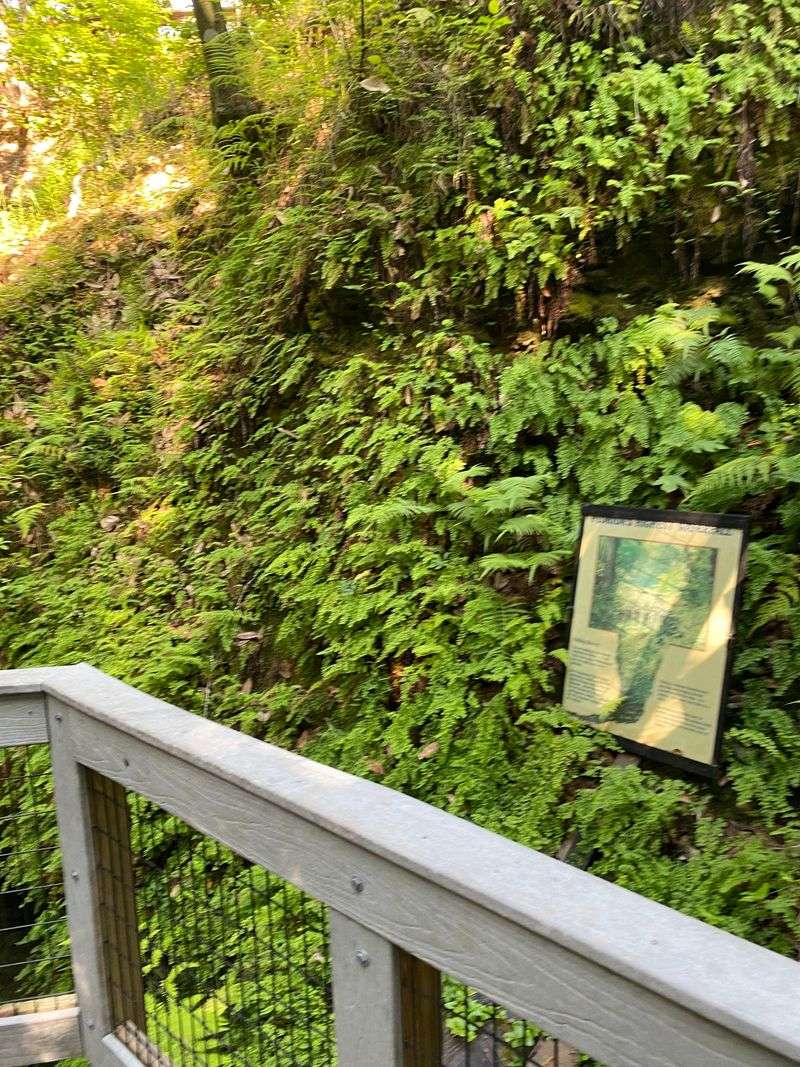
The canopy overhead creates a natural cooling system, even on hot summer days, and the forest floor is carpeted with ferns and wildflowers depending on the season.
Birdwatchers should bring binoculars—the park is home to numerous species including woodpeckers, warblers, and the occasional hawk circling above.
Trail markers are clearly posted at every junction, so getting lost isn’t a concern even for first-time visitors.
Plan for at least two hours to complete the full loop at a leisurely pace with stops for photos and nature observation.
The trails are open from sunrise to sunset year-round.
The Swimming Lake: A Refreshing Reward After Exploring
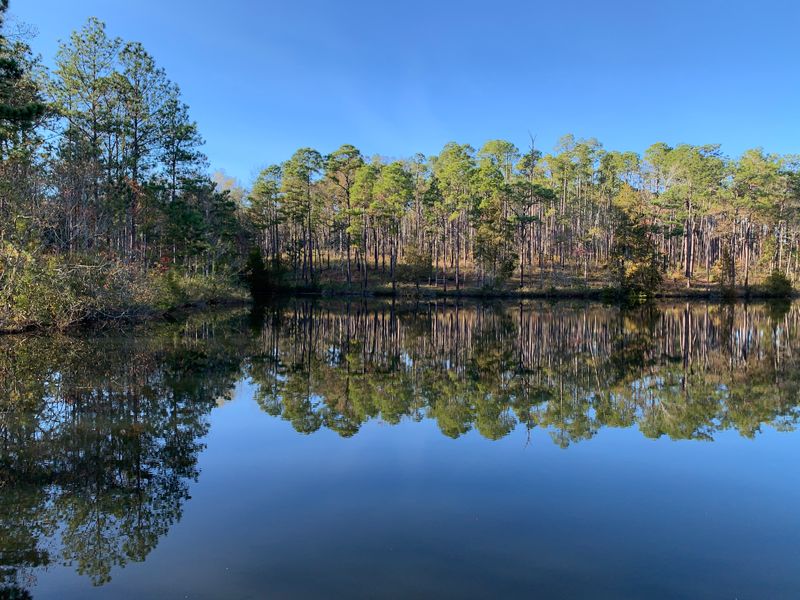
After working up a sweat on the trails, nothing beats a dip in the park’s spring-fed swimming lake, which maintains a cool temperature even during the hottest months.
The designated swimming area is roped off and includes a sandy beach that’s perfect for spreading out a towel and soaking up some sun between dips.
Lifeguards are on duty during peak season, typically from Memorial Day through Labor Day, making it a safe choice for families with children.
The water is remarkably clear, allowing you to see straight to the bottom, and the lake is regularly tested to ensure it meets safety standards.
Locals will tell you the water temperature hovers around 68-72 degrees year-round, thanks to the spring-fed source, which feels refreshing rather than shocking.
Picnic tables and grills are scattered around the lake area, making it easy to turn your swim into an all-day affair.
Remember to bring your own flotation devices for younger swimmers, and note that glass containers aren’t allowed in the swimming area.
The beach area can get crowded on summer weekends, so arrive early for the best spots.
The Camping Experience: Overnight Under Ancient Oaks
Extending your visit overnight transforms the experience completely, and the park’s 24-site campground offers both RV and tent camping options beneath a canopy of towering oak trees.
Each site comes equipped with water and electric hookups, a fire ring, and a picnic table, providing just enough amenities without sacrificing the feeling of being immersed in nature.
The campground has a distinctly old-Florida feel, with Spanish moss hanging from the oaks and the sounds of night creatures creating a natural symphony after dark.
Modern bathhouses with hot showers are centrally located and kept impressively clean by the park staff.
Rates are extremely reasonable—typically around $24 per night for a campsite, making this one of the most affordable camping experiences in the state park system.
Reservations are strongly recommended, especially during fall and spring when the weather is perfect and the campground fills up quickly.
Many campers report that the best part of staying overnight is experiencing the waterfall at dawn when mist rises from the sinkhole and the park is nearly empty.
The campground is pet-friendly, so your four-legged companions are welcome to join the adventure.
The Butterfly Garden: A Kaleidoscope Of Wings
Near the park entrance, a carefully cultivated butterfly garden bursts with color and life, attracting dozens of species throughout the warmer months.
This isn’t just a pretty addition to the park—it’s a living classroom where visitors can observe the entire butterfly lifecycle if they’re patient and observant.
Native plants like milkweed, passionflower, and pentas have been strategically planted to attract specific species, including monarchs, swallowtails, and gulf fritillaries.
Benches placed throughout the garden provide perfect spots for quiet observation, and interpretive signs identify the various plant species and their butterfly visitors.
Photographers love this area because the butterflies are often so focused on feeding that they’ll allow close approaches for stunning macro shots.
The garden peaks in late summer and early fall when migration patterns bring additional species through the area.
Kids are fascinated by the up-close encounters with these delicate creatures, and it’s not uncommon to see butterflies landing on visitors who remain still.
Park rangers occasionally lead guided butterfly walks during peak season—check the visitor center for schedules.
The Visitor Center: Your Gateway To Understanding
Start your adventure at the visitor center, where friendly park rangers are eager to share their knowledge and ensure you make the most of your visit.
Inside, you’ll find educational displays explaining the geology, ecology, and history of the area, including fascinating information about the Native American tribes who once called this region home.
A detailed three-dimensional model of the waterfall and sinkhole system helps visitors understand what they’re about to see, and it’s especially helpful for explaining the underground cave system to younger visitors.
Trail maps are available for free, and the staff can provide current conditions updates—important information since the waterfall’s flow varies dramatically depending on recent rainfall.
Small gift shop offerings include field guides, local honey, and park-themed souvenirs, with proceeds supporting park maintenance and educational programs.
Restrooms here are the cleanest and most accessible in the park, making it a smart last stop before hitting the trails.
The center is typically open from 8 AM to sunset, though hours can vary seasonally.
Don’t skip this stop—the information you gain here will significantly enhance your understanding and appreciation of everything you’ll see.
The Picnic Pavilions: Perfect Spots For A Forest Feast
Scattered throughout the park, covered picnic pavilions offer shaded retreats where you can enjoy a leisurely meal surrounded by nature’s beauty.
These aren’t flimsy structures—they’re substantial covered areas with multiple picnic tables, nearby grills, and in some cases, stunning views of the surrounding forest.
The largest pavilion can accommodate groups of 30 or more, making it a popular choice for family reunions, birthday parties, and church gatherings.
Reservations are available for the larger pavilions and highly recommended for weekend visits, while smaller tables operate on a first-come, first-served basis.
Many visitors pack coolers with lunch fixings and make a full day of it, using the pavilions as a home base between hiking and swimming sessions.
Grills are provided, but you’ll need to bring your own charcoal and lighter fluid—and please, clean up thoroughly when you’re done.
The pavilions near the lake are particularly popular because they allow parents to keep an eye on swimming children while preparing food.
During summer thunderstorms, these covered areas become valuable shelter until the weather passes.
The Wildlife Watching: Encounters With Florida’s Wild Side
Patience and quiet observation are rewarded at Falling Waters, where the diverse habitats support an impressive array of wildlife year-round.
White-tailed deer are frequently spotted near the forest edges, especially during early morning and late afternoon hours when they emerge to feed.
Armadillos, those prehistoric-looking creatures that seem to belong to another era, often rustle through the leaf litter along the trails, completely oblivious to human observers.
Overhead, the trees host numerous bird species including red-headed woodpeckers, whose distinctive calls echo through the forest, and during migration seasons, the park becomes a stopover for dozens of warbler species.
Reptile enthusiasts should watch for various snake species, though they’re generally shy and will disappear before you get close.
The park’s location in the Florida Panhandle means you might spot species not commonly found in southern Florida, creating unique wildlife watching opportunities.
Binoculars and a good field guide will significantly enhance your wildlife observations.
Remember the golden rule: observe from a distance, never feed wild animals, and leave only footprints behind.