
This Easy Washington Hike Leads To A Waterfall And A Forest Suspension Bridge
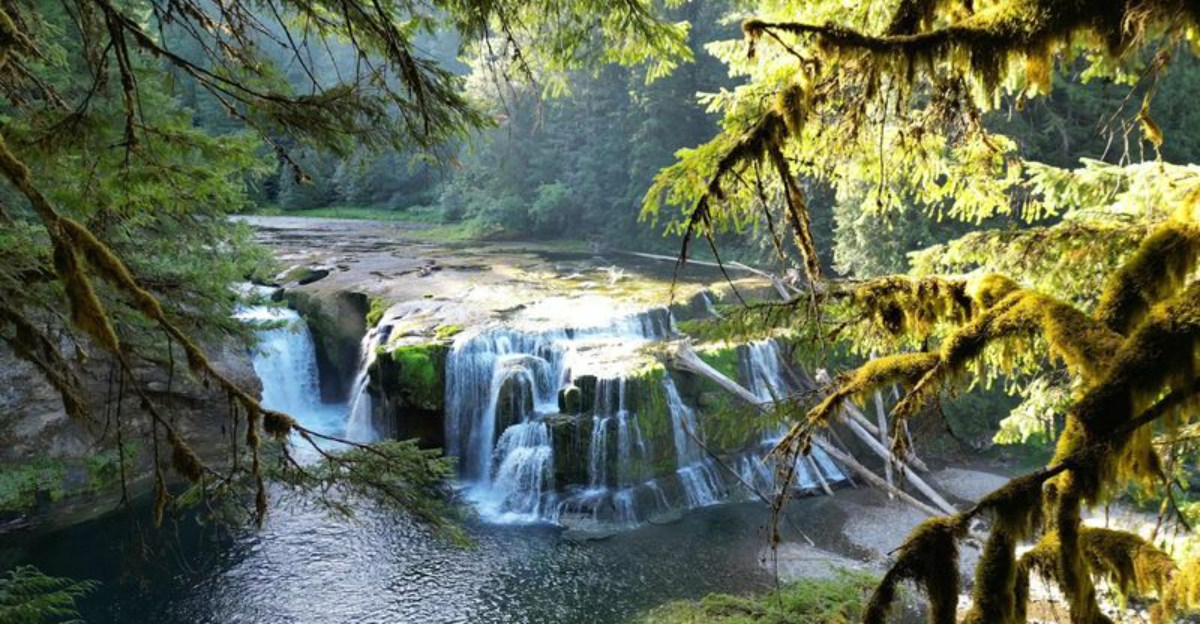
My boots hit the packed dirt and the world turned into a tunnel of ferns. I could feel the trail’s grade pulling me deeper into the woods. The sound of water grew louder, a rhythmic drumming that hinted at something grand ahead.
Suddenly the path opened onto a clearing, and there it was, a waterfall plunging into a misty pool.
A wooden suspension bridge spanned the gorge, swaying as if breathing. I stepped onto it, heart hammering, and the bridge wobbled like a carnival ride, making me laugh and grip the ropes tighter.
In Washington, where mist clings to the hills and rivers carve tales into stone, this stroll felt like a secret concert. By the time I reached the falls, the spray drenched my cheeks, and I left feeling like I’d stolen a symphony.
The Lower Lewis River Falls Up Close
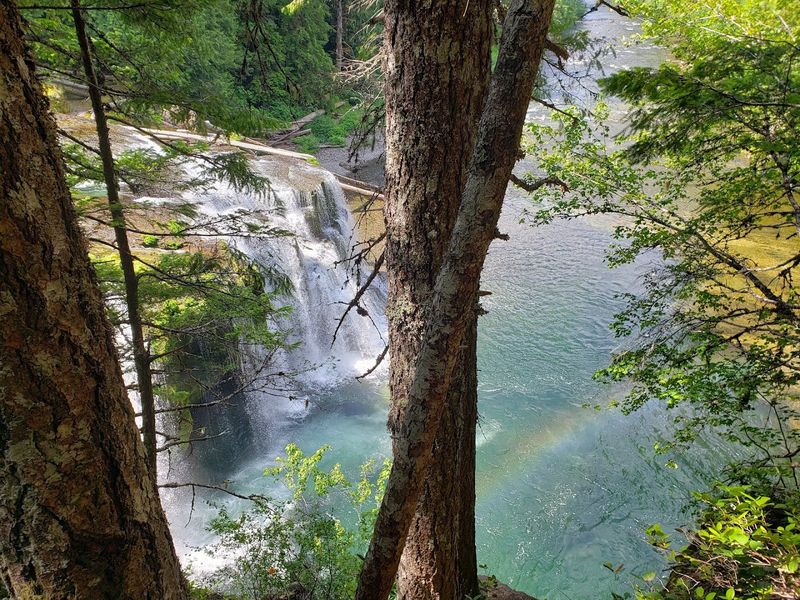
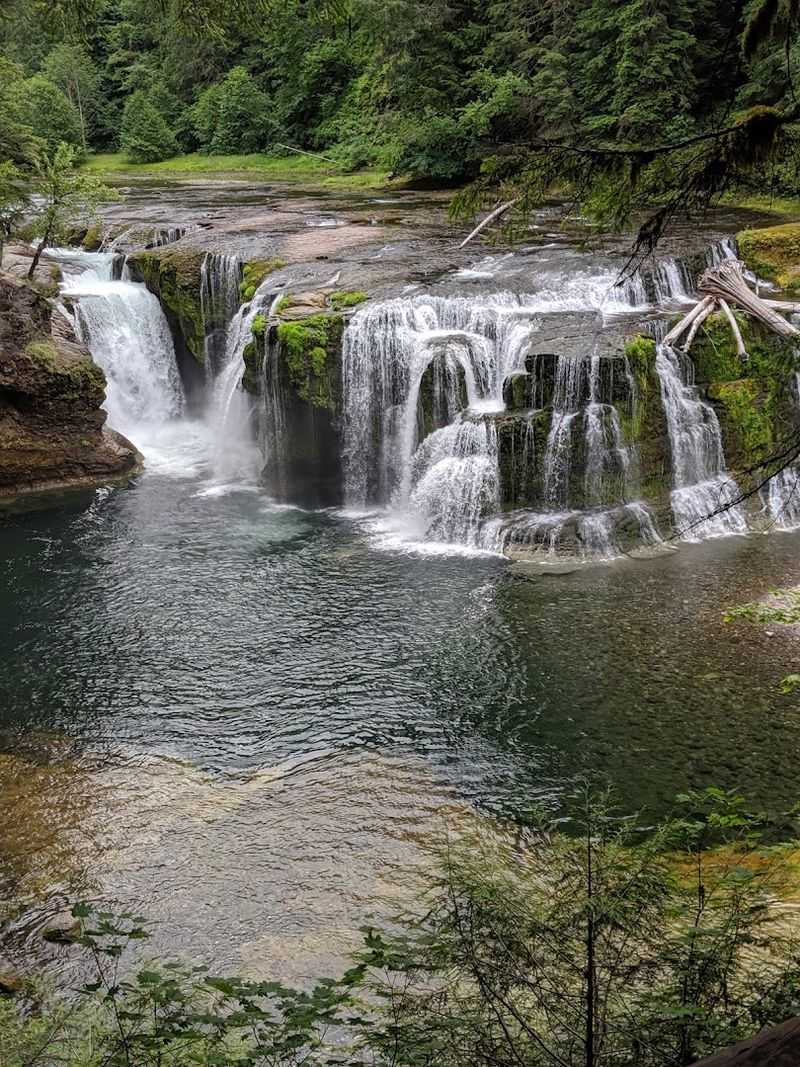
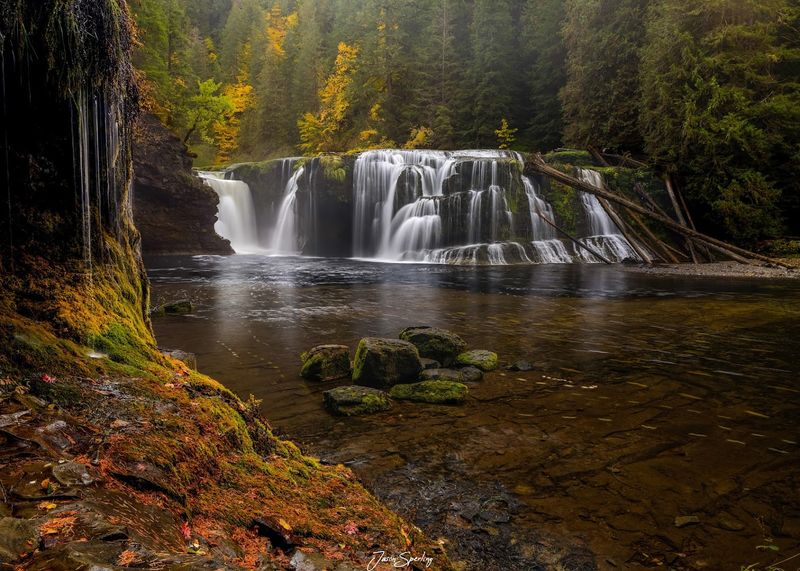
Standing in front of Lower Lewis River Falls for the first time, you quickly realize that no photo has ever done it justice. The falls stretch an impressive 200 feet wide and drop 43 feet, creating a broad, thundering curtain of white water that fills the entire canyon with sound and mist.
It genuinely looks bigger in person than in any picture you have seen online.
The Lewis River itself is fed by glacial melt from Mount Adams, which means the water running over those falls began its journey high on a volcanic peak. That little fact makes the whole scene feel even more remarkable.
From the Lower Falls parking area, the main viewpoint is only about 500 feet away, making this one of the most rewarding short walks in all of Washington. You get maximum scenery for minimal effort, and that is a deal worth taking every single time.
Getting To The Trailhead
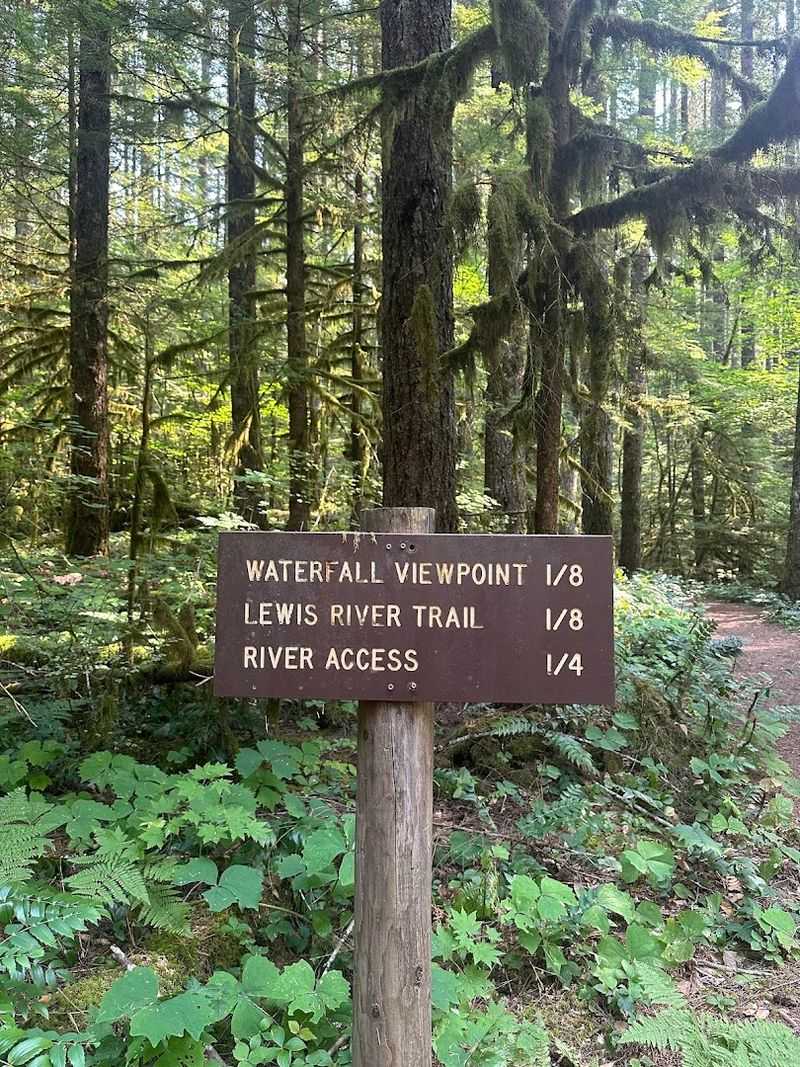
Finding the Lower Lewis River Falls trailhead is part of the adventure, and knowing what to expect before you go makes the whole trip smoother.
The trailhead is located within the Lewis River Recreation Area in Gifford Pinchot National Forest in Washington. Cell service is essentially nonexistent once you get close, so download your maps ahead of time.
A Northwest Forest Pass or an America the Beautiful Pass is required for parking year-round, with a day pass costing five dollars. During peak summer season, roughly June 15 through Labor Day, you also need a two-dollar day-use parking reservation made in advance through Recreation.gov.
Print it out and display it on your dashboard.
Restrooms and picnic areas are available right at the trailhead, which is a genuinely pleasant bonus. Arriving early on summer weekends is smart, since the parking lot fills up fast when the weather cooperates.
The Old-Growth Forest Setting
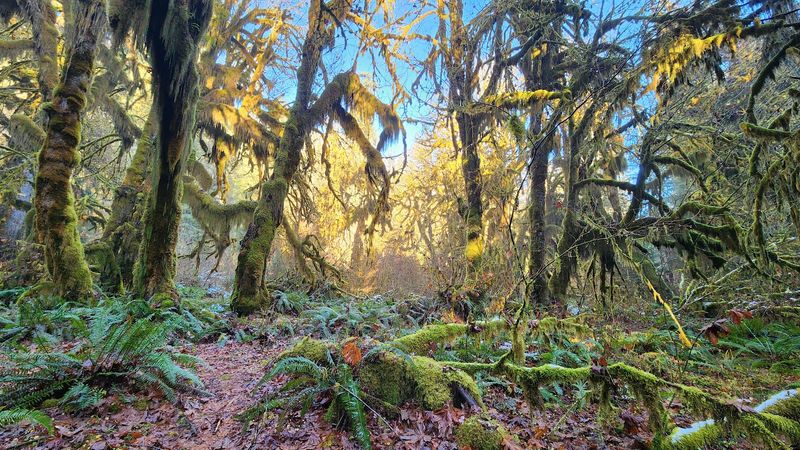
Walking the Lewis River Trail feels like stepping into a world that has been quietly growing for centuries. The forest here is dominated by towering Douglas fir, western red cedar, and big leaf maple, all draped in thick layers of vivid green moss.
The canopy filters the sunlight into soft, shifting beams that land on the forest floor like something from a painting.
This is genuine old-growth forest, which means the trees around you are massive, the undergrowth is lush, and the whole ecosystem feels alive in a way that younger forests simply do not. Every footstep on the soft trail feels deliberate and slow, because rushing through a place like this would be a shame.
The combination of the rushing river, the towering trees, and the mossy boulders creates an atmosphere that is equal parts peaceful and awe-inspiring. Bring your camera, but also just stop and breathe it in.
The Forest Bridge Experience
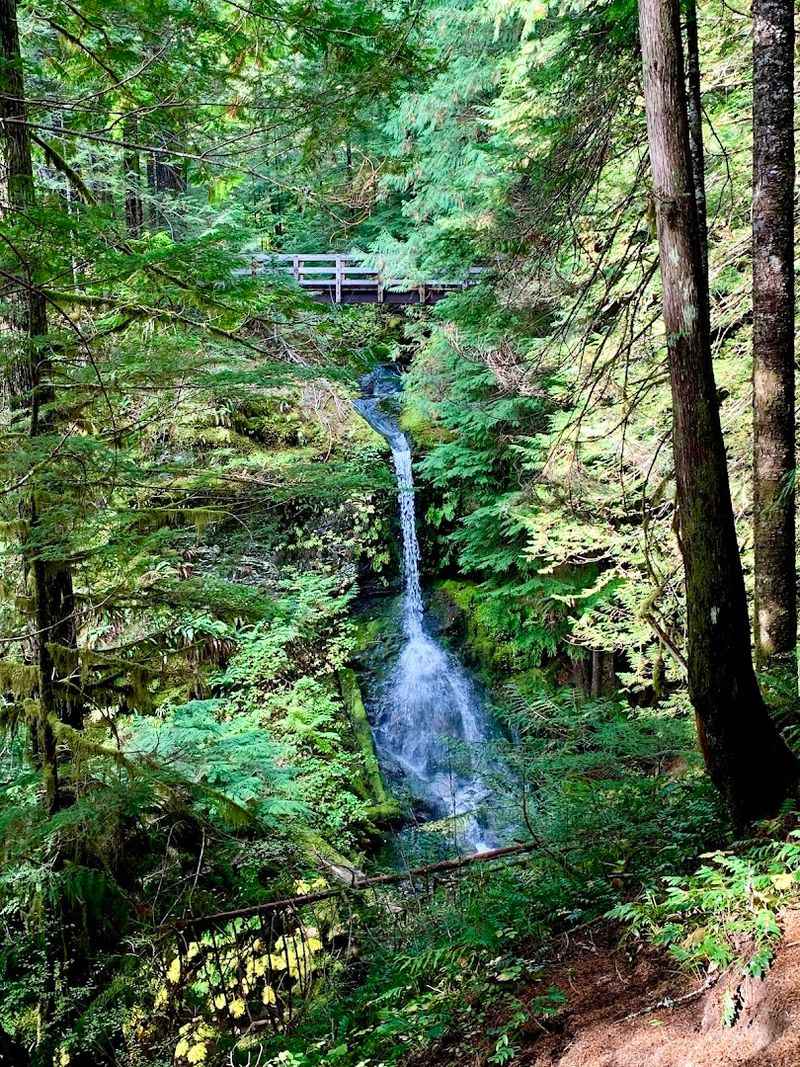
One of the most charming moments on the Lewis River Trail comes when you cross one of the wooden bridges tucked into the forest.
The bridge near Copper Creek gives you a front-row view of Copper Creek Falls, a pretty 32-foot cascade that tumbles down mossy rocks just below your feet. Another bridge sits closer to Upper Lewis River Falls and frames a stunning approach to that viewing area.
Crossing a bridge over a rushing forest creek, surrounded by towering trees and the constant sound of moving water, is one of those simple hiking moments that stays with you long after the trip is over. It feels a little like walking through a fairy tale, without the drama of a long or difficult trail.
These bridges are well-built and easy to cross, making them accessible for hikers of all experience levels. Kids especially tend to love pausing on them to watch the water rush below.
Trail Difficulty And What To Expect
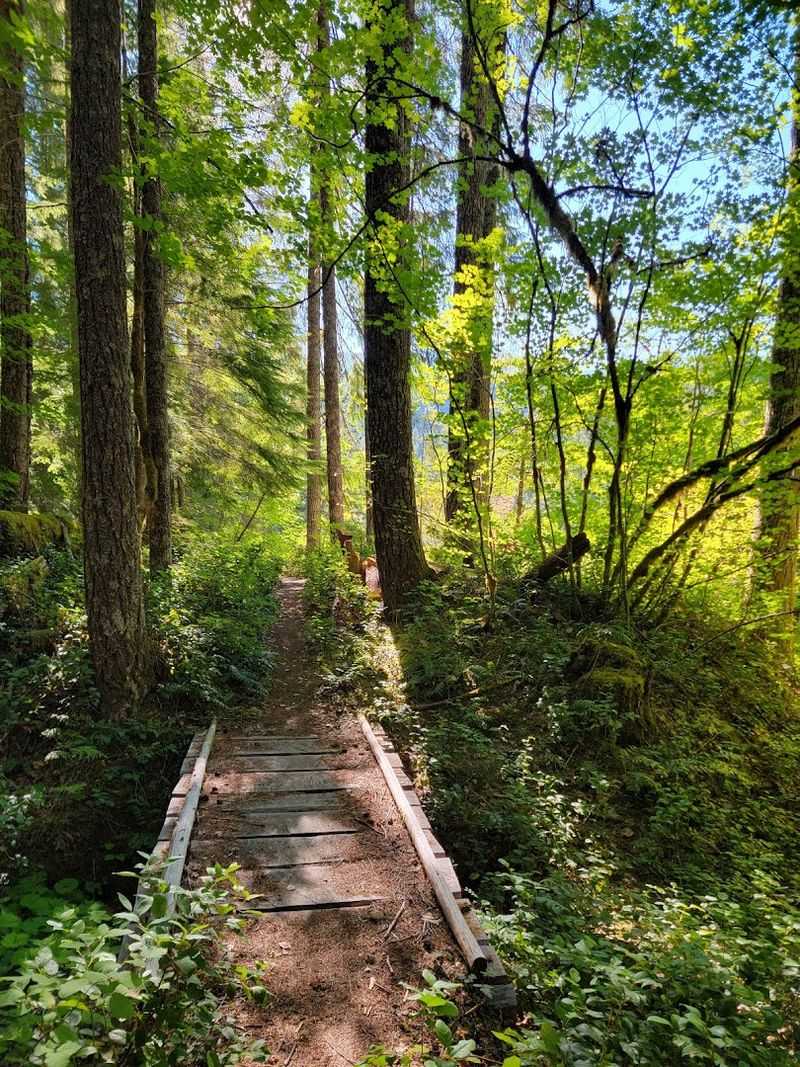
The hike to Lower Lewis River Falls is generally rated easy to moderate, which makes it a strong choice for families, casual hikers, and anyone who wants a big payoff without a brutal workout.
The main viewpoint is just about 500 feet from the parking area, so even young children can reach it comfortably.
If you want more, the full out-and-back route to Middle and Upper Lewis River Falls runs about six miles total from the lower trailhead.
The trail is well-maintained for the most part, though some sections have eroded spots, steep drop-offs near the river, and occasional fallen trees that require stepping over or ducking under.
The path is also shared with mountain bikers, so staying aware of your surroundings is part of the experience. Dogs are welcome on leash, which means four-legged hiking companions are absolutely invited. Good trail shoes and plenty of water are all you really need to have a great time.
Middle And Upper Lewis River Falls
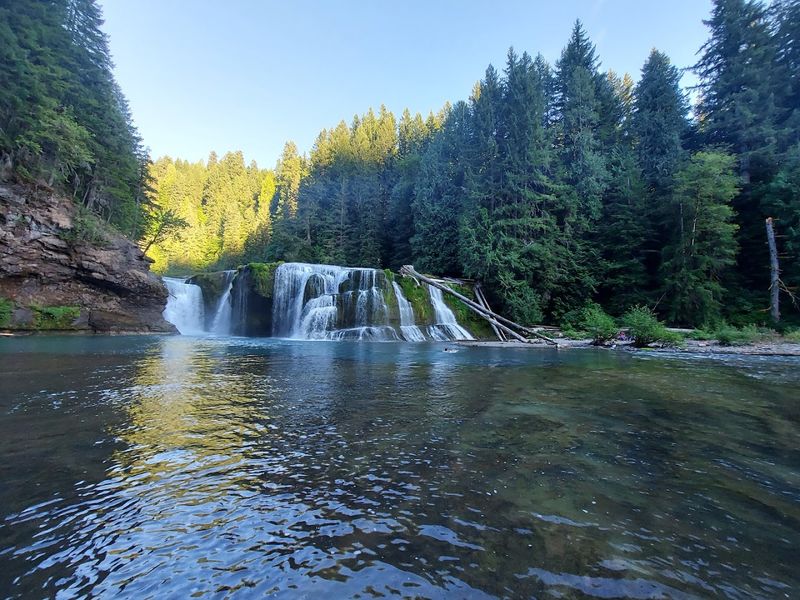
If the lower falls leave you wanting more, the Lewis River Trail delivers two more spectacular waterfalls further along the route. Middle Lewis River Falls is a series of cascades running 33 feet tall and 300 feet wide, giving it a wide, layered look that is completely different from the lower falls.
Upper Lewis River Falls is the tallest of the three at 58 feet, with a powerful single drop that commands your full attention.
Each waterfall has its own personality, and hiking between them feels like collecting three very different rewards on the same trail. The forest scenery between the falls is gorgeous enough to make the walking feel effortless.
Copper Creek Falls, a smaller 25-foot cascade visible from the bridge over Copper Creek, adds a fourth water feature to the experience. Taitnapum Falls is also accessible on a longer route for those who want to extend the adventure even further into this remarkable corner of Washington.
Best Time To Visit And Seasonal Tips
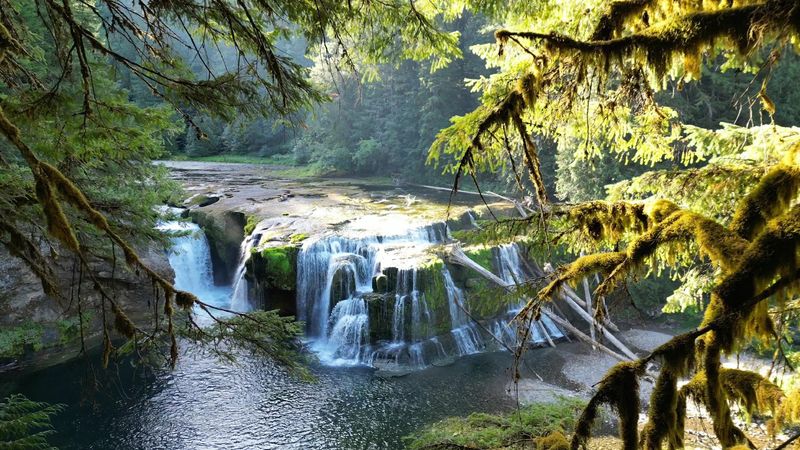
Timing your visit makes a real difference at Lower Lewis River Falls. Late spring and early summer, when snowmelt from Mount Adams is at its peak, bring the highest water volume and the most dramatic falls.
The roar of the water during this time is genuinely impressive, and the surrounding forest is an almost impossibly vivid shade of green.
Summer is the busiest season, and the peak-season parking reservation requirement from mid-June through Labor Day exists for good reason. The area gets popular fast, especially on sunny weekends. Arriving early in the morning gives you better parking, quieter trails, and softer light for photos.
Winter access can be blocked by snow, so checking road conditions before heading out in the colder months is essential.
Fall is a quieter and underrated time to visit, with big leaf maple trees turning gold and orange and far fewer crowds competing for the best viewpoints along the trail.
Planning Your Visit Like A Pro
A little preparation goes a long way when visiting the Lewis River Recreation Area. Since cell service is unavailable at the trailhead and throughout much of the surrounding forest, downloading offline maps through an app like AllTrails or Gaia GPS before leaving home is genuinely important.
Knowing your route in advance removes stress and lets you focus on enjoying the scenery. Pack layers even in summer, since the forest stays cool and the mist from the falls can leave you feeling chilly near the viewpoints.
Waterproof shoes or trail runners are a smart choice, especially if recent rain has made sections of the path slippery.
Restrooms and picnic tables at the trailhead make it easy to turn the hike into a full half-day outing. The Lower Falls Campground nearby is a fantastic option if you want to wake up in the forest and hit the trail before the crowds arrive. Early birds really do get the best of this place.
What To Pack For The Trail
Packing smart can make the difference between a great hike and a miserable one, especially in the Pacific Northwest where weather changes fast. A waterproof rain jacket is non-negotiable, even on sunny days. The mist from the falls alone will leave you damp if you stand too close.
Sturdy, waterproof hiking shoes are a must since the trail can get muddy and slippery near the river. Bring at least two liters of water, high-energy snacks, and a basic first aid kit. Trekking poles help on uneven sections.
A fully charged phone or a small camera will ensure you capture every incredible moment along the way. Offline maps are also smart, since cell service can fade quickly once the forest thickens. A small towel or extra pair of socks can save the ride home if the trail is wetter than expected.
Layering helps too, because shaded sections can feel cool even when the parking area feels warm. Pack out everything you bring in so the trail stays beautiful for the next hiker.