
This Easygoing Arizona Town Offers River Views, Retro Charm, And A Touch Of Wild West History
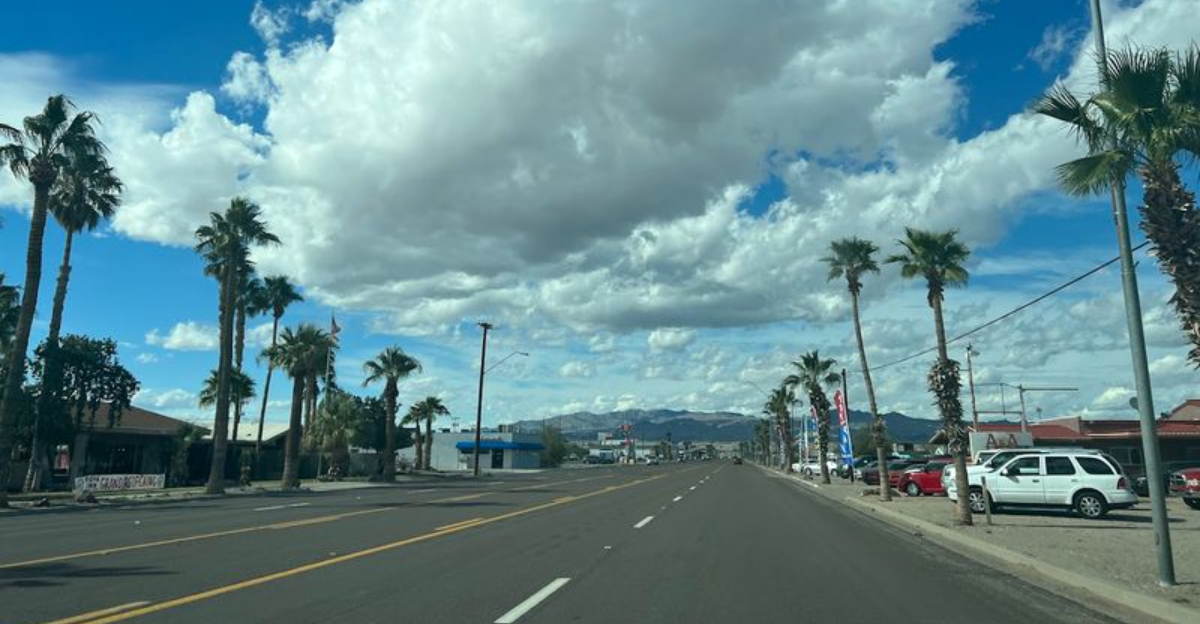
I’ve always been drawn to the kind of places where the desert sighs and the river hums, a rare blend of rugged Arizona soul and laid‑back charm. When I pulled into this little riverside haven, the sun painted the water gold and the streets seemed to whisper stories of stagecoaches and neon signs.
I could feel the pulse of the Old West in every weathered storefront, yet the vibe was unmistakably modern, like a vintage postcard that’s been gently refreshed. As I strolled past the retro diners and antique shops, the scent of sagebrush mingled with the sweet scent of fresh‑baked pie, and I realized I’d stumbled onto a slice of Arizona that feels both timeless and brand‑new-all without a single rush sign or highway blare in sight.
This small community along the river’s edge has quietly preserved its mid-century character while offering modern adventurers a playground of water sports, historic sites, and genuine Western hospitality that makes you want to linger longer than planned.
The Colorado River’s Endless Summer Playground
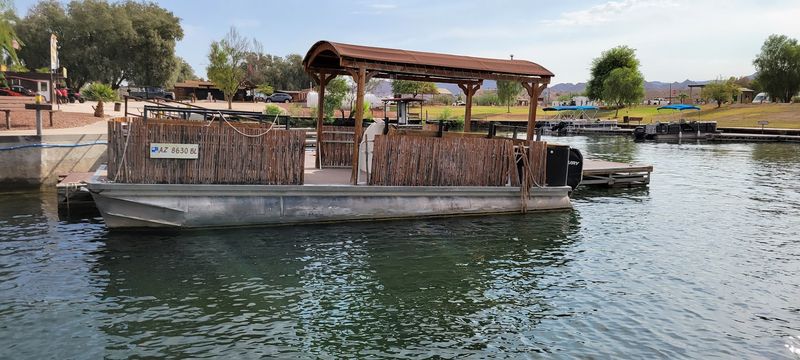
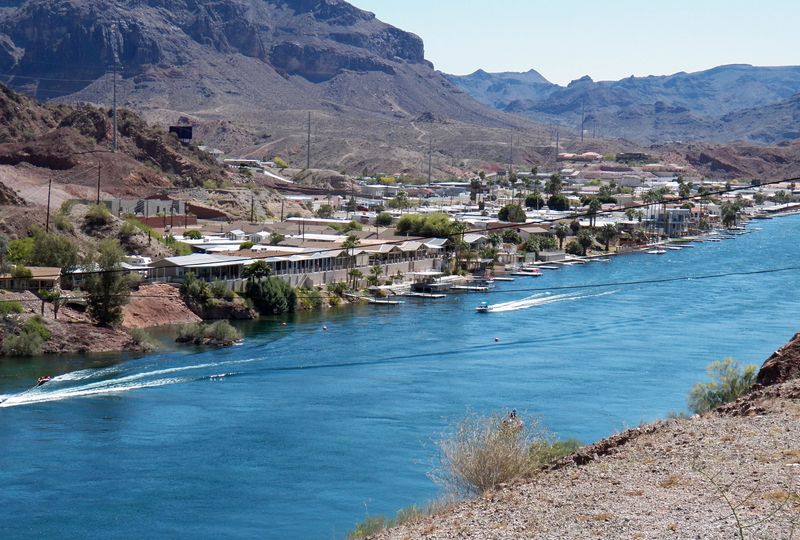
Mornings in Parker quickly settled into a rhythm I looked forward to more than I expected. The soft sound of water lapping against the boat docks became my favorite local ritual. The Colorado River dominates life here, transforming this desert town into an unexpected water paradise that rivals any lakeside resort.
The Parker Strip stretches sixteen glorious miles between two dams, creating a liquid highway perfect for every aquatic adventure imaginable. I watched jet skiers carve through morning glass, families floating lazily on oversized tubes, and wakeboarders launching themselves skyward with enviable confidence.
Marinas dot the shoreline like welcoming outposts, offering everything from pontoon rentals to fishing gear. I spent an afternoon cruising downstream, the Arizona sun warming my shoulders while canyon walls rose dramatically on both sides.
What struck me most was the accessibility. You don’t need to own a yacht or possess expert skills to enjoy this river. Rental shops cater to first-timers, and the relatively calm waters make it family-friendly.
By evening, the river transforms into something almost magical, with golden light bouncing off the water’s surface and creating a scene that feels impossibly peaceful for a place so full of daytime energy.
Downtown’s Vintage Motor Lodge Time Capsule
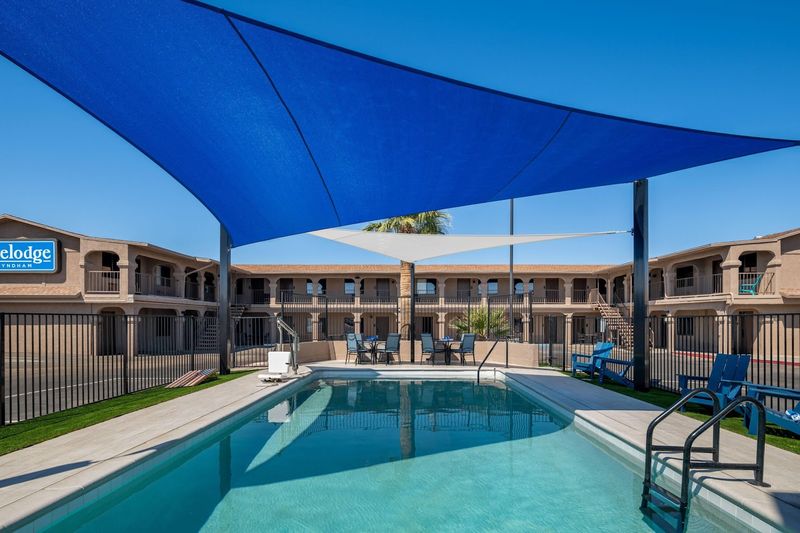
Cruising down California Avenue feels like driving through a living postcard from 1962. Parker’s downtown corridor has somehow preserved its mid-century motor lodge aesthetic in a way that feels authentic rather than manufactured.
I checked into one of these vintage establishments, half expecting it to be all facade. Instead, I found lovingly maintained rooms with original tilework, chrome fixtures that actually gleamed, and that particular kind of quirky charm that chain hotels will never replicate.
The neon signs still buzz to life at dusk, casting pink and turquoise glows across the pavement. These aren’t reproductions installed for Instagram appeal but genuine survivors from Parker’s heyday as a Colorado River destination.
Walking between these establishments, I noticed details that modern construction forgets: breezeway courtyards designed for desert cooling, carports positioned for maximum shade, and kidney-shaped pools that scream retro without trying.
Local shop owners maintain this aesthetic with obvious pride. Coffee tastes better when served in a diner with original counter stools, and browsing antique stores housed in period-appropriate buildings feels like treasure hunting through decades.
The Historic Old Presbyterian Church’s Architectural Testament
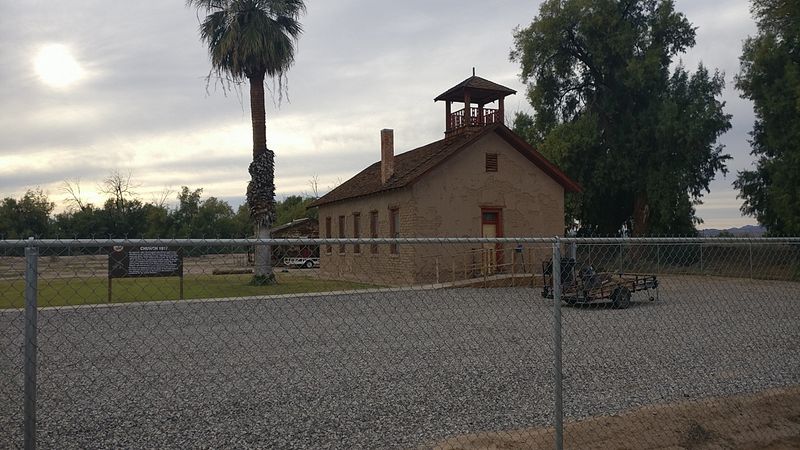
Standing before the Old Presbyterian Church, constructed in 1917, I felt the weight of over a century pressing gently against the present. This National Register property represents Parker’s earliest community-building efforts, when settlers carved civilization from unforgiving desert.
The architecture speaks volumes about pioneer priorities. Simple wooden construction, designed for function over flourish, yet possessing an understated dignity that more ornate buildings often lack.
I learned that this church served not just spiritual needs but functioned as community center, meeting hall, and social anchor during Parker’s formative years. Imagine the weddings, funerals, and Sunday gatherings that these walls witnessed as the town grew around them.
What impressed me most was the preservation effort. Rather than demolishing this modest structure for something newer, Parker recognized its historical significance and protected it for future generations.
Walking the perimeter, I noticed construction techniques rarely seen today: hand-cut timber joints, original window frames, foundation stones placed with deliberate care. Each element tells stories about the craftspeople who built this church when Parker was barely more than a desert outpost.
The Old Parker Jail’s Frontier Justice Remnant
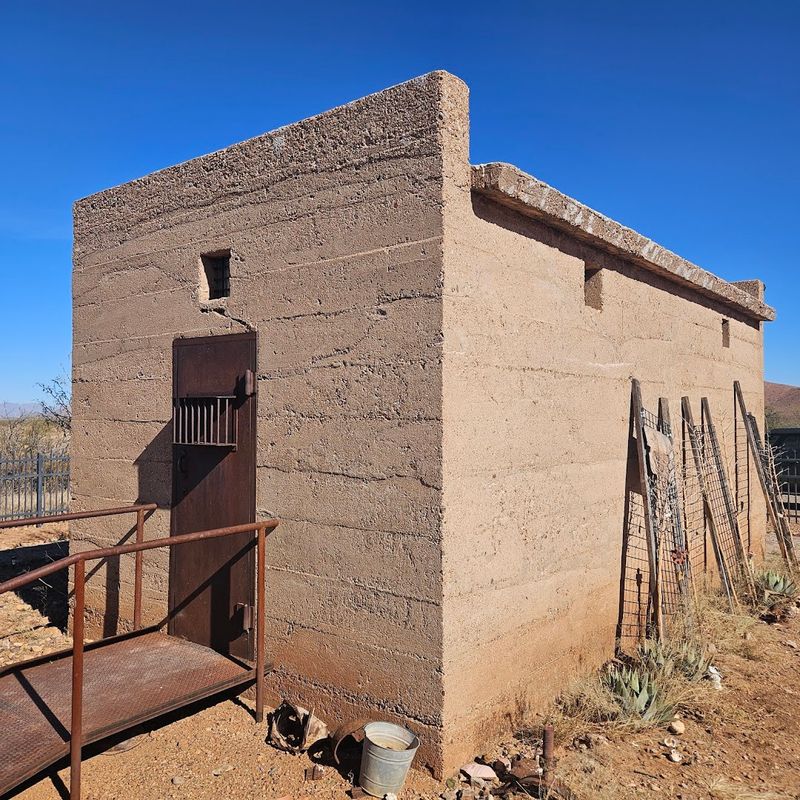
Few structures capture Wild West authenticity quite like the Old Parker Jail, built in 1914 when frontier justice still meant something very different than today. This compact stone building housed lawbreakers during Parker’s roughest years, when mining disputes and river conflicts kept the local sheriff busy.
Peering through the barred windows, I tried imagining what incarceration meant in early twentieth-century Arizona. No air conditioning softened the brutal summer heat, no modern plumbing eased basic discomforts, just four walls and time to contemplate your mistakes.
The jail’s construction reveals plenty about period priorities. Thick walls prevented escape attempts, minimal windows reduced comfort, strategic positioning near downtown kept law enforcement close. Everything served practical purpose without pretense.
Local historians shared stories about notable inmates and legendary escapes during my visit. These tales, whether entirely factual or embellished over decades, connect modern Parker to its wilder past in tangible ways.
Today, this National Register property stands as educational monument rather than functional facility. I appreciated how Parker preserves even uncomfortable historical elements, acknowledging that understanding the past requires confronting all aspects, not just the pleasant ones.
Colorado River Indian Tribes Cultural Heritage
Parker’s identity remains inseparably linked to the Colorado River Indian Tribes, whose reservation surrounds much of the town. This relationship predates Parker’s 1908 founding by millennia, and respectful acknowledgment of this fact enriches any visit.
I spent an afternoon learning about the four distinct tribes sharing this reservation: Mohave, Chemehuevi, Hopi, and Navajo. Each brought unique traditions, languages, and cultural practices that continue influencing the region’s character.
The town’s namesake, Ely S. Parker, served as the first Native American Commissioner of Indian Affairs during the 1860s. This connection reflects Parker’s complex position at the intersection of indigenous heritage and American expansion.
Visiting tribal museums and cultural centers provided context that typical tourist destinations often gloss over. I gained appreciation for how these communities maintained identity despite tremendous historical pressures, preserving languages, ceremonies, and knowledge systems through generations.
Modern Parker benefits economically and culturally from its proximity to tribal lands. Casinos, resorts, and cultural events create employment while sharing indigenous perspectives with visitors willing to listen and learn beyond surface-level engagement.
Swansea Ghost Town’s Mining Era Echoes
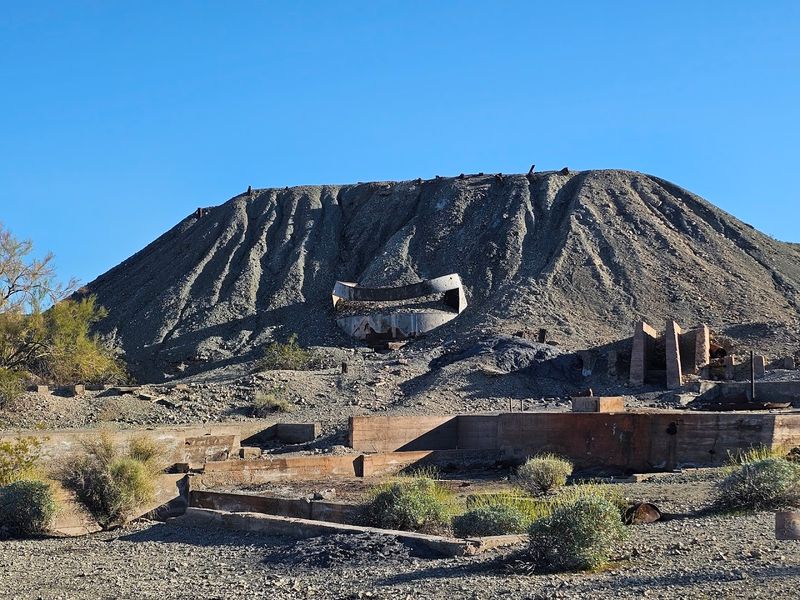
Thirty miles from Parker sits Swansea, a ghost town that materialized during the early 1900s copper boom and vanished almost as quickly. Driving out to these ruins felt like traveling backward through Arizona’s boom-and-bust mining history.
At its peak, Swansea supported over 500 residents, complete with smelter, post office, general store, and all the infrastructure that mining operations demanded. Copper prices drove everything, and when those prices crashed, Swansea died.
Walking among the surprisingly well-preserved ruins, I touched stone walls that once enclosed homes, businesses, and dreams. The desert has reclaimed much, but enough remains to spark imagination about daily life in this isolated outpost.
What makes Swansea particularly compelling is its accessibility and preservation state. Unlike many ghost towns reduced to scattered foundations, Swansea retains structural integrity that helps visitors understand its former purpose and layout.
I recommend visiting during cooler months, bringing plenty of water, and respecting the site’s fragility. These ruins connect Parker to broader Western mining narratives, reminding us that today’s thriving towns often stand near yesterday’s abandoned hopes.
The Parker Tube Float’s Annual River Tradition
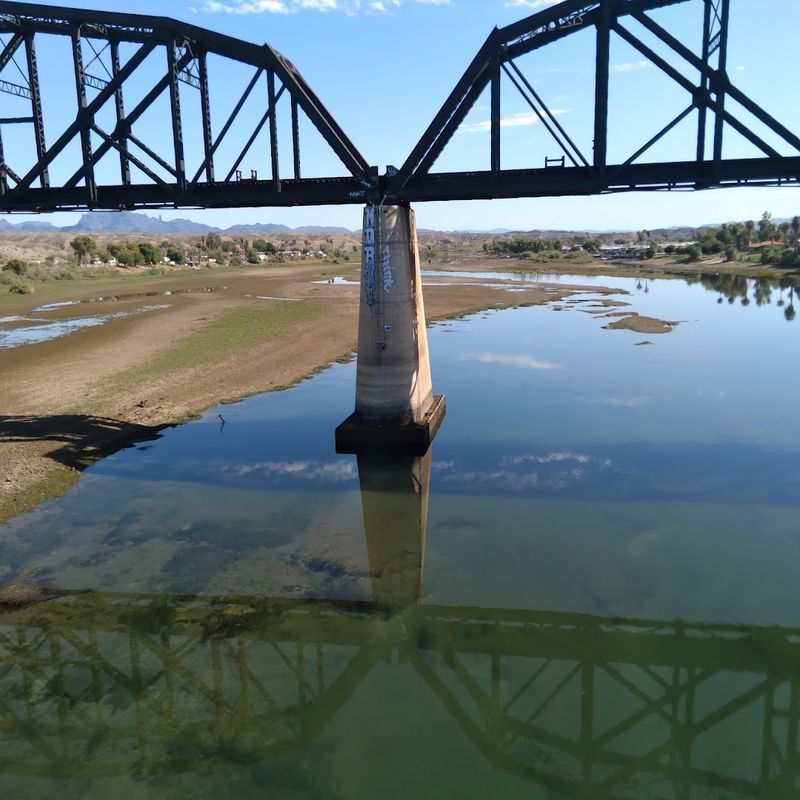
Every summer, Parker hosts what might be the most gloriously simple event imaginable: thousands of people floating down the Colorado River on inner tubes. I joined this aquatic parade and immediately understood why it’s become legendary.
There’s something beautifully democratic about tube floating. No expensive equipment required, no special skills needed, just you, an inflated tube, and miles of river current doing all the work.
The atmosphere during Tube Float combines festival energy with lazy river relaxation. Music drifts across the water from various flotillas, strangers become temporary friends, and the desert heat becomes advantage rather than obstacle.
I appreciated how this event showcases Parker’s community spirit. Local businesses support the float, volunteers ensure safety, and the town genuinely welcomes the influx of visitors without losing its small-town character.
Planning tip: arrive early for parking, bring sun protection that won’t wash away, and secure your belongings in waterproof containers. The float takes several hours depending on current speed, so pace yourself and remember that river time moves differently than regular time.
Parker 425 Desert Race’s Off-Road Thunder
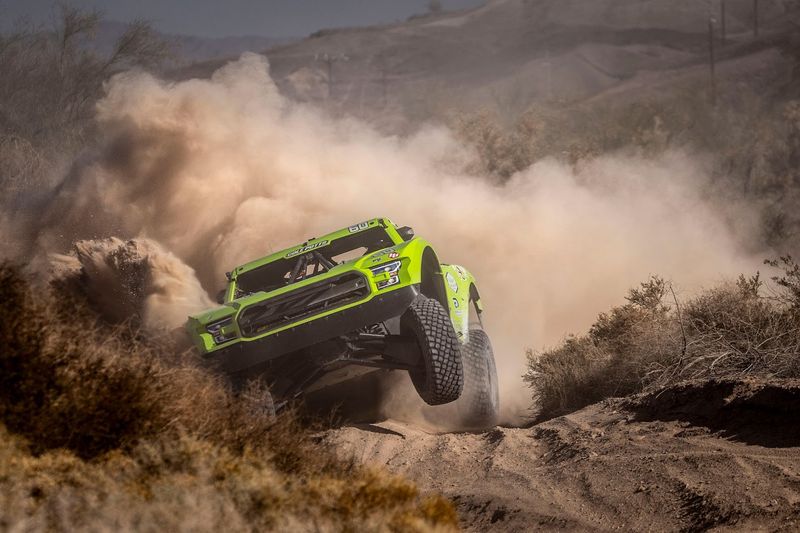
The desert surrounding Parker transforms into high-speed theater during the Parker 425, an off-road race that attracts competitors from across the country. Even if motorsports aren’t typically your thing, this event’s raw energy proves infectious.
I watched heavily modified trucks, buggies, and motorcycles launch across terrain that looks impossibly rough at walking speed, let alone racing velocity. Rooster tails of dust marked each vehicle’s progress, and the mechanical roar echoed off distant mountains.
What surprised me was the accessibility. Unlike many professional racing events, the Parker 425 lets spectators get remarkably close to the action. You feel the ground vibrate as machines thunder past, taste the dust they kick up, and witness mechanical poetry in motion.
The race course winds through spectacular desert landscape, offering viewing opportunities from various vantage points. I drove between several spots, each providing different perspectives on how these drivers navigate obstacles at speeds that seem physically impossible.
Beyond the racing itself, the event creates festival atmosphere throughout Parker. Vendors, exhibitions, and evening gatherings turn the entire town into celebration of desert motorsports culture and mechanical ingenuity.
BlueWater Resort And Casino’s Entertainment Hub
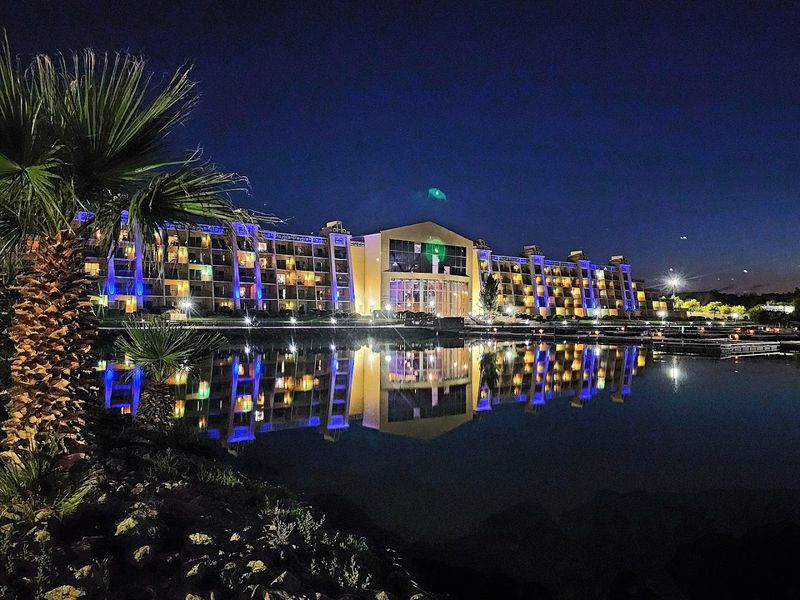
Rising along the river’s edge, BlueWater Resort and Casino represents modern Parker’s evolution while maintaining connection to the area’s indigenous heritage. This tribally owned enterprise transformed the local economy and entertainment landscape.
I explored beyond the gaming floor to discover surprisingly diverse amenities. The resort offers river access, multiple dining options, live entertainment venues, and accommodations that range from comfortable to luxurious.
What distinguishes BlueWater from generic casino resorts is its integration with Parker’s outdoor recreation culture. Guests can easily transition from morning river activities to afternoon relaxation to evening entertainment without feeling disconnected from the natural surroundings that make this area special.
The casino’s economic impact extends throughout Parker. Employment opportunities, increased tourism traffic, and community investments create ripple effects that benefit the entire region.
During my visit, I noticed how BlueWater balances contemporary resort amenities with respect for cultural heritage. Indigenous art, architectural elements, and cultural programming remind guests that this entertainment complex exists within a larger historical and cultural context worth acknowledging.
Buckskin Mountain State Park’s Natural Sanctuary
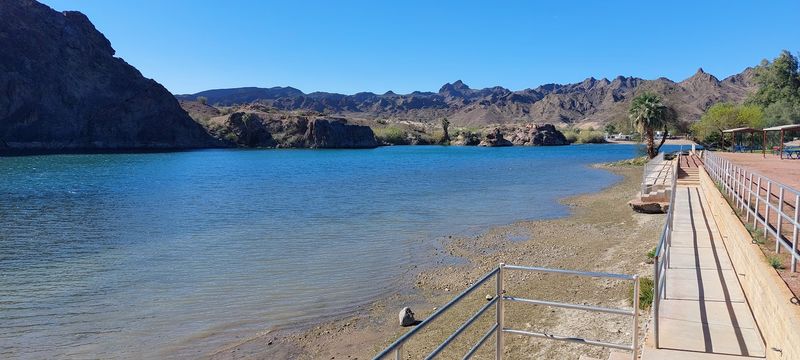
Just north of Parker, Buckskin Mountain State Park offers the perfect counterbalance to town activities. I spent a day hiking trails that wind through desert terrain before descending to riverside beaches that feel almost tropical.
The park’s camping facilities attract visitors seeking extended Colorado River experiences without sacrificing basic comforts. Sites offer shade ramadas, river access, and views that make waking up here feel like privilege rather than routine.
Hiking the Buckskin trails revealed desert ecology in intimate detail. Saguaro cacti stand sentinel on hillsides, lizards dart between rocks, and native plants demonstrate remarkable adaptation to harsh conditions.
What I loved most was the park’s quiet atmosphere. Even during busy seasons, the landscape absorbs visitors without feeling crowded. You can find solitary spots for contemplation or join the riverside social scene depending on your mood.
The park also provides launching point for extended river exploration. Kayakers and canoers use these facilities to access quieter river sections where wildlife viewing improves and human noise fades to distant memory beneath vast Arizona sky.