
This Eerie Ghost Town In South Carolina Is Straight Out Of A Horror Film
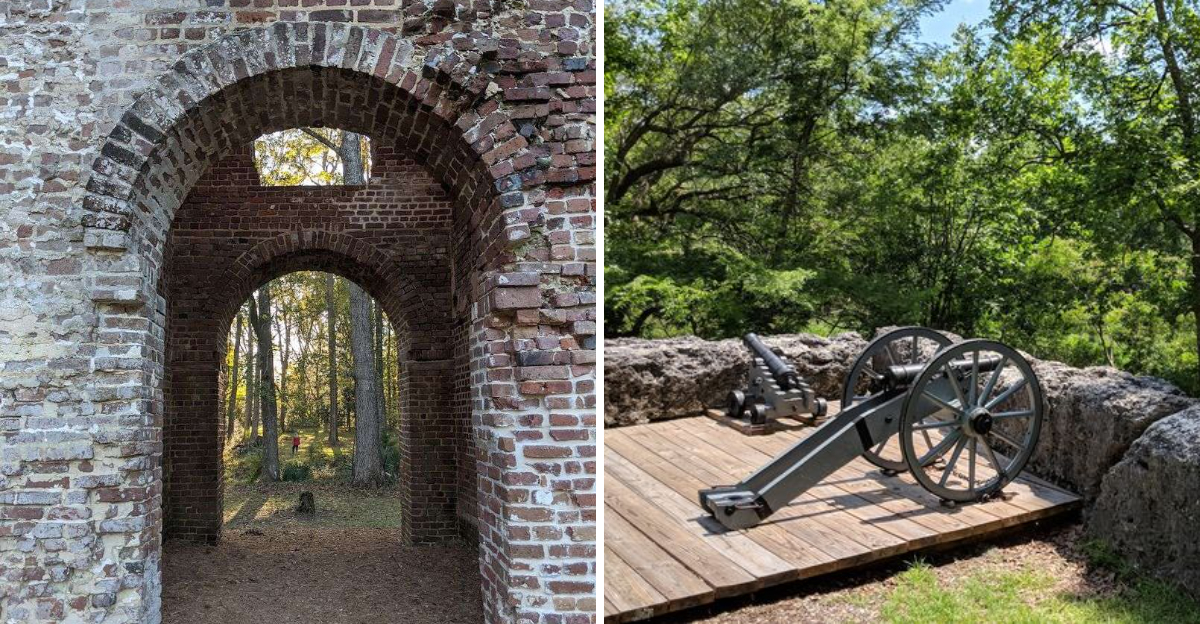
Some places make you feel like you’ve traveled back in time. Colonial Dorchester makes you wonder if time ever left at all.
Hidden along the Ashley River in South Carolina, this abandoned colonial settlement feels frozen between past and present. Crumbling walls stand where homes and businesses once thrived.
Moss drapes across ancient stones. A lonely bell tower rises above the trees as if still keeping watch over a town that disappeared centuries ago.
The atmosphere is what surprises people most.
It is peaceful. Beautiful.
And just a little eerie.
Every path seems to lead toward another forgotten corner. Old ruins emerge from the landscape.
Historic graves sit quietly beneath towering trees. The silence makes it easy to imagine what life once looked like here.
There are no crowds. No flashing attractions.
No modern distractions competing for attention.
Just history, mystery, and a setting that feels unlike almost anywhere else in South Carolina.
For history buffs, photographers, and anyone drawn to places with a story to tell, Colonial Dorchester feels less like a historic site and more like stepping into a forgotten chapter of the past.
The Abandoned Colonial Town That Time Forgot
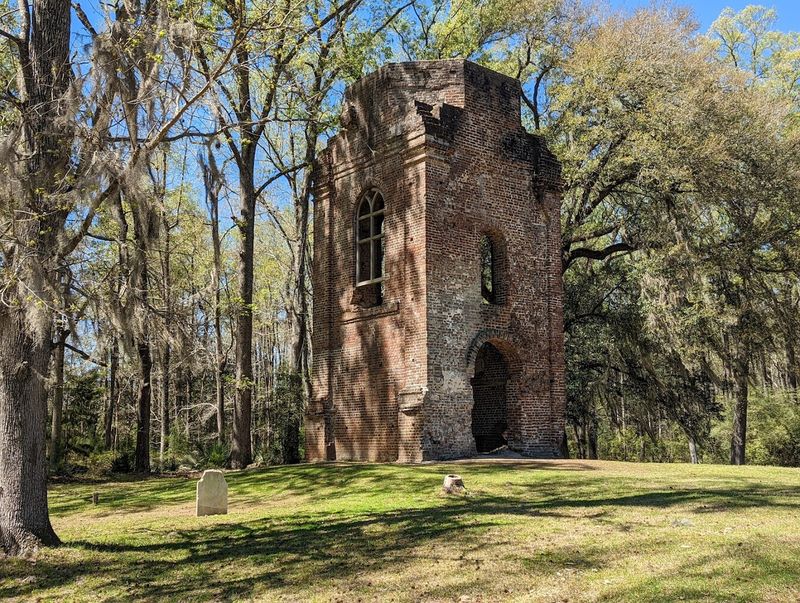
Standing at the entrance of Colonial Dorchester State Historic Site at 300 State Park Rd, Summerville, SC 29485, I felt an immediate chill that had nothing to do with the weather.
This site preserves the ruins of a colonial-era town founded around 1697 by Massachusetts Congregationalists, which grew into a thriving trading hub before residents mysteriously abandoned it in the late 1700s.
What remains today is a ghostly snapshot of colonial South Carolina, with crumbling structures and eerily silent open spaces where merchants, soldiers, and families once moved through their daily lives.
Rated 4.7 stars by nearly a thousand visitors, the park draws history lovers, ghost enthusiasts, and curious travelers alike.
The self-guided walking tour map, available at the parking lot, helps you piece together the puzzle of a community that simply walked away.
Few places in the South carry this kind of atmospheric weight so quietly yet so powerfully.
The Tabby Fort Walls That Still Stand Strong
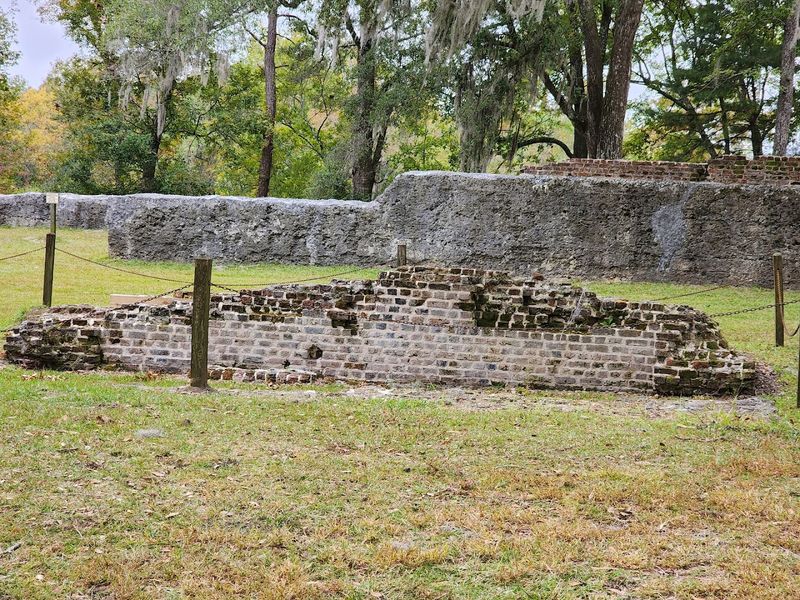
There is something deeply unsettling about touching a wall built over three centuries ago that still refuses to fall.
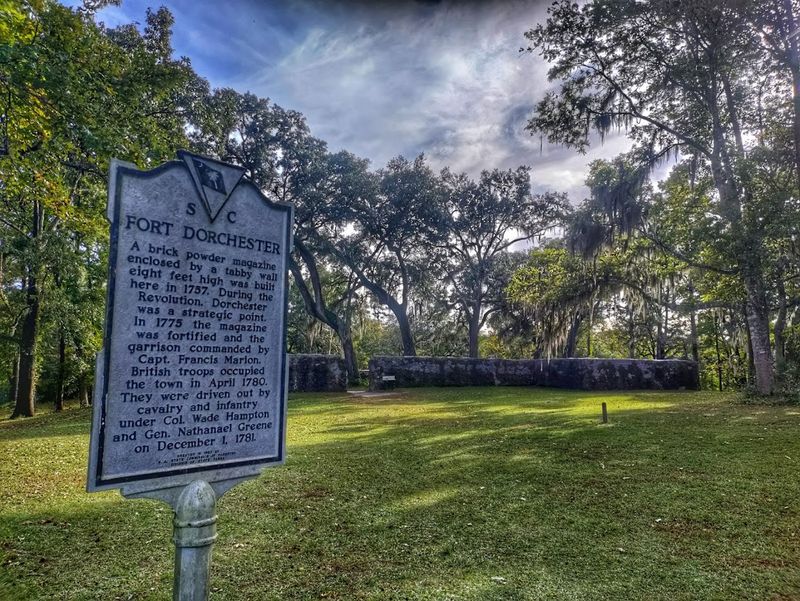
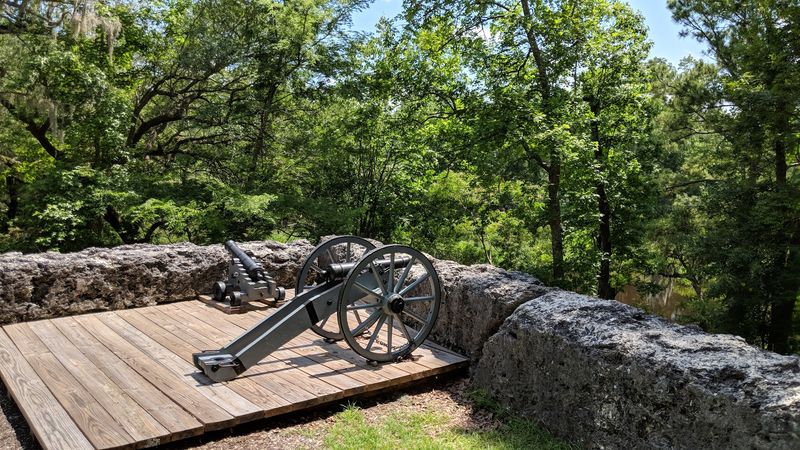
The tabby fort at Colonial Dorchester is one of the most remarkable surviving examples of tabby construction in the entire Southeast, made from a mixture of oyster shells, lime, sand, and water that early colonists used as a building material.
Built in 1757 to protect the town during the French and Indian War era, the fort walls still rise several feet high, covered in patches of moss and lichen that give them a greenish, otherworldly glow on overcast days.
Visitors consistently rave about standing beside these walls and feeling a genuine connection to the 1700s that no museum display can replicate.
Walking around the fort perimeter, I kept expecting something to move in my peripheral vision.
Nothing did, but the silence itself felt loud enough to make up for it.
St. George Bell Tower Rising From The Ruins
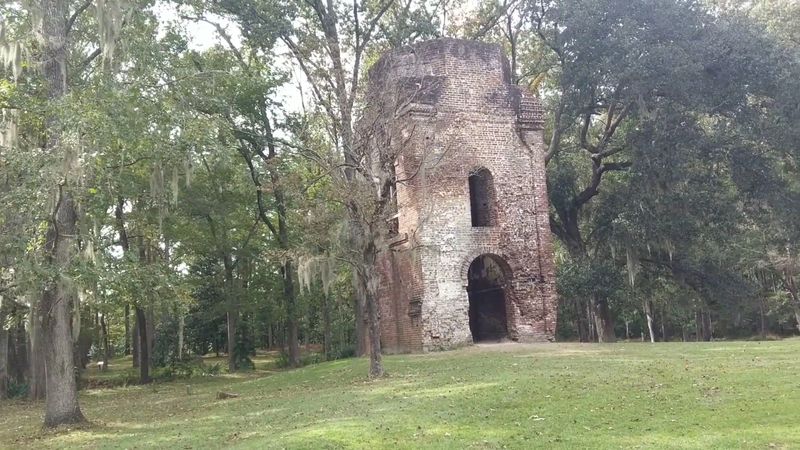
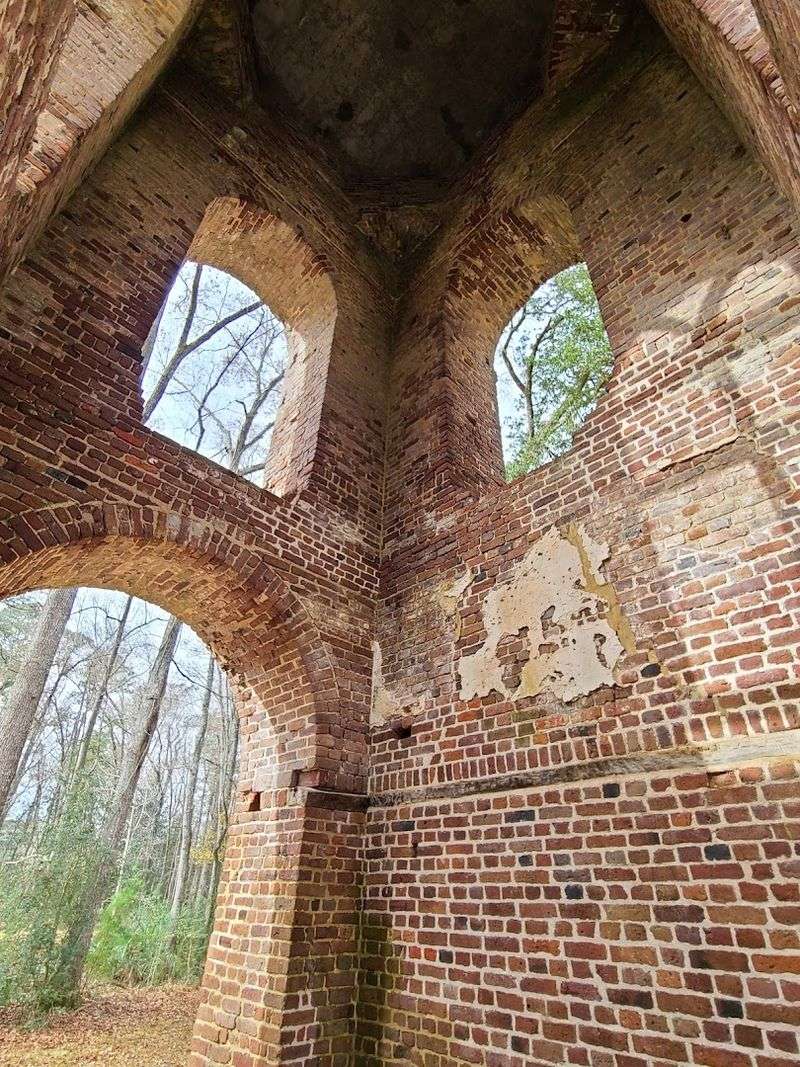
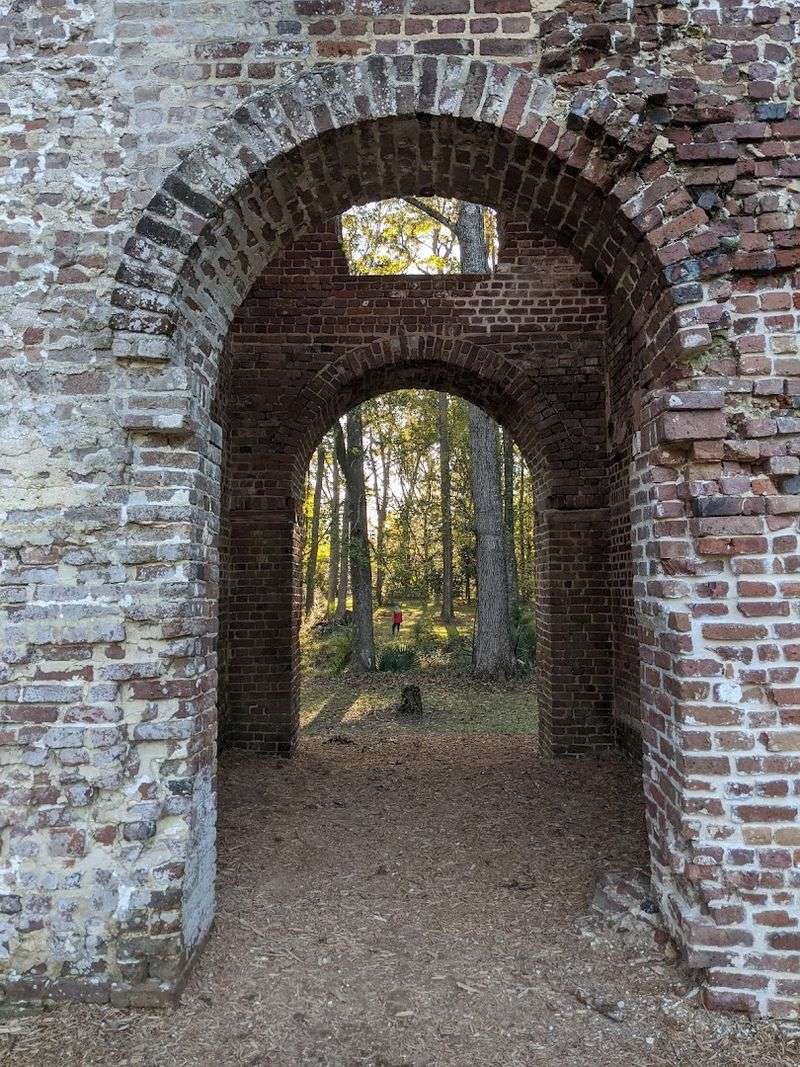
Nothing at Colonial Dorchester stopped me in my tracks quite like the St. George Anglican Church bell tower, which rises from the earth like a stone sentinel that refused to surrender to time.
The tower is one of the most photographed structures at the site, and once you see it in person, you completely understand why.
Built in the early 1700s, the church itself eventually crumbled, but this tower stood firm through centuries of storms, conflict, and neglect, which gives it an almost defiant personality.
One reviewer described standing beneath it as getting a real sense of the 1700s, and that description is exactly right.
The rough stone surface and narrow silhouette against the South Carolina sky create a visual that feels pulled straight from a gothic novel.
I circled it twice before I could bring myself to walk away, half convinced it was watching me right back.
The Quiet Cemetery Full Of Untold Stories
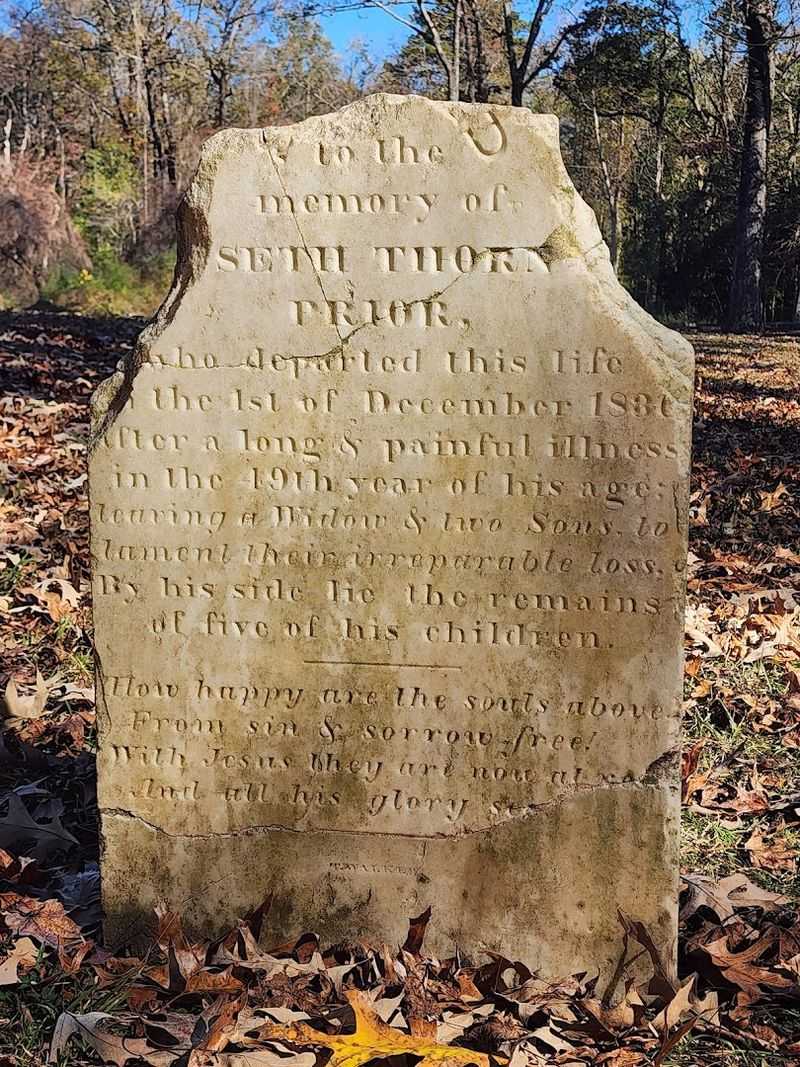
Cemeteries tend to either fascinate or unsettle people, and the small burial ground at Colonial Dorchester manages to do both at the same time.
Tucked within the site, the cemetery holds headstones dating back to the colonial period, many of them worn smooth by decades of rain and heat, their inscriptions barely legible but still present.
Reading the names and dates on those stones, I found myself doing quiet mental math, realizing that some of the people buried here were teenagers or young adults when they passed, which adds an unexpectedly emotional layer to the visit.
One reviewer mentioned that the headstones gave a glimpse into the actual inhabitants of this town, and that observation stuck with me long after I left.
The cemetery sits under a canopy of old trees that filter the sunlight into pale, shifting patches.
On a cloudy day, it is the kind of place that makes you speak in hushed tones without anyone asking you to.
Archaeological Digs That Unearth Buried Secrets
Most parks let you look at history from a safe distance, but Colonial Dorchester occasionally lets researchers and visitors get much closer through active archaeological digs conducted at the site.
These excavations have uncovered artifacts from the colonial period, including pottery shards, tools, and structural remnants that help historians better understand how this town actually functioned before its abandonment.
The idea that there are still objects buried just inches beneath your feet as you walk the grounds adds a thrilling undercurrent to every step you take here.
Interpretive signs throughout the park explain what has been found and where, connecting the physical landscape to the human stories that once played out across it.
I found myself crouching near one of the marked dig areas, staring at the dark soil and trying to imagine what might still be waiting down there.
Colonial Dorchester is essentially a living puzzle, and every season of excavation adds another piece to the picture.
The Ashley River Setting That Makes It All Eerier
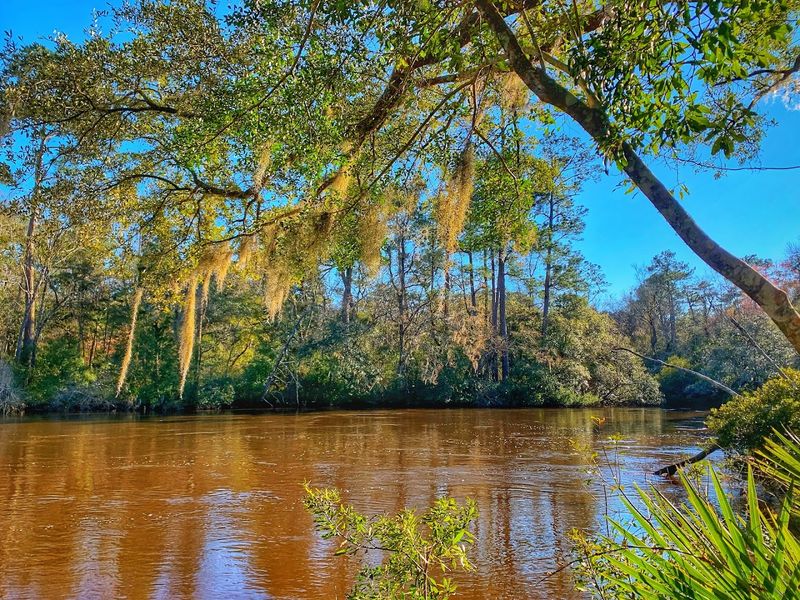
Part of what makes Colonial Dorchester feel so cinematic is its setting directly along the Ashley River, where Spanish moss hangs from the trees like curtains and the water moves slowly enough to seem almost still.
The original settlers chose this location strategically, using the river for trade and transportation, and standing on the bank today you can see exactly why it appealed to them.
The river views add a layer of natural beauty to the ruins that softens the eeriness just enough to keep you from feeling completely spooked, though not by much.
Walking the trails near the water, I passed other visitors who seemed to have come purely for the peaceful outdoor experience, not the history, and honestly both reasons make complete sense here.
The combination of flowing water, ancient ruins, and draped moss creates an atmosphere that a set designer would spend weeks trying to recreate.
Nature did it here for free, and it shows.
A Self-Guided Tour That Tells The Full Story
One of the smartest things about visiting Colonial Dorchester is that you do not need a scheduled tour or a guide to get a rich, informative experience because the park has done that work for you.
A printed guide map is available right at the parking lot, and it walks you through every significant stop in a logical order that makes the history easy to follow even if you know nothing about colonial South Carolina going in.
Interpretive signs posted throughout the grounds add context at each location, so you are constantly learning as you move through the space.
Multiple reviewers praised how easy it was to understand and how well the information was presented, with one visitor noting that it genuinely gave a sense of what the town would have looked like at its peak.
I spent just over an hour on the full loop, reading every sign carefully.
By the end, I felt like I had actually met the people who once called this place home.
The Surprisingly Low Cost Of A Fascinating Visit
In a region where many historical attractions charge steep entry fees, Colonial Dorchester operates on a refreshingly simple honor system that costs just three dollars per adult.
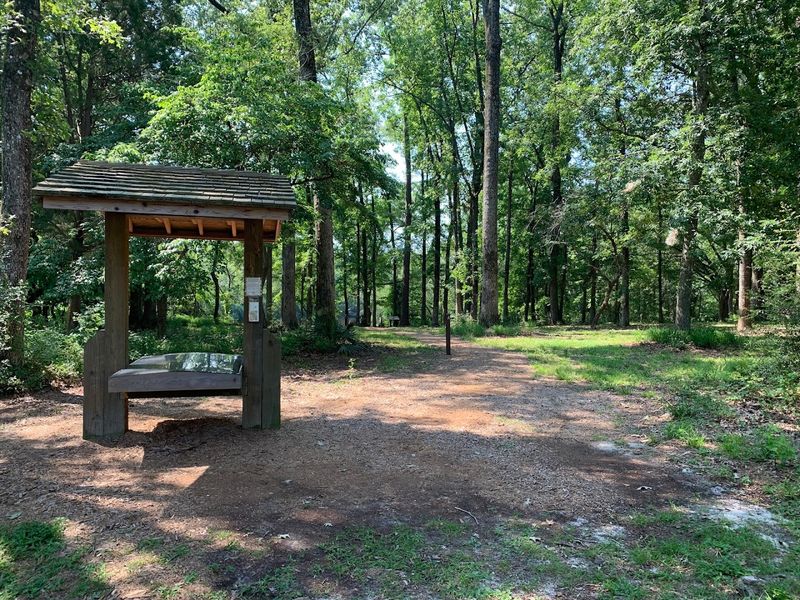
There is no ticket booth staffed by an attendant and no gate blocking your path, just a collection envelope box near the entrance where you drop your payment and carry on.
That small fee goes directly toward maintaining and preserving a site that has been carefully tended for decades, and when you see how clean and well-kept the grounds are, the value feels almost laughably good.
Families with children can explore the entire park for just a few dollars, making it one of the most affordable history outings in the greater Charleston area.
Reviewers consistently mention the price as a pleasant surprise, especially given how much there is to see and learn.
Three dollars for a genuine encounter with the 1700s is, without question, one of the best deals in South Carolina.
Ranger-Led Hikes That Bring History To Life
While the self-guided experience is fantastic on its own, catching a ranger-led hike at Colonial Dorchester takes the entire visit to a completely different level.
Rangers who know the site intimately share stories, context, and details that no sign or printed map can fully capture, turning a quiet walk through ruins into something that feels genuinely alive.
One reviewer described joining a ranger-led hike on New Year’s Day and calling it a cool, memorable way to start the year, which says a lot about how engaging these guided experiences can be.
The rangers are knowledgeable and approachable, and they tend to answer questions in ways that make even complicated colonial history feel accessible and interesting to visitors of all ages.
Check the park schedule at southcarolinaparks.com/colonialdorchester or call ahead at 843-873-1740 to find out when guided programs are available.
Showing up for a ranger-led tour transforms a good visit into an unforgettable one.
Practical Tips For Your Visit To This Haunting Site
Planning a trip to Colonial Dorchester State Historic Site requires only a little preparation, but a few tips can make the difference between a good visit and a great one.
The park is open daily from 9 AM to 5 PM, and arriving early on a weekday morning gives you the best chance of having the ruins nearly to yourself, which dramatically increases the atmospheric effect of the whole experience.
Wear comfortable walking shoes since the paths cover uneven terrain, and bring bug spray during warmer months because the Ashley River setting means insects are part of the package.
Cash is helpful for the three-dollar entry fee since the honor system box does not accept cards.
Dogs are welcome on leashes, picnic tables are available for a relaxed lunch break, and restrooms are on-site.
The site sits at 300 State Park Rd, Summerville, SC 29485, roughly a short drive from downtown Charleston, making it an easy and rewarding detour on any Lowcountry road trip.