
This Eerie Town In Michigan Is Rumored To Be Haunted By Spirits From The 19th Century
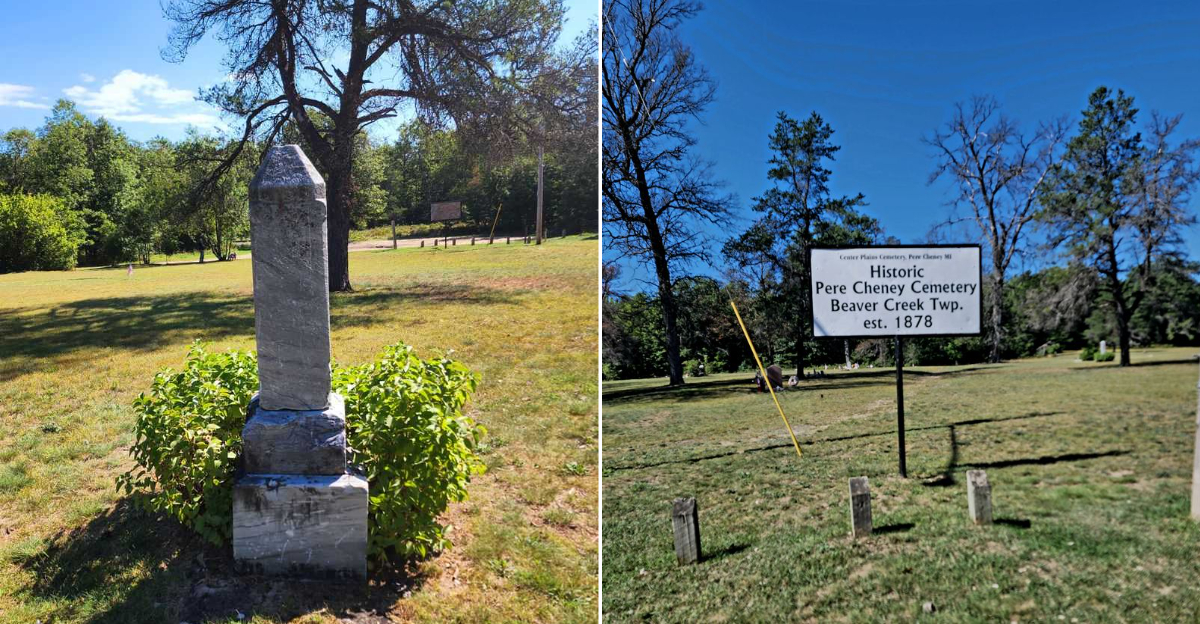
The tires of my truck hummed a nervous rhythm against the corrugated sand of those Roscommon two-tracks before the forest finally pulled back its curtain. Stepping out, the air hits you differently; it’s cooler, smelling of sun-baked pine needles and the damp, metallic scent of ancient iron.
This graveyard is a time capsule of a lumber town that vanished into the brush, leaving behind a small, wind-brushed clearing where the sunlight filters through the canopy in dusty, ethereal pillars.
As one of the most haunted places in Michigan, this historic cemetery offers a chilling yet beautiful look at the remnants of a 19th-century ghost town.
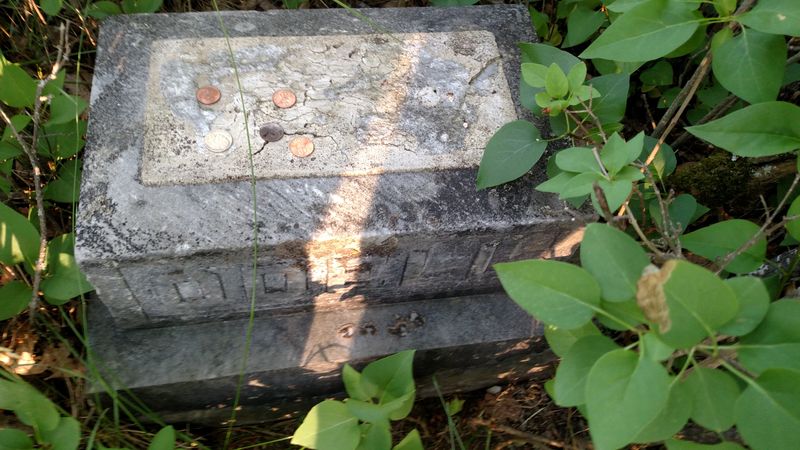
I found myself mesmerized by the “soft-spoken tributes” left on weathered headstones: oxidized coins, smooth river stones, and a few faded toys that felt like a punch to the gut. While the internet is obsessed with the whispered sightings and the tragic shadows of 19th-century epidemics, being there felt more like a quiet conversation than a ghost story.
Finding The Trail Without Getting Lost
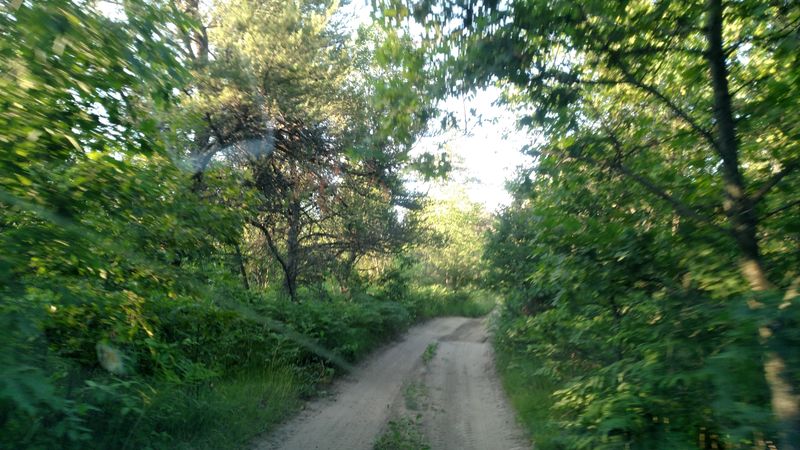
Rustling pines and a narrow sand track set the tone long before any headstone appears. Google’s southern route can mislead you toward private, gated land, so make sure you approach the site from the north.
A vehicle with decent ground clearance will save your nerves and your undercarriage, especially after a heavy rain when the standard potholes transform into surprise basins.
The area is a spiderweb of two-tracks that start to look identical as the light begins to fail. I’d suggest marking key turns on your way in so the return trip feels less like a maze and more like a relief.
It is also wise to download your maps for offline use before you leave the main road, as cell signals here tend to flicker and die just when you need them most.
You won’t find a visitor center or a ranger hut out here, just the deep woods and a clearing that feels heavy with history.
A Haunting Remnant Of A Northern Michigan Ghost Town
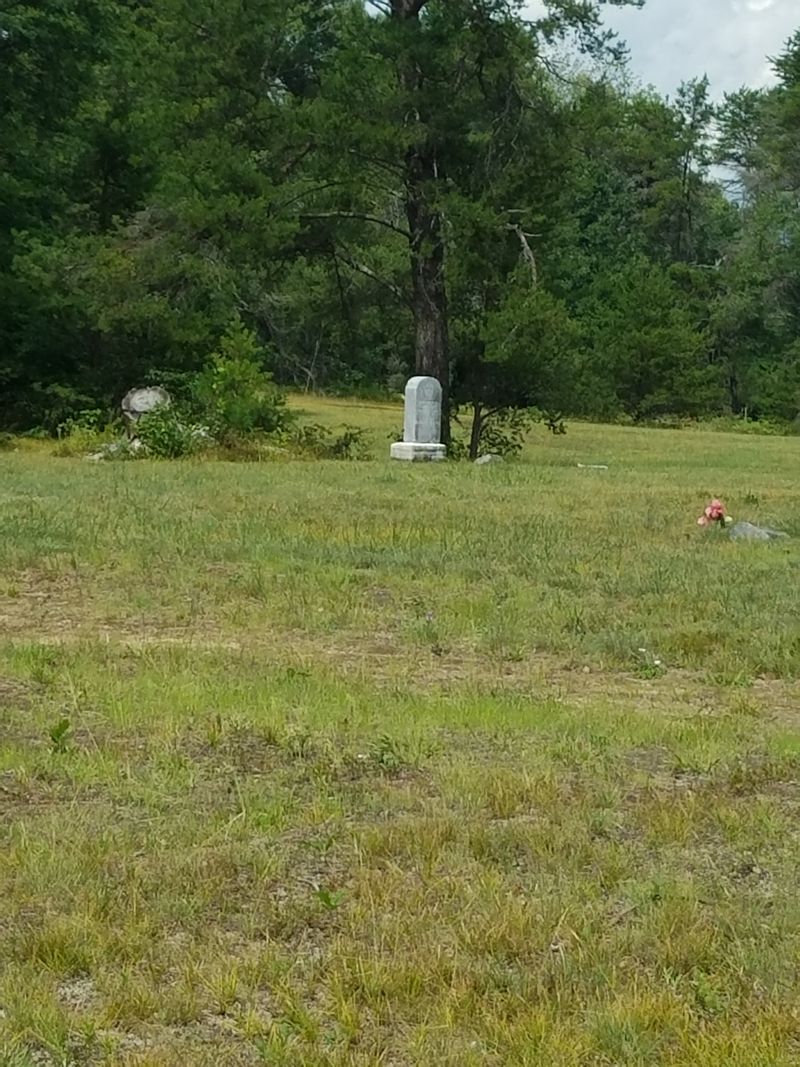
To find Pere Cheney Cemetery, located on Cemetery Rd in Beaver Creek Township, MI 48653, you will head into a secluded, wooded area southeast of Grayling. This site is all that remains of a village that was once a thriving lumber town before being abandoned in the early 20th century.
Accessing the cemetery involves navigating a series of unpaved, sandy seasonal roads, so a vehicle with higher ground clearance is recommended, especially during wetter months.
The site is tucked away in the Roscommon State Forest, and as you approach, the surrounding pine barrens give way to the small, cleared area of the graveyard. There is no formal parking lot; visitors typically pull off to the side of the narrow dirt road near the entrance gate. Its remote location makes it a popular destination for those interested in Michigan folklore and the history of its “lost” settlements.
Atmosphere Check At Different Hours
Mornings at the site are clear, filled with birdsong, and almost domestic, the sort of bright quiet that invites careful note-taking rather than goosebumps. However, by the late afternoon, long shadows begin to stitch the ground and the clearing seems to tighten as if the trees are leaning in to hear what you’re thinking.
Once the sun dips, a single lamp by the entrance throws a polite halo, but the back corners of the woods recede into a total, impenetrable pitch.
Visitors often report everything from a profound, peaceful stillness to the more unnerving Ghostly Handprints appearing on fogged car windows. If you decide to test your courage after dark, be sure to strictly follow the posted hours.
Daylight is truly the best friend of the detail hunter, revealing delicate lichens and tiny offerings that you’d miss in the dark. If you’re here at twilight, keep the car pointed toward the exit and stay alert to the shifts in the wind.
What The Stones And Offerings Say
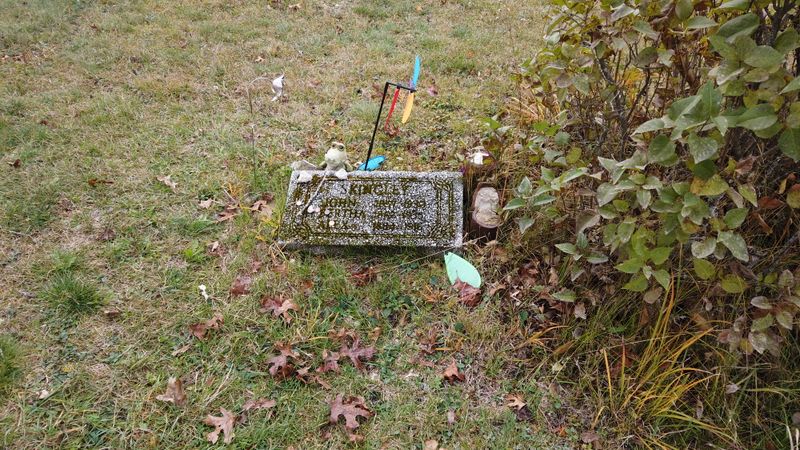
One glance at the remaining markers and you notice modest dates, softened edges, and the deliberate grammar of tokens. Pioneer Grave Offerings like coins, pebbles, and the occasional stuffed animal rest on the granite, gestures that prove someone else paused to breathe in this exact spot.
It is a sobering sight because so many stones are missing or have been vandalized over the years, making the surviving ones feel incredibly fragile.
Take the time to read the names when they are legible, and keep an eye out for circular ground-level markers that often hide beneath a layer of fallen leaves. If you want to be helpful, you can bring a soft brush to gently clear away debris.
Never use anything abrasive on the historic stone, and if you feel moved to leave a token, keep it respectful and organic.
A simple river stone tells a much more powerful story than a plastic trinket that will eventually just become litter.
Separating Rumors From Records
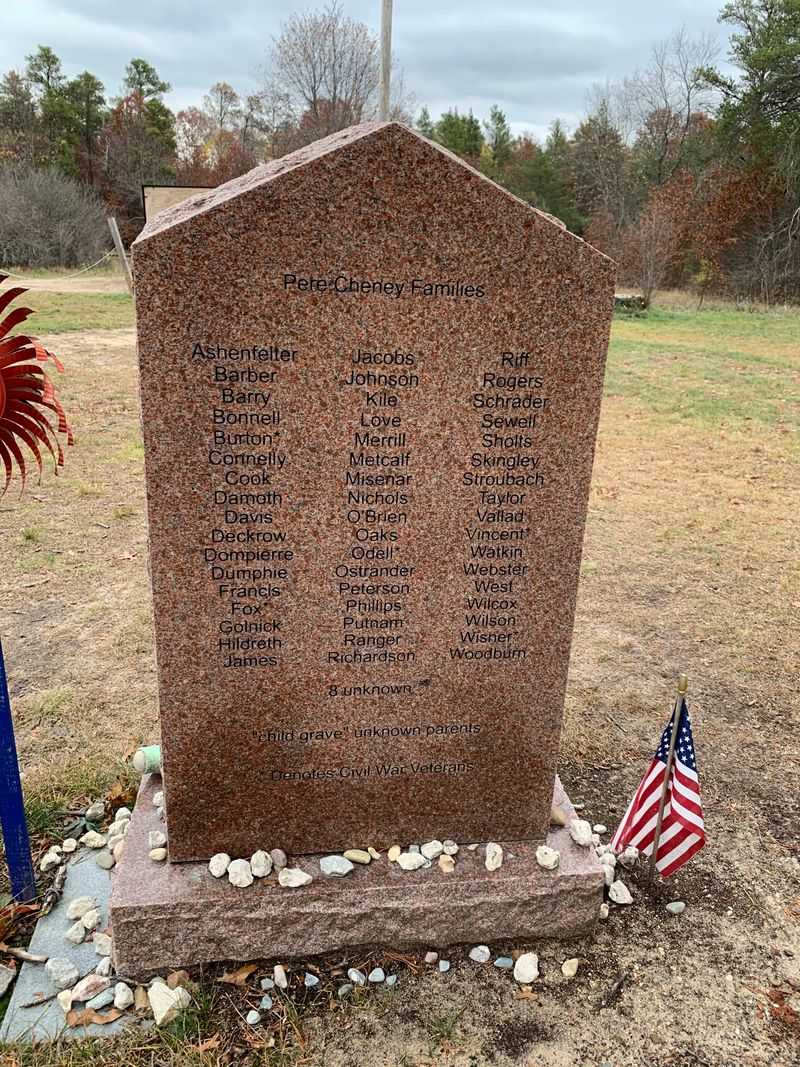
Whispers tend to travel faster than footfalls in a place like this. Local legends are thick with mentions of spectral voices, orbs caught in photos, and the infamous Mass Burial Pits used during the diphtheria and smallpox outbreaks.
While the history books do confirm that severe illness led to the town’s rapid decline, the supernatural details often blur across decades of retelling by campfire light.
Local opinions are split right down the middle, some residents insist nothing unusual happens beyond the natural movement of wind and the weight of old grief. Others swear they’ve experienced eerie phenomena they can’t explain.
Regardless of which side you lean toward, everyone agrees that respect for the dead matters far more than the hunt for a cheap thrill.
If you are doing your own research, cross-check county archives to ground your experience in the reality of the people who once called this clearing home.
Listening To The Woods Without Gadgets
You will hear the ordinary sounds first, the ticking of pine needles, a crow’s solitary note, and the distant hum of tires on gravel. Establishing this baseline helps you sort your imagination from a real signal.
Instead of chasing a digital recording, try a five-minute stillness drill with your phone silenced and your eyes unfixed. It is amazing what the forest reveals when you aren’t looking at a screen. Pay attention to sudden temperature pockets and the way the air flows where the ground dips into old foundations.
By mapping the soundstage of the woods, a crackle to the left, a hush to the right, you gain a better measure of the environment.
High-tech gear can be a fun distraction, but this site rewards basic, human attention. Bring bug spray and a few extra layers of clothing, but leave the bravado at home. The silence here isn’t empty, it’s instructional.
Preservation And How To Help
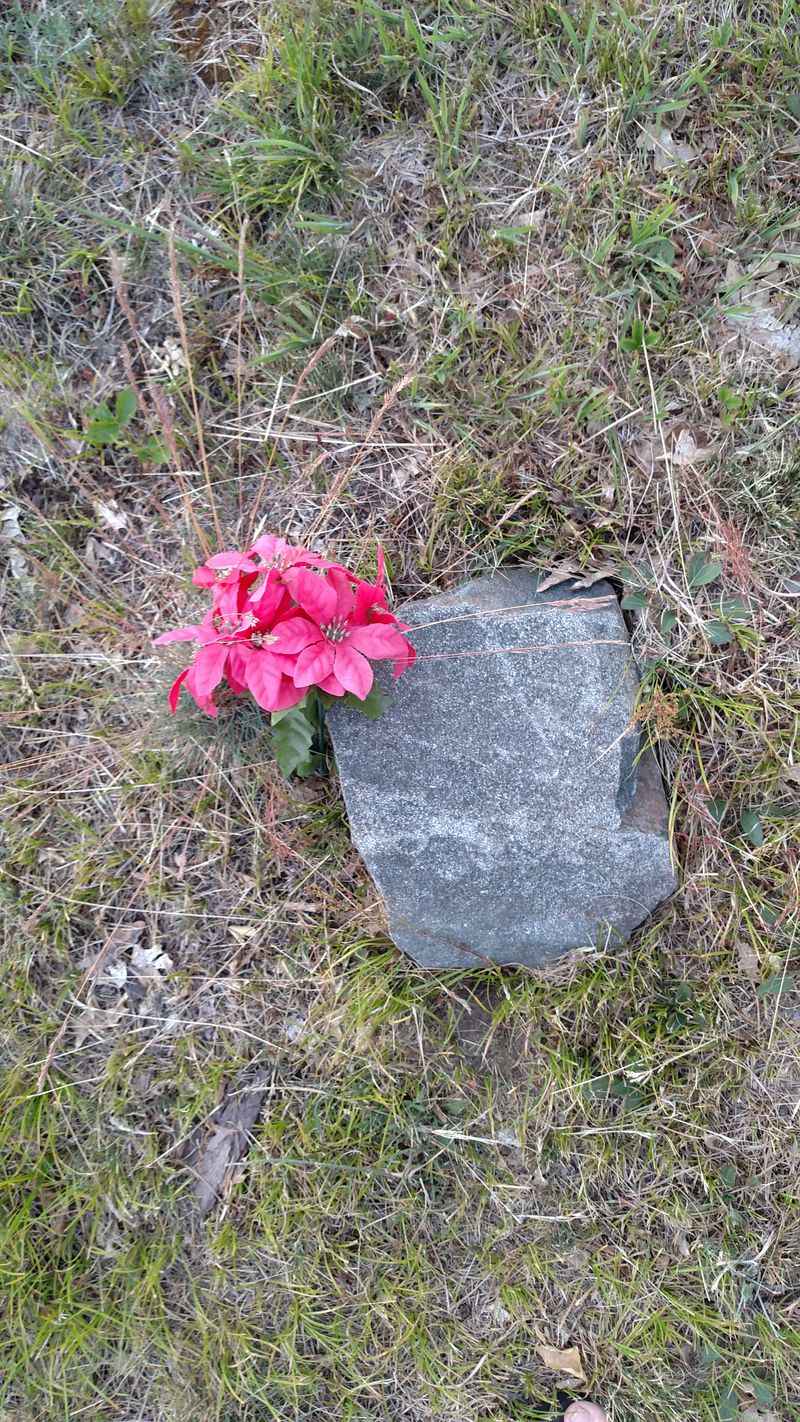
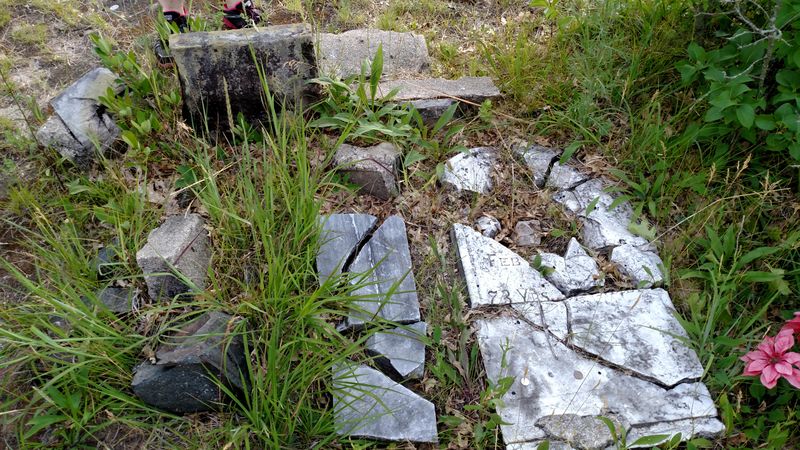
Vandalism has scarred this place for years, leaving behind broken stones and careless litter. However, recent caretaking efforts have made a visible difference, with trimmed edges and clearer paths that remind visitors this is an official, protected cemetery. You can amplify this preservation work by practicing a few simple, lawful habits during your visit.
The most important rule is to pack out everything you bring in, including the trash you didn’t drop yourself. Resist the urge to move stones or attempt to fix a toppled marker yourself, as historic material is easily damaged by well-meaning but untrained hands.
Instead, take a photo of any damage you find and contact the township office. Real maintenance happens through quiet, consistent work and official donations rather than dramatic, unauthorized gestures.
Navigating Seasons And Road Conditions
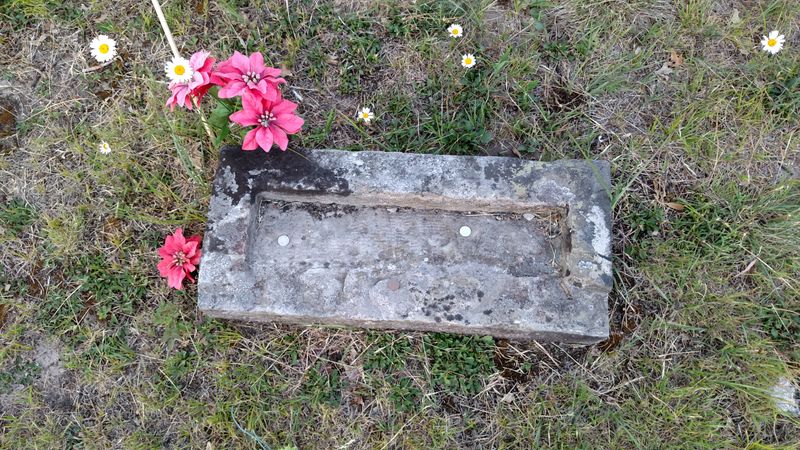
Spring in Roscommon can turn the approach roads into a pudding of ruts, where managing your momentum is much more important than speed. Summer brings a gorgeous, lush canopy, but it also hides a legendary population of mosquitoes that will test your resolve.
Fall is perhaps the most beautiful time to visit, though the bright leaves can make the sandy tracks slick and easily hide the smaller, flush-to-the-ground markers.
Winter transforms the clearing into a hushed, white whisper, but traction drops significantly and the daylight becomes very stingy. Always check recent local reviews for road updates, as the sand can shift or wash out after a storm.
It is also a good idea to keep a tow strap in your vehicle if you sit low to the ground.Arriving unflustered allows you to appreciate the cemetery for what it is, a quiet testament to a forgotten era.
Photography That Remembers Context
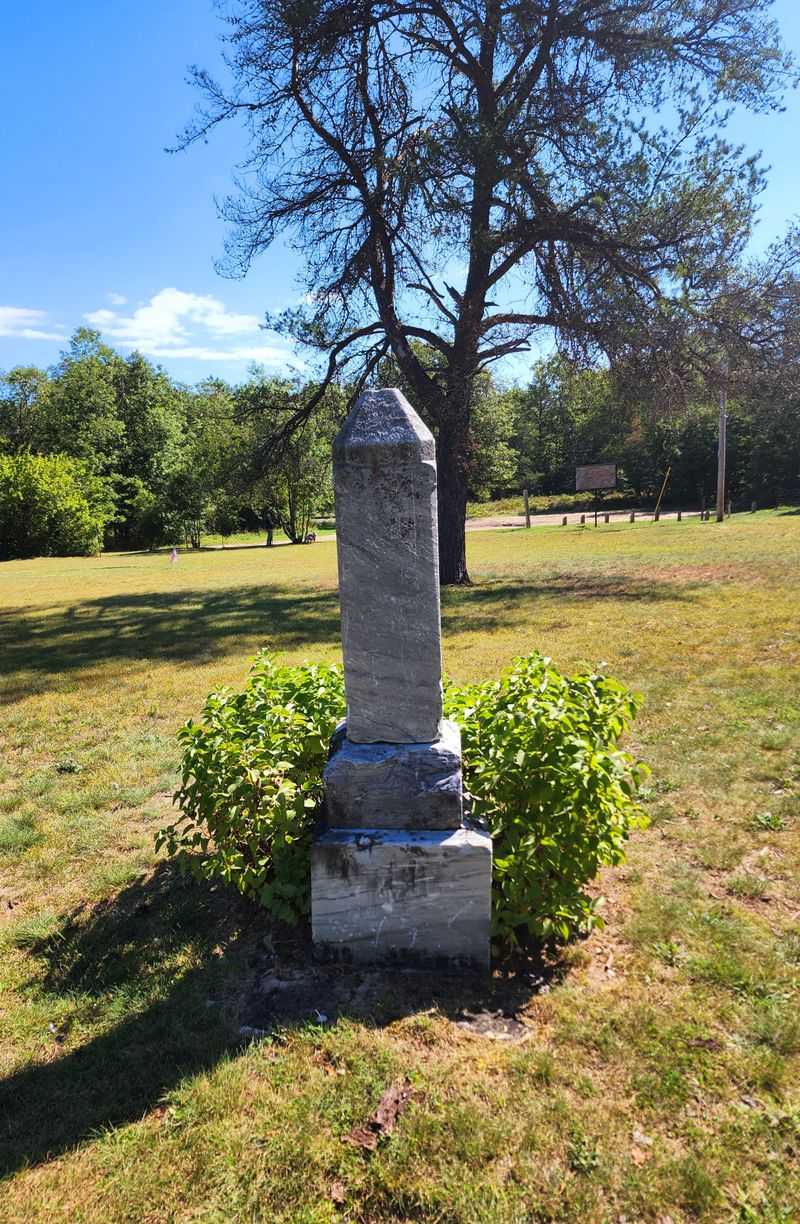
The light works sideways in this clearing. Early morning sun threads through the pine trunks to give the headstones a gentle, golden rim, while an overcast sky turns the woods into a natural softbox.
To get the best shots, avoid standing on the graves, instead, step wide and shoot from a low angle to capture the height of the trees.
Try to photograph the spacing between the markers rather than just focusing on close-ups of the names. Capturing the context honors the site and tells the story of the town that is missing as much as the cemetery that remains.
Remember to keep your flash off at night, it’s better for your photos and for the local wildlife. When you share your images, include a note about the importance of staying within the posted hours so the site remains open for others.
Local Etiquette And Posted Rules
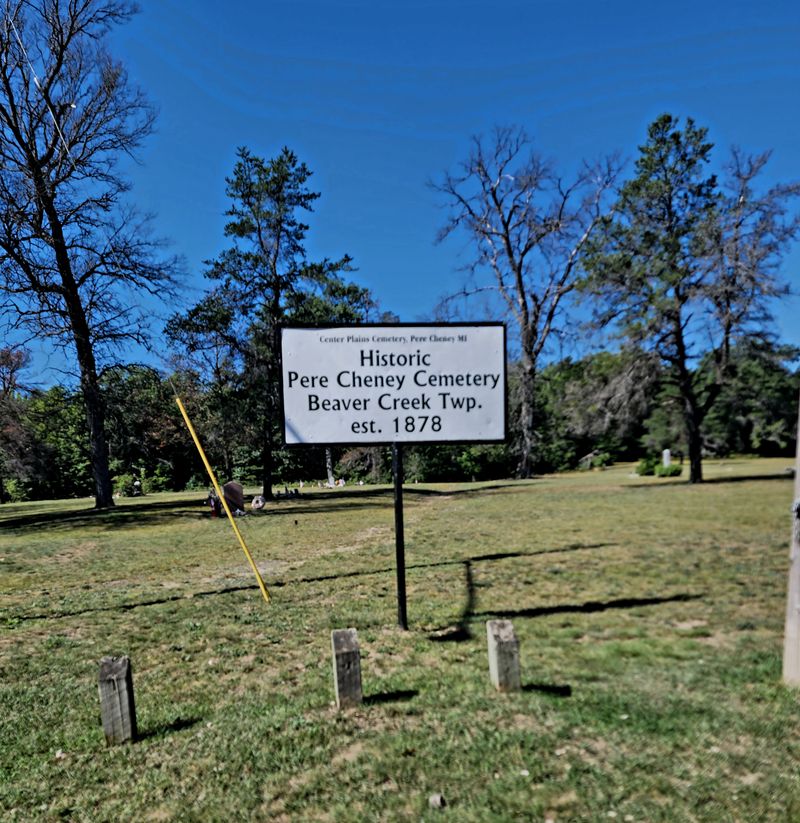
The sign at the entrance is a quiet but firm reminder that this is a sacred space with set hours, typically from 8 AM to 8 PM. These rules exist to protect the neighbors and the wildlife just as much as the history of the town.
When you arrive, keep your group small and your voices lower than you think is necessary, the sound carries surprisingly far in the still air. Avoid leaving candles, glitter, or wax on the stones, as these can permanently stain the porous rock. Simple coins and pebbles are the only appropriate offerings here.
If you bring a pet, keep them on a short leash and never let them roam across the markers. If you have any specific questions about the site’s history, the township office is the proper place to go for answers rather than relying on local folklore.
Letting The Place Speak Last
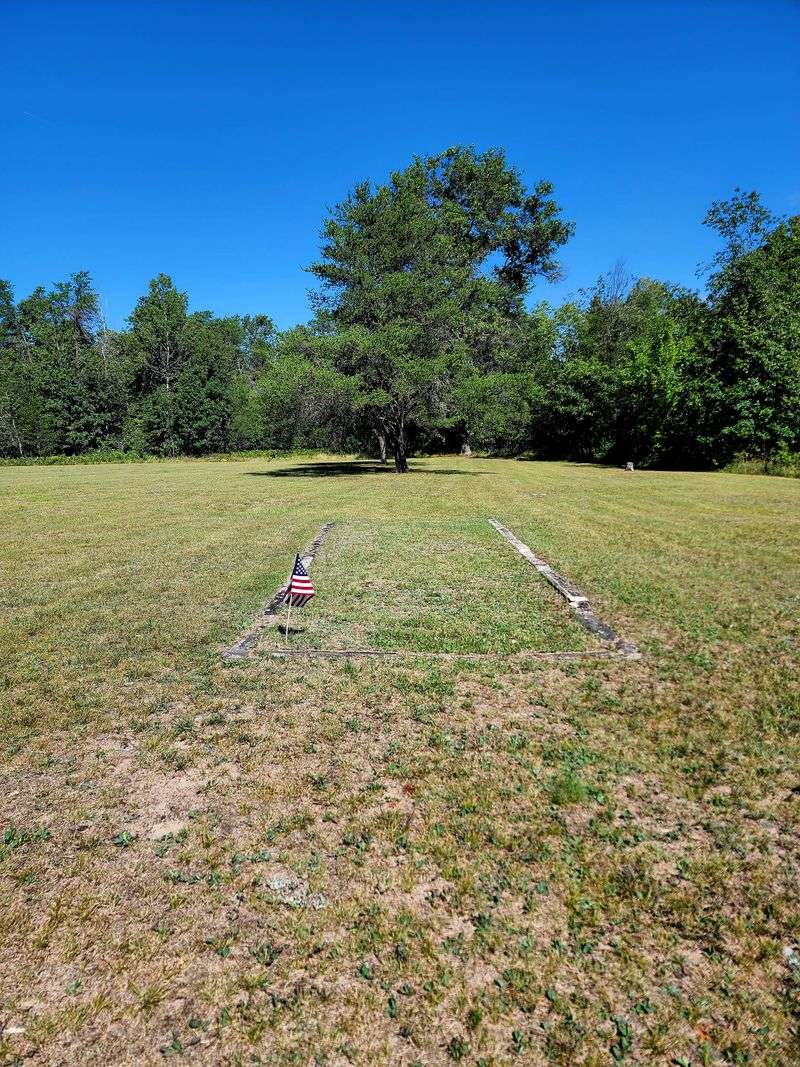
Before you head back to the truck, stand still near the center of the clearing and give the woods a full minute of your time. The wind seems to carry a thin memory of a sawmill if you listen closely, though that might just be the dry leaves rehearsing their old work. Either way, the hush of the clearing is distinctive and far from theatrical.
You may leave the site entirely unconvinced of the supernatural, yet you will still be changed by the sheer scale of loss a small town can hold. Visitors often describe the experience as a mix of peaceful, sad, and occasionally creepy.
All three can be true at once, so walk out slowly and look back just once to fix the line of trees in your mind. That memory is the only souvenir worth taking with you.