
This Enchanting Michigan Castle Is Packed With Gardens, Trains, Dragons, And Storybook Courtyards
Dragons guard the entryway. Model trains circle through miniature villages tucked between flower beds.
Stone corridors open into courtyards that look like they were sketched for a childrens book then built by someone who refused to leave out a single detail.
The castle itself dates back to 1918, constructed from local stone in a style that borrows from medieval Europe without apologizing for the fact that it sits in northern Michigan.
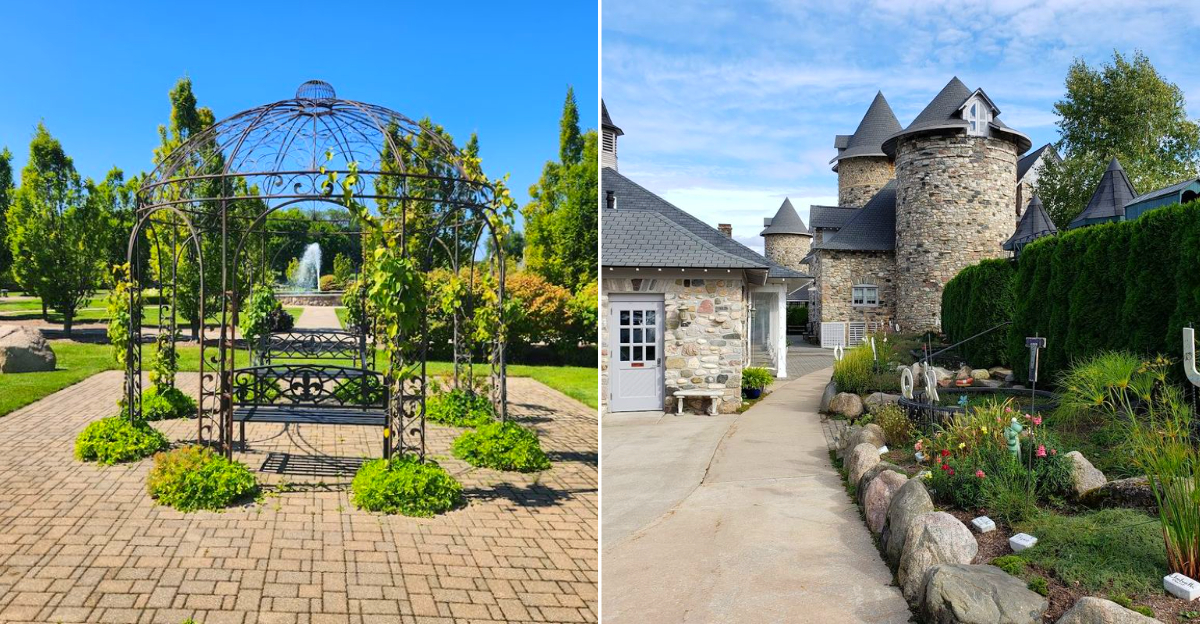
Each garden room has its own personality: a rose garden, an herb garden, plus a third that hides a fountain behind hedges that most visitors walk past without noticing.
The train layout alone covers enough track to keep kids occupied for an hour while their parents photograph the dragon perched on the turret above.
Michigan holds several castles, but few pack this much imagination into a single afternoon of exploring, plus none do it with this much attention to small-scale wonder.
Start With The Origin Story
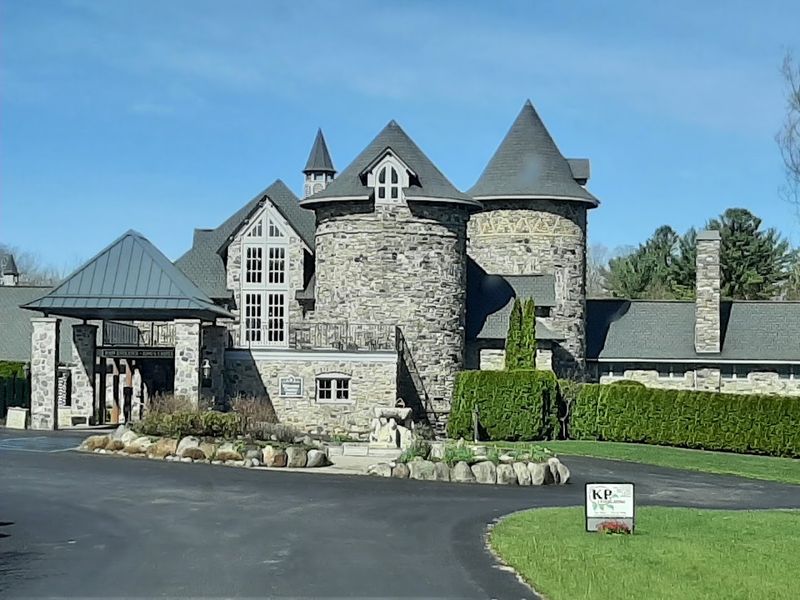
Before the gardens and dragons pull you sideways, begin with the reason Castle Farms exists at all. The complex was built in 1918 by Albert Loeb, then acting president of Sears, Roebuck & Co., as a model dairy farm inspired by stone barns and castles in Normandy, France.
That backstory changes the whole walk. Instead of reading the place as pure fantasy, you start noticing the practical bones under the romance, which makes the restoration even more impressive.
After years of decline, Linda Mueller bought the property in 2001 and began restoring it. Knowing that history gave my visit more texture, and it made every courtyard feel earned rather than staged.
Two And A Half Miles Later, The Turrets Take Over
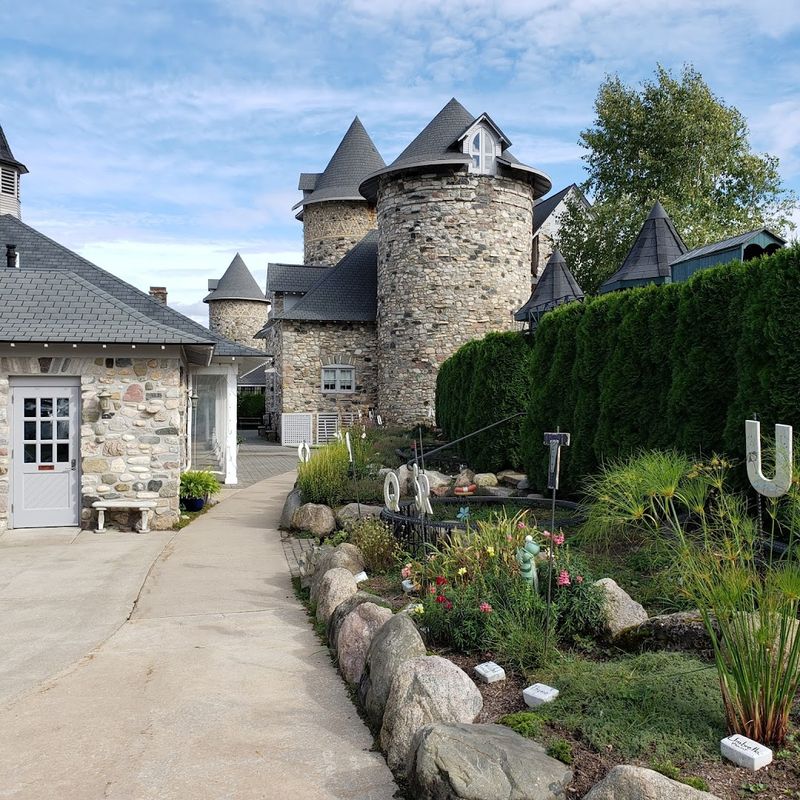
Castle Farms sits at 5052 M-66 in Charlevoix, Michigan, just south of town. From downtown Charlevoix or US-31, turn onto M-66 and let the road pull you away from the lakeshore traffic.
The drive is short but surprisingly dramatic. In only a few minutes, the route shifts from shops and waterfront energy to open roadside space, making the stone towers feel like they appear almost too suddenly.
Watch the left side of the road as you near the address, especially if you are coming from Charlevoix. Turn into the Castle Farms entrance, follow the driveway toward visitor parking, and let the building do the rest of the announcing.
See The Gardens As A Series Of Personalities
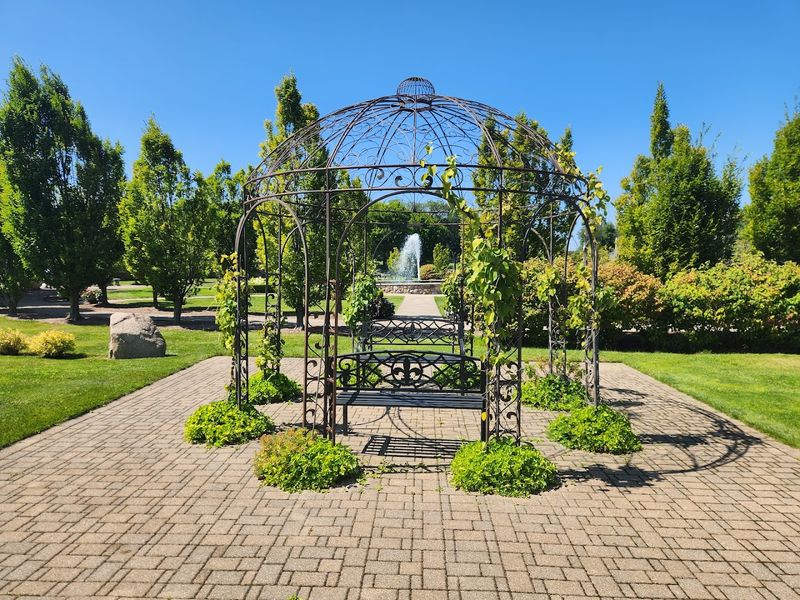
The gardens are not one sweeping showpiece so much as a sequence of moods. Some spaces feel orderly and ceremonial, while others loosen into something more playful, which keeps the grounds from turning precious.
Castle Farms mixes formal and informal gardens across the property, and the planting approach includes native species chosen for adaptability and lower maintenance. That gives the place an old-world look without demanding impossible perfection from a northern Michigan climate.
Late spring through fall is the sweet spot if blooms matter to you. Even when the flowers are not at peak, the layout still works, because the paths, walls, and courtyards give structure to the scenery and keep the walk engaging.
Do Not Skip The Enchanted Forest And Alphabet Garden
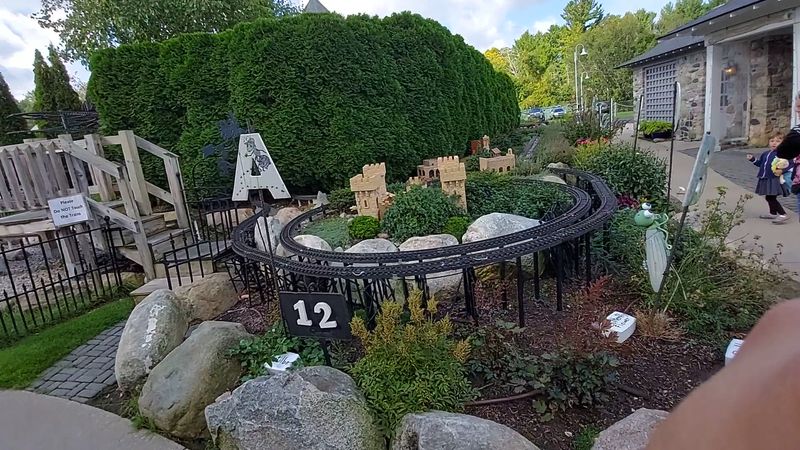
A place can be historic and still allow itself to be a little odd. Castle Farms understands that balance, and nowhere is it clearer than in the Enchanted Forest and the Alphabet Garden, where whimsy is treated as part of the experience rather than an apology for it.
The Enchanted Forest includes gnomes tucked into a wooded setting, while the Alphabet Garden adds playful art to the horticulture. Neither area feels cynical or overdone, which is harder to pull off than it sounds.
If you are visiting with children, these sections are obvious winners. If you are not, they still provide a useful reset after the more architectural spaces and keep the property from becoming too stately for its own good.
Time Your Visit For The Trains
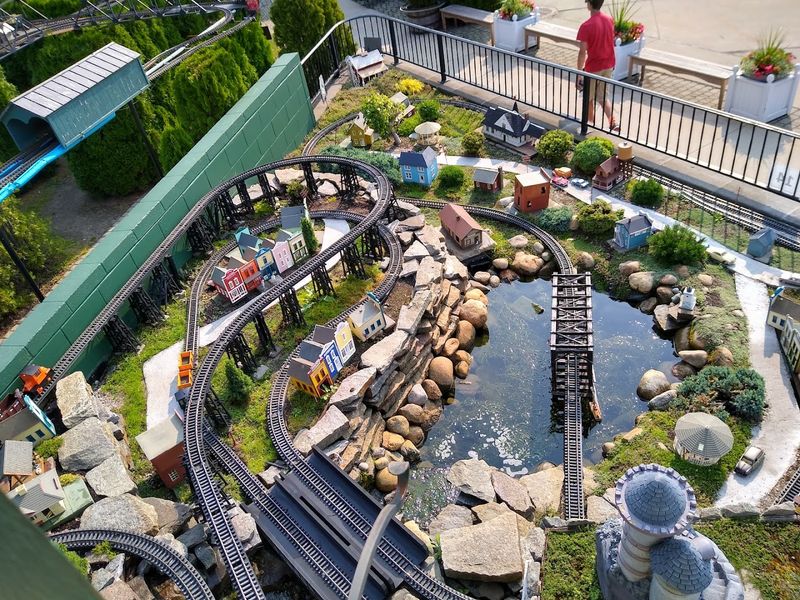
The first sound that caught my attention was not birds or fountains but the faint mechanical hum of a model train circling through the landscape. Castle Farms is home to Michigan’s largest outdoor model railroad, and it has enough scale to feel like an attraction in its own right.
More than 70 trains run on over 2,500 feet of track, with G, HO, and N-scale lines represented. Operations typically run from May through October, weather permitting, so timing matters if this is one of your priorities.
Even visitors who think they are not train people tend to pause here. The movement animates the grounds and gives the castle setting an unexpectedly lively, almost theatrical counterpoint.
Look Closely At The Railroad Themes
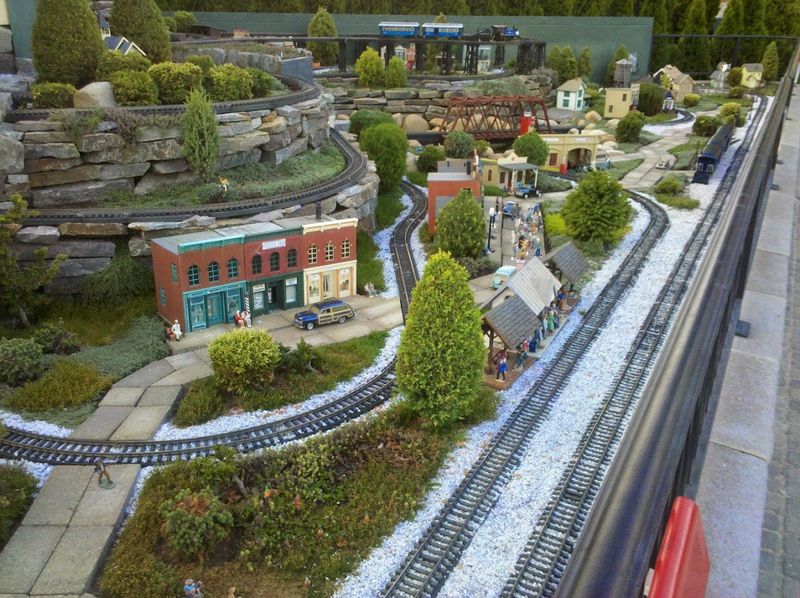
What makes the railroad area memorable is not just size but personality. One section leans traditional, with 1890s-era steam locomotives and 1950s-era diesel locomotives represented in the Garden Railroad, while another goes gleefully off-script.
The Fantasy Railway uses handmade trains created from toys, which gives the whole installation a more eccentric edge. That contrast, historical on one side and imaginative on the other, suits Castle Farms better than a purely serious railroad display ever could.
Do not rush this part just because it seems playful. The craftsmanship rewards close inspection, and the overhead trains near the Hedge Maze add another layer of surprise when you lift your eyes at the right moment.
Treat The Dragons As Part Of The Place
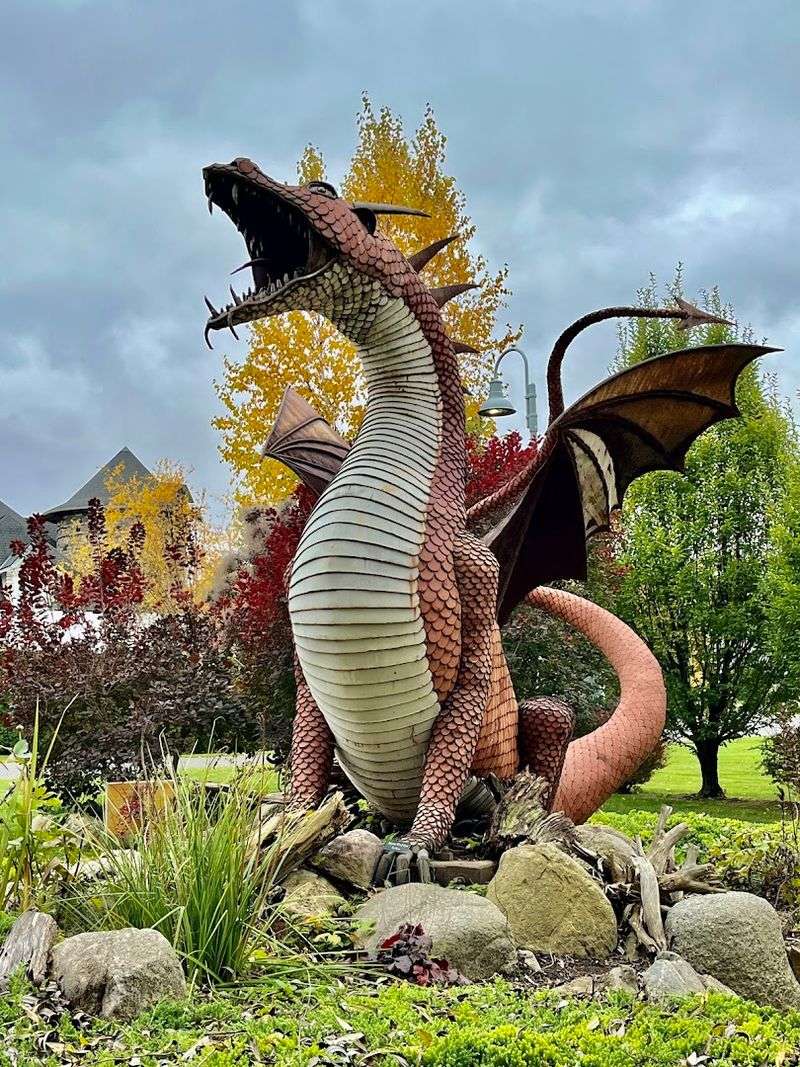
Some attractions add a mascot and hope it sticks. At Castle Farms, the dragons actually make sense, because the medieval styling, stone walls, and theatrical grounds already invite a little legend into the frame.
Norm, the resident dragon, is the figure most people look for first, but there are also giant dragon and knight statues around the property. One dragon on display originally came from ArtPrize, which adds a useful contemporary note to the otherwise historic setting.
I liked that the dragons never overwhelm the site. They function more like visual punctuation, nudging the castle atmosphere toward storybook territory without tipping it into theme-park excess or fake historic pageantry.
Use The Courtyards As Your Compass
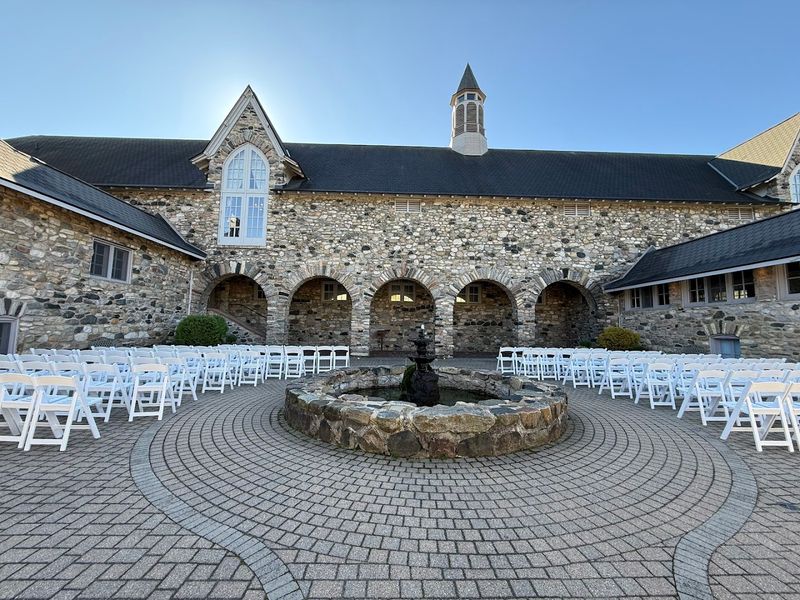
The courtyards are more than pretty backdrops. They are the emotional architecture of Castle Farms, each one shifting the tone slightly and helping you understand why the property works so well for tours as well as events.
Notable spaces include the Knight’s Courtyard, Queen’s Courtyard, King’s Great Hall, and King’s Gallery. The Knight’s Courtyard has also hosted storytime events, which feels exactly right once you stand there and notice how enclosed, calm, and quietly theatrical it is.
When the grounds start to feel larger than expected, use the courtyards as orientation points. They give the visit rhythm, and they are often where the castle’s French-inspired stonework feels most intimate and most convincing.
Make Room For The 1918 Museum
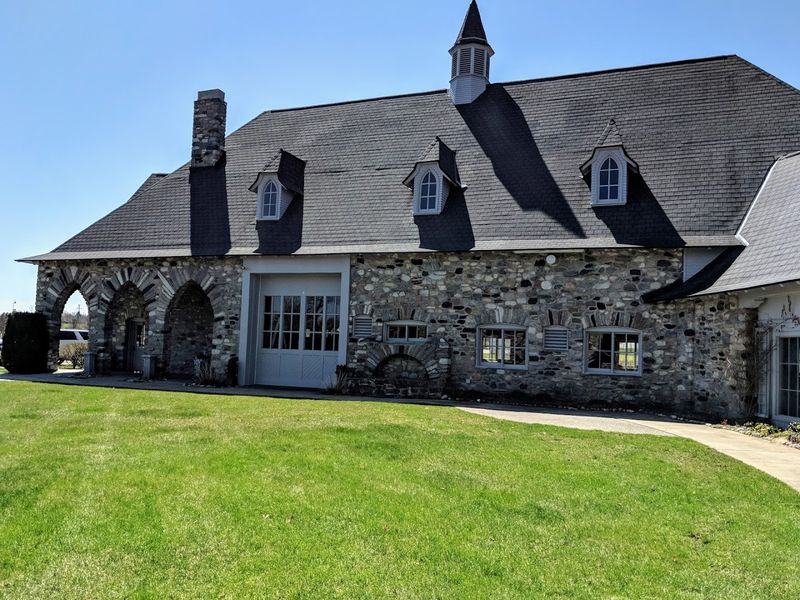
It would be easy to focus only on gardens and exterior views, but the 1918 Museum adds essential context. Dedicated to World War I and Sears, Roebuck & Co. catalog items, it ties the property back to its founding era in a direct, useful way.
The museum material grounds the visit in something more specific than atmosphere. Instead of just admiring stone walls, you leave with a clearer sense of the time period that produced this unusual farm complex in the first place.
If you tend to hurry through smaller museums, resist that impulse here. This is the section that explains why Castle Farms is listed on both the National and State Historic Registries, not merely admired as a photogenic curiosity.
Use The Tour Style That Fits Your Pace
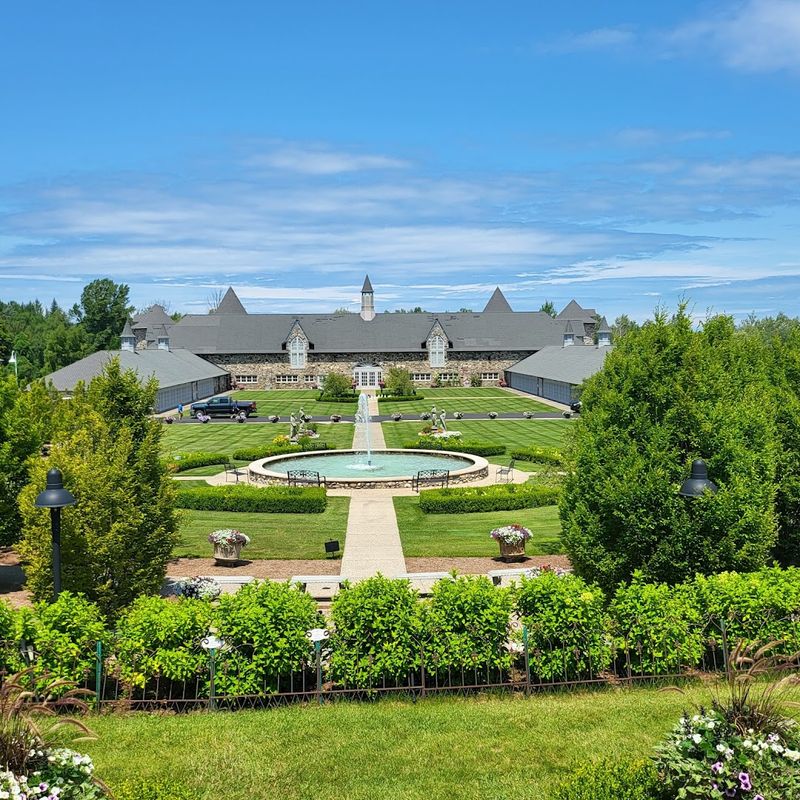
One of Castle Farms’ smarter qualities is that it does not force everyone into the same rhythm. Both self-guided and guided tours are available, which means you can choose between a more reflective wander and a version with added historical framing.
Accessibility is also taken seriously. The site is handicap accessible, and both a tram and wheelchairs are available, which matters on grounds this spread out and varied.
If you enjoy discovering details on your own, self-guided works well because the property has plenty to reveal slowly. If you prefer structure or you are short on time, a guided option can help you connect the architecture, collections, and restoration story without backtracking.
Either way, wear comfortable shoes and give yourself time between courtyards, gardens, and interior rooms. Castle Farms rewards pauses, especially when small displays, stonework, or landscape views quietly explain another piece of its unusual Charlevoix character and history over time.
Notice The Quieter Corners Too
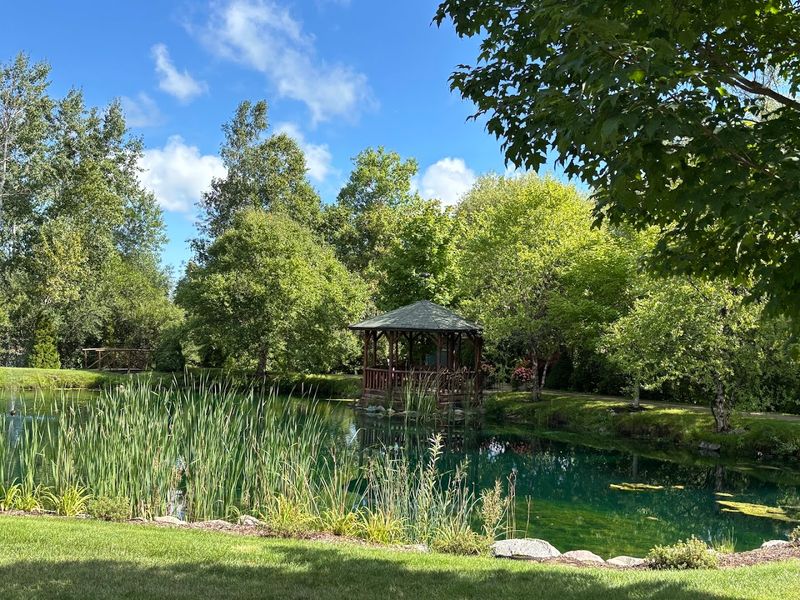
After the marquee attractions, the quieter corners stay with you. Ponds where visitors can feed fish and ducks, smaller pathways between garden rooms, and pauses between buildings give Castle Farms a gentler side that balances all the grandeur.
Those softer moments matter because the property could easily feel overprogrammed. Instead, there is enough breathing room to absorb the restoration, the landscaping, and the slightly improbable fact that this began as a model working dairy farm in 1918.
My best advice is to leave a little unstructured time at the end. Once you have checked off the trains, dragons, and courtyards, the place becomes less about seeing highlights and more about noticing how carefully all its layers have been stitched together.