
This Enchanting Michigan Town Will Make You Swear You’ve Entered A Storybook
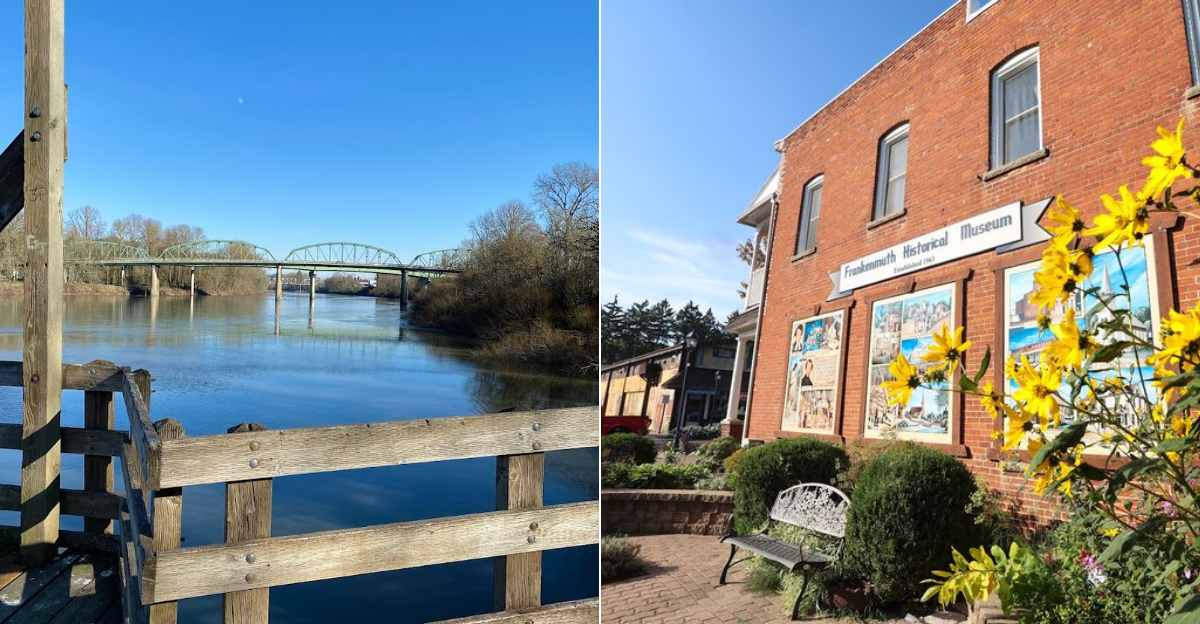
Walking through these streets feels like stepping directly into the pages of a meticulously kept Brothers Grimm tale, but with significantly better snacks. I’ve always been a sucker for the half-timbered architecture and those impossibly tidy window boxes that look like they were groomed with a pair of silver tweezers.
There’s a rhythmic, gentle soul to the way the river flows past, mirroring the town’s own clockwork rituals and European charm. What really gets me is the quiet pride in the details: the handmade feel of the festivals and the bridges that look built to outlast us all.
Michigan offers authentic German architecture and family-friendly cultural experiences at this charming Bavarian-style village.
If you’re ready to look past the gingerbread exterior, I’ve pulled together some grounded, practical advice to help you navigate the real magic here. Let’s dive into the tips that will make your visit truly unforgettable.
Half Timbered Silhouettes At Dusk
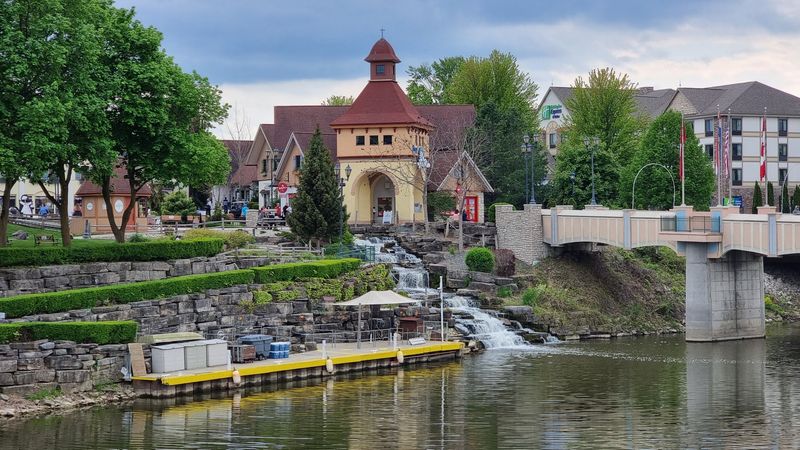
The evening light catches the half timbered facades along Main Street, carving soft shadows into every beam and bracket. Painted flower boxes lean out as if greeting the Cass River breeze, and signage curls in tidy blackletter.
The vibe is welcoming without fuss, more neighborhood than stage set. History hangs in details you might miss at noon. Many buildings echo Southern German patterns adapted for Michigan weather, with sturdy roofs and practical overhangs.
I like to stand beneath the balcony rails and trace the joinery with my eyes, noticing where modern materials respectfully mimic tradition. Visit near sunset for photographs, then step back to let carriage traffic pass. Sidewalks stay walkable, and storefront lighting warms quickly after dusk. We are talking, of course, about Frankenmuth, Michigan.
Cass River Rhythms
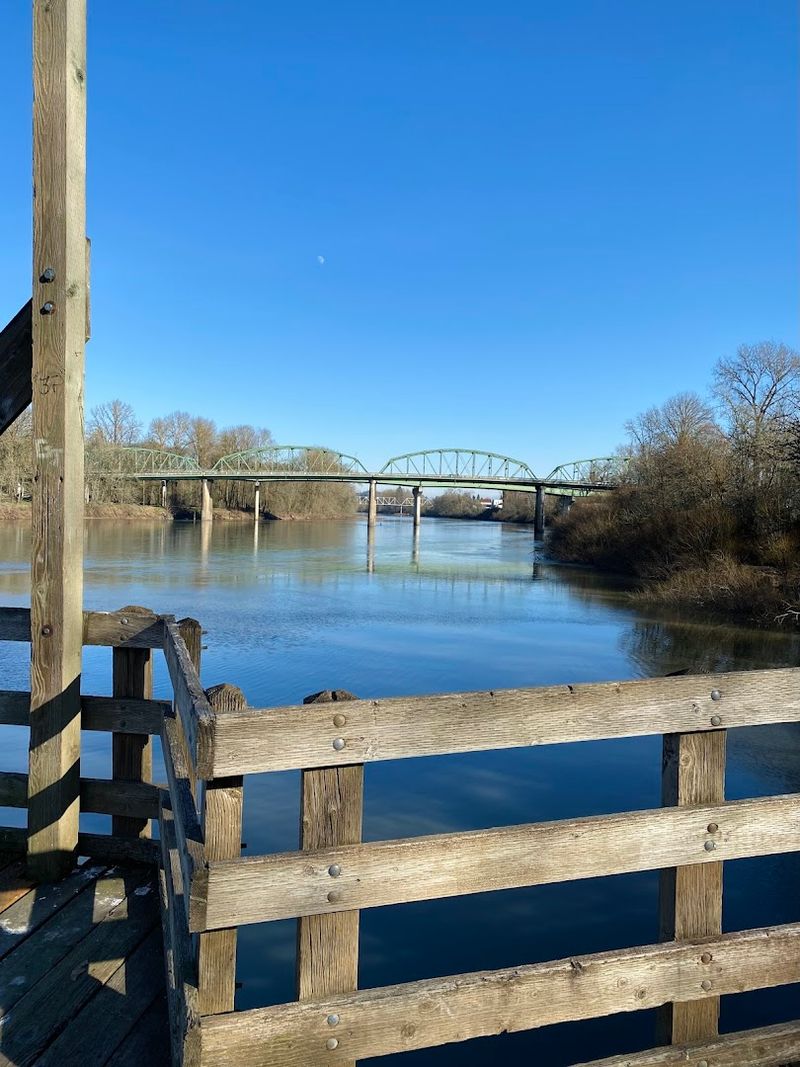
Water moves with an easy patience below the boardwalk, nudging pontoon wakes into delicate, lacy ruffles. Ducks chatter near the reeds while the Bavarian Belle turns in a practiced arc, its paddlewheel stippling the surface. The overall mood feels both neighborly and gently theatrical.
Before the highways, this river shaped settlement and commerce, guiding mills, farming, and ferry points. You still see that lineage in the kept banks, the boat landings, the way gathering happens along the bends. Riding the riverboat narrates that continuity in a way signs cannot.
Check departure times in advance, especially on weekends. Bring a light jacket for shaded decks. Paths along the water are flat and stroller friendly, with benches posted at intervals.
Holz Brucke Covered Bridge
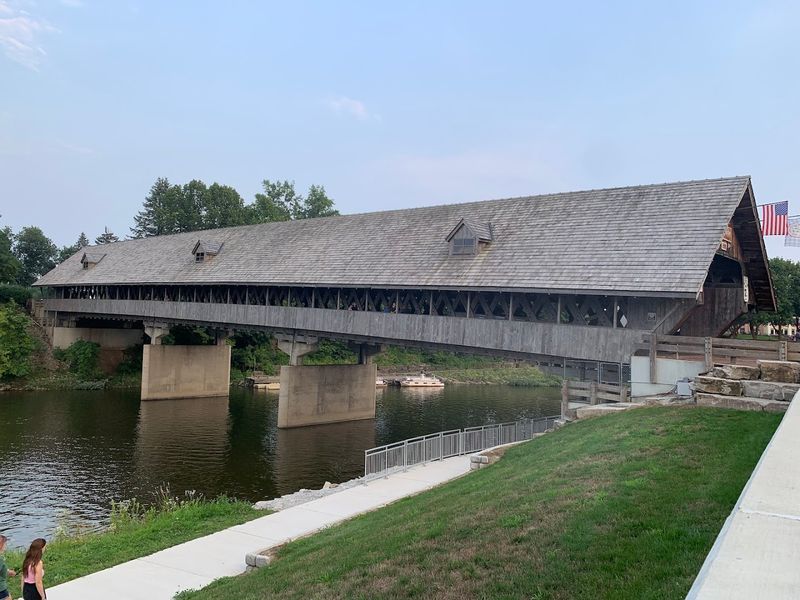
Shingled gables top the Holz Brucke, a massive covered bridge whose timber trusses form a rhythmic lattice overhead. The roadway narrows to a single lane, and cars roll through slowly, tires humming over planks as walkers pause at the side views. Sunlight filters in thin stripes.
Completed in 1979, the bridge was built using traditional techniques and local labor, then dedicated as a sturdy homage to Alpine engineering. Its length spans the Cass River between downtown and River Place Shops, replacing earlier crossings that could not handle growing traffic. The structure has become a landmark postcard without trying.
Photograph from the riverbank for a full profile. If driving, yield patiently. Pedestrians should keep to the walkway, especially during festival weeks.
Bronner’s Year Round Sparkle
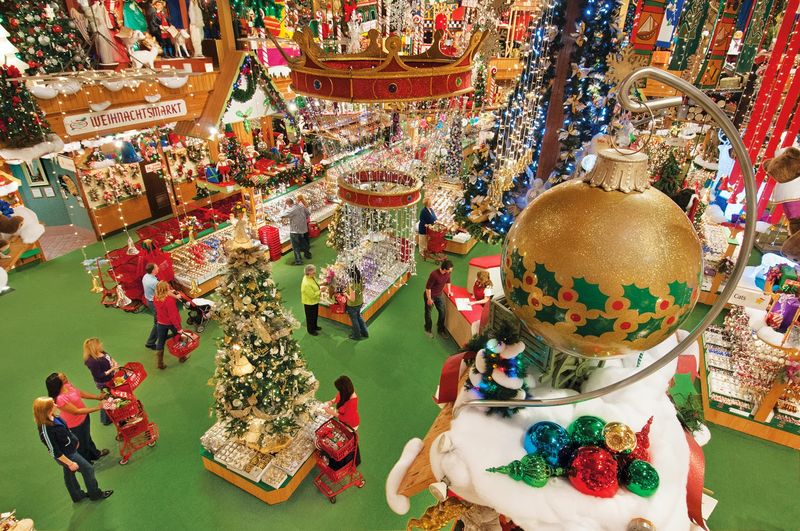
Bright ornaments gleam under warehouse high ceilings at Bronner’s CHRISTmas Wonderland, where aisles feel like lanes through a cheerful forest. Displays shift from classic glass to regional themes, then to lights that glow like small constellations. Even the parking lot signage keeps the mood playful and precise.
Founded in 1945, the store grew into the world’s largest dedicated Christmas shop, anchored by a replica Silent Night Chapel on the grounds. The campus along Christmas Lane spans acres of decor, personalization stations, and seasonal scenes that stay available year round. I bring a list, then add two impulse items anyway.
Go early morning to avoid bus waves. Photograph the chapel exterior respectfully. Keep receipts handy, since custom pieces are packaged carefully at pickup.
Bavarian Inn Glockenspiel Ritual
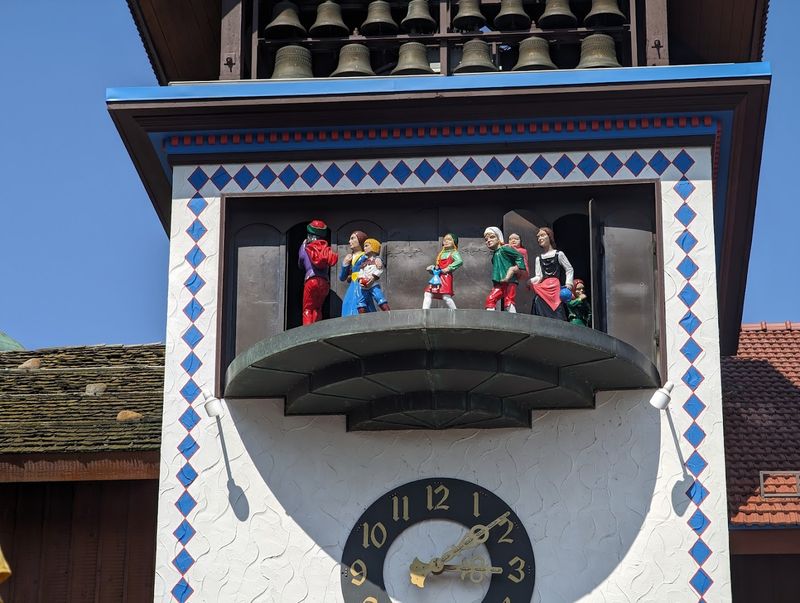
At the quarter hour before the show, the plaza quiets and faces turn toward a patterned tower with a tidy clock and shutters. Chimes begin, figures appear, and a familiar tale unfolds in orderly motion above the crowd. The sound is bright without being loud.
The glockenspiel at the Bavarian Inn Restaurant animates the Pied Piper story daily, a tradition installed to connect Old World craft with local routine. The carved characters circle with measured pace, echoing European town clocks that once kept communal time. Here it serves more as a shared pause than a schedule.
Arrive a few minutes early for a clear view. Step back from the speakers if you prefer softer volume. Evening light flatters photos.
Frankenmuth Historical Threads
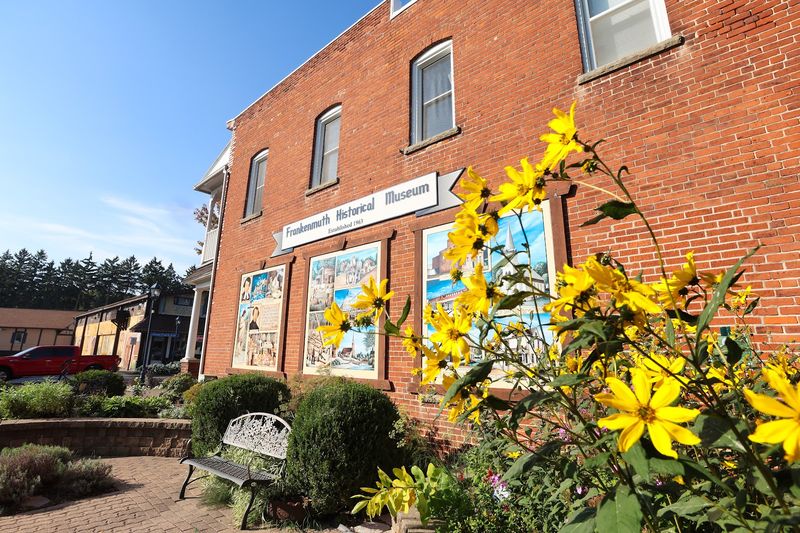
Quiet rooms hold artifacts that feel deliberately humble: woven linens, farming tools, and careful photographs of Main Street through snow. Wall text is lean, letting objects do the talking while creaky floorboards add a small percussion. The atmosphere invites curiosity without spectacle.
The Frankenmuth Historical Museum follows the town’s mid nineteenth century immigration from Franconia, Germany, tracing settlement patterns, church building, and everyday work. Exhibits explain how architecture and customs adapted to this specific Michigan landscape. Preservation feels less like freezing time and more like an ongoing conversation.
Plan an hour to read thoughtfully. Ask staff about walking tour maps that connect displays to buildings outside. Small children do fine here, especially with a scavenger card.
Michigan’s Military And Space Heroes Reverence
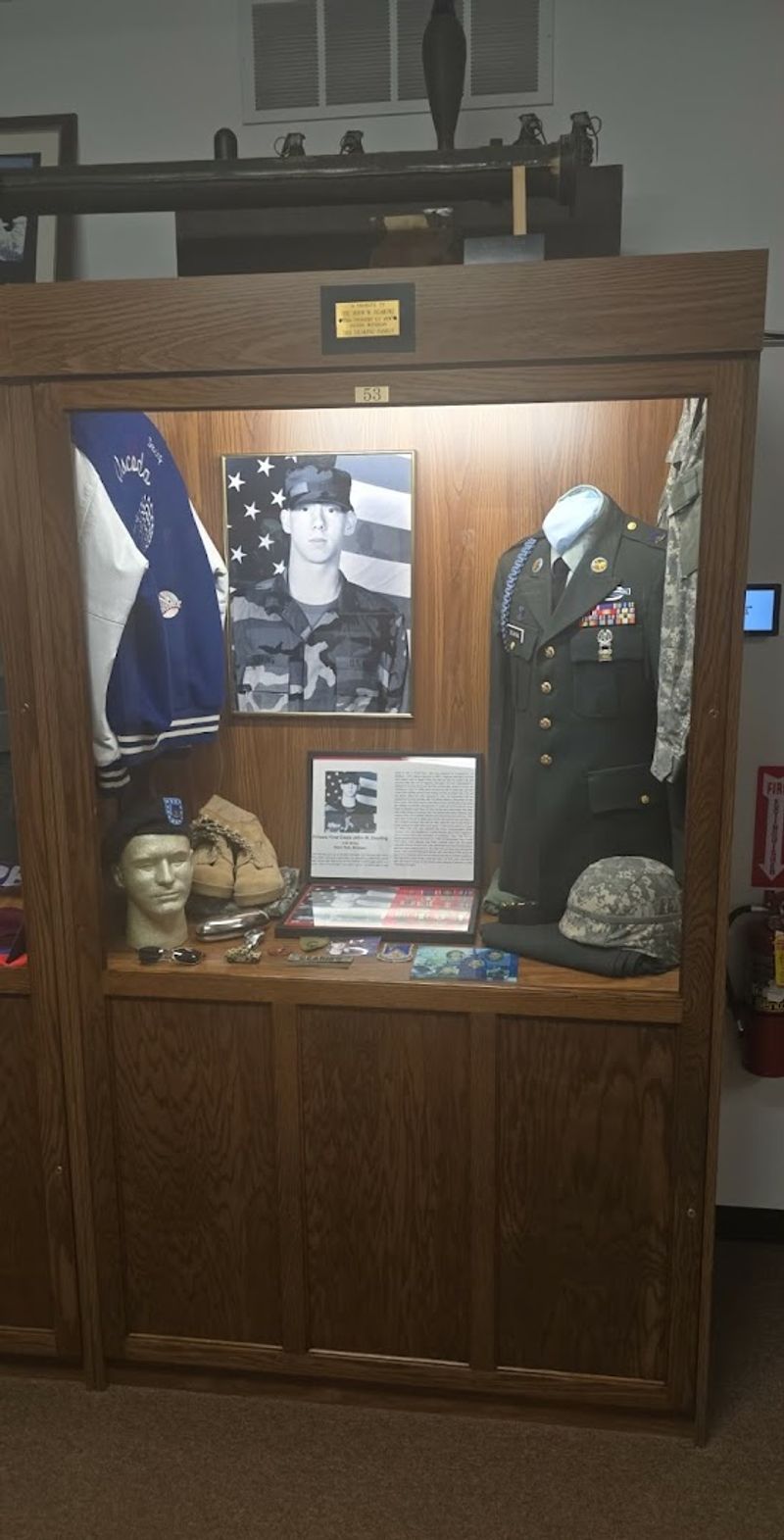
Medal ribbons, flight suits, and mission patches are displayed with a calm precision that steadies the room. Voices drop a notch as visitors note names, dates, and home towns beside photographs. The tone is respectful, focused on service rather than spectacle.
Michigan’s Military and Space Heroes Museum highlights state veterans and astronauts, including recipients of the Medal of Honor. Exhibits interpret equipment and biographies, tying global events back to Michigan families. Archival care and clear labeling make complex histories feel legible.
I move slower here, reading aloud quietly when a caption feels especially human. Plan extra time if you have personal connections to any branch. Bags are welcome, but keep them small, since paths narrow near certain displays.
Heritage Park Seasons
A wide lawn meets the river in a gentle slope, and the pavilion roof frames clouds like a moving gallery. Joggers pass, then kids test the playground slides, while geese debate shoreline etiquette. The park breathes at a human scale.
Season to season, Heritage Park anchors community gatherings, from carving competitions during Zehnder’s Snowfest to summer concerts and craft fairs. Trails trace the water and loop back toward fields that host tournaments. Maintenance crews keep facilities tidy, and the setting stays surprisingly peaceful between events.
Check the city calendar before you go, since parking patterns change on festival days. Bring layers during winter activities. Restrooms are available, and the riverwalk connects easily to downtown sidewalks.
River Place Shops Wander
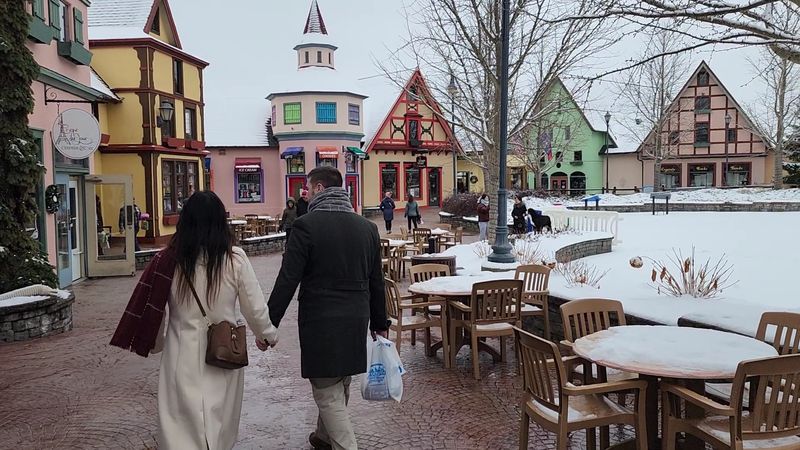
Brick paths thread between gabled storefronts at Frankenmuth River Place Shops, where signs tilt cheerfully and planters burst with color. Music drifts, not loud, just enough to keep the tempo of browsing. The ambience is tidy, walkable, and purposefully whimsical.
Built to echo a small European village, the complex gathers specialty boutiques, snack counters, and seasonal attractions into a compact riverside grid. Architecture cues joinery and stucco patterns without pretending to be antique. The result supports strolling more than rushing.
Park once and work in loops so you do not backtrack. Weekday mornings feel calmer, and shaded seating helps during July heat. Keep an eye on event boards announcing demonstrations, shows, or visiting makers nearby.
Aerial Park Treetop Nerves
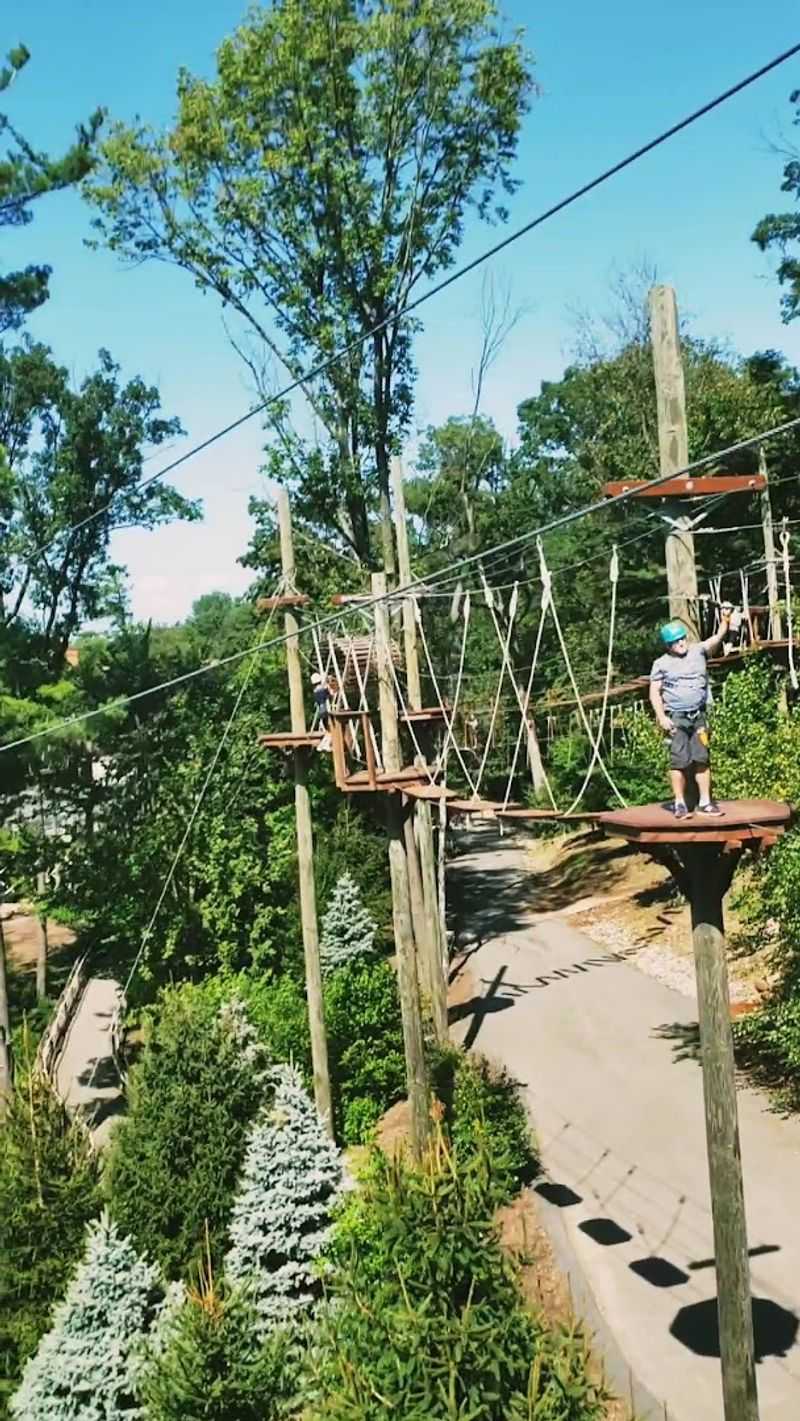
Harness clipped, helmet snug, you hear the small whirr of a pulley as leaves rattle above the course. Platforms sway slightly when someone steps off, and the world narrows to cables, carabiners, and measured breaths. It is exhilarating without bravado.
Frankenmuth Aerial Park arranges multiple challenge levels in a wooded setting, with staff guiding from ground and platforms. The park uses a smart belay system designed to keep you always connected, turning courage into a sequence of doable moves. Safety checks feel methodical rather than showy.
I book early on weekends and wear gloves for grip. Closed toe shoes are required. If heights worry you, start with a lower route, then watch confidence build one span at a time.
Horse Drawn Carriage Pace
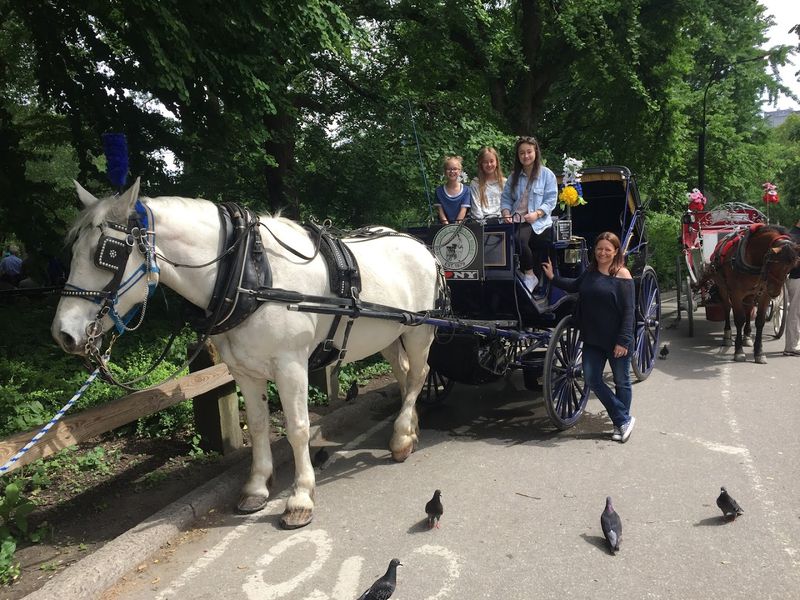
Hoofsteps tap a measured rhythm on the planks and pavement, and the carriage bell answers like punctuation. The smell of leather mixes with lilacs in late spring, turning the street into a moving vignette. You share waves with pedestrians as storefronts glide by.
Carriage rides trace short loops through central Frankenmuth, often beginning near the covered bridge and shopping district. The tradition fits the town’s Bavarian styling without tipping into parody, thanks to attentive drivers and well kept teams. Pace and route keep conversation easy.
Dress for the weather, since the ride is open to the elements. Evening blankets may be available in colder months. Tipping is appreciated, and queues form quickly during festivals, so time your turn.