
This Enormous Arizona Trading Post Is A Treasure Hunt You Could Get Lost In For Hours
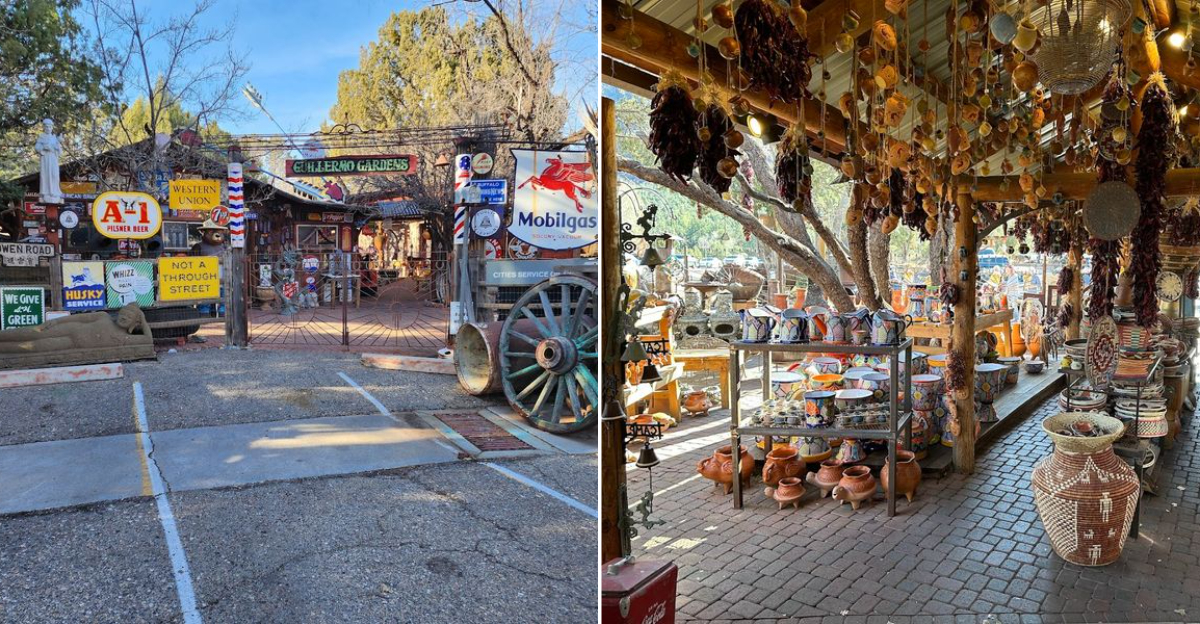
My bank account is currently screaming at me, but my heart is doing a happy dance among the rusted spurs and beaded skulls. I thought I knew what an antique shop looked like until I wandered into this massive, sun-drenched fortress of curiosities.
It’s like a hoarder’s convention curated by an eccentric desert wizard. I’ve tripped over more iron bells and weathered wagon wheels in twenty minutes than I have in my entire life.
Navigating this kaleidoscopic kingdom feels like diving headfirst into the neon-drenched soul of Arizona, where the ghosts of the Old West trade tall tales for shiny trinkets. One minute I’m admiring hand-woven rugs, and the next, I’m wondering if a six-foot-tall wooden giraffe will fit in my trunk.
Send help, or at least a larger car, because I’m losing my mind in the best way possible. The sheer size of the place means you could visit twice and still find things you missed the first time around.
Handcrafted Native American Jewelry Collection
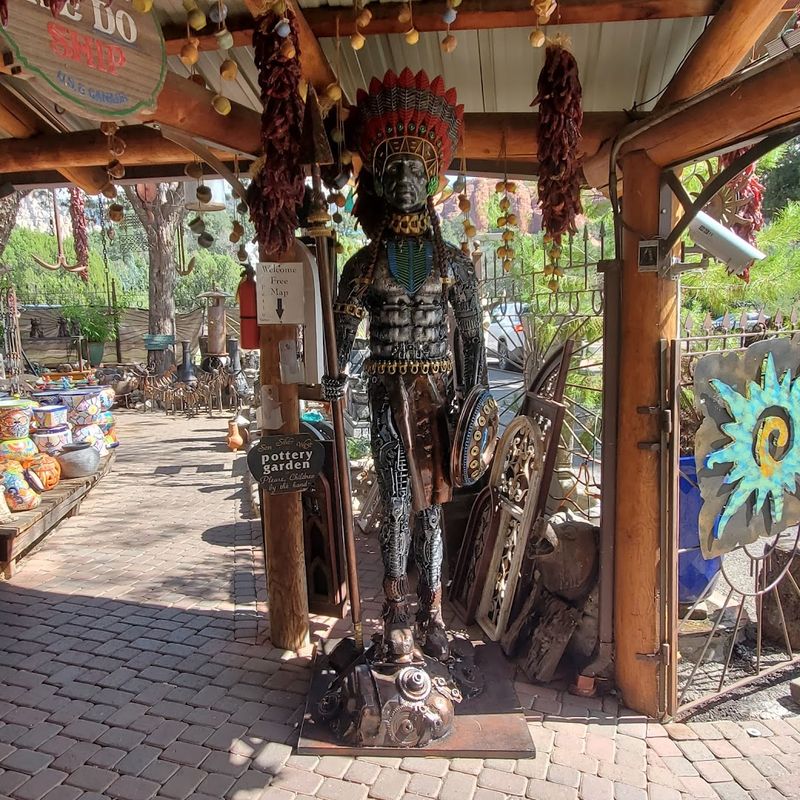
Rows of sterling silver bracelets catch the light, their turquoise stones ranging from sky blue to deep green. I found myself drawn to a squash blossom necklace that looked like it belonged in a gallery, not a price tag.
The craftsmanship here isn’t mass-produced tourist stuff. Many pieces come directly from Native American artists who’ve been perfecting their techniques for generations.
You’ll find Navajo, Zuni, and Hopi designs, each with distinctive styles that reflect their cultural heritage.
What impressed me most was the range. Whether you’re looking for a statement piece that costs as much as a car payment or a simple ring that fits a tighter budget, the quality remains consistent.
The staff actually knows the artists and can share stories about the symbolism behind different designs. I spent nearly an hour just in this section, trying on rings and learning about the difference between sleeping beauty turquoise and kingman turquoise.
Authentic Kachina Doll Display
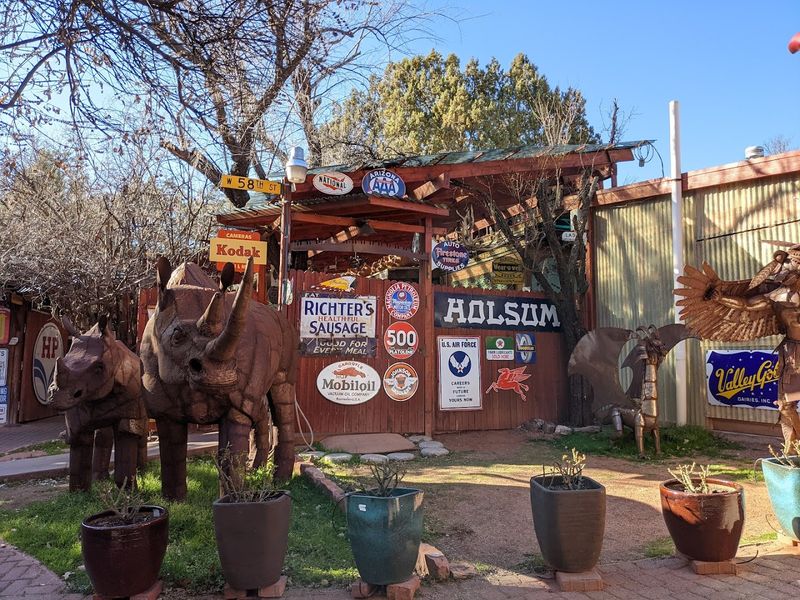
Shelves upon shelves of Kachina dolls create a colorful spectacle that stops visitors in their tracks. These aren’t toys or simple decorations. They’re sacred representations of spirit beings in Hopi and Pueblo cultures, carved from cottonwood root and painted with natural pigments.
I watched a collector spend twenty minutes examining a single doll, checking the signature on the base and admiring the feather details. Some dolls stand just a few inches tall, while others reach nearly two feet.
The variety is staggering, with each representing different spirits like the Crow Mother, the Butterfly Maiden, or the Mudhead clown.
The gallery carries both antique Kachinas and contemporary pieces from recognized carvers. Prices reflect authenticity and artistry, ranging from accessible to investment-level. I learned that older dolls were made for ceremonial purposes, while modern ones often serve as art pieces that honor tradition.
Even if you’re not buying, the display offers a fascinating glimpse into Southwestern spiritual practices and artistic traditions that continue thriving today.
Vast Collection Of Navajo Rugs And Weavings
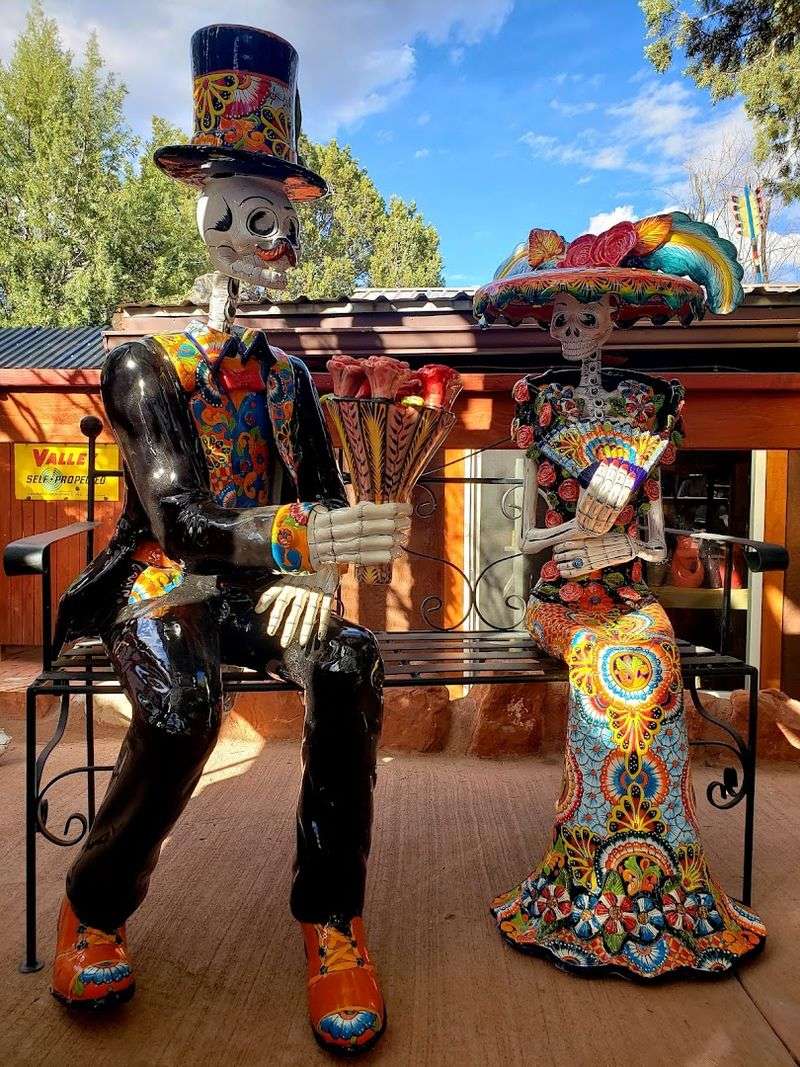
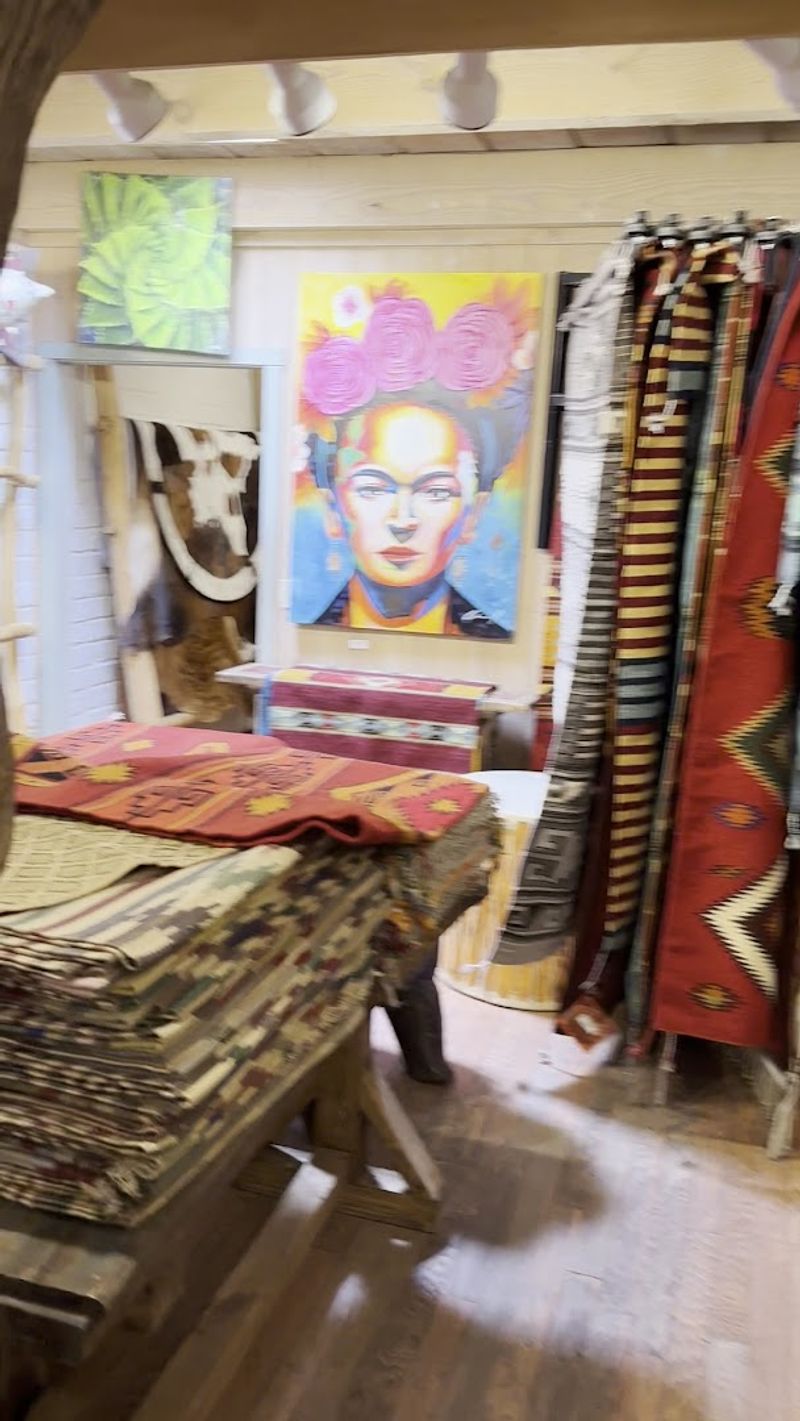
The textile section practically demands you slow down and appreciate the artistry. Navajo rugs hang from floor to ceiling, their geometric patterns creating a kaleidoscope of reds, blacks, whites, and earth tones.
I ran my fingers across one weaving and could feel the tight, even tension that marks hours of skilled labor.
What makes this collection special is the range of styles represented. You’ll find everything from classic Two Grey Hills designs in natural wool colors to vibrant Ganado reds and Storm Pattern rugs with their distinctive symbolism.
Some pieces are vintage treasures from the early 1900s, while others come fresh from the loom.
The staff explained that a quality rug might take months to complete, with weavers working on traditional upright looms using techniques passed down through families. Prices reflect this dedication, but even smaller weavings and saddle blankets offer accessible entry points for new collectors.
I could have spent the entire afternoon just studying the different regional styles and learning about the symbolism woven into each pattern.
Southwestern Pottery And Ceramics Gallery
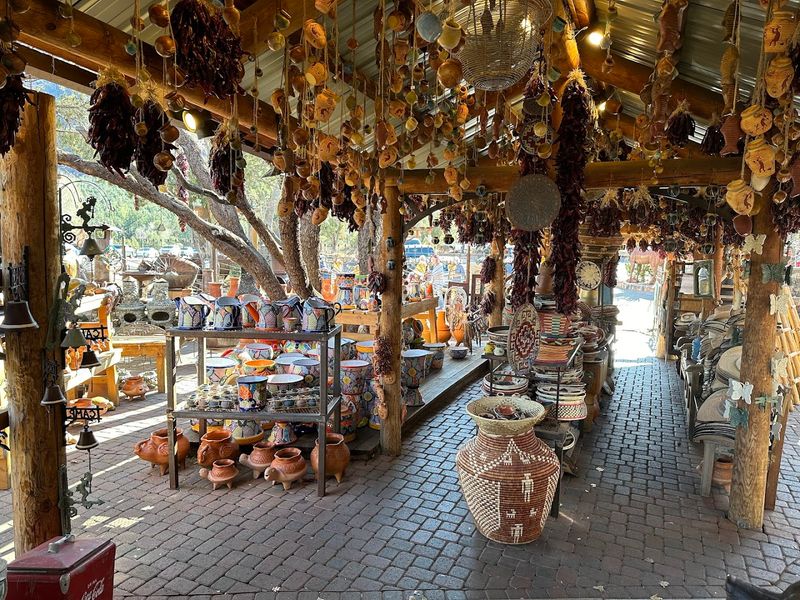
Clay vessels of every imaginable size and style fill an entire wing of the gallery. Black-on-black pottery from San Ildefonso Pueblo sits alongside the intricate geometric designs of Acoma pots. Some pieces are small enough to fit in your palm, while massive storage jars command attention from across the room.
I picked up a small seed pot, marveling at how something so delicate survived generations of use and handling. The gallery represents work from multiple pueblo communities, each with signature techniques and design elements.
You’ll recognize the distinctive polychrome designs of Zia Pueblo or the fine-line patterns that make Acoma pottery world-famous. Many pieces come with documentation about the artist and pueblo of origin.
The staff encourages questions and seems genuinely passionate about educating visitors on the cultural significance of different pottery traditions. Some contemporary potters are reviving ancient techniques, creating museum-quality work that honors ancestral methods.
Even the display itself feels respectful, with proper lighting and spacing that lets each piece shine without overwhelming your senses.
Vintage Western Memorabilia Section
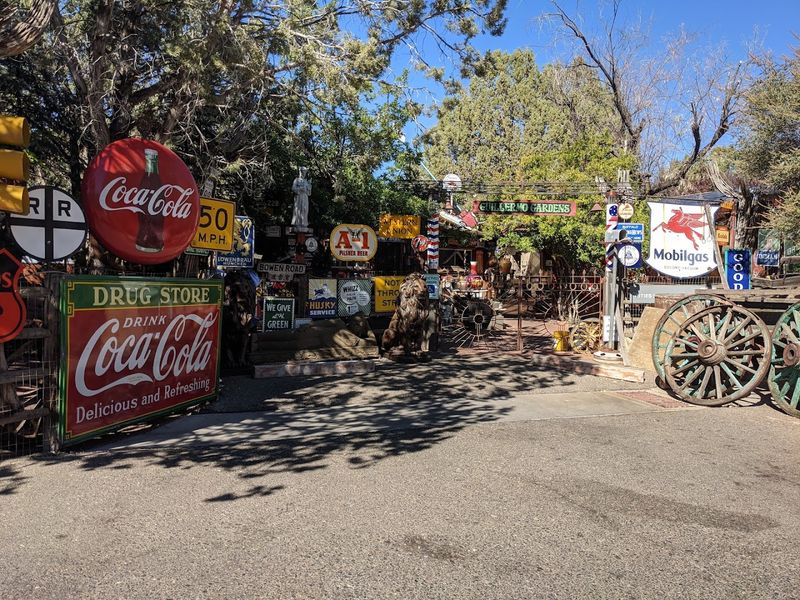
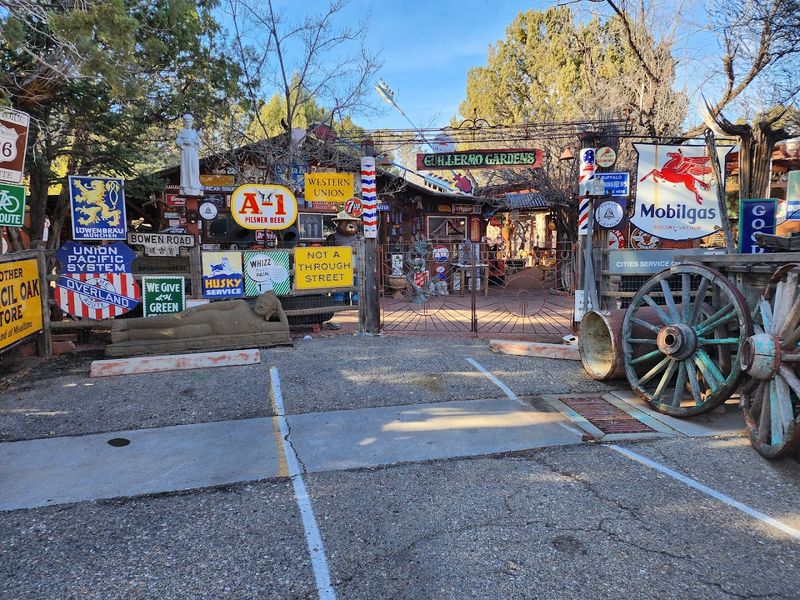
Stepping into this corner feels like raiding your cool uncle’s barn, if your uncle happened to be a cowboy with impeccable taste. Antique spurs hang alongside vintage chaps, their leather worn soft from decades of use.
I spotted a collection of branding irons that could tell stories about Arizona ranches that have long since disappeared. The memorabilia isn’t just randomly assembled junk.
Each piece has been selected for authenticity and condition. You’ll find old photographs of frontier towns, vintage rodeo posters, and even some antique firearms displayed under glass. A weathered saddle caught my eye, its tooled leather still showing the artisan’s skill despite years of hard riding.
What surprised me was how this section appeals to different interests. History buffs appreciate the authentic artifacts, while decorators hunt for statement pieces that bring Western character to modern spaces. Collectors search for specific items to complete their collections.
I overheard someone negotiating for a set of vintage conchos, and the staff member knew the exact ranch they came from and the approximate era of manufacture.
Turquoise And Gemstone Mining Display
Bins of rough turquoise stones invite you to dig through them like a prospector hitting a vein. The variety of colors amazed me: sky blue, robin’s egg, green-tinged, and even rare purple specimens.
Some stones show the distinctive matrix patterns that make each piece unique, while others display solid color that seems almost too perfect to be natural.
This section educates as much as it sells. Display cases show the progression from raw stone to finished gem, with explanations of different mining locations and what makes certain turquoise more valuable.
I learned that Arizona produces some of the world’s finest turquoise, with mines like Sleeping Beauty and Kingman creating distinctive stones prized by jewelers worldwide.
You can purchase rough stones to have set in custom jewelry, or choose from polished cabochons ready for mounting. The staff knows their geology and can explain stabilization processes, natural versus treated stones, and how to identify quality turquoise.
Even kids get excited here, sifting through the bins looking for their favorite colors and shapes like treasure hunters on a mission.
Rare Books And Historical Documents Collection
Tucked away in a quieter corner, glass cases protect first editions and rare volumes that document Southwestern history. I found myself nose-to-glass examining a 1920s ethnography of Hopi ceremonies, its pages yellowed but text still crisp.
Old maps showing Arizona Territory before statehood hang on nearby walls, their hand-drawn details revealing how cartographers once imagined this landscape.
The collection includes everything from vintage tourism brochures to serious academic works on Native American cultures. Some books feature photographs by Edward Curtis or other pioneering documentarians of indigenous life.
I spotted signed copies from notable Southwestern authors and illustrated volumes that are as much art as literature.
Prices vary wildly depending on rarity and condition. You might find an affordable reprint of a classic Western novel or invest in a museum-quality first edition. The staff maintains detailed provenance records for the more valuable items.
Even if you’re not a collector, browsing these volumes offers a different perspective on how people have understood and represented the Southwest throughout different eras of American history.
Contemporary Native American Art Gallery
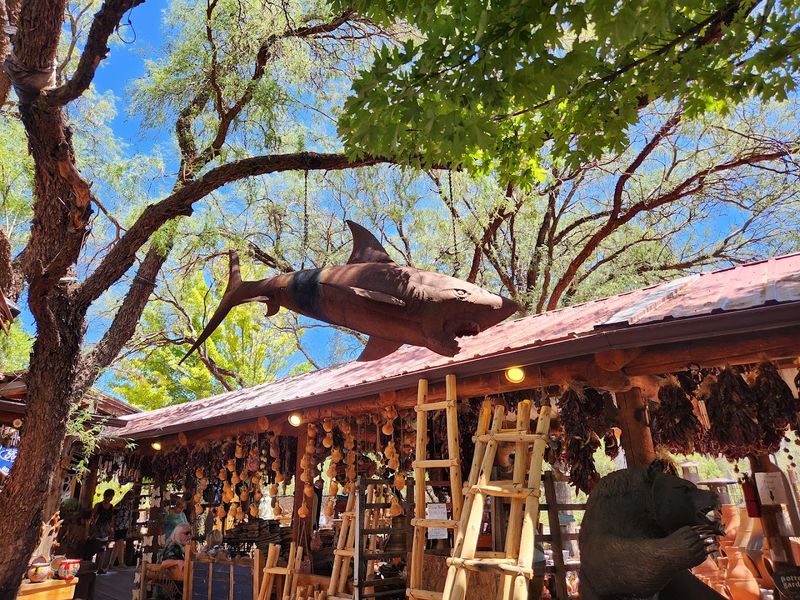
Bright, modern gallery space showcases how Native American artists are pushing boundaries while honoring tradition. I stood transfixed before a massive painting that reimagined traditional Navajo sand painting techniques with contemporary abstract expressionism.
Nearby, a sculptor had created a piece blending ancient pottery forms with modern materials and concepts.
This section proves that Native American art isn’t frozen in the past. Young artists are earning recognition in the international art world while maintaining connections to their cultural heritage.
You’ll see everything from photography to mixed media installations, jewelry that challenges traditional forms, and paintings that dialogue with both ancestral and contemporary artistic movements.
The gallery rotates exhibitions, so repeat visitors always find something new. I noticed several pieces had already sold, with red dots indicating collectors had claimed them. Prices reflect serious artistic merit, with some works commanding thousands of dollars.
What struck me most was how these artists navigate multiple worlds, creating work that speaks to Native and non-Native audiences while maintaining authentic voices rooted in their specific tribal traditions and personal experiences.
The Trading Post Experience Itself
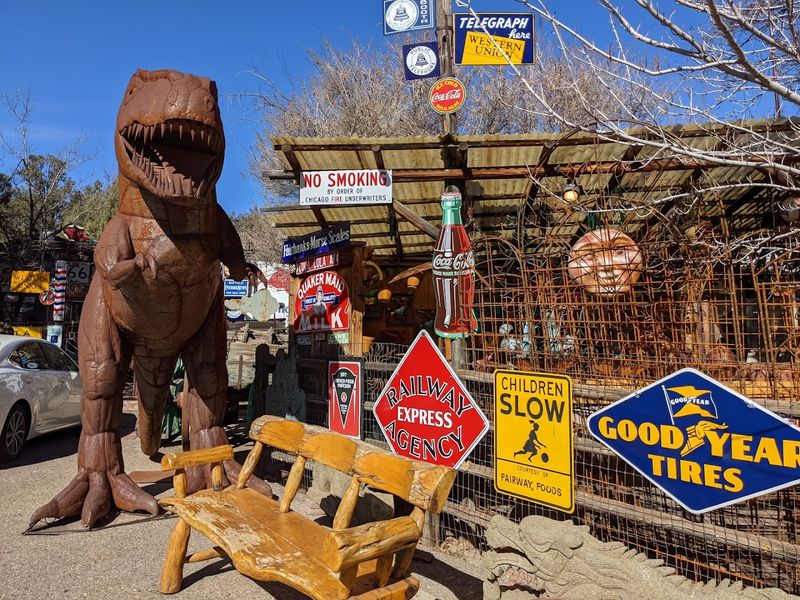
Beyond the individual items, the building itself creates an atmosphere that transports you. Wooden beams overhead, creaking floorboards underfoot, and the faint scent of leather and old wood combine into something that feels both museum and marketplace.
I noticed how natural light filters through skylights, illuminating displays without the harsh glare of typical retail spaces.
The layout encourages wandering and discovery rather than efficient shopping. You’ll turn a corner and stumble upon an entire room you didn’t know existed. I kept finding new alcoves and side galleries, each with its own focus and personality.
This isn’t a place where you grab what you need and leave.
Staff members roam the floor, ready to answer questions without hovering or pushing sales. I appreciated how they shared knowledge freely, turning my visit into an educational experience.
The gallery has been family-owned for decades, and that continuity shows in how they’ve built relationships with artists and collectors. By the time I finally headed for the exit, I understood why people block out entire afternoons just to explore this remarkable space.