
This Enormous Ohio Used Bookstore Could Easily Fill Your Entire Day

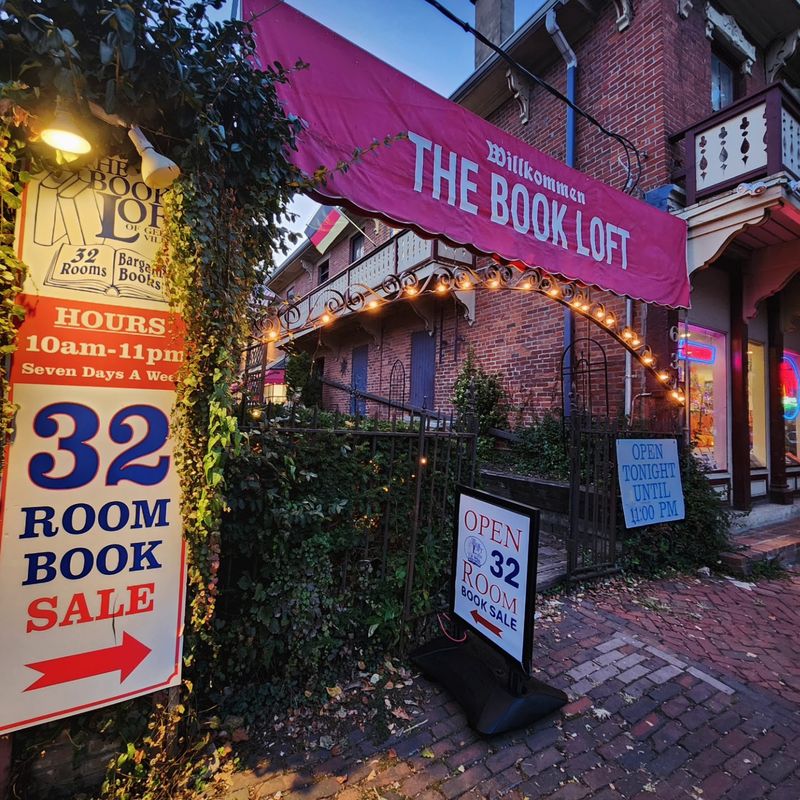
The red brick sidewalks of German Village serve as a historic prologue to a literary experience that defies the standard dimensions of a typical retail shop, drawing visitors into a sprawling labyrinth where the scent of aged paper and the quiet hum of discovery fill thirty-two distinct rooms tucked within a majestic, interconnected complex.
Walking through this neighborhood feels like navigating a living archive of Midwestern life, yet once you cross the threshold into this legendary establishment, the outside world dissolves into a series of winding corridors and hidden chambers that challenge your sense of direction in the most delightful and enriching way possible.
You might arrive with a specific title in mind or a simple desire to browse, but the true genius of this architectural maze lies in its ability to lead you toward the very things you did not know you were looking for, making it a place where entire afternoons disappear into the pleasant friction of spines sliding against one another.
Every turn reveals a new thematic world, from the dense gravity of historical biographies to the whimsical lightness of children’s fables, all organized with a meticulous care that honors the physical book as a sacred object of exploration.
The scale of the collection is matched only by the charm of its setting, where the creak of original floorboards and the soft glow of tucked-away nooks remind you that you are standing in a sanctuary preserved against the rush of the modern digital age.
Whether you are a local seeking a familiar retreat or a traveler venturing to 631 South Third Street for the first time, the journey through these stacks offers a meditative pace that rewards those who are willing to lose themselves completely among the millions of pages waiting to be turned.
Start With The Courtyard

The initial transition from the narrow streets into the shaded sanctuary of the entrance courtyard serves as a necessary environmental reset where ivy-covered walls and heavy planters create a natural buffer against the distant sounds of city traffic.
This outdoor waiting room allows the mind to adjust to a slower frequency while visitors notice the weathered textures of the red brick underfoot that signal the deep history of this multi-building complex.
I find that pausing here for just a moment to breathe in the scent of damp earth and seasonal blooms provides the perfect mental clarity required before descending into the dense and wonderful complexity of the interior shelves.
The presence of sturdy outdoor tables suggests that the act of reading is meant to be a communal and visible part of the neighborhood fabric rather than a solitary or rushed transaction hidden away from the sun.
As you stand near the threshold, the contrast between the bright Ohio sky and the dim, book-lined interior creates a visual pull that invites you to leave the frantic pace of the external world behind in favor of a quiet, paper-bound reality.
The courtyard functions as a gentle decompression chamber where the architectural soul of German Village is most palpable, offering a moment of stillness that frames the grand adventure waiting just beyond the heavy wooden doors.
Taking a deep breath in this open-air foyer prepares your senses for the tactile and olfactory feast of old bindings and fresh ink that defines the unique atmosphere of this legendary Columbus landmark.
Follow The 32-Room Maze

The internal geography of this massive shop functions like a playful puzzle where numbered rooms appear as breadcrumbs to guide you through a warren of connected storefronts that feel exponentially larger than the exterior would ever suggest.
I noticed how the floors occasionally pitch and roll with the gentle character of a nineteenth-century foundation, grounding the experience in a physical history that makes every unexpected turn feel earned and authentic.
Taking a digital photo of the printed room directory near the entrance acts as a useful insurance policy against total disorientation, though wandering aimlessly often results in finding the most memorable treasures hidden in the deepest corners.
The layout encourages a wandering spirit where you might start in a bright room filled with contemporary fiction only to find yourself minutes later in a low-ceilinged basement dedicated entirely to rare maps and technical manuals.
Each doorway represents a transition into a new world of thought, and the sheer repetition of these thresholds creates a rhythmic quality to your movement that mimics the act of flipping through the chapters of a long and complex novel.
The building at 631 South Third Street hides its true scale behind a modest facade, revealing its gargantuan proportions only to those who are willing to navigate the tight turns and steep stairs that connect its many disparate wings.
You will likely find that your path is determined more by curiosity than by logic, as the sight of a colorful spine or an intriguing shelf label pulls you deeper into the architectural folds of this massive literary house.
Tune Into The Soundtracks
A distinct auditory layer defines each section of the store as curated music shifts seamlessly from the bright notes of jazz near the new releases to more atmospheric scores that deepen the focus required for philosophy or history.
The vibe shifts from theatrical to cozy as these musical transitions act as invisible doorways, nudging your browsing rhythm and helping to define the personality of each room without the need for intrusive digital displays.
Visitors should keep their headphones tucked away to fully appreciate how the sound design interacts with the creak of the floorboards, creating a sensory memory that links specific melodies to the tactile weight of the books discovered there.
I felt a sense of calm in the poetry section where the soft hum of strings provided a rhythmic backdrop to the lyrical lines on the page, proving that the staff understands the subtle art of matching mood to genre.
The volume remains consistently respectful, ensuring that while the music colors the atmosphere, it never competes with the internal monologue of a reader deeply immersed in a potential new find.
These soundtracks function as a narrative track for your visit, guiding your emotions as you move from the high-energy sections of travel and hobbies into the hushed, reverent spaces dedicated to classic literature and religious texts.
By allowing the music to steer your pace, you transform a simple shopping trip into a cinematic experience where every shelf becomes a scene and every room change feels like a shift in the story you are inhabiting.
Spot The Architectural Quirks

The physical building serves as a living record of preservation where the seams between separate historic structures remain visible through changing ceiling heights, narrow staircases, and doorways that require a thoughtful step to navigate safely.
Each room presents a different lighting character ranging from the soft glow of tucked-away nooks to the bright clarity of larger chambers, all of which reflect the organic evolution of a space that was never intended to be a single store.
I suggest focusing your eyes on the intricate wood grains of the shelving and the unique angles of the windows because these structural details tell the story of the neighborhood better than any guidebook ever could.
The way the light hits the brick walls in the late afternoon creates a warm, amber glow that makes the older volumes look like artifacts in a museum rather than simple items for sale on a shelf.
You might find yourself ducking under a low beam or stepping over a slight rise in the floor, physical reminders that this labyrinth was built piece by piece over many decades of dedicated expansion and local growth.
The preservation of these quirks ensures that the store retains a human scale despite its enormous inventory, making the massive collection feel accessible and intimate rather than cold or industrial.
Paying attention to these small details allows you to appreciate the craftsmanship of the past while you search for the ideas of the future, creating a bridge between the physical and the intellectual worlds.
Meet The Staff Picks

Small handwritten notes taped to the edges of the shelves provide a chorus of expert voices that offer specific insights into the pacing and emotional resonance of various titles, acting as a reliable compass when the volume of choices feels overwhelming.
The selection often highlights the vibrant literary culture of Columbus by placing local voices and independent presses alongside international bestsellers, ensuring that the inventory feels deeply rooted in its specific geographic context.
I found that reading these brief testimonials allowed me to narrow my focus and discover authors I might have otherwise overlooked in the sheer density of the thirty-two rooms.
The staff at this Third Street location clearly spends a significant amount of time engaging with the collection, as their recommendations are nuanced and free from the generic descriptions found in larger, more corporate book retailers.
When you encounter a staff pick that resonates with your own tastes, it feels like a silent conversation with a fellow bibliophile who has taken the time to leave a guidepost for your own reading journey.
These notes are updated frequently to reflect new arrivals and seasonal interests, keeping the conversation between the booksellers and the community fresh and relevant throughout the entire calendar year.
Relying on these trusted opinions can transform a daunting search into a curated experience where the best of the collection is brought forward for your personal consideration and enjoyment.
Navigate Peak Hours Smartly
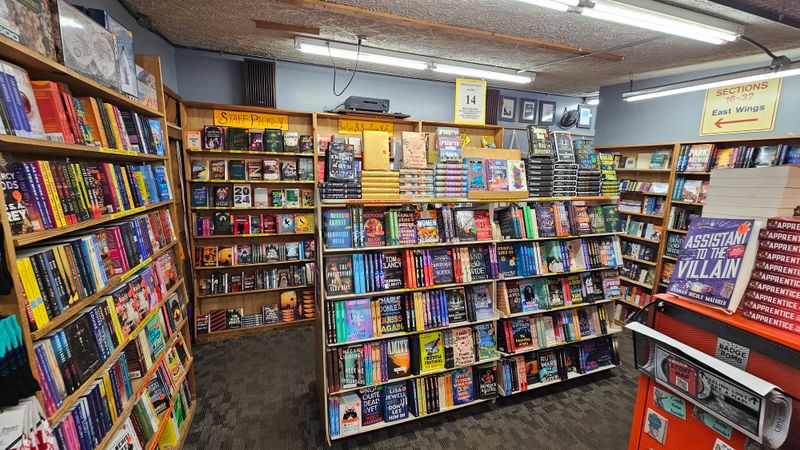
The store experiences a rhythmic pulse of activity where weekend afternoons bring a lively energy to the narrow aisles, yet the layout is vast enough that one can almost always find a solitary corner by moving toward the upper floors.
Checking the schedule for the evening helps avoid the disappointment of the occasional Thursday closure while also revealing that the shop remains open late into the night for those who prefer the quiet gravity of midnight browsing.
I recommend carrying a small shoulder bag rather than a bulky backpack to facilitate easier movement through the tighter passageways where the stacks are packed with a density that rewards those who travel light.
The local wisdom suggests arriving early on a weekday morning when the light is soft and the number of fellow explorers is low, allowing for a more meditative and uninterrupted experience among the shelves.
When the rooms do fill with people, the atmosphere remains one of shared respect and quiet enthusiasm, as everyone is united by the same goal of finding something meaningful within the maze.
Practical logistics like knowing where the nearest exits and maps are located will help you navigate the flow of the crowd without losing your sense of peace or your place in the stacks.
Choosing to visit during the quieter hours transforms the store into a private library where the only sound is the turning of pages and the distant, rhythmic hum of the German Village neighborhood outside.
Use The Garden Interlude

The changing seasons dictate the mood of the outdoor spaces where the spring air brings a floral softness to the brickwork and the autumn wind scatters colorful leaves that crunch under the feet of those stepping out for a rest.
This garden space provides a critical mental palate cleanser between floors, allowing your eyes to rest from the fine print and your mind to process the sheer volume of information encountered inside the rooms.
I noticed that many regular visitors treat the courtyard as a place of reflection, sitting quietly for a few moments to appreciate the architectural beauty of the surrounding village before diving back into the labyrinth.
The weather frames each chapter of your visit, whether you are seeking shelter from a summer rain or enjoying the crisp, clear air of a cold Ohio afternoon while clutching a new find to your chest.
Stepping into the natural light after an hour in the dim interior nooks helps to recalibrate your senses and gives you the energy needed to tackle the remaining sections of the thirty-two-room puzzle.
The transition from the artificial world of paper and ink back to the living world of trees and sky reinforces the idea that reading is a bridge between our internal thoughts and our external reality.
Taking this small break ensures that you do not become overwhelmed by the scale of the shop, allowing you to return to the shelves with a renewed sense of curiosity and a sharper eye for detail.
Hunt The Bargain Nooks

One quiet corner might hold the sale shelf you did not mean to find, where discounted titles cluster by theme rather than chaos and the surprise is how curated and high-quality these budget-friendly options remain.
The longevity of the store means they have established deep relationships with various publishers, which often results in generous markdowns on beautiful hardcover editions and niche paperback titles that deserve a second look.
I found it helpful to scan these bargain sections first because they often contain hidden gems that provide an affordable way to expand a personal library without sacrificing the quality of the content.
Locals often make a habit of checking these specific nooks every time they visit, knowing that the inventory shifts quickly and that a book seen one week might be gone the next if they do not act fast.
Keeping a running tally of your finds in a notebook or on your phone helps you stay within your budget while still allowing for the spontaneous joy of an unexpected and inexpensive discovery.
The bargain sections are scattered throughout the store rather than hidden in a single basement, which turns the hunt for a deal into another layer of the larger exploration of the building’s many rooms.
Leaving with a stack of carefully chosen discounted books feels like a personal victory, as if you have successfully navigated the maze and come away with a treasure that far exceeds its modest price tag.
Check The Maps And Wayfinding
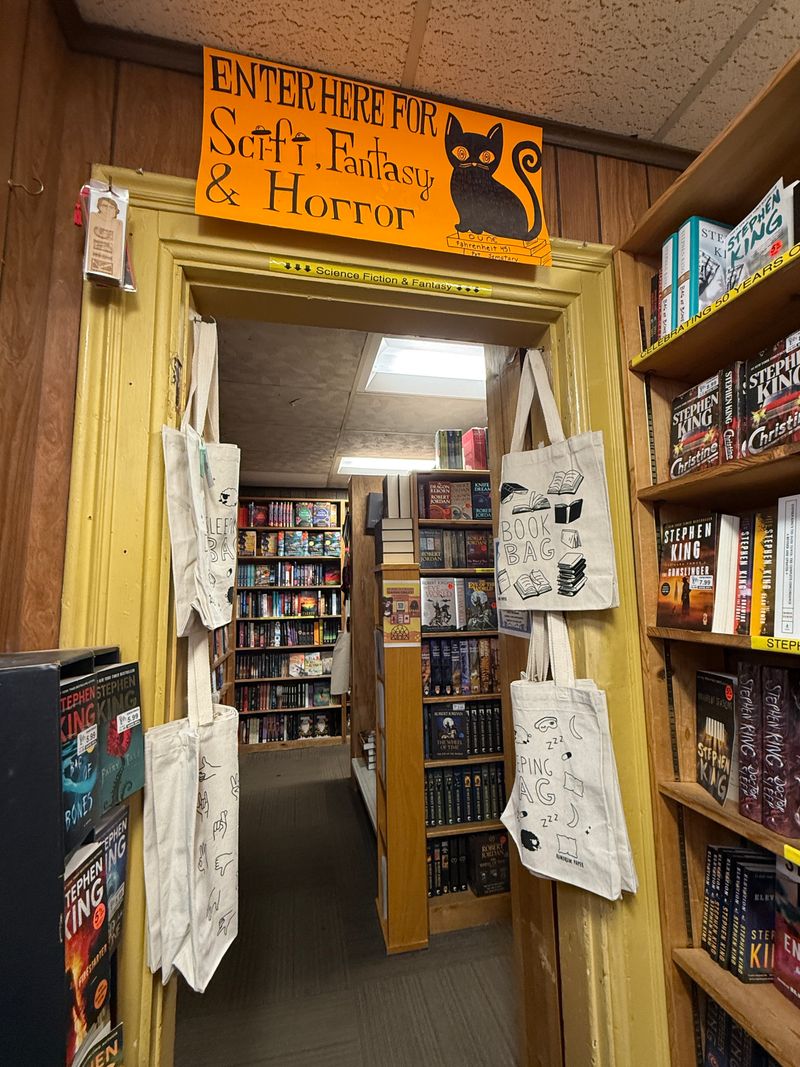
A small but mighty detail is the printed store map found near the registers and the occasional wall diagrams that save you from wandering in repetitive circles when you are searching for a very specific genre.
The technique of using these maps reflects a deep respect for browsers who enjoy the serendipity of getting lost but also appreciate having a logical anchor when their time or energy begins to wane.
I found that marking the rooms I had already visited allowed me to track my progress through the complex history of the building, ensuring that no hidden corner was left entirely unexplored during my visit.
The signage throughout the store remains minimal and sympathetic to the original architecture, using simple room numbers and clear headings that do not distract from the visual beauty of the books themselves.
Asking the knowledgeable staff for a quick direction can save you twenty minutes of searching, and they are always happy to point you toward the correct staircase or the specific wing you are looking for.
Pairing the physical map with the digital photo you took at the start of your journey provides a double layer of navigation that makes the enormous scale of the building feel manageable and friendly.
The maps serve as a reminder that while the store is a labyrinth, it is a purposeful one designed to be conquered by any persistent reader who is willing to look closely at the signs along the way.
Close With A Thoughtful Checkout
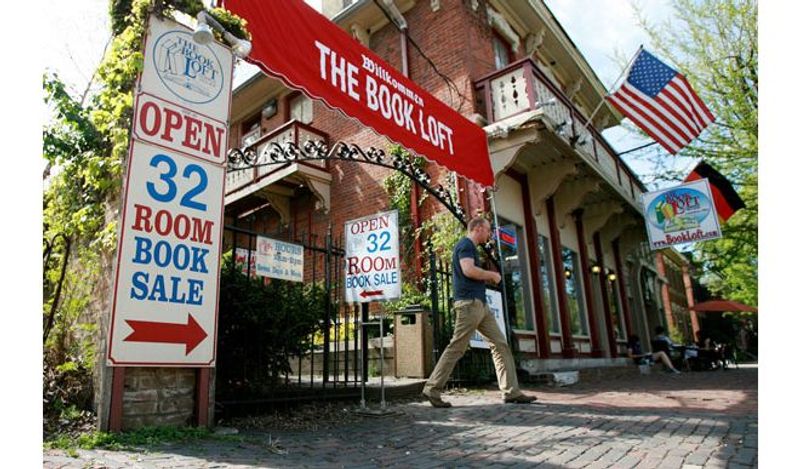
The registers sit near the front of the building in a bright and efficient space where the piles of books you have gathered throughout the day finally become your permanent possessions through a quick and friendly transaction.
I appreciated how the staff moved with a brisk professionalism that respected my time while still offering a genuine word of interest about the specific titles I had chosen to bring home with me.
The counter area often serves as a hub for local community news, with flyers for upcoming neighborhood events and information about new releases from Ohio authors posted clearly for all to see before they depart.
Practical advice for the end of your visit includes keeping your receipt for your records and asking for a bookmark, which usually features a charming illustration of the store’s historic facade as a keepsake.
Walking out through the heavy doors and back onto the brick streets of German Village, you will feel the physical weight of your new books as a satisfying conclusion to an afternoon spent in deep exploration.
The process of checking out marks the transition from being a guest in the store’s massive library to being the owner of a new set of stories that will live on your own shelves for years to come.
As the city noise returns and you head toward your next destination, the realization that the maze worked its magic on you becomes clear, leaving you with a sense of peace and a bag full of new worlds.