
This Epic Road Trip In Arizona Will Take You To 12 Old World Towns
My soul is constantly craving a fancy European vacation, but my bank account is strictly on a backyard budget. Thankfully, I’ve discovered a way to satisfy that deep-seated wanderlust without ever leaving the state.
I’ve put together a spectacular journey through Arizona that hits twelve different spots so charming, you’ll swear you’ve been transported straight to the Old World. It’s honestly a little dramatic how much I fell in love with these historic streets and mountain views, but can you blame me?
If you’re tired of the usual tourist traps and want a road trip that feels like a beautiful step back in time, grab your keys and some snacks. I promise this route is exactly the magical escape your heart has been screaming for.
1. Tombstone
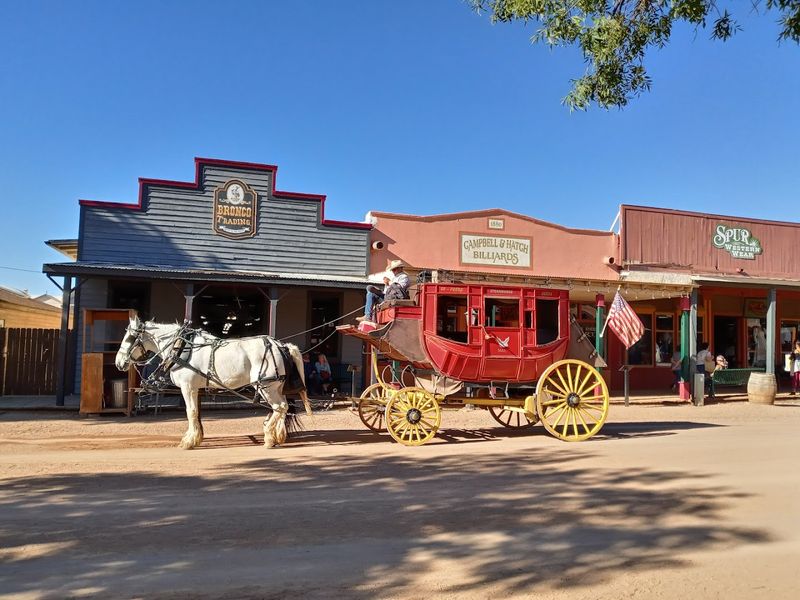
Few towns in America carry a reputation quite like Tombstone. Billed as “The Town Too Tough to Die,” this legendary spot in southeastern Arizona delivers exactly the kind of Old West experience you have been picturing since childhood.
Allen Street is the beating heart of it all, lined with wooden boardwalks, saloon signs, and costumed characters who make the whole scene feel startlingly real.
The O.K. Corral is the obvious headliner, where live gunfight reenactments draw crowds every weekend. But the Bird Cage Theatre is arguably more fascinating, a perfectly preserved relic from the 1880s that still holds bullet holes in its walls. History lovers will want to linger here for hours.
Big Nose Kate’s is the go-to spot for a meal and some local storytelling. Tombstone rewards visitors who slow down and soak in every detail rather than rushing through the highlights.
2. Bisbee
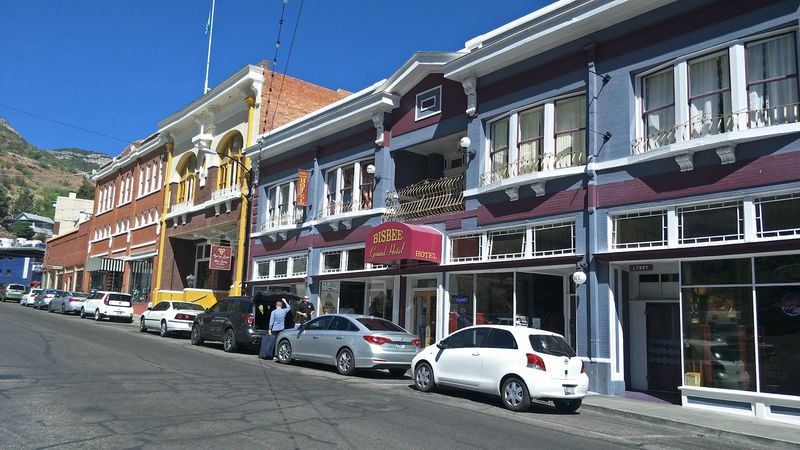
The kind of town that surprises you the moment it comes into view. Buildings painted in bold colors cling to steep hillsides, staircases substitute for streets, and art spills out of nearly every doorway.
It looks like someone transplanted a European hillside village into the Sonoran Desert and let it develop its own personality.
The town built its fortune on copper mining, and that industrial past is still very much present. The Queen Mine Tour takes visitors underground into the actual tunnels where miners worked, offering a perspective on local history that no museum exhibit could replicate.
It is genuinely impressive and a little humbling. The Copper Queen Hotel, operating since 1902, is the place to stay if atmosphere matters to you. Local legends about its spirited guests add an extra layer of intrigue to an already captivating destination.
3. Jerome
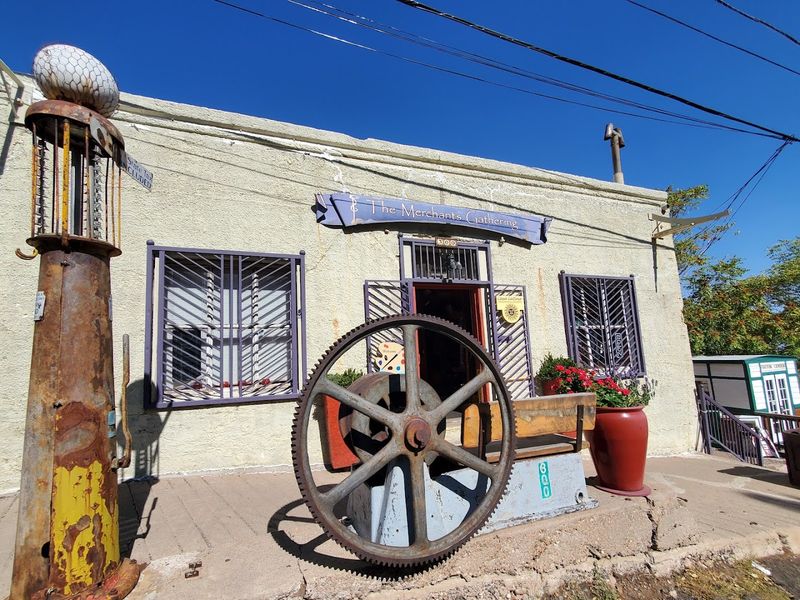
Clinging to the side of Cleopatra Hill at roughly 5,000 feet above sea level, Jerome offers views that stop you mid-sentence. The town once held the title of the wickedest city in the West during its copper boom days, when thousands of miners packed its saloons and streets.
Today, that wild energy has been channeled into something far more creative.
Jerome reinvented itself as an arts destination, and the transformation worked beautifully. Studios, galleries, and boutique shops now occupy buildings that once housed brothels and gambling dens.
The Douglas Mansion, now a state historic park, tells the story of the mining era with impressive artifacts and exhibits that paint a vivid picture of life during the boom years.
The Spirit Room bar has been a local institution for decades, and the patio views alone are worth the stop. Jerome is proof that a town can honor its rough past while building something genuinely vibrant.
4. Prescott
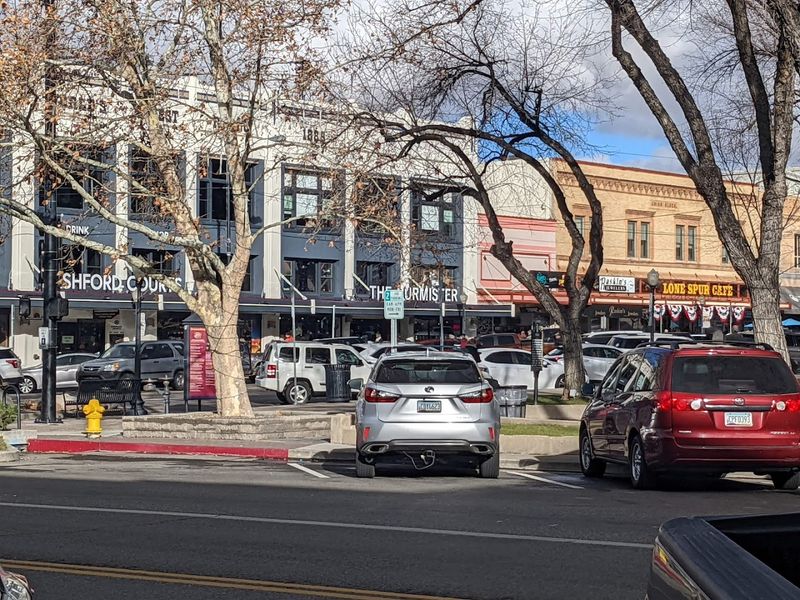
Prescott carries itself with a certain dignified charm that feels different from the rougher mining towns nearby. Sitting at about 5,400 feet in central Arizona, it enjoys a cooler climate than much of the state, which makes wandering its streets genuinely pleasant for most of the year.
The town square anchors everything, with the grand Yavapai County Courthouse at its center and a ring of historic buildings framing the scene.
Whiskey Row along Montezuma Street is the legendary stretch where saloons once lined up shoulder to shoulder during the frontier era. The Palace Saloon, which opened in 1877, still operates today and proudly claims the title of Arizona’s oldest frontier saloon.
Stepping inside feels like the clock never quite moved forward all the way. Sharlot Hall Museum offers a deeper look at territorial history, while Watson Lake just outside town provides a stunning backdrop of granite boulders and glassy water that rounds out any visit perfectly.
5. Globe
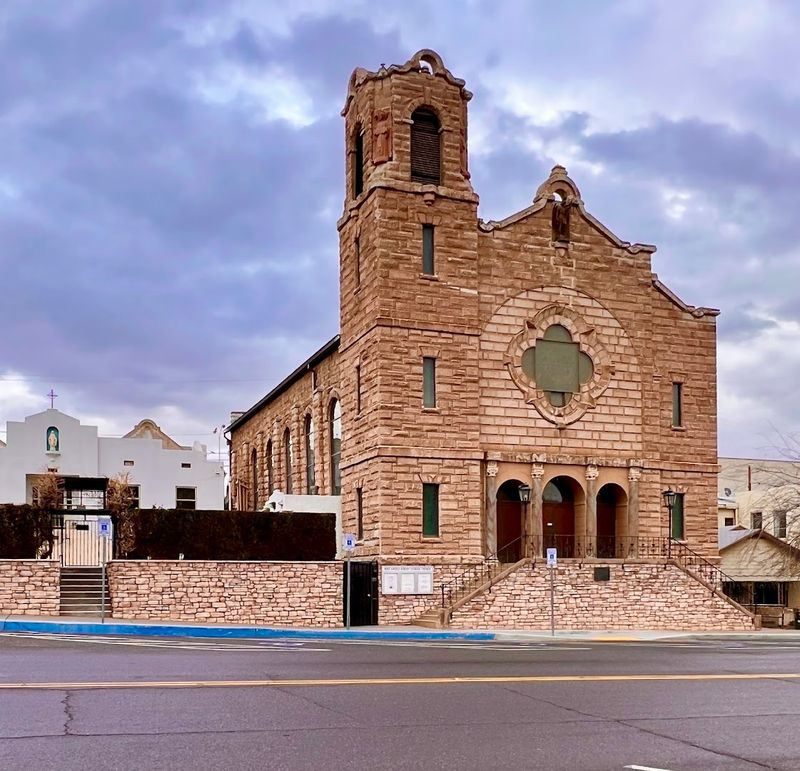
Globe does not show off, and that is honestly part of its appeal. This small copper town in the Tonto Basin sits about 90 miles east of Phoenix, yet it feels worlds away from the sprawling metro.
Its downtown is one of the most intact historic commercial districts in the state, with brick buildings dating back to the early 1900s still lining the main streets in remarkably good condition.
The local flavor here is unpretentious and genuine. The Drift Inn has long been a gathering spot for locals, the kind of place where the food is straightforward and the conversation flows freely.
Visitors who take the time to chat with residents often leave with a much richer understanding of the town’s character.
Just north of town, Besh-Ba-Gowah Archaeological Park preserves the ruins of a Salado people settlement from around 1225 AD. The site is quiet, well-maintained, and deeply thought-provoking for anyone interested in the region’s deep history.
6. Florence
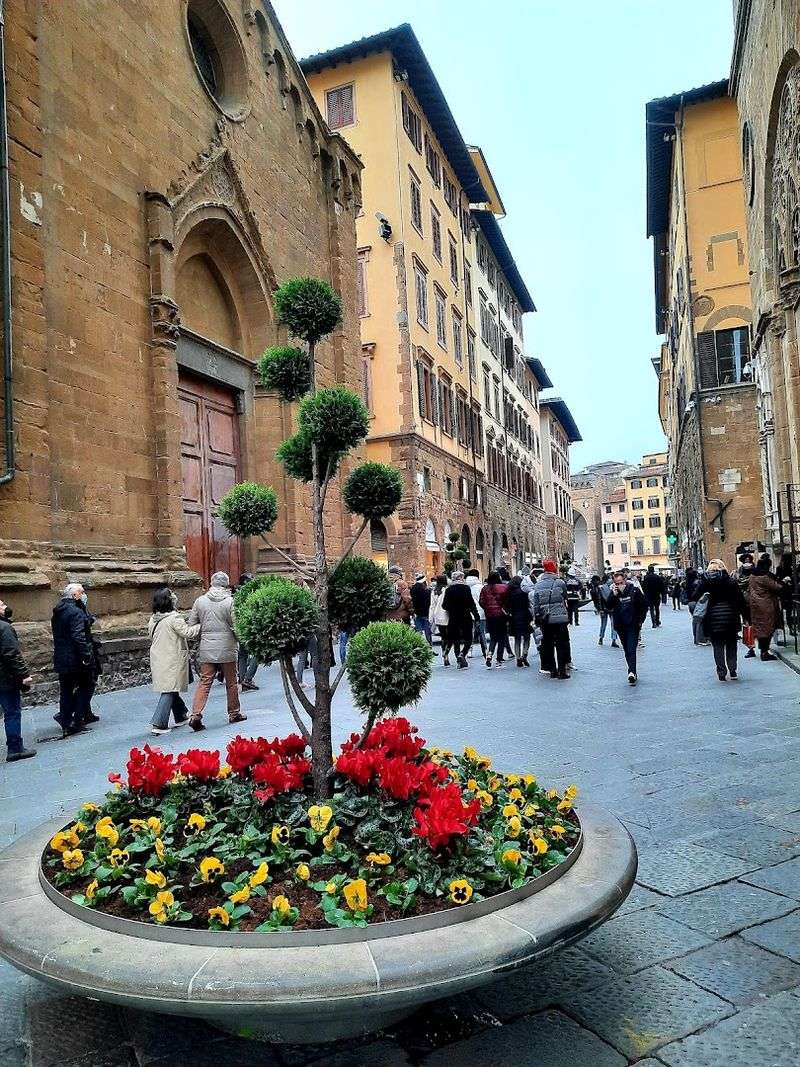
Florence has been around since 1866, making it one of Arizona’s oldest continuously occupied towns. That longevity shows in the architecture, with more than 25 buildings on the National Register of Historic Places concentrated along its Main Street corridor.
Walking through downtown Florence is less like sightseeing and more like reading a well-preserved chapter of territorial history.
The McFarland State Historic Park sits in the original Pinal County Courthouse, a beautifully restored adobe structure that once served as a Confederate hospital during the Civil War. The exhibits inside trace Florence’s evolution through multiple eras of Arizona history with surprising depth and care.
It is one of those small state parks that punches well above its size. For a midday break, Mt. Athos Cafe offers a relaxed local atmosphere and food that reflects the town’s unhurried pace.
Florence rewards the kind of traveler who enjoys slowing down and reading every historical marker along the way.
7. Tubac

Established as a Spanish presidio in 1752, Tubac holds the distinction of being the oldest European settlement in what is now Arizona. That layered history gives the town an atmosphere unlike anywhere else in the state.
Spanish colonial foundations literally sit beneath the streets, and the Tubac Presidio State Historic Park preserves excavated ruins alongside exhibits that trace the town’s journey from military outpost to arts community.
Modern Tubac has leaned enthusiastically into its creative identity. Over 100 galleries, studios, and artisan shops line its walkable streets, selling everything from fine art to handcrafted jewelry.
The combination of ancient history and contemporary creativity makes for a genuinely unusual afternoon of exploration.
Wisdom’s Cafe, a family-run institution that has been serving Mexican food since 1944, is the kind of place that earns its reputation one meal at a time. The famous fruit burro dessert has its own loyal following, and a visit to Tubac without stopping there feels incomplete.
8. Clifton
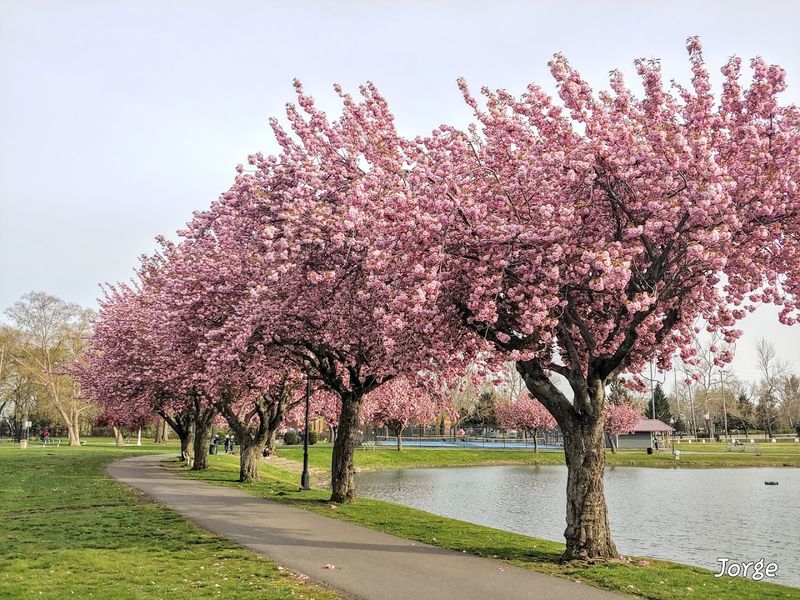
The kind of place that looks like it was built by someone who refused to let geography get in the way of ambition. Wedged into a narrow canyon along the San Francisco River in eastern Arizona, the town quite literally carved itself into the surrounding cliffs.
Buildings hug the canyon walls, streets follow the riverbed, and the whole layout feels gloriously impractical in the best possible way.
Chase Creek Street is the historic spine of town, where storefronts from the early copper mining era still stand in various states of preservation. The Clifton Hotel has its own collection of ghost stories that locals share with obvious enjoyment, adding an atmospheric layer to the already dramatic setting.
The Clifton Cliff Jail is perhaps the most memorable landmark, a cell carved directly into the rock face that dates back to the 1880s. There is nothing quite like it anywhere else in Arizona, and it alone makes the drive to Clifton worthwhile.
9. Wickenburg
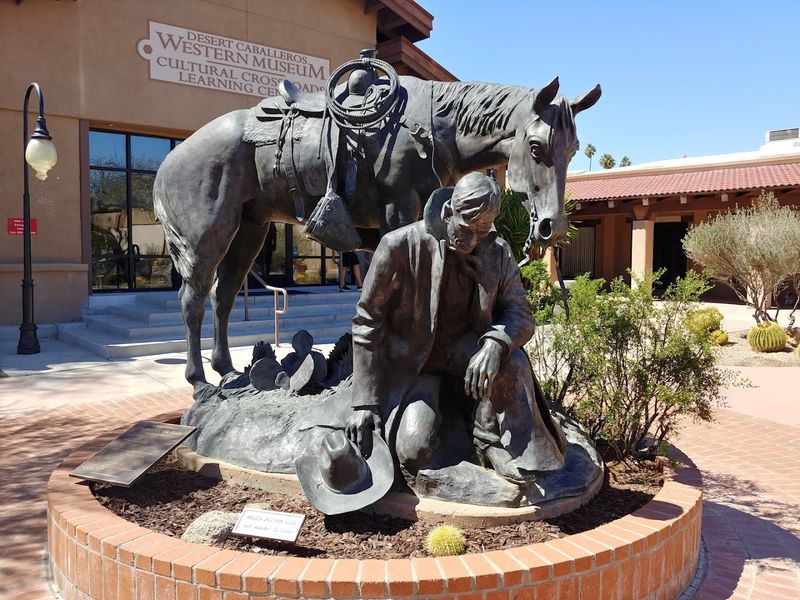
It earned the cowboy credentials honestly. Founded in 1863 following a gold discovery along the Hassayampa River, the town grew up fast and rough, and much of that frontier spirit has never really left.
Today it markets itself as the dude ranch capital of the world, and several working guest ranches still operate in the surrounding desert, offering visitors a taste of cowboy life that goes well beyond costume and scenery.
Downtown Wickenburg has held onto its frontier-style architecture with genuine pride. The Jail Tree, a mesquite tree that served as the town’s first jail because there was no money to build a proper one, stands on Tegner Street and remains one of the most charmingly practical historical artifacts you will encounter on any road trip.
Anita’s Cocina is the local favorite for Mexican food, beloved for generous portions and flavors that feel deeply rooted in the region. Gold panning experiences along the river add a hands-on historical dimension that kids and adults both enjoy enormously.
10. Williams
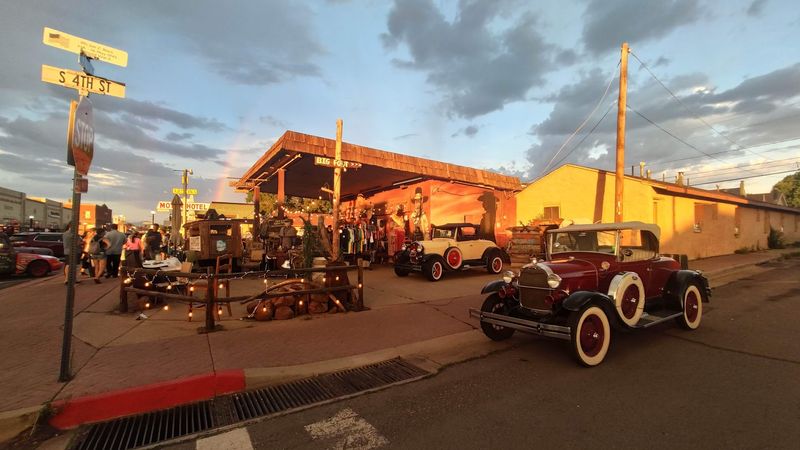
Williams was the last town on Route 66 to be bypassed by Interstate 40, holding out until 1984, and it has never stopped being proud of that fact. That stubborn attachment to the Mother Road gives the town a retro authenticity that is refreshingly unforced.
Neon signs glow along the main strip, classic diners serve comfort food, and the whole place hums with a nostalgia that feels earned rather than manufactured.
The Grand Canyon Railway departs from Williams every morning, offering a scenic two-hour train ride to the South Rim that has been running since 1901. It is a genuinely wonderful way to reach the canyon, trading highway stress for a relaxed journey through ponderosa pine forests and open grasslands.
Twisters Soda Fountain, styled after a 1950s malt shop, is the perfect spot for a mid-trip sugar boost and a photo that will make your social media followers genuinely envious. Williams delivers big personality in a small package.
11. Winslow
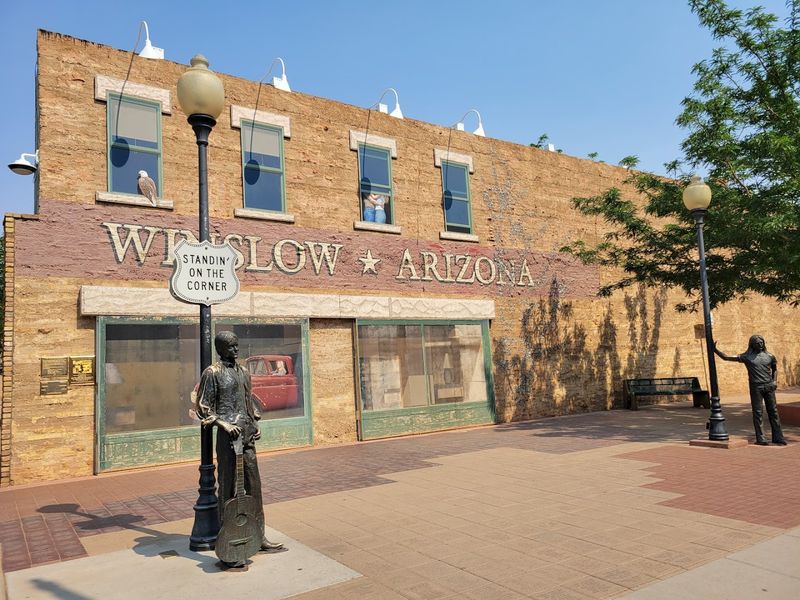
Most people know Winslow from a single lyric in an Eagles song, and the town has embraced that connection with good humor and a bronze statue at Standin’ on the Corner Park. But Winslow has far more substance than a musical reference.
Sitting along the original Route 66 corridor in northeastern Arizona, it served as a major stop on the transcontinental railroad and was once one of the busiest towns in the entire Southwest.
La Posada Hotel is the crown jewel of Winslow, a masterpiece of Southwest architecture designed by Mary Colter and opened in 1930. After years of near-abandonment, it was lovingly restored and now stands as one of the finest historic hotels in the American West.
Every corner of the building tells a story.
The Turquoise Room inside La Posada serves some of the most thoughtfully prepared food in the region, drawing guests from across the state. Winslow rewards visitors who look past the famous corner and stay long enough to discover its quieter charms.
12. Ajo
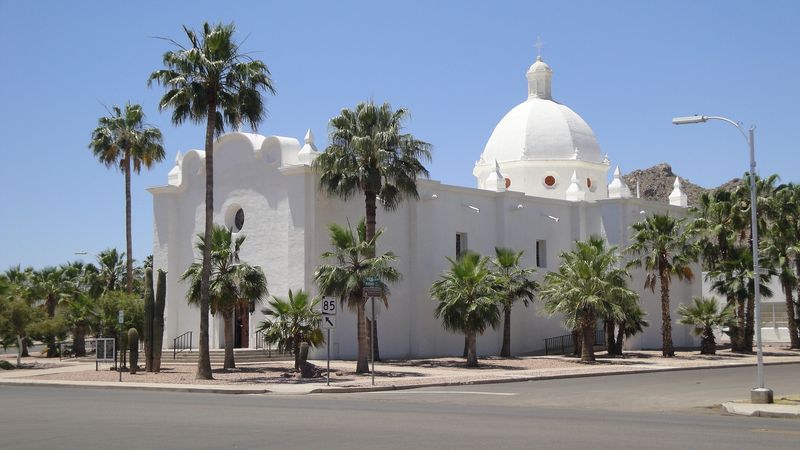
Ajo sits in the remote Sonoran Desert about 140 miles southwest of Phoenix, and its relative isolation has helped it preserve something genuinely rare: a town plaza designed in the Spanish Colonial Revival style that looks like it belongs in New Mexico or old Mexico rather than southern Arizona. The white-washed church, arched storefronts, and central plaza create a visual harmony that feels almost theatrical in its perfection.
The town has attracted a growing community of artists drawn by affordable spaces and extraordinary desert light. The Curley School, a historic building repurposed as live-work artist studios, has become a creative hub that gives Ajo an energy that belies its small size.
The Ajo Historical Society Museum, located in a former church nearby, fills in the gaps with exhibits on the town’s copper mining heritage.
The 100 Estrella Restaurant brings local flavor to the dining scene with straightforward, satisfying food that reflects the community’s character. Ajo is the kind of discovery that makes road trippers feel like they found something truly off the beaten path.