
This Fairytale-Like Town In California Has No Street Names
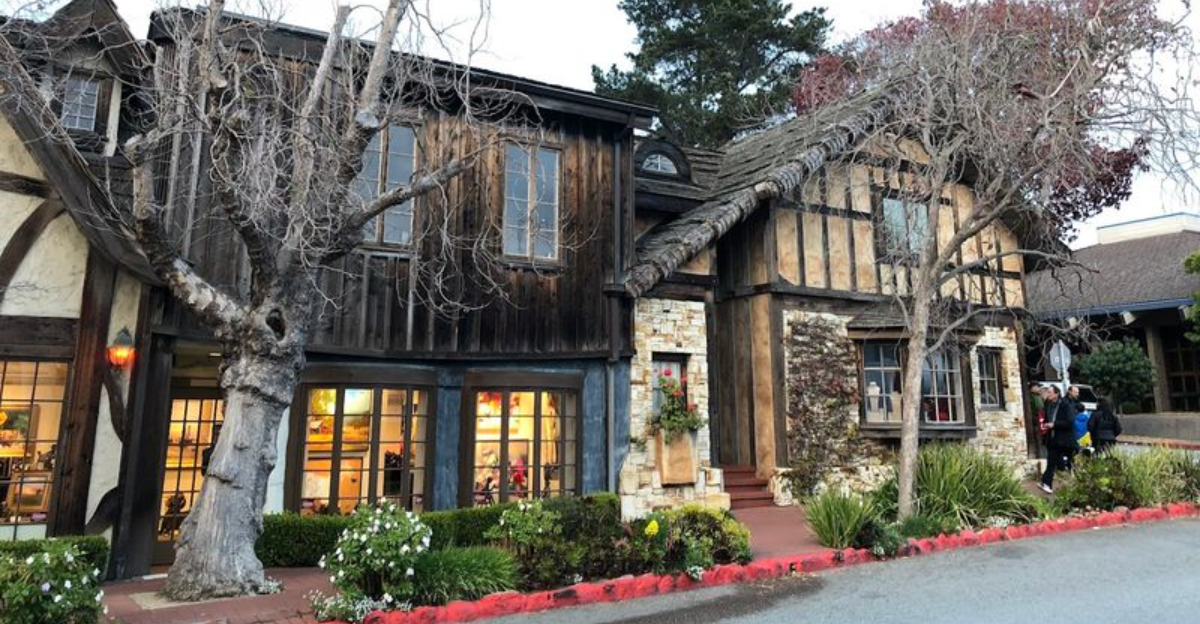
A town where “lost” is kind of the point, and nobody minds. No street numbers.
No straight lines. Just winding paths, hidden cottages, and a coastline that looks like it was painted by someone showing off.
On the California coast, in Monterey County, sits this charming town, a place that feels like it accidentally escaped from a fairytale and decided to stay that way. Houses don’t come with addresses here. They come with names like they have personalities of their own.
Founded by artists and dreamers, the town was built on the idea that rules are optional if the scenery is good enough. Even today, wandering through it feels less like navigation and more like discovery. Cobblestone vibes, crooked cottages, and the ocean just casually flexing in the background.
Logic says it shouldn’t work. Somehow, it does.
And beautifully so.
The No-Address Tradition
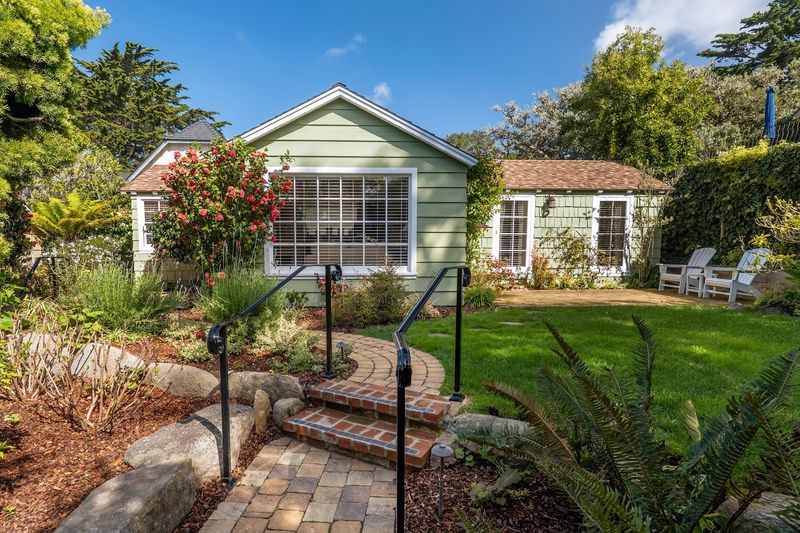
Picture this: you move into a new home and your address is literally a description of your house. That is exactly how Carmel-by-the-Sea has operated since 1916.
When the town was established, its founding residents, mostly artists and writers, deliberately skipped the whole street address system. They wanted to preserve a village feel, free from the bureaucratic trappings of modern city life.
Instead of numbers, homes got names. Instead of addresses, directions sounded like poetry.
A typical location description might read: “the fifth house on the east side of Torres Street, with green trim and a driftwood fence.”
That is not a riddle. That is just how people found each other here.
The tradition stuck for over a hundred years, making Carmel one of the most unique towns in the entire United States. No mailboxes dotted the front yards.
No parking meters lined the curbs. No streetlights interrupted the starry nights.
The post office became the social hub, where everyone picked up their mail and caught up with neighbors.
In 2024, the city council voted to finally introduce formal addresses, primarily to improve emergency response times and comply with state fire codes.
But here is the beautiful part: the cottage names are staying. The town is simply adding numbers to an already enchanting system.
Carmel-by-the-Sea remains as wonderfully strange and delightful as ever.
Storybook Cottages With Names Instead Of Numbers
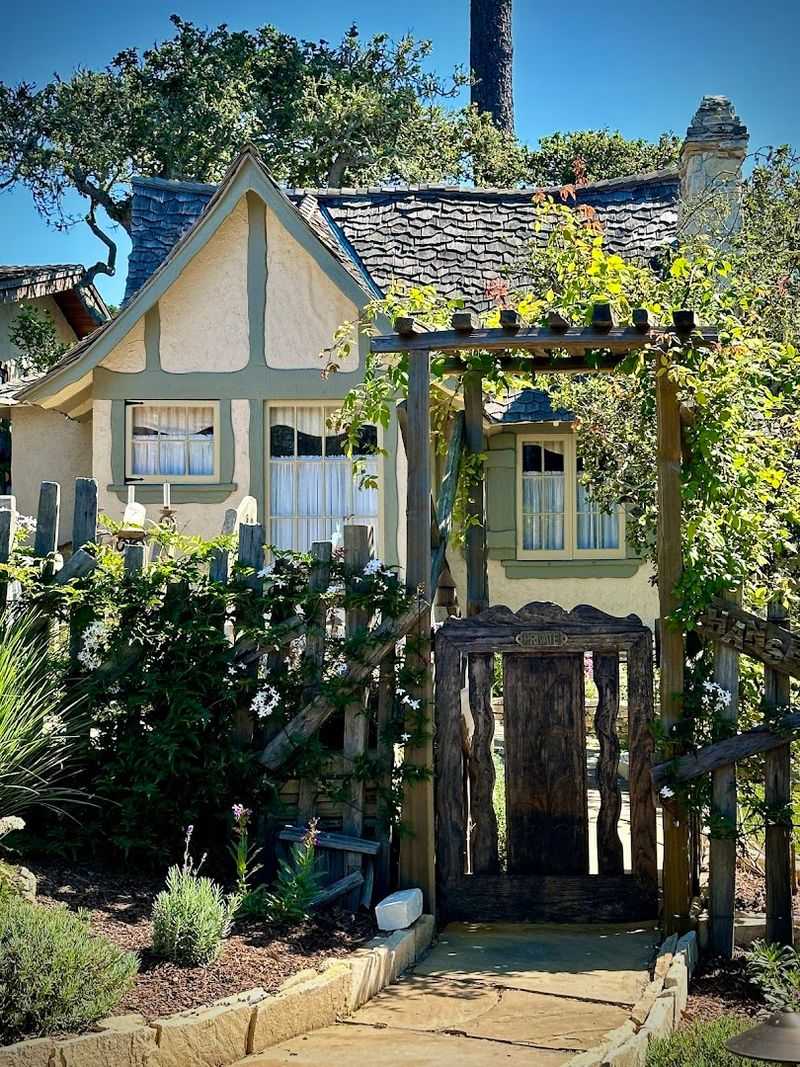
Walking through Carmel-by-the-Sea feels like flipping through the pages of a very well-decorated picture book. The cottages here are not just cute.
They are aggressively adorable, with names like “Hansel,” “Comstock,” “Tuck Box,” and “Periwinkle” carved into wooden signs hanging by the front gates.
These names serve a real purpose beyond charm. Since there were no street numbers for most of the town’s history, the cottage names were how people communicated locations.
Telling someone to meet you at “Hansel” was completely normal and totally functional. It also happened to be wildly romantic, which suits this town perfectly.
Many of these cottages were designed in the English Tudor and Hansel-and-Gretel style, featuring thatched-looking roofs, curved doorways, and irregular stonework.
The architect Hugh Comstock is largely credited with setting this visual tone in the 1920s. His designs were so beloved that they inspired an entire aesthetic movement in Carmel’s architecture.
Today, these cottages are some of the most photographed homes in California. People travel specifically to wander the streets and spot as many named cottages as possible.
It is basically a treasure hunt with better scenery than most.
Whether you are a real estate enthusiast or just someone who appreciates a good door, Carmel’s named cottages will absolutely stop you in your tracks.
Where The Sand Is Actually White
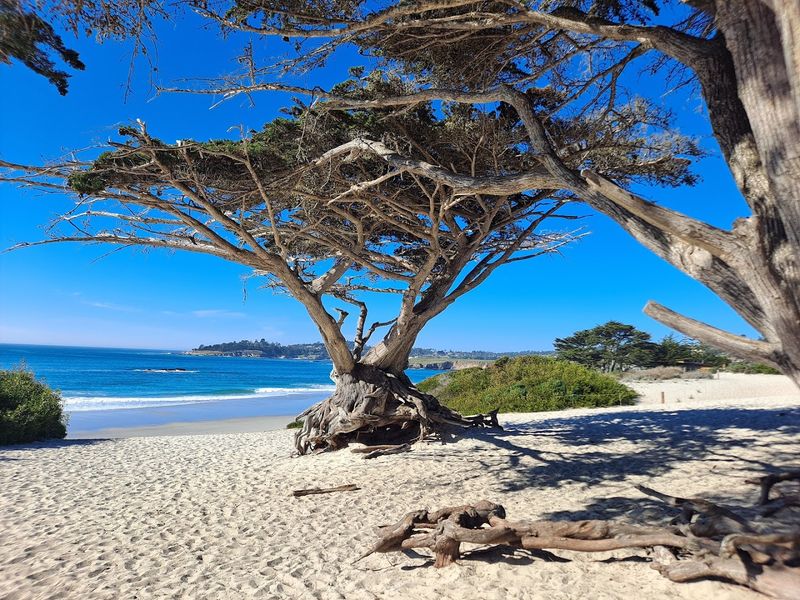
Not all California beaches are created equal, and Carmel Beach makes sure you know it the moment you step onto the sand. The sand here is genuinely white, almost powdery, which is a rare thing on the California coastline.
Paired with the deep blue of the Pacific and the wind-sculpted Monterey cypress trees framing the shore, the whole scene looks almost too beautiful to be real.
Carmel Beach sits at the foot of Ocean Avenue, the town’s main street, making it incredibly easy to reach on foot. You can spend a morning exploring the village and then walk straight down to the water without needing a car or a complicated plan.
The beach stretches about a mile, offering plenty of space to spread out and enjoy the scenery.
The water temperature is cool, which keeps the crowds manageable even during summer. This is not a party beach.
It is a contemplative, awe-inspiring stretch of coastline where people come to breathe deeply and remember that the world is genuinely beautiful. Sunsets here are legendary, painting the sky in shades of orange and pink that feel almost theatrical.
Carmel Beach consistently ranks among the most scenic beaches in the entire country. Whether you are watching waves crash against the rocks or simply sitting quietly with the sound of the ocean, this beach delivers a peace that is hard to find anywhere else on the California coast.
The Most Charming Main Street In California
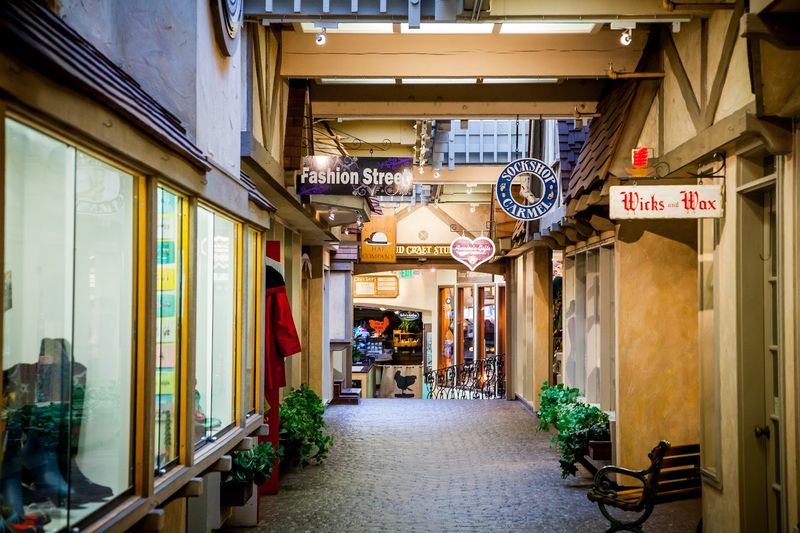
Ocean Avenue is the kind of main street that makes you want to slow down and actually look around. Running from the center of town straight down to the beach, it is lined with independent boutiques, art galleries, wine tasting rooms, and some of the most charming restaurant facades you will ever photograph.
Every building feels intentional, like someone cared deeply about what it looked like from the street.
The trees arching over the avenue give it a canopy effect that feels both romantic and cinematic.
On a foggy morning, walking down Ocean Avenue feels like stepping into a European village that somehow ended up on the California coast. The fog rolls in off the Pacific and softens everything, making even a quick coffee run feel atmospheric.
Shopping here leans heavily toward the artisanal and the unique. You will find handmade jewelry, local art, imported ceramics, and specialty food shops that carry things you simply cannot find at a regular grocery store.
The avenue rewards slow walkers and curious browsers far more than anyone in a hurry.
Carmel has long been an arts-forward community, and Ocean Avenue reflects that identity beautifully. Galleries showcase works by both local and internationally recognized artists.
The whole street functions as an open-air cultural experience, which is exactly the kind of thing that makes Carmel-by-the-Sea feel less like a tourist destination and more like a living, breathing work of art.
Nature’s Greatest Showpiece
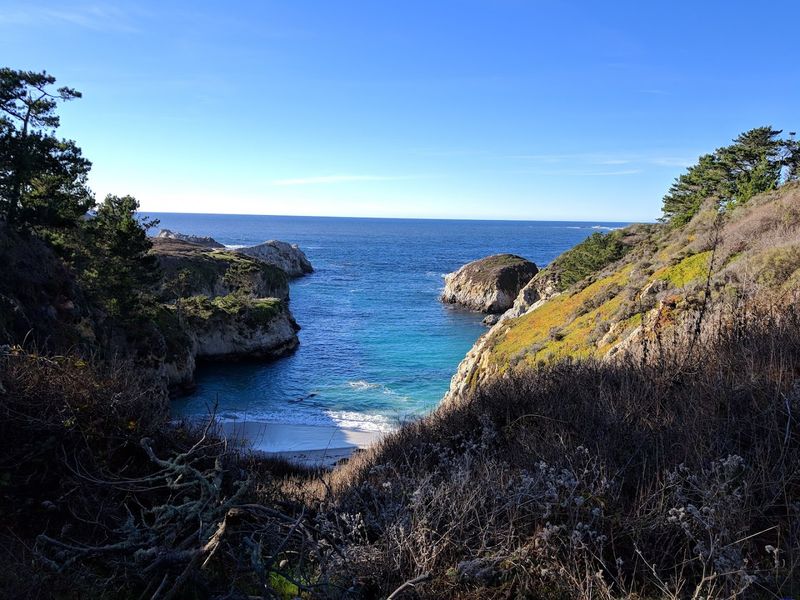
Just south of Carmel-by-the-Sea sits one of the most spectacular natural spaces in the entire state of California. Point Lobos State Natural Reserve is a rugged, dramatic stretch of coastline where the Pacific crashes against ancient rocks with tremendous force.
Wildlife is everywhere here, from harbor seals lounging on sun-warmed rocks to sea otters floating lazily in the kelp forests below.
The reserve earned the nickname “the greatest meeting of land and water in the world” from landscape artist Francis McComas, and that description still holds up completely.
Hiking trails wind through wind-bent cypress groves and along clifftops with views so stunning they feel almost unfair. The Allen Memorial Grove contains one of only two remaining natural stands of Monterey cypress trees on Earth.
Tidepooling is a major draw here, with pools teeming with sea stars, anemones, and hermit crabs. The underwater visibility in the coves is exceptional, making Point Lobos a beloved spot for snorkeling and scuba diving.
The kelp forests just offshore are considered among the most biodiverse marine environments in California.
Reservations are strongly recommended since the reserve limits daily visitors to protect the ecosystem. Getting a spot feels like winning a small lottery, but the payoff is absolutely worth the planning.
Point Lobos is the kind of place that recalibrates your sense of what wild and beautiful actually mean, and it stays with you long after you leave.
Where A Poet Built His Own Stone Castle
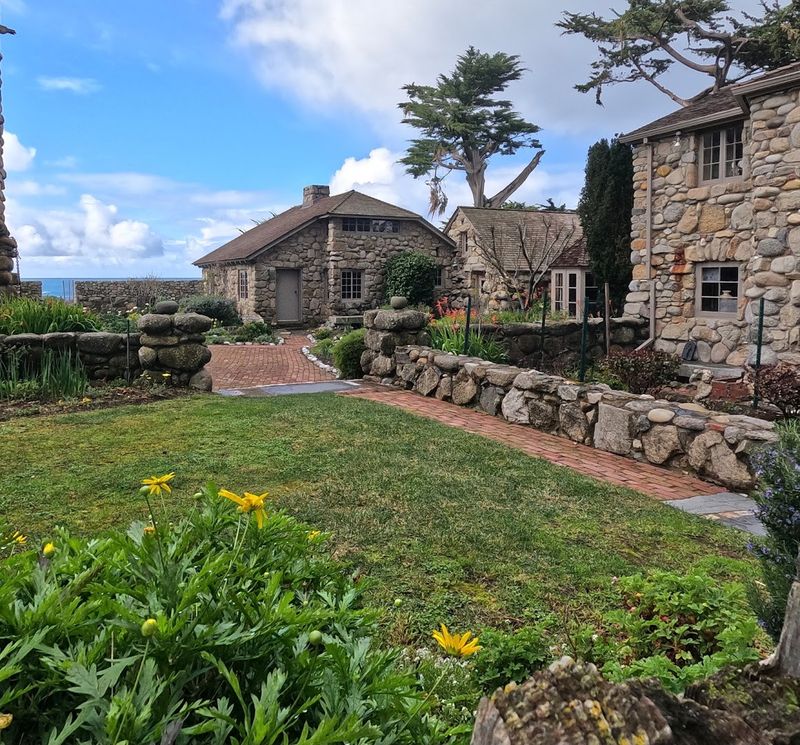
Robinson Jeffers was a poet who decided that renting was not for him, so he built his own stone cottage and tower by hand on a rocky promontory overlooking the Pacific.
That is the kind of commitment to a creative vision that deserves serious respect. Tor House, completed in 1919, stands today as one of the most extraordinary literary landmarks in the country.
Jeffers hauled granite boulders up from the beach below to construct both the cottage and the adjacent Hawk Tower, a four-story stone structure he built as a retreat for his family.
The tower contains a hidden staircase and a secret room, which honestly sounds like the beginning of an excellent mystery novel. Jeffers embedded stones from famous sites around the world into the walls, including pieces from the Great Wall of China and the Tower of London.
Guided tours of Tor House run on select days and offer a remarkably intimate look at how Jeffers lived, wrote, and thought.
His poetry celebrated the wild California coast with an intensity that still resonates today. Standing in his writing space, looking out at the same ocean he described in verse, creates a connection to the creative process that is genuinely moving.
Tor House is a reminder that Carmel-by-the-Sea has always attracted people who do things their own way. Jeffers built something extraordinary with his hands, and the town has always been a place where that kind of vision is not just tolerated but celebrated.
The Heartbeat Of The Community
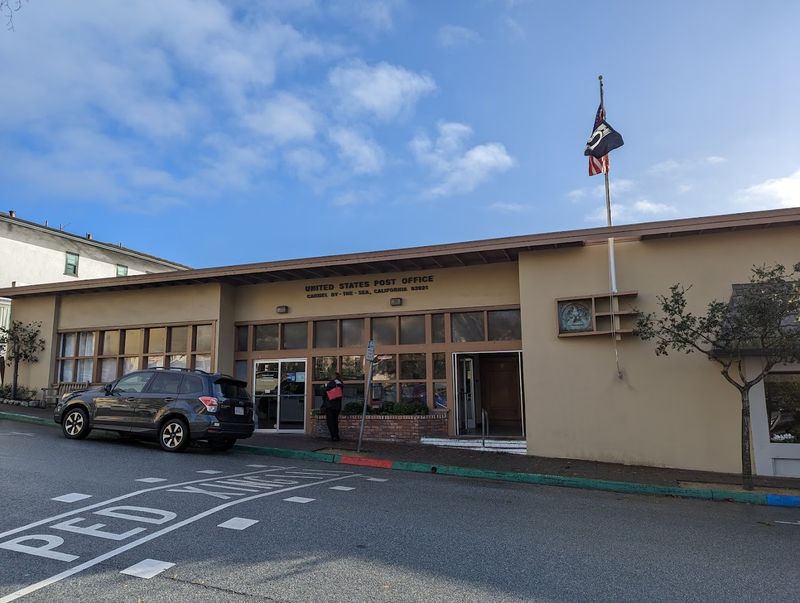
In most towns, the post office is just a place you visit when you need to mail something heavy. In Carmel-by-the-Sea, the post office has historically been the social center of the entire community.
Because homes here never had mailboxes, everyone picked up their mail in person at the central post office. That single logistical quirk turned a mundane errand into a daily social ritual.
The post office on Fifth Avenue is the only building in Carmel that has always had a formal address. Everything else navigated by cottage names and colorful descriptions.
This arrangement meant that running to get your mail was also an opportunity to run into your neighbors, share news, and feel connected to the people around you in a genuinely organic way.
Even as the town moves toward formal street addresses in the wake of the 2024 city council decision, the centralized mail pickup system is expected to remain in place for residents. The post office is simply too woven into the fabric of daily life here to disappear.
It represents something important about what Carmel values: real human connection over digital convenience.
There is something quietly radical about a town that built its entire social structure around a post office.
In an era when most communication happens through screens, Carmel-by-the-Sea has spent over a century proving that showing up in person, even just to grab your mail, makes a community stronger. Is that not exactly the kind of place we all secretly wish we lived in?