
This Famous Maine Scenic Drive Is Closing For Winter Soon, And November Is Your Last Chance
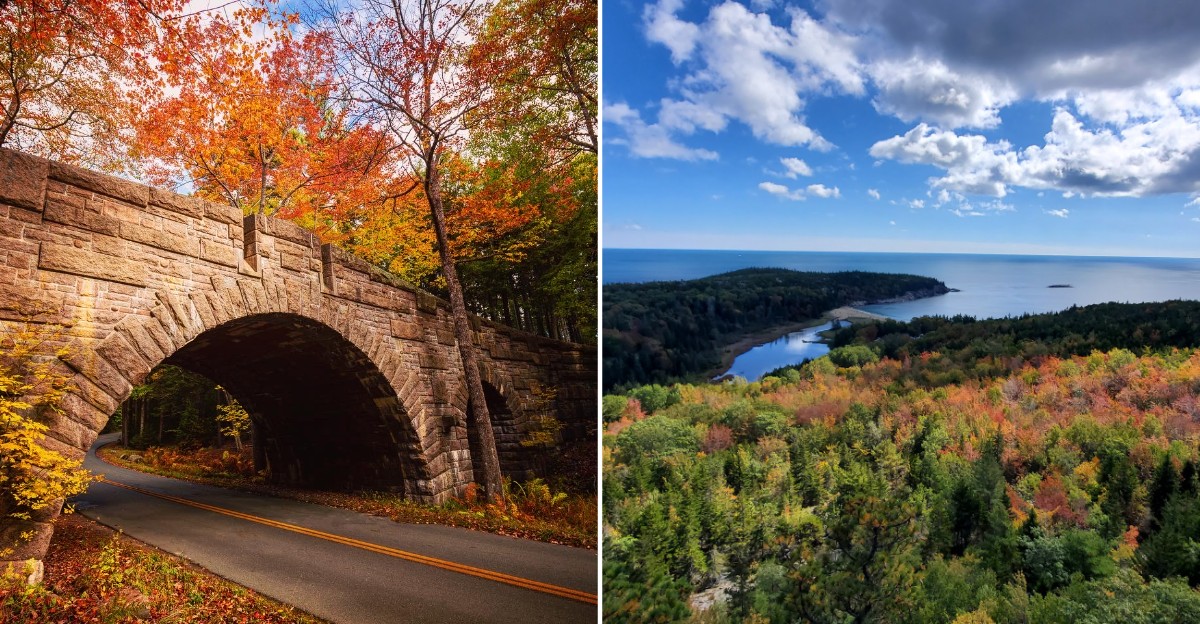
Thirty-six years. That’s how long it took to finish one 27-mile road, and the Civilian Conservation Corps did much of the heavy lifting.
The result winds past granite peaks, a saltwater beach, and a rock crevasse that booms like thunder. It even climbs toward the highest point on the eastern seaboard.
I believe few drives in Maine pack this much scenery into one afternoon. The catch? Gates close to cars on December 1 and stay shut until mid-April.
Weather can even close things earlier, so waiting around is a gamble. I like how November thins out the summer traffic while the views stay just as bold. The ocean still crashes, and the mountains still glow.
So why not grab one last spin before winter takes the keys?
The Clock Is Ticking On This Legendary Drive
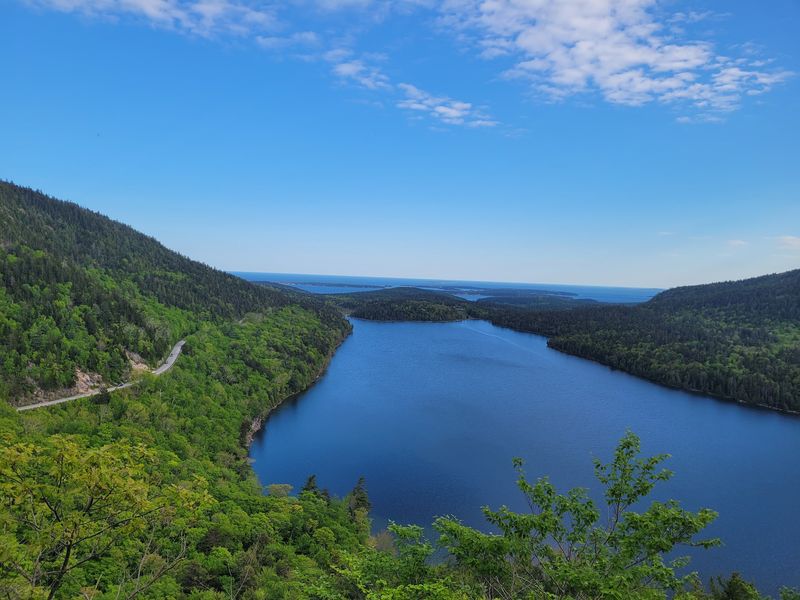
December 1 is the date to circle in red. That’s when most of Park Loop Road in Acadia National Park closes to vehicles for the winter.
The gates stay shut until April 14. That’s more than four months without a car on most of this famous route.
The closure includes the road up Cadillac Mountain. Weather can also force an earlier shutdown, so a snowy week might end your plans early.
November gives you one final window to cruise the full loop. Think of it as the last call before the park tucks the main road away for the season.
A few sections stay open year-round, which is good news for winter wanderers. Still, the complete experience with all the big viewpoints only happens before December.
Plan for shorter days this time of year. Sunset comes early in Maine during November, so start your drive in the morning.
Bring layers, a full gas tank, and snacks. Many seasonal services slow down or close by now, and you’ll want supplies on hand.
Checking the park’s current road status before you leave is smart. Conditions change quickly once colder air settles over the coast.
A Road Built Slowly On Purpose
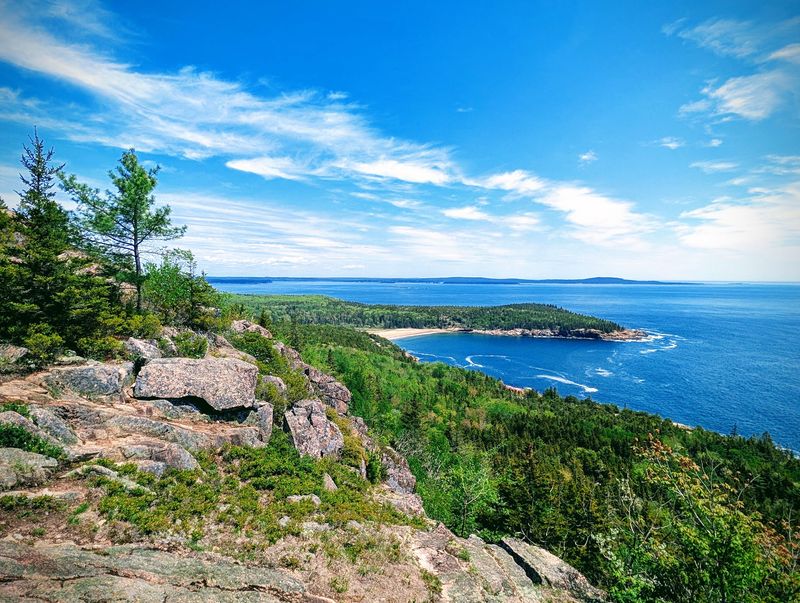
Construction started in 1922 and didn’t wrap up until 1958. Talk about patience.
Park Loop Road wasn’t rushed, and that’s exactly why it feels so thoughtful. Landscape architect Frederick Law Olmsted, Jr. helped design it to blend into the land.
His goal was simple but tricky. The road needed to show off the mountains, coast, and forests without bulldozing their beauty.
John D. Rockefeller, Jr. helped fund the project.
He’s the same man behind the park’s famous network of carriage roads.
During the Great Depression, the Civilian Conservation Corps joined in starting in 1933. Young workers provided much of the physical labor that shaped this route.
Their effort still pays off every time a driver rounds a curve and gasps. That’s a pretty great legacy for a job program.
In 2005, the road earned a spot on the National Register of Historic Places. It’s part of the Acadia National Park Multiple Property Listing.
So yes, you’re technically driving through history. Feel free to mention that to anyone in the back seat who claims they’re bored.
Start Where Every Good Loop Begins
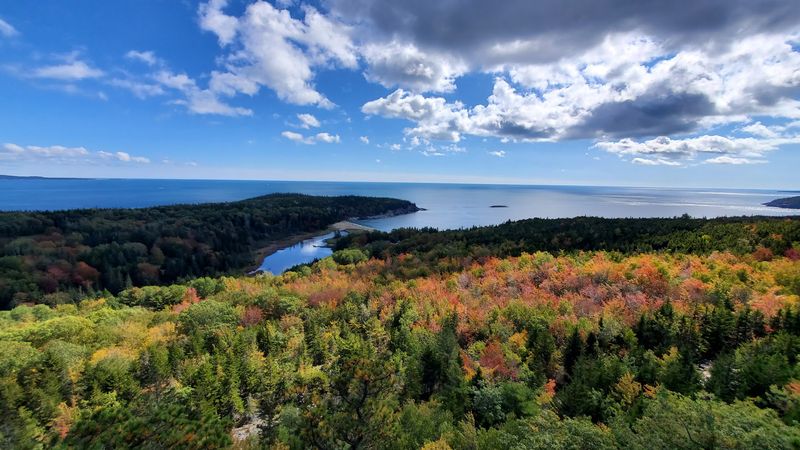
Every loop needs a starting line. Here, it’s near the Hulls Cove Visitor Center, just north of Bar Harbor on Route 3.
The full route stretches about 27 miles on Mount Desert Island. It begins and ends in that same area, which makes navigation refreshingly easy.
A big chunk of the road runs one-way. That design keeps traffic moving and lets drivers park along the shoulder in many spots.
One-way driving also means fewer head-on surprises. You can focus on the scenery instead of oncoming cars.
Most of the road requires a park entrance pass. Buy yours before you roll in, and keep it handy.
Those using GPS can aim for the visitor center area to begin. Another entrance sits off Route 233, offering a second way onto the loop.
Give yourself more time than the mileage suggests. Twenty-seven miles sounds quick, but stopping is half the fun.
Plenty of pull-offs and parking areas line the route. Each one practically begs you to hop out and stretch your legs.
Honestly, rushing this road would be like speed-reading a great novel. Technically possible, but why?
Head Up High Before The Summit Road Shuts
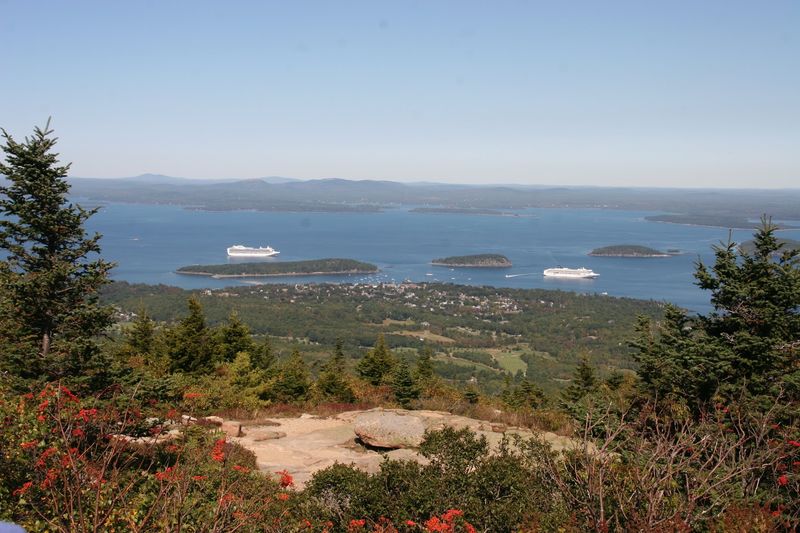
At 1,530 feet, Cadillac Mountain claims the title of highest point on the eastern seaboard of the United States. Not bad for a Maine island peak.
A side road off Park Loop Road leads up to the summit. It’s one of the most famous detours in the entire park.
Here’s the timing wrinkle. Vehicle reservations for the Cadillac Summit Road end in late October, with October 25 marking the cutoff for 2026.
The summit road also closes for the season. Check its current status before counting on that drive in November.
Even if the summit is off-limits by then, the mountain still dominates the scenery. Its granite shoulders appear from many points along the loop.
Planning a trip next year? Book that reservation early, since it’s required during the busy season.
The views from up top stretch across islands and open water. On clear days, the panorama feels almost too big to fit in a camera.
Consider this section a reminder to plan smart. Some Acadia highlights close earlier than the main loop, so timing matters.
Thunder Hole Lives Up To Its Name
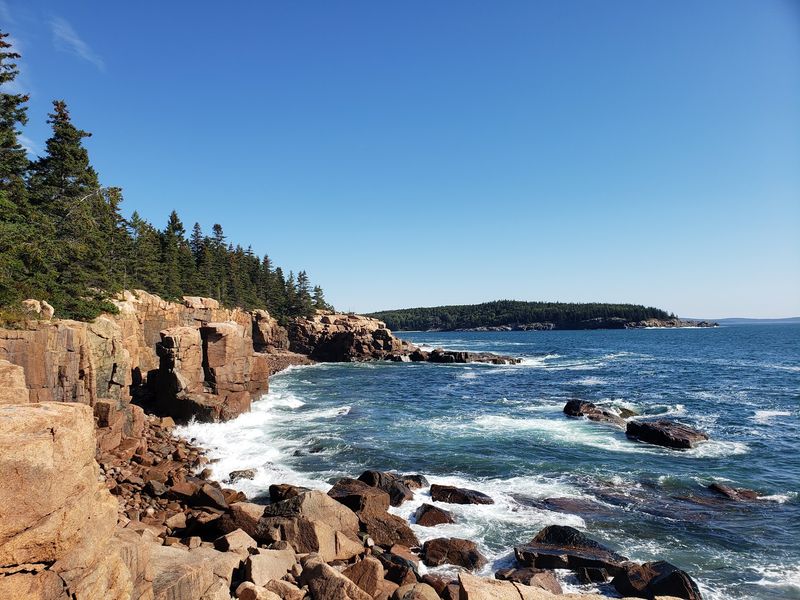
Boom. That’s the sound waves make when they slam into Thunder Hole, a natural crevasse along the coast.
Water rushes into the narrow rock channel and creates a thunderous roar. When conditions line up, it’s one of the loudest stops in the park.
Timing makes all the difference. The show tends to be best around high tide, so checking a tide chart is a smart move.
Calm seas can leave it quieter than expected. Rougher water usually brings the drama.
Good news for late-season travelers comes with this stop. The area around Thunder Hole sits on a section of road that stays open year-round.
That stretch is a one-mile segment south of Sand Beach. You can reach it by way of Schooner Head Road.
So even after December 1, this coastal showstopper remains reachable by car. Few parts of the loop can say that.
Keep a safe distance from wet rocks and crashing waves. The ocean here is powerful and deserves real respect.
Stand back, listen closely, and wait for the next big wave. Nature handles the sound effects for free.
A Beach Made Of Sand In Rocky Maine
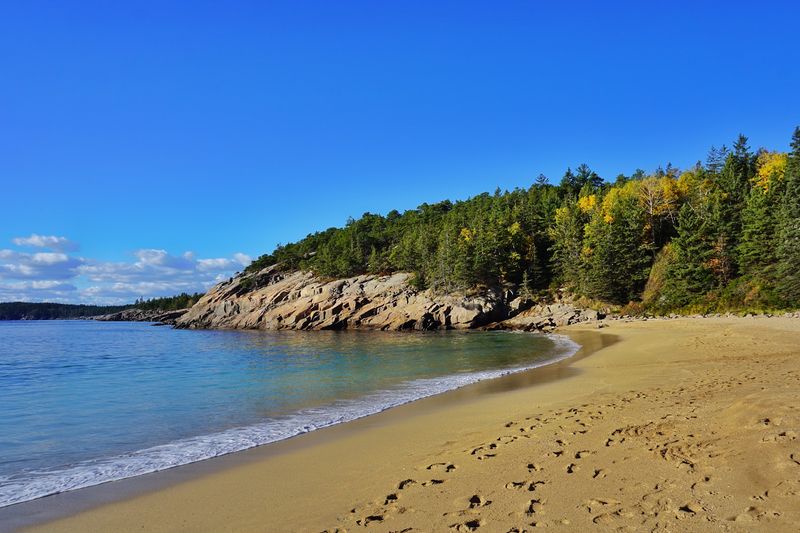
Sand on the rugged coast of Maine? Surprisingly, yes, and that’s what makes this stop so special.
Sand Beach is a rare saltwater swimming beach along Park Loop Road in Acadia National Park. Most of the shoreline here is rocky, so a stretch of soft sand stands out.
Swimming in November is not recommended unless you enjoy losing feeling in your toes. The Atlantic gets bitterly cold this late in the year.
Walking the beach is a different story. Cool weather makes for a fresh stroll with crashing waves and dramatic cliffs nearby.
The Beehive rises close to this part of the loop. Its steep face is one of the most recognizable sights in the area.
Bring a warm hat and sturdy shoes. Coastal wind can feel much sharper than the forecast suggests.
Photographers love this spot for good reason. The curve of the shore and the surrounding granite make an easy frame.
A quieter season means more breathing room on the sand. That alone might be worth the chilly fingers.
Cliffs That Steal The Spotlight
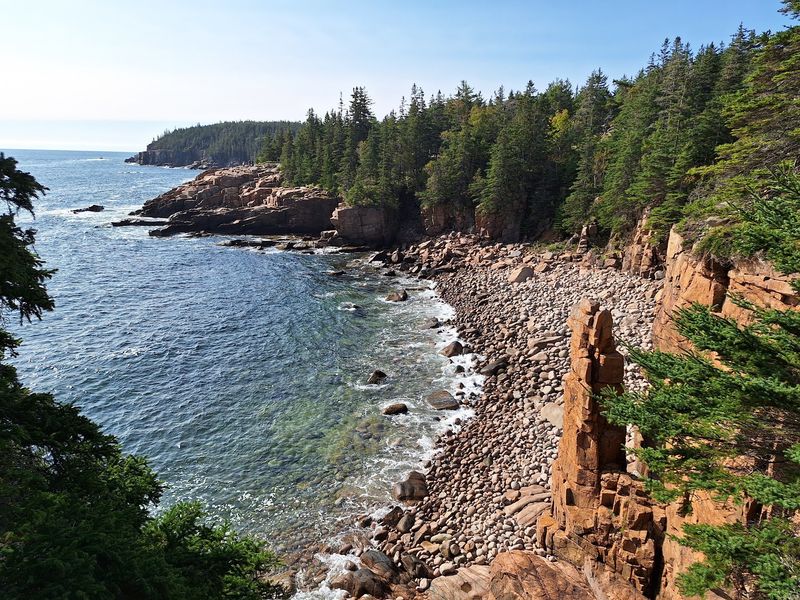
Granite meets the Atlantic in a big way at Otter Cliffs. The rock rises sharply above crashing water, and the effect is pure drama.
Otter Point and the nearby overlooks give drivers several places to pause. Each one offers a slightly different angle on the rugged coast.
Fun fact for the curious. Despite the name, there’s no promise of otters, so keep expectations focused on the views.
Otter Cliff Road also falls within the stretch that stays open to vehicles year-round. That makes this area a reliable winter option too.
Early risers have one more reason to visit. Otter Point works well as a sunrise spot, especially when Cadillac Mountain isn’t available.
Bundling up is essential this time of year. Morning air off the ocean can bite through a light jacket fast.
The cliffs look different with every shift in light. Gray skies make them moody, while sunshine turns the rock warm and golden.
Bring a thermos of something hot and claim a good viewpoint. Then let the waves do all the talking.
Pond Views You Will Want To Linger Over
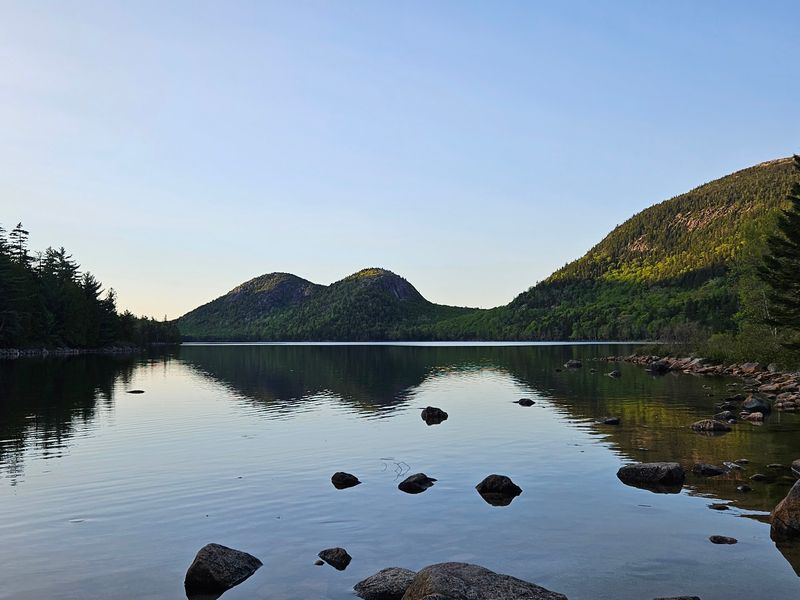
Glaciers carved Jordan Pond, and the result looks almost too tidy to be real. Calm water reflects the surrounding mountains on still days.
The historic Jordan Pond House sits nearby at 2928 Park Loop Rd, Mount Desert, Maine. It’s one of the best-known stops along Park Loop Road.
Hungry travelers should know the timing. The restaurant and its famous popover service typically close by late October or early November.
So November visitors may miss out on those popovers. The pond itself, thankfully, never closes for snacks.
Access stays possible even in winter. The Seal Harbor section of the road leading to the Jordan Pond House parking lot remains open year-round.
That makes this a handy spot for cold-weather walks. Just dress for the conditions and watch for icy patches.
Other water views line the loop too. Bubble Pond and Eagle Lake add even more glassy scenery to the route.
A few quiet minutes here can reset a whole day. Few roadside stops feel this peaceful.
Missed November? Winter Has A Backup Plan
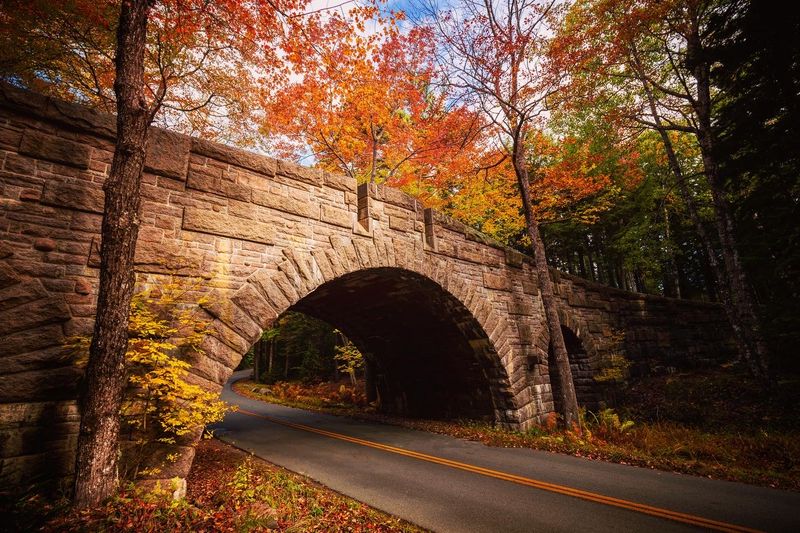
Cars may get the boot in winter, but people don’t. The unplowed sections of the road stay open to pedestrians, cyclists, and cross-country skiers.
That turns Park Loop Road in Acadia National Park into a snowy trail. It’s a totally different way to see the same famous scenery.
Gliding on skis past frosted trees sounds pretty dreamy. Walking works too, as long as you’re prepared for cold and slick footing.
Unpaved park roads usually close from mid-November through mid-May. Plan around those dates if you like backroad exploring.
The free Island Explorer shuttle normally runs from mid-June to mid-October. By November, you’ll need your own vehicle to tour the loop.
Maine winters can be fierce, so pack smart. Warm layers, water, and good boots belong on every winter outing.
Spring brings the gates back open on April 15, weather permitting. Then the full loop returns for another season of road trips.
Still, November remains the sweet spot for drivers. Catch it now, and you’ll beat winter to the finish line.