
This Father’s Day Weekend Car Show Fills An 80-Acre Historic Michigan Village
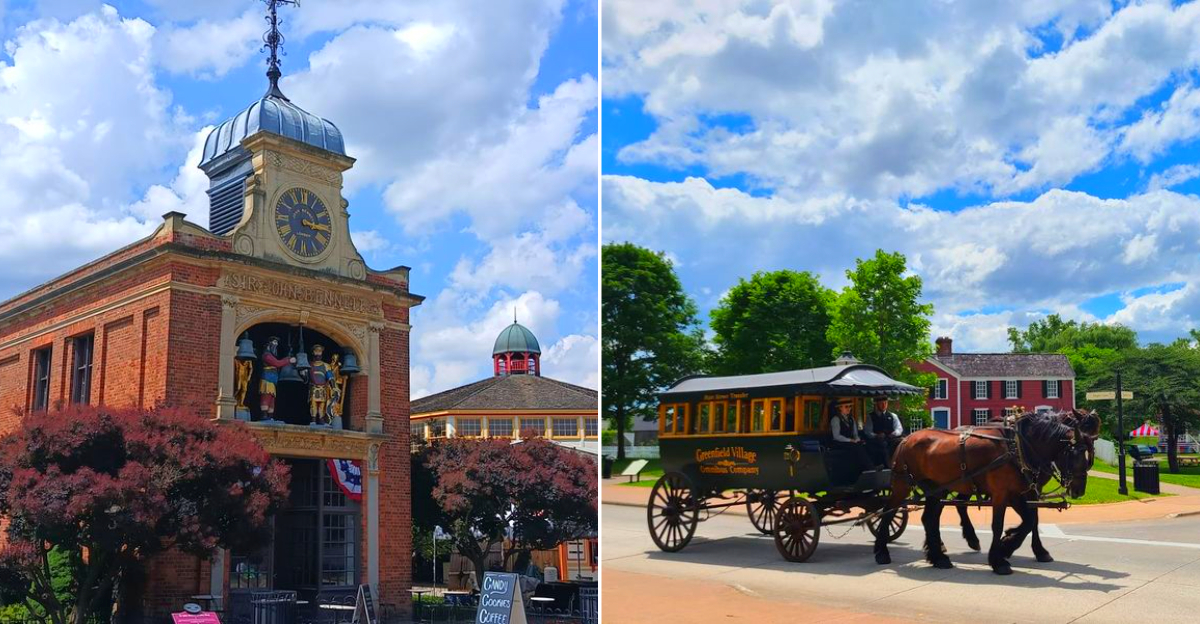
There is something about the way a vintage engine turns over that makes even the most stoic dad stop talking mid-sentence and just listen.
And if you have ever watched someone slowly circle a restored coupe with their hands behind their back like they were in a museum you understand exactly why a car show on an eighty-acre historic village is more than just a way to spend a weekend.
The cars are arranged along the same streets where Thomas Edison’s laboratory and the Wright Brothers’ cycle shop sit.
And the contrast between the century-old buildings and the chrome bumpbers and the candy-color paint jobs creates a kind of accidental time line that you do not get at any county fair or parking-lot meetup.
Owners pop the hoods and lean against fenders and talk about restoration timelines the way other people talk about their kids and every few minutes somebody fires up something that shakes the ground beneath you.
Father’s Day weekend brings a Michigan car show that turns an entire historic village into a rolling timeline of American engineering.
Go Early, Then Let The Village Set The Pace
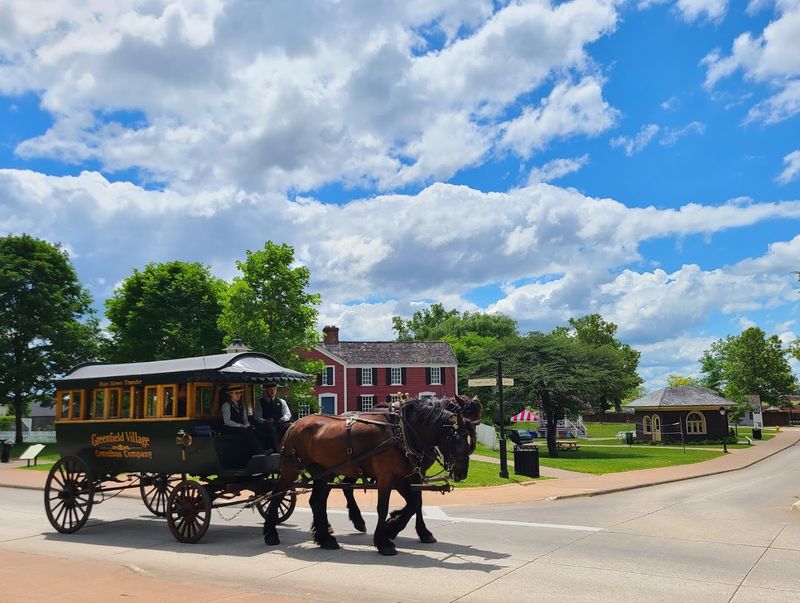
The first useful surprise is scale. Greenfield Village covers about 81 acres of outdoor exhibits, and Motor Muster is threaded through that space rather than packed into one asphalt lot.
Cars appear in rough chronological order, so the day feels more like wandering through a timeline than attending a conventional show.
That layout changes your energy. Instead of rushing from trophy car to trophy car, you settle into streetscapes, porches, lawns, and clusters of conversation.
I found it easier to notice small details, like body lines, hood ornaments, and the way certain vehicles sit naturally against period buildings.
Arriving early helps. The light is softer, the walking feels easier, and you give yourself room to explore before the busiest stretches of Father’s Day weekend.
Where Greenfield Village Starts Revving
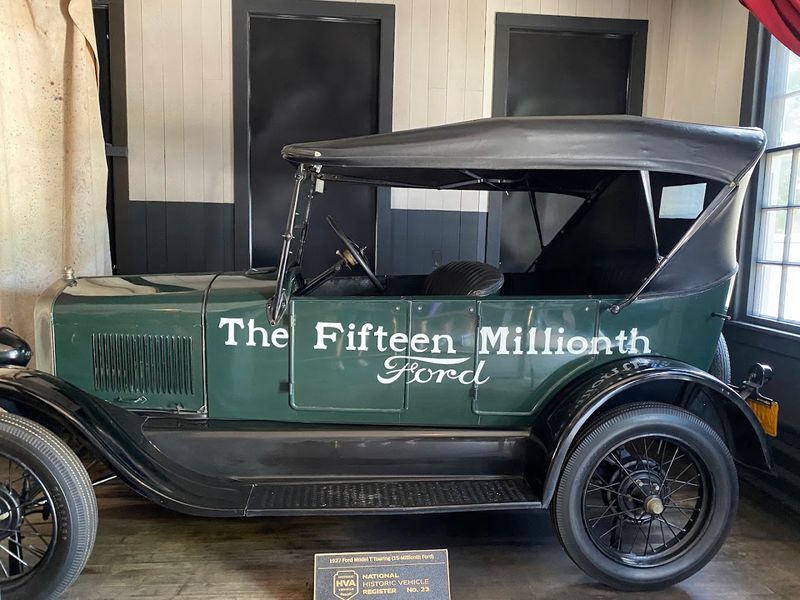
Motor Muster at Greenfield Village turns the historic streets into a rolling timeline of chrome, fins, and classic American cars on June 20 and 21, 2026.
Set your GPS for 20900 Oakwood Blvd, Dearborn, Michigan 48124, then follow the signs toward Greenfield Village and its main visitor parking area.
Arrive before the gates open at 9:30 a.m. so you can park, enter, and catch the vehicles before the biggest crowds arrive. Saturday continues until 9 p.m., while Sunday wraps up at 5 p.m.
Stay For Saturday Evening If You Can
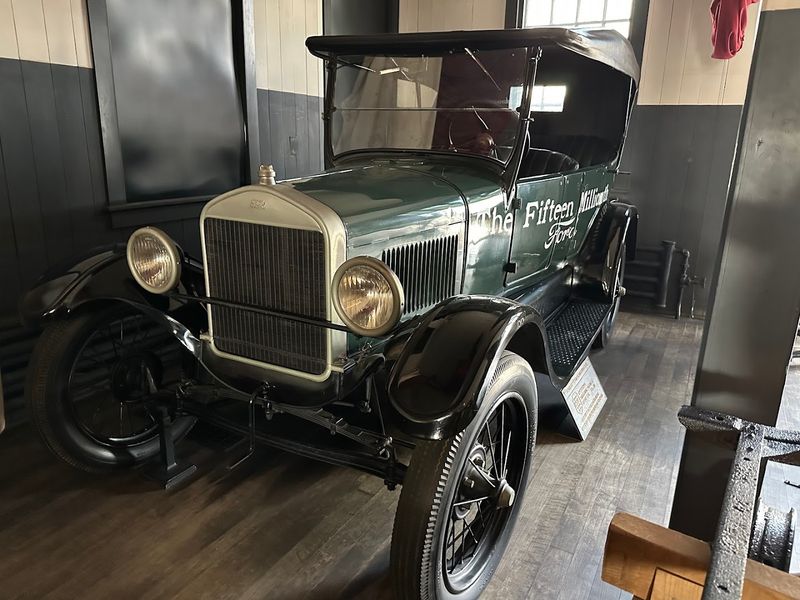
Late afternoon changes the whole event. On Saturday, June 20, 2026, Motor Muster runs until 9 p.m., and those extra hours make the village feel less like a daytime museum visit and more like a summer gathering with unusually good taste in machinery.
Light settles into the paintwork differently then. Windshields glow, rounded fenders soften, and the streets feel calmer even when the crowd is steady.
Historic buildings that seem educational at noon become quietly atmospheric by evening, which suits the cars beautifully.
If your schedule allows only one day, I would choose Saturday. You get more time, a more dramatic visual mood, and a better chance to catch the live music, presentations, and vehicle activity without feeling hurried.
Listen As Carefully As You Look
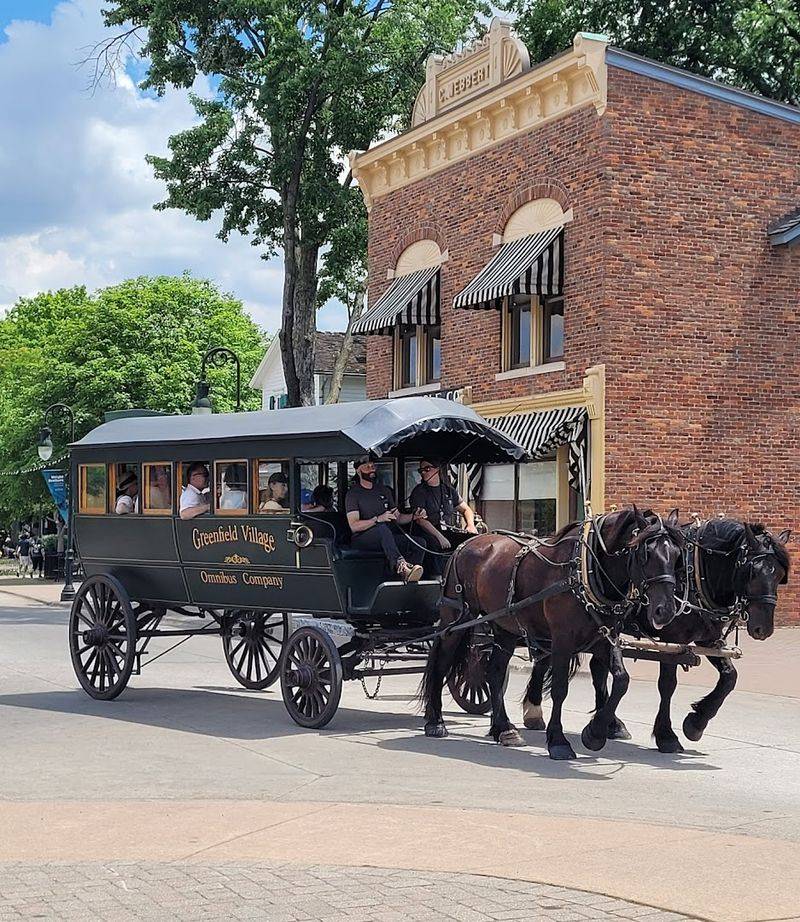
The soundscape is part of the experience, and it is not always polite. At Motor Muster, you may encounter exhaust fumes, car horns, crowds, and the mechanical clatter that comes with historic vehicles doing more than posing.
That can be a sensory thrill or a lot, depending on your mood.
What makes it worthwhile is variety. Live music, historical presentations, and pass-in-review parades keep the event from flattening into static display rows.
A vehicle that seems merely handsome while parked often becomes memorable once it starts, rolls forward, and announces itself.
Plan around your own tolerance. If you want gentler stretches, linger on side streets between active areas, then dip back in when you are ready for sound and motion again.
Use The Historic Setting To Read The Cars Differently
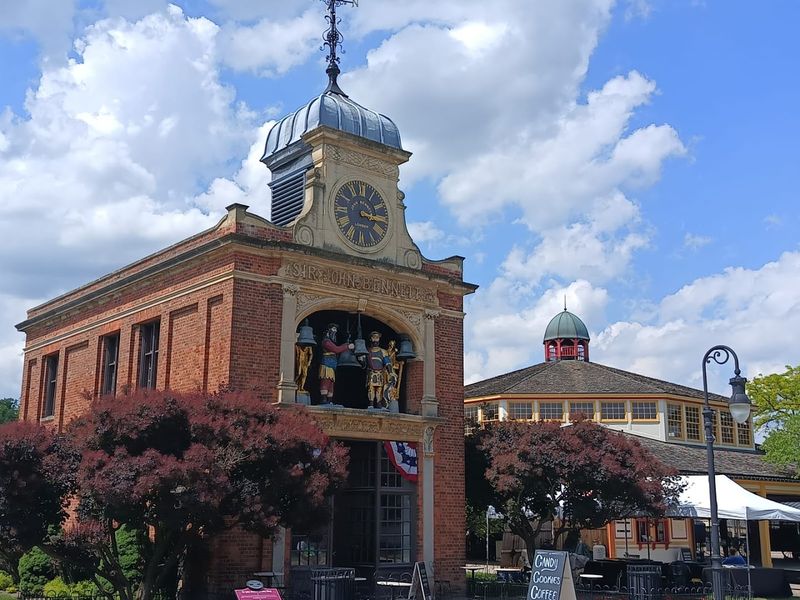
One reason this show lingers in memory is architectural context. Greenfield Village is not a blank venue but an open-air history museum with more than one hundred original buildings across the grounds.
That means every car is seen against streets, fences, workshops, and houses that add useful visual friction.
A truck can look workmanlike instead of cute. A family sedan can seem newly ambitious.
Motorcycles and bicycles, often sidelined elsewhere, make more sense here because the setting reminds you that transportation history was never just one story.
I liked pausing at the edges of display areas and looking past the vehicle into the built environment. It helps you notice proportion, purpose, and social class in ways a parking-lot show rarely does.
Expect More Than Cars, But Keep Your Focus
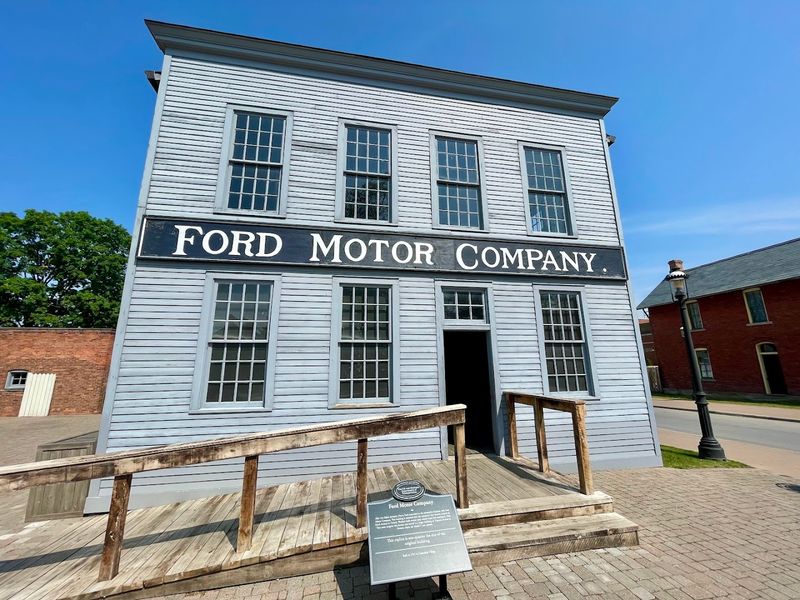
Motor Muster includes hundreds of historic vehicles, but the category is broader than many people expect. You will see cars, trucks, military vehicles, motorcycles, and bicycles, generally spanning the 1930s through the 1970s and arranged in rough chronological order.
That range gives the event depth without turning it into chaos.
The temptation is to photograph everything. Resist that a little.
If you move too quickly, the day becomes one long blur of grilles and glossy reflections. Pick a decade, body style, or design detail to follow for a while, and the show becomes much more legible.
That method helped me notice how quickly taste, technology, and everyday practicality shifted across a few short decades of American transportation.
Plan Your Walking With Honesty
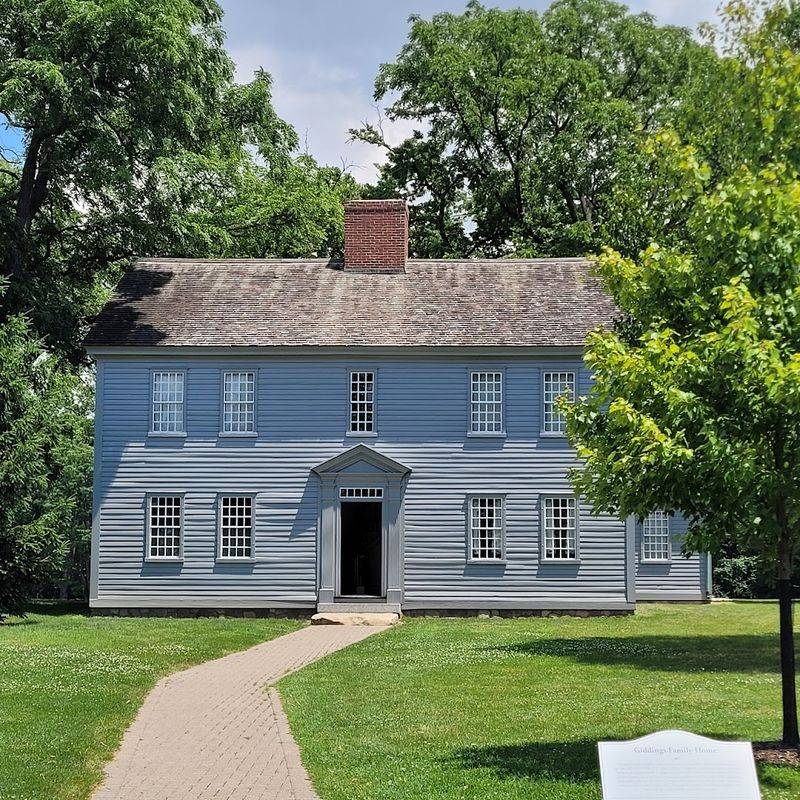
The village is large enough that cheerful optimism is not a transportation plan. Between the size of the grounds, uneven terrain in places, and the extra concentration that comes from looking closely at vehicles, Motor Muster can be tiring sooner than expected.
Greenfield Village does offer practical help. A drop-off and pick-up area for guests with mobility limitations is in front of the ticket building, and wheelchairs and motorized scooters are available to rent on a first-come, first-served basis for $4 and $25 per day.
Wagons for children are available for $5 per day. If you are visiting with someone who paces differently, make that decision early. The day is much more enjoyable when comfort is handled before fatigue starts bargaining with your mood.
Build In Time For The Human Element
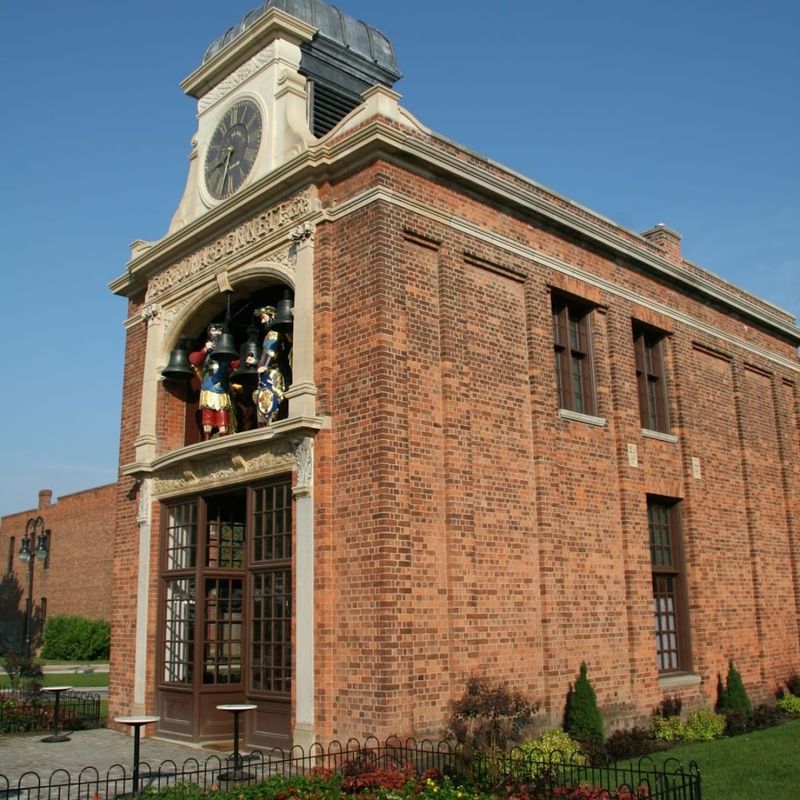
The event works because it is not just a lineup of polished objects. Motor Muster includes historical vignettes and presentations that place vehicles back into everyday life, which is exactly where they belong.
A car show can become oddly abstract without that human scale.
Here, a period street, a presenter, and a few well-chosen details can suddenly make a sedan feel domestic, a truck feel laborious, or a military vehicle feel more complicated than its silhouette suggests. The interpretive layer is subtle, but it keeps the day intellectually awake.
I would not over-schedule yourself. Leave a little blank time between must-see areas so you can stop when a talk begins or when an ordinary-looking display reveals a better story than the flashy one beside it.
Know The Ticket Logic Before You Arrive
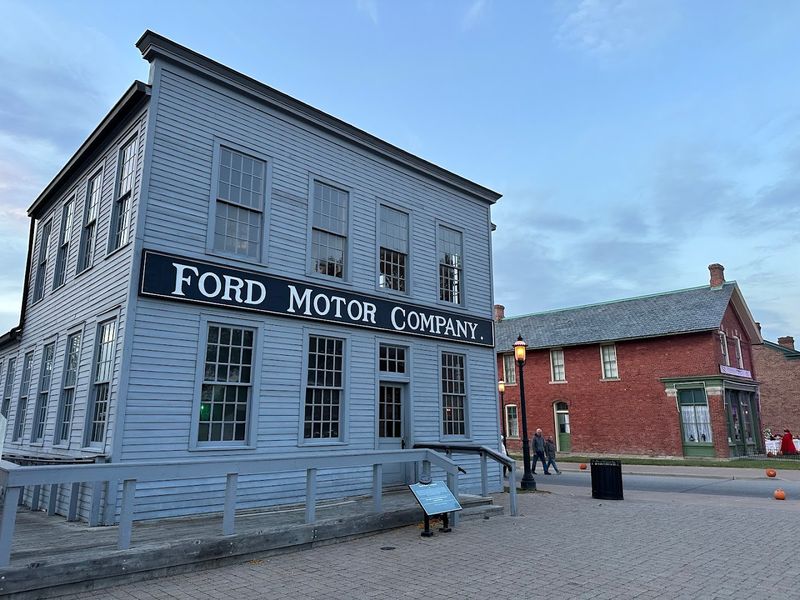
Motor Muster is pleasantly straightforward on admission, but it helps to know the structure in advance. The event is free for members of The Henry Ford or included with regular Greenfield Village admission.
Hagerty Drivers Club members receive a 10 percent discount on Greenfield Village admission.
That means you are not usually buying a separate specialty event ticket just to see the cars. For a travel planner, that matters because it makes the weekend feel easier to fold into a larger visit in Dearborn, especially if you are already considering time on the broader campus.
Check the current hours before leaving anyway. Regular village hours are 9:30 a.m. to 5 p.m., but Motor Muster’s Saturday schedule extends later, which changes how you budget the day.
Use Picnic Food As A Pacing Tool, Not An Afterthought
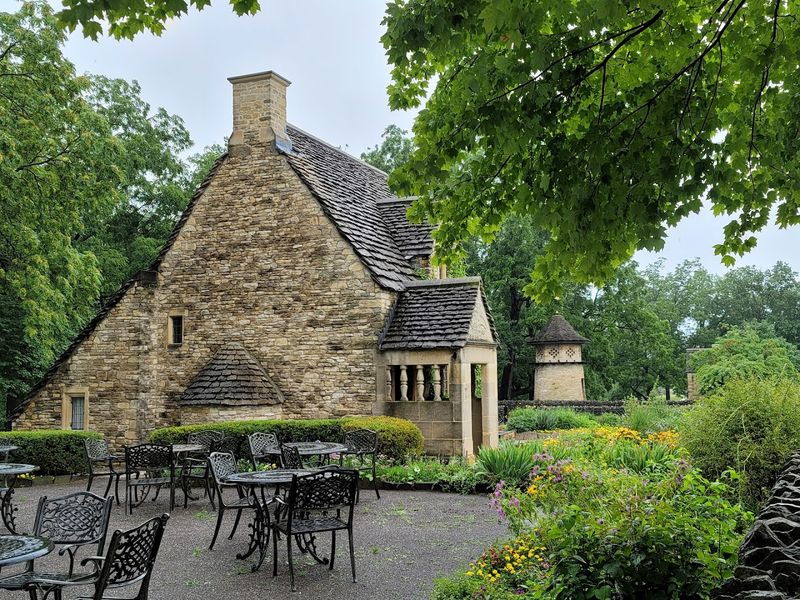
Food can be a strategic choice here. Favorite Greenfield Village picnic food is available for purchase during Motor Muster, and that suits the event better than anything overly formal would.
You are in a sprawling outdoor setting, not a sealed convention hall, so eating lightly and moving on feels right.
A small break does more than refill energy. It resets your attention.
After an hour or two of looking carefully, your eye can go dull, and even excellent vehicles start blending together. A shaded pause helps restore curiosity, especially if you are staying into Saturday evening.
I like to eat before the busiest stretch of midday. That leaves the afternoon freer for slower wandering, better photos, and those serendipitous moments when a parade or presentation starts just as you turn a corner.
Remember That This Is A Village First, Car Show Second
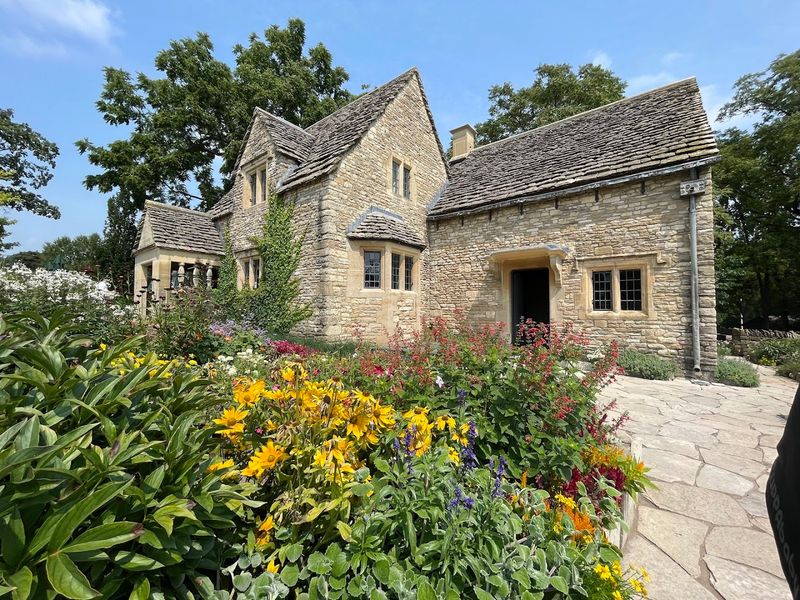
The smartest way to enjoy Motor Muster is to stop expecting a standard fairground show. Yes, the vehicles are the draw, and there are hundreds of them, but the setting keeps insisting on a broader idea: transportation as part of lived American history.
That is what makes the weekend distinctive.
Greenfield Village, at 20900 Oakwood Blvd in Dearborn, is an open-air museum before it is anything else. Roads curve, buildings interrupt sightlines, and the landscape asks you to wander rather than conquer.
Even the best displays benefit from that slower rhythm.
By the end, what stays with you is not one perfect car but the way engines, architecture, weather, and people briefly share the same frame. That is a richer souvenir than nostalgia alone.