
This Florida Bird Sanctuary Feels Like Stumbling Into A Hidden Jungle
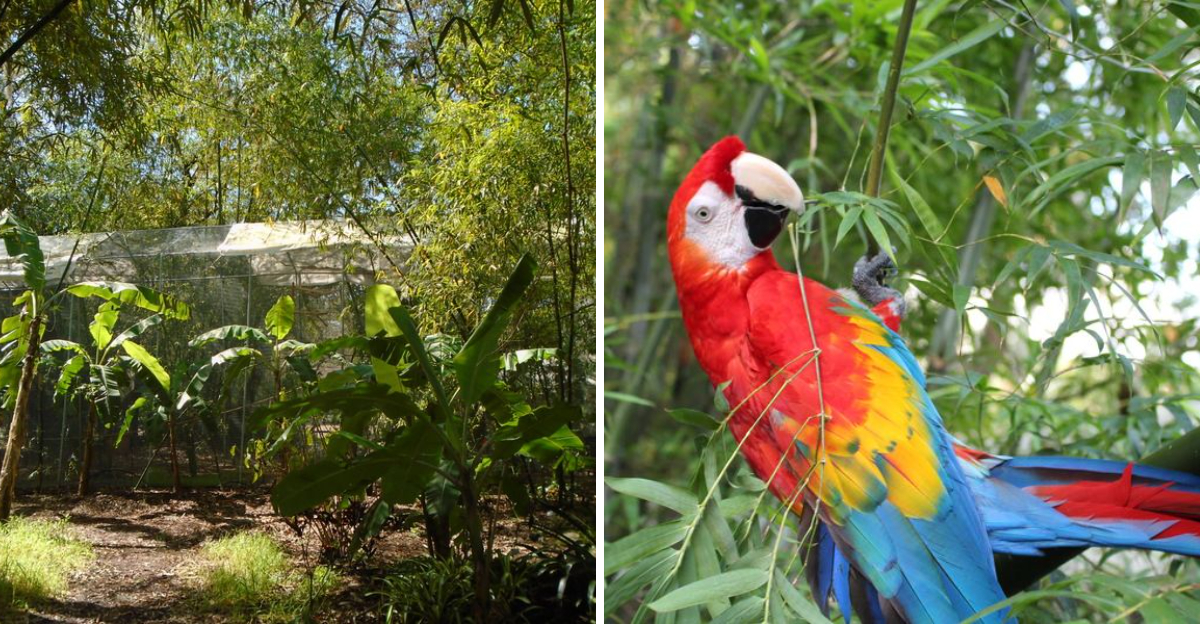
Somewhere in Florida, there is a sanctuary where rescued parrots are given far more than just a place to stay. At first glance, it might seem like a simple collection of aviaries, but stepping inside quickly reveals something much more meaningful.
This unusual refuge was created by a man known as Magic, who spent years building spaces for parrots that had been abandoned, surrendered, or simply had nowhere else to go. What began as a small effort slowly grew into a vibrant haven filled with color, sound, and personality.
Walking through the property feels like stepping into a hidden tropical world. Bright feathers flash between branches, curious parrots watch visitors from their perches, and the constant chatter of birds fills the air with energy.
Florida is already known for its remarkable wildlife, but places like this remind you that some of the most powerful conservation stories begin with one determined person and a simple idea.
And once you see the birds and hear the stories behind them, it becomes clear why visitors remember this sanctuary long after they leave.
A Living, Breathing Jungle Ecosystem
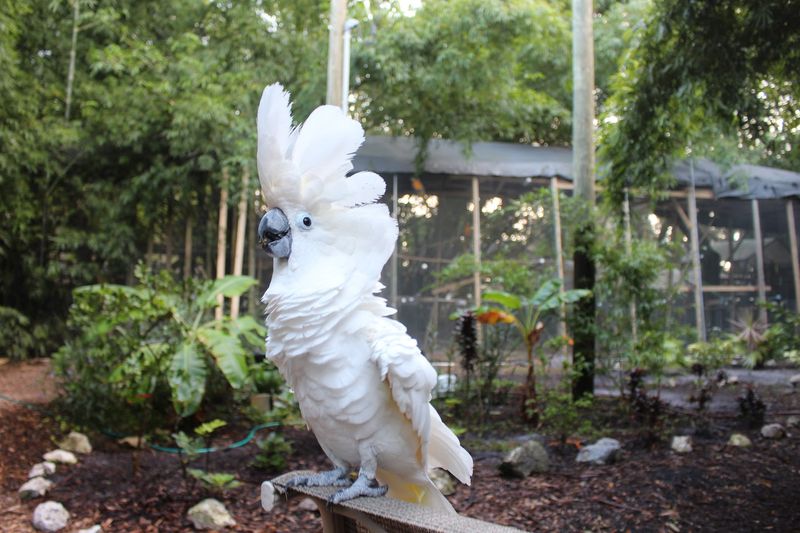
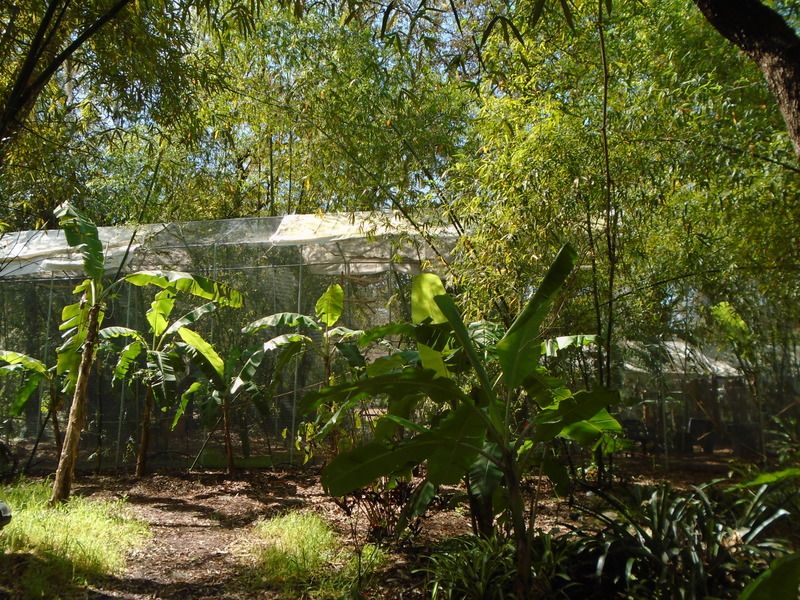
Stepping onto the grounds, I felt the air shift from suburban Florida to something wilder. Thick greenery wraps around every structure, and the canopy overhead creates pockets of shade that keep the space cool even on sweltering afternoons.
Magic designed each aviary to blend into the landscape rather than dominate it. Branches extend from trees into flight cages, creating highways for birds to move between their shelters and the natural world just beyond the wire.
Vines crawl up posts, flowers bloom near feeding stations, and the whole property hums with life that feels organic rather than manufactured.
I watched macaws glide from one perch to another, their wings barely clearing the foliage that surrounds their home. The setup mimics what these birds would experience in their native habitats, giving them space to exercise instincts that too often get suppressed in traditional captivity.
Every detail, from the placement of water dishes to the types of plants chosen, reflects a deep understanding of what parrots need to thrive.
This place doesn’t just house birds; it recreates the environment they were meant to experience. You’ll find it tucked away at 7647 Gardner Rd, Tampa, FL 33625.
Magic’s Unwavering Devotion To Every Bird
Magic runs this sanctuary solo, funding most operations out of his own pocket and pouring every waking hour into bird care. I watched him move through the property calling each parrot by name, stopping to check on individuals who needed extra attention that day.
His connection with these birds goes beyond basic caretaking; he studies their moods, remembers their histories, and adjusts their living situations based on personality quirks that only someone truly paying attention would notice.
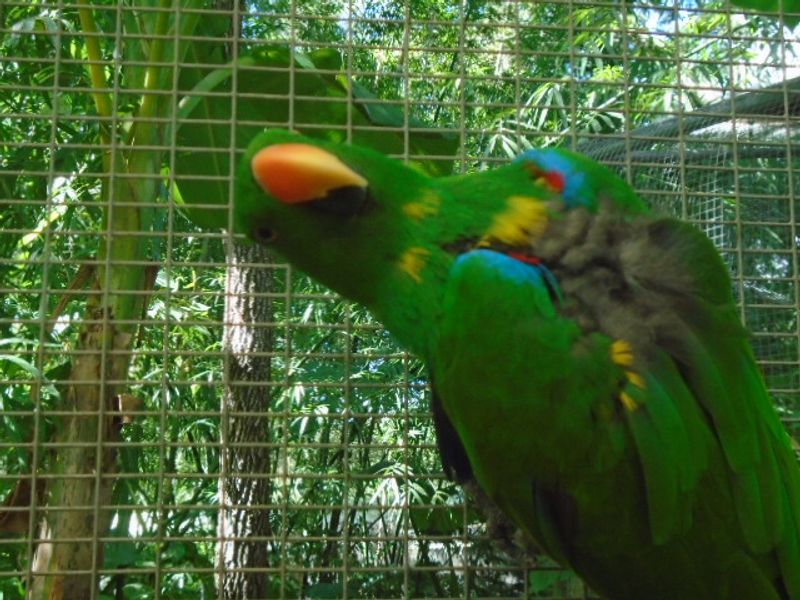
Birds flock to him the moment he opens a cage door. Cockatoos climb onto his shoulders, macaws waddle over for head scratches, and even the more reserved species lean into his touch.
This level of trust doesn’t develop overnight; it comes from consistency, patience, and genuine affection that these birds recognize and return.
He built every aviary by hand, designing spaces that accommodate different species’ needs while maximizing their comfort and safety. When Hurricane Irma destroyed a large flight cage, he rebuilt it piece by piece, never considering giving up on the birds who depended on him.
His dedication transforms what could be just another rescue facility into a true refuge where parrots receive the kind of individualized care most pet owners struggle to provide.
Rescued Birds Living Their Best Lives
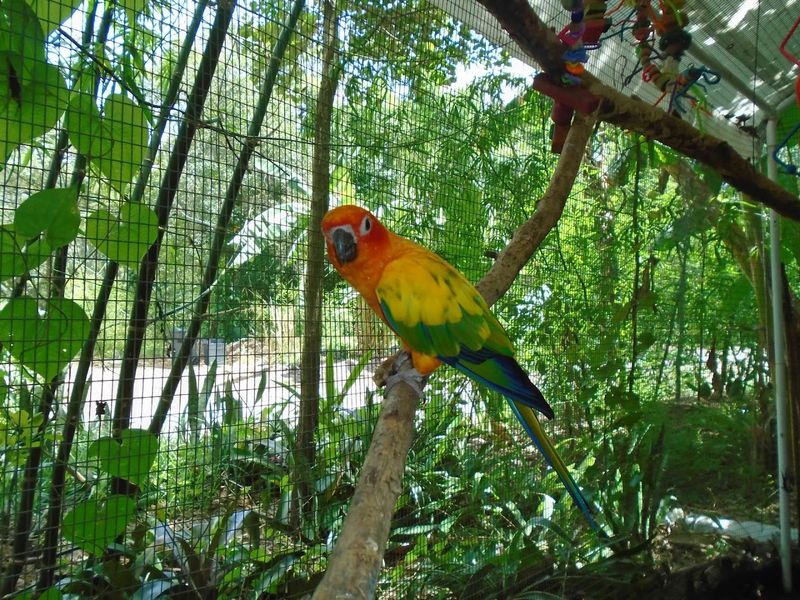
Most residents here arrived after their original owners could no longer meet their needs. I met birds who came from homes where they developed behavioral issues, others who outlived their caretakers, and some who simply required more space and attention than their families could provide.
At Zaksee, these parrots get a second chance at happiness.
The transformation I witnessed in these birds tells the real story of this sanctuary. Birds who arrived fearful and plucked now sport full plumage and greet visitors with confident squawks.
Social species live in communal flight cages where they can interact, play, and establish the flock dynamics that feel natural to them. Even parrots who need to live separately due to aggression issues get placed next to their friends, allowing them to communicate through the wire and enjoy supervised playtime.
Magic doesn’t just warehouse birds; he rehabilitates them emotionally and physically. I saw parrots engaging with enrichment toys, foraging for treats hidden in branches, and exercising their wings in spacious enclosures that let them actually fly.
The sanctuary proves that with proper care and understanding, birds who struggled in traditional homes can flourish in an environment designed around their instincts rather than human convenience.
An Educational Experience That Changes Perspectives
Zaksee operates by appointment only, which initially surprised me until I understood the reasoning. This policy protects the birds from stress while allowing Magic to provide meaningful educational experiences for visitors who genuinely want to learn.
During my visit, he explained the challenges of parrot ownership, the lifelong commitment these birds require, and why so many end up needing rescue.
His knowledge runs deep, covering everything from species-specific dietary needs to the psychological complexity that makes parrots such demanding companions. I learned that many people adopt these birds without understanding their intelligence, their need for constant stimulation, or their ability to live for decades.
The sanctuary serves as a living classroom where potential owners can see firsthand what proper parrot care actually involves.
Magic also educates visitors about the darker side of the exotic bird trade. He shared stories of birds who arrived malnourished, traumatized, or suffering from years of inadequate care.
These conversations, paired with seeing healthy, happy parrots thriving in appropriate environments, shifted my entire understanding of what it means to responsibly care for these animals. The sanctuary doesn’t just rescue birds; it works to prevent future birds from needing rescue by teaching people what these creatures truly require.
Handcrafted Aviaries Built With Love
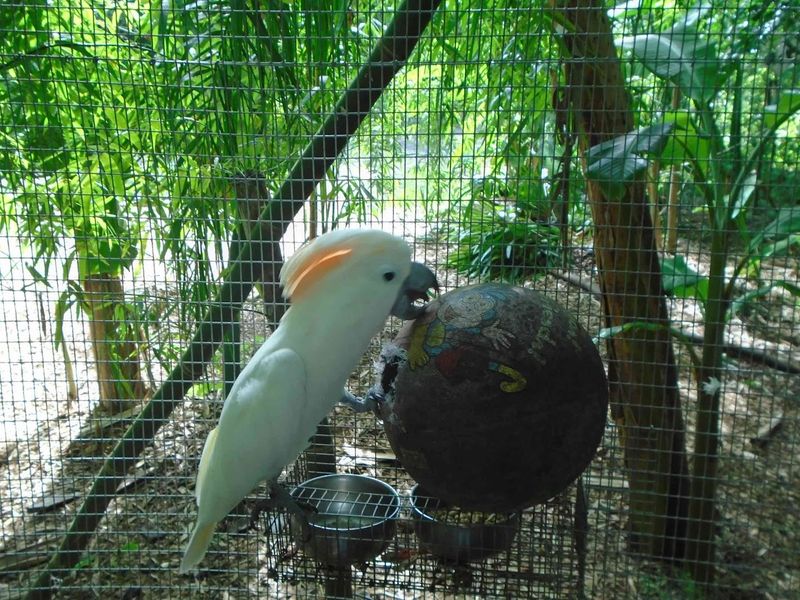
Walking past each enclosure, I noticed the craftsmanship that went into every structure. Magic designed and built these aviaries himself, customizing each one to suit the birds who would call it home.
Some feature multiple levels for species that prefer vertical space, while others spread horizontally to accommodate birds who like to hop and walk.
Natural branches serve as perches throughout each cage, giving birds varied textures and widths to grip. This attention to detail prevents foot problems common in parrots kept on uniform perches.
I saw rope swings, foraging boxes, and climbing structures that encourage natural behaviors while keeping the birds mentally stimulated. The materials used withstand Florida’s weather while remaining safe for curious beaks that test everything.
He doesn’t buy pre-made cages from suppliers; he creates custom solutions that maximize the available space while considering each bird’s personality and physical needs. Birds who need more privacy get aviaries tucked into quieter corners, while social species occupy central locations where they can watch the activity around them.
This level of customization requires significant time and resources, but it results in living spaces that genuinely serve the birds rather than just containing them. Every nail, every wire, every branch placement reflects years of experience and genuine care.
A Community Of Dedicated Volunteers
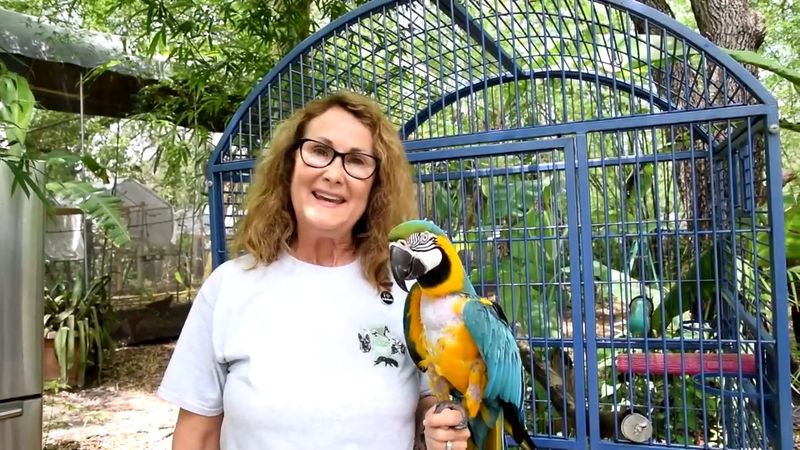
Running a sanctuary this size alone would be impossible, which is why Magic welcomes volunteers who share his commitment to bird welfare. I met people who drive hours just to spend a day helping with feeding, cleaning, and enrichment activities.
Some started as casual visitors and became so moved by the work happening here that they now volunteer regularly.
The volunteer experience offers hands-on interaction with species most people only see in pet stores or zoos. Under Magic’s supervision, helpers learn proper handling techniques, how to read bird body language, and what signs indicate stress or illness.
This practical education benefits both the sanctuary and the volunteers, who gain skills and knowledge they can apply in their own lives.
One woman I spoke with had been volunteering for years after initially coming to drop off donated food. She described finding her “second home” here, a sentiment echoed by others who return week after week.
The sanctuary creates a community of people united by their love for these birds and their respect for the work Magic does. Volunteers don’t just provide free labor; they become advocates who spread awareness about parrot welfare and the importance of sanctuaries like Zaksee in their broader networks.
A Symphony Of Exotic Bird Calls
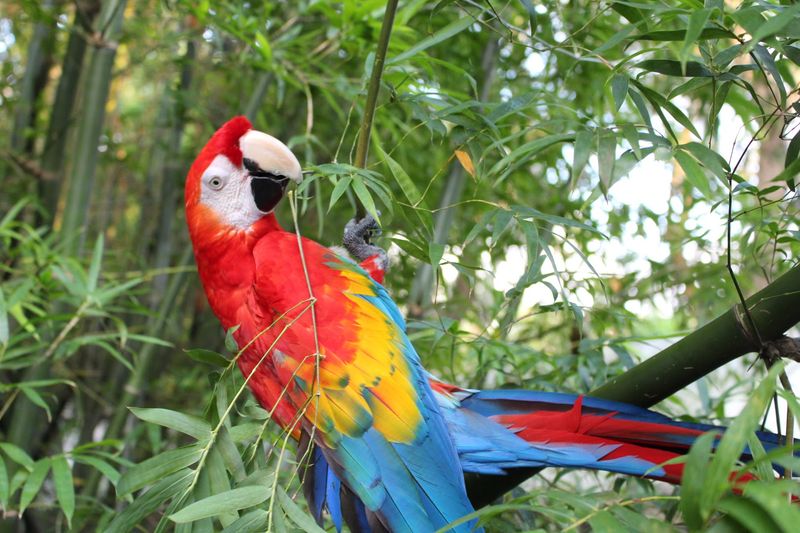
The soundscape at Zaksee creates an auditory experience unlike anywhere else in Tampa. Macaws screech their greetings, cockatoos whistle elaborate tunes, and African Greys mimic everything from ringing phones to human laughter.
The cacophony initially overwhelmed me, but I quickly learned to distinguish individual voices within the chorus.
Each species contributes its own signature sounds to the mix. Amazon parrots chatter in the morning, their conversations building in volume as they wake up and start their day.
Conures add high-pitched squeals that pierce through the lower rumbles of larger birds. The overall effect feels less like a zoo and more like standing in a rainforest where every tree holds a different vocalist competing for attention.
Magic explained that healthy parrots are vocal parrots. The noise level here, while substantial, indicates that these birds feel secure enough to express themselves freely.
In homes where birds are punished for making noise or kept covered to keep them quiet, they develop psychological issues that manifest in plucking, aggression, or depression. At the sanctuary, birds vocalize without restriction, and their enthusiasm creates an atmosphere that feels vibrant and alive.
The sounds might not appeal to everyone, but they represent freedom for creatures who were born to communicate loudly and often.
A Refuge Operating Without Government Support
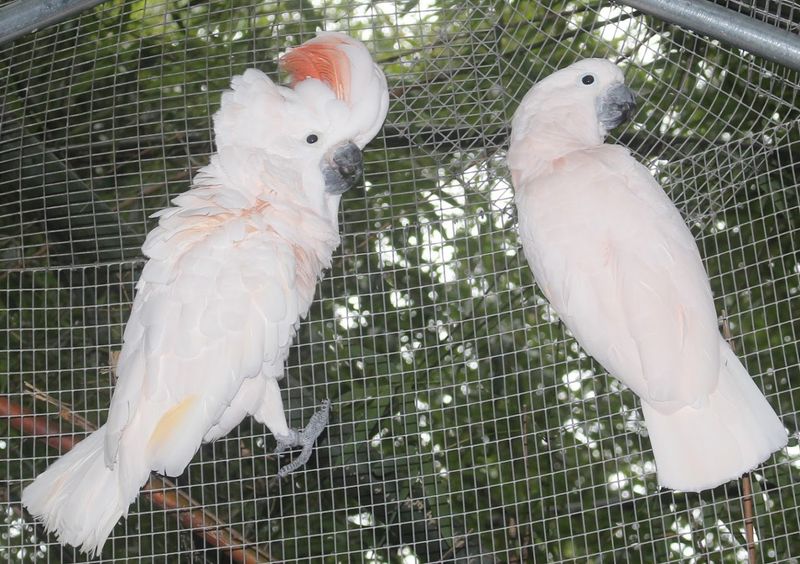
Zaksee operates entirely on private donations and Magic’s personal funds, receiving no government grants or institutional backing. This independence gives the sanctuary freedom to make decisions based solely on what benefits the birds, but it also means constant financial pressure.
Every bag of food, every toy, every repair comes out of a budget that depends on the generosity of supporters who believe in the mission.
Magic accepts donations in various forms, from cash contributions to gift cards for stores where he buys supplies. Volunteers mentioned that he often uses his own money to cover shortfalls, never letting the birds go without proper nutrition or medical care even when donations run low.
This financial vulnerability makes the sanctuary’s existence feel precarious, yet it continues operating year after year through sheer determination and community support.
The lack of government funding also means no bureaucratic red tape limiting how the sanctuary operates. Magic can accept birds based on their needs rather than arbitrary regulations, customize care plans without seeking approval from committees, and maintain the personal touch that makes this place special.
However, it also means the sanctuary’s future depends entirely on continued public support. Donations don’t just help; they literally keep the operation running and the birds fed.
Birds Living In Species-Appropriate Social Groups
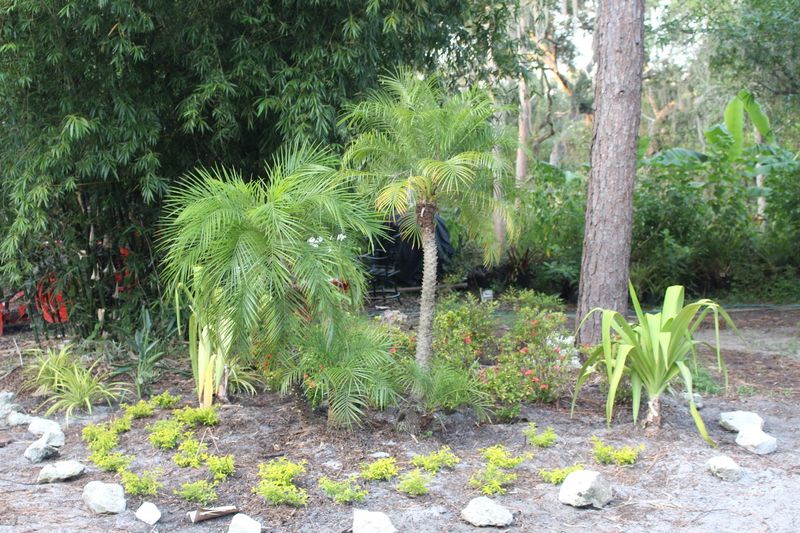
Parrots are intensely social creatures who suffer when kept in isolation. At Zaksee, I watched flocks of conures zooming around their shared space, pairs of cockatoos preening each other, and groups of Amazon parrots engaged in what looked like heated debates.
Magic houses compatible birds together whenever possible, recognizing that companionship matters as much as food and shelter.
Creating these groupings requires careful observation and gradual introductions. Not every bird gets along with every other bird, and some species mix better than others.
Magic described supervising initial meetings, watching for signs of aggression or stress, and adjusting arrangements when personalities clash. Birds who can’t safely share space still live adjacent to compatible individuals, allowing them to see, hear, and interact with potential friends through the safety of wire barriers.
The difference between solitary confinement and social housing shows clearly in the birds’ behavior. Parrots living in groups engage in natural flock activities like foraging together, calling back and forth, and establishing social hierarchies.
They preen each other, play games, and display the full range of behaviors that isolated birds suppress. Watching these interactions reminded me that these aren’t just pretty pets; they’re complex social animals who need community as much as they need food and water.
A Model For Responsible Bird Sanctuary Operations
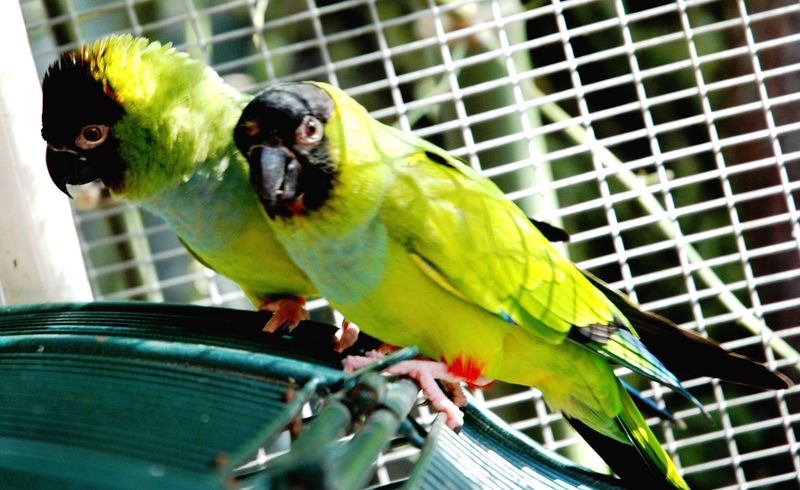
Zaksee sets a standard that other rescue operations would do well to follow. Magic never breeds or sells birds, ensuring that the sanctuary functions as a genuine refuge rather than a business venture disguised as rescue.
Every bird here arrived needing help, and every bird receives care focused on their wellbeing rather than their monetary value.
The sanctuary maintains transparency with donors and volunteers, showing exactly where contributions go and how they benefit the birds. I saw clean facilities, well-fed birds, and evidence of regular veterinary care.
Magic’s commitment to quality over quantity means he doesn’t accept more birds than he can properly house and care for, even when that means turning away cases that break his heart.
His approach proves that sanctuaries can operate ethically on limited budgets by prioritizing the animals’ needs above expansion or public recognition. The property might not have fancy visitor centers or gift shops, but it has healthy, happy birds living in environments designed around their natural behaviors.
This model demonstrates that effective rescue work requires dedication, knowledge, and genuine love for the animals rather than just good intentions. Zaksee shows what’s possible when someone commits fully to doing this work the right way, even when the right way is also the harder way.