
This Florida Birding Hotspot Draws Birders And Photographers Each Summer
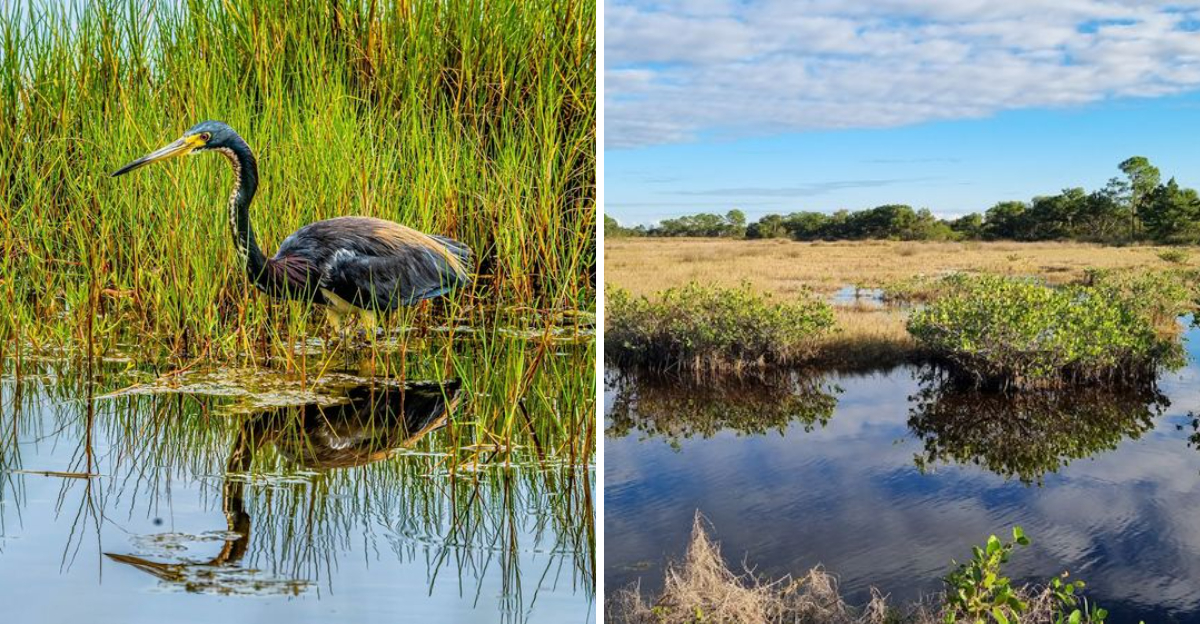
Thousands of birds suddenly lift into the sky at once, filling the air with movement, sound, and flashes of white against the Florida sun. At Merritt Island National Wildlife Refuge, moments like that happen every single day, which is exactly why birders and wildlife photographers keep returning year after year.
Stretching across Florida’s Atlantic coast near Titusville, this massive refuge feels wild in the best possible way. Shimmering lagoons reflect the sky for miles, marshes ripple with movement, and quiet roads lead visitors through landscapes packed with life.
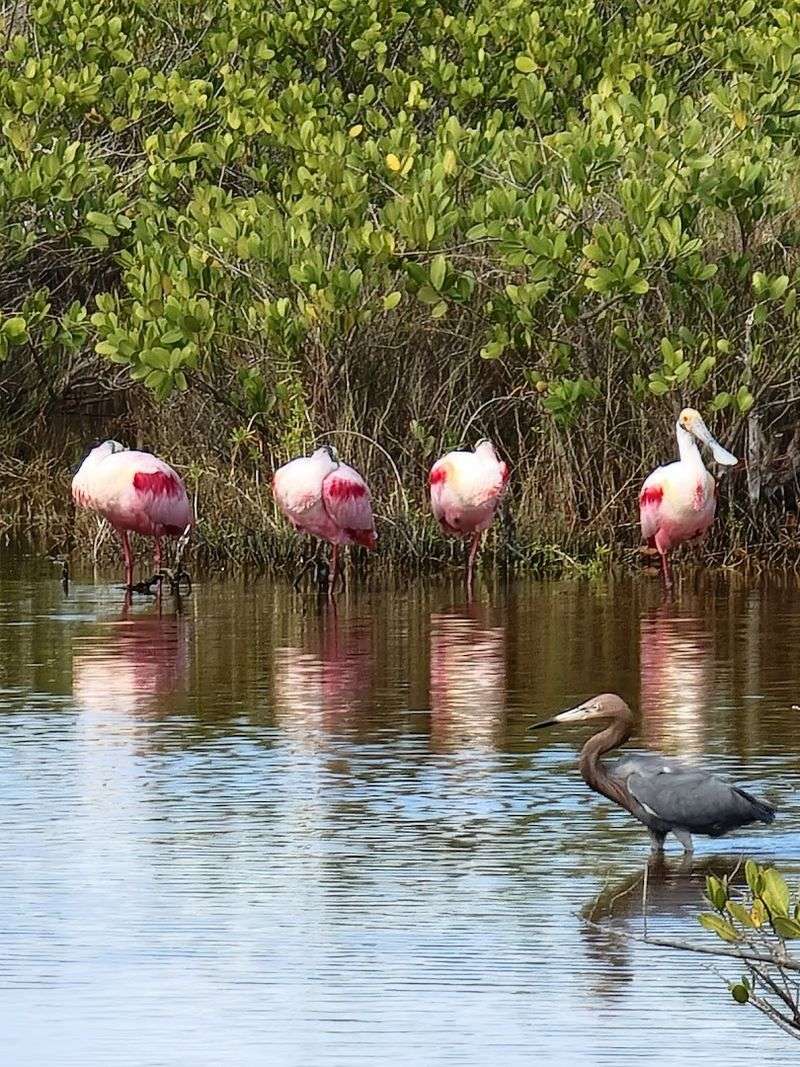
One turn might reveal roseate spoonbills standing in shallow water. Another might bring an up-close look at alligators, bald eagles, or hundreds of migrating birds gathered together at once.
The scenery changes constantly depending on the season, the weather, and even the time of day, making every visit feel a little different from the last.
For nature lovers, photographers, and anyone craving a quieter side of Florida, this refuge feels less like a park and more like stepping directly into a living wildlife documentary.
Over 330 Bird Species Have Been Recorded Here
Few wildlife refuges in the entire United States can claim a bird list as impressive as the one at Merritt Island National Wildlife Refuge Visitor Center in Titusville, Florida.
More than 330 bird species have been officially recorded within the refuge boundaries, making it one of the top birding destinations on the entire East Coast.
Shorebirds, wading birds, raptors, waterfowl, and songbirds all share this remarkable landscape throughout the year.
Some species stop here only during migration, while others nest and raise their young in the refuge’s protected wetlands and scrub habitats.
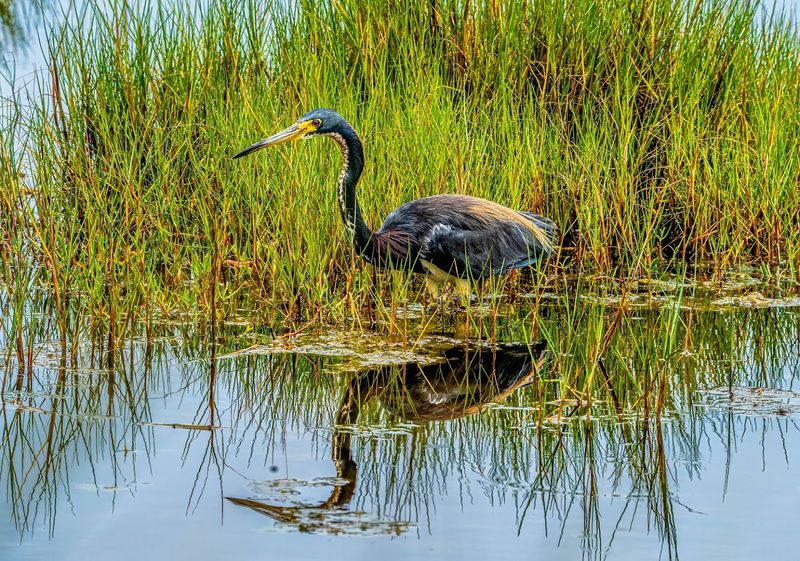
Visitors arriving in summer can spot nesting ospreys, tricolored herons, and snowy egrets with relative ease along the impoundment edges.
Serious listers often spend multiple days here just working through the variety of species on offer.
For any bird enthusiast, this refuge is the kind of place that makes every early morning alarm clock feel completely worth it.
Black Point Wildlife Drive Is The Star Attraction
Ask any regular visitor what they love most about Merritt Island, and the answer almost always comes back to Black Point Wildlife Drive.
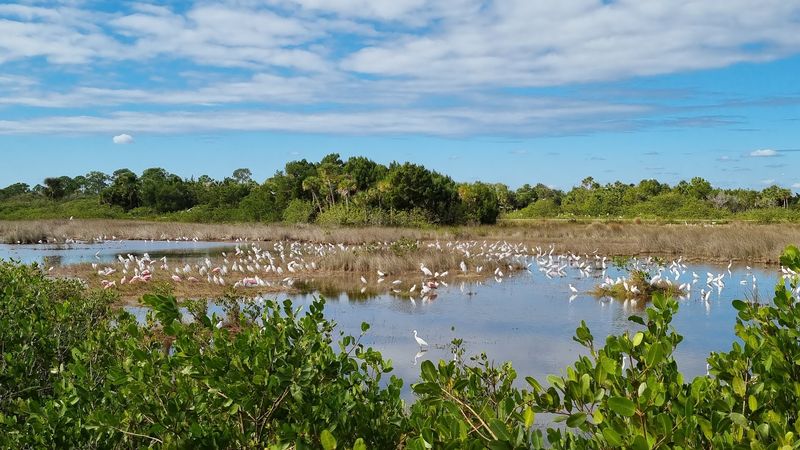
This seven-mile, one-way loop road winds through managed impoundments where shallow water attracts an almost ridiculous number of wading birds, ducks, and shorebirds.
Drivers are encouraged to move at about five miles per hour, which gives everyone a slow, satisfying look at whatever has gathered along the water’s edge that day.
Pull-off spots along the route let photographers set up their camera gear without blocking traffic, and on busy mornings those spots fill up fast.
Roseate spoonbills, white pelicans, kingfishers, and tricolored herons are among the regulars that show up here with impressive consistency.
Alligators are also common sights along the drive, especially on warm, sunny days when they haul out onto the banks to soak up the heat.
No two laps around this drive ever feel exactly the same.
The Refuge Covers A Staggering 140,000 Acres
Size matters when it comes to wildlife refuges, and Merritt Island does not disappoint on that front.
Spreading across approximately 140,000 acres on Florida’s Space Coast, this refuge is large enough that even dedicated visitors cannot cover all of it in a single trip.
The sheer scale of the property means that different habitat zones are separated by meaningful distances, and each zone supports its own unique community of wildlife.
Coastal lagoons, freshwater impoundments, pine flatwoods, oak hammocks, and scrub all exist within the refuge boundaries.
This patchwork of habitats is precisely what makes the species diversity here so extraordinary, because each environment attracts different animals that would not thrive elsewhere on the property.
Photographers especially appreciate having so much ground to cover, since new compositions and new subjects appear around nearly every bend.
Spending days here rather than hours is not an overindulgence; it is practically a requirement if you want to do the place justice.
Manatees Show Up in Surprising Numbers
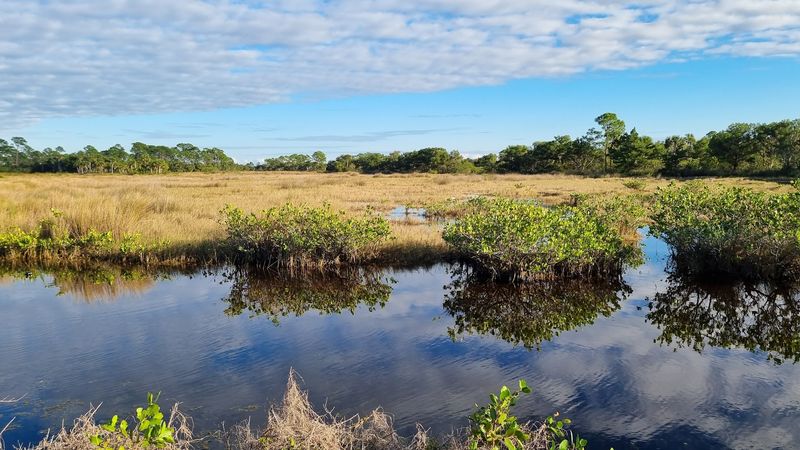
Most people arrive at Merritt Island thinking about birds, and then they spot the manatees and completely lose track of time.
The refuge has a dedicated manatee viewing area where these gentle, slow-moving marine mammals gather in the warm waters of the Indian River Lagoon system.
Visitors in late October and early winter have reported seeing groups of around twenty manatees feeding and rolling in the shallows, their broad paddle-shaped tails breaking the surface in a way that is genuinely hard to describe without sounding overly enthusiastic.
Summer visitors can still find manatees here, though cooler months tend to concentrate them in larger numbers near warm water outflows.
Watching a manatee glide just below the surface, unhurried and completely unbothered, is a calming experience that pairs well with a quiet morning at the refuge.
For families visiting with children, the manatee viewing spot consistently ranks as a highlight that earns immediate and genuine approval from kids of all ages.
Ospreys Nest Here In Spectacular Density
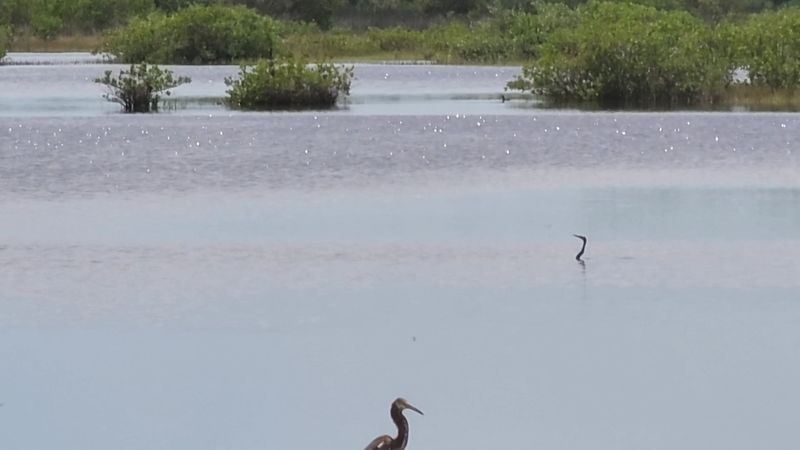
Walking or driving through Merritt Island during summer, you quickly realize that ospreys have claimed this place as their own.
Watching an osprey plunge feet-first into the water and emerge with a wriggling fish is one of those wildlife moments that never loses its thrill no matter how many times you see it.
One visitor captured a stunning photograph of an osprey in flight, gripping a half-eaten fish, near the end of a long afternoon drive through the refuge.
Photographers with telephoto lenses can often get remarkably close shots of ospreys perched on low posts along the impoundment roads.
The combination of abundant fish in the shallow impoundments and open nesting sites makes this refuge nearly perfect osprey territory.
Summer mornings here often begin with the sharp, whistling calls of ospreys echoing across the water.
The Boardwalk Behind The Visitor Center Is A Hidden Treat
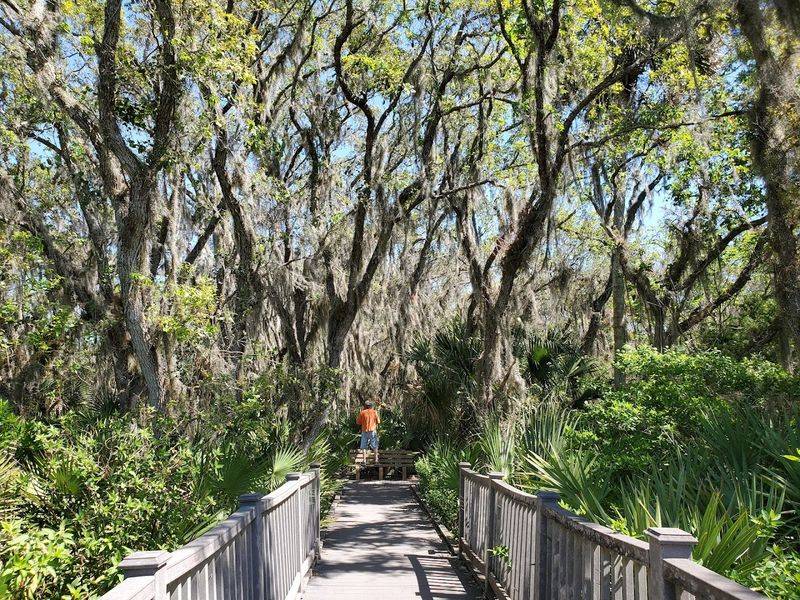
Not every great experience at Merritt Island requires driving miles of wildlife roads.
Right behind the Visitor Center at 1987 Scrub Jay Way, a roughly three-quarter-mile boardwalk trail winds through wetland vegetation and opens up to scenic views of the surrounding habitat.
The walk is accessible, relaxed, and packed with surprises for anyone willing to slow down and pay attention to the smaller details around them.
Birds perch in the low shrubs along the boardwalk edges, and the trail is short enough to complete in under an hour even at a leisurely pace.
For visitors with limited mobility or young children in tow, the boardwalk offers a genuinely rewarding wildlife experience without requiring a long hike or a vehicle.
Morning light hits the wetlands beautifully from the boardwalk, making it a reliable spot for soft, golden-hour photography.
It is the kind of short trail that makes you pause mid-walk, look around, and feel quietly grateful that places like this still exist.
Alligators Are Practically Everywhere
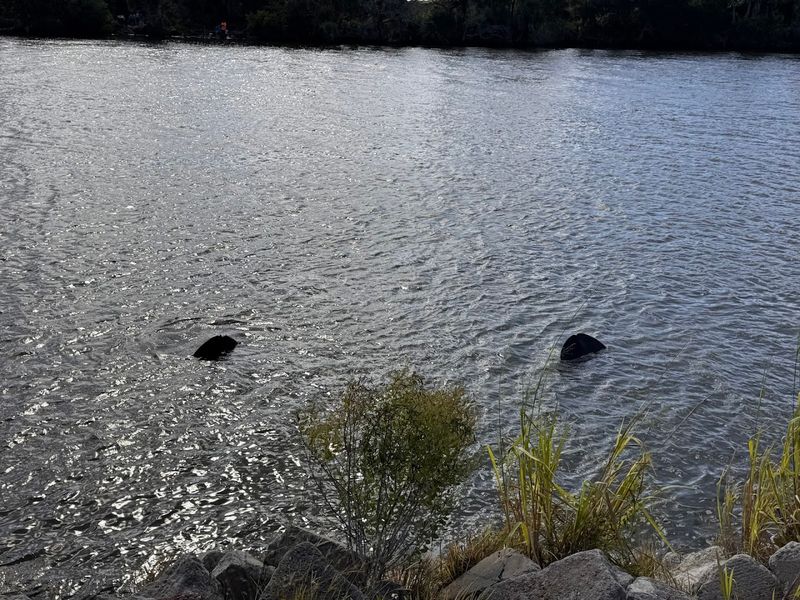
Florida wildlife viewing and alligators go together the way peanut butter goes with bread, and Merritt Island delivers on this front without hesitation.
American alligators are a routine sight throughout the refuge, appearing along the impoundment banks, basking on roadside edges, and occasionally crossing the wildlife drive with the slow confidence of an animal that knows it owns the place.
Sunny days bring them out in force, and on a warm morning it is not unusual to spot a dozen or more gators along a single stretch of Black Point Wildlife Drive.
Visitors are advised to keep a respectful distance and stay inside their vehicles when alligators are close to the road.
Photographers who understand alligator behavior can capture truly dramatic shots from the safety of a car window without disturbing the animals at all.
Even visitors who came primarily for the birds tend to find themselves slowing down and reaching for their cameras the moment a large gator slides into view.
The Refuge Sits Right Next To Kennedy Space Center
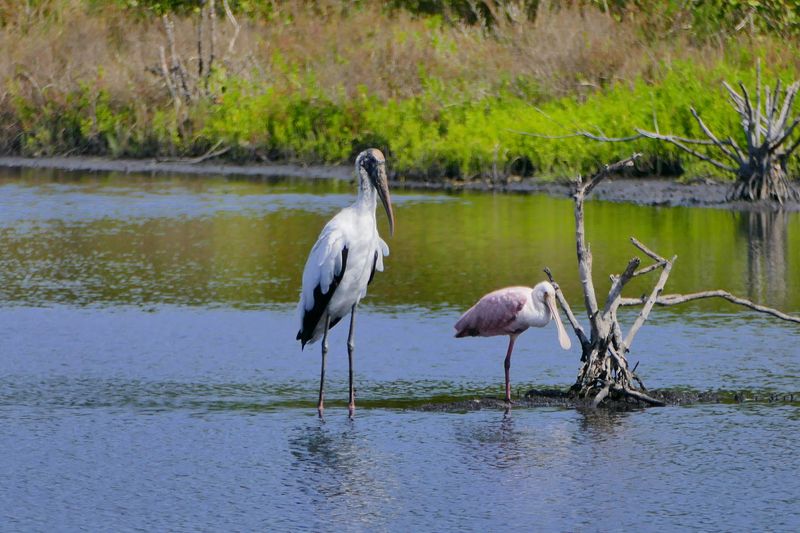
There are not many places on Earth where you can watch a roseate spoonbill feeding in a marsh while a rocket launch facility looms in the background, but Merritt Island is one of them.
The refuge shares its island with Kennedy Space Center, and on clear days the iconic launch structures are visible from several points along the wildlife drive.
This unusual combination of wild nature and cutting-edge aerospace infrastructure gives Merritt Island a surreal, one-of-a-kind atmosphere that no other wildlife refuge can replicate.
On launch days, the refuge can get busy as people combine a wildlife visit with a chance to witness a rocket lifting off from the nearby pads.
The proximity to Kennedy Space Center also means that the surrounding waters and land have been largely protected from development for decades, which has directly benefited the wildlife and habitat quality.
Few travel experiences blend the ancient rhythms of nature with the forward thrust of human exploration quite as dramatically as a morning spent at Merritt Island.
Volunteer Staff Make Every Visit More Rewarding
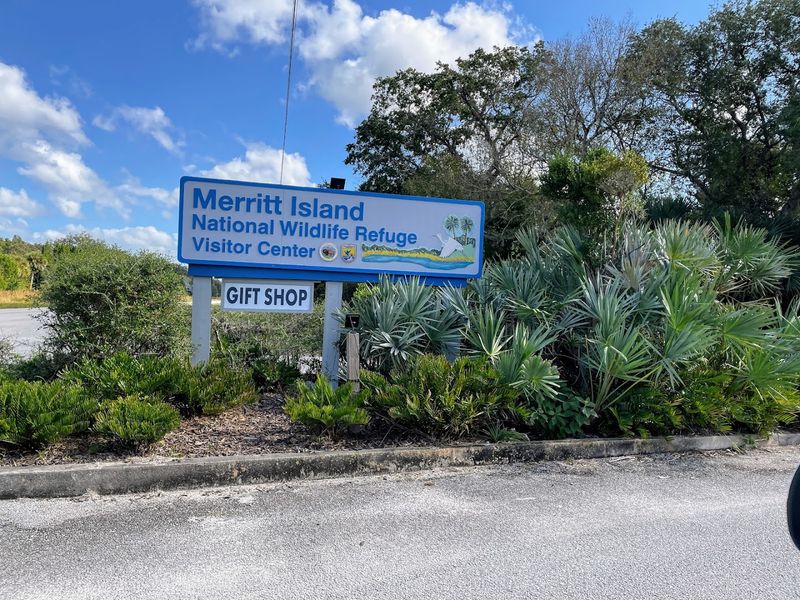
One of the first things visitors notice when they arrive at the Merritt Island National Wildlife Refuge Visitor Center is how genuinely helpful the people inside are.
Enthusiastic volunteers staff the center and provide real-time information about recent wildlife sightings, current trail conditions, and the best spots to find specific species on any given day.
Multiple visitors have described meeting staff members who went out of their way to share tips, maps, and local knowledge that transformed a good visit into an exceptional one.
The Visitor Center is open Thursday through Saturday and Tuesday through Wednesday from 8:30 AM to 4 PM, so arriving early gives you time to chat with staff before heading out onto the trails and drives.
Having knowledgeable volunteers on hand is especially valuable for first-time visitors who might feel overwhelmed by the sheer size and variety of the refuge.
A five-minute conversation at the front desk can easily save an hour of aimless driving and point you straight toward the day’s best wildlife action.
The Refuge Rewards Visitors Who Come Back Repeatedly
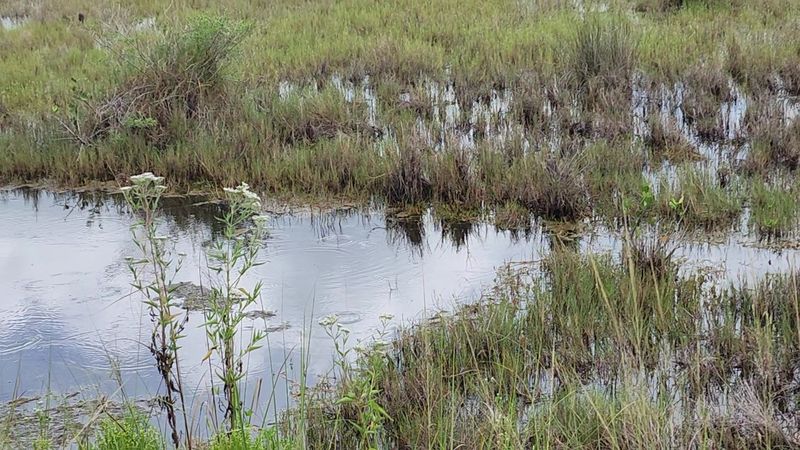
Ask any seasoned birder who has visited Merritt Island more than once, and they will tell you the same thing: this place is never the same twice.
Seasonal migration cycles, shifting water levels, and the unpredictable movements of individual species mean that every visit offers a genuinely different set of sightings and experiences.
In September alone, one visitor recorded thirty bird species in just a few hours, including box turtles, wild pigs, and several snake species spotted at a comfortable distance.
Winter months bring concentrations of waterfowl and manatees, while summer highlights nesting raptors and wading birds in their most active and photogenic phases.
Photographers who make repeat visits build up a deep visual library of the refuge across seasons, light conditions, and species combinations that no single trip could ever produce.
The refuge earns its 4.8-star rating from over 1,600 reviews not by being flashy, but by consistently delivering authentic, memorable encounters with wild Florida.
Once Merritt Island gets under your skin, the pull to return becomes almost impossible to resist.