
This Florida Budget-Friendly City Makes Retirement Possible On Just $1,200 A Month
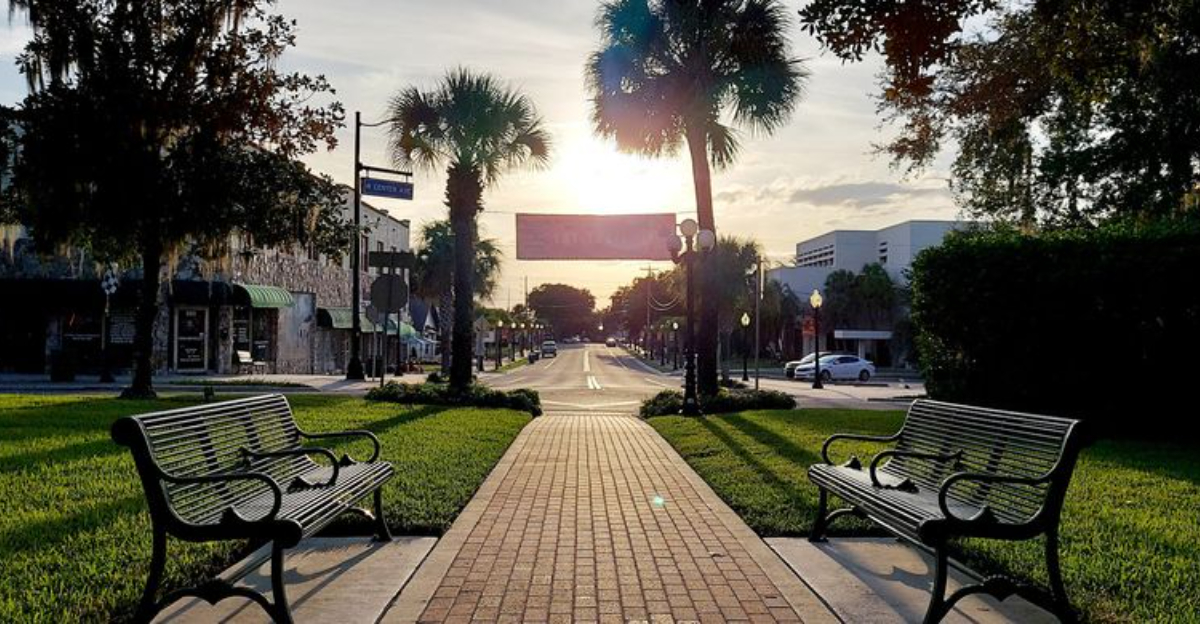
Florida is often linked to luxury waterfront living and sky-high prices, but hidden in the sunny heart of the state is a quiet town that proves retirement does not have to cost a fortune. It is the kind of place many travelers pass without realizing how peaceful life there actually feels, yet those who discover it tend to wonder why more people do not talk about it.
Days move slower here. Mornings begin with coffee and birdsong.
Afternoons bring friendly waves from neighbors. Evenings settle into calm sunsets instead of traffic noise.
At the center of it all sits a charming circular downtown that locals treat like their shared living room.
While famous Florida destinations compete with flashy lifestyles and expensive views, this little-known community offers something different. Comfort.
Simplicity. And the kind of affordability that quietly turns retirement dreams into real life.
Housing Costs That Actually Make Sense
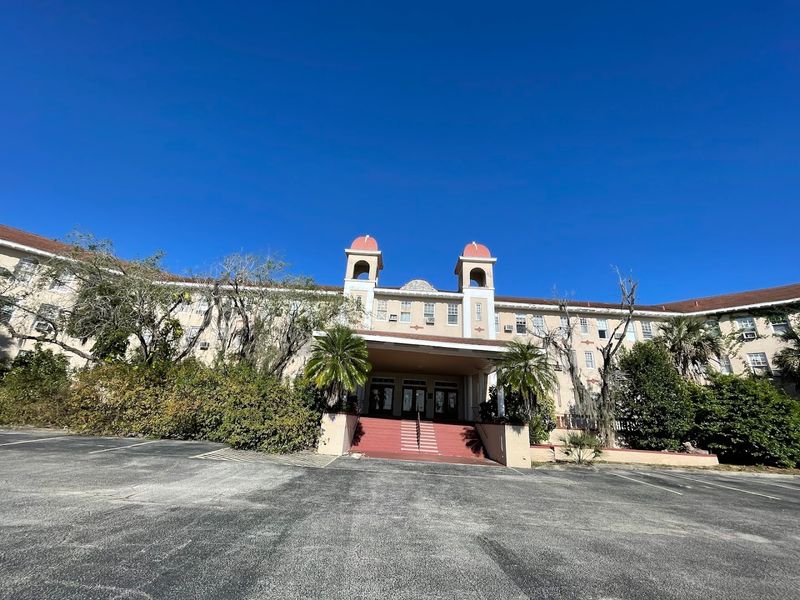
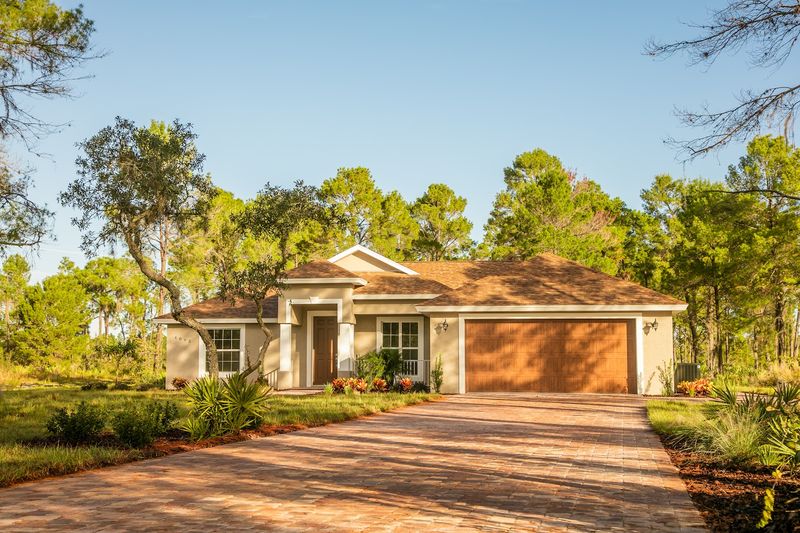
Finding a decent place to live without draining your bank account feels nearly impossible in most of Florida, but Sebring flips that script entirely. Rental options here start around $600 to $700 monthly for a one-bedroom apartment, leaving plenty of room in a $1,200 budget for everything else.
Small homes and mobile home parks dot the landscape, offering even more affordable alternatives that many retirees find perfectly suited to their needs. The housing market remains stable without the wild price swings that plague tourist-heavy areas, so you can plan your budget with actual confidence.
I noticed during my visits that many residential streets feel quiet and established, with mature trees and neighbors who actually wave when you drive past. Property taxes stay reasonable compared to other parts of the state, another factor that keeps monthly expenses manageable.
Maintenance costs tend to run lower too, since most properties were built with Florida’s climate in mind and don’t require constant repairs. The lack of oceanfront premiums means your housing dollar stretches significantly further here than it would an hour closer to either coast.
Grocery Bills That Leave Money in Your Wallet

Supermarkets in Sebring include familiar chains like Publix and Walmart, where prices reflect the local economy rather than inflated tourist markups. Weekly grocery runs for one person typically cost between $150 and $200 monthly if you shop smart and take advantage of sales.
Fresh produce stays affordable year-round, with Florida-grown citrus, tomatoes, and vegetables appearing at rock-bottom prices during peak seasons. I watched one retiree fill an entire bag with oranges for less than three dollars at a roadside stand, the kind of deal that simply doesn’t exist in pricier Florida markets.
Local farmers markets pop up regularly, offering direct-from-grower pricing that beats even the discount chains for quality and value. The absence of premium organic-only stores means you won’t feel pressured to overspend on trendy food fads that drain budgets elsewhere.
Bulk buying options exist for staples, and the smaller community size means less temptation to impulse-shop your way through expensive specialty items. Eating well on a tight budget becomes genuinely achievable rather than a constant struggle requiring extreme couponing skills.
Healthcare Access Without the Premium Price Tag

Medical facilities in Sebring include Florida Hospital Heartland Medical Center and numerous clinics that serve the area’s substantial retiree population with experience and efficiency. Doctor visits, routine checkups, and specialist appointments cost less here than in major metro areas, even when you factor in Medicare copays and supplemental insurance.
The concentration of older residents means healthcare providers understand fixed-income realities and often work with patients on payment plans or alternative solutions. I spoke with several retirees who praised their physicians for spending actual time during appointments rather than rushing through a packed schedule of wealthy patients.
Prescription costs benefit from multiple pharmacy options competing for business, including independent pharmacies that sometimes beat chain pricing on common medications. Dental and vision services exist in abundance, with many providers offering senior discounts that make preventive care affordable rather than a luxury.
The drive to specialized care in larger cities like Tampa or Orlando takes under two hours when necessary, but most routine medical needs get handled right in town. This healthcare accessibility on a budget removes one of the biggest financial stressors that plague retirees in expensive Florida markets.
Utility Bills That Won’t Shock You
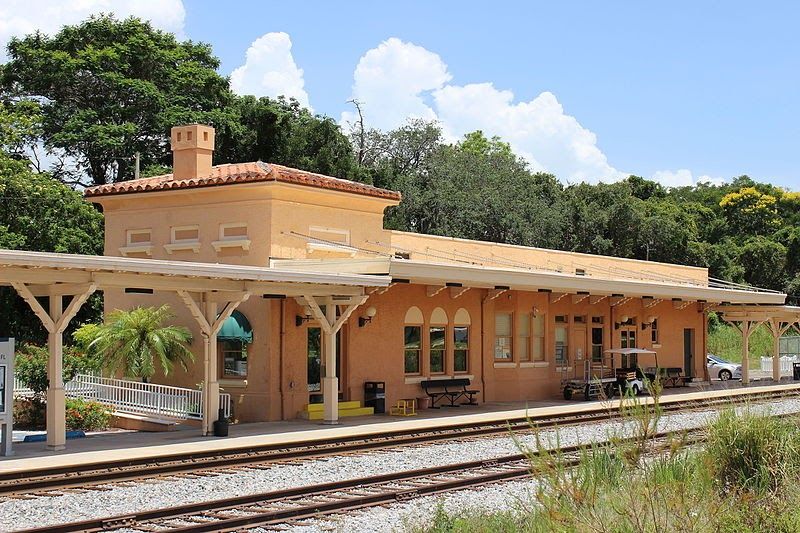
Electric bills represent the biggest utility concern in Florida, where air conditioning runs nearly year-round and can devastate a tight budget in coastal cities. Sebring’s inland location means slightly lower cooling costs than beachfront areas, though summer months still require vigilant thermostat management.
Average monthly electric bills for a small apartment or home run between $80 and $150 depending on the season and your tolerance for warmth. Water and sewer services stay reasonable, typically adding another $40 to $60 monthly to your expenses without the premium rates that plague tourist-dependent municipalities.
Many rental properties include water in the monthly rent, further simplifying budget planning and eliminating surprise bills. Internet and basic cable packages cost about what you’d expect anywhere in Florida, with competition between providers keeping prices from spiraling out of control.
I met retirees who’d mastered the art of utility management, using fans strategically, closing blinds during peak heat, and taking advantage of off-peak electricity rates. The city’s municipal services run efficiently without excessive fees or constant rate hikes that force residents to choose between comfort and groceries each month.
Transportation Costs That Stay Grounded
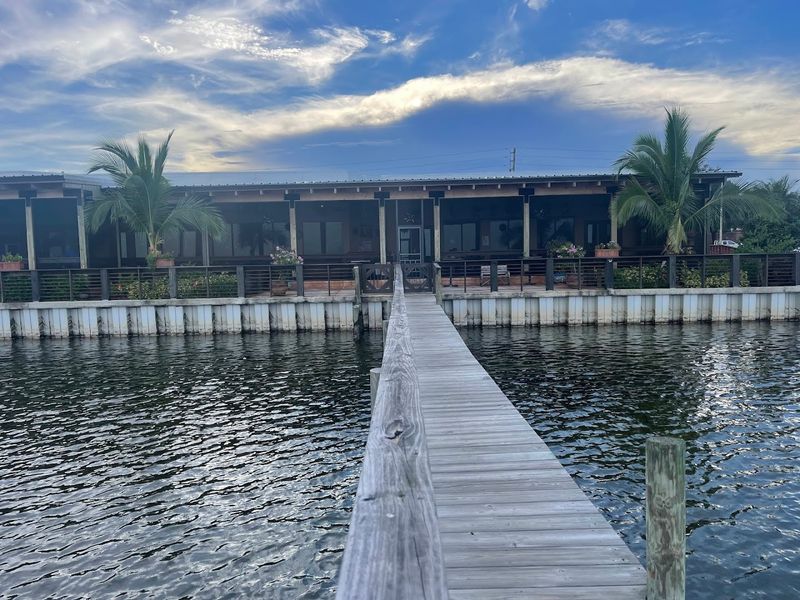
Sebring’s compact size means you’ll drive fewer miles for daily errands compared to sprawling metro areas where everything sits twenty minutes apart. Gas stations compete for business along the main corridors, keeping fuel prices competitive and usually a few cents cheaper than coastal tourist traps.
Car insurance rates in Highlands County run lower than in South Florida’s congested corridors, where accident rates and fraud drive premiums into the stratosphere. Most retirees find they can maintain a modest vehicle for under $200 monthly when combining insurance, gas, and basic maintenance costs.
The lack of tolls, congested highways, and aggressive traffic means less wear on your vehicle and fewer white-knuckle driving experiences that make you question your life choices. Public transportation exists but remains limited, so having a reliable car makes sense for most residents.
I noticed that many businesses cluster around Circle Drive and nearby commercial areas, allowing you to combine errands efficiently rather than crisscrossing town multiple times weekly.
Entertainment Options That Fit the Budget
Circle Drive downtown hosts regular events, festivals, and community gatherings that cost nothing beyond maybe a few dollars for food from local vendors. The downtown historic district maintains that old Florida charm with shops, cafes, and walking areas where you can spend an afternoon without spending a fortune.
Highlands Hammock State Park sits just outside town, offering hiking, wildlife viewing, and natural beauty for the modest state park entry fee that becomes even cheaper with an annual pass. Lakes dot the surrounding area, providing free fishing, bird watching, and waterfront relaxation that rivals anything you’d pay premium prices for elsewhere.
Community centers offer classes, activities, and social opportunities specifically designed for retirees on fixed incomes who want connection without country club price tags. I watched a group of seniors playing cards at a local park pavilion, their biggest expense being the iced tea they’d brought from home.
Movie theaters, bowling alleys, and casual dining options exist but charge small-town prices rather than tourist-inflated rates. The lack of expensive attractions means less temptation to overspend on entertainment, while the genuine community atmosphere provides the social connection that many retirees value more than costly activities anyway.
Property Taxes That Don’t Punish Homeowners
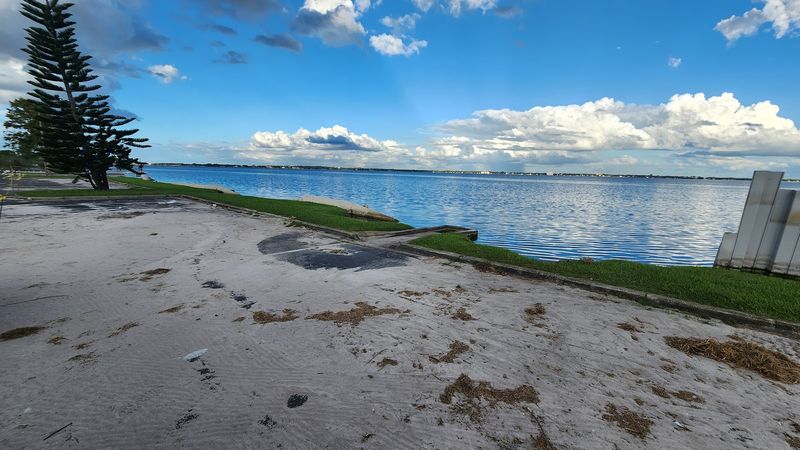
Highlands County property tax rates remain substantially lower than counties along Florida’s coasts, where property values and corresponding tax bills price out retirees on fixed incomes. Homeowners in Sebring typically pay annual property taxes ranging from $800 to $1,500 on modest properties, amounts that translate to manageable monthly expenses when budgeted properly.
Florida’s homestead exemption reduces taxable value for primary residents, and additional exemptions exist for seniors and disabled homeowners that further lower the burden. The county assessor’s office operates with transparency and fairness rather than aggressive revaluations designed to maximize revenue at taxpayer expense.
I reviewed tax records for comparable properties in Sebring versus coastal communities and found differences of thousands of dollars annually, money that could mean the difference between comfortable retirement and constant financial stress. The predictability of tax increases matters too, since Sebring avoids the wild assessment swings that plague rapidly gentrifying areas.
Special assessments and hidden fees stay minimal compared to HOA-heavy developments in other parts of Florida where monthly dues rival mortgage payments. This tax-friendly environment makes homeownership genuinely achievable rather than a financial albatross that consumes your entire Social Security check before you even buy groceries.
Climate Comfort Without Hurricane Premiums
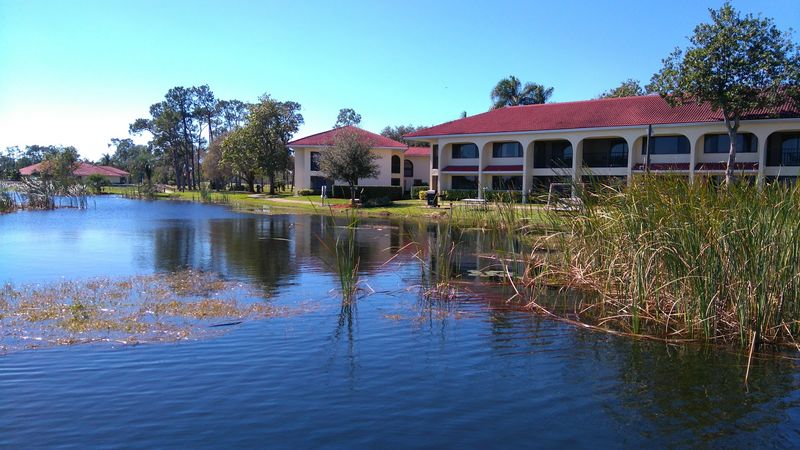
Sebring’s inland position protects it from the worst hurricane impacts that pummel coastal areas and drive insurance costs into the stratosphere. While tropical storms occasionally bring rain and wind, the catastrophic flooding and storm surge that devastate beachfront properties rarely reach this far inland.
This geographic advantage translates directly into lower homeowner’s insurance premiums, sometimes half what coastal residents pay for comparable coverage. The climate stays warm and sunny most of the year without the extreme humidity that makes beachfront living uncomfortable during summer months.
Winter temperatures rarely dip below the 50s, meaning you can skip the heating bills that drain budgets in northern states while still enjoying genuine Florida sunshine. I spent several winter days there watching retirees enjoy outdoor activities in shorts and t-shirts while their former neighbors up north shoveled snow.
The absence of salt air means less corrosion on vehicles, outdoor furniture, and home exteriors, reducing long-term maintenance costs that coastal residents accept as inevitable. Storm preparation remains important but doesn’t require the expensive hurricane shutters, reinforced construction, and flood insurance that coastal homeowners need just to get basic coverage at any price.
Dining Out Without Breaking the Bank
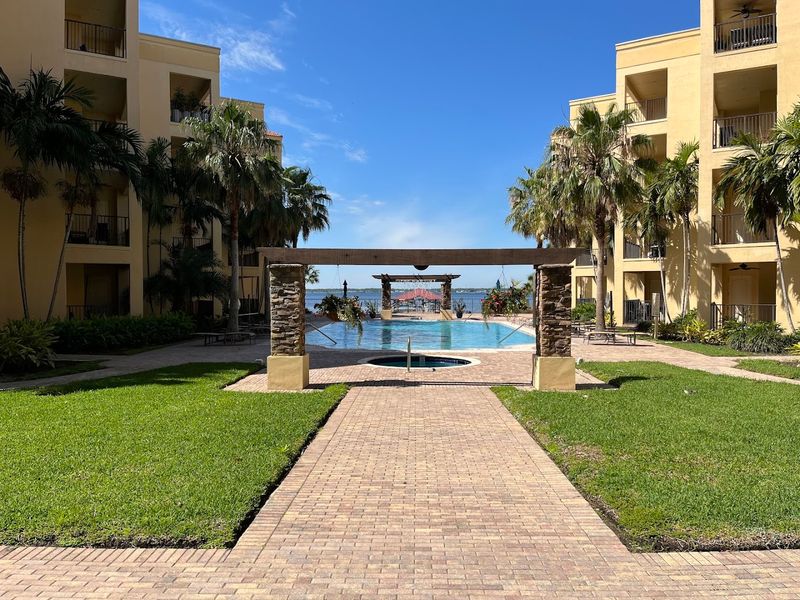
Restaurants in Sebring cater to locals rather than tourists, which means reasonable prices and generous portions instead of tiny plates priced for Instagram photos. A solid breakfast at a local diner runs around $6 to $8, while lunch specials at casual restaurants typically stay under $10 including a drink.
Chain restaurants like Cracker Barrel, Applebee’s, and local favorites provide reliable meals without the premium pricing that tourist-dependent areas tack onto every menu item. Senior discounts appear frequently, and many establishments offer early-bird specials that reduce costs even further for retirees eating dinner before the evening rush.
I counted at least a dozen places where you could get a satisfying meal for under $15, the kind of pricing that allows dining out to remain a regular treat rather than a rare splurge. Pizza places, sandwich shops, and ethnic restaurants add variety without forcing you to choose between eating out and paying your electric bill.
The portions often provide enough food for leftovers, effectively cutting your per-meal cost in half when you stretch one restaurant visit into two meals. This dining affordability means you can maintain social connections and enjoy the retirement lifestyle without cooking every single meal at home to stay within budget.
Community Connection That Costs Nothing
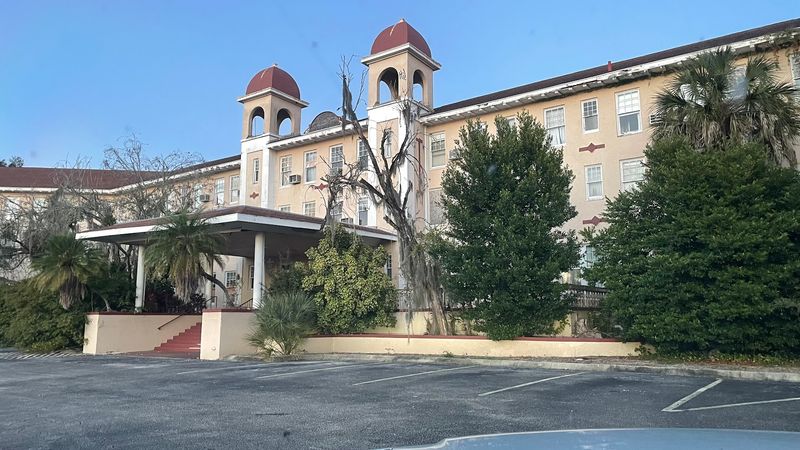
Sebring’s substantial retiree population creates built-in social opportunities that don’t require expensive club memberships or exclusive communities with hefty HOA fees. Churches, civic organizations, and volunteer groups actively recruit seniors who want purpose and connection during their retirement years.
The local library offers programs, classes, and air-conditioned space for reading or computer use without any cost beyond your tax dollars already at work. Parks, walking trails, and public spaces provide venues for meeting neighbors and building friendships that money genuinely cannot buy.
I observed that many retirees form informal groups around shared interests like fishing, crafts, or card games, creating rich social lives without spending money on country clubs or expensive hobbies. The smaller city size means you’ll start recognizing familiar faces quickly, building that sense of belonging that prevents the isolation many retirees fear.
Community events, holiday celebrations, and local traditions welcome everyone regardless of income level, creating genuine inclusivity rather than the wealth-segregated social scenes common in pricier Florida retirement destinations. This social richness represents perhaps the most valuable aspect of Sebring life.
In a state known for luxury living and rising prices, this quiet Florida town proves that the best retirement is not the most expensive one. It is simply the most comfortable.