
This Florida Festival Turns Sugar-White Sand Into Giant Sculptures Every April
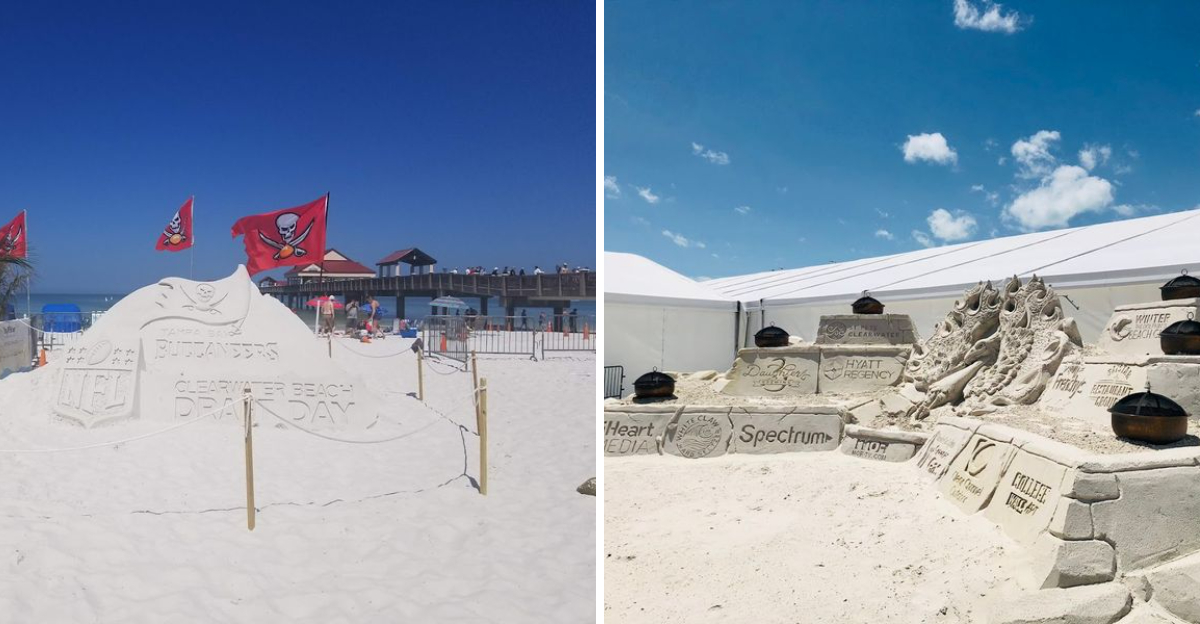
It does not make sense at first.
You are looking at something built from sand, and yet it stands there with the kind of detail, precision, and scale you would expect to find in a museum, not out on a Florida beach. For a second, your brain tries to catch up with what your eyes are seeing.
Every April, Florida reveals a side that feels almost impossible. The shoreline transforms into a living gallery, where every step brings you face to face with something more intricate, more unexpected, and somehow more temporary than the last.
It is not just about what you see, it is about knowing it will not last.
That is what makes it unforgettable.
Because in Florida, even something as simple as sand can turn into art that feels larger than life, before quietly disappearing back into the beach it came from.
World-Class Artists Compete On Sugar-White Shores
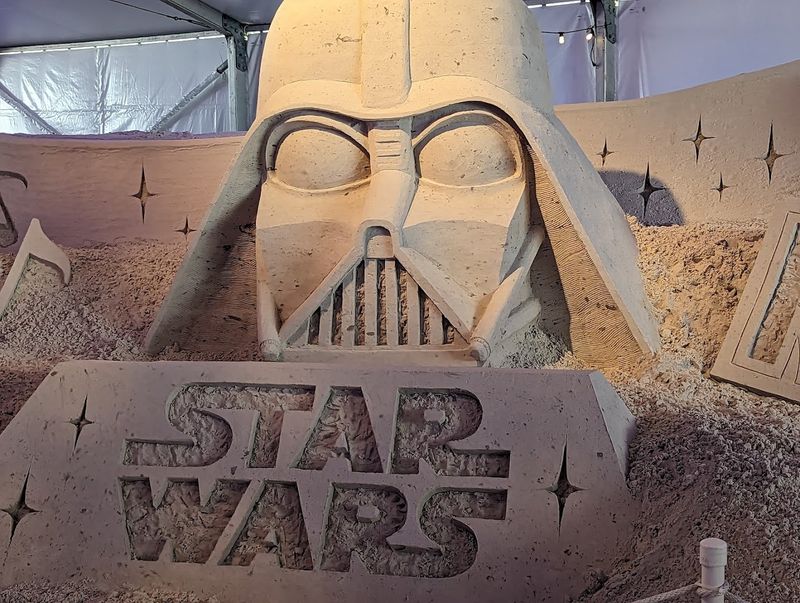
Master sculptors travel from countries across five continents to compete at this prestigious event, bringing techniques and styles that reflect their diverse backgrounds. I watched one artist from the Netherlands carefully carve Gothic architecture while another from Japan shaped flowing water patterns that seemed almost liquid.
The competition format pushes these professionals to work against tight deadlines, often spending 30 to 40 hours perfecting a single piece. Their tools might surprise you because most artists rely on simple items like plastic straws, spoons, and spray bottles rather than fancy equipment.
Each sculptor receives an assigned plot measuring roughly 10 feet by 10 feet, creating an even playing field where creativity matters more than resources. The international flavor adds fascinating conversations as artists share methods and inspire each other throughout the building process.
Prize money and recognition draw top talent year after year, making Pensacola Beach one of the most competitive sand sculpture venues in North America. Walking among these creators feels like getting backstage access to an art form most people only see in finished form.
Sculptures Stand Over 12 Feet Tall
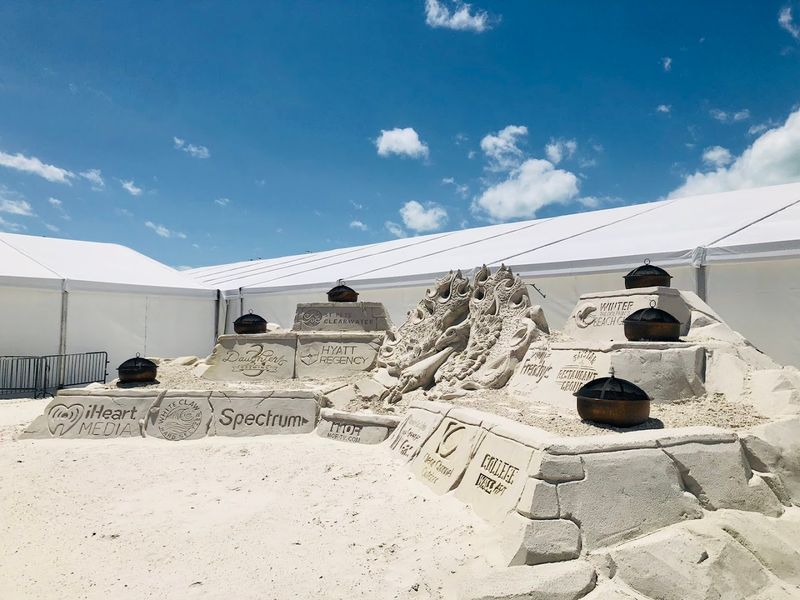
The sheer size of these creations stopped me in my tracks when I first rounded the corner and saw a sand castle that reached well above my head. Most competition pieces rise between 12 and 15 feet high, creating an immersive experience that feels more like walking through an outdoor cathedral than strolling along a beach.
Artists build these giants by packing wet sand into wooden forms, layer by layer, until they achieve the desired height. Once the forms come off, the real artistry begins as sculptors carve downward, removing thousands of pounds of excess material.
The height creates dramatic shadows and viewing angles that change throughout the day as the sun moves across the sky. I found myself circling the same sculpture multiple times, discovering new details each time the light shifted.
Structural integrity becomes crucial at these heights because wind, humidity, and the sand’s own weight constantly threaten to collapse weeks of work. Artists spray their creations with biodegradable sealants that help them survive the entire festival duration, typically lasting three to four weeks after completion.
The Sand Contains Quartz Crystals
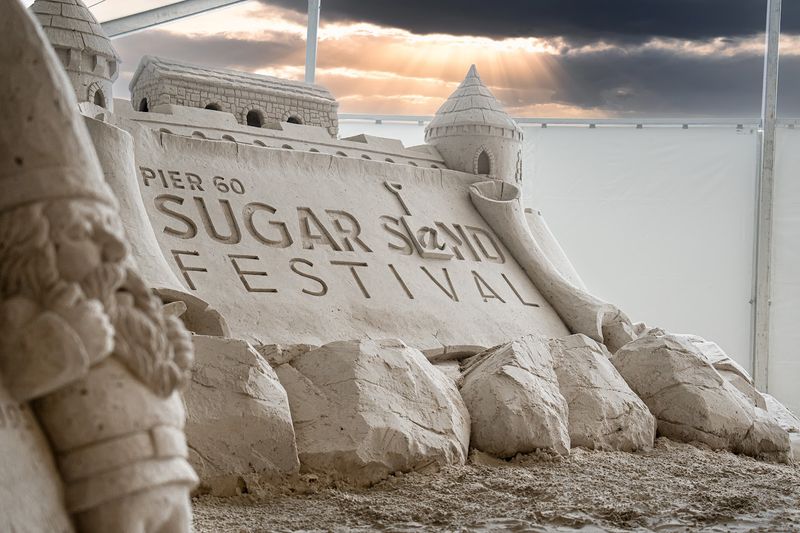
Running my fingers through Pensacola Beach sand revealed why artists travel thousands of miles to work with this particular material. The sand consists almost entirely of pure white quartz crystals that eroded from Appalachian Mountains over millions of years, washing down rivers and eventually settling along this Gulf Coast stretch.
These fine quartz particles pack together with remarkable cohesion when wet, creating a sculpting medium that holds intricate details better than coarser beach sands. The crystal structure also reflects sunlight in ways that make finished sculptures seem to glow, especially during golden hour.
Unlike brown or tan beach sand that contains shell fragments and organic matter, this nearly pure quartz remains stable and consistent throughout the building process. Artists appreciate how the uniform grain size eliminates surprises like hidden shells or rocks that could ruin delicate carving work.
The bright white color serves as a perfect canvas for the shadows and textures that bring sculptures to life, acting almost like marble in traditional stone carving. This natural advantage explains why Pensacola Beach earned its reputation as one of the premier sand sculpture locations worldwide.
Festival Began As Small Community Event
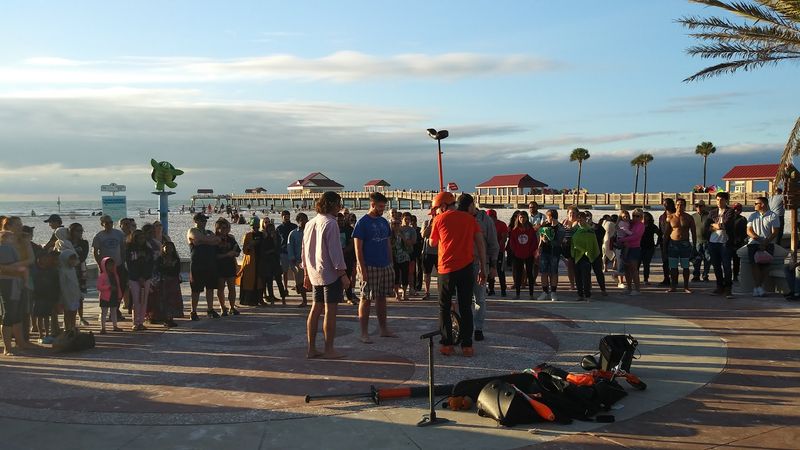
Looking at today’s elaborate festival, I could hardly believe it started as a modest gathering organized by local business owners hoping to attract spring visitors. The inaugural event in the early 1990s featured just a handful of amateur sculptors and drew maybe a few hundred curious beachgoers.
Community volunteers built the foundation by clearing beach space, recruiting artists through word-of-mouth, and convincing local restaurants to sponsor small prizes. That grassroots energy created something authentic that resonated with both participants and spectators, planting seeds for exponential growth.
By the third year, regional media coverage brought sculptors from neighboring states, and the competition level jumped dramatically as serious artists recognized the quality of the sand. Local hotels noticed increased bookings during what had traditionally been a slower tourism period, providing economic incentive to expand the event.
The transformation from backyard barbecue to internationally recognized festival happened gradually over two decades, with each year adding new elements like children’s sculpting areas and professional lighting for evening viewing. That humble beginning still influences the festival’s welcoming atmosphere, where accessibility matters as much as artistic excellence.
April Timing Captures Perfect Weather Window
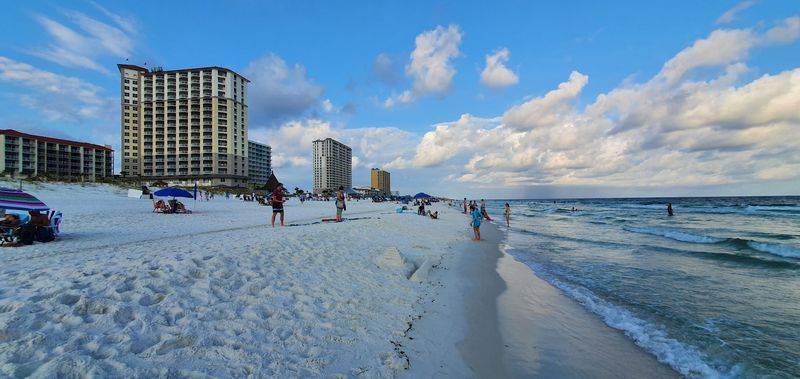
Scheduling this festival for April represents strategic brilliance that balances multiple weather factors crucial for both sculptors and visitors. Spring temperatures hover in the comfortable 70s and low 80s, warm enough for beach activities but cool enough that artists can work long hours without heat exhaustion.
Humidity levels during April provide the moisture sculptors need to keep their creations stable without the oppressive dampness that arrives in summer months. I noticed how the sand seemed to hold its shape effortlessly, requiring less constant spraying than sculptures I’ve seen at summer beach events.
Hurricane season doesn’t begin until June, minimizing the risk of tropical storms that could destroy weeks of preparation and artwork in a single afternoon. The relatively calm Gulf waters and gentle breezes create ideal conditions for intricate detail work that wouldn’t survive windier periods.
Tourist crowds remain manageable in April compared to peak summer vacation months, allowing festival-goers to view sculptures without fighting through masses of people. This timing also fills hotel rooms during what would otherwise be a slower period, making local businesses enthusiastic supporters of the event’s continued success.
Free Admission To Beach Viewing Areas
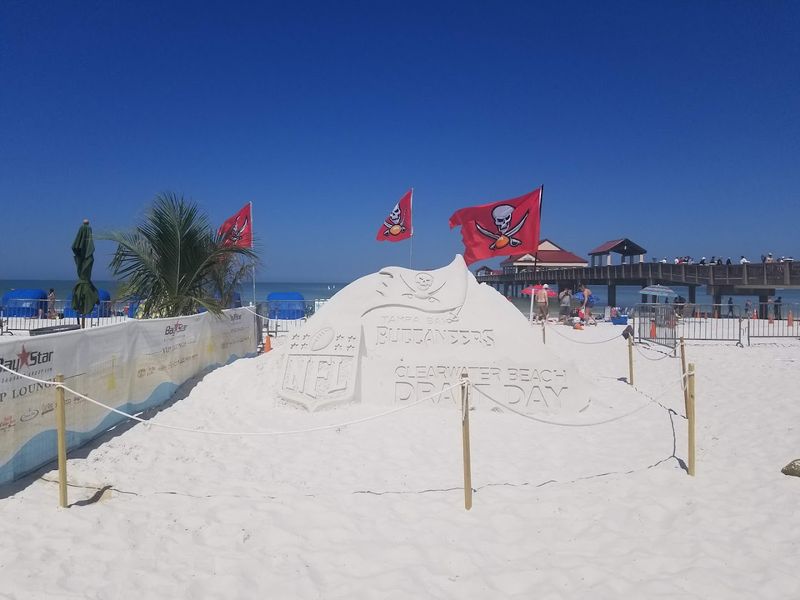
One aspect that surprised me was discovering that large portions of the festival remain completely free to the public, reflecting a commitment to accessibility that many events have abandoned. Anyone can walk along the beach and view numerous sculptures without purchasing tickets or making reservations.
The free zones typically include perimeter sculptures and works created during preliminary rounds, giving casual visitors substantial exposure to world-class sand art. I spent nearly an hour wandering these areas before even considering the ticketed sections, already impressed by the caliber of work on display.
This open-access model creates a festive atmosphere where locals and tourists mingle naturally, with families spreading blankets nearby while children play in the sand between viewing sculptures. The absence of barriers makes the art feel integrated into the beach experience rather than separated behind velvet ropes.
Premium viewing areas and competition zones do require paid admission, but the free sections provide enough content that budget-conscious visitors leave satisfied. This two-tier approach generates revenue for operations and artist prizes while maintaining the community spirit that defined the festival’s early years, proving that art and accessibility can coexist successfully.
Children’s Sculpting Area Encourages Participation
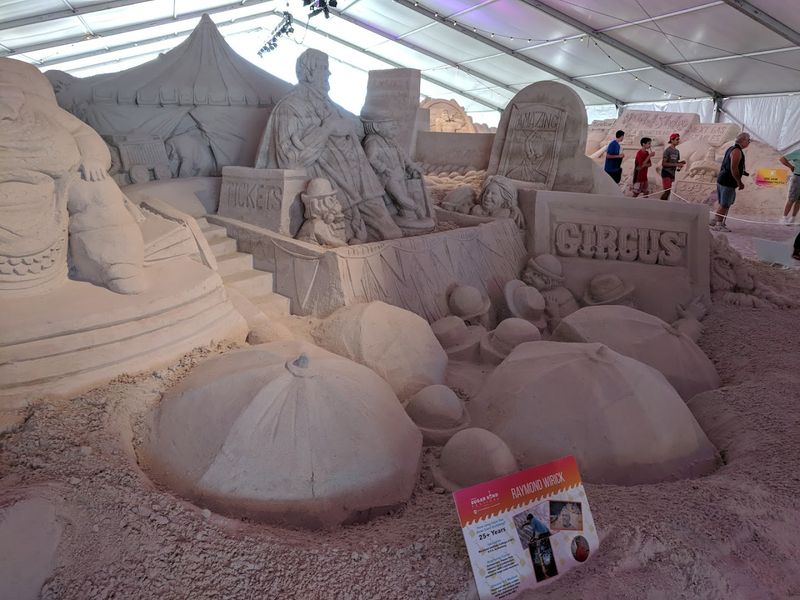
Watching kids transform from timid observers to confident creators in the designated children’s area reminded me why hands-on experiences matter so much. This section provides tools, instruction, and designated sand plots where young visitors can attempt their own sculptures under guidance from patient volunteers.
Professional sculptors rotate through the children’s area, offering tips and demonstrating techniques in ways that make complex concepts accessible to elementary-age minds. I overheard one artist explaining how water acts like glue for sand particles, using language a seven-year-old could understand and apply immediately.
The area stays busy throughout festival hours as families recognize the rare opportunity for their children to learn from actual competitors rather than just reading about art in books. Some kids return multiple days, refining their creations and developing genuine pride in their work.
Parents appreciate the structured activity that keeps children engaged for extended periods, allowing adults to explore competition sculptures without constant interruptions. This family-friendly element distinguishes Pensacola’s festival from more exclusive art events, creating memories that inspire some young participants to pursue sculpture or other artistic paths years later, according to festival organizers who track these stories.
Evening Lighting Creates Dramatic Transformations
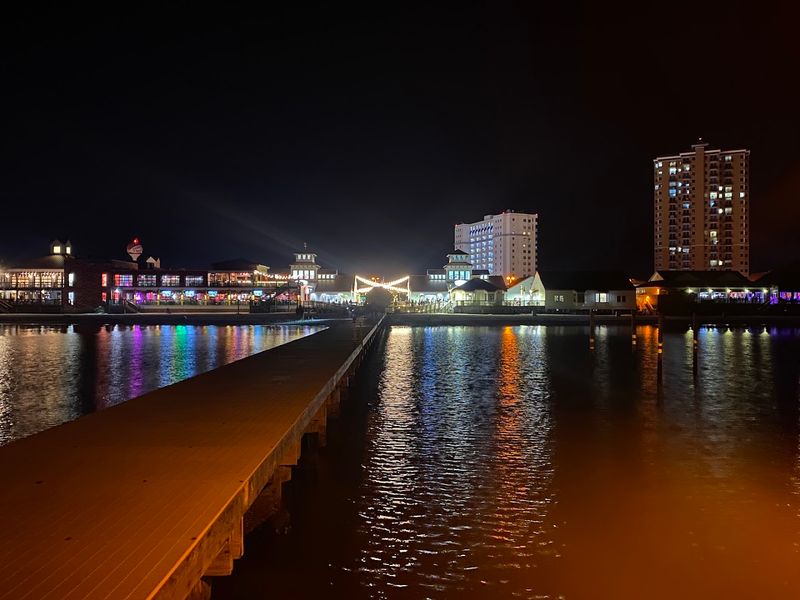
My daytime visit left me impressed, but returning after sunset revealed an entirely different experience as carefully positioned lights transformed sculptures into glowing artworks. Professional lighting designers work with sculptors to determine optimal angles and colors that emphasize textures and shadows invisible under natural sunlight.
The contrast between bright highlights and deep shadows creates three-dimensional effects that make flat surfaces appear to pop forward or recede backward. I stood mesmerized watching how a simple color change from white to amber completely altered the mood of a historical scene sculpture.
Cooler evening temperatures make nighttime viewing more comfortable than midday visits, and the beach takes on a magical quality as lit sculptures emerge from the darkness. Photographers particularly love these hours because the controlled lighting eliminates harsh shadows and produces images that look professionally staged.
The festival extends hours on weekends specifically to accommodate evening crowds, recognizing that many visitors prefer this atmospheric presentation. Walking the illuminated sculpture path feels almost theatrical, like moving through a stage production where each piece receives its spotlight moment, making the extra effort to return after dark absolutely worthwhile for anyone serious about experiencing the full festival impact.
Biodegradable Sealant Extends Sculpture Lifespan
The science behind keeping these masterpieces intact for weeks fascinated me almost as much as the artistry itself. Sculptors apply specially formulated biodegradable solutions that penetrate the sand’s surface and create temporary bonds between individual grains without damaging the beach environment.
These eco-friendly sealants typically contain modified plant-based polymers that break down naturally within months, leaving no harmful residues in the sand or water. The formula allows the sculptures to withstand light rain and wind while remaining porous enough that they don’t become solid blocks.
Application timing matters tremendously because spraying too early can cause sections to collapse, while waiting too long leaves the sculpture vulnerable to damage. I watched artists test small areas by gently pressing their fingers against the surface, checking for the right firmness before committing to full coverage.
Even with sealant protection, sculptures remain temporary by nature, which artists view as essential to the art form’s philosophy rather than a limitation. The impermanence creates urgency for visitors to attend the festival because these specific creations will never exist again, adding emotional weight to the experience that permanent exhibits simply cannot match in quite the same way.
Economic Impact Reaches Millions Annually
Beyond the artistic and cultural value, this festival pumps significant revenue into the local economy through hotel bookings, restaurant visits, and retail spending. Economic studies estimate the event generates between three and five million dollars annually for the Pensacola Beach community and surrounding areas.
Hotels report near-capacity occupancy during festival weekends, with many visitors booking rooms six months in advance to secure beachfront locations. Restaurant owners told me they staff extra servers and extend hours to accommodate the influx, often seeing their busiest April days during festival weeks.
Local artists and craftspeople benefit from vendor opportunities that let them sell paintings, jewelry, and handmade goods to thousands of festival attendees. The ripple effect extends to gas stations, grocery stores, and service providers who all experience increased business from the visitor surge.
This economic boost provides tangible justification for city support and sponsorships that fund the free admission areas and artist prizes. Community leaders recognize that investing in the festival yields returns that far exceed the initial outlay, creating a sustainable model where art, tourism, and local prosperity reinforce each other in ways that benefit everyone involved for years to come.