
This Florida Food Spot Is Starting To Feel Like The State’s 2026 Star
You can usually tell within thirty seconds whether a restaurant is simply serving dinner or creating memories.
The music, the glow of the fire, the conversations around you, and the feeling that nobody is rushing to leave all reveal something the menu never could. Those are the places that stay with people long after the last bite, turning ordinary nights into stories shared with friends months later.
Florida’s restaurant scene is full of hidden surprises, but only a handful leave an impression before the first plate reaches the table.
Great ingredients matter, but they are only part of the experience. The restaurants people talk about most understand that atmosphere, hospitality, and thoughtful cooking belong together.
Florida continues to prove that unforgettable dining is about much more than what is served on the plate. One standout destination has become a perfect example of that philosophy.
From Pop-Up Roots To A Permanent Home
Sunny’s Steakhouse did not begin as a polished institution. It started in 2020 as Sunny’s Someday Steakhouse, an outdoor pop-up created by the Jaguar Sun team during the pandemic, using an abandoned lot in Little River and turning it into something improbably inviting.
That origin still matters because the current restaurant feels shaped by improvisation, care, and a real sense of place rather than by formula.
When it reopened permanently in October 2024, the project kept its emotional center while gaining a more refined identity. You can feel the continuity in the way the space still celebrates open-air dining and ease, even as the menu and service now operate at a full steakhouse level.
The restaurant is not pretending it appeared fully formed.
That history gives dinner here an unusual charge. A lot of Miami spots feel imported from an idea board, but Sunny’s feels earned, with a backstory grounded in adaptation, neighborhood presence, and a team that clearly understood what deserved to last.
If you’re planning a visit, you’ll find Sunny’s Steakhouse at 7357 NW Miami Ct, Miami, FL 33150.
The address feels fitting for a restaurant that has grown from an ambitious neighborhood pop-up into one of Florida’s most talked-about dining destinations, all without losing the relaxed spirit that made people fall in love with it in the first place.
The Banyan Tree Is More Than Scenery
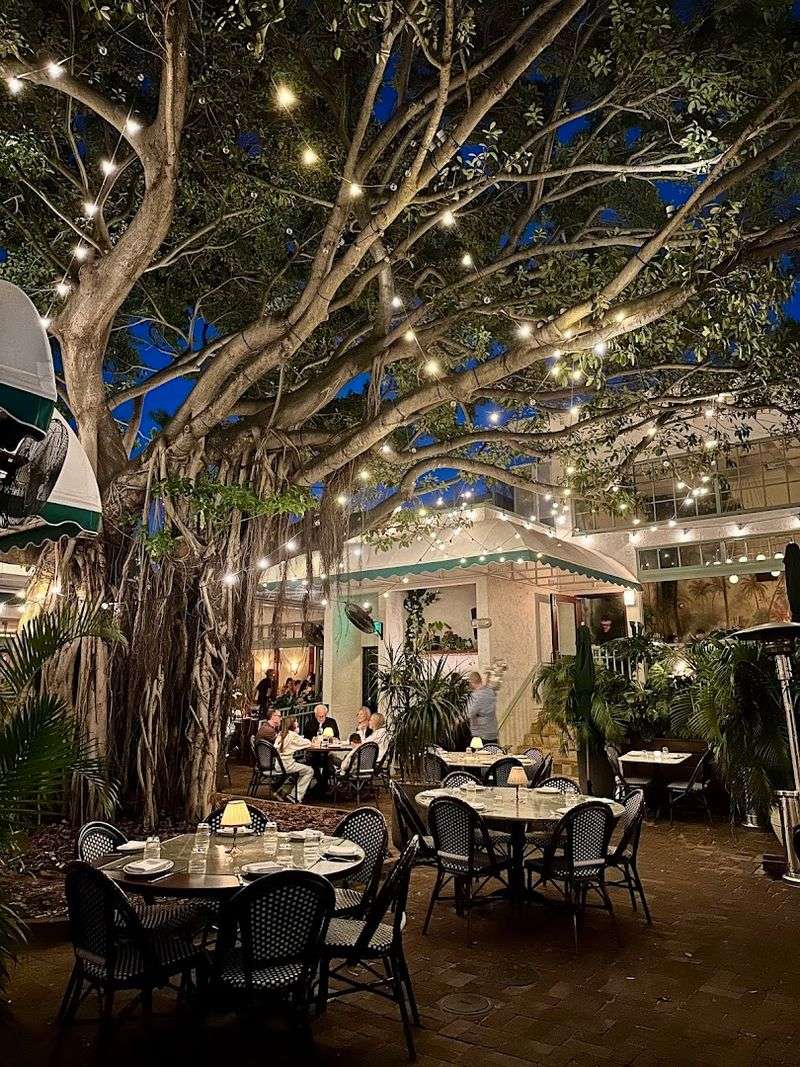
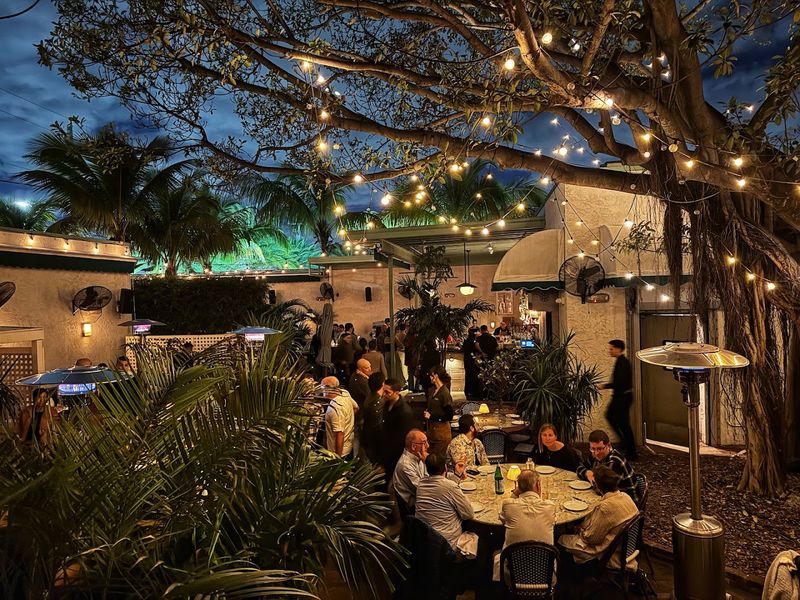
The first thing that settles into your memory at Sunny’s is often not a plate but the tree. The restaurant’s outdoor brick courtyard is anchored by a large banyan, and when the lights begin to glow around it, the whole place takes on the soft electricity of a dinner party that somehow learned perfect posture.
It is theatrical, but not fussy.
That courtyard explains a lot about why the restaurant feels different from the standard dark, sealed steakhouse model. Miami can flatten atmosphere into volume or spectacle, yet this space uses openness, shade, and scale to create intimacy instead.
The tree is not a decorative afterthought. It is the organizing idea, the landmark around which the meal seems to breathe.
I found that the setting changes the food experience in subtle ways. Smoke from the fire, the night air, and the visual calm of the courtyard make rich dishes feel less heavy, which is one reason a long meal here stays lively rather than exhausting.
The Team Behind It Knows What It Wants To Be
Sunny’s works because its leadership is unusually clear. The restaurant is run by co-owners Will Thompson and Carey Hynes, with executive chef Aaron Brooks leading the kitchen, and that combination shows up in the details more than in any grand statement.
Nothing about the menu or room feels accidental, which is rarer than restaurants like to admit.
Brooks previously cooked at Edge Steak and Bar at the Four Seasons in Miami, and the food here reflects serious steakhouse discipline without getting trapped in stiffness. Product sourcing is a stated priority, and the handling of ingredients seems designed to preserve character rather than overcomplicate it.
That matters with beef, seafood, and pasta alike.
There is also a useful tension in the concept. One side leans classic, another side feels playful and contemporary, and neither cancels the other out.
The result is a restaurant that can pull off luxury and warmth in the same room, which is a difficult balance and arguably Sunny’s smartest accomplishment.
Live Oak Fire Shapes The Flavor
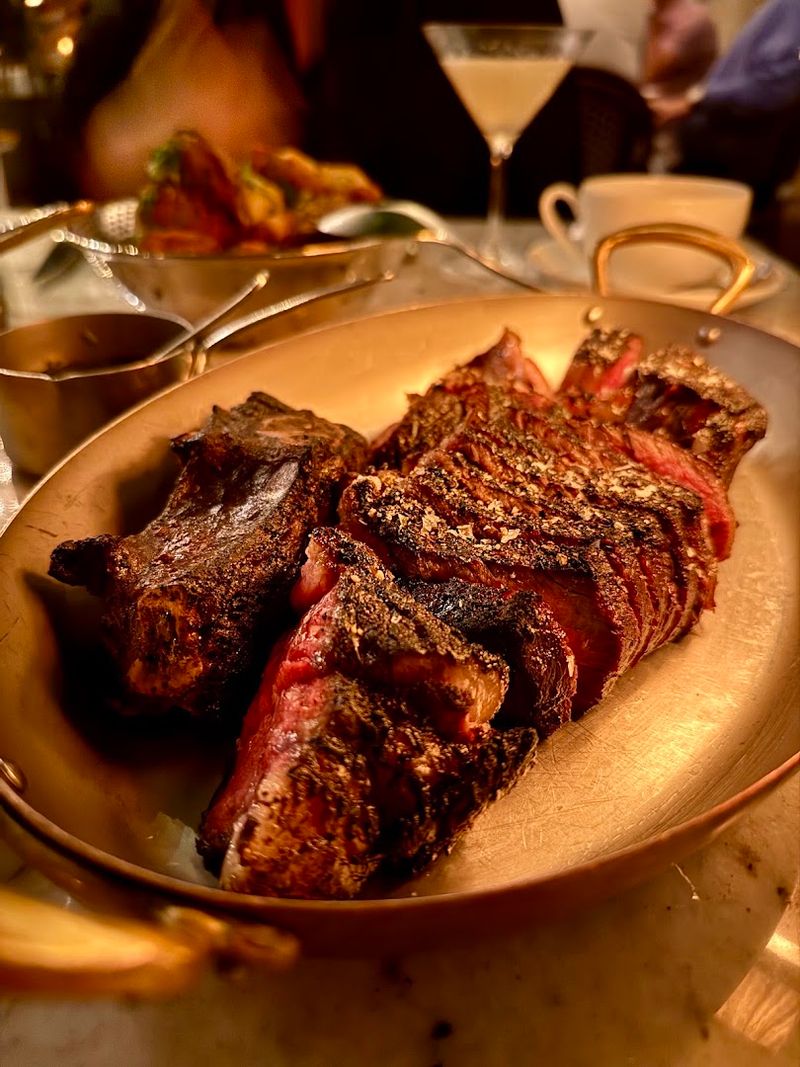
A visible live oak fire is not just a visual flourish at Sunny’s. The restaurant cooks its steaks and other wood-fired proteins over that fire, and the method leaves a signature that is easy to notice: a gentle smokiness, a deeper savory edge, and the kind of crust that makes a steak feel vividly itself.
It is technique serving flavor, not branding.
Because the fire is part of the restaurant’s identity, the room carries a faint sense of movement and purpose even before food arrives. You are reminded that dinner is being built with heat you can imagine, not hidden behind anonymous equipment.
That matters more than people sometimes think, especially in a city where style can outrun substance.
The payoff is not only on beef. Fire cooking adds coherence across the menu, giving the restaurant a culinary through line rather than a collection of disconnected hits.
When a place knows its central language, every course tends to speak more clearly, and Sunny’s benefits from that discipline every night.
Its Dry-Aging And Butchery Program Is Serious
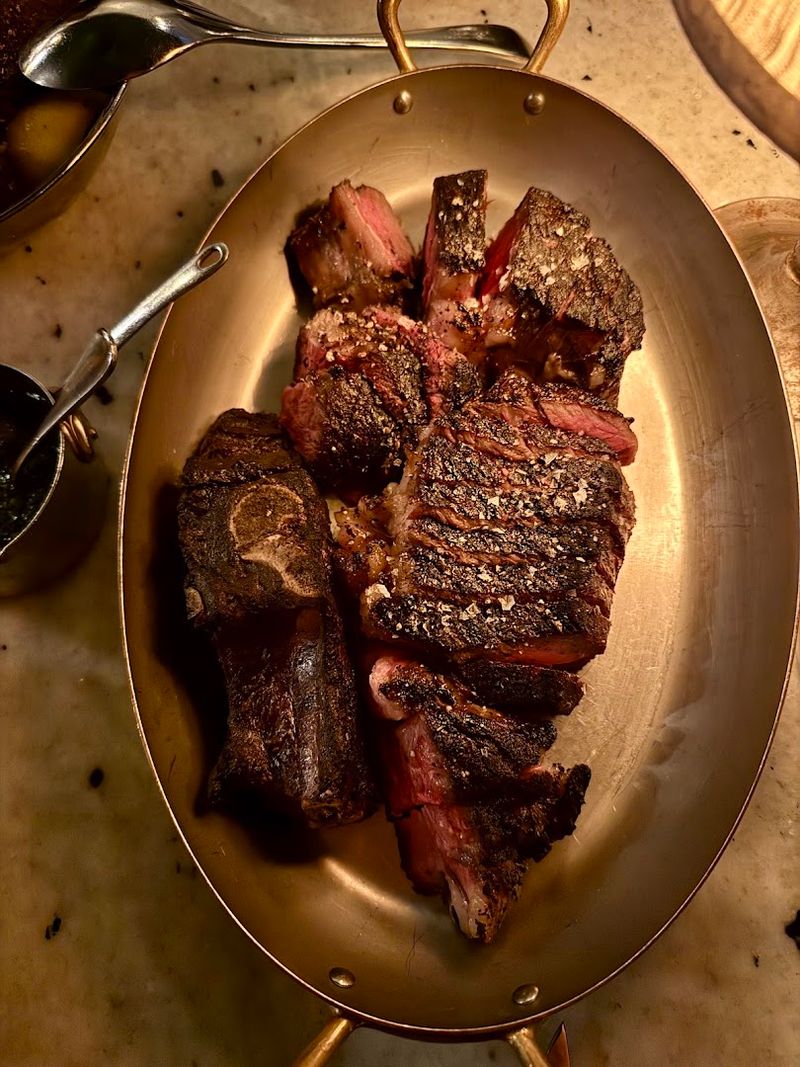
Sunny’s is not coasting on ambience. The restaurant maintains an in-house dry-aging and butchery program, which is one of the clearest signals that it takes meat seriously at the foundational level rather than only at the moment of service.
That sort of program requires time, space, judgment, and consistency, and you can taste the commitment in the menu’s range.
The steak selection includes American and Australian Wagyu along with popular USDA Prime hanger steak, giving diners different routes into the kitchen’s style. Dry aging is not magic on its own, but when handled well it concentrates flavor and refines texture in ways that make a cut feel more articulate.
Sunny’s seems to understand restraint here, letting the beef stay recognizable instead of turning everything into one loud note.
For a restaurant gathering this much attention, that technical backbone matters. Glamour can draw a crowd once, but butchery, sourcing, and execution are what make a steakhouse feel durable.
Sunny’s gives every sign that it wants durability as much as buzz, and that is a promising ambition.
It Knows A Great Steakhouse Needs More Than Steak
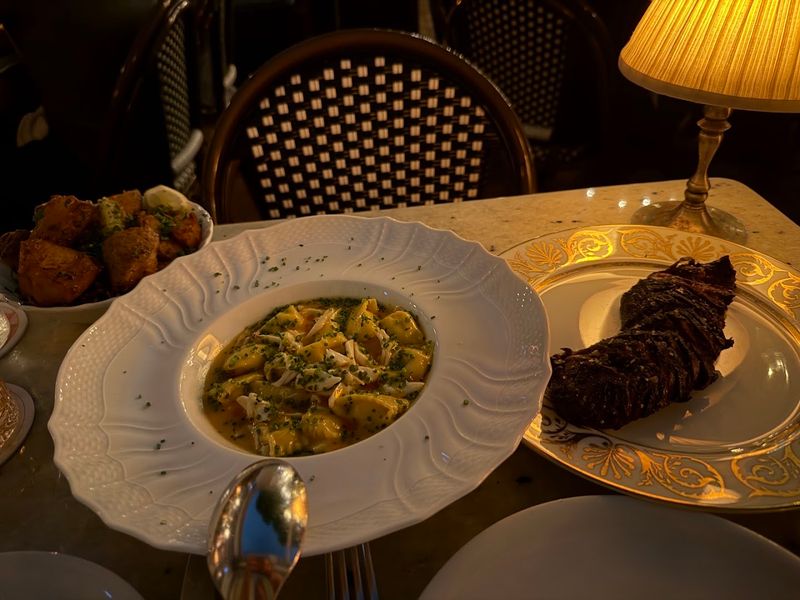
One of Sunny’s smartest choices is refusing to let the word steakhouse become a limitation. The menu goes well beyond beef, with a raw bar focused on Florida seafood, handmade pastas, and substantial mains such as roast chicken and Rohan duck.
That breadth gives the place a modern flexibility without making it feel unfocused.
The effect is practical as well as culinary. A table can order according to appetite instead of category, which keeps the meal from becoming predictable or overly heavy.
This is especially useful in Miami, where people often want elegance without monotony, and where a great dinner can involve a sequence of lighter, richer, and brighter dishes rather than one giant centerpiece.
I appreciate that the non-steak options do not read like polite backups for the cautious. They seem built with the same seriousness as the headline cuts, which makes the restaurant stronger for mixed groups and repeat visits.
A steakhouse that understands variety without losing identity usually has a much longer life.
The Parker House Rolls And Pastas Deserve Their Own Reputation
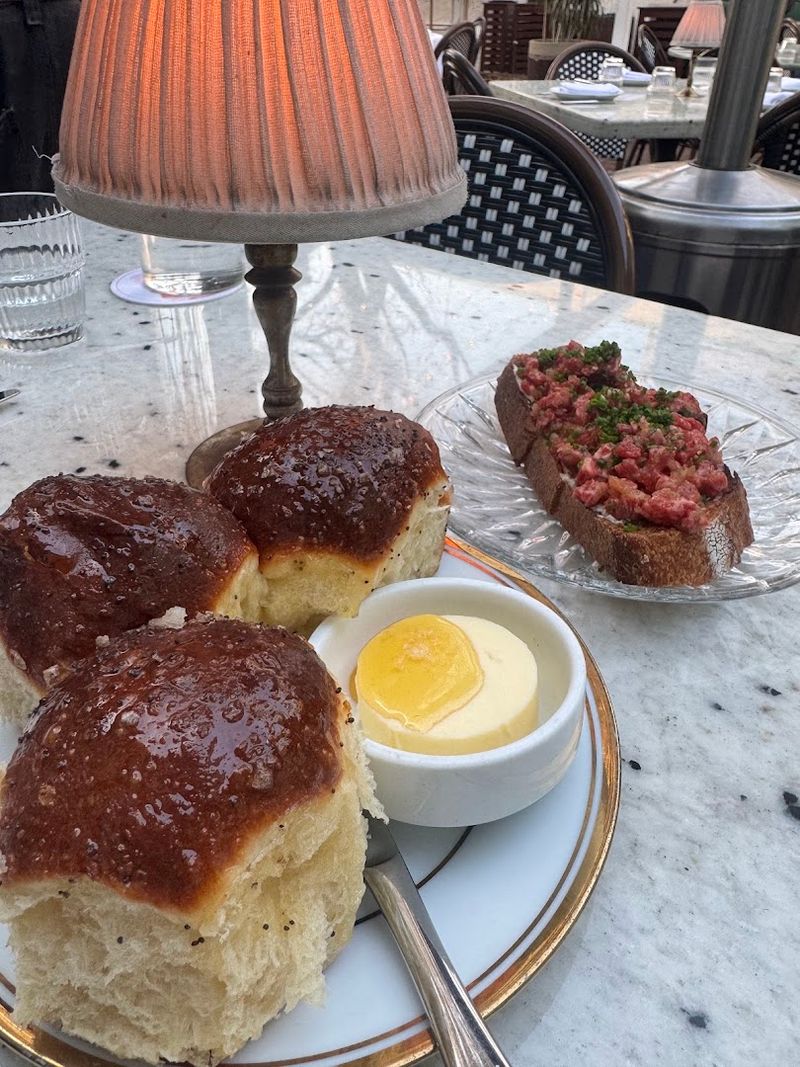
Before the steaks even enter the conversation, Sunny’s gives you a reason to pay attention. The Parker House rolls have become one of the restaurant’s signature starters, known for their light texture and honey butter, and they do that rare thing excellent bread does: they quietly reset the table’s mood from chatty to focused.
Nobody treats them like a throwaway opener.
The pasta program is just as persuasive. A standout dish is the corn agnolotti in saffron broth with blue crab, which shows how the kitchen balances comfort and precision without turning sentimental.
Sweet corn, delicate seafood, and the floral depth of saffron could easily fight for attention, but here they seem designed to meet in the middle.
That kind of dish says a lot about a restaurant’s confidence. It is easier to build hype around large cuts of beef than around dough, broth, and filling, yet Sunny’s makes those details feel central to its identity.
For many diners, that is exactly when admiration becomes attachment.
The Design Balances Midcentury Polish And Tropical Ease
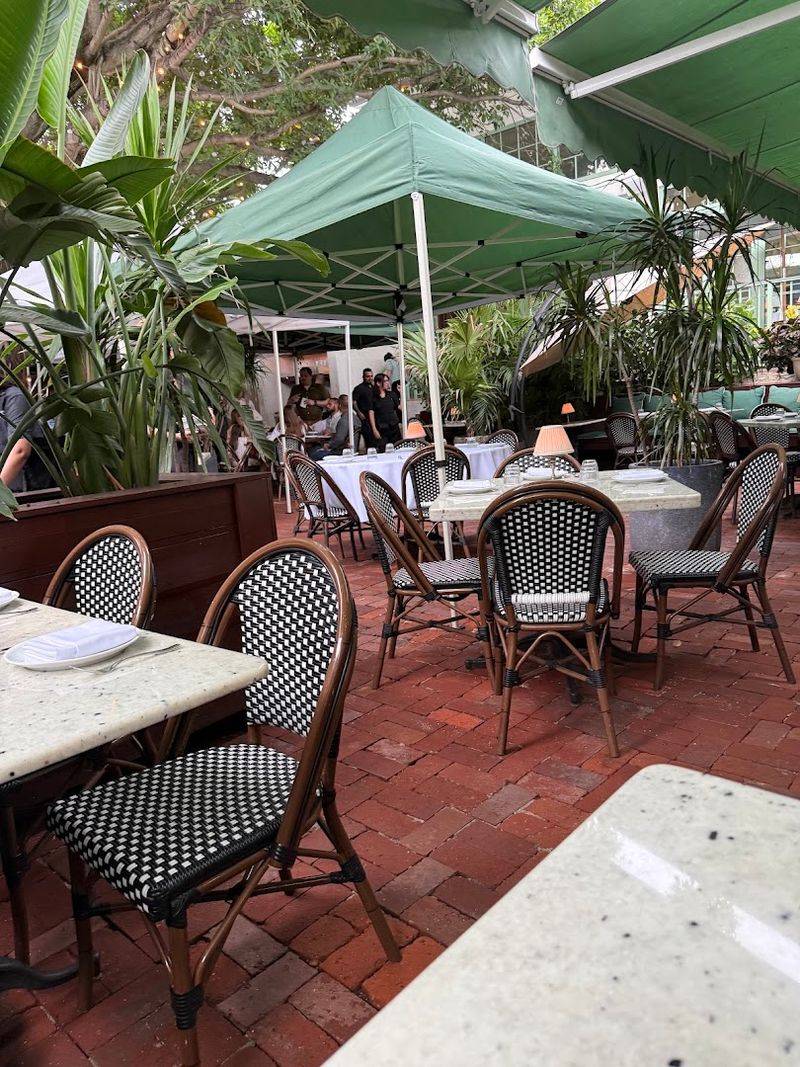
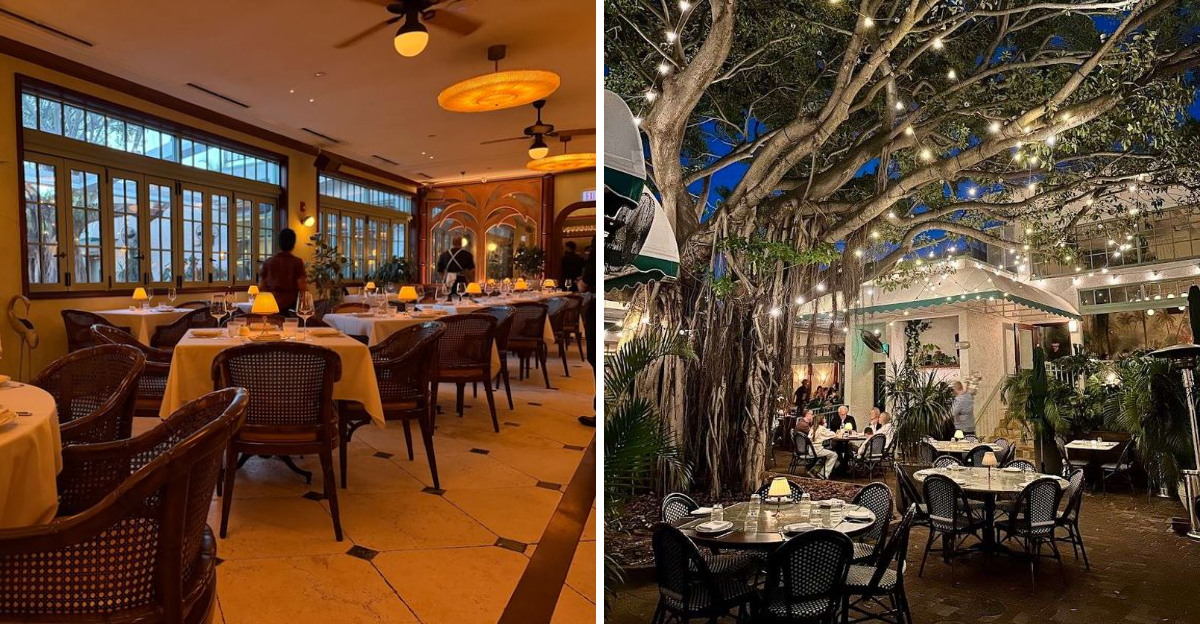
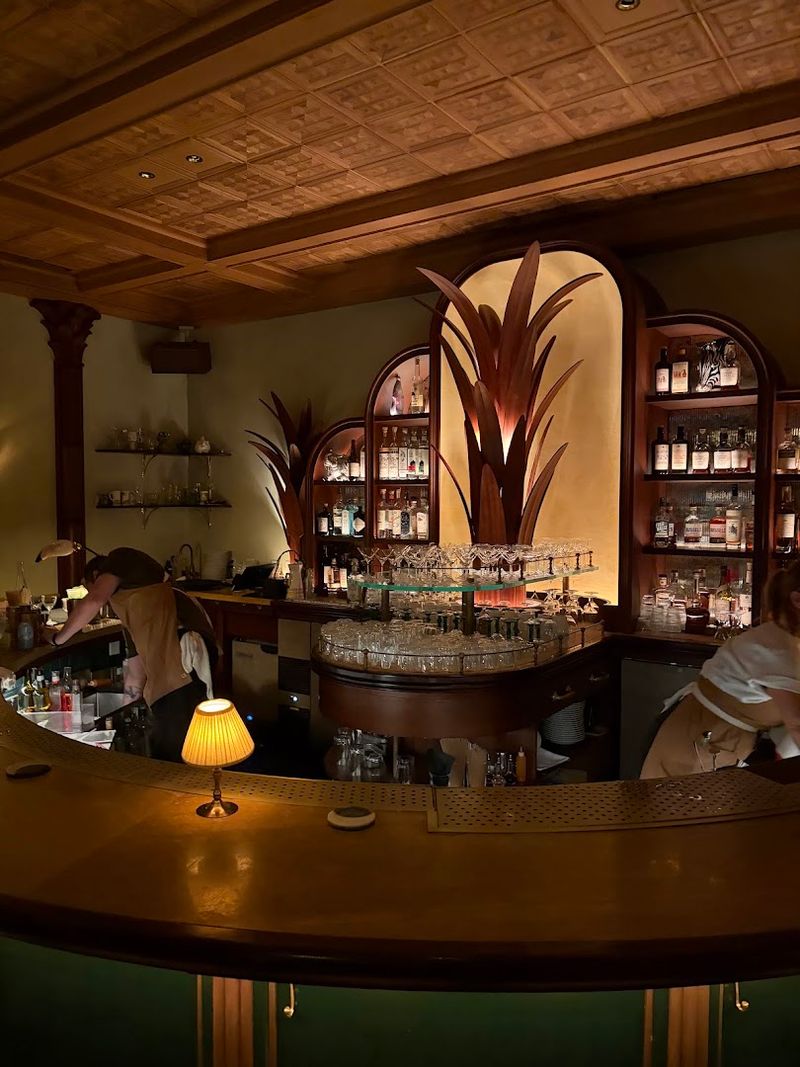
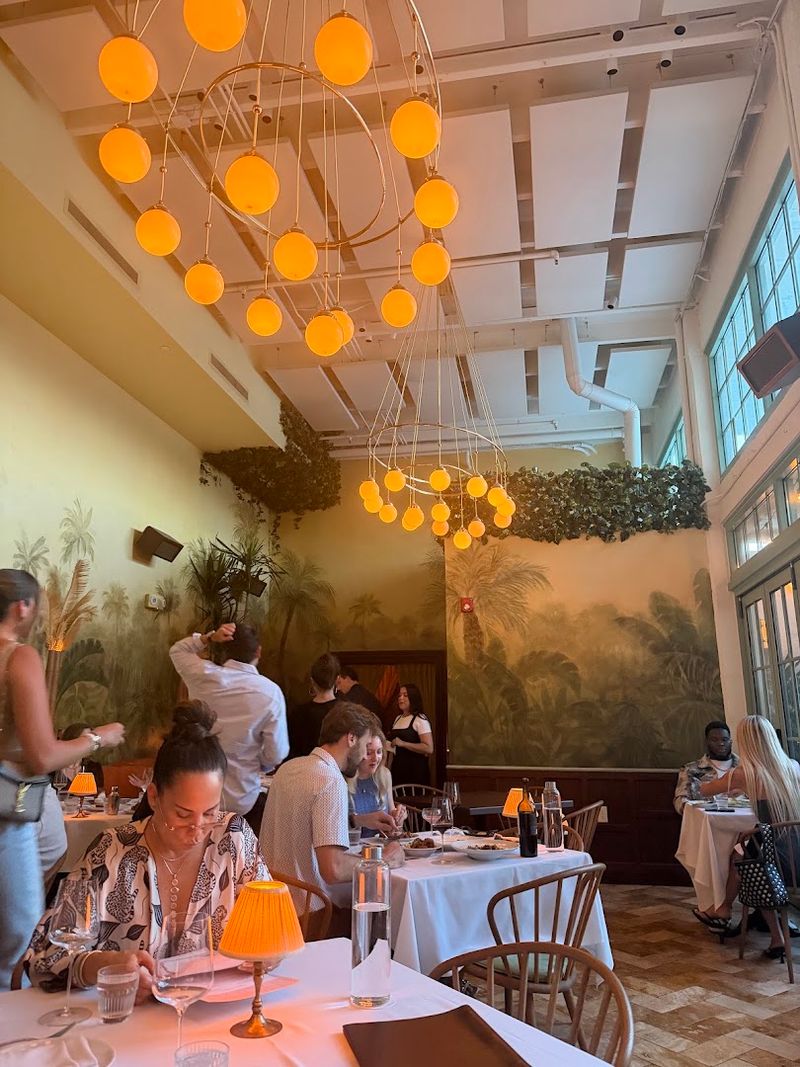
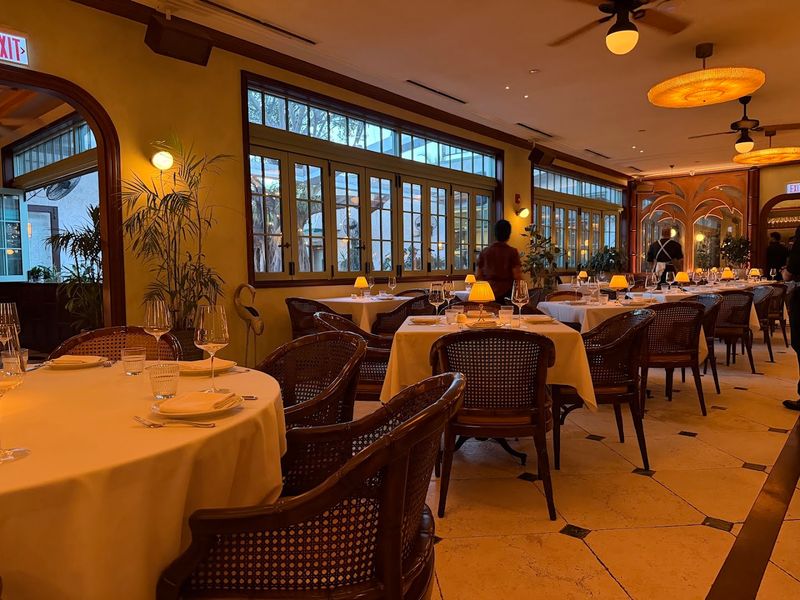
Sunny’s has a look that could have tipped into overdesign, but it stays surprisingly composed. The restaurant blends midcentury modern interior elements with the breezier character of its outdoor courtyard, creating a space that feels dressed up without losing Miami’s openness.
That balance is harder to achieve than it sounds, especially in a city that often confuses glamour with excess.
The visual language supports the food instead of competing with it. Indoors, the mood is polished and structured; outside, the tree, brick, and air soften everything into something more social and fluid.
Moving between those atmospheres makes the restaurant feel larger than its footprint, almost like two related versions of the same evening.
What stands out most is how naturally people seem to inhabit the room. Celebrations fit here, but so does a more casual dinner, because the design does not force one kind of performance.
Sunny’s understands that a memorable restaurant should frame a night rather than dominate it, and that restraint gives the place real staying power.
It Aims To Feel Special Without Feeling Exclusionary
For all its polish, Sunny’s does not seem interested in acting remote. The owners have said they want it to work for both milestone dinners and an ordinary Wednesday, and that intention shows in practical choices such as keeping room for walk-ins, especially at the bar.
In Miami, where demand can harden into attitude, that is a meaningful design of hospitality.
The restaurant is open daily from 5:30 PM to 11 PM, which gives it a steady rhythm rather than a selectively elusive one. There is also free parking, a mundane detail that becomes oddly luxurious in this city.
Logistics may not be glamorous, but they shape whether a place feels welcoming long before the first plate arrives.
I like that Sunny’s seems to understand access as part of atmosphere. An evening can still feel elevated without requiring theatrical effort from the guest.
When a restaurant removes small frictions while preserving standards, people relax into the meal more fully, and that ease often becomes the difference between admiration and genuine affection.
National Recognition Arrived Quickly For A Reason
Sunny’s permanent version has not had to wait long for major attention. Since debuting in October 2024, it has been highlighted in the Michelin Guide, named Best New Restaurant in America by Robb Report, and included on Condé Nast Traveler’s list of the best new restaurants in the world.
Those are serious signals, especially for a place still establishing its next chapter.
Awards do not cook dinner, of course, but in this case the praise matches what is happening on the ground. Sunny’s has a coherent story, a distinctive room, technical ambition, and dishes that people actually want to return for.
That combination is what makes recognition feel earned rather than strategically manufactured.
The larger reason it feels like a potential Florida star for 2026 is that it captures several currents at once. It is rooted in Miami, ambitious without coldness, and stylish without losing appetite.
Plenty of restaurants are good at one or two of those things. Very few manage all three with this much clarity, and that is why Sunny’s keeps gaining momentum.