
This Florida Gothic Mansion Feels Straight Out Of A Horror Movie
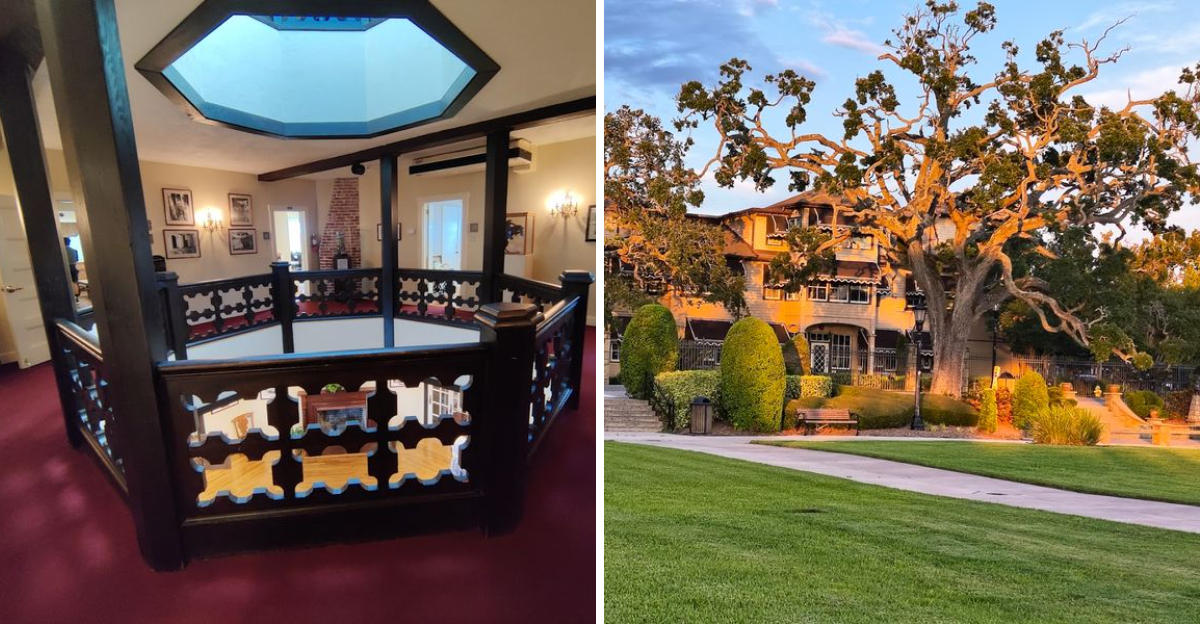
Some historic homes in Florida feel charming. This one feels like it might still be holding onto a few secrets.
Sitting quietly beside the Halifax River, surrounded by giant moss-covered oaks, the mansion instantly gives off the kind of atmosphere that makes people lower their voices without even realizing it. Florida is hiding historic mansions so eerie and beautiful that they barely feel real once you step inside.
The closer you get, the stranger the place starts to feel. Old casement windows, creaking hallways, shadowy rooms filled with history, and the lingering presence of a man who once became the richest person on earth.
Everything about the property feels layered with stories. Some fascinating.
Some mysterious. Some just unsettling enough to make your imagination start working overtime.
I expected a quick tour through another historic house. Instead, I ended up wandering through rooms that felt frozen in time, listening to ghost stories, and realizing this place carries a very different energy once the daylight starts fading outside.
The Hand-Carved Casement Windows That Gave This Mansion Its Name
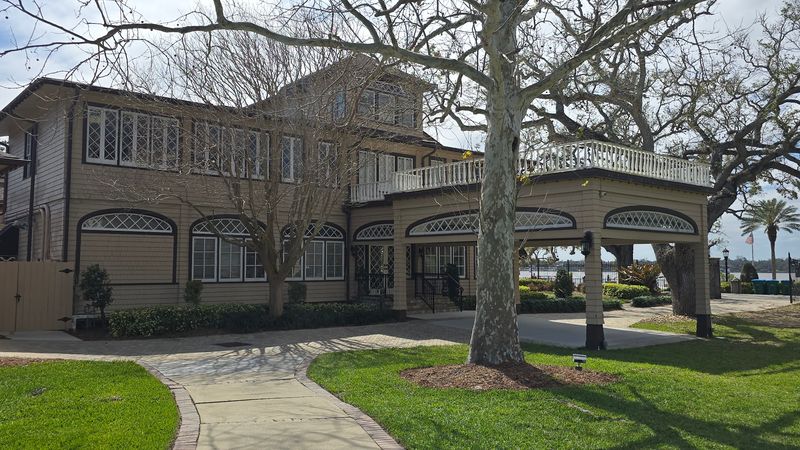
Long before anyone knew who owned this riverside mansion, the windows were already the talk of the town.
The Casements gets its name from the beautifully crafted casement-style windows that line the exterior and interior of the building, each one a small work of art carved by skilled hands.
Standing close to one of these windows, I noticed the intricate detailing that no modern machine could easily replicate.
They frame views of the Halifax River like paintings hung in a gallery, pulling the outside world into every room in the most dramatic way possible.
On a cloudy day, the light filtering through these windows casts long, angular shadows across the floors, giving the interior that unmistakable moody atmosphere that makes your imagination start working overtime.
For architecture enthusiasts and curious visitors alike, these windows are the kind of detail that rewards a slow, close look.
They are, without question, the soul of this building.
John D. Rockefeller Spent His Final Winters Here
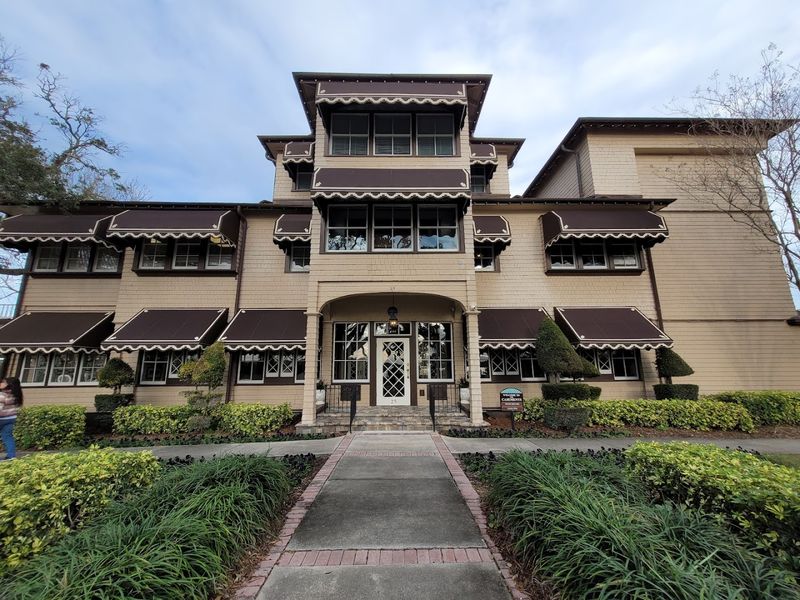
The world’s first billionaire did not spend his golden years in a penthouse or a palace overlooking a European city.
John D. Rockefeller chose a riverside mansion in Ormond Beach, Florida, as his winter retreat, and The Casements became his personal sanctuary away from the industrial empire he had built.
Walking through the rooms, I kept thinking about how a man who controlled so much of the world’s oil wealth preferred the quiet company of a river view and Spanish moss over the chaos of New York.
Visitors who have read biographies of Rockefeller often say the house brings those pages to life in a way that no book alone can achieve.
The exhibits inside document his daily routines, his habits, and his quiet life here in a way that humanizes someone who is often remembered only as a business titan.
History feels surprisingly personal in these rooms.
The Atrium With The Stunning Stained Glass Window
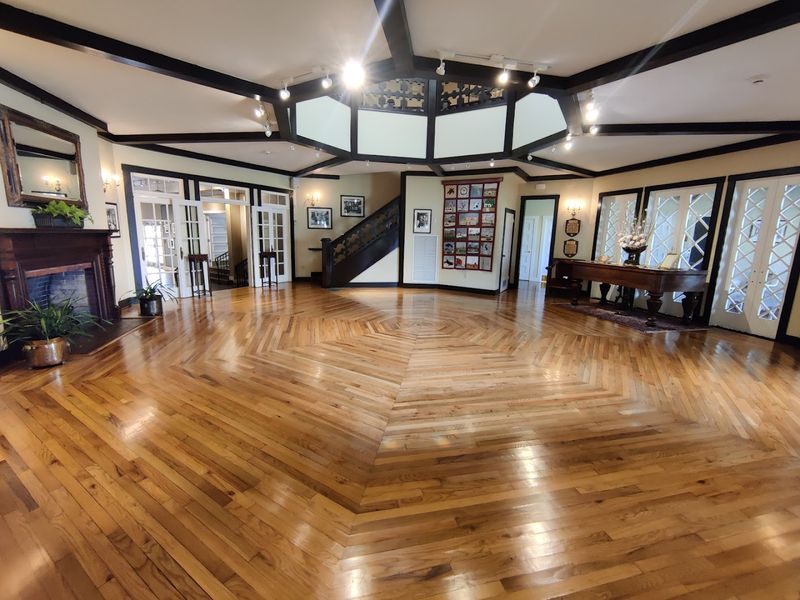
Every old mansion has one room that stops you in your tracks, and at The Casements, that room is the atrium.
A breathtaking stained glass window anchors the space, scattering colored light across the walls and floors in patterns that shift as the sun moves through the sky.
I stood there longer than I planned, watching the colors drift like slow-moving watercolors across the original flooring.
Multiple visitors have called this their single favorite spot in the entire building, and after seeing it myself, I completely understand why.
The atrium has a hushed, almost reverent quality that makes the rest of the mansion feel like a warm-up act.
It is the kind of space that photographers instinctively raise their cameras toward the moment they step inside.
Whether you are on a guided tour or exploring on your own with the app, do not rush past this room, because it genuinely deserves a few quiet minutes of your time.
The Unexpected Hungarian Folk Art Collection
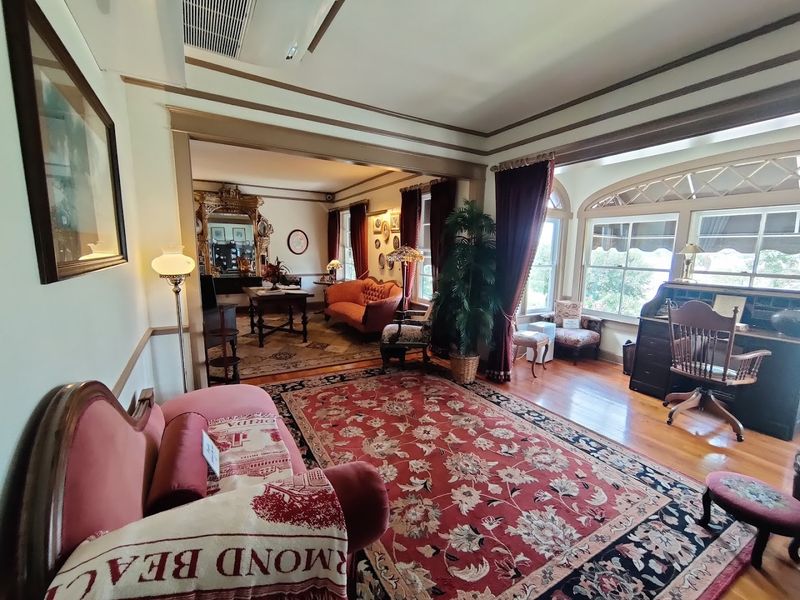
Nobody expects to find Hungarian folk art inside a Florida mansion once owned by an American oil tycoon, but that is exactly what makes The Casements such a rewarding place to explore.
A dedicated collection of Hungarian folk art is displayed within the mansion, featuring embroidered textiles, painted ceramics, and handcrafted objects that represent a rich cultural tradition from across the Atlantic.
The collection arrived as part of a cultural exchange program and has become one of the more talked-about surprises among first-time visitors.
I remember turning a corner and suddenly finding myself surrounded by vibrant reds and deep blues that felt completely at odds with the Florida river outside, in the best possible way.
It adds an unexpected layer to the mansion’s story, reminding visitors that this building has served many purposes and welcomed many different communities over its long life.
Unusual? Absolutely.
Fascinating? Even more so.
Free Tours With Remarkably Knowledgeable Docents
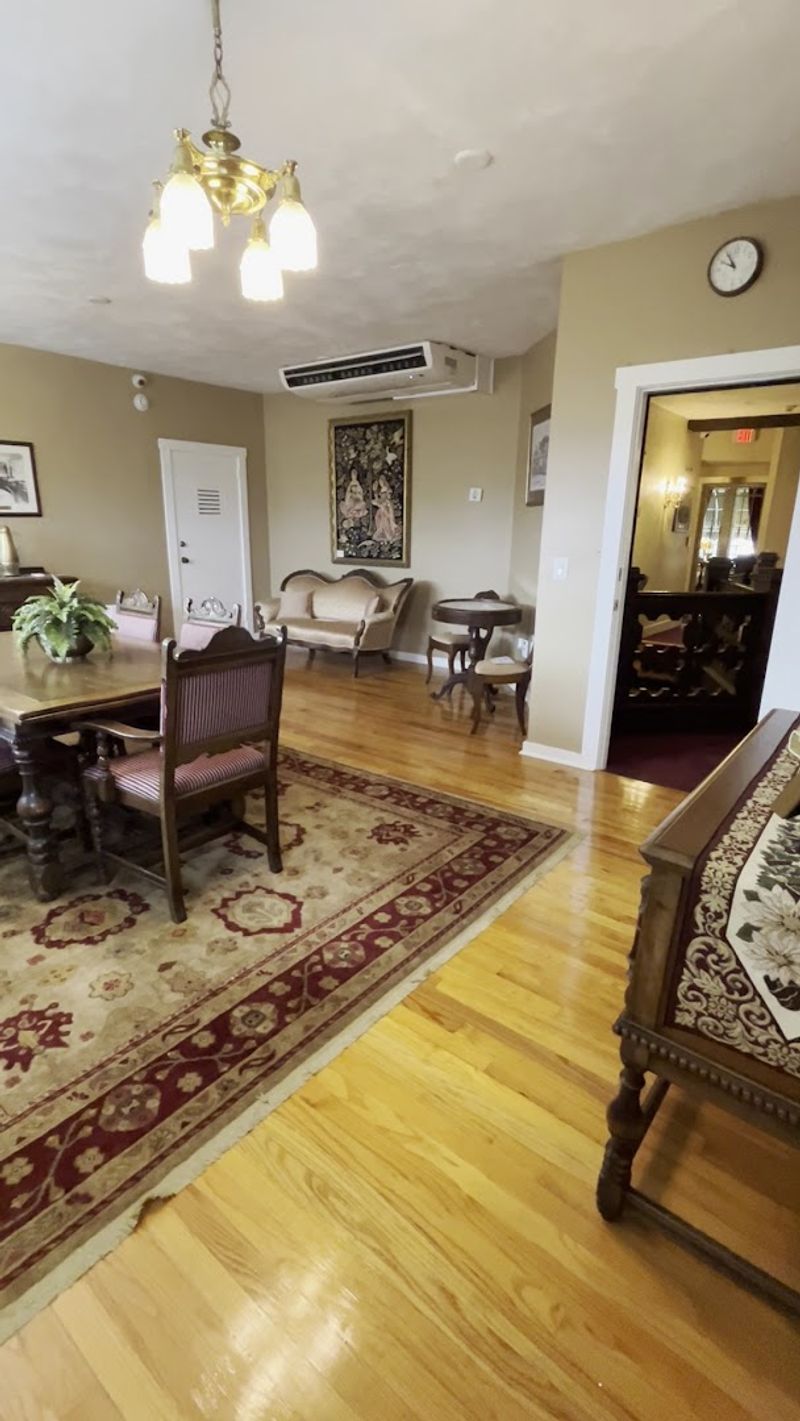
Free admission is already a great reason to visit, but the docents at The Casements are what truly set this experience apart from a typical museum visit.
Guided tours run on the hour and are led by volunteers who know this building and its history with impressive depth, sharing stories about Rockefeller, the Flagler family, the Vanderbilts, and the early development of Ormond Beach that you simply will not find in any brochure.
Tour guides named Paula, Jade, and Lydia have each earned glowing praise from visitors who came expecting a quick walk-through and left with a full Florida history lesson.
I joined a tour that lasted nearly an hour, and not a single moment felt slow or repetitive.
A self-guided app is also available for those who prefer to move at their own pace, but the docent experience adds a warmth and storytelling quality that an app cannot replicate.
Donations are warmly welcomed at the end.
The Creepy, Closed-Off Third Floor
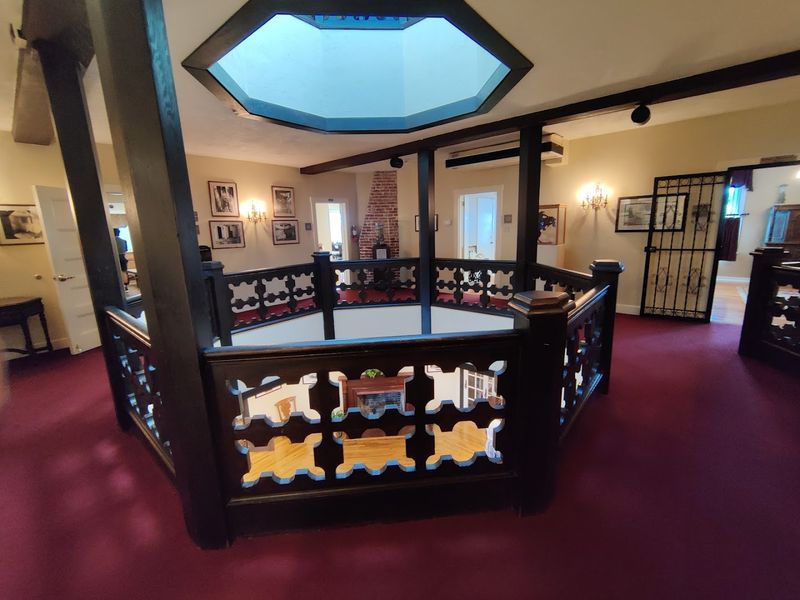
There is something about a closed-off floor in an old mansion that immediately fires up the imagination.
At The Casements, the third floor houses additional exhibits but is only accessible during certain tours, and on the day I visited, it was firmly off-limits to casual explorers.
Standing at the base of the staircase and looking up toward that sealed landing, I will admit my mind went to places that had nothing to do with historical exhibits.
The building’s age, the creaking floors below, and the dim natural light filtering through the narrow windows all contribute to an atmosphere that feels genuinely cinematic.
Visitors who have made it to the third floor during guided tours describe it as well worth the effort, with exhibits that add important context to the mansion’s full history.
For anyone who loves the thrill of exploring spaces that feel slightly forbidden, this upper floor adds a layer of mystery that no amount of renovation can fully erase.
The Hauntingly Beautiful Grounds And River Views
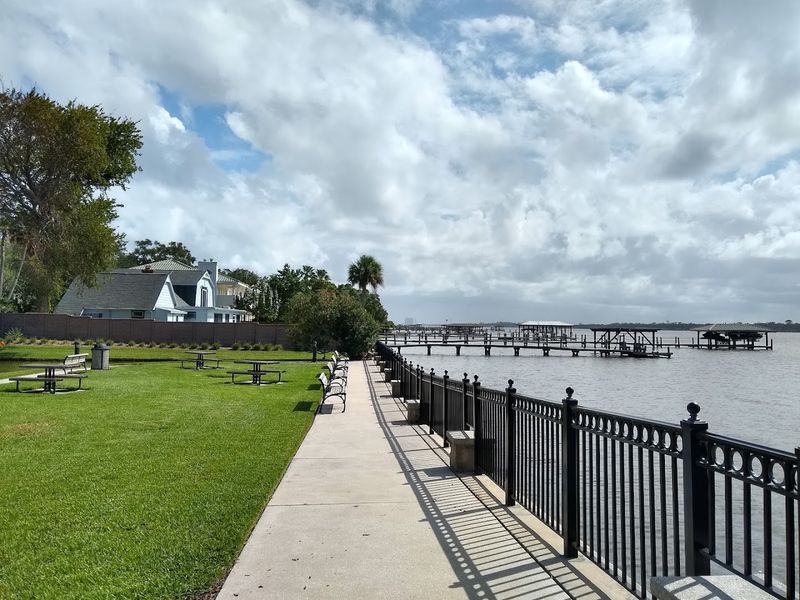
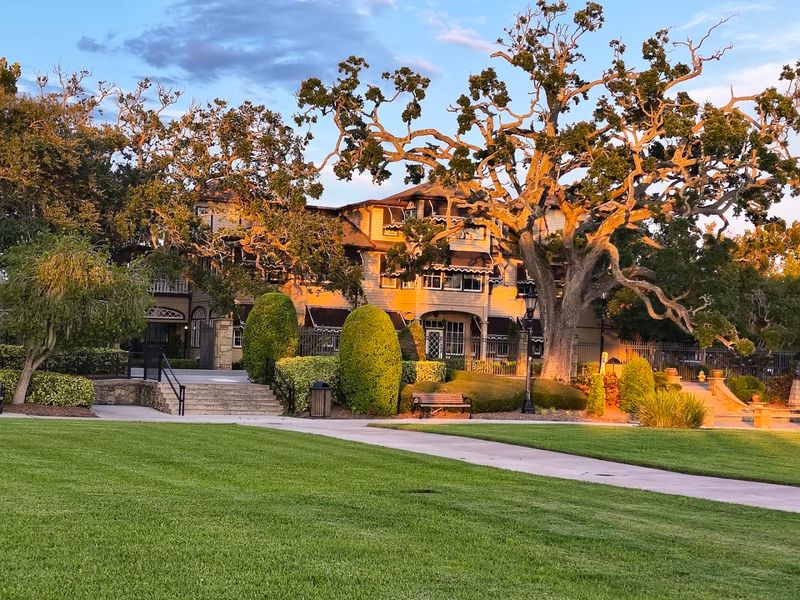
Before I even stepped inside, the grounds of The Casements had already won me over completely.
Massive live oak trees draped in Spanish moss line the property, their twisted branches stretching overhead in a canopy that feels ancient and slightly theatrical, like a natural stage set for something dramatic.
The Halifax River sits directly in front of the mansion, and watching the sun drop toward the water from the front porch is the kind of scene that makes you reach for your camera before you even realize you have moved.
The surrounding park is beautifully maintained and invites slow, thoughtful walks along the riverbank.
Across the river, the Ormond Riverwalk offers additional views back toward the mansion, giving you a completely different perspective on how the building sits within its landscape.
Gardens across the street from the property are also worth a visit and pair naturally with time spent at the mansion itself.
The setting here does most of the storytelling on its own.
Outdoor Movies, Cooking Classes, And Community Events
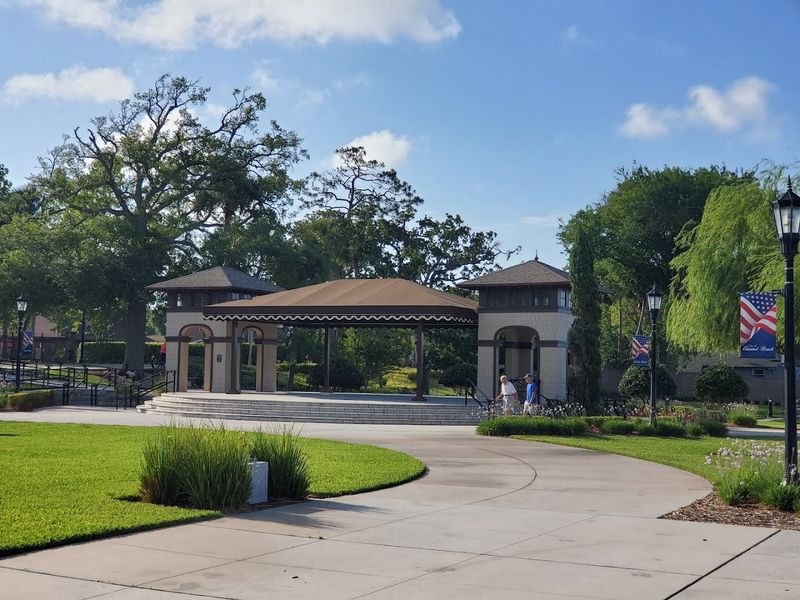
A mansion with this much character could easily rest on its historical reputation alone, but The Casements refuses to sit still.
Throughout the year, the property hosts outdoor movie screenings where visitors bring blankets and chairs, settle onto the lawn, and watch films as the sun sets over the Halifax River with a popcorn stand nearby for good measure.
Cooking classes, art exhibitions with rotating local artists, concerts, and cultural festivals also fill the calendar, making this one of the most actively used historic sites I have ever visited.
I attended an evening event that drew a cheerful crowd of locals and tourists who clearly treated this place as a beloved neighborhood anchor.
The mansion can also be rented for weddings and private events, with venue options both inside and out on the grounds.
For a building that looks like it belongs in a gothic novel, it turns out to be one of the most welcoming gathering spots in all of Ormond Beach.
The Gilded Age Connections That Read Like A Who’s Who
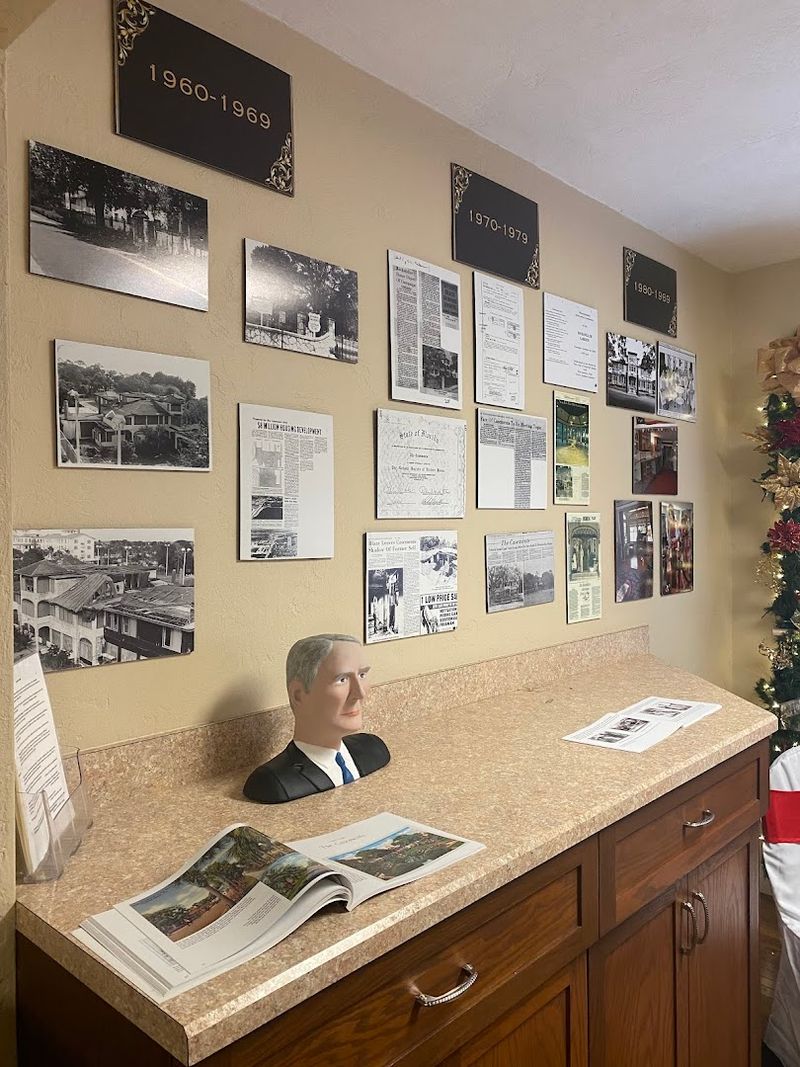
Spending time at The Casements means brushing shoulders with some of the biggest names in American industrial history, at least in spirit.
John D. Rockefeller’s winters here drew other titans of the Gilded Age to the Ormond Beach area, including Henry Flagler, the railroad and hotel developer who helped transform Florida into a destination, and the Vanderbilt family, whose influence shaped so much of American culture at the turn of the twentieth century.
The guided tours connect these figures to the local landscape in a way that makes Ormond Beach feel like it was once the quiet off-season capital of American wealth.
Exhibits inside the mansion document these connections with photographs, artifacts, and carefully curated displays that bring the era to vivid life.
Understanding who gathered here, and why they chose this particular stretch of Florida riverfront, adds a layer of historical weight to every room you walk through.
Power and quiet, it turns out, made excellent neighbors on the Halifax.
Practical Tips For Planning Your Visit
Getting the most out of a trip to The Casements takes just a little bit of planning, and the payoff is absolutely worth it.
The mansion is open Monday through Friday from 8 AM to 5 PM and on Saturdays from 8 AM to noon, so Sunday visitors will need to plan for another day.
Tours run on the hour and are free, though donations are warmly encouraged and genuinely help maintain this remarkable property.
Free parking is available in the lot next to the building, and street parking along Riverside Drive is also an option if the lot fills up during events.
The full address is 25 Riverside Dr, Ormond Beach, FL 32176, and you can reach the venue by phone at +1 386-676-3216 or find event listings at thecasements.net.
Arriving at least ten minutes before a tour starts ensures you get the full experience from the very first room.
Plan to stay at least two hours if you want to explore the grounds properly as well.