
This Florida Lagoon Has One Of The Strangest Names And The Most Unexpected Views
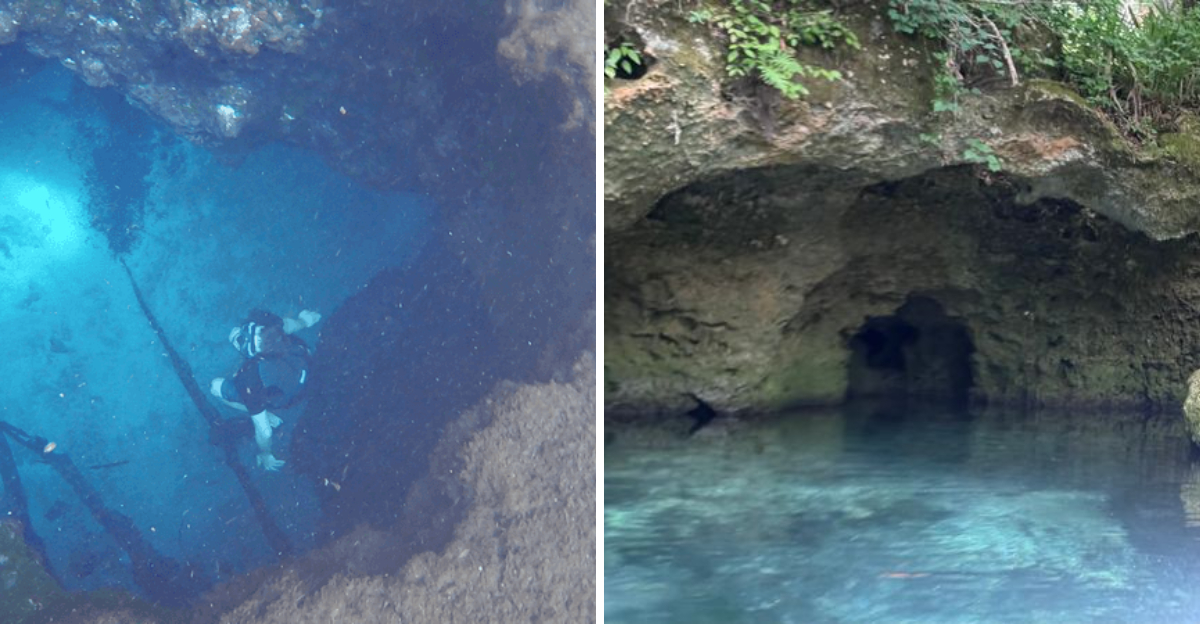
The first thing that hits you is the color, a shade of blue so intense it almost does not feel real.
In north-central Florida, there is a spring where the water looks almost unreal, clear enough to reveal every movement below the surface. At first glance, it feels too perfect, like something that should not exist outside of photos.
This is not just another swimming spot.
It feels deeper than that.
Beneath the surface, hidden caves, powerful currents, and shifting light create an environment that is both beautiful and slightly intimidating at the same time.
Somewhere between the stillness above and the movement below, the experience becomes unforgettable.
Because this is not just a place you visit once.
It is one of those rare Florida spots that stays in your mind long after you leave and makes you want to come back again.
The Story Behind That Peculiar Name
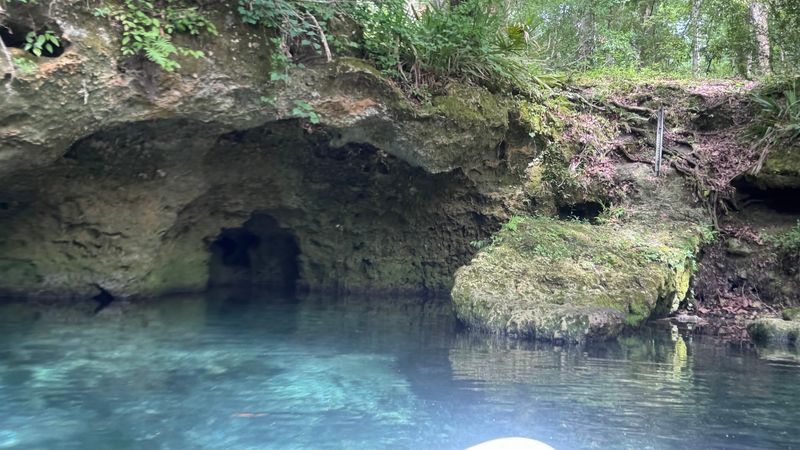
Sometimes the most straightforward names carry the biggest surprises, and Blue Hole Spring is a perfect example of that idea in action.
Locals and park rangers have called it the Blue Hole for generations simply because of the vivid, almost surreal shade of blue that the water displays when sunlight hits it at the right angle.
The color comes from the incredible clarity and depth of the spring, which allows light to scatter in a way that produces that signature deep-blue glow.
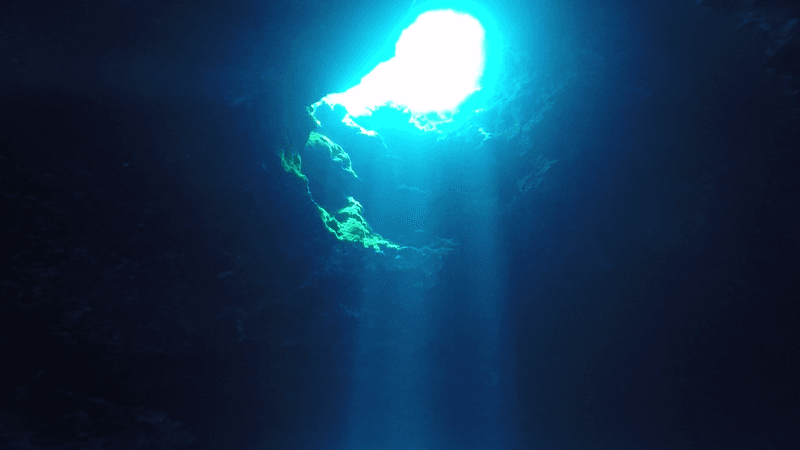
Standing at the platform and looking down, you might expect to see the bottom easily, but the hole drops to depths of around 40 feet in places, and the color only deepens as your eyes travel downward.
There are no dramatic legends or colonial-era stories attached to the name, which somehow makes it even more charming.
The spring earns its title honestly, every single day, through nothing more than pure natural physics and the remarkable underground geology of north-central Florida.
Where Exactly You Will Find This Hidden Spot
Finding Blue Hole Spring requires a little navigation, and that sense of discovery makes arriving there feel like a genuine reward.
The spring sits within Ichetucknee Springs State Park in Florida, located in Columbia County at the postal address Florida 32038, placing it in the heart of the state’s famous spring country in north-central Florida.
Getting there typically means driving through quiet rural roads lined with tall pines and open pastures, which sets the mood long before you reach the park entrance.
Once inside, a short walk of roughly half a mile along a well-maintained boardwalk carries you through a beautiful wetland environment before the spring reveals itself.
The boardwalk itself winds through areas shaded by ancient cypress trees, so even the walk to the spring feels like its own little adventure.
Visitors with a GPS will want to follow directions specifically to the Ichetucknee Springs State Park north entrance, as that puts you closest to the Blue Hole trailhead.
The Water Temperature That Takes Your Breath Away
Stepping into Blue Hole Spring for the first time is a full-body experience, and not entirely in the comfortable sense.
The water holds a steady temperature of around 68 to 72 degrees Fahrenheit year-round, which sounds manageable until your feet actually touch it on a hot Florida afternoon.
That gap between the summer air temperature and the spring water creates an instant shock that makes most first-timers gasp, laugh, or do both at the same time.
Florida springs maintain their cool temperature because the water originates from underground aquifers where sunlight never reaches, keeping it naturally refrigerated no matter what season you visit.
Regular spring visitors will tell you that once you push past that initial chill, the water feels absolutely refreshing, especially after a sweaty hike along the trail.
On cooler winter days, the spring actually steams slightly because the water is warmer than the surrounding air, creating a misty, almost magical atmosphere around the spring basin that photographers absolutely love to capture.
Wildlife That Will Genuinely Surprise You
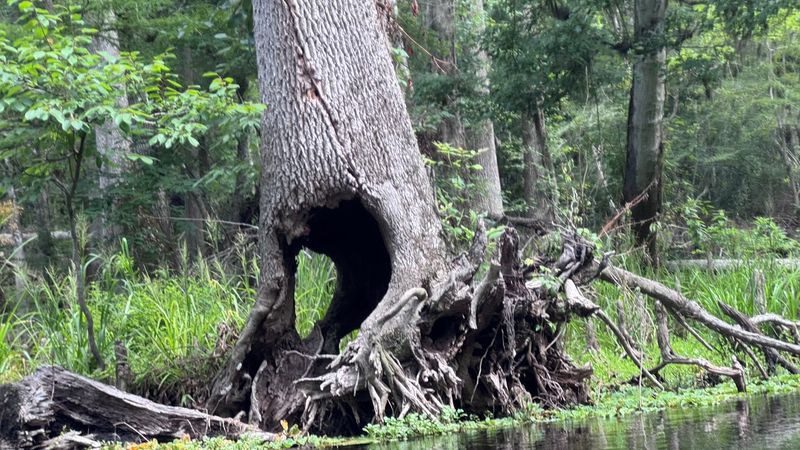
Forget any idea that Blue Hole Spring is just a swimming hole, because the wildlife here turns every visit into something closer to a nature documentary.
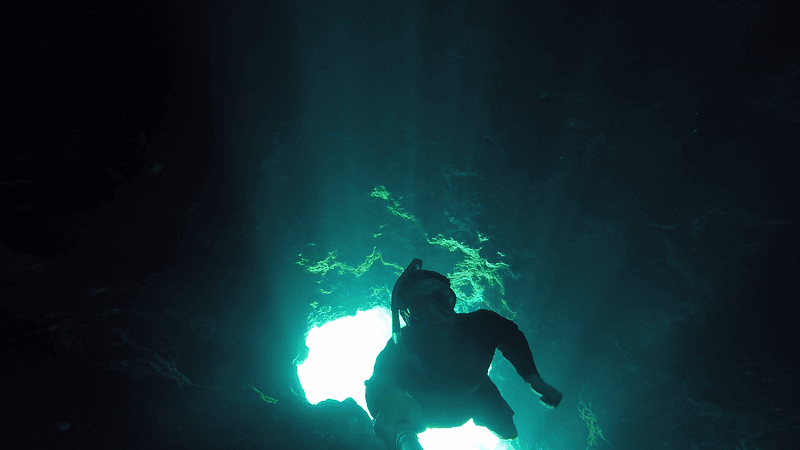
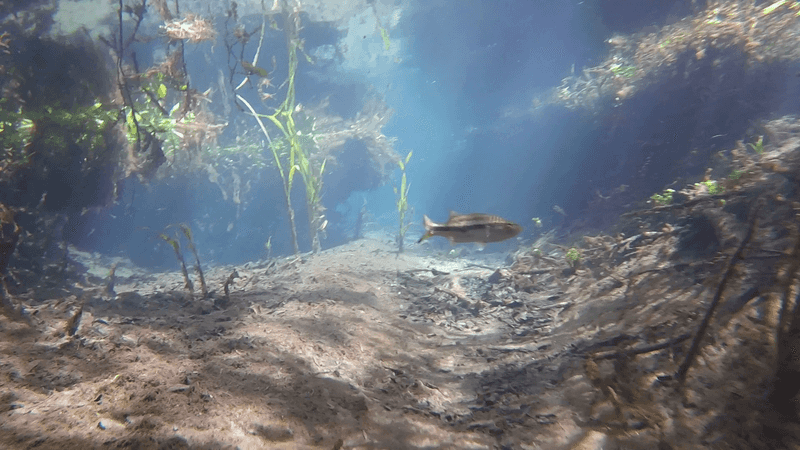
Snorkelers and free divers regularly spot large freshwater fish moving calmly through the underwater cave openings, seemingly unbothered by human visitors floating above them.
Turtles are a constant presence, often gliding past snorkelers at arm’s length or basking on logs near the spring’s edge with the kind of relaxed confidence that only comes from living in a protected park.
River otters have been spotted along the waterway connected to the spring, and catching one of them twisting through the water is the kind of moment that sends people reaching for their cameras.
Birds work the treetops along the boardwalk trail, and the wetland environment supports a surprisingly rich variety of species for such a compact area.
One visitor review even mentioned their children nearly stepping on a non-venomous snake along the trail, which is the sort of wild encounter that turns a nice day trip into a story worth repeating for years.
The Underwater Caves That Fuel The Flow
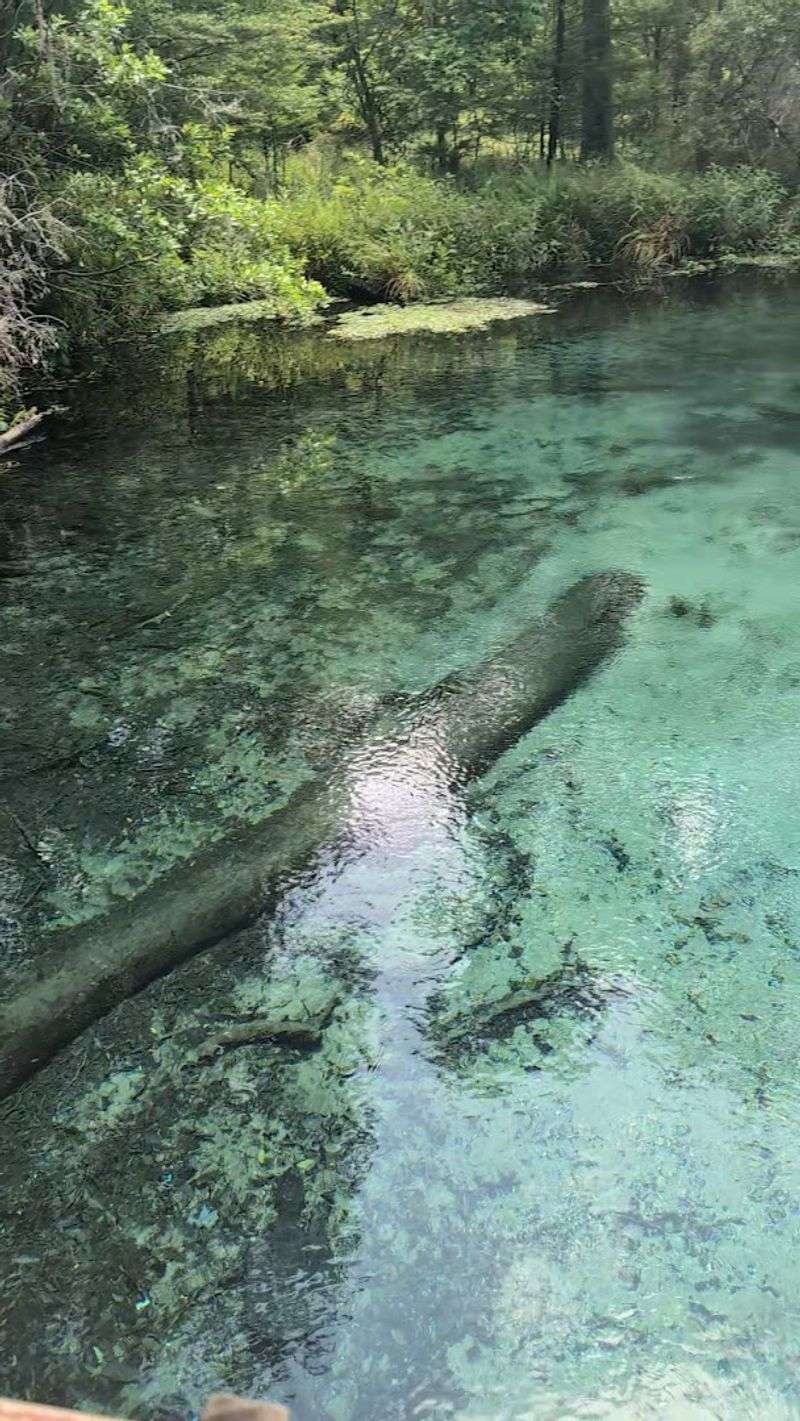
One of the most jaw-dropping things about Blue Hole Spring is what you cannot fully see, the vast network of underwater caves feeding it from below.
The spring is fed by the Floridan Aquifer, one of the most productive aquifer systems in the world, which pushes enormous volumes of water upward through limestone cave passages deep beneath the surface.
Experienced scuba divers and trained cave divers have explored portions of these passages, revealing a hidden world of tunnels and chambers carved by water over thousands of years.
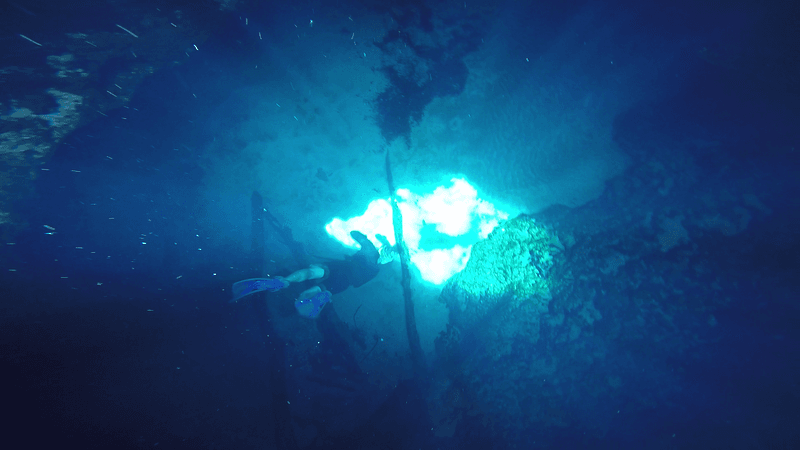
Even snorkelers floating near the surface can feel the steady upward current pushing against them, a constant reminder that something powerful is happening far below their fins.
The depth of the main spring bowl reaches approximately 40 feet down to the cave rim, making it one of the deeper accessible springs in the Ichetucknee system.
That combination of depth, current, and cave openings means the spring commands a healthy level of respect, and park signage makes clear that strong swimming ability is genuinely necessary here.
What the Boardwalk Trail Actually Looks Like
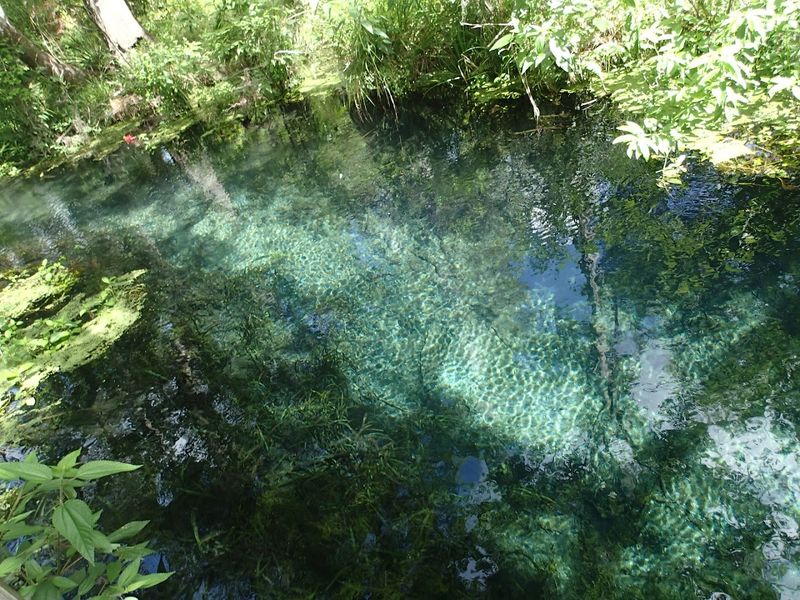
The half-mile boardwalk leading to Blue Hole Spring is one of those rare cases where the journey genuinely competes with the destination for your attention.
Elevated wooden planks carry visitors above the wetland floor, passing through stands of cypress trees draped in Spanish moss and over shallow water where aquatic plants sway gently below.
The boardwalk keeps your feet dry and your shoes clean, which is a thoughtful touch given that the surrounding wetland terrain would otherwise make for a muddy, unpleasant slog.
Morning visits reward early risers with soft light filtering through the tree canopy and a quietness that makes the whole trail feel like a private nature corridor just for you.
The path is wide enough to walk comfortably and well-maintained by park staff, making it accessible for a broad range of visitors including families with young children.
By the time the boardwalk opens up to reveal the spring at the end, most visitors have already taken a dozen photos of the trail itself, which should tell you everything about the quality of that walk.
Tick Safety And Trail Precautions You Should Know
Blue Hole Spring sits inside a wild Florida ecosystem, and one visitor review shared a sobering reminder that the natural beauty comes with a few real hazards worth preparing for.
Deer ticks are present along the hiking trails surrounding the spring, and at least one visitor reported contracting Lyme disease after a visit, making tick awareness a genuine priority rather than a minor footnote.
Wearing long sleeves and pants tucked into socks before hitting the trails significantly reduces the chance of a tick finding exposed skin, even if the outfit feels a little warm in Florida’s heat.
A reliable insect repellent applied to clothing and exposed skin before you start walking is one of the simplest and most effective precautions you can take.
After the visit, a thorough tick check of yourself, your children, and any pets is strongly recommended, paying close attention to hairlines, behind the knees, and underarms.
The spring and trails are absolutely worth visiting, and a little preparation means the only thing you bring home from the experience is great memories and possibly some excellent photos.
Swimming and Snorkeling Tips For First Timers
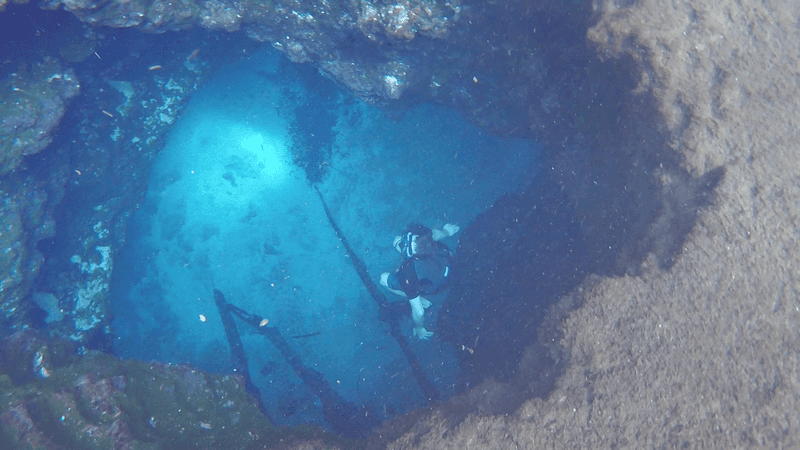
Floating above Blue Hole Spring with a snorkel mask on is one of those experiences that makes you feel like you stumbled into a freshwater aquarium, but there are a few things worth knowing before you jump in.
The spring reaches depths of 30 to 49 feet in certain areas, so park guidelines recommend that non-confident swimmers wear a life jacket, which is sound advice given the strong upward current pushing from below.
Bringing your own snorkel gear is highly recommended because the clarity of the water makes every dollar spent on good goggles or a quality mask feel immediately worthwhile.
Free divers also visit the spring regularly, and the combination of depth and visibility makes it an especially rewarding spot for anyone comfortable diving below the surface.
Water shoes or fins help with maneuvering once you are in the water, since the current can push you around more than you might expect from a spring that looks calm from the platform above.
The swim platform at the spring is described as fairly compact, so arriving earlier in the day gives you more personal space and a quieter experience overall.
The Best Times To Plan Your Visit
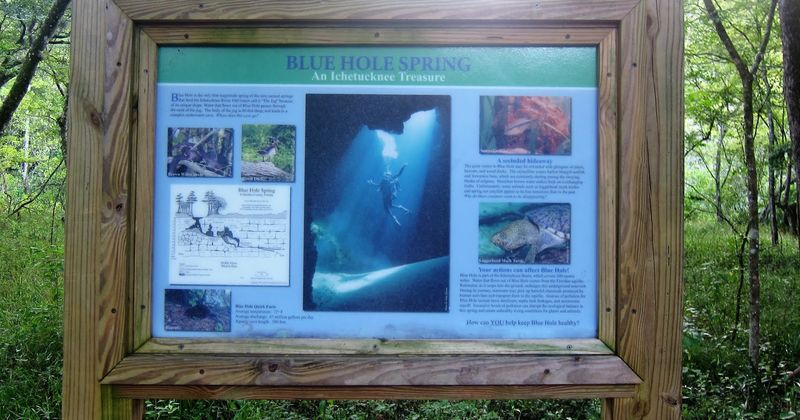
Timing a visit to Blue Hole Spring can make a noticeable difference in the quality of your experience, and a few simple scheduling choices pay off quickly.
Weekday mornings are consistently the quietest option, giving you the boardwalk and the spring platform largely to yourself before the midday crowds arrive, especially during summer months when Florida families are out exploring.
The spring stays at a steady temperature year-round, meaning winter visits are genuinely enjoyable because the water feels comparatively warm against the cooler air, and the trails are far less crowded than in peak summer season.
Spring and fall offer a sweet spot of comfortable hiking temperatures combined with manageable visitor numbers, making those shoulder seasons particularly appealing for anyone who wants the full experience without the wait.
Checking the Florida State Parks website before visiting is always a good idea, as park hours, swimming conditions, and water clarity can vary depending on recent rainfall and aquifer levels.
Whatever time of year you choose, arriving early in the morning consistently earns the best light, the best wildlife sightings, and the best overall mood from a place that already has plenty of all three.
Why Visitors Keep Coming Back Again And Again
A 4.9-star rating from visitors says a lot, but the specific language people use in their reviews says even more about what makes Blue Hole Spring so memorable.
Words like breathtaking, magnificent, and incredible show up repeatedly, and the consistent theme is that the spring delivers something that photos simply cannot fully capture until you are standing right there at the edge of it.
The combination of accessible trails, spectacular water clarity, active wildlife, and a genuine sense of peaceful seclusion creates a layered experience that rewards repeat visitors with something new each time.
Families come back because children grow into better swimmers and can explore more of the spring on each subsequent visit, while adults return simply because the stress relief of floating in that clear, cool water is difficult to replicate anywhere else nearby.
The park community, including rangers and fellow visitors, has a reputation for being warm and protective of the environment, which contributes to the welcoming atmosphere that keeps people loyal to this spot.
Blue Hole Spring is the kind of place that earns a permanent spot on your personal list of Florida favorites after just one visit, and that first visit almost always leads directly to planning the second one.