
This Florida Museum In Sarasota Is Getting All The Attention Right Now
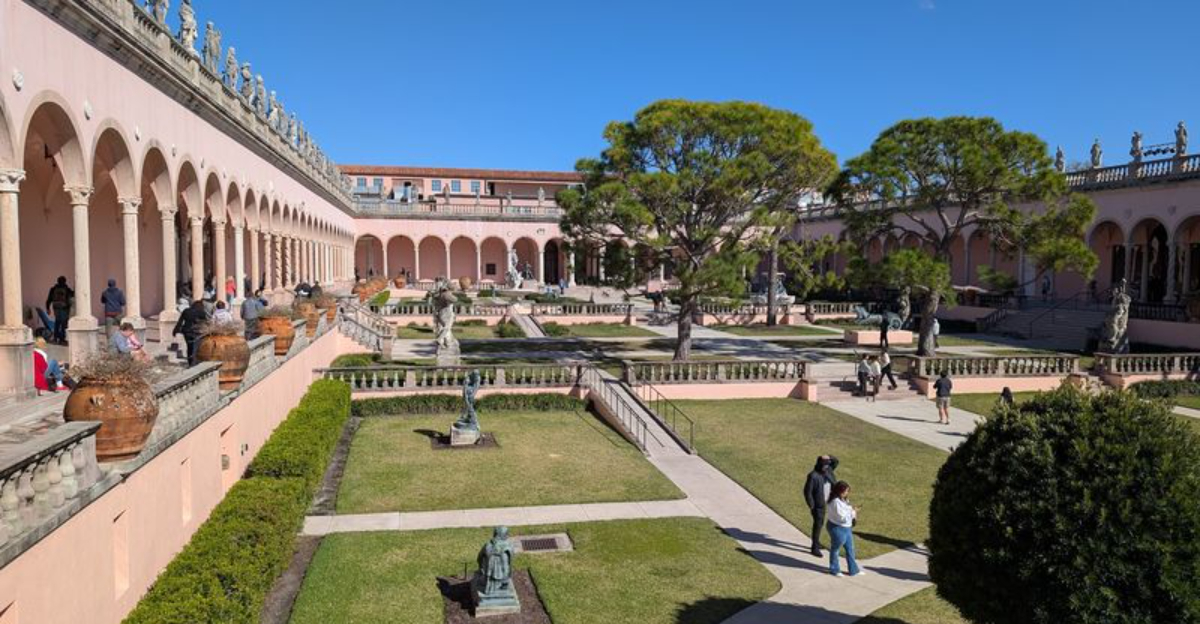
Florida does not usually make you feel like you just stepped into another century… so what happens when it does?
At first, it looks like any cultural stop in Sarasota. A museum, a few buildings, maybe a quick walk through.
But then you step onto the grounds… and it keeps unfolding.
Gardens stretch out toward the water. A pink mansion rises in the distance.
Galleries open one after another, each filled with something you did not expect to find here.
And suddenly, you are not just visiting.
This is not just an art museum.
It is part history, part spectacle, and the kind of place where you come for a quick look and end up spending the entire day without noticing how much time has passed.
Florida feels different when places like this exist.
And once you experience it, you understand why people keep coming back every chance they get.
World-Class Art Collection That Rivals Major Metropolitan Museums
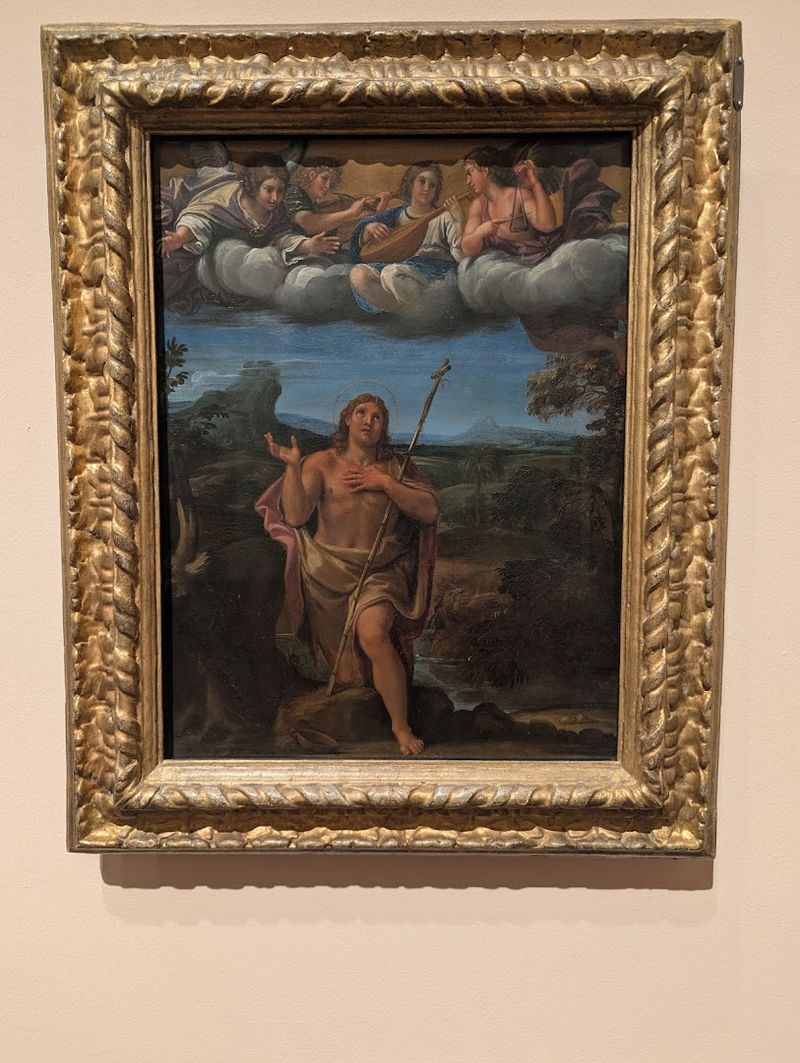
Walking into the main galleries felt like stepping into a private collection that somehow ended up belonging to everyone. John Ringling spent years acquiring paintings by European masters, and the result is 31 galleries packed with works that would make curators at much larger institutions envious.
Rubens, Velázquez, and Tintoretto hang alongside lesser-known but equally stunning pieces that span from antiquity through contemporary installations. The building itself, designed in pink Italian Renaissance style, frames each painting like it was made for that exact spot on the wall.
I spent nearly four hours in the art museum alone and still felt like I missed sections. The collection does not follow a predictable path, you will turn a corner expecting more Baroque works and find something completely different that shifts your perspective.
What impressed me most was how close you can get to each piece. Metal lines on the floor mark boundaries, but beyond that, the museum trusts visitors to appreciate the art without heavy barriers.
And once you find yourself wandering through 5401 Bay Shore Rd in Sarasota, that sense of closeness makes every brushstroke feel intentional and every color choice more vivid than any photograph could capture.
The Circus Museum Experience That Brings Childhood Wonder Back
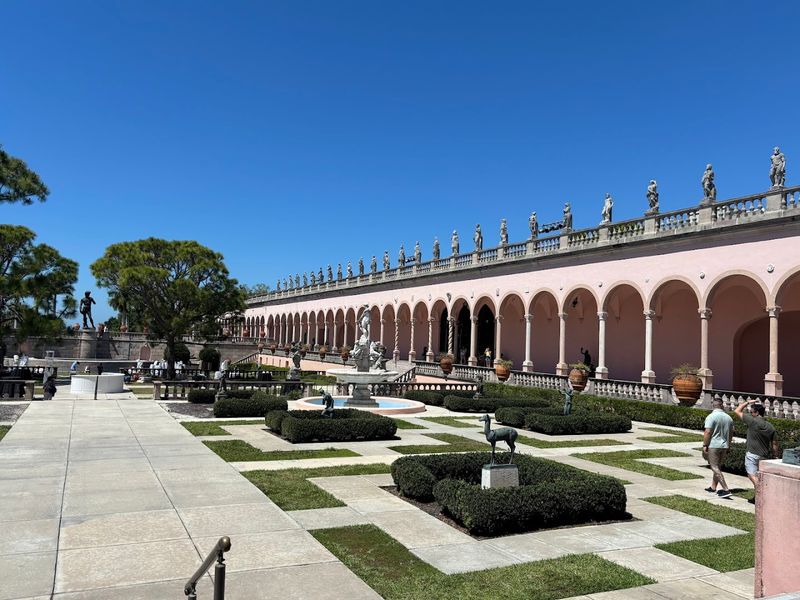
Howard Tibbals spent 50 years building a scale model of the Ringling Bros. and Barnum & Bailey Circus, and seeing it in person made me understand obsession in the best possible way. The model fills an entire room in the Tibbals Learning Center, showing every detail of how a traveling circus operated when it rolled into town for one magical day.
Tiny acrobats hang from miniature trapezes. Painted wagons line up in perfect formation.
Even the cookhouse and animal cars get their moment, reminding you that a circus was a temporary city on wheels.
Interactive displays throughout both circus buildings let you try balancing acts, learn about famous performers, and explore the business side of entertainment that made John Ringling wealthy enough to collect all those paintings. I watched kids and adults equally mesmerized by the same exhibits, which doesn’t happen often in museums.
John Ringling’s restored private train car sits in the second building, and stepping inside felt like boarding a first-class ticket to 1930. The wood paneling, sleeping berths, and dining area show how circus royalty traveled between cities, turning long train rides into mobile luxury hotels.
Ca d’Zan Mansion With Waterfront Views That Define Old Florida Glamour
Ca d’Zan rises from the shoreline like a Venetian palace that took a wrong turn and ended up in Florida. John and Mable Ringling built this 36,000-square-foot mansion in the 1920s, and even from the outside, it makes a statement that money could buy taste if you knew where to look.
The exterior tour, which you can do without buying interior tickets, shows off the mansion’s pink facade, terra cotta details, and tower that once served as John’s private lookout over Sarasota Bay. Walking the waterfront path around the property gives you angles that photographers dream about, especially near sunset when the light turns everything golden.
Inside tours cover the first floor, though reviews mention the current minimalist approach leaves rooms feeling sparse compared to what you might expect. I found the architecture and original details more interesting than the furniture placement, but the views through those massive windows toward the water made every room worth entering.
The mansion hosts special events and weddings now, which explains why certain areas feel staged rather than lived-in. Still, standing in rooms where 1920s society gathered for parties makes you appreciate how Sarasota became a winter destination for people who had choices about where to spend their time.
66 Acres Of Gardens That Feel Like A European Estate
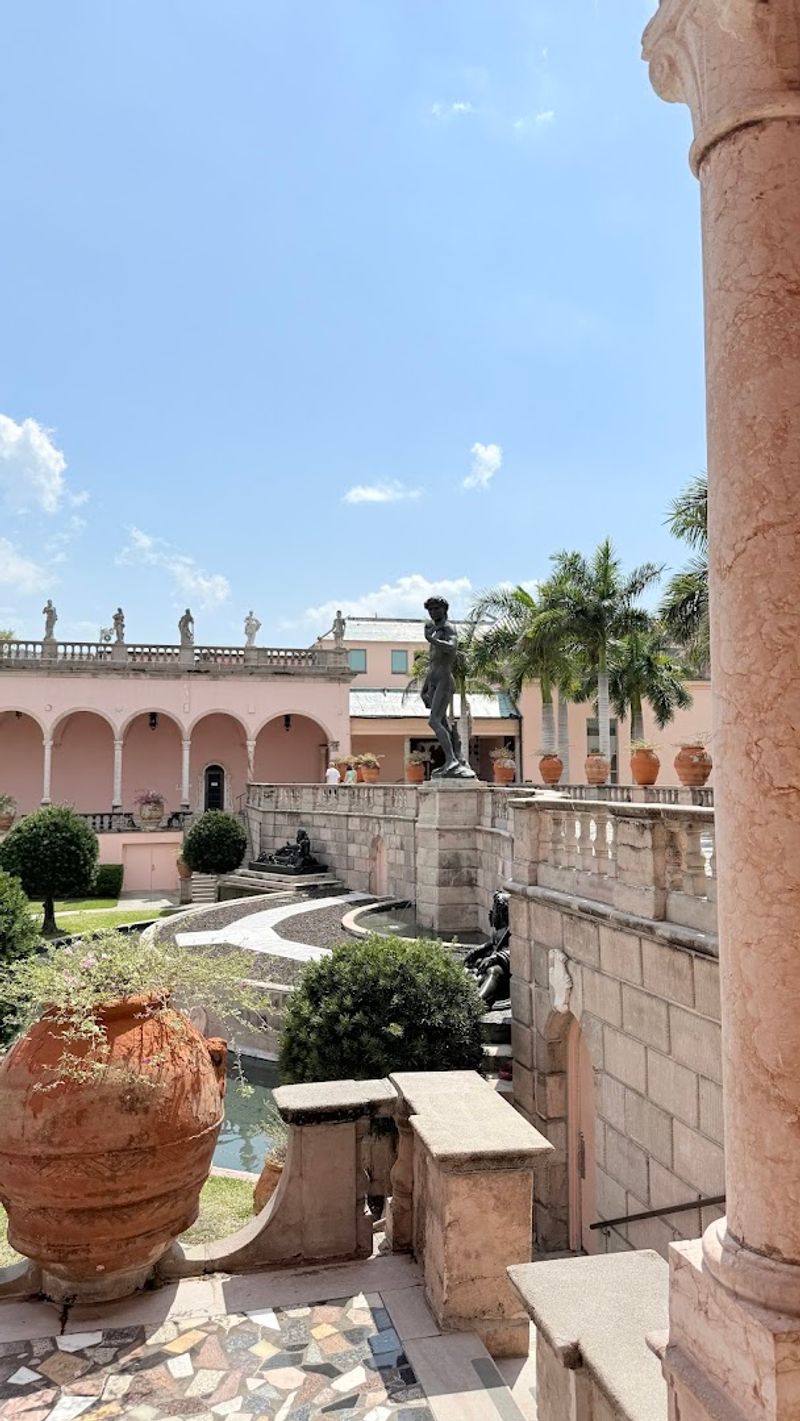
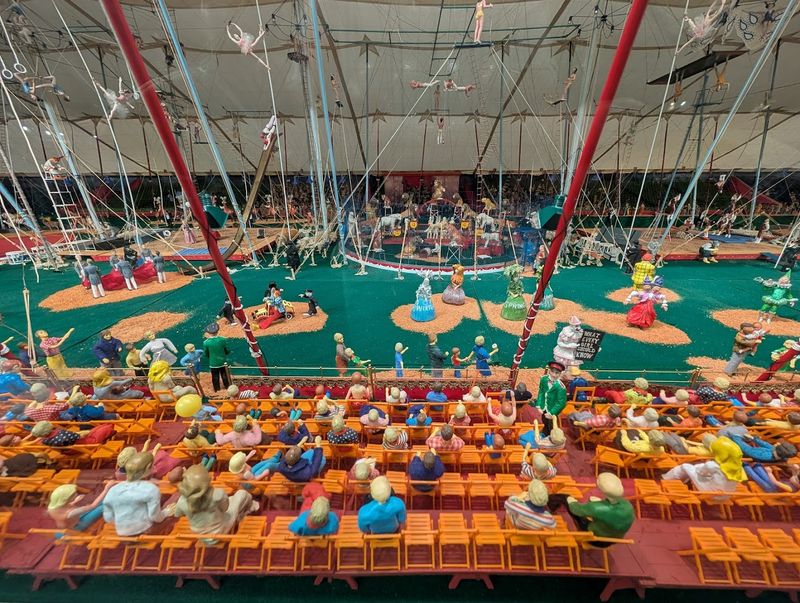
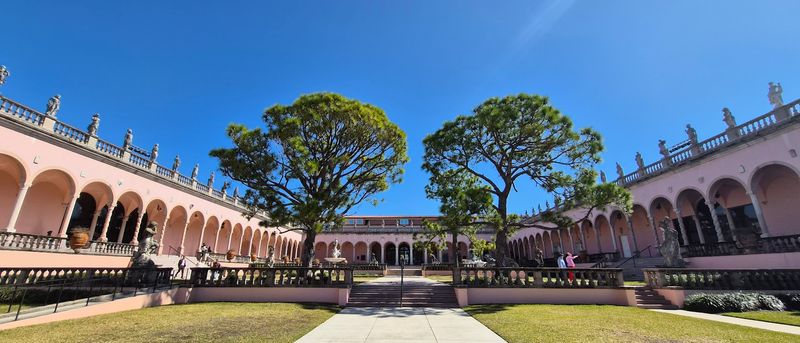
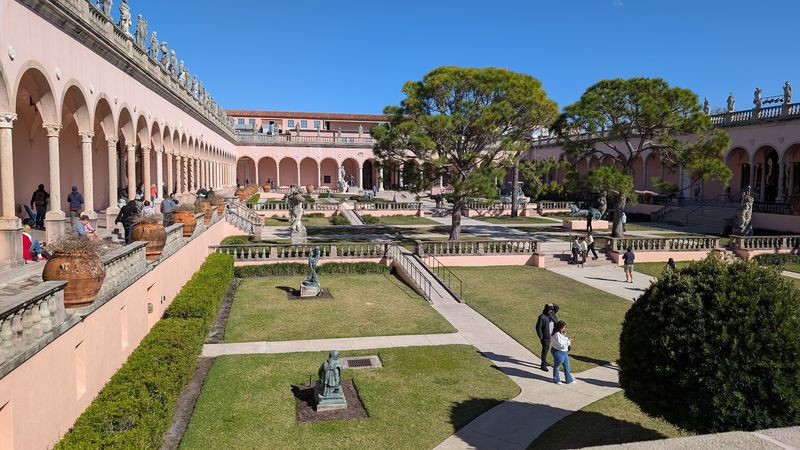
The moment I stepped onto the grounds, the museum buildings became just one part of a much larger experience. Pathways wind through 66 acres of gardens where banyan trees create natural sculptures and classical statues appear around corners like they’ve been waiting there for centuries.
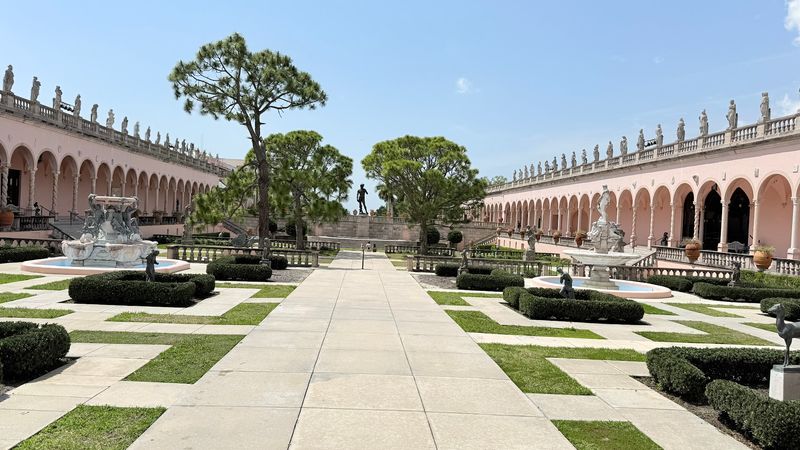
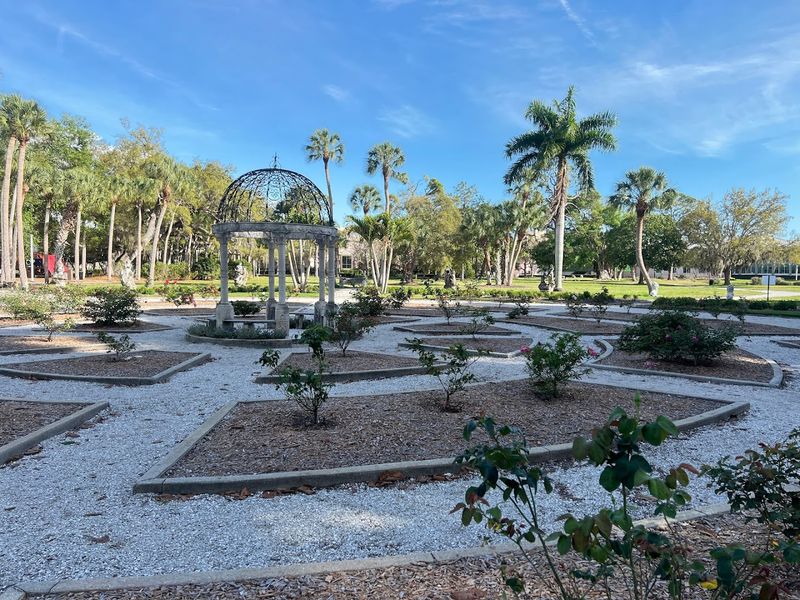
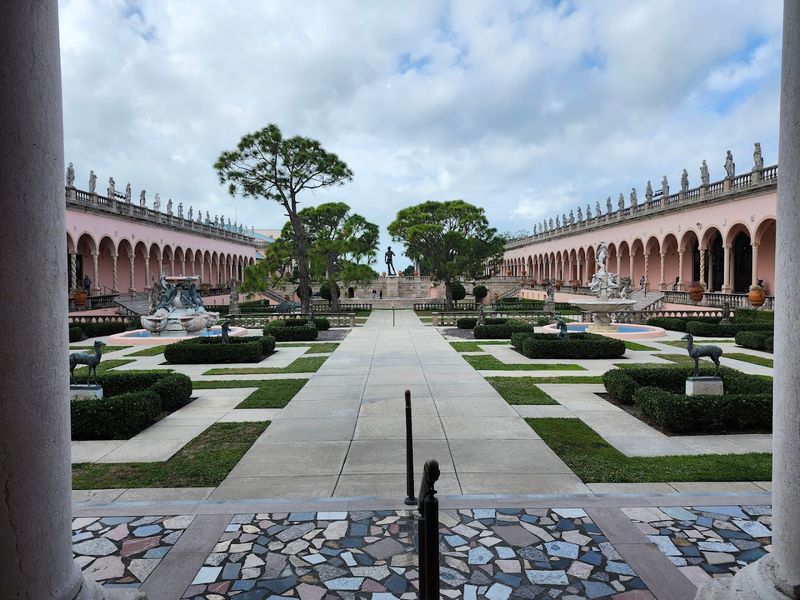
A rose garden near the playground offers a quiet spot that families use for picnics, while the courtyard between museum buildings feels transported from an Italian villa. Even after hurricanes damaged some areas, the landscape crew maintains spaces that make you want to slow down and actually notice your surroundings.
I watched a couple set up an easel to paint one of the garden views, which felt perfectly appropriate given the artistic focus of the entire property. The grounds stay open longer than some buildings, giving you options if you arrive late or just want to walk without the structure of gallery hours.
Sculptures dot the landscape in ways that feel intentional but not forced. You’ll find classical pieces near the art museum and more contemporary works closer to modern exhibition spaces, creating a timeline you can follow just by walking.
Photography opportunities exist everywhere, from the reflection pools to the palm-lined paths that frame distant buildings, making this a favorite location for both casual visitors and professional shoots.
Free Monday Admission That Makes Culture Accessible
Every Monday, the art museum and grounds open with free admission, turning what could be a budget-breaking cultural experience into something anyone can enjoy. I’ve visited on both paid and free days, and the Monday crowd brings a different energy, more families, more first-time visitors, and more people who might not otherwise prioritize a museum visit.
The free access covers the main art galleries and gardens, though you’ll still pay for the circus museums and mansion tours. That trade-off feels fair when you consider how much you can see without spending anything beyond parking.
Arriving when doors open at 10 AM means you avoid the lines that form by noon. I learned this the hard way on my second Monday visit when I showed up at 12:30 and found a 30-minute wait just to enter.
Free Mondays also let you visit multiple times without guilt about admission costs. Some visitors I spoke with return monthly, treating the museum like a park where they can spend an hour or stay all afternoon depending on their mood.
The policy reflects the museum’s role as Florida’s state art museum, making cultural education a right rather than a luxury. That accessibility changes who walks through the doors and what conversations happen in front of the paintings.
Architecture That Competes With The Art Inside
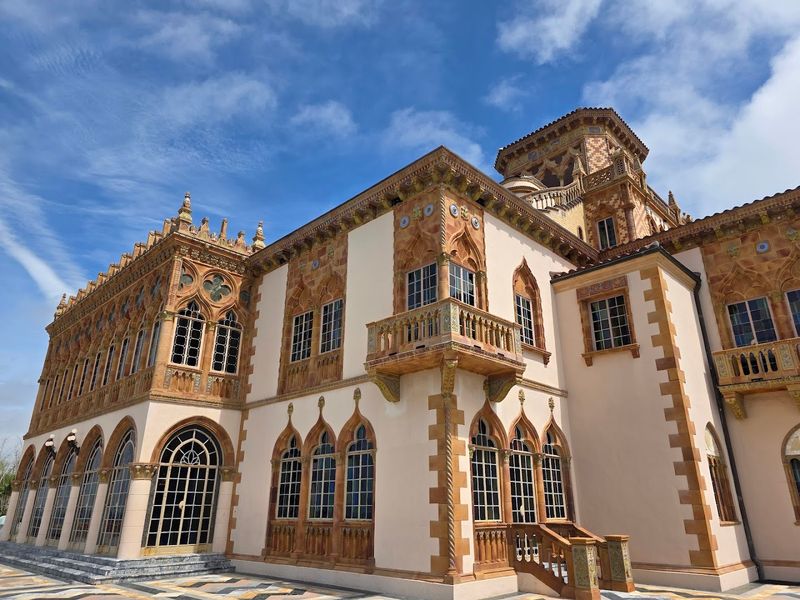
Before I even entered a gallery, the building itself stopped me in my tracks. John Ringling commissioned a pink Italian Renaissance palace to house his collection, and the structure delivers drama that most museums save for their centerpiece exhibitions.
Columns line courtyards where light plays across terra cotta and stucco in ways that change throughout the day. The architecture doesn’t just contain art, it participates in the experience by creating spaces that feel designed for contemplation rather than efficient crowd flow.
Walking between galleries means passing through open-air sections where Florida’s climate becomes part of the museum visit. That blend of indoor and outdoor spaces keeps the experience from feeling stuffy or overly controlled, even when galleries are crowded.
The building’s scale impresses without overwhelming. Rooms feel grand but not cavernous, and the layout encourages wandering rather than following a strict path.
I found myself backtracking to revisit sections simply because the architecture made navigation feel more like exploration than obligation.
Details matter here. Ceiling treatments, doorway designs, and window placements all reflect the same attention John Ringling applied to his art collection.
The building proves that housing matters as much as what you’re housing when you want people to remember their visit long after they leave.
Extended Thursday Hours With Special Evening Atmosphere
Thursday nights transform the museum into something different than daytime visits offer. Extended hours until 8 PM create opportunities for visitors who work traditional schedules, but they also change the mood inside galleries where evening light filters through windows differently than harsh afternoon sun.
I visited on a Thursday around 6 PM and found the crowds thinner and the pace slower. People seemed more willing to sit on benches and actually spend time with individual paintings rather than moving through galleries like they had somewhere else to be.
The museum occasionally hosts special evening events, from live music near the mansion to curator talks that dive deeper into specific collections. Those programs turn a standard museum visit into something that feels more like an event worth planning an evening around.
Sunset timing matters if you want to catch golden hour in the gardens before heading inside. The Thursday schedule gives you flexibility to experience both outdoor and indoor spaces without rushing, which became my preferred way to visit after trying it once.
Staff mentioned that Thursday evenings attract a different demographic than weekend mornings, with more couples on date nights and professionals stopping by after work. That mix creates an atmosphere that feels less like a school field trip and more like a gathering place for people who choose to be there.
Playground and Picnic Areas That Make It Family-Friendly
Near the rose garden sits a playground that solves the biggest problem families face at museums: what to do when kids hit their art-viewing limit. The setup lets parents rotate between cultural exploration and letting children burn energy on swings and slides that sit within view of garden paths.
Picnic tables scattered across the grounds turn the museum into an all-day destination rather than a quick cultural stop. I watched families unpack lunches and settle in for hours, treating the 66 acres like a park that happens to include world-class art.
The combination of playground, gardens, and museums means different family members can have different experiences without anyone feeling forced into activities that don’t interest them. One parent can tour galleries while the other supervises playground time, then switch.
Grassy areas invite kids to run in ways that indoor museum spaces obviously can’t. That freedom changes how families interact with the property, making it feel welcoming rather than restrictive even though priceless art hangs nearby.
The playground equipment itself isn’t elaborate, but its location near beautiful gardens and historic buildings creates a unique setting that beats most standard parks. Children get outdoor play while parents enjoy views that make supervision time feel less like a chore and more like a bonus part of the visit.
Docent Knowledge That Brings History To Life
During my visits, docents appeared at exactly the right moments with information that transformed paintings from pretty objects into stories with context. These aren’t volunteers reading from scripts, they’re knowledgeable guides who clearly love the collection and want you to love it too.
One docent named Larry shared details about John Ringling’s business strategies that explained how a circus magnate became one of the most important art collectors in America. That connection between the circus fortune and the Renaissance paintings added layers I wouldn’t have discovered on my own.
The docents respect your space. They offer information without hovering or making you feel obligated to join a formal tour.
That balance lets you control your experience while still having access to expertise when you want it.
I overheard a docent explaining restoration techniques to a couple studying a Rubens painting, and the conversation went deep into canvas preparation and pigment chemistry. The expertise available goes far beyond basic dates and artist names, reaching into technical details that serious art lovers appreciate.
Several visitors mentioned docents by name in their reviews, which tells you something about the personal connections these guides build. They’re not just information sources, they’re part of what makes the museum feel welcoming rather than intimidating, especially for people who might feel uncertain about their art knowledge.
Value That Justifies Spending An Entire Day
General admission covers the art museum, circus museums, and gardens, which amounts to more content than most people can absorb in a single visit. At around $30 for adults, the price feels reasonable when you calculate hours of engagement rather than just counting buildings.
I’ve spent anywhere from three to six hours on different visits and never felt like I exhausted the property. The scale and variety mean you can return multiple times and focus on different areas, treating it like a subscription to culture rather than a one-time purchase.
The mansion tour costs extra, which some visitors skip and others consider essential. I found the exterior views satisfying enough that the interior tour felt optional rather than mandatory, though opinions vary on whether that $15 addition enhances or disappoints.
Comparing the Ringling to other Florida attractions makes the value even clearer. You’re getting world-class art, unique historical exhibits, and beautifully maintained grounds for less than many theme park tickets that offer far less cultural substance.
The investment pays off in memories and photographs that feel different than typical vacation snapshots. This isn’t entertainment you consume and forget, it’s an experience that changes how you see art, history, and what Florida offers beyond beaches and theme parks.