
This Florida Museum Is Home To Pirate Treasure Most People Assume Is Pure Movie Fantasy
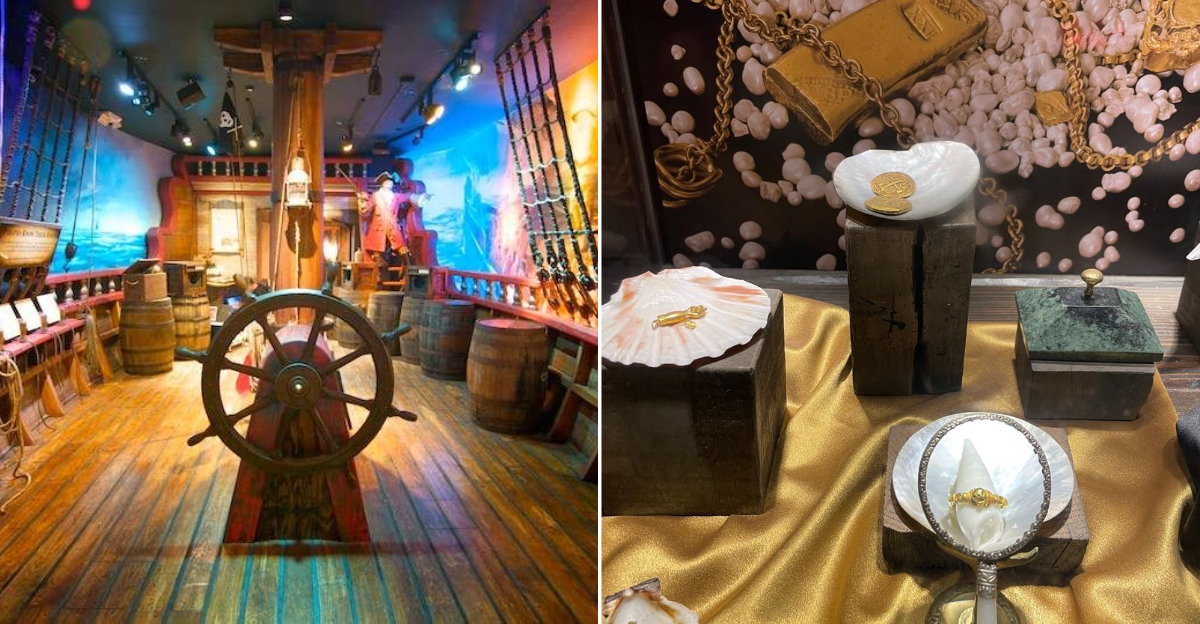
When you begin to walk toward the formidable, weathered coquina walls of the Castillo de San Marcos, you will almost certainly spot a distinctive red building that promises to reveal something improbable yet entirely real.
Inside the St. Augustine Pirate and Treasure Museum, several centuries of Atlantic salt and legendary maritime rumor are distilled into authentic artifacts that you can lean close to and almost smell through the protective glass.
The primary thrill of this destination is not found in loud, artificial spectacle, but rather in the profound feeling of meeting history exactly where it breathes through aged wood, heavy iron, and cold, hand-struck coin.
If you have ever found yourself wondering whether genuine pirate treasure truly exists outside the silver screen, this carefully curated space provides an answer that is both quiet and remarkably convincing for the modern traveler.
By approaching the exhibits with a sense of focused patience, you allow the specialized atmosphere of the museum to transport you back to an era when the Florida coastline was a high-stakes theater of international maritime conflict.
Following these specific field-tested insights will help you navigate the various galleries and sensory displays with the ease of a seasoned historian, maximizing your appreciation for the rare objects that define this collection.
Whether you are a dedicated student of the Golden Age of Piracy or simply a curious visitor looking for a unique afternoon in St. Augustine, this museum offers a grounded and rewarding exploration of the real lives behind the legends.
Finding The Entrance Vibe
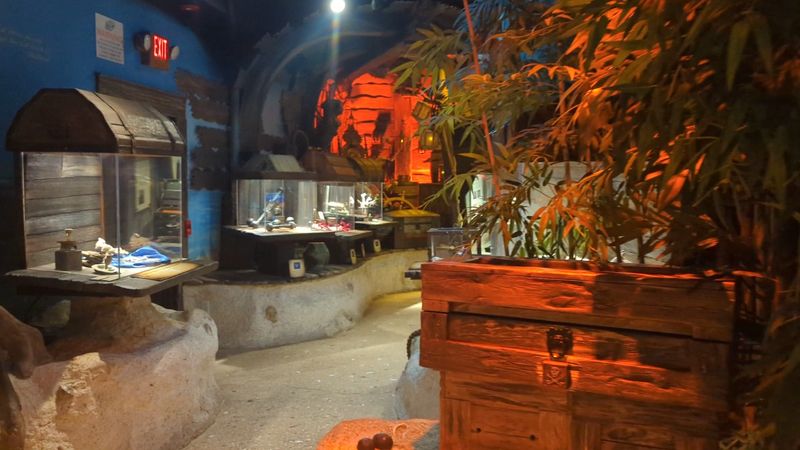
The museum sits directly across the street from the historic Castillo, and you will likely feel the sharp tang of the Atlantic in the afternoon breeze before you even take your first step inside the lobby.
The interior features heavy wooden beams, flickering lantern light, and the low, rhythmic notes of sea shanties that work together to set a mood that is purposefully playful but remains firmly grounded in historical reality.
While many local reviews frequently cheer for the high level of interactivity found throughout the galleries, the overall space never feels like a superficial theme park or a generic tourist attraction designed for quick thrills.
History takes the primary lead through very clear informational labels and tactile stations, with a professional staff that is trained to guide you gently through the narrative rather than performing an exaggerated character.
I noticed that visitors naturally tend to slow their pace near the very first display case, as the transition from the bright Florida sun to the intimate, low-lit rooms requires a moment for the eyes to adjust.
My recommendation for timing is to arrive as close to the 10 AM opening as possible, which is when the rooms are at their calmest and the popular scavenger hunt cards are freshly stocked for the day’s first explorers.
Blackbeard’s True Story Corner
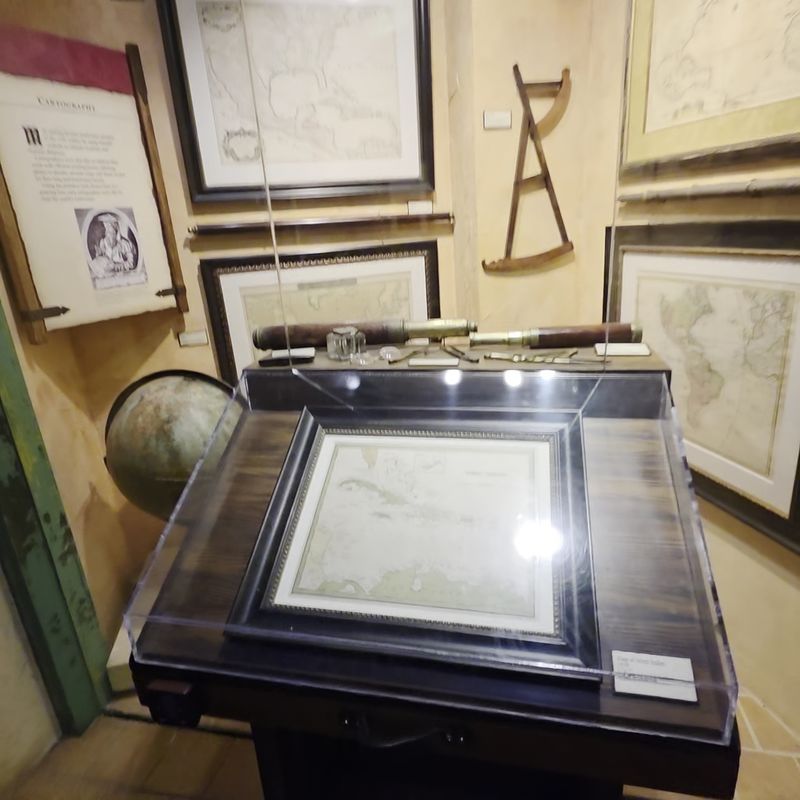
A battered, authentic map and several reproduced log pages serve to anchor a quiet nook that successfully strips the legendary Edward Teach of his exaggerated, cartoonish thunder in favor of a more complex reality.
The informational panels choose to emphasize the sophisticated blockade strategy he employed at Ocracoke and the calculated psychological theater of using slow-burning fuses in his beard to intimidate his maritime rivals.
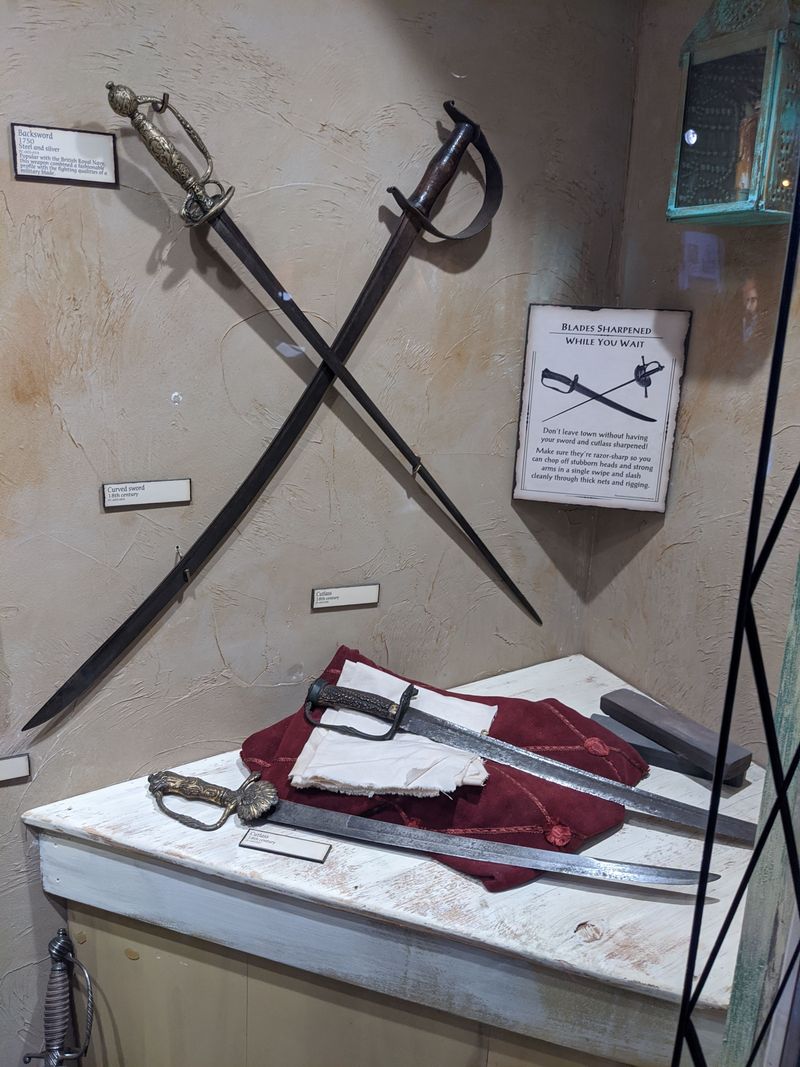
A nearby glass case holds a selection of period-appropriate weapons that look significantly heavy enough to decide the outcome of a day at sea, providing a visceral connection to the physical reality of 18th-century combat.
The historical context lands cleanly here, presenting piracy in the 1710s as a direct result of wartime fallout and desperate economics rather than the romanticized adventure often portrayed in popular modern media.
My personal reaction to this gallery was a small but necessary recalibration of my own expectations, the kind of quiet intellectual shift that makes the big-budget pirate movies look suddenly lighter and less substantial.
As a visitor tip, you should try reading the captions from left to right before standing back to listen to the synchronized audio clip, as the timing of the recording often syncs with specific lighting changes to reveal hidden details.
A Chest That Actually Sailed
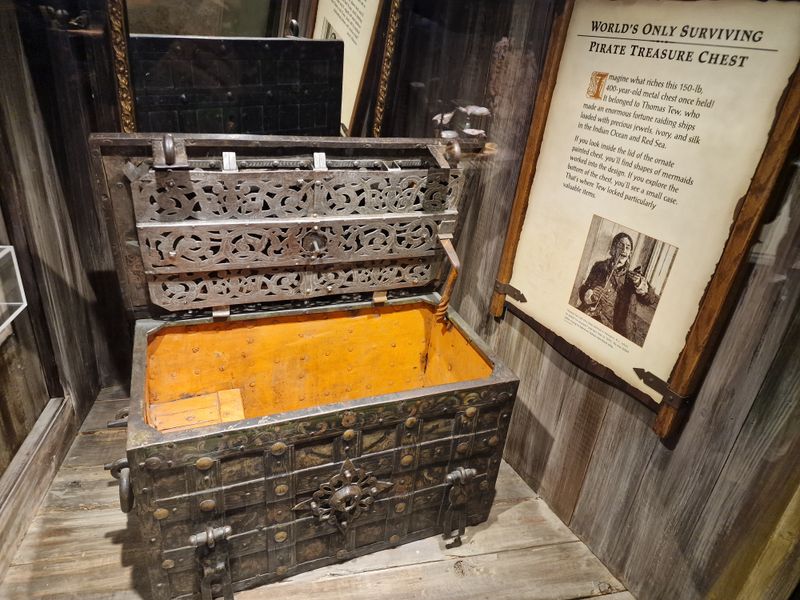
The absolute star object of the entire museum is a remarkably heavy sea chest reinforced with thick iron straps, featuring edges that are scarred from use and looking perfectly ordinary in the very best way possible.
The chest is not glittering with gold or gems, and it is precisely this aesthetic restraint that convinces you of its authenticity as a functional piece of maritime equipment that survived centuries of travel.
The nearby text meticulously traces the provenance of the chest through original ship manifests and a centuries-old estate inventory, providing a solid paper trail for those who are skeptical of legendary artifacts.
The preservation choices made by the museum are subtle and professional, utilizing controlled humidity and soft spot lighting to protect the materials while a custom mount supports the heavy, original hinges.
You will see visitors doing a slow, respectful orbit around the chest before leaning in to count the individual nail heads and study the deep wood grain that once protected someone’s most valuable earthly possessions.
My practical advice is to photograph the informational label first so that you can later explain to your skeptical friends exactly how this chest traveled across oceans before ending up at 12 S Castillo Drive.
Sensory Oddities In The Sound Gallery
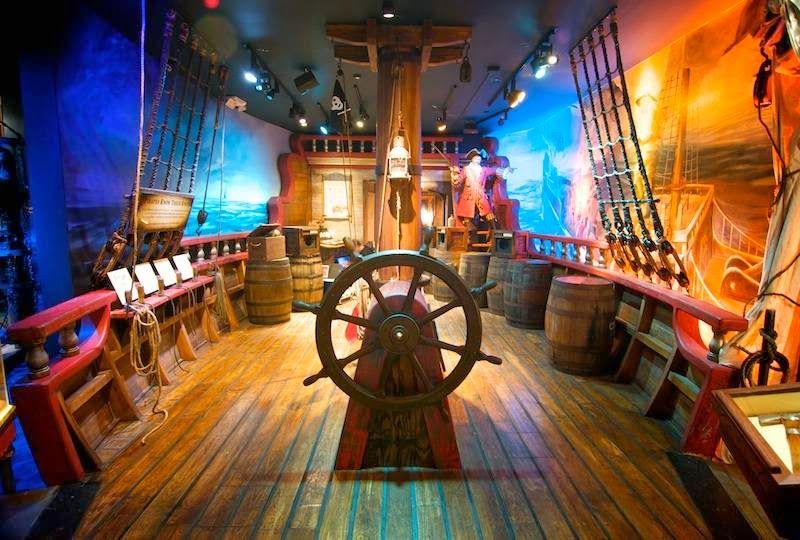
You will likely begin to hear the immersive sounds of creaking timbers and distant gulls before you even notice the small speakers that have been cleverly tucked into the decorative rigging above your head.
The gallery effectively mixes ambient audio with various tactile elements, such as thick pieces of rope that you can grasp to understand the physical toll of managing a sailing vessel in rough Atlantic waters.
The space manages to feel authentically ship-close without ever becoming claustrophobic, using soundscapes to expand the perceived size of the room and transport your senses to a mid-18th-century wooden deck.
History follows the senses in this particular gallery, mapping common shipboard sounds to the real-world tasks and the extreme environmental risks that were part of daily life for a colonial-era sailor.
While the reaction among younger visitors is almost always one of pure delight, the adults in the room tend to wear a more careful grin as they realize the harsh reality represented by those sounds.
If you are someone who is particularly sensitive to noise, I suggest standing midway between the cannons and the hatch demo, where you will find a sweet spot where the mix is immersive but never startling.
Architecture Nods To The Fort Across The Street
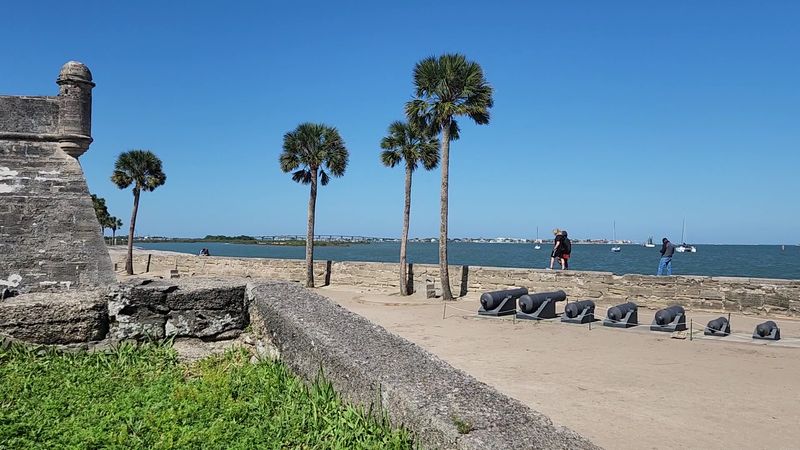
The exposed wood and dark red siding of the museum building are designed to echo the specific geometry of the Castillo across the street without ever pretending to be an original colonial-era structure.
The window sightlines have been carefully planned to frame the fort, serving as a constant reminder that St. Augustine’s sophisticated defenses shaped local pirate routes much more than the legends often admit.
The heavy ceiling beams act as a visual guide that leads you along a gentle, circular circuit through the building, ensuring that you don’t miss any of the major galleries or transition spaces during your visit.
History is cleverly tucked into the very rhythm of the building’s design, showing how the presence of coastal fortifications forced ship captains to meticulously calculate wind, tide, and their own levels of patience.
I recommend stepping outside briefly between sections of the museum to reset your eyes to the natural light, which will make the fine silver details of the coin cases pop even more vividly when you return inside.
This brief change in brightness allows you to better notice the small edge clippings on the older currency, where the original owners shaved off thin pieces of silver to slowly accumulate extra value over time.
Guides Who Speak Fluent Artifact
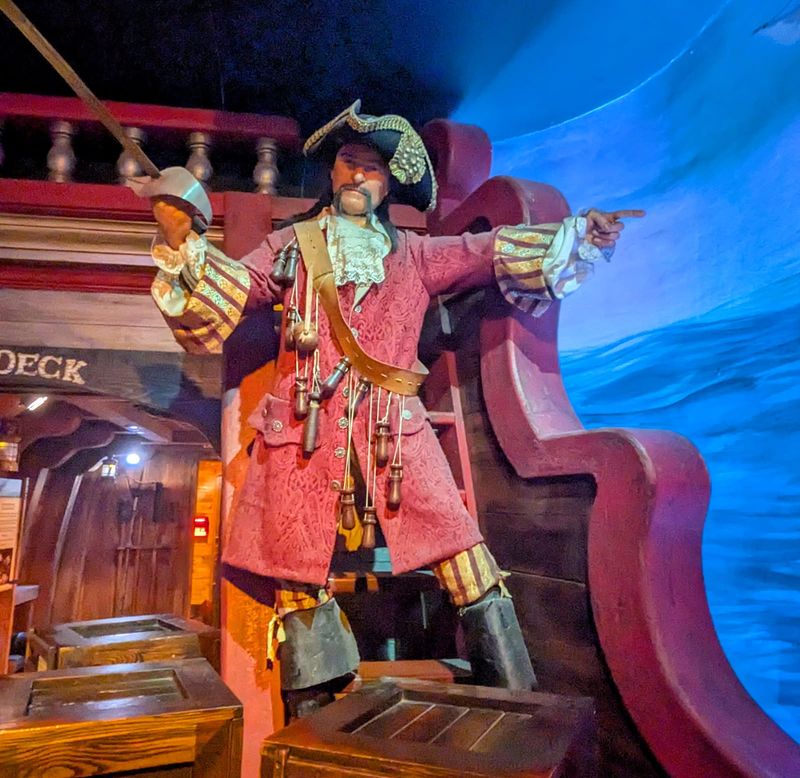
The museum staff floats through the rooms like attentive shipmates, answering your specific questions with a high degree of detail without ever trying to steer the pace of your personal exploration.
I watched as one guide traced the complex route of a Spanish treasure fleet using a laser pointer and a genuine grin, clearly demonstrating that these historic maps truly matter to the people who work here.
The delivery of information is refreshingly plainspoken and informative rather than being overly theatrical, which helps to maintain the museum’s reputation as a serious educational institution for the community.
Local Florida culture is woven through many of their stories, connecting the historic shipwreck sites to the modern Florida currents and the long history of the local shrimping and fishing industries.
For the best practical advice, you should ask the staff about the quietest hours for a visit, as they can usually tell you which days of the week are least likely to be crowded with large school groups.
I have found that late Monday or Tuesday afternoons are generally the calmest times to visit, providing you with the quiet environment needed to truly absorb the primary-source quotes displayed in the final galleries.
Seasonal Quirks Worth Noting
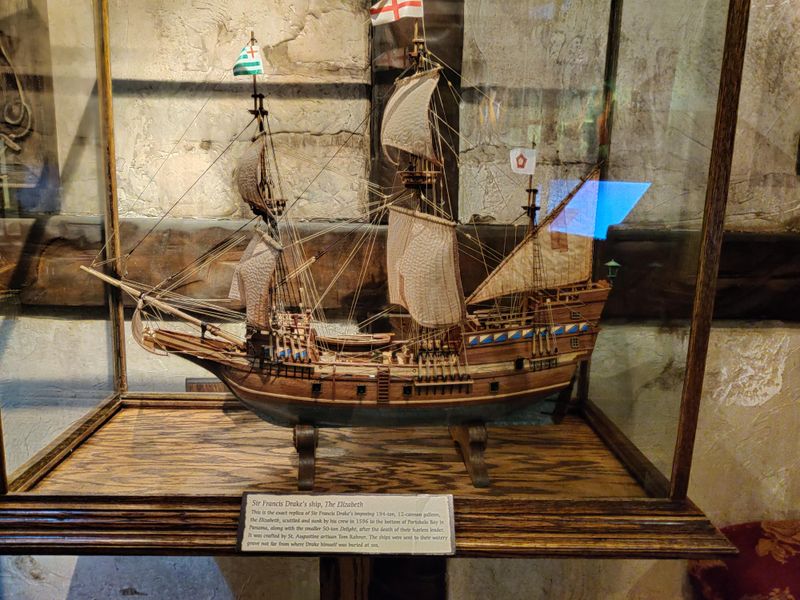
The sharp winter light that streams through the front windows often turns the glass display cases into soft mirrors, so I suggest leaning at a slight angle to avoid the glare and see the artifacts clearly.
The summer months consistently bring more families and a pleasantly buzzy energy to the hallways near the scavenger hunt station, as the vibe of the museum shifts along with the local school calendars.
Local tradition often surfaces during the city’s various festivals when the nearby streets fill with live music and the lawn of the fort plays host to a variety of historical reenactors in period-correct gear.
My personal reaction during a mild January afternoon visit was one of genuine relief at the steady, unhurried pace inside the building, which allowed me to focus on the smaller details of the collection.
You should plan your trip like a local by staying hydrated, utilizing the shaded bench located just outside the front entrance, and checking the official 10 AM to 7 PM operating hours before you arrive.
Timing your visit to end just before sunset will allow you to transition from the low-lit museum galleries to a beautiful, golden-hour stroll along the St. Augustine bayfront as the day concludes.
Detail Spotlight: Coins Up Close
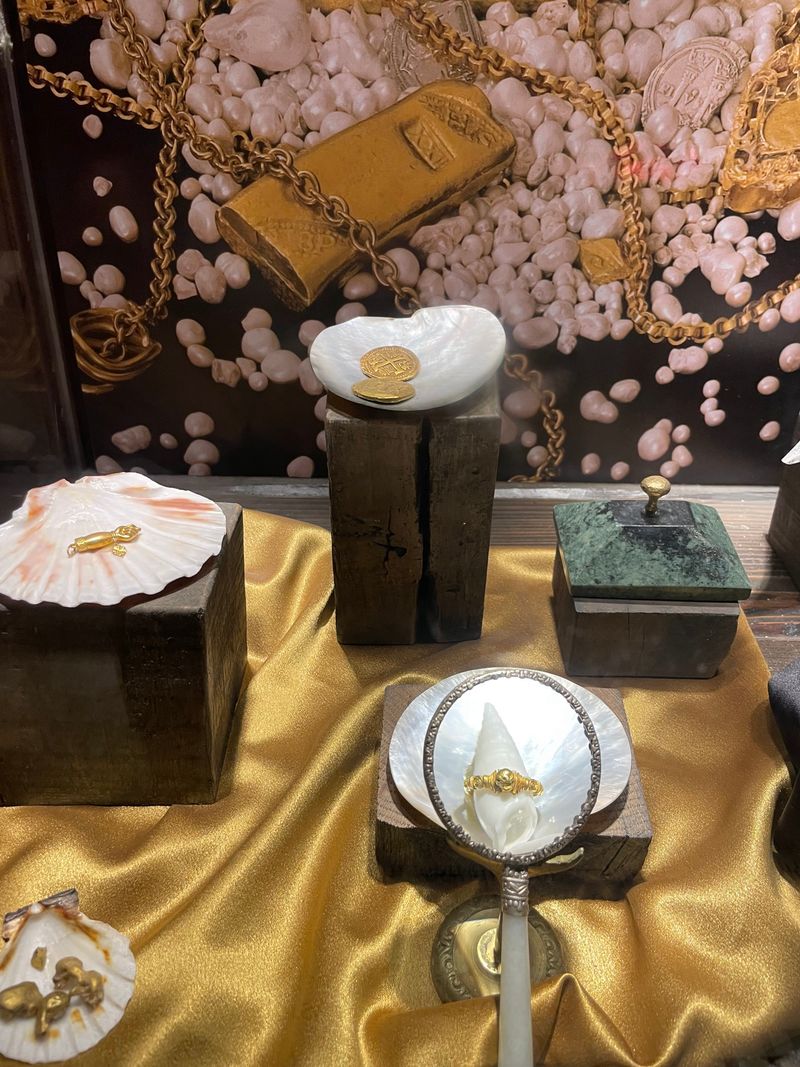
The various coin cases reward those visitors who have the patience to look closely, as the small metal discs begin to bloom into complex stories once you notice the mint marks and the clipped rims.
The specific lighting angles in these cases are designed to reveal the original hammer strikes on the metal, and the accompanying labels translate the unfamiliar colonial denominations into anchors for your memory.
The museum utilizes preservation techniques that keep the metal stable and protected without over-polishing the surfaces, ensuring that the historical textures remain honest and true to their age.
I have often watched visitors develop a habit of circling back to the coin displays after they have spent time studying the large shipwreck map, as the geographic context makes the currency more meaningful.
A very helpful tip is to use your phone’s flashlight indirectly by bouncing the light off the floor near the glass, which avoids creating a direct reflection and allows you to see the relief of the coins clearly.
This simple trick lets the historical details stand out significantly without triggering any alarms or bothering the other guests who are trying to enjoy the gallery’s intimate and low-lit atmosphere.
Interactive Cannon And Powder Talk
The cannon demonstration might look a bit theatrical at first glance, but once you read the documented powder loading steps, it quickly becomes an exercise in strict professional procedure and extreme physical risk.
While younger visitors almost always love the safe boom simulation that mimics the sound of a firing cannon, the adults in the room tend to linger over the measured choreography required to operate the weapon.
History frames this technology as a form of intense, coordinated labor rather than just a source of thunder, highlighting the precision that was necessary to make close-quarters maritime fights survivable for the crew.
My specific tip for this exhibit is to stand slightly to the left of the barrel, where you can actually feel the low-frequency vibration through the floorboards without experiencing the sharpest part of the sound.
You should also take a moment to scan the vintage powder horn engravings for any small initials or dates that might link the object to a specific ship’s roster or a documented historical figure.
Those tiny, hand-carved letters are often where the most compelling human stories live, reminding you that these were real tools used by real people who lived and worked on the dangerous Atlantic frontier.
Scavenger Hunt And Exit Strategy Strategy
The museum’s scavenger hunt is certainly not just a bit of fluff for children; the clues are designed to push you toward the often-overlooked corners of the collection that contain the most fascinating details.
In particular, the hunt will lead you toward the small tools wall and a quietly excellent map of historic privateering routes that you might otherwise miss if you were just wandering through the main halls.
The vibe of the museum often becomes collaborative during the hunt, as strangers frequently find themselves trading hints and pointing out hidden details at the edges of the various display cases.
To close out your visit, remember that the gift shop area can become a bit tight when a crowd arrives, so it is a good idea to step back and wait for a moment if you see a large group approaching.
I suggest grabbing a high-quality postcard of the sea chest as a tangible bit of proof for when you recount the incredible details of your visit to your skeptical friends and family later on.
Final advice for your trip: you should call +1 904-819-1444 or check thepiratemuseum.com on the morning of your visit, then spend some time on the Castillo lawn afterward to let the salt air help you process the history.