
This Florida Restaurant Looks Modest Outside But Serves A Seafood Buffet Locals Call The Best

From the Overseas Highway, Whale Harbor Seafood Buffet looks understated, almost like a Keys time capsule that never chased trends, and that restraint is part of what makes it feel trustworthy, because you can pull in off US 1 and sense immediately that it’s built for repeat visits, not for show.
Sitting right on the water at 83413 Overseas Hwy, Islamorada, FL 33036, it draws a steady mix of families, anglers, and island regulars who seem to know the ritual by heart, moving through the room with the relaxed certainty of people who’ve done this before and plan to do it again.
Step inside and the place hums at its own pace, not frantic, just busy in that familiar way that says the food is the focus, and the spread itself makes the point without needing much narration.
More than eighty dishes stretch across glistening ice and warm chafers, a tide-pool feeling of oysters, peel-and-eat shrimp, paella, and Keys-style sides that keep the menu anchored in comfort rather than gimmicks, so your plate can be as simple or as ambitious as your mood.
What I like most is that the abundance doesn’t read as flash, it reads as habit and practice, a place doing what it’s known for, consistently, with enough range to please a table full of different appetites.
If you value substance over spectacle, this is the kind of stop that quietly explains why locals keep pointing to it as the best, not with hype, but with the steady logic of full plates and repeat business.
Start At The Raw Bar, Not The Hot Line

Cold seafood makes its case immediately in the Keys heat, and beginning at the raw bar lets your palate register salinity, chill, and texture before fried items or starches soften your focus, which quietly determines whether the buffet unfolds with clarity or collapses into sameness halfway through the meal.
Beds of crushed ice hold oysters open and glossy while peel-and-eat shrimp retain a firm snap beneath their shells, and the surrounding ritual of lemons, limes, horseradish-forward cocktail sauce, and peppery mignonette creates a clean framework that sharpens flavor instead of masking it.
The room moves steadily as staff refresh trays before anything warms or dulls, reinforcing the sense that freshness here is maintained through rhythm rather than spectacle, a detail regulars seem to recognize instinctively.
Locals rarely overload plates at this station, choosing instead to take small portions and return often, which keeps brine bright and texture crisp while preventing the early heaviness that can sabotage the rest of the buffet.
The contrast between cold seafood and the warm island air heightens sweetness in the shrimp and minerality in the oysters, making even familiar items feel newly tuned.
Finishing this stop with a squeeze of lime rather than lemon adds a sharper citrus edge that cuts cleanly through shellfish fat and prepares your palate for the next lap.
By the time you step away, you feel sharpened rather than full, which is exactly the condition a seafood buffet quietly demands if it is going to stay interesting.
Let The Paella Anchor Your Plate
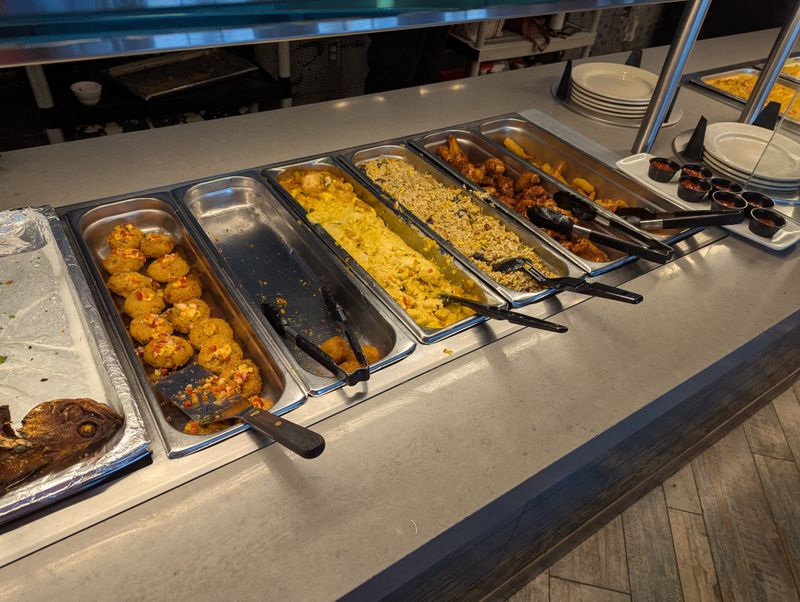
The paella functions best not as a centerpiece but as a warm anchor, grounding the meal with saffron-scented rice that carries shellfish depth without pulling attention away from the seafood that defines the buffet.
Steam lifts gently from the pan, releasing aromas of saffron, garlic, and brine, while grains hold their structure instead of collapsing, signaling a kitchen that understands how rice behaves under heat lamps and constant service.
Mussels and clams contribute pockets of liquor that perfume the rice rather than soaking it, and lightly toasted edges hint at socarrat just enough to add complexity without tipping into crunch.
This dish has clearly earned its place through repetition, as regulars watch for fresh pans to land and move quickly when turnover signals peak flavor and texture.
Taking a modest scoop and placing it beside grilled fish rather than beneath it preserves fragrance and prevents the rice from absorbing excess moisture or sauce.
Each forkful delivers warmth and depth without heaviness, acting as a steady baseline against brighter, saltier bites elsewhere on the plate.
When treated this way, the paella becomes a stabilizing presence that allows the rest of the buffet to read more clearly instead of competing for attention.
Balance Fried With Bright
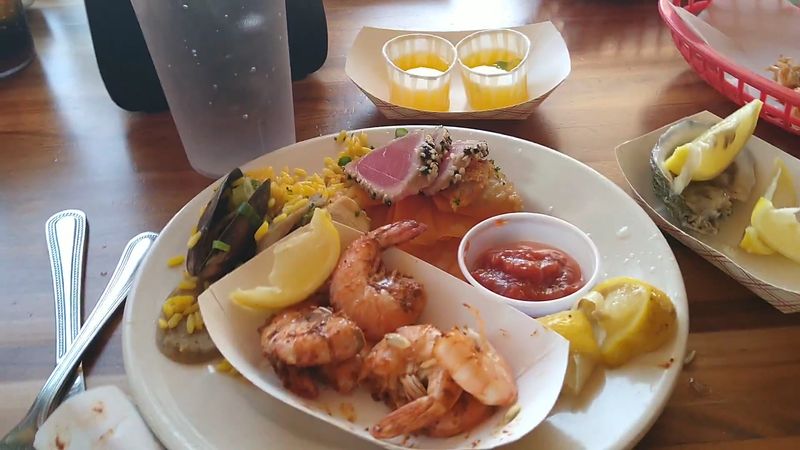
Fried seafood appears throughout the buffet, but it only reveals its quality when eaten in contrast rather than succession, because even clean oil and light batter can overwhelm the palate if approached without restraint.
Conch fritters arrive crisp on the outside with tender pieces inside, shrimp carry a clean crunch without greasiness, and seasoning stays measured so the seafood itself remains identifiable.
The fryer here behaves as a supporting tool rather than a blunt instrument, which matters deeply in the Keys where conch and shrimp carry cultural weight beyond novelty.
Bright counterpoints like vinegar-forward slaw, citrus wedges, or lightly dressed salads reset the palate between fried bites and prevent fatigue from setting in too early.
This alternating rhythm keeps textures distinct and flavors legible, allowing each return to the fryer to feel intentional rather than automatic.
Skipping the urge to dip everything heavily preserves the batter’s lightness and keeps sweetness and salinity intact.
Handled this way, fried items become punctuation rather than the main sentence, adding pleasure without dulling everything that follows.
Mind The Carving Board Timing
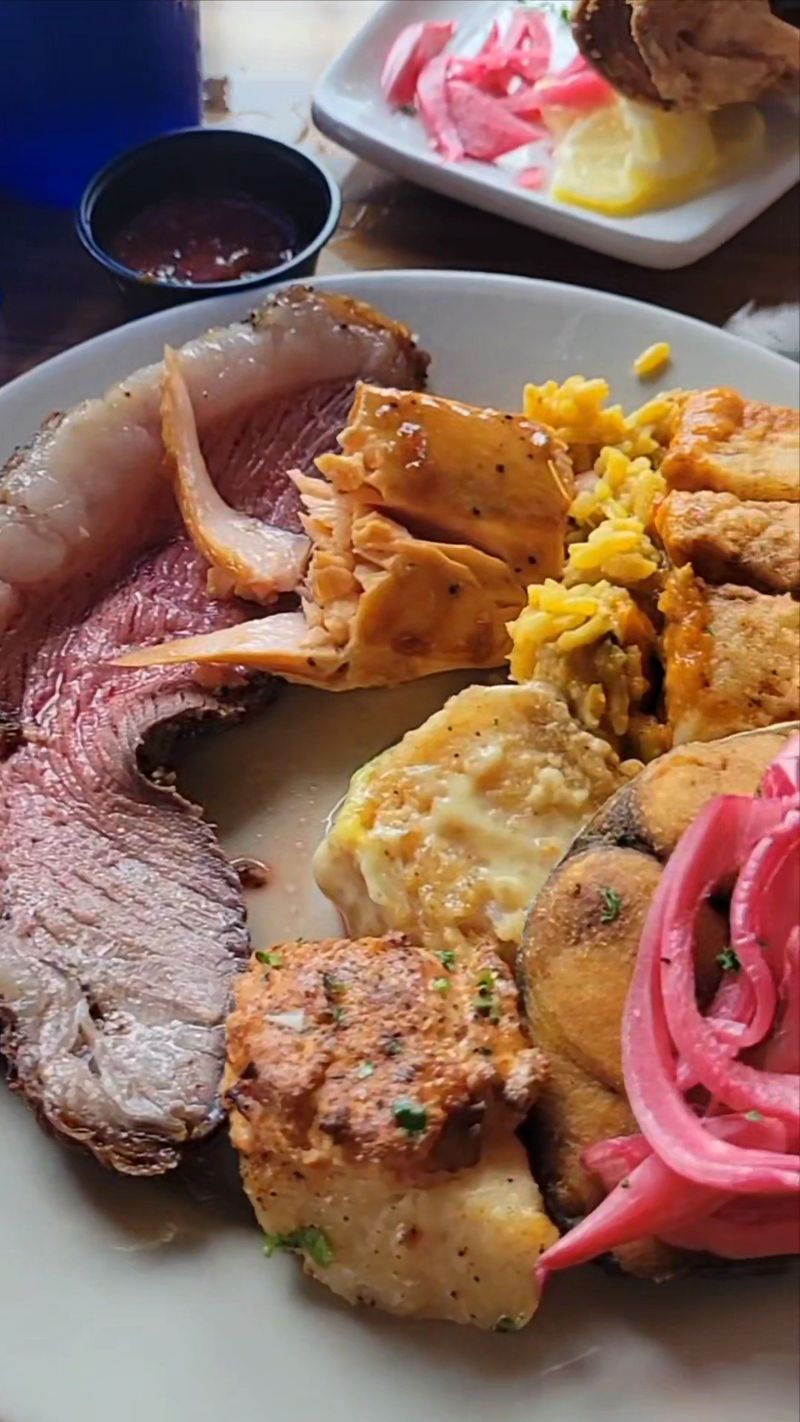
The carving station introduces a different kind of gravity to a seafood buffet, because warm roast meats bring depth and savory weight that can either enrich the meal or quietly derail it if approached without awareness of timing and proportion.
Slices fall cleanly beneath the carver’s knife, releasing steam and a faint aroma of rendered fat that contrasts sharply with the salt and citrus dominating earlier plates, which is precisely why this station works best when visited deliberately rather than impulsively.
Although seafood leads the room, the presence of roast meat adds a grounding counterpoint that makes fish taste sweeter afterward, a classic buffet dynamic that rewards restraint rather than excess.
Regulars watch the board carefully and step in when a new roast appears, knowing fresh cuts retain moisture and structure while older ones can soften and lose definition under heat.
Requesting thinner slices allows the jus to coat more surface area without weighing the plate down, preserving room for additional seafood rather than forcing an early pause.
Pairing those slices with vegetables instead of starch keeps the balance intact and prevents savory heaviness from dulling your palate too soon.
Handled with this timing and intention, the carving board becomes an accent rather than a detour, adding dimension without stealing momentum from the seafood that defines the meal.
Grilled Fish Deserves A Clean Plate
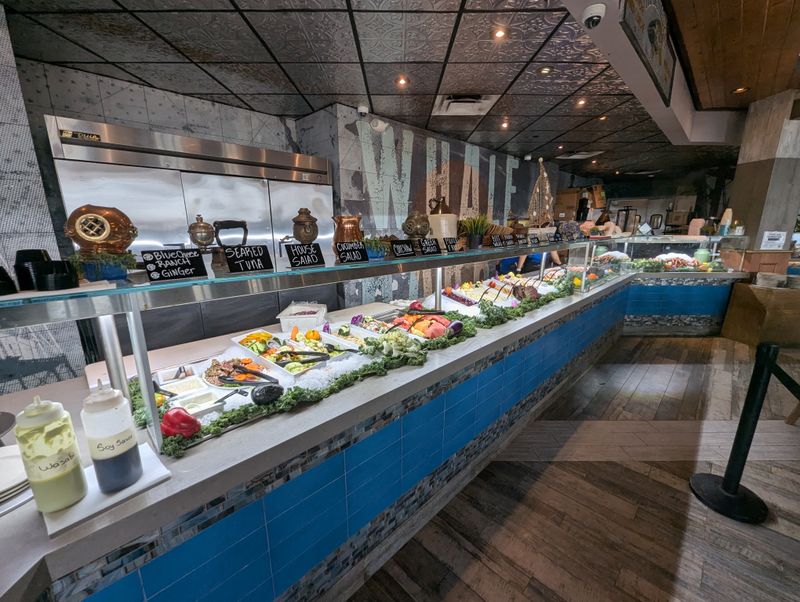
Grilled fish only reveals its quality when separated from lingering sauces and crumbs, which is why approaching this station with a fresh plate is less about etiquette and more about preserving texture, aroma, and clarity.
Fillets show gentle grill marks and flakes separate with minimal pressure, signaling careful timing and heat control rather than the overcooking that often plagues buffet fish.
Seasoning stays restrained, allowing the natural sweetness of the flesh to remain forward instead of hiding behind marinades or heavy glazes.
This restraint reflects a long-standing relationship with anglers and locals who notice doneness immediately and do not forgive carelessness.
Carrying lemon, a small spoon of chimichurri if offered, and a modest portion of rice keeps the fish framed rather than buried beneath competing flavors.
Eating it while hot preserves the faint char and clean flake, which soften quickly if left to sit while you browse the room.
Taken on its own terms, the grilled fish offers one of the clearest expressions of the buffet’s competence, quietly rewarding attention rather than demanding it.
Watch The Dessert Case Like A Local
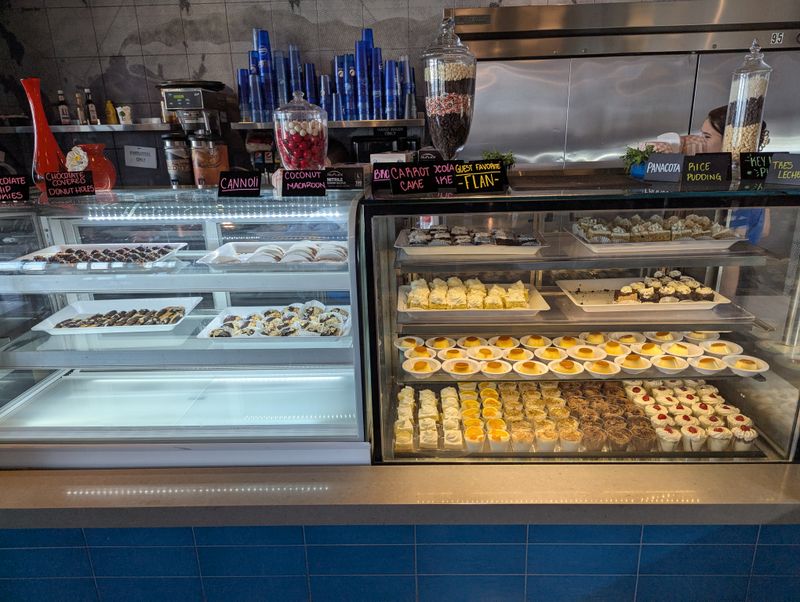
Dessert at a seafood buffet succeeds only when it resets rather than overwhelms, which is why watching the dessert case before committing often reveals more about timing and balance than appetite alone.
Key lime pie stands out immediately, pale rather than neon, with a custard that leans tart enough to wake the palate instead of burying it beneath sugar.
The crust holds its structure and avoids sogginess, a small detail that separates thoughtful preparation from mass production.
Cheesecakes and brownies sit nearby, but locals gravitate toward citrus-driven finishes that feel lighter after brine, butter, and fry oil.
Splitting a slice rather than claiming one outright keeps sweetness from overstaying its welcome and allows you to notice acidity and texture more clearly.
That restraint leaves room for a second, smaller return if the first bite earns it, rather than forcing regret halfway through.
When dessert is treated as a cooling breeze instead of a finale, the entire meal closes cleanly, leaving memory sharper than fullness.
Use Small Plates And Short Laps
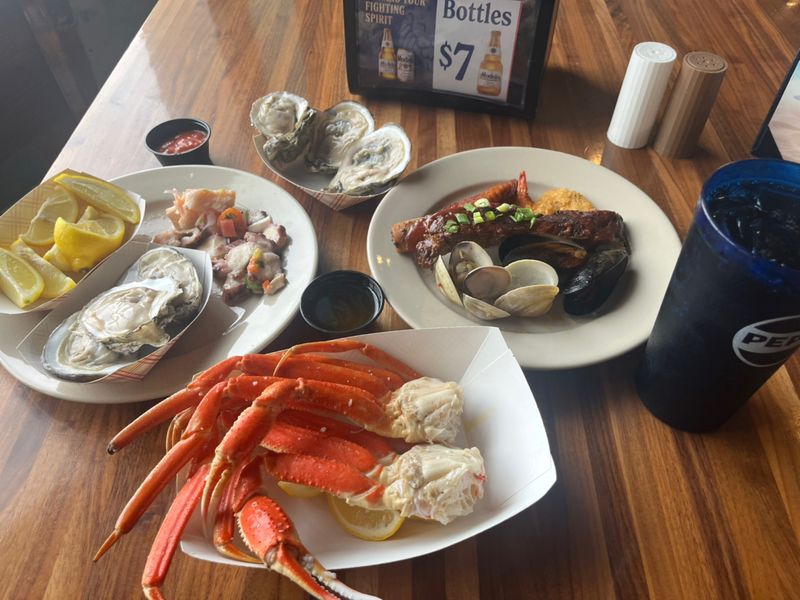
Knowing when to limit portion size is the quiet skill that separates an enjoyable buffet experience from a numbing one, and using small plates forces intention at every step, which keeps flavors distinct instead of collapsing into excess.
Smaller plates slow the body down just enough that you register temperature, seasoning, and texture before instinctively reaching for more, which is especially valuable in a room where abundance can easily override attention.
Whale Harbor’s constant tray turnover rewards this approach, because food stays fresher when you revisit stations rather than hoard selections that cool and blur together on one overloaded plate.
Each short lap becomes a chance to recalibrate, noticing which items truly held your interest and which were merely satisfying in the moment.
This rhythm also keeps the dining room feeling calmer, since you move with purpose instead of urgency, and the buffet stops feeling like a race.
Returning to favorites later often reveals new details, such as brighter seasoning or improved texture from a fresh batch that was not available earlier.
By the end, you remember specific bites rather than a general sense of fullness, which is exactly how a buffet should linger in memory.
Seek The Peel And Eat Shrimp Sweet Spot
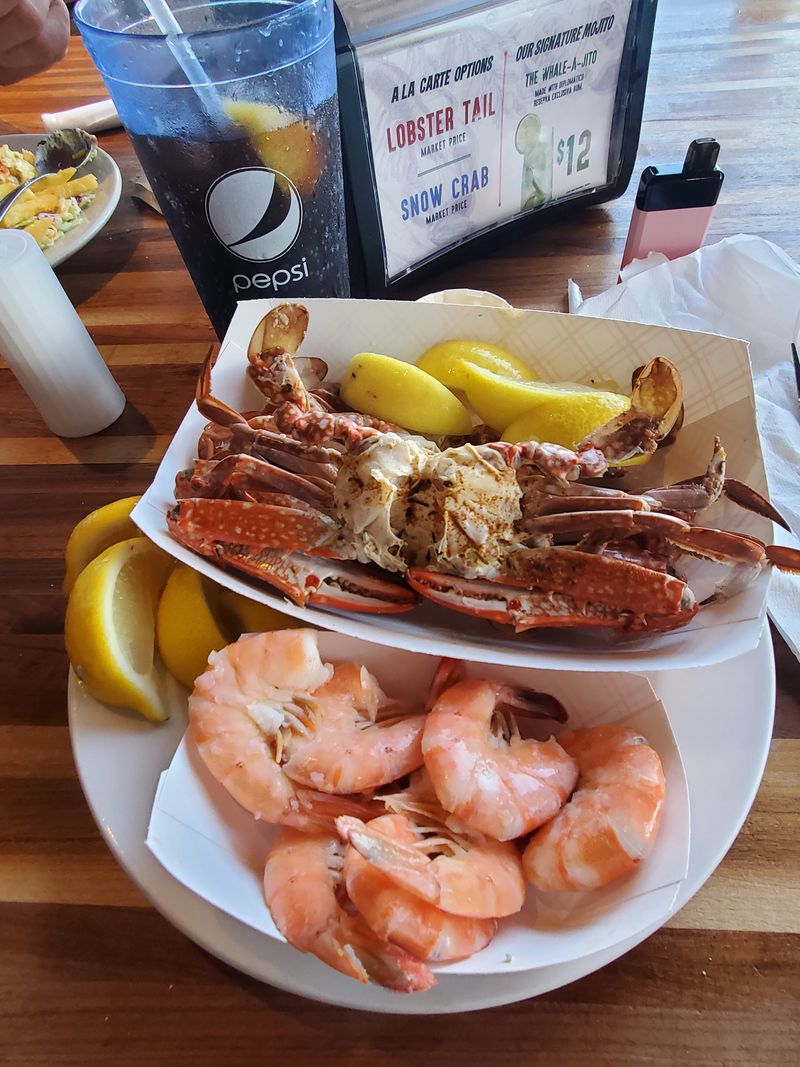
Peel-and-eat shrimp reward timing more than enthusiasm, because the ideal moment exists briefly between steaming freshness and overexposure, when shells are warm, flesh is firm, and seasoning clings without soaking.
Watching the tray rather than rushing toward it allows you to step in just as a new batch arrives, when steam curls upward and the shrimp retain their snap instead of softening under heat lamps.
The seasoning here stays restrained, allowing the shrimp’s natural sweetness to lead while spice and salt act as background rather than headline.
Hands quickly take on the scent of ocean and spice, a sensory marker that slows eating and pulls you fully into the process.
Peeling cleanly in one motion preserves texture and keeps the experience tactile instead of messy, which matters when pacing across a long meal.
Dipping lightly or skipping sauce altogether lets you appreciate how little intervention good shrimp actually need.
When hit at the right moment, this station feels less like a buffet tray and more like a dockside boil temporarily transplanted indoors.
Pair Sides With Purpose, Not Habit
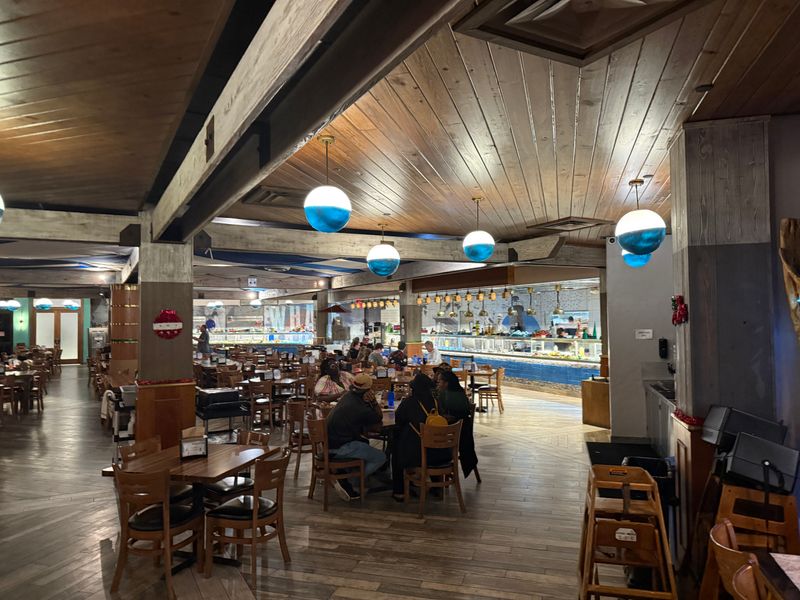
Sides often read as filler at buffets, but here they function best when chosen deliberately, because they frame the seafood rather than compete with it.
Bright vegetables, vinegar-leaning salads, and lightly seasoned beans provide contrast that refreshes the palate between fried, grilled, and briny bites.
Whale Harbor avoids drowning sides in heavy sauces, which gives diners room to build balance rather than recover from heaviness.
Placing a crisp or acidic side between richer items resets your mouth in a way water alone never quite achieves.
This sequencing keeps flavors sharp and prevents fatigue halfway through the meal, especially when moving between fried and grilled stations.
Even small adjustments, like adding cucumbers after fritters or beans beside grilled fish, subtly change how the entire plate reads.
When sides are treated as tools rather than obligations, the buffet feels intentional instead of overwhelming, and each return feels newly focused.
Arrive Early Evening For Easy Flow
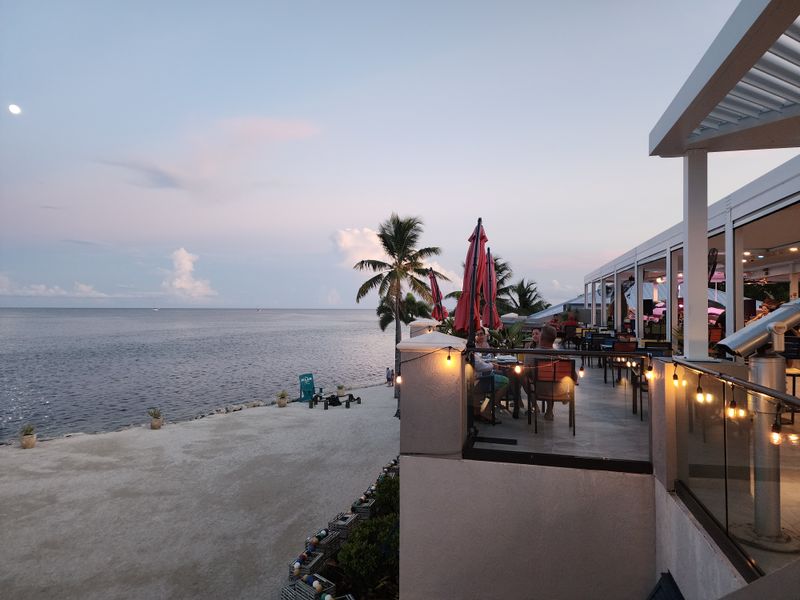
Early evening creates a rare overlap where daylight still softens the room while dinner energy has not yet peaked, allowing the buffet to move with a calm, steady rhythm that benefits both the kitchen and the diners.
Arriving during this window often means shorter waits, fuller trays, and staff who are resetting stations with care rather than urgency, which subtly improves food quality across the board.
Hot items land fresher because turnover remains consistent instead of frantic, and cold stations stay crisp because they are replenished before depletion becomes visible.
This timing also changes how you experience the room, as conversations feel less rushed and the overall noise level stays low enough to remain aware of what you are eating.
You gain the freedom to linger at a station, observe a fresh pan arriving, and adjust your choices without feeling pushed forward by crowd pressure.
Even dessert benefits from this pace, because items are still cleanly presented rather than picked over or hastily replaced.
The result is a buffet that feels curated rather than conquered, which aligns perfectly with Whale Harbor’s quiet, confident approach.