
This Florida Space Center Lets You Stand Beneath Real Rockets And Spacecraft
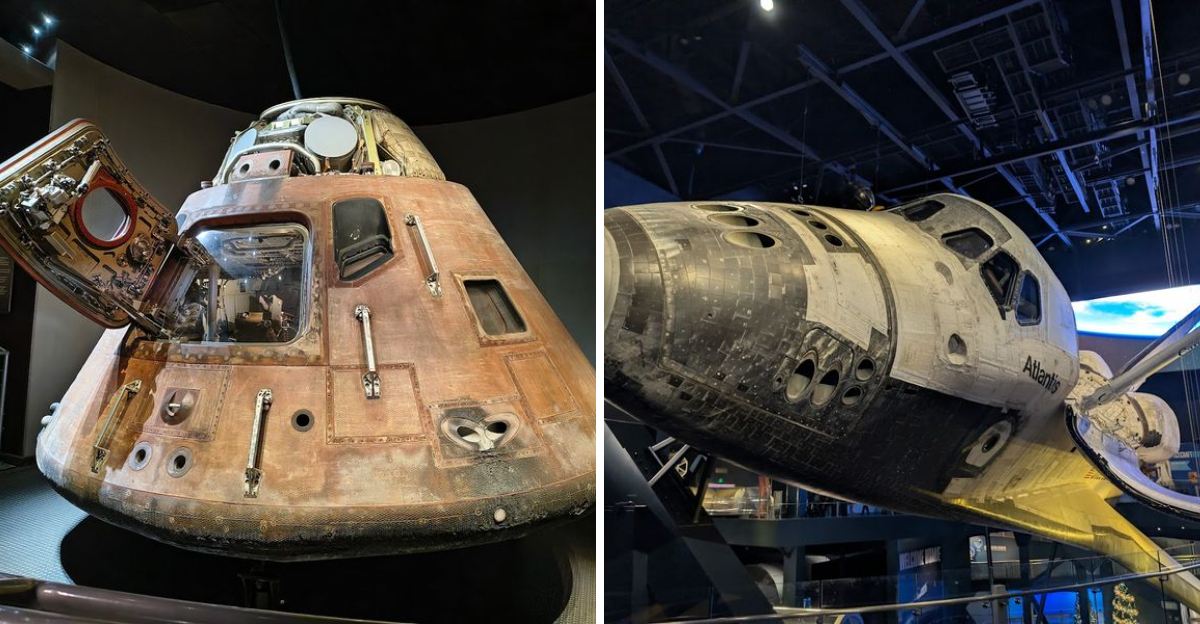
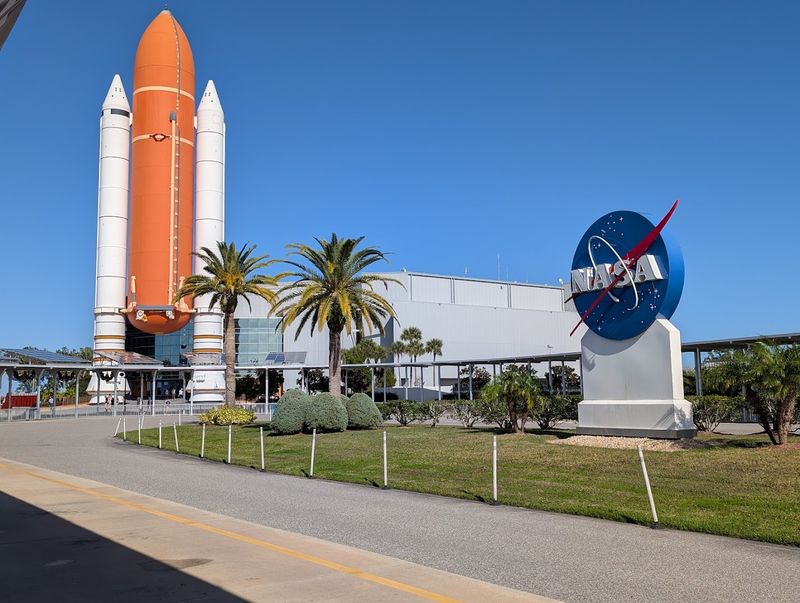
The first thing you notice is the scale. Rockets rising into the sky, impossible to ignore, standing just minutes from Merritt Island on Florida’s Space Coast.
This is not the kind of place you quietly walk through and forget. The moment you step inside, everything feels bigger, louder, and more alive than you expect.
It is not just about looking at history.
It is about feeling it.
You stand beneath real spacecraft, trace the moments that changed the world, and begin to understand just how far human curiosity can go.
Somewhere between the towering rockets and the stories behind them, something shifts. What once felt distant suddenly feels real, and the idea of space stops being abstract.
Because this is not just another attraction in Florida.
It is the kind of place that makes you look up at the sky differently long after you leave.
Space Shuttle Atlantis: A Star That Earned Its Spotlight
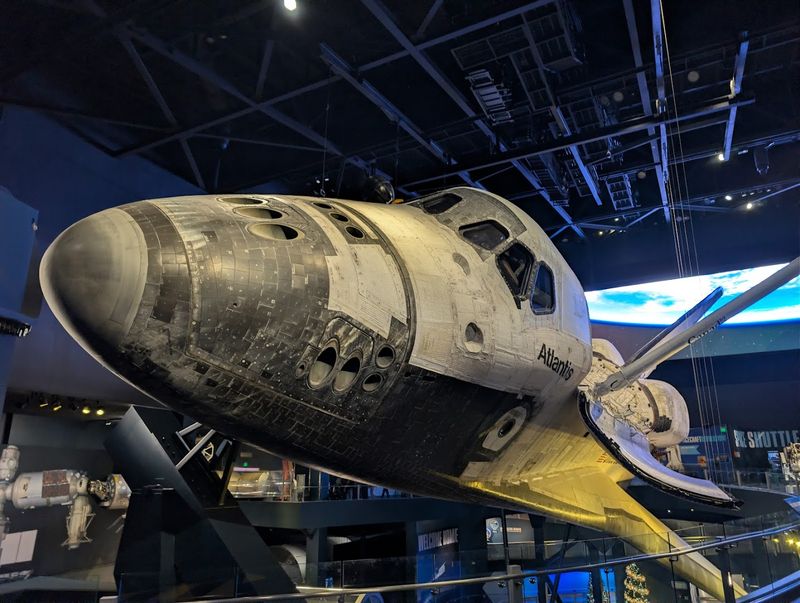
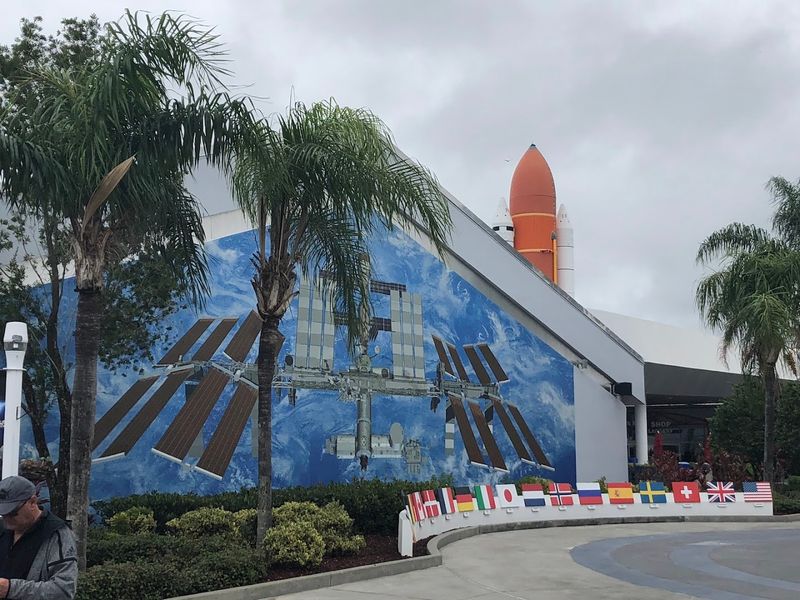
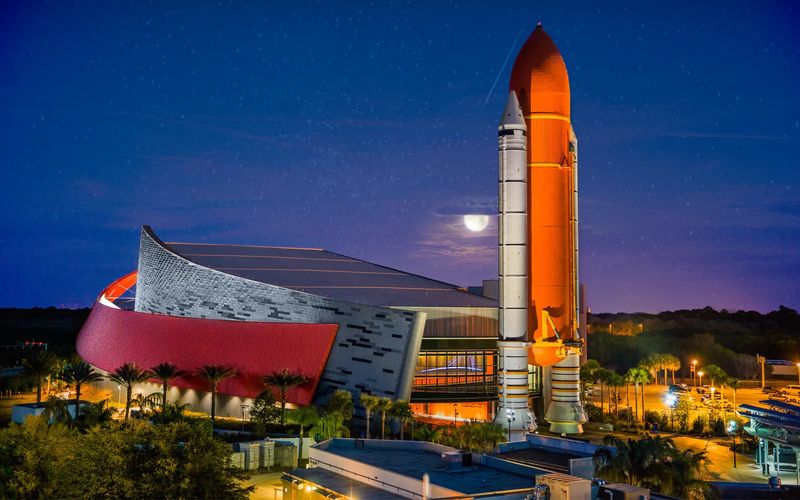
Some things stop you in your tracks the second you see them, and Space Shuttle Atlantis is absolutely one of those things. Positioned at a jaw-dropping 43-degree angle with its payload bay doors wide open, Atlantis is displayed as if it just returned from orbit minutes ago.
The positioning was a deliberate design choice meant to capture the shuttle mid-mission, and it works brilliantly.
Atlantis flew 33 missions over 26 years, logging more than 125 million miles in space before retiring in 2011. The exhibit surrounding it is packed with interactive simulators, real artifacts, and multimedia presentations that explain what life aboard the shuttle was actually like.
Kids and adults alike can try their hand at docking simulations and spacewalk challenges.
Visitors consistently call this the highlight of their entire visit, and after standing beneath those massive wings myself, I completely understand why. The sheer scale of the orbiter makes every photo fall short of the real experience.
You will find it at Space Commerce Way, Merritt Island, FL 32953.
And the moment you stand beneath it, it hits you. This is not a replica.
This is the real spacecraft that went to space and came back. And suddenly, space does not feel so far away anymore.
The Apollo/Saturn V Center Holds A Record-Breaking Giant
Walking into the Apollo/Saturn V Center feels less like entering a building and more like stepping inside a cathedral built for rockets. The Saturn V on display stretches 363 feet long, making it the largest rocket ever flown, and seeing it laid out horizontally at full length is genuinely hard to process at first glance.
Your brain keeps insisting something that big should not exist.
This center tells the complete story of the Apollo program, from the earliest test missions to the triumphant Moon landings that captivated the entire world. Multimedia presentations recreate the tension of launch countdowns using original mission audio, and the lighting effects are dramatic enough to give you goosebumps.
There is also a food court on site, which makes it easy to linger here for hours without rushing.
The hands-on exhibits make the science accessible to younger visitors, while the authentic mission artifacts give history enthusiasts plenty to study closely. Honestly, a full afternoon here still feels too short.
The Bus Tour Reveals Active Launch Pads You Cannot Access Otherwise
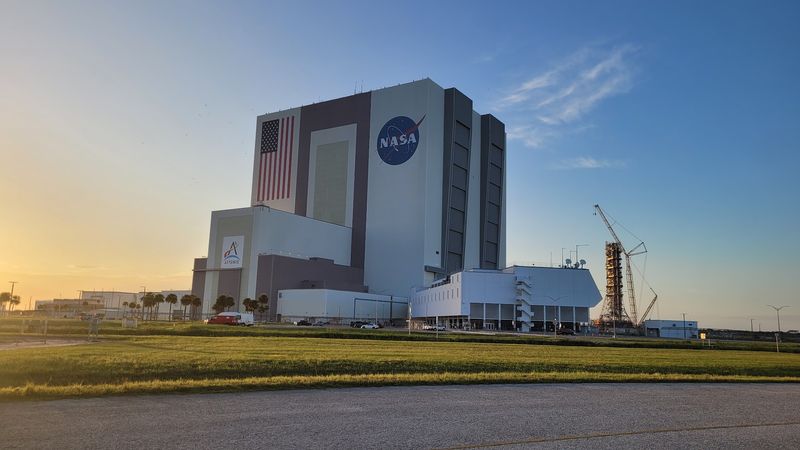
Right after arriving at Kennedy Space Center, most seasoned visitors will tell you the same thing: head straight to the bus tour line before doing anything else. The tour takes guests to restricted areas of the complex that are completely off-limits to regular foot traffic, including the iconic Launch Complex 39 area where historic Apollo and Space Shuttle missions lifted off.
On a recent visit, guests reported spotting the Artemis II rocket standing tall on its launch pad alongside a Falcon 9 from SpaceX preparing for an evening launch. The bus guides are knowledgeable and enthusiastic, turning what could be a simple shuttle ride into an engaging narrated experience.
One visitor even witnessed a rocket convoy moving hardware across the grounds, which is the kind of unscripted moment that makes this tour unforgettable.
Plan for roughly three hours to complete the full tour at a comfortable pace. Arriving early ensures shorter wait times and the best chance of seeing active operations on the pads.
The Gantry At LC-39 Offers A 360-Degree View Of Space History
There is a moment at the top of The Gantry at LC-39 where you look out across the Florida coastline, the marshlands of Merritt Island, and the distant launch pads, and the whole scope of what happens here hits you all at once. This multi-level structure is part of the bus tour experience and gives visitors an unobstructed 360-degree view of one of the most historically significant stretches of land on Earth.
Inside the building, a simulated static test fire lets guests feel the rumble and heat of a rocket engine firing, which is surprisingly intense and draws genuine reactions from visitors of all ages. The exhibits here walk through the evolution of launch technology from the early days of the space race to the current Artemis program pushing toward the Moon and Mars.
Standing where engineers and launch controllers once monitored some of humanity’s greatest achievements adds a quiet sense of reverence to the whole experience. The view alone is worth the bus ride out.
Heroes And Legends Honors The Pioneers Who Made It All Possible
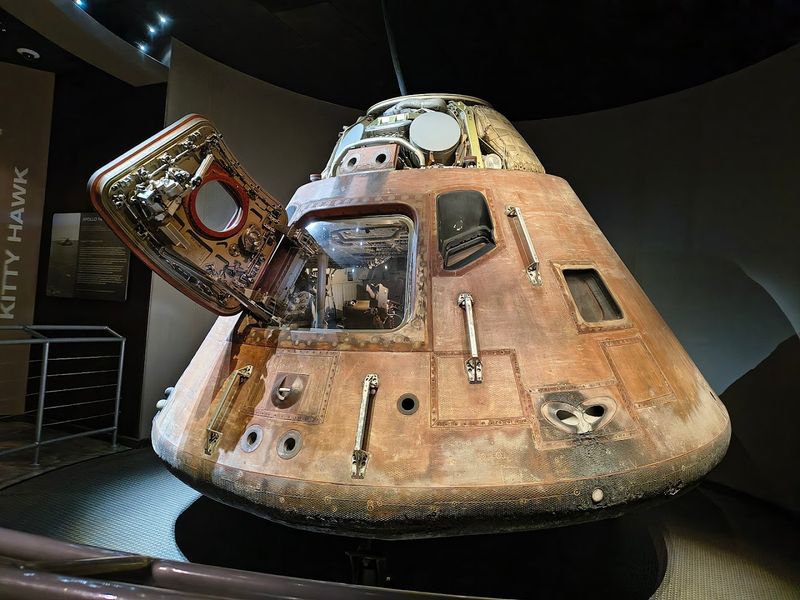
Not every great story involves a rocket launch. Some of the most powerful moments at Kennedy Space Center happen inside the Heroes and Legends exhibit, where the focus shifts from machinery to the men and women who strapped themselves to those machines and flew into the unknown.
The exhibit is part of the U.S. Astronaut Hall of Fame and recognizes inductees with detailed displays covering their careers, missions, and personal stories.
The multimedia presentations here are produced with a level of polish that rivals major film productions, using immersive lighting, surround sound, and original footage to bring each astronaut’s story to life. Visitors frequently describe feeling genuinely moved by the exhibit, and it is easy to understand why once you start reading about the risks these individuals accepted without hesitation.
For anyone traveling with children who are curious about what it takes to become an astronaut, this exhibit answers that question with both honesty and inspiration. It is one of the most emotionally resonant stops in the entire complex.
Journey To Mars Brings The Red Planet Closer Than You Might Expect
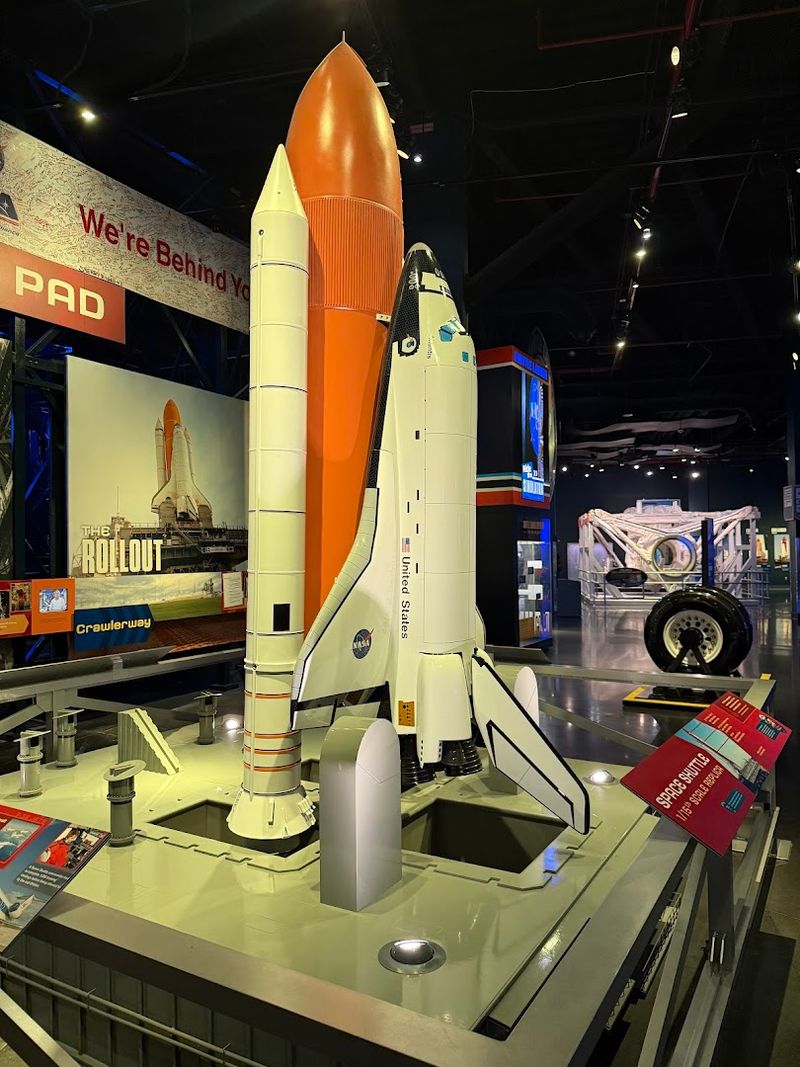
Mars has captured human imagination for centuries, and Kennedy Space Center gives that fascination a tangible, walkable form inside the Journey to Mars exhibit. Real Mars rover replicas are displayed alongside interactive stations that explain how NASA engineers design vehicles capable of surviving the brutal conditions on the Martian surface.
The exhibit covers both the robotic missions that have already explored Mars and the human missions currently being planned for the future.
One visitor noted that the exhibit felt refreshingly cool on a blazing Florida afternoon, which is a practical bonus on top of the educational content. The displays are designed to be accessible to visitors who have no science background, breaking down complex engineering and atmospheric science into clear, engaging language.
The rover replicas in particular draw crowds of visitors who want to stand next to them for scale comparisons.
NASA’s long-term vision for crewed Mars missions is laid out here in detail, making this one of the most forward-looking exhibits in the complex. It trades nostalgia for genuine excitement about what comes next.
The Rocket Garden Is An Outdoor Gallery Unlike Anything Else
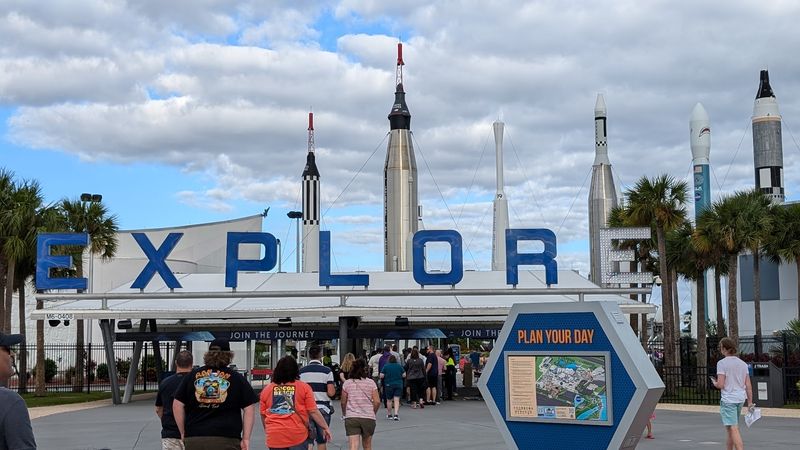
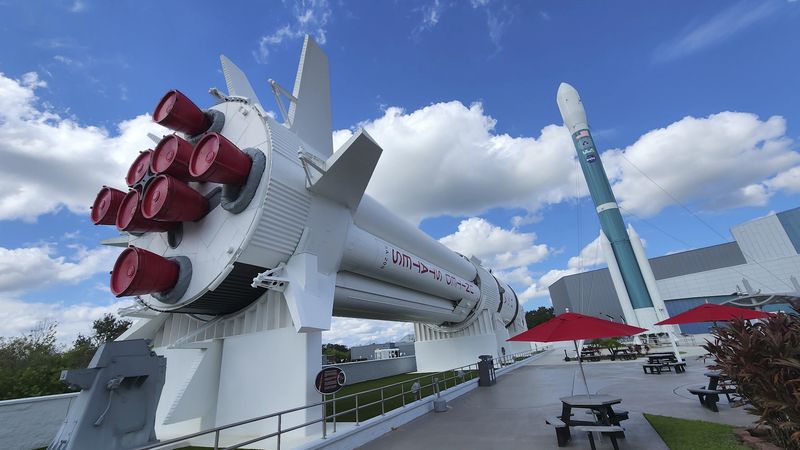
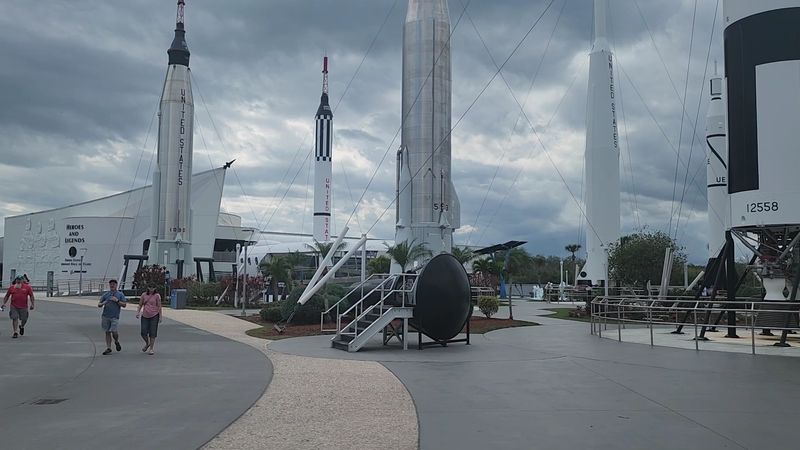
Stepping outside into the Rocket Garden at Kennedy Space Center feels like wandering into a sculpture park where every piece once traveled faster than the speed of sound. Authentic rockets from the Mercury, Gemini, and early Apollo programs stand upright across a landscaped outdoor area, creating an almost surreal visual of towering machines pointing toward the sky they once conquered.
The garden is free to explore as part of general admission, and the open-air layout makes it a great spot to take a break from indoor exhibits while still absorbing history at every turn. Informational plaques at the base of each rocket explain the mission history and technical specifications, giving context to each vehicle on display.
Early morning visits offer the best lighting for photography and fewer crowds around the most popular rockets.
Children especially love the Rocket Garden because the sheer physical presence of these machines sparks a kind of wonder that no screen can replicate. Standing next to a Mercury-Atlas rocket and realizing a person rode on top of it is a genuinely humbling experience.
IMAX Presentations Turn Space Exploration Into An Immersive Event
Few things make the vastness of space feel more immediate than watching footage of it on a screen that fills your entire field of vision. Kennedy Space Center operates an IMAX theater that screens films focused on space exploration, and the format transforms documentary footage into something closer to a visceral experience than a passive one.
The film Deep Sky, which covers the James Webb Space Telescope’s stunning imagery, has been drawing particularly enthusiastic responses from visitors.
IMAX screenings at the complex use actual NASA footage and interviews with real scientists and astronauts, giving the films an authenticity that studio productions cannot match. The theater itself is comfortable and well-maintained, with excellent sound design that makes rocket launches feel uncomfortably close in the best possible way.
Adding an IMAX screening to your visit schedule is an easy decision, especially if afternoon crowds make the outdoor areas feel congested. It is one of those experiences that lingers in your memory long after you have driven away from the complex.
Plan to arrive a few minutes early for the best seat selection.
Astronaut Encounters Offer A Rare Chance To Meet Real Space Explorers
Very few places on Earth give you the chance to sit in the same room as someone who has actually floated in orbit above our planet, but Kennedy Space Center does exactly that through its Astronaut Encounter program. Real NASA astronauts appear at scheduled sessions throughout the day to share personal stories from their missions, answer audience questions, and pose for photos with guests.
The sessions are included with general admission, which makes them one of the most remarkable values in the entire visitor experience. Astronauts speak candidly about the physical demands of spaceflight, the emotional weight of looking down at Earth from orbit, and the intense preparation that goes into every mission.
The conversations tend to feel surprisingly personal rather than scripted, and children in the audience often ask questions that prompt some of the most honest and memorable answers.
Checking the daily schedule online before your visit helps ensure you do not miss a session. Visitors who attend these encounters consistently describe them as the most unexpectedly moving part of their entire day at the complex.
Practical Tips That Will Make Your Visit Run Smoothly
Kennedy Space Center Visitor Complex is located at Space Commerce Way, Merritt Island, FL 32953, and can be reached by phone at +1 855-433-4210 or online at kennedyspacecenter.com. The complex opens at 9 AM every day of the week and closes at 5 PM, giving you a solid window to explore, though most visitors agree that a single day still leaves attractions unseen.
Buying tickets in advance online is strongly recommended to avoid long lines at the gate.
Parking costs $15 per vehicle, paid at a kiosk upon arrival, and the lot is large enough to handle busy weekend crowds. The right-side parking lanes are staffed by attendants and move faster than the automated left lanes, which is a small tip that saves real time.
Bringing a soft-sided cooler with your own lunch is a popular money-saving strategy among repeat visitors, though the on-site dining options at the main complex and Apollo/Saturn V Center are reasonably priced.
Weekday visits mean noticeably smaller crowds, and arriving right at opening gives you the best shot at boarding the bus tour without a long wait. Comfortable walking shoes are absolutely essential here.