
This Florida State Park Gives Visitors A Rare Chance To Hunt For Prehistoric Shark Teeth
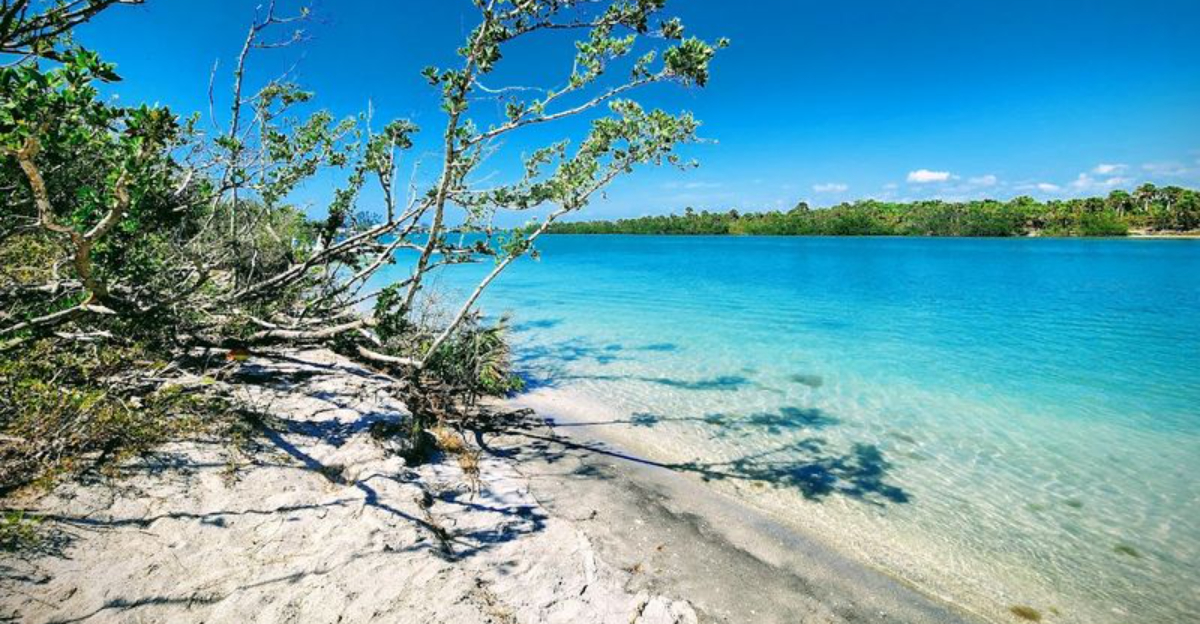
Imagine walking a quiet stretch of Florida shoreline, waves rolling in like nothing unusual is happening… and then you notice it. Something small, dark, and perfectly triangular half-buried in the sand.
You pick it up, turn it in your hand, and realize you’re holding a piece of the ocean that’s older than anything standing on land today. No museum glass.
No display case. Just the tide doing what it has always done.
Returning fragments of a prehistoric world back to the present. Hidden on a remote edge of Manasota Key, this is one of those rare places where the beach isn’t just a place to relax.
It’s a place to discover. Ancient shark teeth still wash ashore here, shaped by storms, currents, and time itself. And the best part?
You don’t need special gear or expertise. Just patience, a bit of curiosity, and the willingness to slow down and look closely at what the sea leaves behind.
What Makes Stump Pass Beach State Park So Special
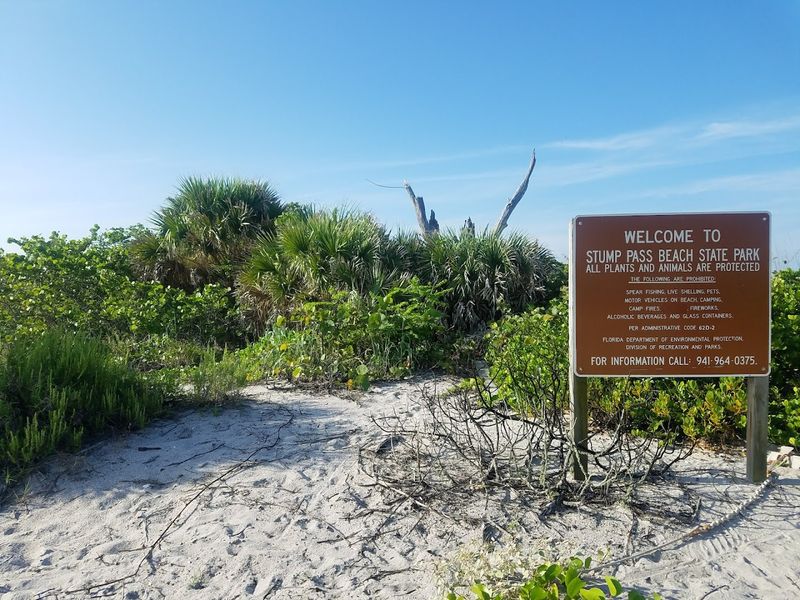
Not every beach hands you a piece of prehistoric history, but Stump Pass Beach State Park does exactly that. This park is genuinely one of Florida’s most rewarding natural escapes.
The combination of raw, undeveloped coastline and fossil-rich sediment makes it stand apart from every other beach in the region.
The park stretches along the southern tip of Manasota Key, offering over a mile of shoreline. Unlike busy tourist beaches, Stump Pass stays relatively quiet and wild.
The Gulf waters here are shallow and warm, with a tidal flow that constantly rearranges the sandy bottom and pushes buried fossils toward the surface.
What really sets this place apart is the geology. The seafloor near Stump Pass is loaded with ancient phosphate-rich sediment from the Miocene and Pliocene epochs, roughly 5 to 23 million years old.
Shark teeth get embedded in those layers and slowly work their way up through tidal action.
Every visit offers something different, because the beach is always shifting and revealing new treasures beneath the surface.
There are also mangrove trails, a boat ramp, and stunning sunset views that make the park worth visiting even on days when the fossil hunting feels slow.
The natural habitat here supports osprey, dolphins, and sea turtles. Stump Pass Beach State Park is the kind of place that reminds you why Florida’s wild coastline deserves serious protection and serious exploration.
Location And How To Get There
Getting to a hidden gem always feels like half the adventure, and Stump Pass Beach State Park is no exception. The park entrance is located at 900 Gulf Blvd, Englewood, FL 34223, sitting right on the Gulf side of Manasota Key.
It’s a beautifully scenic drive down Gulf Boulevard, with water visible on both sides as you approach the tip of the key.
From downtown Englewood, the drive takes roughly 15 minutes. You’ll cross the Manasota Key Bridge and follow Gulf Boulevard south until the road essentially ends at the park.
There’s a small parking area that fills up on weekends, so arriving early is always a smart move. The park opens at 8 a.m. daily and closes at sunset.
There is a modest entrance fee per vehicle, which goes directly toward maintaining the park and its natural resources. Amenities are intentionally minimal here, which is part of the charm.
You’ll find restrooms, a picnic area, and a boat ramp, but don’t expect a resort-style setup. The park is meant to feel wild and natural, and it absolutely delivers on that promise.
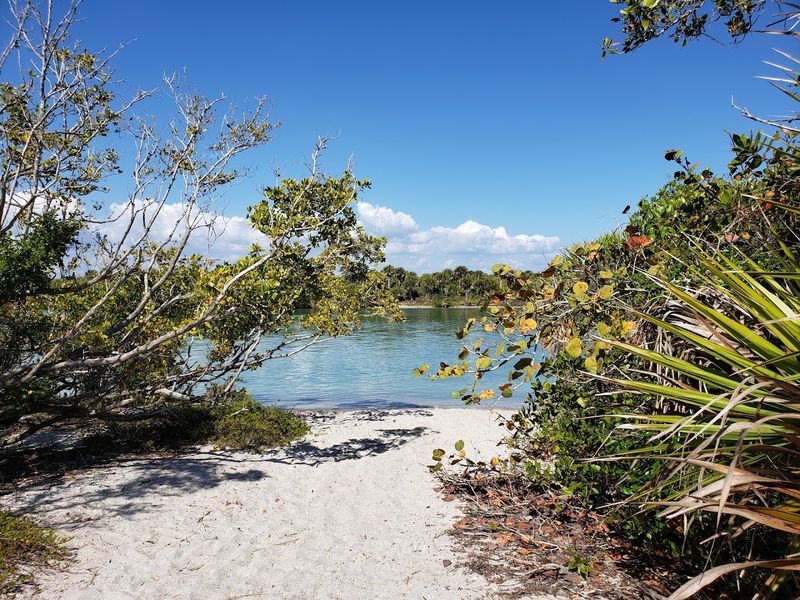
Once you park and walk toward the beach, the Gulf opens up in front of you like a reward for making the trip.
The water shimmers, the breeze carries that unmistakable salty sweetness, and somewhere beneath the sand, a million-year-old shark tooth is waiting to be found by you.
The Prehistoric Magic Behind The Shark Teeth
Here is something that will genuinely stop you in your tracks: the shark teeth washing ashore at Stump Pass are not recent. They are fossils, millions of years old, from species that no longer exist.
The dark coloration, usually black or dark gray, is actually caused by mineralization that happens over thousands of years as the teeth absorb minerals from surrounding sediment.
During the Miocene epoch, Florida was largely submerged under a warm, shallow sea teeming with marine life. Massive sharks patrolled those ancient waters, shedding thousands of teeth over their lifetimes.
Those teeth sank to the seafloor, got buried, and spent millions of years slowly turning into stone.
Today, erosion and tidal activity bring them back to the surface near places like Stump Pass.
The most commonly found species here include tiger sharks, lemon sharks, bull sharks, and the iconic great white.
Occasionally, lucky hunters find teeth from the legendary Megalodon, the largest shark that ever lived, with teeth that can exceed five inches in length. Finding one of those is basically winning the fossil lottery.
The science behind it is fascinating, but honestly, the feeling of holding a tooth that belonged to a creature from 10 million years ago is what really gets you.
It’s one of those rare moments where the ancient past becomes completely tangible. Every tooth you find is a tiny piece of Earth’s most dramatic story.
The Best Time To Hunt For Shark Teeth At Stump Pass
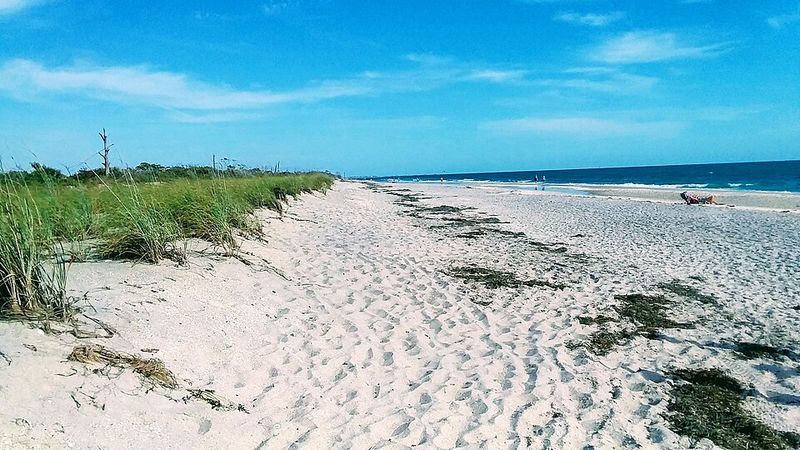
Timing your visit can make a huge difference between finding dozens of teeth or going home empty-handed. Low tide is your absolute best friend when it comes to fossil hunting at Stump Pass.
When the water pulls back, it exposes fresh layers of sand and shell hash along the waterline, and that’s exactly where the teeth concentrate.
Early morning visits are ideal for a couple of reasons. The light hits the wet sand at a low angle, which makes the dark, shiny surface of fossilized teeth much easier to spot against the lighter sand.
Plus, the beach is quieter in the morning, meaning the best patches haven’t been picked over yet by other hunters.
After storms, the beach becomes especially productive. Wave action stirs up the sediment and pushes deeper material toward shore.
Veteran fossil hunters often head straight to the beach the morning after a storm system passes through, knowing that fresh material has been deposited overnight.
It’s the kind of inside knowledge that separates casual visitors from serious collectors.
The dry season, roughly November through April, tends to offer calmer conditions and clearer water, making visibility better near the shoreline.
However, summer storms can also churn up excellent finds. Honestly, any visit has potential.
The beach is generous with its treasures when you show up with patience and pay close attention to what the tide is laying at your feet.
Rules, Regulations, And Responsible Fossil Hunting
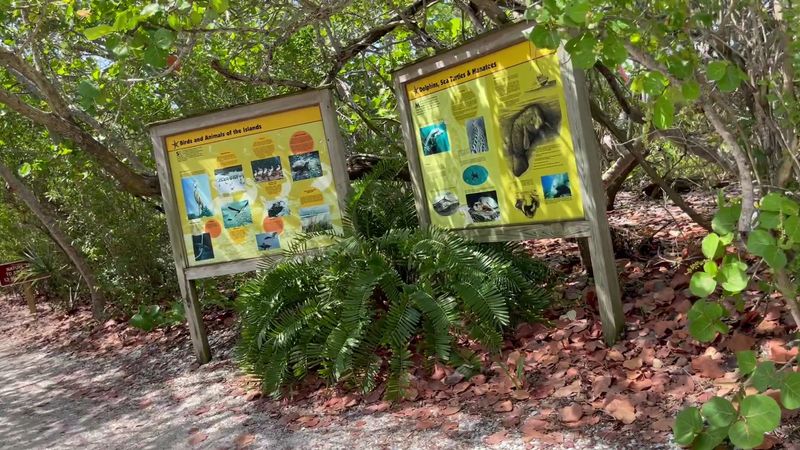
Before you start filling your pockets with prehistoric treasures, it’s worth knowing the ground rules. Florida has a pretty straightforward policy on fossil collecting: picking up shark teeth and other surface fossils from state park beaches is generally allowed for personal use.
You don’t need a permit for casual collecting of loose surface material.
However, there are important boundaries. Digging into the ground or disturbing the natural environment is not permitted within state park boundaries.
The rule is simple: take what the water gives you, but don’t excavate. This protects both the ecosystem and the scientific integrity of the fossil record for future researchers and visitors.
Quantities also matter. Collecting for personal enjoyment is fine, but commercial collection or removing large quantities of material is a different matter entirely.
The Florida Museum of Natural History provides updated guidelines and is a fantastic resource for understanding what’s permitted in different locations across the state.
Responsible fossil hunting also means leaving the beach better than you found it. Pack out your trash, avoid trampling on coastal vegetation, and stay on designated paths when accessing the shoreline.
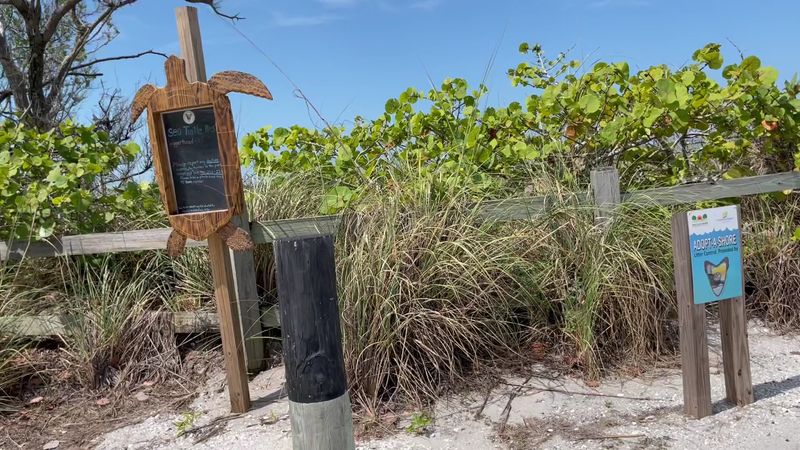
The park’s natural habitat supports nesting shorebirds and sea turtles, so being mindful of your surroundings is genuinely important.
Treating this environment with respect ensures that future visitors, and future generations, will have the same incredible opportunity to connect with Florida’s prehistoric past on this beautiful stretch of Gulf coastline.
What Else To Explore At The Park
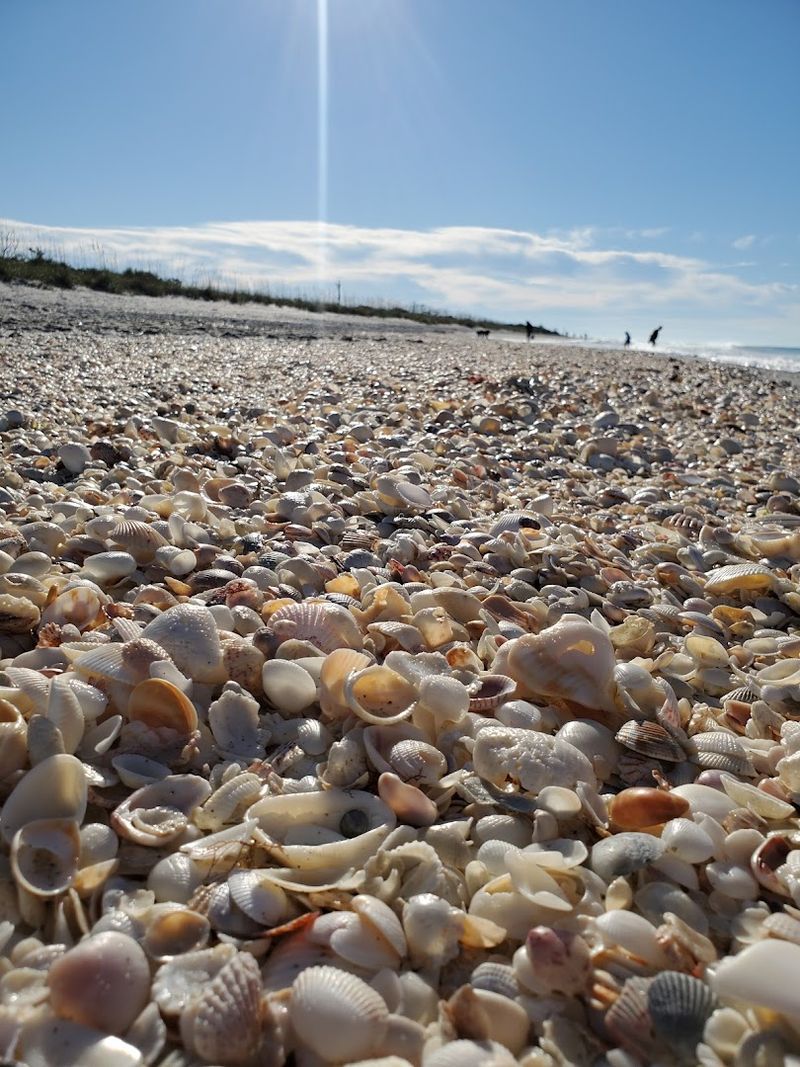
Shark teeth are the headline act, but Stump Pass Beach State Park has a genuinely impressive supporting cast. The park features a nature trail that winds through coastal scrub and mangrove habitat, offering a completely different experience from the open beach.
It’s shaded, peaceful, and filled with birdsong that makes you feel miles away from civilization.
Birdwatching here is seriously rewarding. Osprey nest in the area year-round, and you’ll often spot them diving dramatically into the Gulf for fish.
Roseate spoonbills, great blue herons, and snowy egrets patrol the mangrove edges. During migration season, the variety of species passing through increases dramatically, making it a genuine hotspot for birding enthusiasts.
The boat ramp provides access to Lemon Bay and the surrounding waterways, which are excellent for kayaking and paddleboarding. The calm, shallow waters around the key are ideal for beginners and experienced paddlers alike.
Dolphins are frequently spotted in these waters, and encountering one up close from a kayak is an experience that stays with you permanently.
Snorkeling near the pass itself can also reveal interesting marine life, including rays, small sharks, and colorful reef fish. The park essentially offers a full menu of outdoor adventures packed into one relatively compact location.
Whether you spend three hours or an entire day here, Stump Pass manages to deliver something memorable at every turn. It’s the kind of park that earns a spot on your regular rotation without even trying hard.
Why Stump Pass Belongs On Every Florida Bucket List
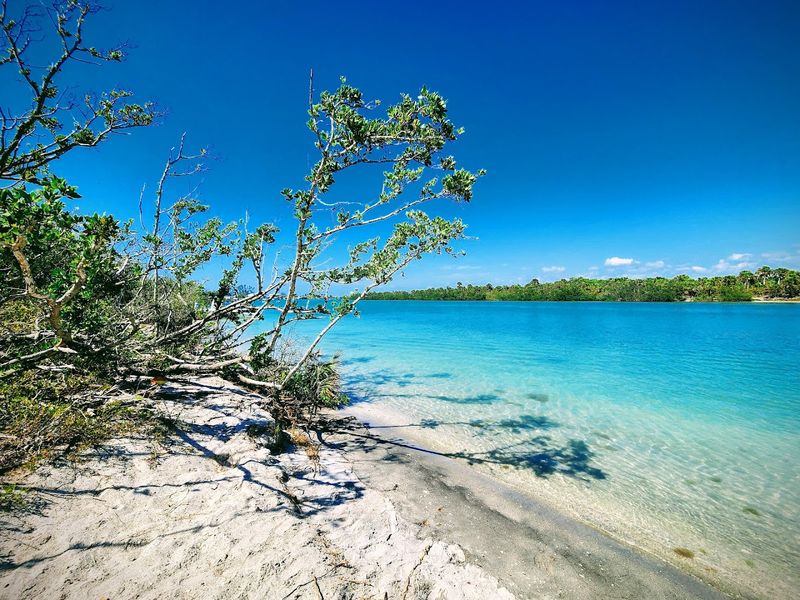
There’s a certain kind of magic that only a handful of places in the world can offer, and Stump Pass Beach State Park has it in abundance.
This is not a polished resort beach with umbrella rentals and overpriced smoothie stands. It’s raw, real, and completely authentic Florida at its finest.
The kind of place that reminds you what this state looked like before the condos arrived.
The combination of prehistoric fossil hunting, stunning Gulf sunsets, wildlife encounters, and genuine natural solitude makes this park almost impossibly good for what it is.
You can spend a morning hunting for million-year-old shark teeth, paddle through a mangrove tunnel in the afternoon, and watch dolphins play in the pass as the sun goes down. That’s a full and genuinely spectacular day.
The park also has a way of connecting visitors to something larger than themselves. Holding a fossilized shark tooth that predates human civilization by millions of years puts daily life into a very humbling perspective.
It’s a quiet but powerful reminder that the Earth has been telling extraordinary stories long before we arrived to listen.
Whether you’re planning a solo adventure, a nature-focused getaway, or simply looking for a Florida beach experience that goes beyond the ordinary, Stump Pass delivers every single time. So pack your mesh sifter, charge your camera, and head down Gulf Boulevard.
That prehistoric shark tooth isn’t going to find itself, and something tells me you’re exactly the right person for the job.