
This Florida State Park Has A Mystical Trail Leading To The Eerie Bulow Plantation Sugar Mill Ruins
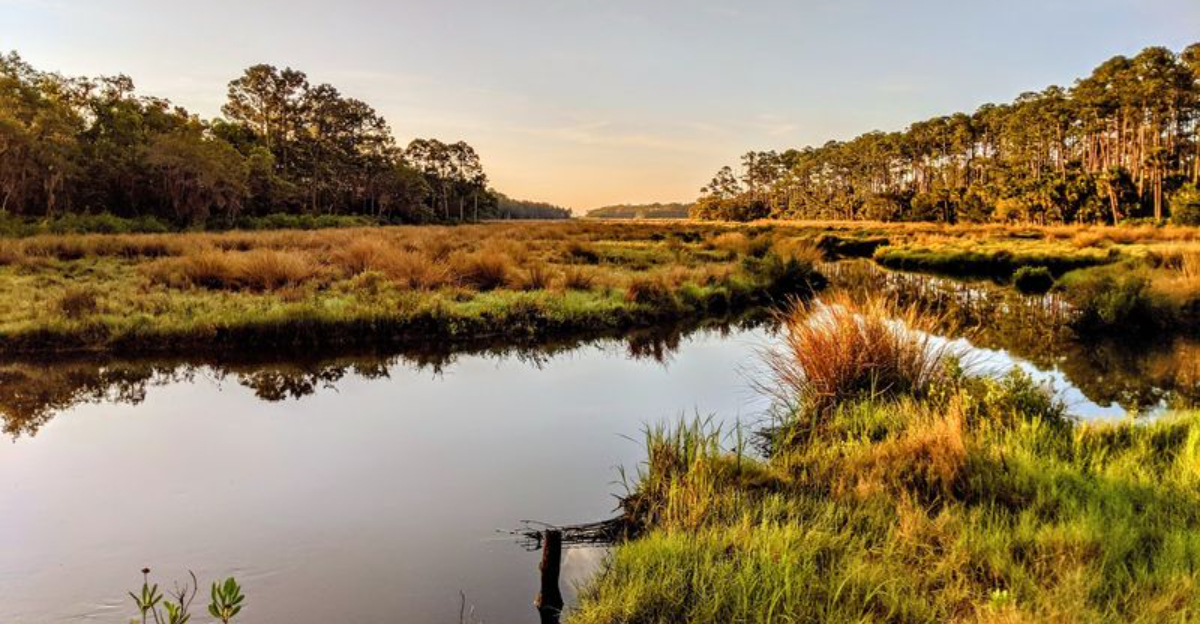
The forest looks ordinary until a stone wall appears between the trees.
Then another follows, and Florida feels less like a postcard and more like a forgotten chapter with moss across the margins.
The trail leads toward remains of an enormous sugar mill, where ruins stand beneath oak branches and sunlight slips through empty windows.
Today, birdsong and rustling leaves fill the space.
The past was far less peaceful.
That contrast gives this Florida walk its weight, connecting a calm landscape to stories of ambition, conflict, destruction, and the enslaved people whose labor shaped the plantation.
Nothing here needs dramatic music. The crumbling walls handle that themselves.
Follow the paths, read the markers, and let the silence do part of the storytelling.
For travelers seeking a deeper side of Florida, this woodland detour offers history without glass cases. The ruins remain exactly where time left them, waiting beneath the canopy.
A Long Dirt Road Sets The Mood Before You Even Arrive
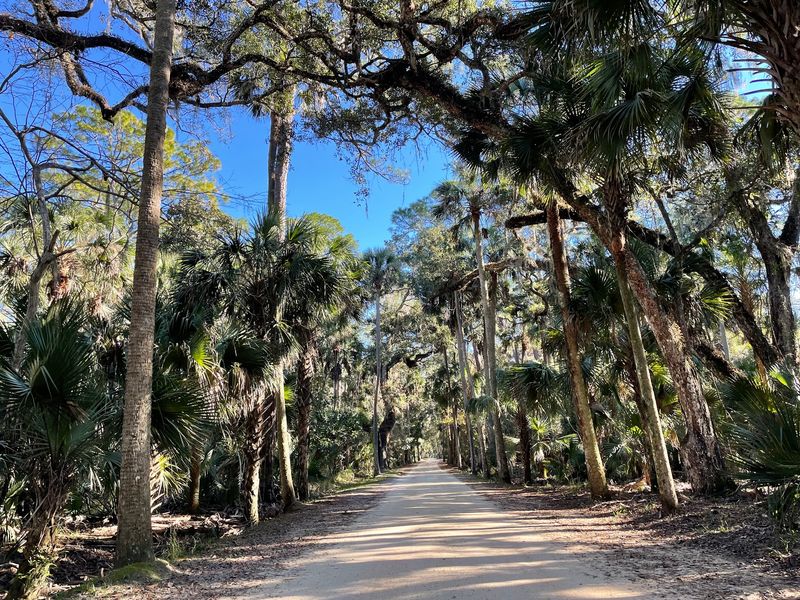
Before you spot a single ruin, the journey itself starts building suspense.
The entrance road stretches long and narrow, made of packed dirt and framed by towering trees that lean overhead. It is the original plantation laneway, so you are literally driving the same path used almost two hundred years ago.
I remember rolling my windows down and letting the cool, leafy air drift in while the pavement disappeared behind me. Everything gets quieter, and the busy world you left behind seems to melt away.
A few visitors mention feeling like they have traveled miles from everywhere, even though shops and beaches sit close by. That slow, bumpy approach helps set the mood for what waits at the end.
Drive gently, since the surface can be uneven, and keep an eye out for wildlife crossing. By the time you reach the parking area, you already feel like you have stepped into another time, and the adventure has barely begun.
Towering Coquina Walls Of The Old Sugar Mill
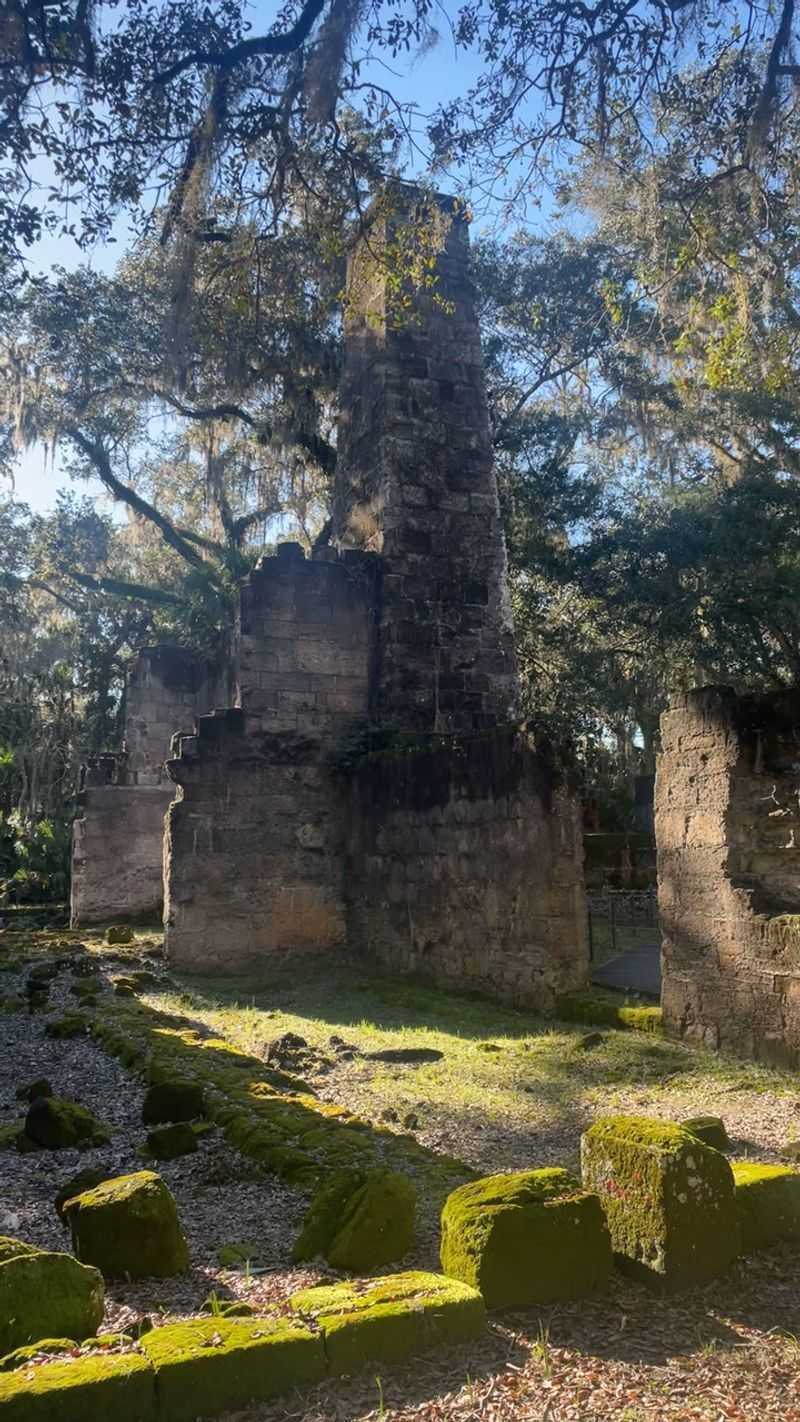
Standing before the sugar mill ruins is honestly the highlight of the whole trip.
These thick walls are built from coquina, a natural stone made of tiny shells pressed together over time. Even after everything the site has weathered, the walls still climb high enough to make you tilt your head back in amazement.
I found myself running my fingers along the rough surface, trying to picture the busy, steamy work that once filled these rooms. This was the largest plantation in East Florida, and the mill turned sugar cane into product for sale.
Signs nearby explain how the machinery worked and how brutally hot the labor was under the Florida sun. It gives the crumbling stones real meaning instead of leaving them a mystery.
Photographers will love the way vines and light wrap around the arches. Give yourself plenty of time here, because these towering shells of the past deserve a slow, thoughtful look.
A Short Nature Trail That Feels Wonderfully Eerie
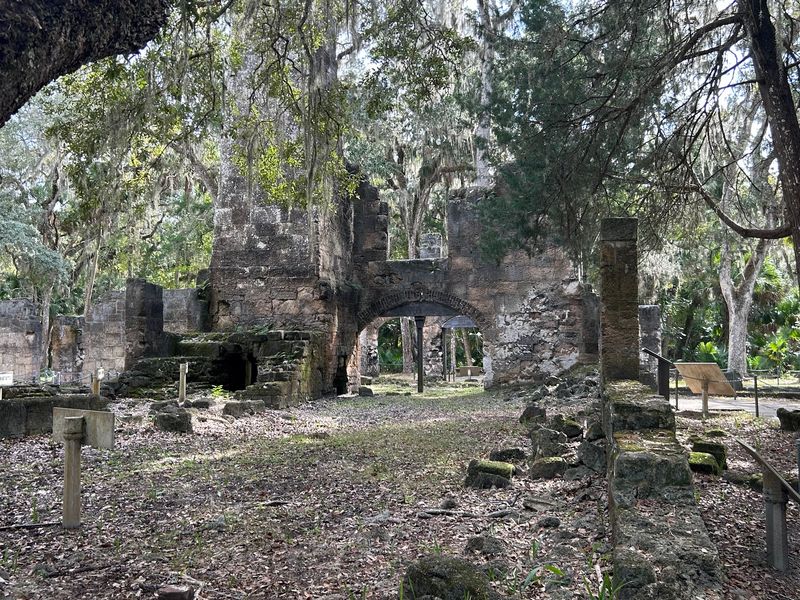
Getting to the ruins means strolling a short trail that many visitors call haunting in the best way.
From the picnic area, a path of about a third of a mile winds through thick woods packed with saw palmetto and old oaks. It is easy enough for families, yet it carries a quiet, wistful feeling that sticks with you.
One reviewer described it as a walk that almost seems like it was meant to end in ruin, and I understood exactly what they meant. The trees close in, the sounds soften, and the past feels close enough to touch.
If you have limited time, you can drive closer and walk only a few minutes to reach the site. Either way, the trail rewards you with shade, birdsong, and that mysterious hush.
Wear comfortable shoes and take your time, because this gentle stretch of jungle deserves more than a rushed march.
The Story Of The Second Seminole War
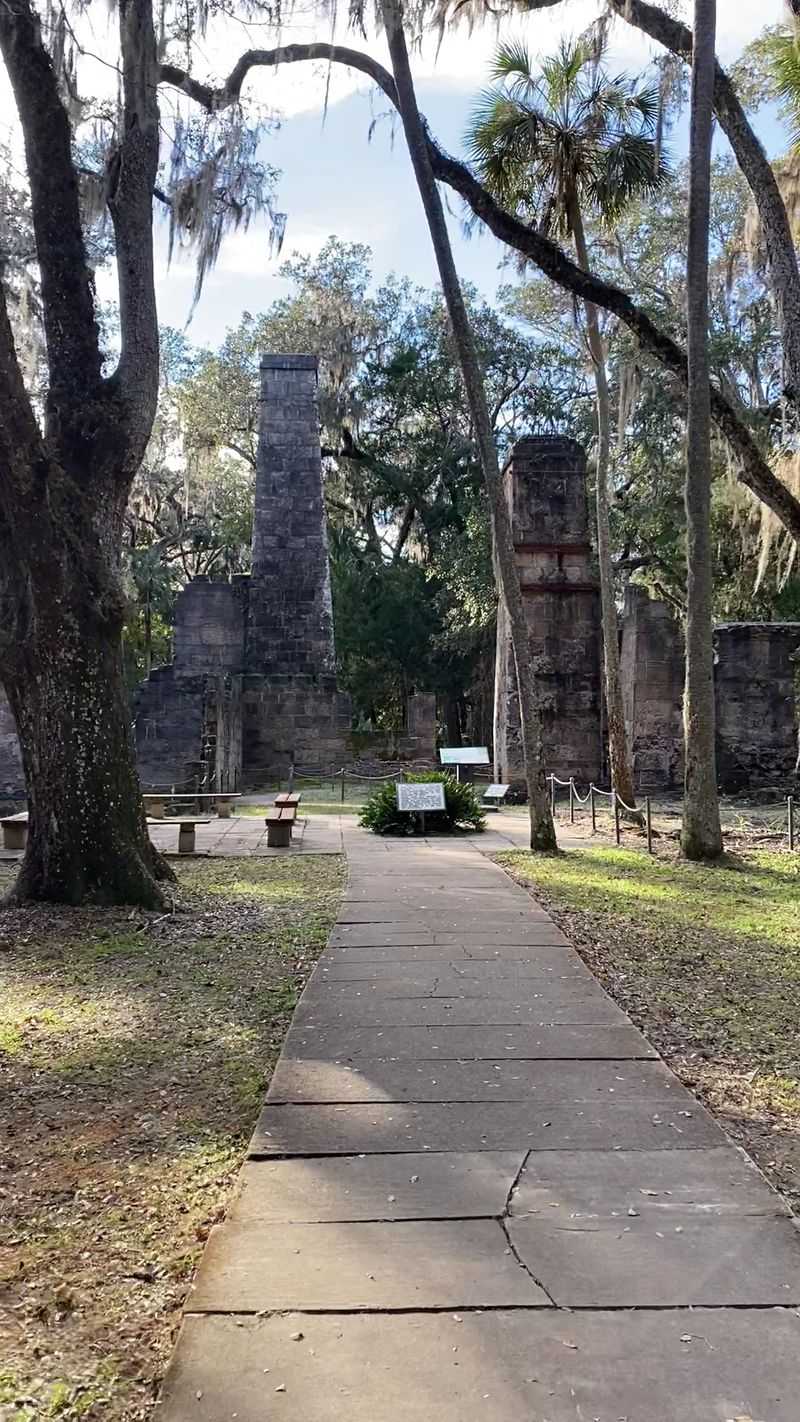
History buffs will find themselves hooked by the dramatic reason these ruins exist at all.
Back in 1836, during the Second Seminole War, the plantation was burned and left in ruins. What you see today is the result of that conflict, frozen in stone and shell.
Reading the plaques, I learned how tangled the situation was, involving settlers, the government, and the Seminole people who called this land home. It is not a simple tale, and the park does a fair job of showing the different sides.
Standing among the broken walls, it becomes easier to imagine how quickly a booming operation could be brought to a standstill. The quiet setting makes the whole story hit harder.
Bring your curiosity, because you may leave with more questions than answers, which is part of what makes it memorable. This corner of Florida holds a piece of history many travelers never knew existed until they stumbled onto the road signs.
Hidden Tabby Slave Cabin Foundations
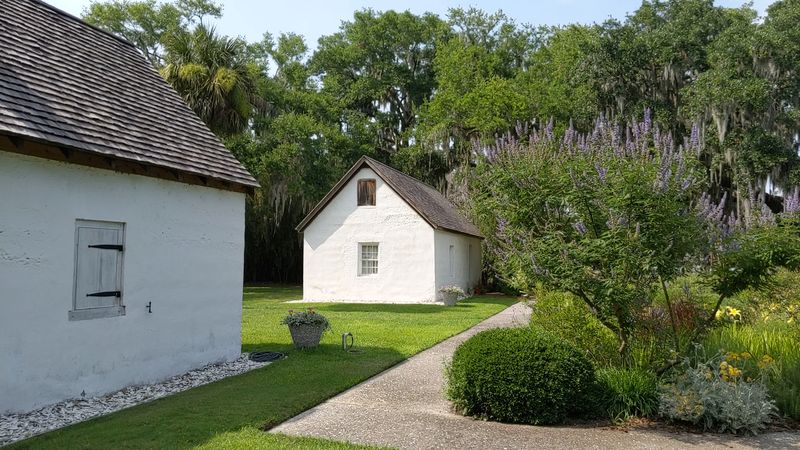
Tucked away in the back of the park sits a quieter, more solemn part of the story.
A little trail leads to the remains of the tabby slave cabins, where enslaved people once lived and worked. Tabby is a building material made from shells, sand, and lime, and low outlines are all that survive today.
I almost missed this spot, since it hides behind the main area, but I am so glad I searched it out. It reminds you that the plantation’s wealth came from forced, painful labor.
Visitors often say the site makes them appreciate how hard those days truly were. Standing there in the silence, it is impossible not to feel a deep sense of respect.
Take a moment to read the information and reflect before moving on. Seeking out these humble foundations adds a meaningful layer to your visit that the towering mill alone cannot tell.
Peaceful Paddling On Bulow Creek
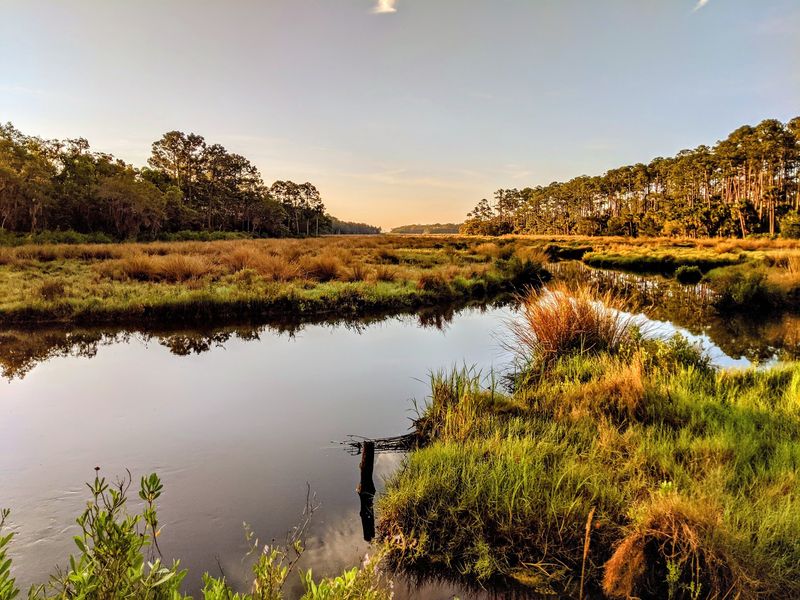
Not everything here is about walls and history, since the water offers its own kind of magic.
Bulow Creek runs alongside the park, and there is a roomy launch where you can slide a canoe or kayak into the calm water. Paddling lets you glide past thick greenery and maybe spot birds or turtles sunning themselves.
I loved how serene the waterfront felt, with seating near the dock and a breeze rolling off the creek. It is a lovely place to pause, whether or not you plan to get on the water.
People also enjoy fishing from the small dock, and the boat ramp has parking for trucks and trailers. That makes it an easy stop for anyone who loves being on the water.
Bring your own gear, since rentals are not the main focus here. Floating along this quiet creek is a refreshing way to round out a day full of trails and old stone.
The Challenging 6.8 Mile Trail For Serious Hikers
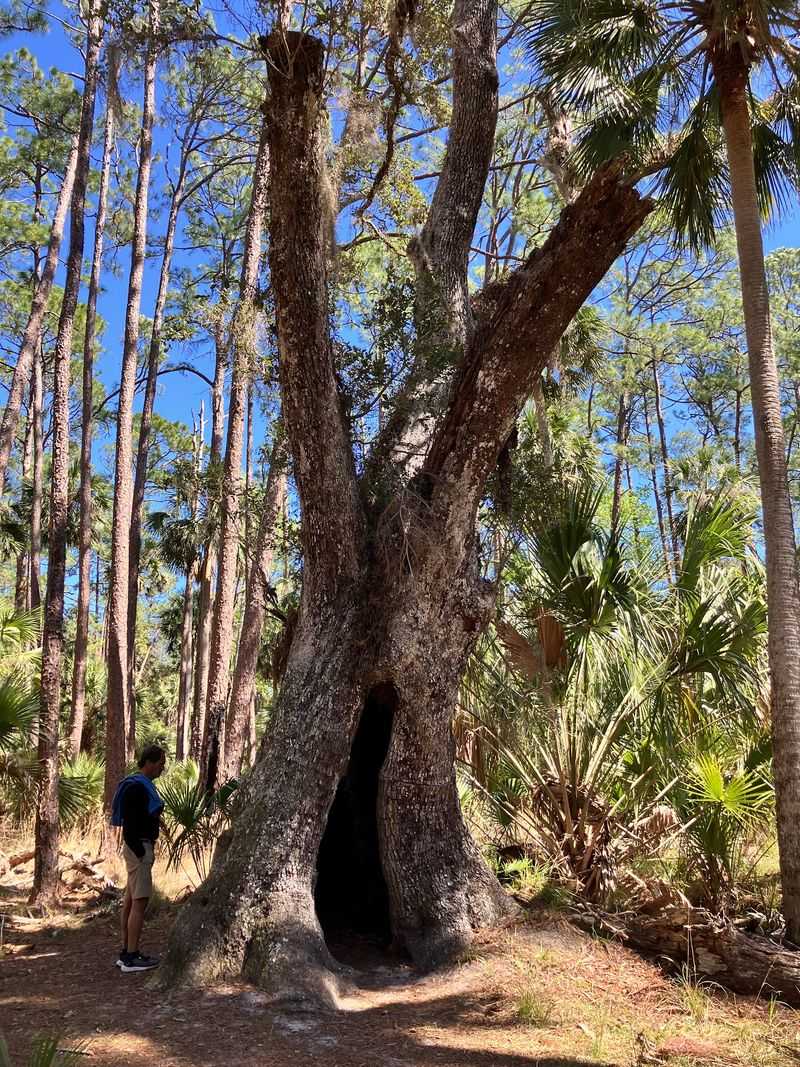
For those with extra energy in their boots, a much longer path awaits.
The park connects to a roughly 6.8 mile trail that winds deep through the coastal hammock, starting near a grand old live oak. It reaches spots like Cedar Creek, where a little footbridge offers a truly beautiful view.
I set out feeling brave, then quickly learned that Florida humidity has a way of humbling even eager hikers. Once the sun broke through, I was glad to reach the creek and call it a good turnaround point.
Bring plenty of water, sunscreen, and bug spray if you plan to tackle the full distance. Weather and storm damage can sometimes close sections, so check conditions before you go.
Bikes are also welcome on the trails, giving you another way to explore. Whether you go the whole way or just a piece, this leafy route delivers real Old Florida wilderness at every turn.
Fascinating Artifacts And Information Plaques
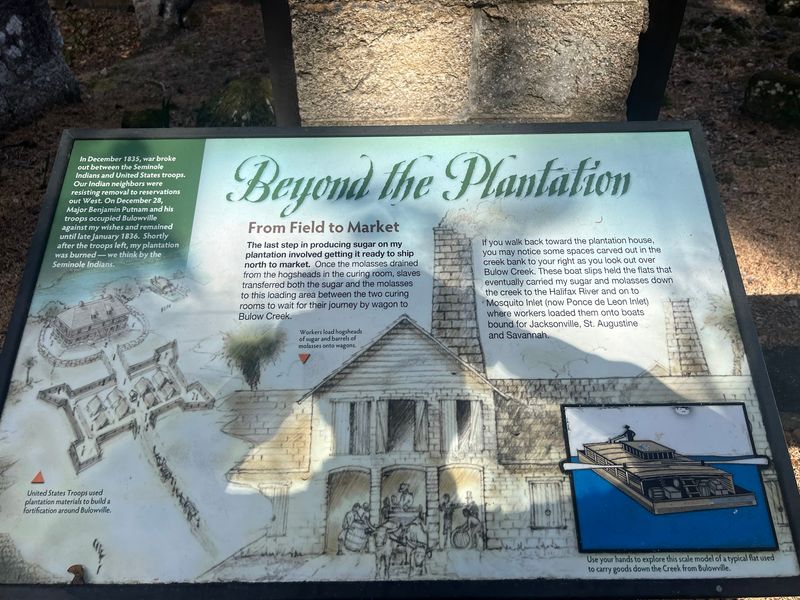
Curiosity gets fed nicely thanks to the well kept displays scattered around the site.
Along the trails you will find plaques that explain how the plantation worked and how sugar cane was processed step by step. There is also an area with old tools and household items, kept safe behind glass.
I was genuinely impressed by how much care went into presenting these pieces. Reading each sign, I could slowly picture the daily rhythm of the place long ago.
Some folks note that a few displays could use updating, but the information still teaches plenty. Families especially appreciate the artifacts, since they turn a simple walk into a hands-on lesson.
Kids can move from sign to sign like a treasure hunt, learning without even realizing it. Take your time reading, because these thoughtful little exhibits are what transform crumbling stones into a story you truly understand.
It is history made friendly and clear for every kind of visitor.
Shady Picnic Areas Under Giant Live Oaks
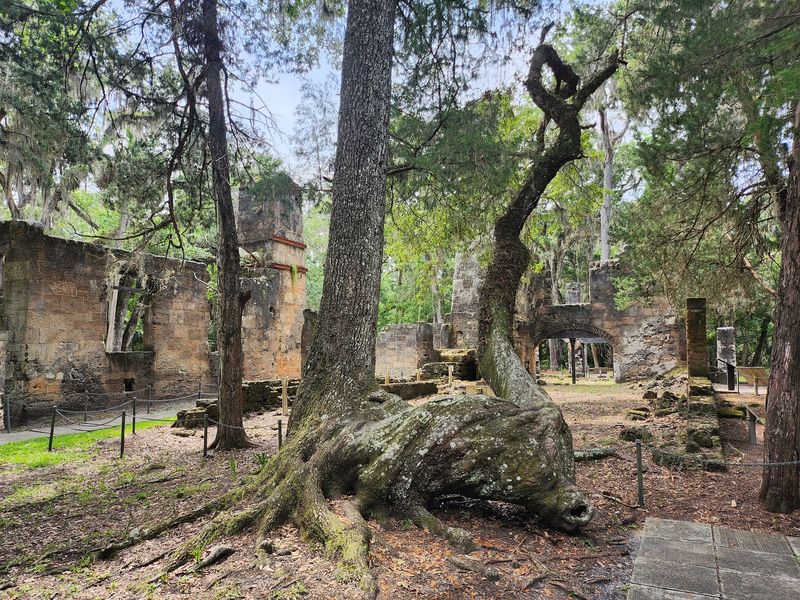
When your legs need a break, the park hands you the perfect place to rest.
Picnic tables and benches sit scattered beneath enormous live oaks, giving you cool, welcome shade on a warm Florida day. One giant old oak near the southern lot is gorgeous enough to be a landmark all on its own.
I unpacked a simple snack here and just soaked in the peaceful surroundings between adventures. Clean restrooms are available too, which is always a happy discovery in a nature park.
Because the site is dog friendly, you can bring your pup along for the outing as well. It is a relaxed, family-ready spot that never feels crowded or rushed.
Pack a lunch, spread out at a table, and let the breeze do its thing. Lingering under these sprawling oaks might just become the most restful part of your whole trip, and it costs you nothing extra.
An Honor-Box Fee and Simple Planning Tips
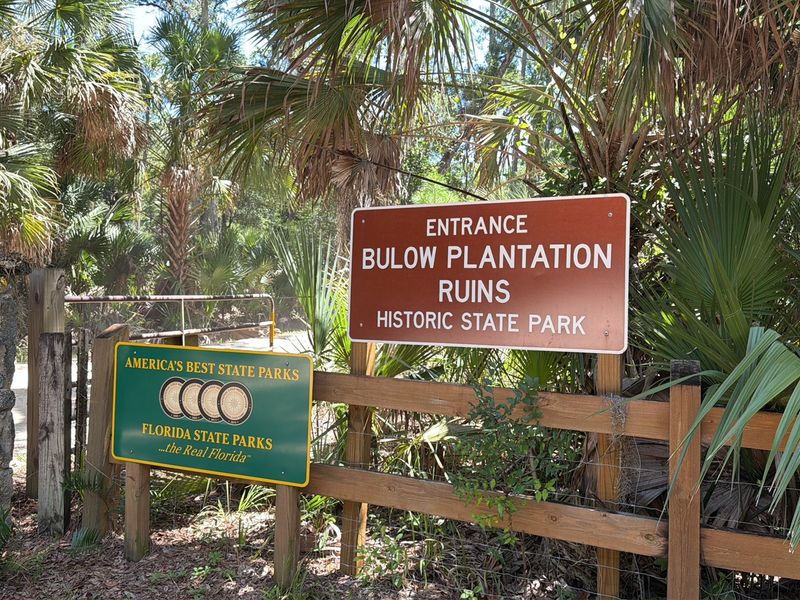
Planning ahead makes this budget-friendly stop even smoother.
Entry costs just four dollars per car, paid at an honor box near the entrance, and pedestrians pay a smaller fee. You slip cash into an envelope and grab a tag for your dashboard, so bring exact change to be safe.
There is also a QR code if you would rather pay online with a card, which saved me once when I had no bills. Either way, most visitors agree it is money very well spent.
Remember the park sits at 3501 Old Kings Rd, Flagler Beach, FL 32136, and it is open Thursday through Monday from 9 a.m. to 5 p.m. It closes on Tuesdays and Wednesdays, so plan your visit accordingly.
Restrooms, shade, and helpful rangers round out the experience nicely. Show up prepared with a little cash and comfy shoes, and this quiet slice of Florida history will reward you many times over.