
This Florida State Park Near Alabama Feels Like A Hidden Escape Most People Miss
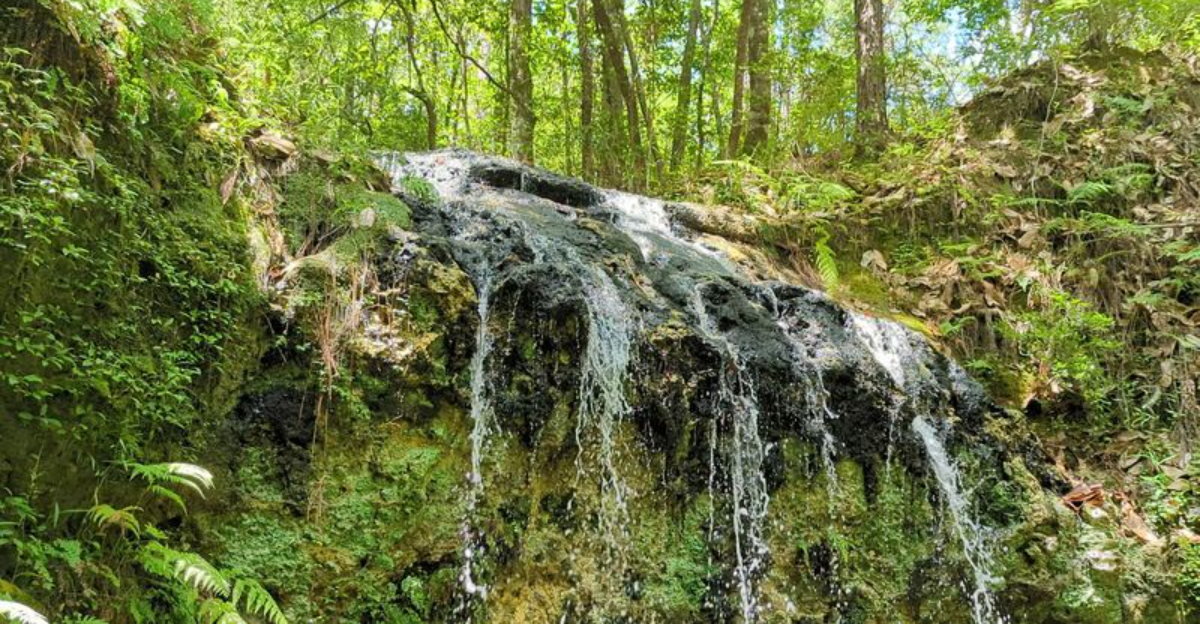
You are not expecting anything special when you take the exit. Just another quiet stretch of road, another quick stop, nothing that really stands out at first.
But somewhere in the Florida panhandle, the landscape starts to shift in a way you do not see coming. The trees close in, the air feels cooler, and suddenly you find yourself standing in front of something that feels almost unreal for this part of the state.
It is one of those places Florida keeps quiet. The kind you only find when you are not really looking, and once you do, you cannot believe it is not talked about more.
This is Florida in a completely different light, less crowded, more raw, and full of surprises that most people drive right past without ever knowing they are there.
And once you see it for yourself, you will wonder how it stayed hidden for so long.
Florida’s Tallest Waterfall Drops Into A Sinkhole
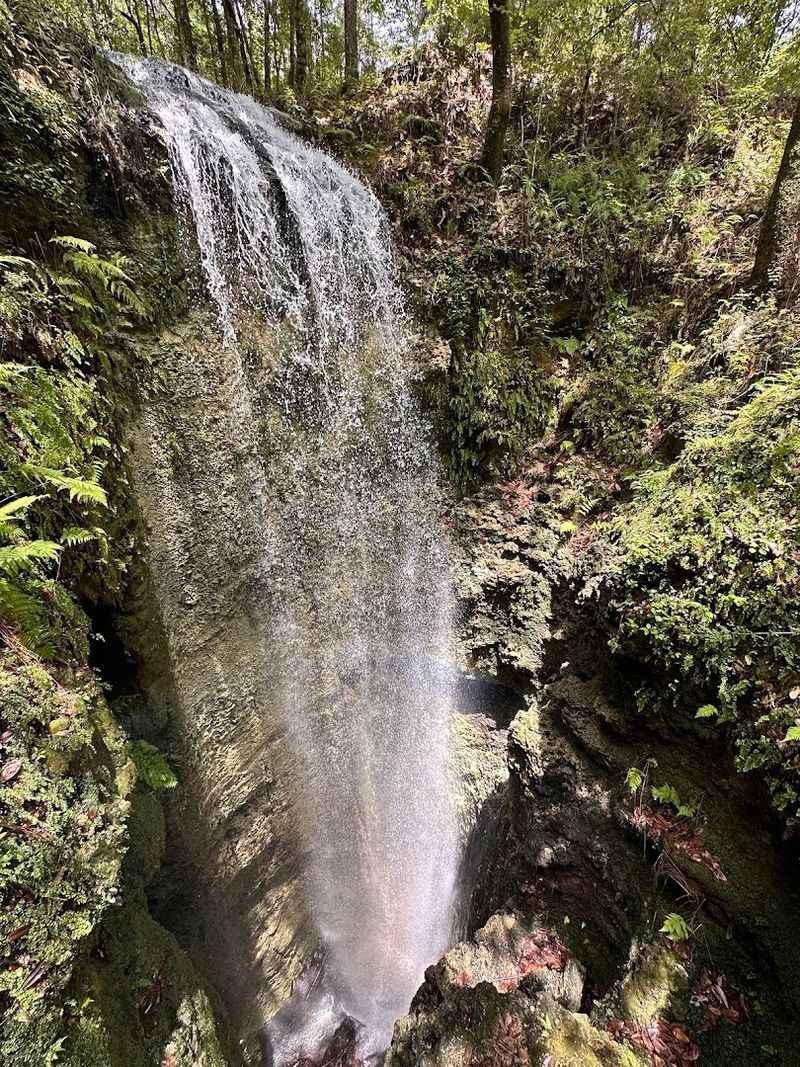
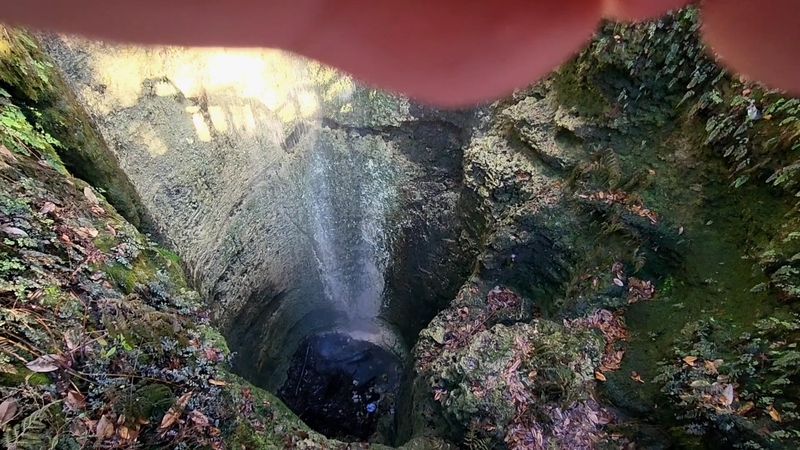
Most people picture flat swamps when they think of Florida, so the moment I leaned over the railing and watched water disappear into a 100-foot-deep limestone pit, my entire mental map of this state got redrawn.
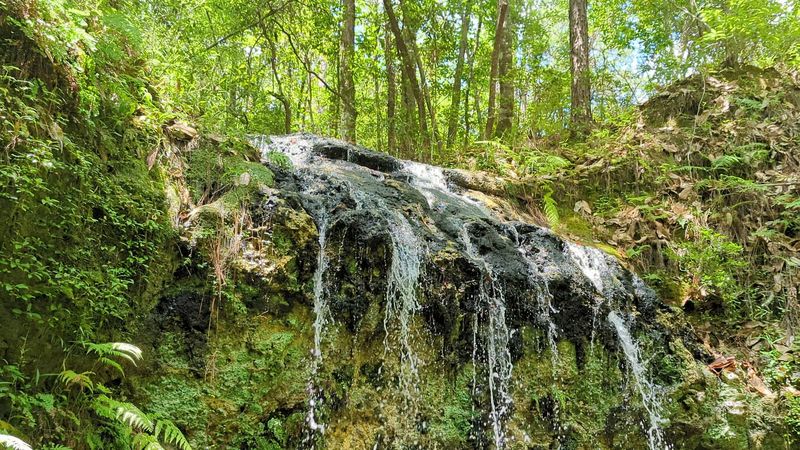
Falling Waters State Park is home to Florida’s tallest waterfall, a 73-foot drop that plunges straight into a cylindrical sinkhole and vanishes into the earth below. The water does not collect in a visible pool at the bottom, which makes the whole scene feel both beautiful and a little mysterious.
The flow depends heavily on recent rainfall, so visiting after a good storm gives you the most dramatic experience. Several reviewers who called ahead to check the water level before driving out said they were glad they did.
Even when the flow is modest, the sound of water echoing up from the sinkhole is genuinely calming. Standing at either the upper or lower observation platform, you get a view that simply does not exist anywhere else in Florida.
The Sinkholes That Look Like Earth Just Gave Up

Walking the sinkhole trail at Falling Waters State Park, I kept stopping to peer into these enormous holes in the ground and asking myself how something this dramatic ended up hiding in the Florida panhandle.
The park contains several sinkholes scattered along its trail system, some wide enough to swallow a building and deep enough to make you grip the railing a little tighter. They form when slightly acidic groundwater slowly dissolves the limestone bedrock beneath the surface until the ground above can no longer hold its own weight.
One reviewer described them as both boring and fascinating at the same time, and honestly, that is a fair description. From above, they look like ordinary depressions.
But as you get closer and realize the scale, the fascination takes over completely. The boardwalk that winds past the sinkholes is well-maintained and offers clear views without putting visitors in any danger.
For anyone curious about Florida’s geological character, this trail delivers a surprisingly dramatic lesson without requiring a geology degree to appreciate it.
A Boardwalk Through Ferns And Forest That Feels Like Another World
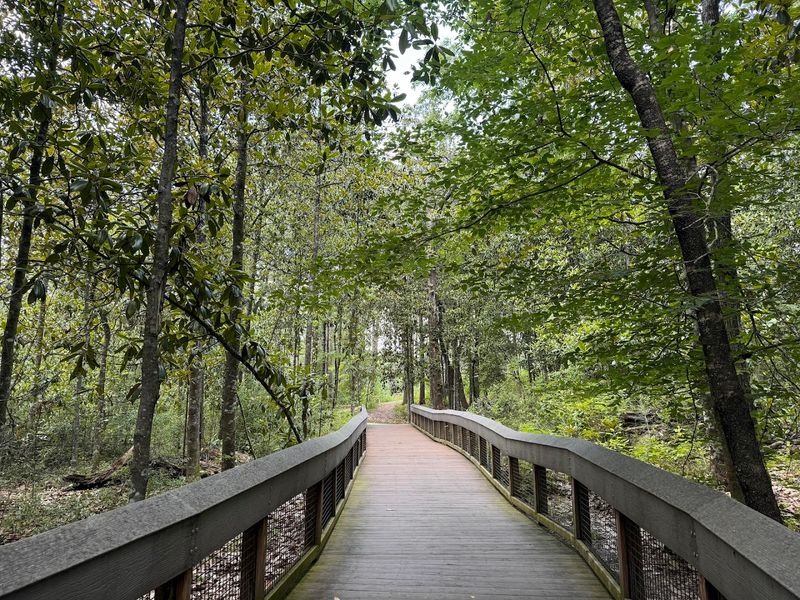
There is a particular stretch of boardwalk at this park where the ferns grow so thick on both sides that the trail feels less like Florida and more like somewhere in the Pacific Northwest, and I mean that as a genuine compliment.
The wooded boardwalk connects several key areas of the park, including the waterfall overlooks and the sinkhole viewing points, while keeping visitors safely above the uneven terrain below. Tall hardwoods filter the sunlight into soft green patches, and the air smells like damp soil and pine in the best possible way.
Families with young children tend to find the trail manageable, and multiple reviews from parents confirmed that kids under six handled it without much trouble. The path is also designed with accessibility in mind, featuring a wheelchair-accessible ramp that leads to one of the upper waterfall viewing platforms.
Whether you are a casual stroller or someone who takes trail photography seriously, this boardwalk offers a quiet, immersive walk that feels far removed from the highway you exited just minutes earlier.
Camping Under The Trees With The Whole Family
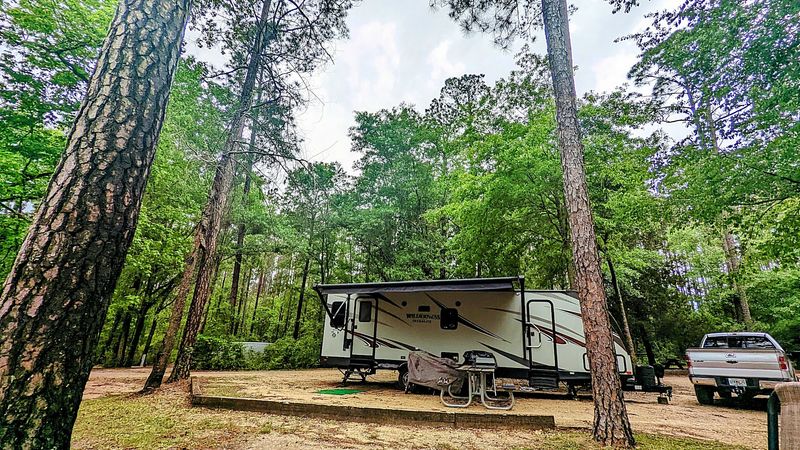
Pulling into a campsite at Falling Waters State Park and hearing nothing but wind through the pine trees after hours on Interstate 10 is one of those small travel rewards that is hard to put a price on.
The campground offers 24 sites plus four host sites, with options for both RV hookups and tent camping. Several sites feature concrete pads with 50-amp electrical service, and reviewers noted that leveling was straightforward even on slightly uneven ground.
The bathrooms and shower facilities earned consistent praise for being clean and well-maintained, which is not always a given at smaller state parks.
One family who brought three children all under age six described it as one of their best camping trips, noting that the playground, easy trails, and shaded picnic areas kept the kids entertained throughout their stay. There are also swings in the campground loop itself, which is a small detail that makes a big difference when you have restless little ones at dusk.
For a low-key overnight or a full weekend stay, this campground delivers a relaxed, well-organized experience that feels genuinely welcoming.
History Written In Pottery And Cave Paintings
Long before this land had a name on any state map, people were gathering here, and the evidence they left behind is extraordinary enough to stop you mid-trail and reconsider everything you thought you knew about this quiet corner of Florida.
Archaeologists have found pottery, tools, and a rare cave painting within the park’s boundaries, pointing to Indigenous communities who used this area for ceremony and daily life centuries before European contact. That kind of deep human history is not something you expect to find tucked between a playground and a picnic pavilion, but here it is.
One visitor wrote about feeling a palpable sense of age and memory while walking the boardwalk, describing the waterfall and sinkholes as places that seem to carry the weight of the past. That feeling is not just imagination.
The limestone landscape here has been shaped over thousands of years, and the people who recognized its significance long ago clearly understood something worth preserving. Visiting with that context in mind transforms a pleasant nature walk into something that feels genuinely meaningful and worth reflecting on afterward.
The Butterfly Garden That Comes Alive In Warm Months
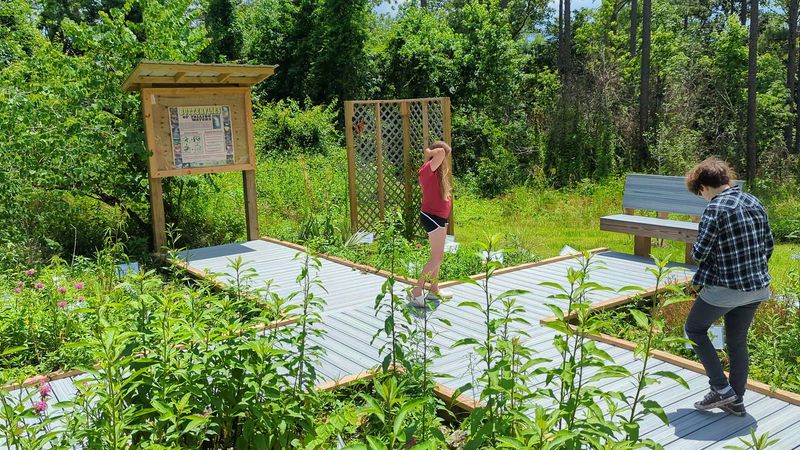
Right near the parking lot, before you even reach the trails, there is a small butterfly garden that does something surprisingly effective: it teaches you the names of native Florida plants and the specific butterflies they attract, all while you are technically just stretching your legs before the hike.
The garden features labeled plantings that explain which species visit each plant and during which seasons, making it genuinely educational without feeling like a classroom. In warmer months, the garden buzzes with activity, and spotting a zebra longwing or a gulf fritillary fluttering between flowers adds a layer of delight to the visit that even non-nature-lovers tend to appreciate.
One reviewer mentioned that the garden was recovering from a hard freeze during their winter visit, with most plants pruned back and the labels doing most of the storytelling until the growing season returned. That seasonal variability is worth keeping in mind when planning your trip.
Visiting in late spring or summer gives you the full effect, when the plants are lush, the butterflies are active, and the garden earns every bit of the attention it gets from curious visitors passing through.
A Quick Exit Off I-10 That Is Worth Every Minute
If you have ever driven Interstate 10 across the Florida panhandle and wondered whether any of those state park signs were actually worth the detour, Falling Waters State Park is the answer you have been waiting for.
The park entrance is located at 1130 State Park Rd, Chipley, FL 32428, roughly three miles from the highway, which means you can be parked and walking toward a waterfall in under ten minutes from the time you take the exit. The entry fee is just five dollars per vehicle, which makes it one of the most accessible state parks in Florida for a spontaneous stop.
Multiple reviewers described it as a perfect road trip pit stop, praising the ample parking, clean restrooms right at the trailhead, and the fact that the main attraction is only a short walk from the car. For families with kids who need to move around, or for solo travelers who want a genuine nature experience without committing to a full day, this park fits the schedule beautifully.
You will not feel rushed, and you will almost certainly leave wanting to come back for longer.
Turtle Lake And The Small Swimming Area
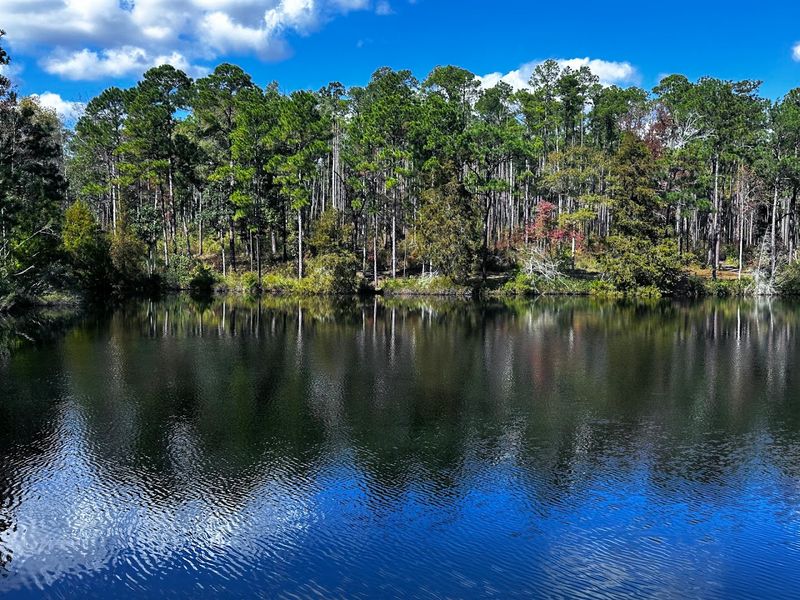
Tucked into the park beyond the main trail system is a two-acre manmade lake that goes by the charming name Turtle Lake, and it comes with a swim area that turns a nature hike into a full afternoon outing for families who pack a towel.
The lake is fed by the same natural water system that supplies the waterfall, which means its level can fluctuate depending on rainfall and seasonal conditions. One reviewer mentioned the lake was closed during their visit due to low water levels, while others enjoyed a swim on warmer days without any issues.
Calling ahead or checking the park’s website before your visit is always a smart move.
The swim area is modest in size, which keeps it from feeling crowded, and the surrounding landscape of tall pines and open sky gives it a peaceful, unhurried atmosphere. One camper jokingly referred to it as the alligator feeding area, which is the kind of Florida humor that locals appreciate.
Wildlife sightings in and around the lake are genuinely possible, so keeping your eyes open adds an extra layer of excitement to any lakeside visit.
Accessible Trails Designed For Everyone
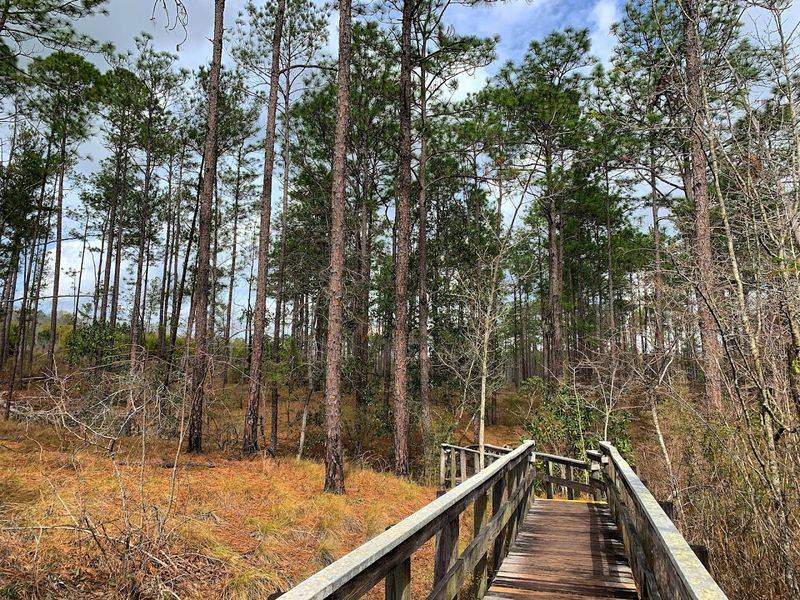
One of the things that genuinely impressed me about Falling Waters State Park was how thoughtfully the trail system had been designed to include visitors of all physical abilities, without making the accessible routes feel like an afterthought.
The park features paved paths with wheelchair-accessible ramps leading to the upper waterfall viewing platform, giving visitors who use mobility aids a clear and safe way to experience one of the park’s most dramatic views. The lower platform involves metal steps with sturdy railings, and multiple reviewers noted that the grip and construction made the descent feel secure even for those with older knees or limited mobility.
Trail signage is clear, and the overall layout makes it easy to choose your route based on your comfort level without feeling like you are missing out on the highlights. One reviewer specifically praised the dual path options, one less steep for those who need it and one more direct for those who prefer a quicker route.
For a park that serves such a wide range of visitors, from toddlers to older adults, that kind of inclusive design makes a real difference in how welcoming the whole experience feels.
The Best Time To Visit And What To Expect
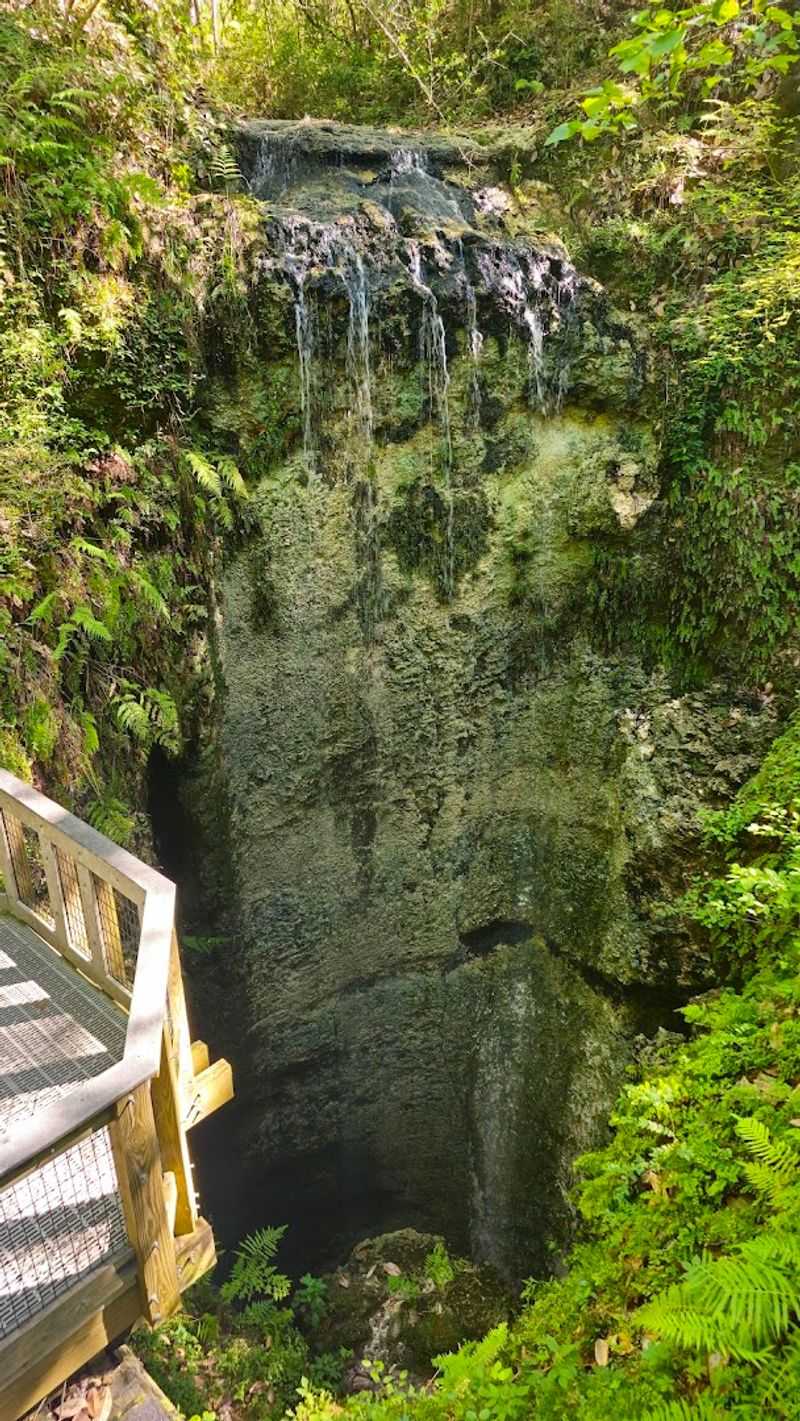
Timing matters more at Falling Waters State Park than at almost any other Florida park I have visited, and getting that timing right is the difference between a memorable waterfall and a damp trickle into a very impressive hole.
The waterfall flows most powerfully during Florida’s rainy season, which generally runs from late spring through early fall, roughly May through September. Several reviewers who visited after recent storms described the falls as genuinely impressive, while those who came during dry winter months found the flow minimal or nearly absent.
Calling the park directly at (850) 638-6130 before your visit is a practical step that multiple reviewers recommended, and the staff were consistently described as friendly and helpful when answering questions about current conditions.
Beyond the waterfall, the park offers enough variety that a visit during any season can still be rewarding. The sinkhole trail, butterfly garden, campground, and lake swim area each have their own appeal regardless of water levels.
Arriving with flexible expectations and a genuine curiosity about the landscape will serve you far better than arriving with a single goal and a rigid itinerary.