
This Florida State Park Offers Spring Swimming That Feels Completely Unreal
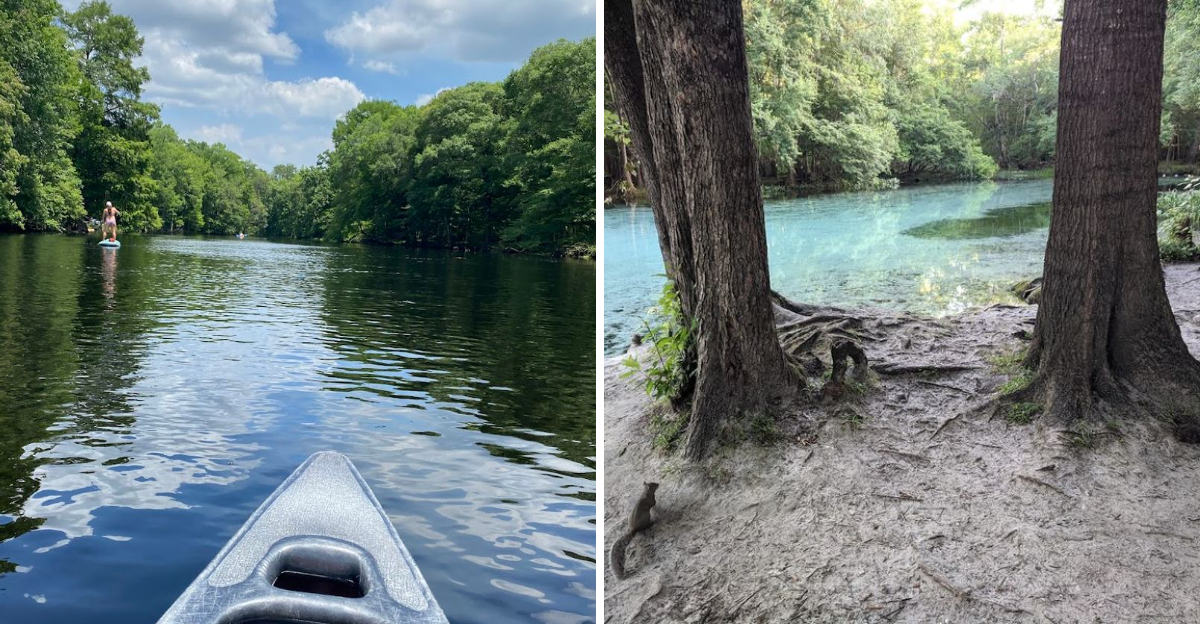
It does not look real at first.
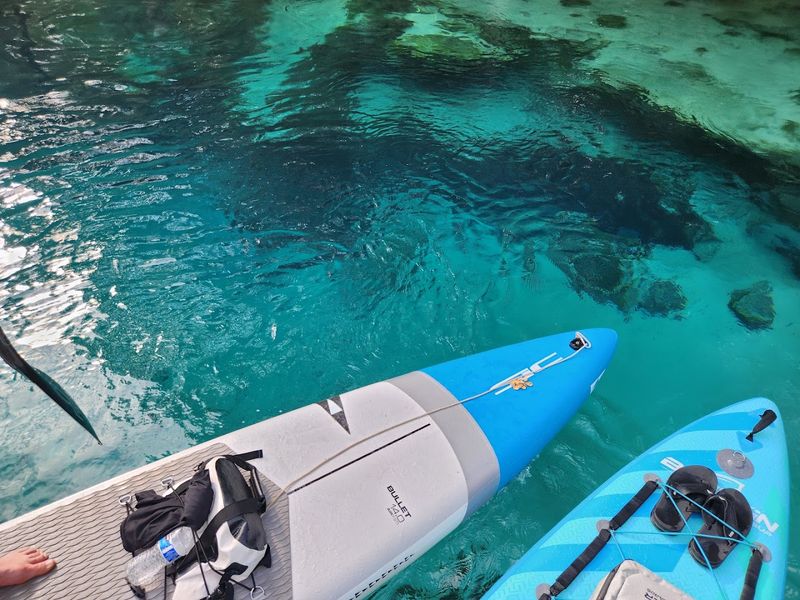
The water is so clear it almost feels invisible, like you are staring through air instead of something you can step into. Sunlight cuts straight to the bottom, every detail sharp, every ripple catching the light in a way that makes you stop and look twice.
Somewhere in Florida, places like this still exist, quiet, untouched, and almost too perfect to believe until you are standing right there. This is not the crowded, fast-moving side of Florida most people picture.
It is slower, calmer, and somehow more powerful because of it.
There is a stillness to it that pulls you in without effort.
And once you experience it for yourself, you will understand why this is one of those Florida spots people return to again and again.
The Crystal-Clear Spring Water That Defies Belief
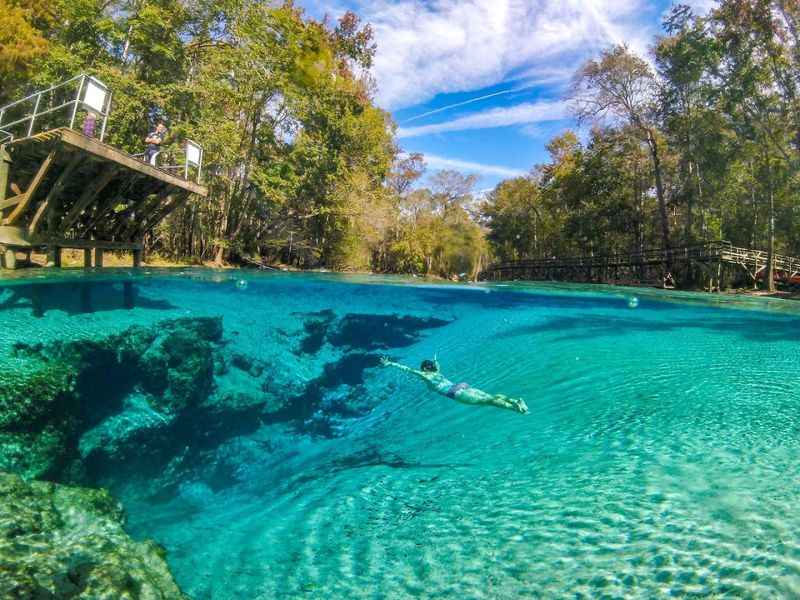
Standing at the edge of the spring for the first time, I genuinely thought someone had installed glass over the water because the clarity seemed impossible for a natural body of water.
The spring at Ruth B. Kirby Gilchrist Blue Springs State Park produces water so transparent that every pebble, every shell, and every fish moving along the bottom is perfectly visible from the surface.
That kind of visibility comes from the natural filtration process deep underground, where water travels through layers of limestone for years before bubbling up here.
Visitors consistently describe the experience as otherworldly, and after seeing it myself, I completely understand why that word gets used so often.
Bringing a pair of goggles is strongly recommended, because the underwater world below the surface is even more stunning than what you see from the bank, with colorful aquatic vegetation creating a living tapestry beneath your feet.
The Constant 72-Degree Temperature Year-Round
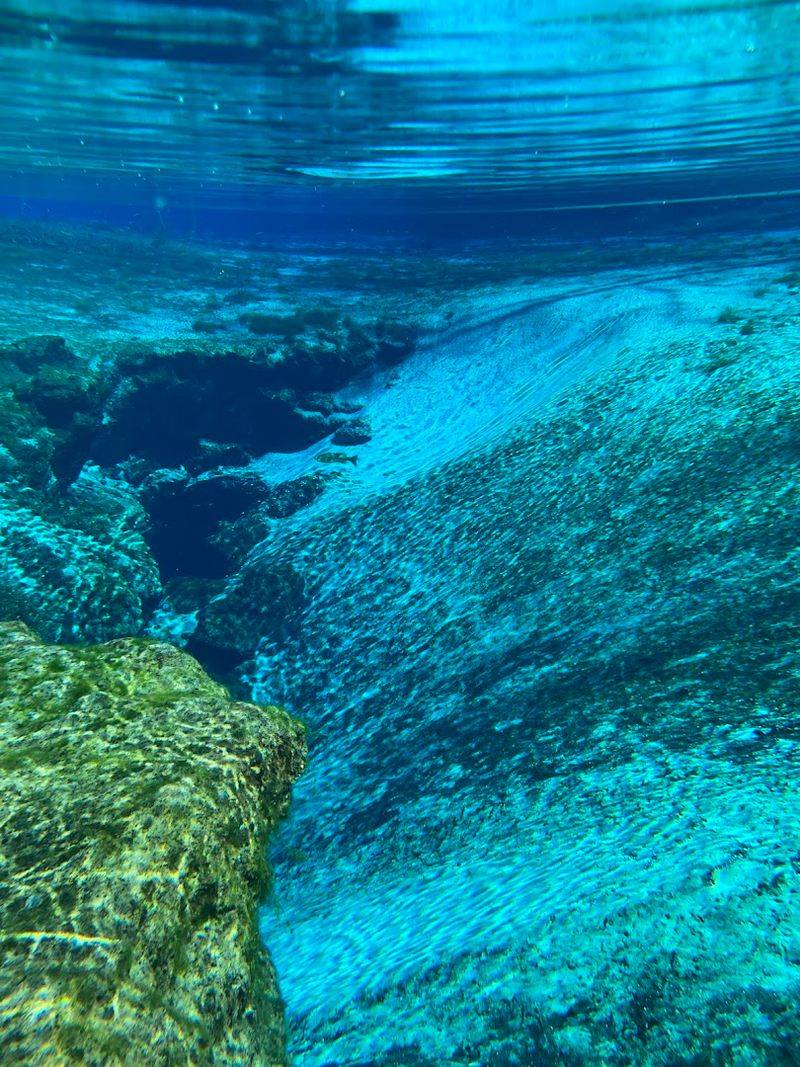
One of the most talked-about facts about this park is that the spring water holds a steady 72 degrees Fahrenheit every single day of the year, no matter what season you visit.
On a blazing Florida summer afternoon when the air temperature climbs past 95 degrees, stepping into that water feels like the most refreshing thing you have ever done in your entire life.
That consistent temperature is not a coincidence but rather a result of the water originating from the Floridan Aquifer, one of the largest and most productive aquifer systems in the world.
In winter, that same 72-degree water actually feels warm compared to the surrounding air, which means the spring stays enjoyable for swimming almost every month of the year.
I watched kids shriek with joy and adults sigh with relief the moment they stepped in, and honestly both reactions felt completely appropriate for water this perfectly refreshing on a hot North Florida day.
The Spring Head Where The Magic Actually Starts
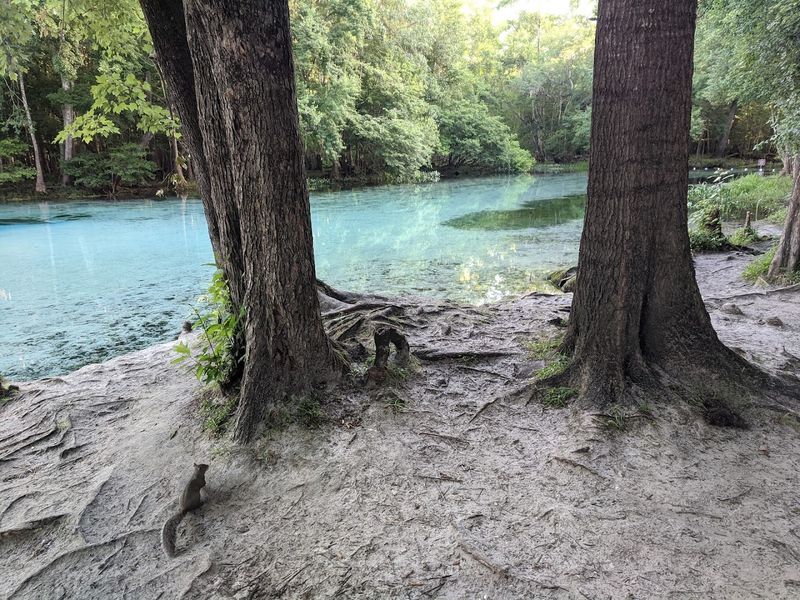
Right at the center of the swimming area sits the spring head itself, a deep blue pocket of water where the aquifer pushes up from underground with a quiet, constant energy that you can actually feel when you swim over it.
The spring head drops to a noticeable depth compared to the surrounding shallower areas, which means confident swimmers can float directly above it and feel the cool upwelling current pressing gently against them.
Watching the water rise from that source while looking straight down through the crystal lens above it is genuinely one of the more surreal experiences I have had in a Florida park.
The surrounding swimming area stays mostly shallow, which makes it friendly for younger visitors and families who prefer to wade and play without worrying about depth.
That combination of a dramatic spring head surrounded by a gentler wading zone means the park works well for groups with mixed swimming abilities, which is not always easy to find at natural springs.
Kayaking The Spring Run Toward The Santa Fe River
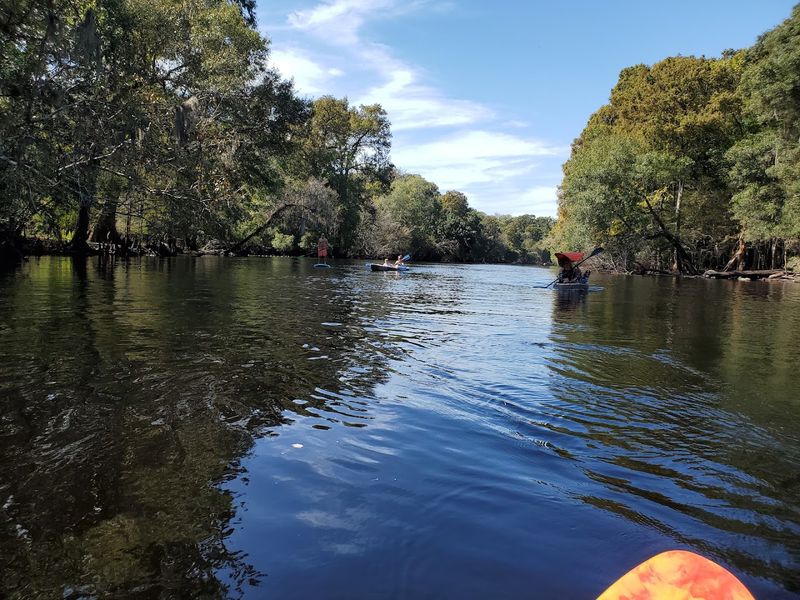
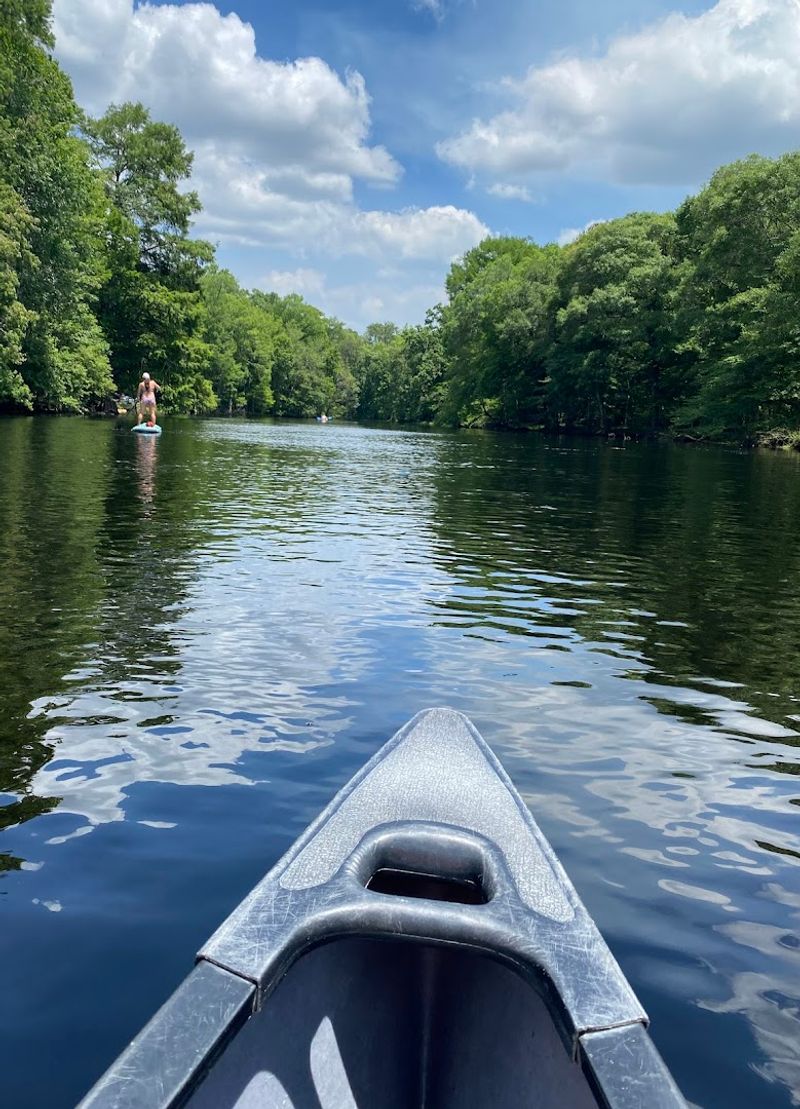
Paddling away from the main spring area and following the spring run toward the Santa Fe River is one of those experiences that quietly becomes the highlight of the entire trip without you even realizing it is happening.
The water along the run stays just as clear as the main spring, and the aquatic vegetation below creates shifting patterns of green and gold that change with the angle of the sunlight filtering through the tree canopy above.
Kayak rentals are available at the park for around $70, which gives you access to a route that feels far more remote and wild than the busy main swimming area.
Reviewers who arrived by kayak directly from the Santa Fe River describe the spring run as absolutely beautiful, with colors and scenery that reward a slower, more observant paddling pace.
Taking the float from the park to Jennie Springs and back is a popular option, and more than one visitor has returned the very next day just to do the whole thing again from the start.
Snorkeling And The Shells Hiding Just Below The Surface
Snorkeling at this spring is a completely different adventure from simply swimming, and visitors who bring their own goggles or masks tend to stay in the water significantly longer than those who do not.
The sandy bottom is scattered with small shells, and finding them while hovering weightlessly above the spring floor quickly turns into a casual treasure hunt that keeps both kids and adults entertained for stretches of time.
The underwater vegetation adds rich texture and color to every glance downward, with soft greens and blues shifting as the light plays through the water column above.
One reviewer specifically noted that the park has lots of little shells to snorkel for, which gave me the nudge I needed to actually keep my face in the water rather than just floating on my back staring at the sky.
The visibility is so exceptional that even basic goggles reveal an impressive amount of detail, so you do not need expensive gear to fully appreciate what is happening just beneath the surface of this remarkable spring.
The Nature Trail And The Smaller Springs Along The Way
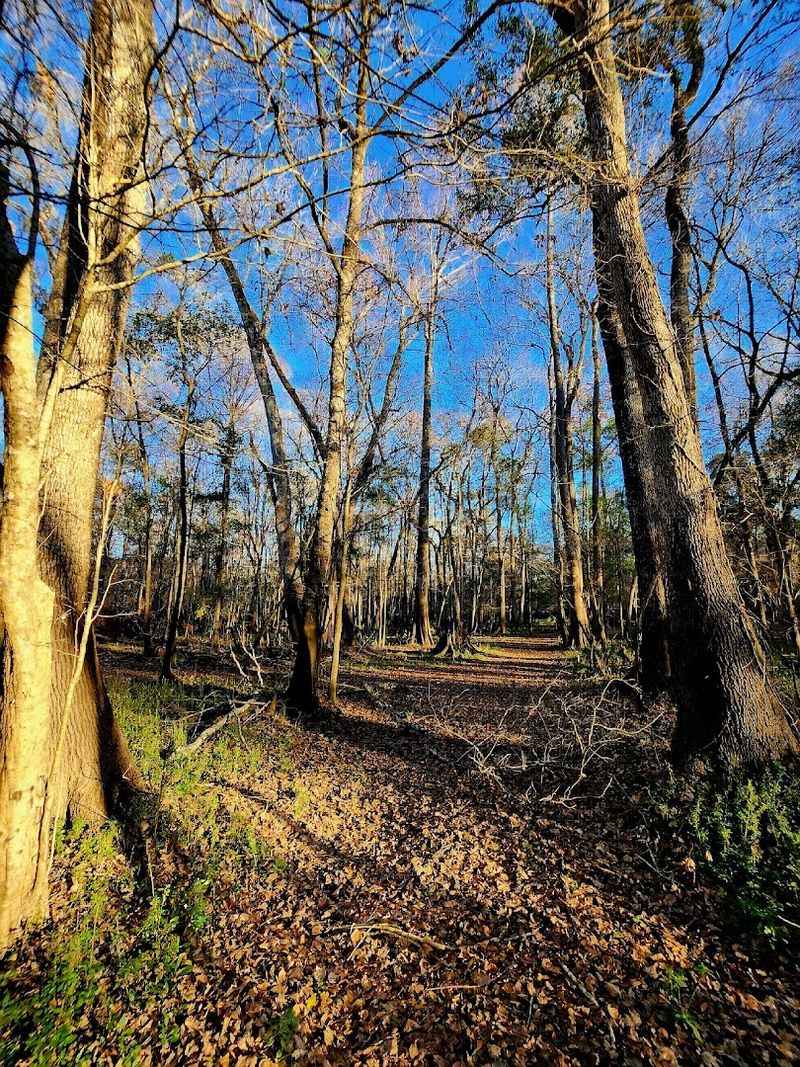
Before I even reached the water on my first visit, the nature trail pulled me in a completely different direction, and I am genuinely glad it did because the walk turned out to be one of the more peaceful things I did all day.
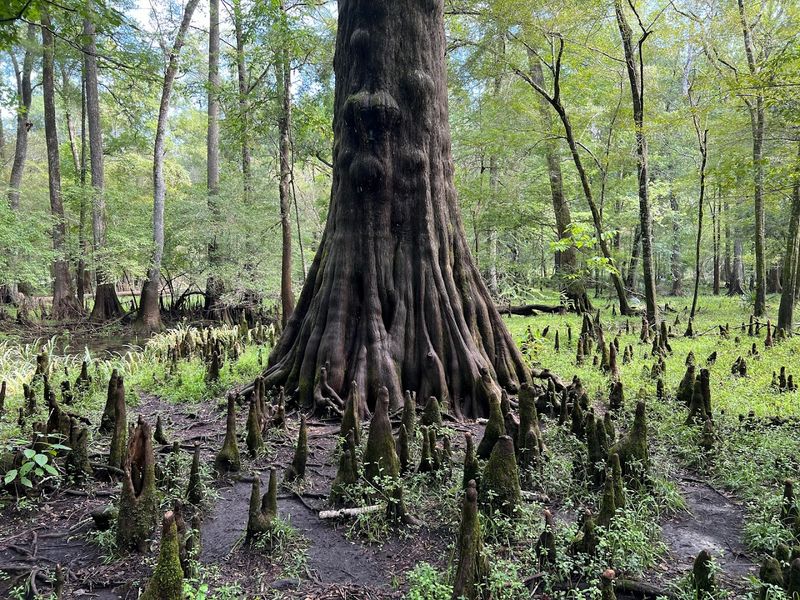
The trail winds through shaded woodland and passes several smaller springs that the park is actively working to restore, giving the walk a sense of purpose beyond just exercise.
Seeing those secondary springs in various states of recovery was a quiet reminder of how much effort goes into maintaining a place like this, and it made me appreciate the main spring even more when I finally reached it.
Multiple visitors recommend completing the trail first and then cooling off in the spring afterward, which turns out to be a genuinely satisfying sequence because the cold water feels even better after a warm walk through the trees.
The trail is well mapped and manageable for most fitness levels, though arriving early enough to finish the hike before the crowds arrive at the swimming area makes the whole experience noticeably more relaxed.
Camping Under The Trees At The Park’s Campground
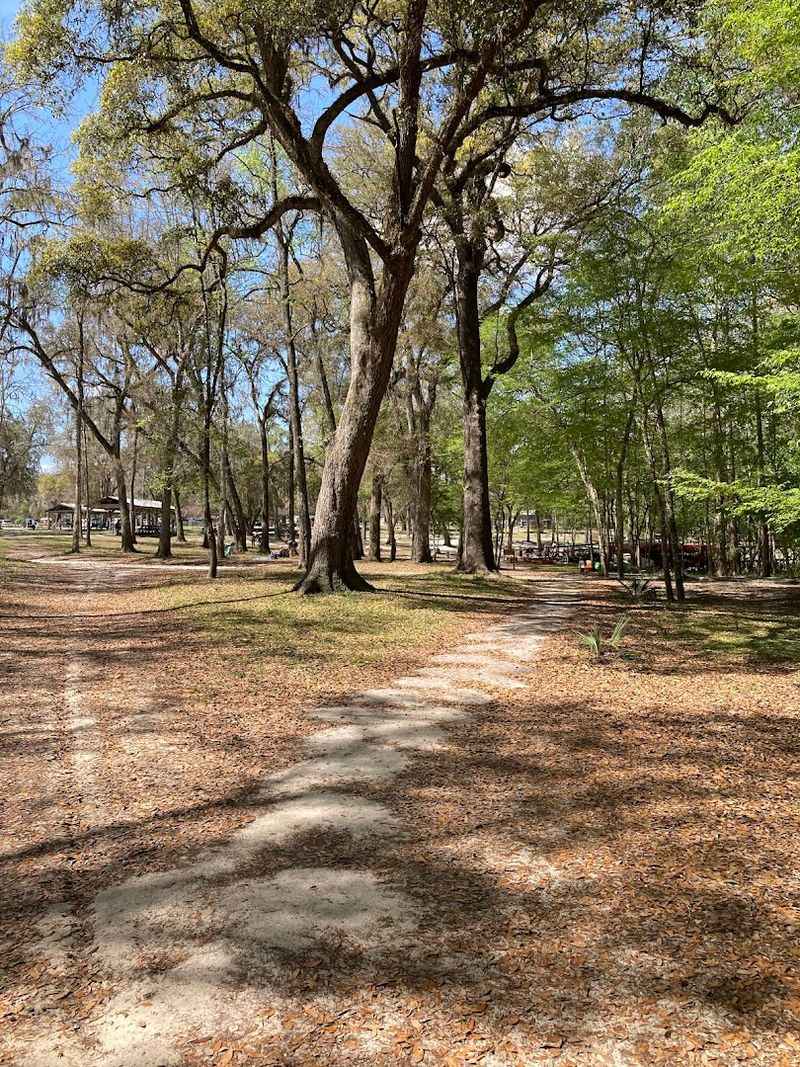
Spending the night at the campground here is a completely different experience from a day visit, and it transforms the park from a quick stop into a full outdoor retreat that feels far removed from everyday life.
The campground offers both tent sites and electric sites that accommodate RVs, with the electric sites running on 30-amp hookups, so RV campers should bring a 30-amp to standard outlet adapter if they need to power smaller devices.
Overnight camping costs around $26 after taxes, which is a reasonable rate for a Florida state park that gives you access to the spring during the quiet early morning hours before the day visitors arrive.
One camper noted the showers and restrooms are maintained primarily by volunteers and suggested managing expectations accordingly, while another enjoyed camping in their electric vehicle and appreciated the spacious campground layout.
Waking up steps away from one of Florida’s most beautiful springs, with birdsong replacing traffic noise and the smell of trees replacing exhaust, is the kind of morning that makes you seriously reconsider your usual weekend plans.
The Picnic Areas, Pavilions, And Relaxed Atmosphere
Not every moment at this park has to involve being in the water, and the picnic areas spread throughout the grounds make it easy to settle in for a full day of relaxed outdoor time without feeling like you need to be swimming every minute.
Large gazebos and covered pavilions with picnic tables are available on a first-come, first-served basis, and some pavilions have standard electrical outlets that come in handy for charging devices or powering a small fan during warmer months.
The overall atmosphere leans toward calm and unhurried, with families spreading out on the grass with blankets and treating the whole place almost like a freshwater beach, complete with shade trees instead of umbrellas.
Two volleyball nets add a casual recreational option for groups who want something active between swims, and the open grassy areas give kids plenty of room to run without getting in anyone’s way.
One visitor described it perfectly by saying the park feels like going to the beach except with shade, grass, and natural spring water instead of salt and sand, and that description honestly captures the vibe better than anything else I could write.
Getting There Early And Beating The Crowds
Timing your arrival at this park is genuinely one of the most important pieces of practical advice anyone can give you, because the difference between arriving at 8 a.m. and arriving at 10 a.m. on a weekend is the difference between a peaceful morning and a crowded afternoon scramble for parking.
The park opens at 8 a.m. every day of the week, and on busy weekends the parking lot can fill up completely, after which no additional cars are allowed in until others begin leaving later in the day.
Several visitors strongly recommend getting in line before the park opens, especially on Saturdays and Sundays during the warmer months when the spring draws visitors from across the region.
Weekday mornings offer a noticeably quieter experience, and one reviewer who visited on a Tuesday noted that the parking area was nearly empty at 9 a.m. and people did not really start arriving in numbers until closer to 10.
The entry road is unpaved and bumpy, so driving slowly protects both your vehicle and your patience on the way in, and a cash payment of around $6 per car covers the parking fee at the honor-system booth near the entrance.
What Makes This Park Worth Every Single Visit
After spending time at Ruth B. Kirby Gilchrist Blue Springs State Park, I kept coming back to one simple observation: very few places in Florida deliver this level of natural beauty at this price point without requiring a long drive or a complicated reservation system.
The combination of crystal-clear spring water, a well-maintained nature trail, kayaking access to the Santa Fe River, overnight camping, and genuine tranquility makes this park feel like it offers several different trips layered into one single destination.
The park holds a 4.5-star rating across nearly 3,000 reviews, which is a strong signal that this is not just a personal favorite but a broadly loved spot that consistently delivers on its promise.
Dogs are welcome in certain areas, the restrooms include showers, and the staff and volunteers who run the place clearly care about keeping it clean and accessible for everyone who visits.
Every time I think about North Florida springs, this park rises to the top of my mental list, and I suspect that once you see that water for yourself, it will do exactly the same thing for you.