
This Florida Sunken 44,000-Ton Aircraft Carrier Is The World’s Largest Artificial Reef
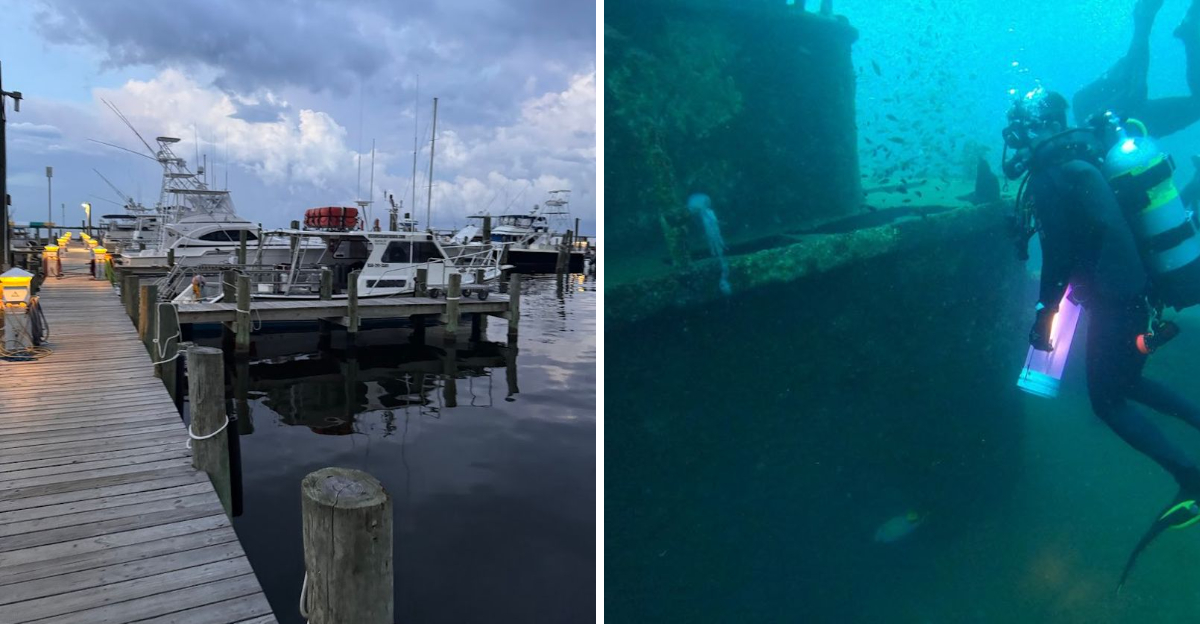
Most people think Florida’s best sights are above the water. This one is hidden far below it.
About 22 miles off the coast, something massive rests on the ocean floor, and the first time you picture it, it almost doesn’t feel real. Off the coast of Florida, there’s a sunken aircraft carrier so large it has become its own underwater world.
It didn’t end here by accident. Once a Cold War-era warship, it was intentionally sunk and slowly transformed into something entirely different.
Over time, the structure filled with life. Fish move through the corridors.
The deck became part of the reef. Every level tells a different story now.
Divers don’t come here casually. They come for this.
To see the scale, to swim alongside it, to experience something most people will never get close to. You know that moment when something sounds unbelievable until you actually see it?
That’s what this becomes. And once you understand it, Florida starts to feel very different.
Record-Breaking Size That Puts Every Other Artificial Reef To Shame
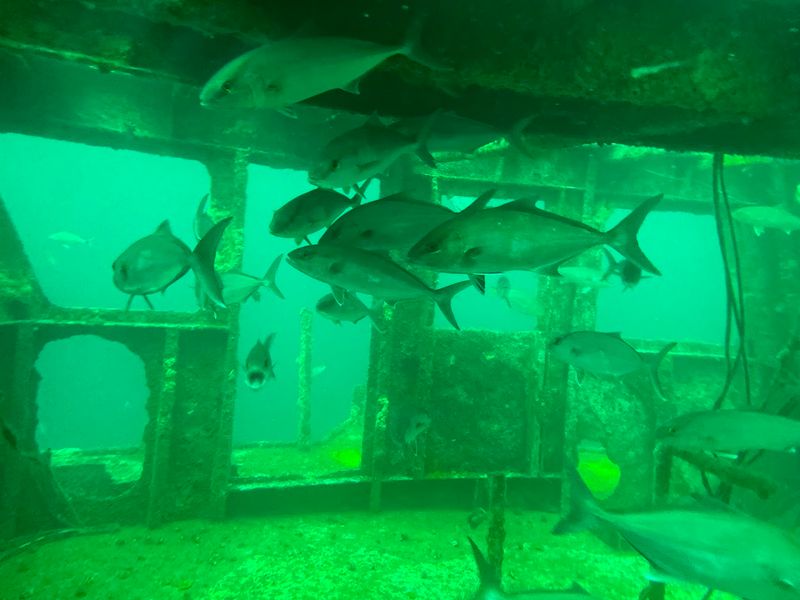
At 910 feet long and weighing in at roughly 44,000 tons, the USS Oriskany is not just large for an artificial reef, it is in a category entirely its own.
No other intentionally sunken structure in the world comes close to matching her footprint on the ocean floor, which is why she earned the title of the world’s largest artificial reef when she went down on May 17, 2006.
Standing at the bow during a dive feels less like visiting a reef and more like approaching a skyscraper that decided to take a permanent nap on the seafloor.
Her sheer scale means there is always something new to find, no matter how many times a diver has visited.
Divers at different certification levels can explore different sections of her, since her top structures sit at around 60 feet while her flight deck rests at about 130 feet below the surface.
The Oriskany rewards curiosity in ways that smaller wrecks simply cannot.
A Cold War Veteran With A Story Worth Knowing
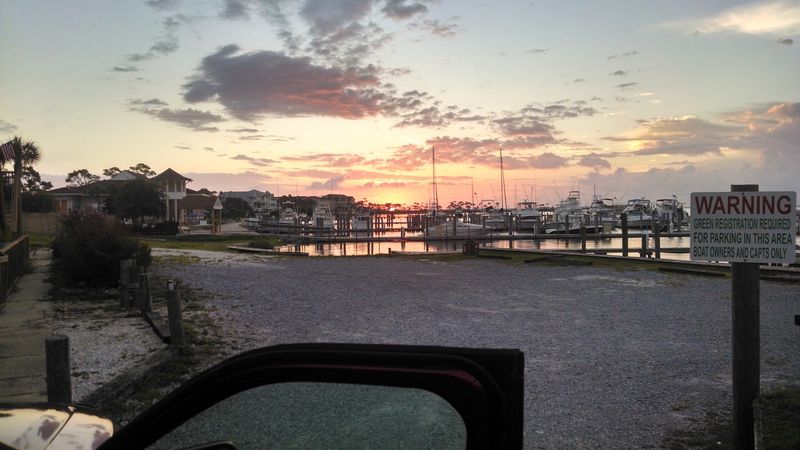
Commissioned in 1950, the USS Oriskany served the United States Navy through some of the most tense decades of the twentieth century, including multiple combat deployments during the Vietnam War.
She earned the nickname “Mighty O” among the sailors who served aboard her, a name that stuck long after her decommissioning in 1976.
A serious onboard fire in 1966 tested her crew under extraordinarily difficult conditions, and she came through it, which tells you something about the character baked into her steel frame.
Understanding that history before you slip below the surface adds a layer of meaning to every porthole you peer through and every corridor you float past.
She was donated to the state of Florida specifically to create an economic and ecological benefit for the Pensacola region, a fitting second chapter for a ship that had already given so much.
History does not get more tangible than touching the hull of a vessel that was once part of living events.
Marine Life So Dense It Will Stop You Mid-Kick
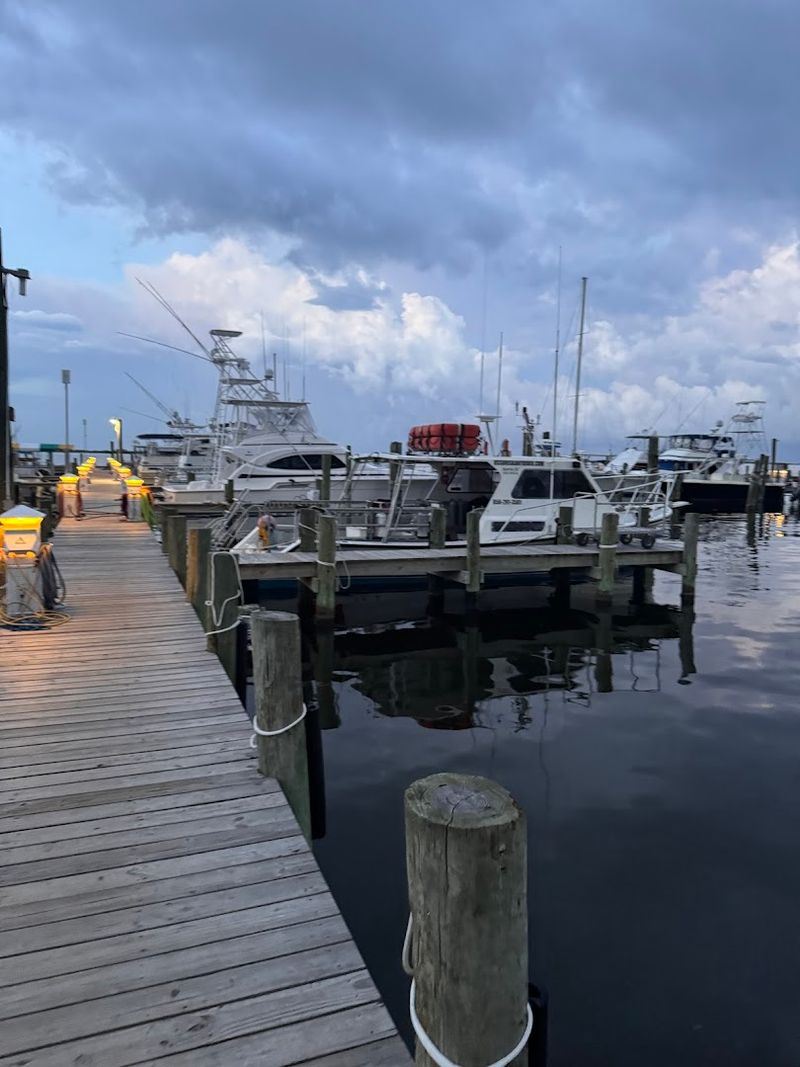
Within just a few years of sinking, the Oriskany became a magnet for marine life on a scale that surprised even seasoned marine biologists.
Massive schools of spadefish circle her superstructure in silver curtains so thick they occasionally block out the ambient light filtering down from above.
Amberjack, red snapper, grouper, lionfish, and barracuda have all made her their permanent address, and on a good visibility day you can spot dozens of species without ever leaving the upper decks.
Soft corals, sponges, and encrusting organisms have painted every surface in shades of orange, purple, and cream, turning cold steel into something that looks almost handmade by nature.
Sea turtles have been spotted resting near her hull, and the occasional manta ray passes through like a slow-moving shadow.
For underwater photographers, the combination of dramatic structure and abundant wildlife means practically every frame you shoot has the potential to be a keeper.
Accessibility For A Wide Range Of Diver Experience Levels
One of the most practical things about the Oriskany is that she genuinely has something to offer divers across a broad experience spectrum, which is rarer than you might think for a wreck of this complexity.
Advanced open water divers can explore her upper structures starting at around 60 feet, which sits comfortably within recreational diving limits and still delivers a dramatic, memorable experience.
Technical divers can push deeper toward the flight deck at 130 feet and beyond, where penetration diving into the ship’s interior becomes an option for those with the right training and equipment.
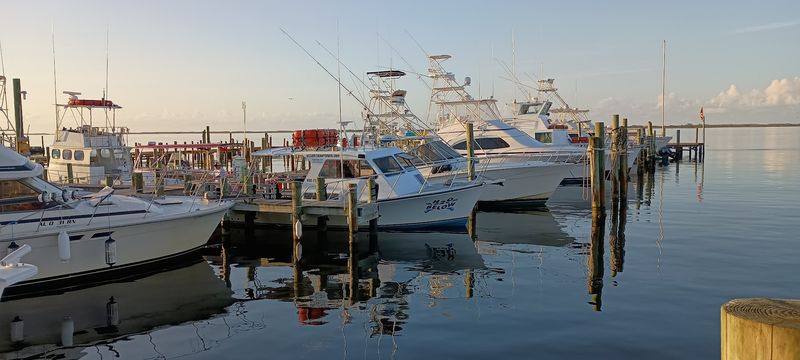
Charter operators like Niuhi Dive Charters, based at 10139 Sinton Dr, Pensacola, FL 32507, run regular trips to the Oriskany and are known for thorough dive briefings that help guests understand exactly what they are getting into before they hit the water.
Having a knowledgeable crew on board takes a lot of the uncertainty out of planning a dive on such a large and complex structure.
Visibility Conditions That Make The Scale Truly Hit Home
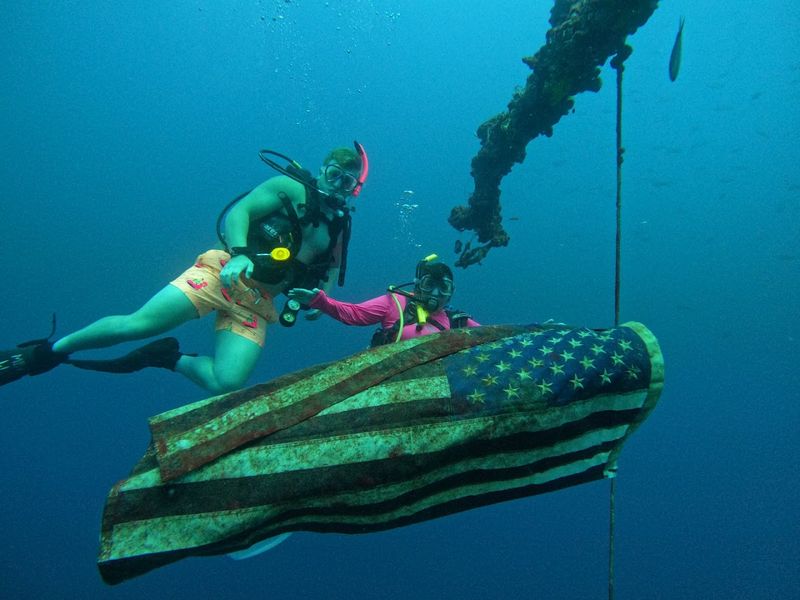
Visibility on the Oriskany on a good day can stretch to 60 or even 80 feet, and that kind of clarity changes everything about how you experience a structure this large.
When you hover above her flight deck and can see the bow curving away into the blue distance, the full weight of what you are looking at finally registers in a way that photographs simply cannot prepare you for.
Gulf of Mexico water temperatures around Pensacola typically range from the low 60s Fahrenheit in winter to the upper 80s in summer, making year-round diving possible with the right exposure protection.
Summer months tend to offer the warmest water and some of the most reliable visibility windows, though spring and fall trips can also deliver outstanding conditions with fewer boats on site.
Checking in with your charter operator before booking about recent conditions is always a smart move, since Gulf visibility can shift with weather patterns and seasonal thermoclines.
When everything lines up, the Oriskany rewards you with a view that stays with you for years.
The Flight Deck Experience That Feels Like Another World
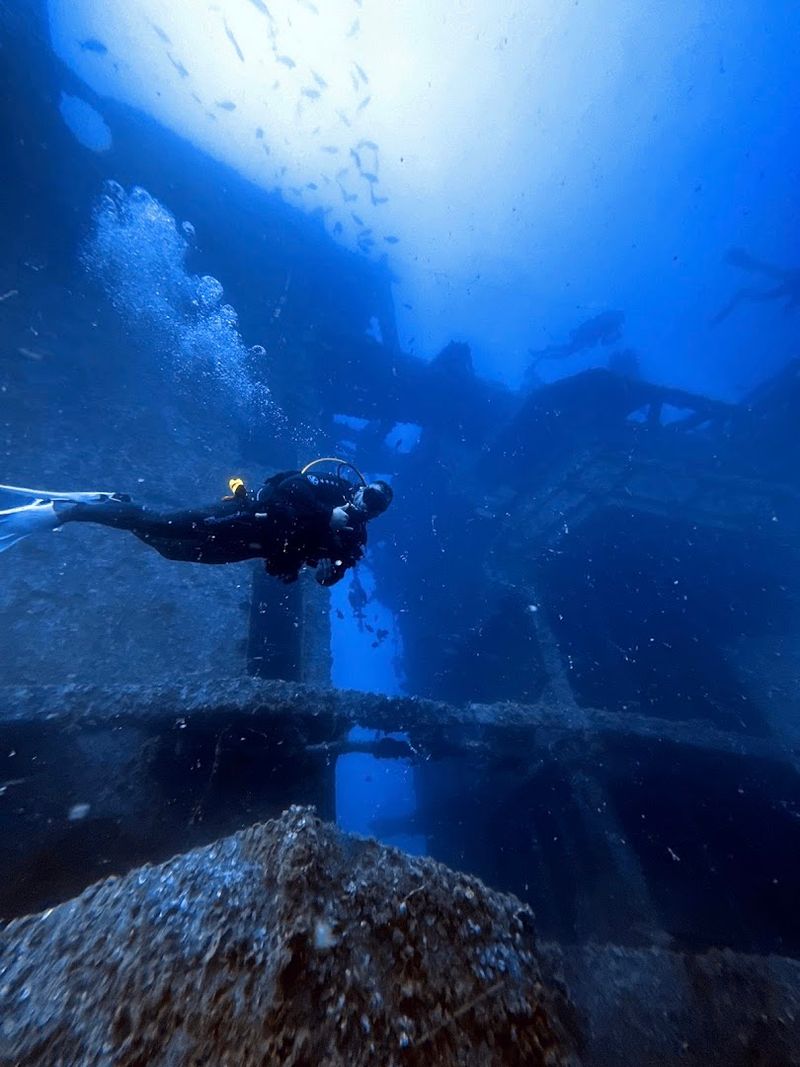
Reaching the flight deck of the Oriskany at around 130 feet is the kind of diving milestone that gets written into a diver’s personal highlight reel permanently.
The deck stretches out in both directions farther than you can see clearly, and the silence of that depth combined with the marine life moving across the open expanse creates an almost meditative experience.
Aircraft elevators, deck hardware, and structural features are still recognizable after nearly two decades on the seafloor, giving the whole scene a sense of frozen history that genuinely moves people.
Technical divers planning to reach the flight deck should come prepared with appropriate gas mixtures and bottom time calculations, since the depth demands respect and proper planning.
The reward for that preparation is a view that fewer people on the planet have seen in person than have stood on a mountain summit, which adds its own quiet kind of prestige to the experience.
Few dives anywhere in the world carry that combination of history, scale, and raw underwater beauty.
An Economic Powerhouse For The Pensacola Region
The decision to sink the Oriskany off Pensacola was not made purely for ecological reasons, and the economic impact has more than justified the investment made in preparing and cleaning the ship before her final voyage.
Studies conducted after the sinking estimated that the Oriskany generates tens of millions of dollars annually for the Pensacola area through dive tourism, charter bookings, hotel stays, restaurant visits, and equipment rentals.
Local dive operators, fishing guides, and hospitality businesses all benefit from the steady stream of visitors who travel specifically to experience the wreck, many of whom would not have chosen Pensacola as a destination otherwise.
The reef has essentially turned a decommissioned military asset into a perpetual economic engine for a community that already had a lot to offer.
For travelers, that economic activity translates into a well-developed infrastructure of charter services, dive shops, and accommodations that make planning a trip to the Oriskany straightforward and enjoyable.
Good infrastructure makes a great adventure even better.
Spearfishing Opportunities That Draw Serious Anglers
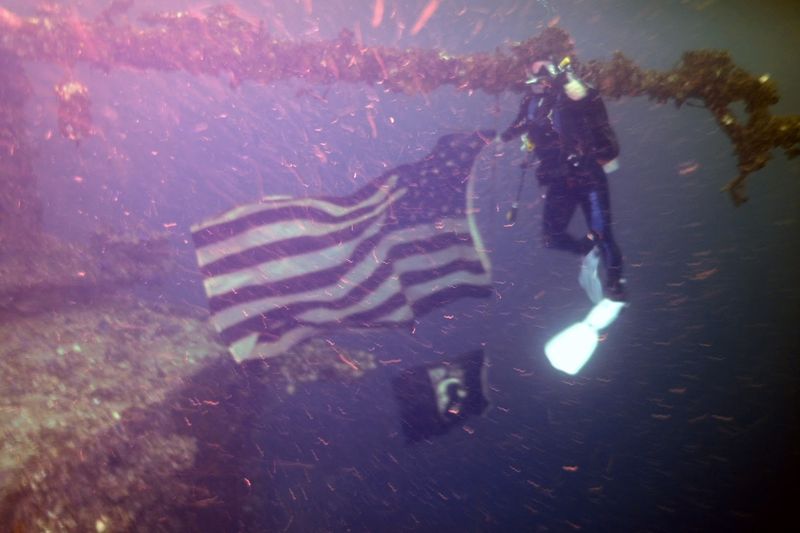
The Oriskany is not exclusively a sightseeing destination, and the thriving fish populations she supports have made her one of the most productive spearfishing sites in the northern Gulf of Mexico.
Lionfish, an invasive species that has caused significant ecological damage throughout the Gulf and Caribbean, are present on the wreck in numbers that make lionfish removal dives both environmentally valuable and genuinely exciting for spearfishers.
Niuhi Dive Charters, which runs trips out of Pensacola, has helped guests remove dozens of lionfish from the wreck during multi-day dive packages, combining sport with real conservation impact.
Red snapper and other regulated species require anglers to follow Florida Fish and Wildlife Conservation Commission rules regarding seasons and bag limits, so checking current regulations before your trip is essential.
The combination of abundant fish life and a dramatic backdrop makes spearfishing around the Oriskany a fundamentally different experience from hunting over a flat sandy bottom.
Structure fishing at this scale is its own kind of sport entirely.
A Conservation Success Story That Keeps Getting Better
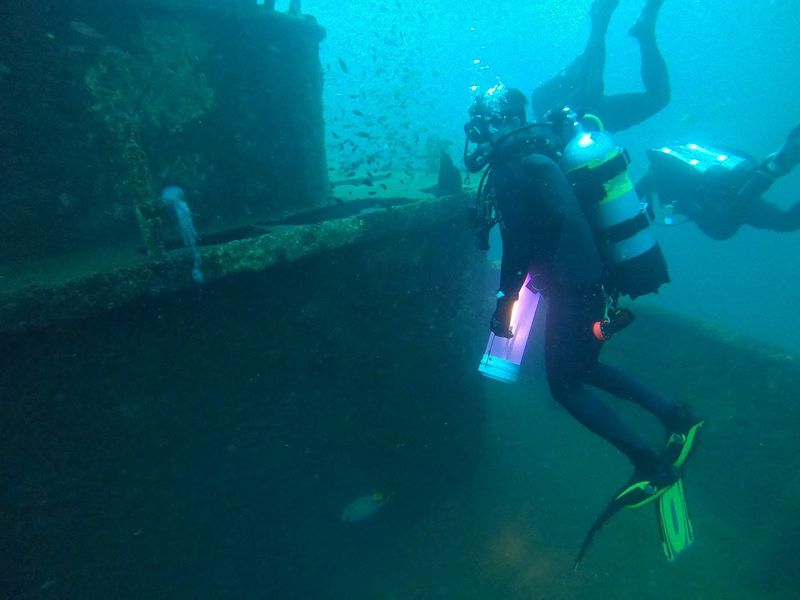
When the Navy and state of Florida spent approximately 22 million dollars preparing the Oriskany for sinking, they removed hazardous materials and stripped her down to make her safe for the marine environment, and that careful preparation set the stage for a remarkable ecological transformation.
Hard and soft corals have colonized her surfaces at a rate that researchers continue to monitor, and the biodiversity she now supports is measurably higher than the surrounding sandy seafloor that existed before she arrived.
She functions as a vertical reef in an area of the Gulf that had very little natural hard substrate, effectively creating habitat from scratch for hundreds of species.
Marine biologists use the Oriskany as a living laboratory to study how artificial structures are adopted by ecosystems over time, and the data collected there informs reef-building projects around the world.
The ship went from being a maintenance burden to being a net positive for the ocean, which is a genuinely satisfying story arc for a vessel that served so long and so hard.
Planning Your Own Trip To The Mighty O
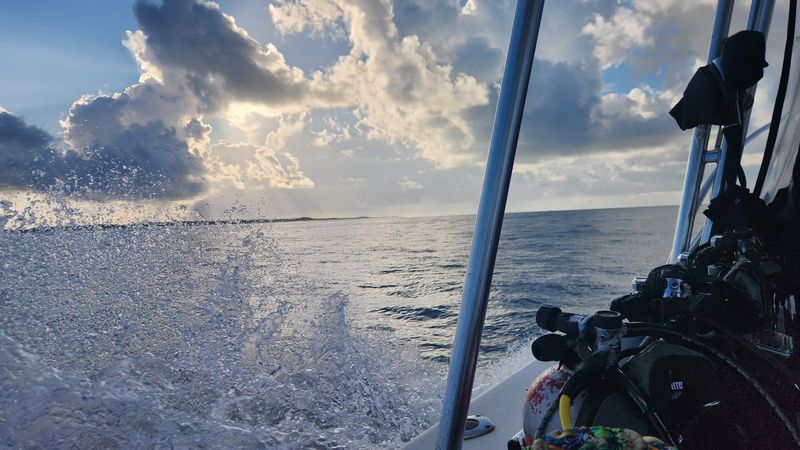
Getting out to the Oriskany requires booking with a licensed charter operator, since the wreck sits about 22 miles offshore and the crossing can take anywhere from 45 minutes to over an hour depending on the vessel and sea conditions.
Niuhi Dive Charters, reachable at (850) 529-2475 or through niuhidivecharters.com, is one of the most highly rated operators in the area, running trips seven days a week from 7 AM to 9 PM and consistently earning five-star reviews for their knowledgeable crew and safety-first approach.
Booking slots fill up fast, particularly during spring break and summer months, so planning several weeks or even months ahead is strongly recommended if you have specific dates in mind.
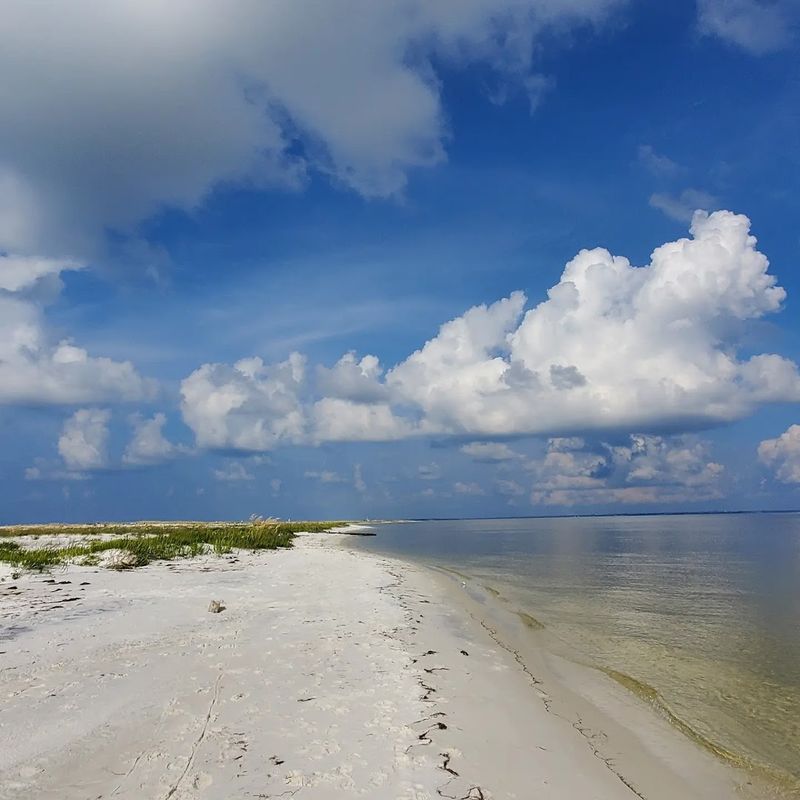
Pensacola itself offers plenty of reasons to extend your stay beyond the dive, including white sand beaches, fresh Gulf seafood, and the National Naval Aviation Museum, which provides fascinating context for the Oriskany’s service history.
A trip to the Oriskany is the kind of experience that earns its place permanently in your best-of list.