
This Florida Zoo Is Opening A 330,000-Gallon Manatee Rescue Center This March
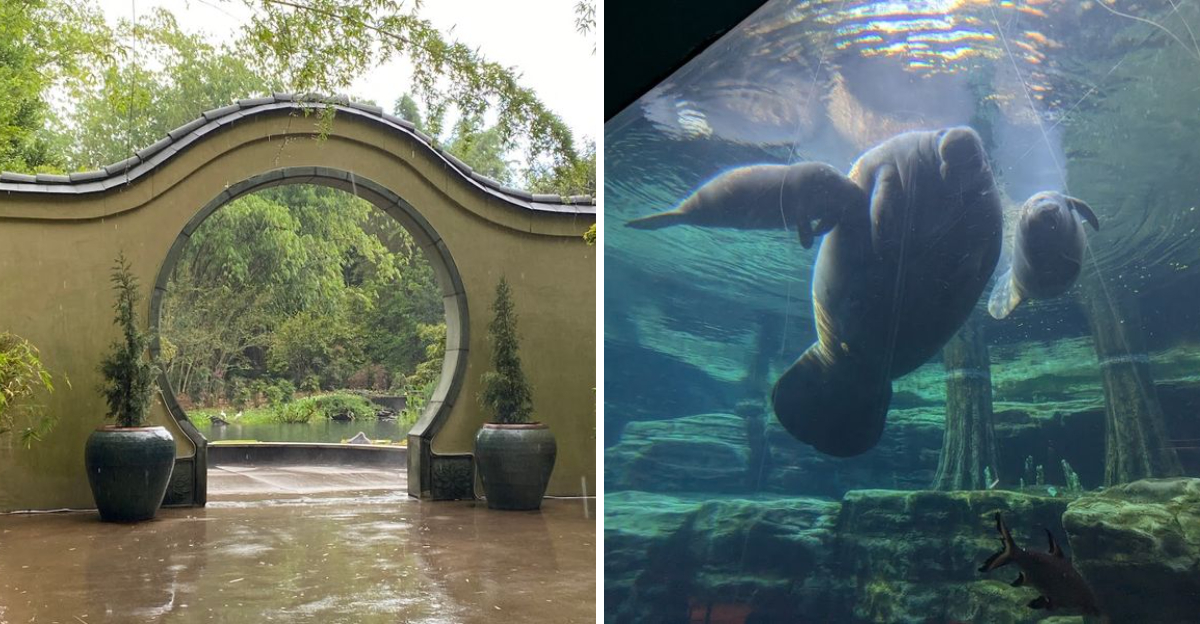
Have you ever watched a manatee glide slowly through the water and wondered how many of them are quietly fighting to survive?
Across Florida, these gentle giants face constant dangers, from boat strikes to habitat loss. Yet behind the scenes, teams of veterinarians, scientists, and wildlife rescuers work tirelessly to give injured manatees a second chance.
Soon, one Florida facility will take that mission to an entirely new level.
A massive new habitat designed specifically for manatee rescue and rehabilitation is preparing to open, creating a space where injured sea cows can recover in conditions that closely mirror their natural environment. The scale alone is remarkable, with hundreds of thousands of gallons of carefully managed water and advanced veterinary facilities dedicated to their care.
But what makes this project truly special is its purpose. It is not just an exhibit.
It is a lifeline.
And for visitors who witness these gentle animals up close, it becomes a powerful reminder of why protecting Florida’s wildlife matters so much.
Massive Scale Meets Medical Precision
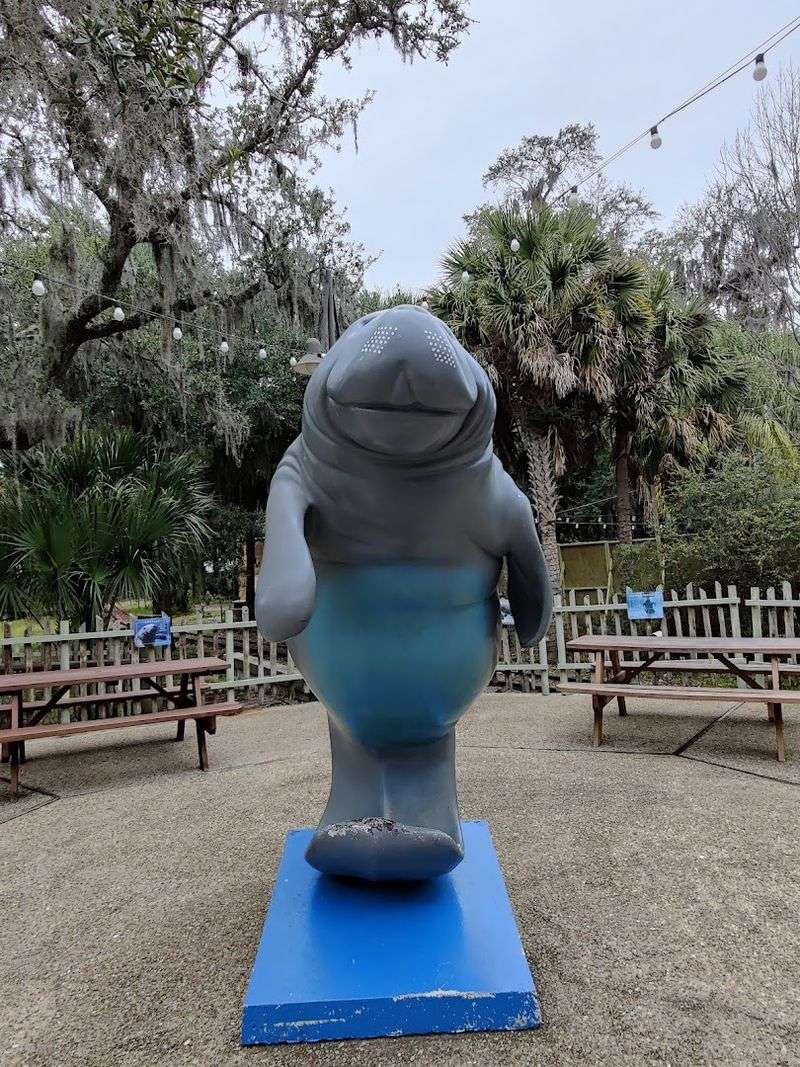
The sheer volume of water in this facility stopped me mid-stride during my first walkthrough. At 330,000 gallons, we are talking about roughly 2.7 million pounds of carefully temperature-controlled saltwater designed to support manatees weighing up to 1,200 pounds each.
Engineers built multiple connected pools allowing staff to separate animals based on injury severity, age, or treatment needs. I watched crews install underwater cameras, filtration systems that cycle the entire volume multiple times daily, and heating elements that maintain the precise 72-degree minimum manatees require for survival.
What impressed me most was the medical integration throughout every pool. Veterinary staff can perform examinations, administer treatments, and monitor vitals without removing animals from water, reducing stress that often complicates recovery in traditional rescue settings.
The facility includes dedicated spaces for intake assessments, surgical procedures, long-term rehabilitation, and pre-release conditioning. Floor-to-ceiling windows let visitors observe treatments while educational signage explains each step, turning medical care into a learning opportunity that builds public support for conservation efforts protecting these endangered marine mammals in Florida waters.
Critical Care When Boats Strike
Boat strikes remain the leading cause of serious manatee injuries across Florida, and this facility was designed specifically to address that brutal reality. During my visit, a marine biologist showed me impact simulations demonstrating how propeller blades slice through manatee skin, muscle, and even bone when boats travel through shallow feeding areas.
The new hospital features specialized treatment areas for traumatic injuries including deep lacerations, fractured ribs, and damaged flippers. Staff can stabilize critical patients within hours of rescue, significantly improving survival rates compared to facilities requiring long-distance transport.
I learned that manatees often suffer from shock, infection, and organ damage following boat collisions. The Jacksonville facility provides immediate access to diagnostic imaging, surgical suites, and intensive monitoring that catches complications before they become life-threatening.
What struck me hardest was seeing photos of previous rescue cases, including manatees with multiple propeller scars indicating repeated strikes throughout their lives. This hospital represents hope that injured animals will not only survive but potentially return to wild populations, contributing to species recovery while their stories educate boaters about the consequences of speeding through manatee zones.
Year-Round Warm Water Refuge
Cold stress affects manatees far more quickly than most people realize, and Florida’s occasional temperature drops create emergency situations requiring immediate intervention. I stood beside the temperature control panel watching real-time displays showing water maintained at optimal levels regardless of outside weather conditions.
Manatees cannot survive in water below 68 degrees for extended periods. Their large bodies and slow metabolisms mean they cannot generate enough internal heat to compensate for cold exposure, leading to a cascade of health problems including weakened immune systems, digestive issues, and severe hypothermia.
This facility eliminates that threat entirely for recovering animals. Advanced heating systems maintain consistent temperatures while backup generators ensure power failures never compromise patient safety during winter cold snaps that historically caused large-scale manatee losses.
Staff explained how they can gradually adjust water temperature to help manatees acclimate before release, preparing them for seasonal variations they will encounter in natural habitats. The controlled environment also allows veterinarians to focus on treating primary injuries rather than managing secondary cold-stress complications that often derail recovery in less sophisticated facilities scattered throughout Florida’s coastal regions.
Educational Windows Into Recovery
Placing a critical care facility inside a zoo might seem unusual until you consider the educational impact of letting millions of annual visitors witness actual conservation in action. I pressed my face against the demo viewing window imagining kids watching veterinarians treat real patients while learning why manatee protection matters.
Jacksonville Zoo attracts over 900,000 visitors yearly according to recent attendance figures. That represents nearly a million opportunities to transform casual zoo-goers into informed advocates who understand threats facing manatees and support policies protecting their habitats.
The facility design includes multiple viewing angles, interactive displays explaining treatment procedures, and real-time updates on individual patient progress. I watched designers position educational graphics showing boat strike prevention, cold stress warning signs, and habitat conservation strategies that visitors can support through everyday choices.
Staff members will conduct scheduled talks at viewing windows, answering questions and sharing patient stories that create emotional connections between humans and animals. Research shows people who witness rehabilitation firsthand become significantly more likely to modify behaviors, donate to conservation programs, and advocate for protective legislation, making this facility a powerful tool for species survival beyond its direct medical mission.
Partnership With State Wildlife Agencies
Building a facility this ambitious required coordination between Jacksonville Zoo, Florida Fish and Wildlife Conservation Commission, U.S. Fish and Wildlife Service, and numerous marine rescue organizations.
I sat in on planning discussions where officials mapped out rescue protocols, transport logistics, and release criteria ensuring every agency works toward shared conservation goals.
The partnership means rescued manatees throughout Northeast Florida can reach critical care faster. Previously, some injured animals required transport to facilities hours away, decreasing survival odds with every passing minute during the critical golden hour following rescue.
State wildlife officers will maintain direct communication links with zoo veterinary staff, enabling rapid response when boaters, researchers, or concerned citizens report injured or distressed manatees. The facility accepts animals regardless of injury cause, treating boat strikes, entanglement wounds, orphaned calves, and cold-stressed individuals with equal commitment.
I learned the zoo committed to handling overflow during mass rescue events when cold snaps or red tide outbreaks overwhelm existing facilities. This backup capacity provides crucial safety net during emergencies while establishing Jacksonville as a major hub in Florida’s statewide manatee rescue network protecting these beloved marine mammals.
Specialized Diet And Nutrition Programs
Watching staff haul in literal truckloads of romaine lettuce gave me new appreciation for the logistical challenges of feeding recovering manatees. These herbivorous giants consume roughly 10 percent of their body weight daily, meaning a 1,000-pound patient requires 100 pounds of vegetation every single day throughout recovery.
The facility includes dedicated food preparation areas with industrial refrigeration, washing stations, and nutrient supplementation systems. I toured the spaces where staff will chop, inspect, and portion meals tailored to individual patient needs based on injury severity, digestive function, and treatment protocols.
Manatees in rehabilitation often arrive malnourished from extended periods unable to feed properly due to injuries or illness. Veterinary nutritionists developed specialized feeding plans that gradually restore healthy weight while supporting healing processes without overwhelming compromised digestive systems.
Staff explained how they monitor food intake, waste output, and body condition scores to adjust diets throughout recovery. The facility can accommodate different feeding schedules for multiple patients simultaneously, ensuring orphaned calves receive frequent small meals while adult patients follow different protocols based on their specific medical needs and progress toward release readiness.
Long-Term Rehabilitation Spaces
Short-term stabilization saves lives, but true recovery requires months of careful rehabilitation before manatees can survive independently in the wild. I walked the perimeter of spacious pools designed for long-term patients, noting features that encourage natural behaviors while maintaining medical oversight.
The facility includes separate areas where recovering manatees can practice swimming, diving, and foraging skills that may have deteriorated during injury or illness. Gradual depth variations let staff assess mobility improvements as patients regain strength and coordination necessary for survival in rivers, springs, and coastal waters.
I learned some manatees require six months or longer in rehabilitation, particularly those recovering from severe boat strikes, orphaned calves learning survival skills, or animals suffering complications during treatment. The Jacksonville facility can house multiple long-term patients simultaneously without compromising care quality or individual attention.
Staff monitor behavioral markers indicating release readiness including sustained swimming ability, healthy weight maintenance, appropriate responses to stimuli, and demonstrated foraging competence. The extended care capacity prevents premature releases that often result in re-injury or serious health complications, giving every patient the time needed to develop physical and behavioral skills ensuring successful return to wild populations.
Veterinary Technology And Diagnostic Equipment
The medical technology packed into this facility rivals equipment found in human hospitals, reflecting the complexity of treating 1,000-pound aquatic patients with unique physiological needs. I watched technicians calibrate ultrasound machines, radiography equipment, and blood analysis systems specifically adapted for marine mammal medicine.
Veterinarians can perform complete diagnostic workups without transporting animals to external facilities, saving critical time when treating life-threatening injuries or infections. The on-site laboratory processes blood work, cultures, and tissue samples within hours rather than days, enabling rapid treatment adjustments based on real-time medical data.
I was particularly impressed by the portable ultrasound units allowing underwater examinations. Staff can assess internal injuries, monitor healing progress, and check pregnant females without the stress of removing animals from pools, significantly improving patient welfare during extended treatment courses.
The surgical suite includes specialized lifts, padded tables designed for manatee anatomy, and anesthesia systems accounting for their unique respiratory patterns. Veterinary staff trained extensively in marine mammal medicine can perform complex procedures including wound debridement, bone repairs, and emergency surgeries that previously required transferring patients to distant specialized facilities, often with poor outcomes.
Release Preparation And Tracking
Releasing a recovered manatee represents the culmination of months of intensive care, but the work does not end when animals return to wild waters. I examined the satellite tracking tags that will monitor released individuals, providing crucial data on survival rates, habitat use, and long-term health outcomes.
Before release, staff conduct comprehensive health assessments ensuring animals meet strict criteria including appropriate body weight, healed injuries, normal blood work, and demonstrated ability to thrive independently. The facility includes pre-release conditioning areas where manatees experience gradually increasing environmental challenges preparing them for wild conditions.
Researchers explained how tracking data helps identify high-risk areas where released animals encounter threats, informing boat speed regulations, habitat protection policies, and public education campaigns. Every successfully released and monitored manatee contributes to scientific understanding improving future conservation strategies.
I learned the zoo commits to lifetime monitoring of released patients when possible, maintaining records tracking their movements, reproduction, and survival across years or decades. This longitudinal data proves the facility’s impact extends far beyond initial rescue, demonstrating how investment in rehabilitation infrastructure creates measurable benefits for wild populations struggling against habitat loss, boat traffic, and climate change.
Community Connection And Volunteer Programs
The facility’s success depends not just on funding and technology but on community members willing to invest time supporting manatee conservation. I met with volunteer coordinators developing programs that let Jacksonville residents participate directly in rescue operations, food preparation, facility maintenance, and public education initiatives.
Volunteers will assist with daily tasks including meal preparation, pool cleaning, water quality monitoring, and visitor education programs. The hands-on involvement creates passionate advocates who spread conservation messages throughout their personal networks, multiplying the facility’s impact far beyond zoo boundaries.
I learned the zoo plans specialized volunteer training covering manatee biology, threats facing the species, rehabilitation procedures, and effective communication strategies for engaging zoo visitors. Trained volunteers will staff viewing areas answering questions and sharing patient stories that transform casual interest into genuine concern for species survival.
The program also includes opportunities for students pursuing marine biology, veterinary medicine, or conservation careers. Internships and mentorship programs provide real-world experience with endangered species management while developing the next generation of professionals who will continue fighting for manatee protection long after current staff retire, ensuring this facility’s conservation impact extends across decades.