
This Forgotten Colorado Boomtown Is A Living Piece Of Old West Gold Rush History
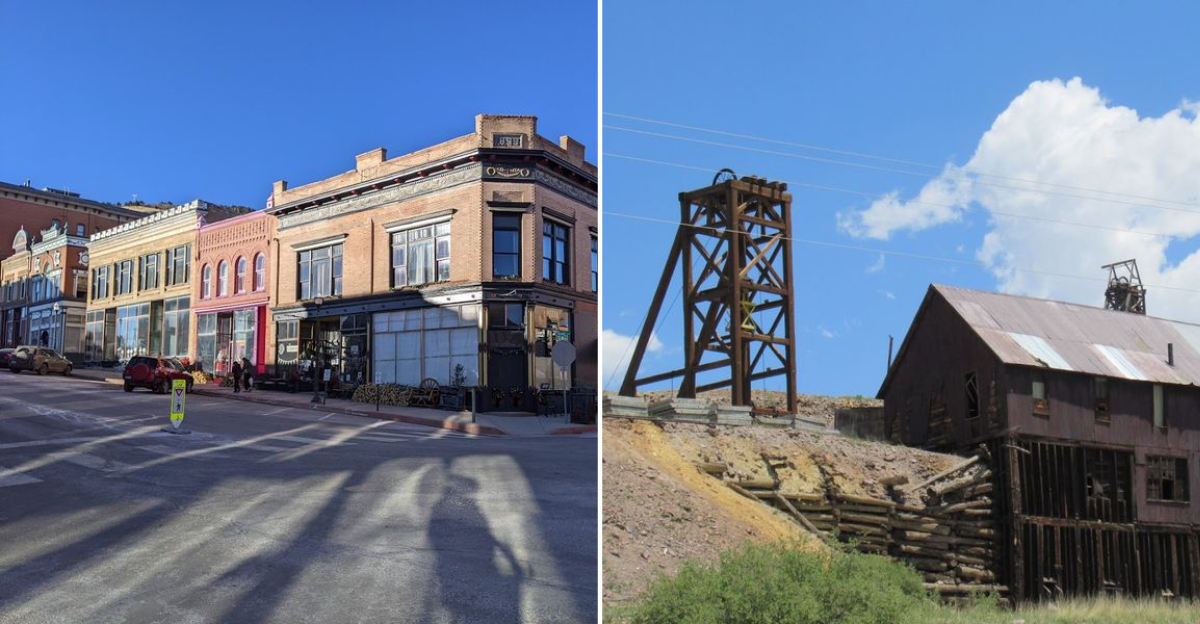
Some towns do not just preserve history, they swagger in it. This one rises from the hills with dusty drama, weathered charm, and the kind of old frontier energy that makes you expect a prospector to burst out of a doorway bragging about striking it rich.
In Colorado, places with gold rush roots have a special electricity, and this one still crackles with it. The streets feel cinematic, the old buildings wear their stories, and every block seems to whisper a little trouble, a little triumph, and a lot of legend.
It is not some polished theme-park version of the past. It feels textured, stubborn, and gloriously real, like history decided to stay put and dare modern life to catch up.
Later, when Colorado’s wild past starts replaying in your mind, this is the kind of town that lingers, all grit, glory, and just enough ghost-town magic to keep your imagination galloping.
The Gold Rush Origins That Put It On The Map
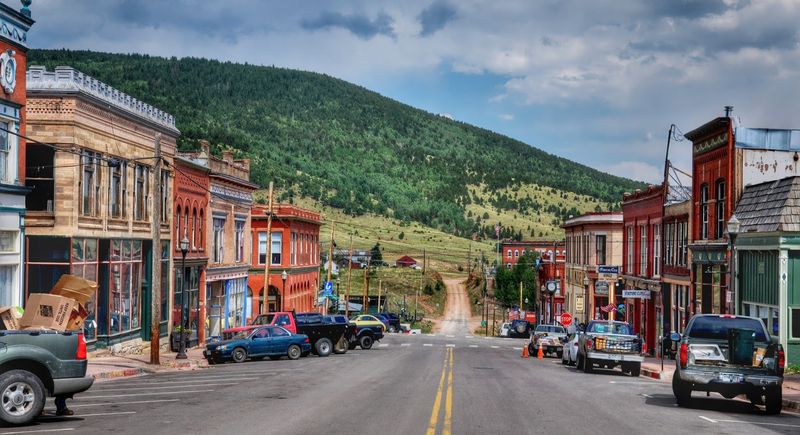
Few towns in Colorado can claim a founding story as electric as this town. Gold was discovered here in the late 19th century, and practically overnight, a quiet stretch of Teller County hillside transformed into one of the most productive gold mining districts in American history.
The Cripple Creek and Victor Gold Mining District became legendary, and it sat right at the heart of that frenzy.
At its peak, the town hummed with thousands of residents, all chasing the same glittering dream. Mines with names like the Gold Coin and the Portland pumped enormous wealth out of the earth beneath it streets.
Some estimates suggest the district produced over 500 million dollars worth of gold during its boom years, a staggering figure by any era’s standards.
Why It Matters: Understanding its gold rush roots is essential to appreciating everything else about the town. The streets, the buildings, and even the layout of the community were all shaped by that original fever.
Quick Tip: Research the Cripple Creek and Victor Gold Mining District before your visit so the history lands with full weight when you arrive.
The Historic Architecture Still Standing Downtown
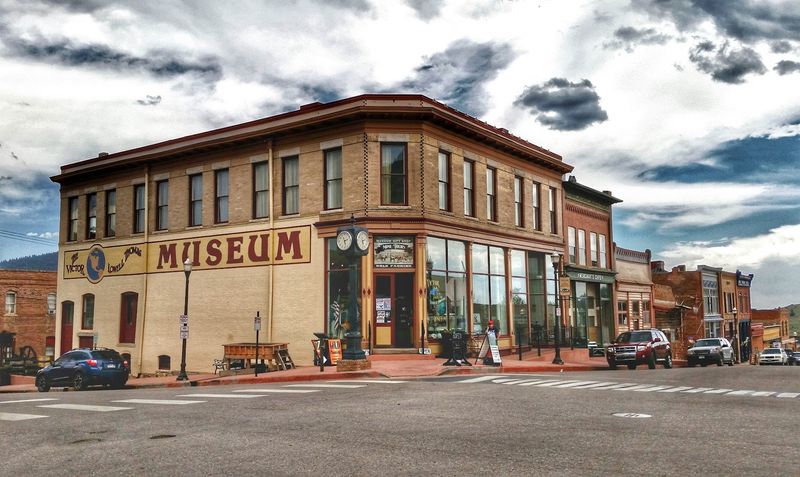
One of the most immediately striking things about Victor is that it looks like time forgot to finish the job. The downtown area is packed with original brick and stone buildings dating back to the boomtown era, many of them still structurally sound and visually commanding.
This is not a recreation or a theme park version of the Old West; it is the real thing, weathered and proud.
After a devastating fire in 1899, much of Victor was rebuilt using more durable brick construction, which is a big reason so many structures survived into the present day. Walking through downtown, you pass facades that once housed banks, newspapers, hotels, and businesses serving thousands of gold-hungry residents.
The Victor Hotel and the Victor Record building are among the landmarks that give the streetscape its unmistakable character.
Insider Tip: Look up when you walk through downtown. The upper floors of these old buildings often reveal architectural details, cornices, and signage ghosts that street-level glances miss entirely.
Best For: History lovers, architecture enthusiasts, and photographers who appreciate genuine vintage character over manufactured nostalgia. Victor’s downtown delivers the real thing without a gift shop telling you how to feel about it.
Victor’s Elevation And Mountain Setting
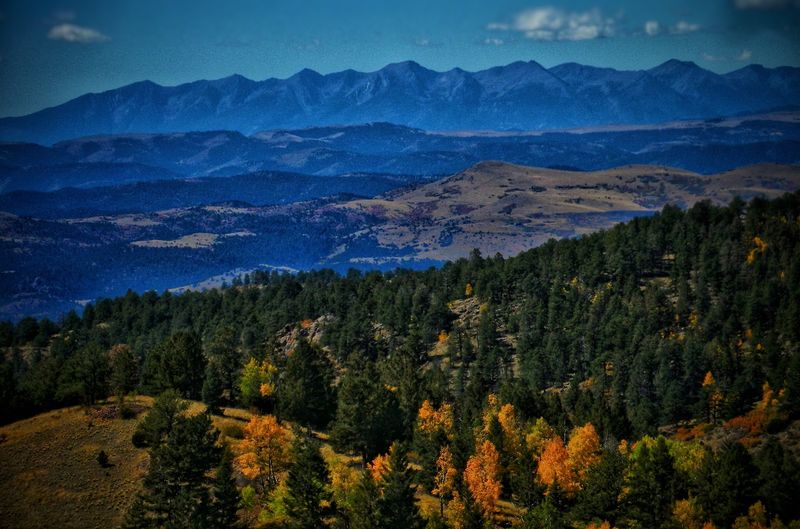
Sitting at roughly 9,700 feet above sea level, Victor is not a place that eases you in gently. The elevation hits first-time visitors with a quiet authority that no amount of pre-trip reading fully prepares you for.
Take the first hour slowly, drink water constantly, and resist the urge to sprint up any of the surrounding hills no matter how inviting they look.
The mountain setting, though, is genuinely spectacular. Victor is nestled in a bowl of the Rocky Mountains within Teller County, surrounded by terrain that shaped the entire gold rush experience.
The landscape that miners once tore apart searching for ore now offers some of Colorado’s most dramatic and accessible high-country scenery. On a clear day, the views from the edges of town stretch across ridgelines that seem to go on indefinitely.
Planning Advice: If you are traveling from lower elevations, consider spending a night in a nearby community before arriving in Victor to allow your body to adjust. Altitude sickness is real and it does not negotiate.
Pro Tip: Early morning in Victor, before the thin air warms up and the light goes flat, offers the kind of mountain clarity that makes every photo look professionally staged without any effort on your part.
The Gold Coin Mine And Active Mining Legacy
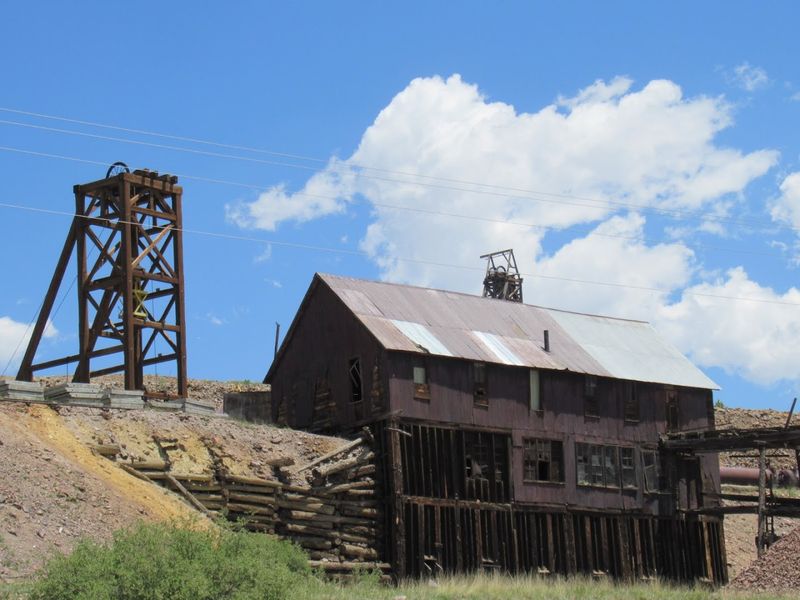
Not every boomtown can say that gold mining never actually stopped. Victor sits adjacent to one of the longest continuously operating gold mining operations in the United States.
The Cripple Creek and Victor Gold Mine, which visitors can observe from designated areas, represents a direct and unbroken line from the 19th-century rush to the present day. That is a genuinely rare thing in the American West.
The Gold Coin Mine was among Victor’s most celebrated historic operations, producing wealth that funded much of the town’s early infrastructure and ambition. Today, large-scale open-pit mining continues nearby, a somewhat jarring visual contrast to the quiet historic streets but also an honest reminder that this was always a working town, not a decorative one.
Victor never fully became a ghost town precisely because the ground beneath it kept giving.
Who This Is For: Anyone fascinated by industrial history, resource economics, or the long arc of American extraction industries will find Victor’s mining continuity genuinely thought-provoking.
Common Mistakes to Avoid: Do not wander into restricted mining areas. Designated viewing points exist for good reason, and the active operation commands real respect.
Keep to marked public areas and you will have a safe and rewarding experience.
The City Of Victor As A Statutory City
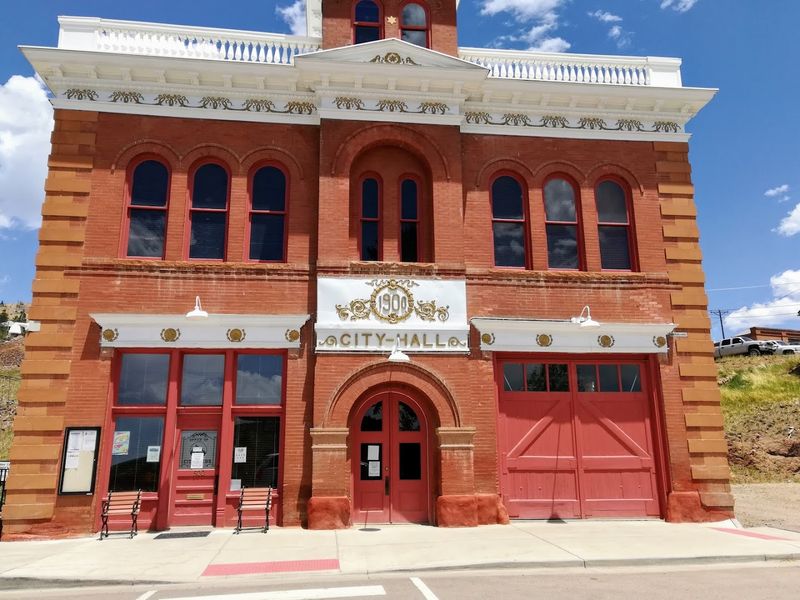
Victor holds an interesting civic distinction as a Statutory City under Colorado law, a classification that speaks to its formal incorporation and ongoing governance despite its small population. This is not a ghost town or an unincorporated cluster of buildings.
Victor is a functioning municipality with its own city government, infrastructure, and community identity that has persisted through booms, busts, fires, and decades of quiet.
At its peak, Victor’s population reportedly reached into the thousands. Today the population is a fraction of that, but the community that remains is fiercely attached to the town’s identity and history.
The City of Victor maintains its own website at victorcolorado.com, where visitors can find current information about the town before making the trip up into the mountains.
Quick Verdict: Victor is proof that a town does not need to be large to be significant. Its statutory city status is a small bureaucratic detail that carries a larger message: people chose to stay, to govern, and to maintain this place long after the gold rush crowds moved on.
Best Strategy: Check the official city website before visiting for the most current local information. Small mountain towns can have seasonal access considerations that are worth knowing in advance.
Victor’s Place In Colorado’s Cultural Memory
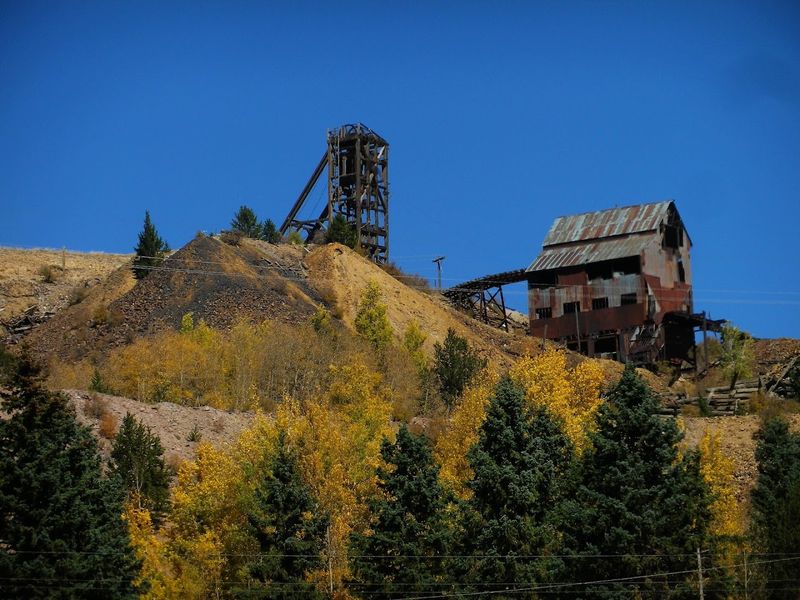
Colorado has no shortage of historic mining towns, but Victor occupies a specific and distinguished place in the state’s cultural memory. The Cripple Creek and Victor district was once called the world’s greatest gold camp, and that reputation drew not just miners but journalists, politicians, labor organizers, and adventurers from across the country.
Victor was a stage for some of the most dramatic episodes of Colorado’s labor history as well as its economic history.
The Western Federation of Miners was deeply active in Victor during the early 1900s, and the town witnessed significant labor conflicts that shaped Colorado’s political landscape for generations. These were not quiet years.
Victor’s past includes strikes, confrontations, and genuine social upheaval alongside its gold production records. That complexity makes it a richer and more honest historical destination than a simple treasure-hunt narrative would suggest.
Why It Matters: Visiting Victor with an awareness of its labor history alongside its gold rush story gives you a far more complete picture of what life in a boomtown actually meant for the people who lived it.
Insider Tip: Look for interpretive signage and local historical markers throughout town. Victor does not hide its complicated past, and those details reward the curious visitor who reads them carefully.
Final Verdict: Why Victor Deserves A Spot On Your Colorado Road Trip
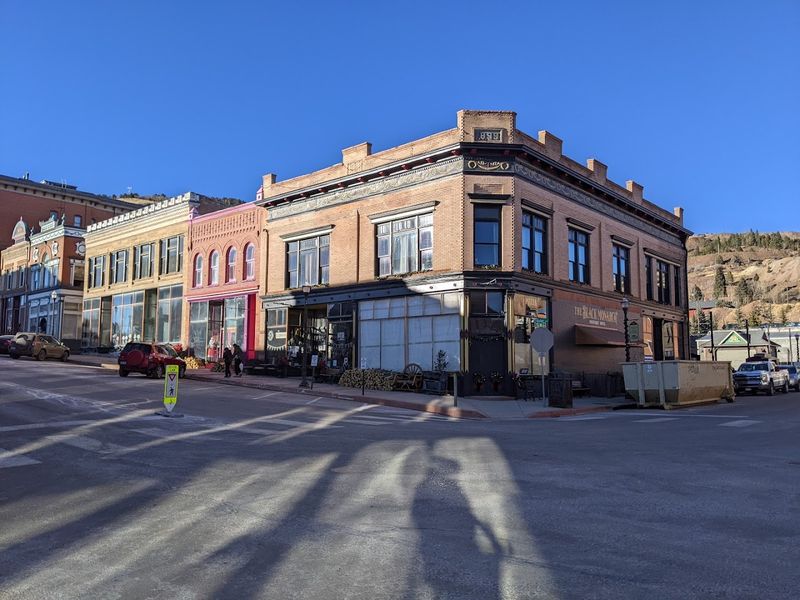
Victor, Colorado is the rare kind of place that delivers more than it promises, mostly because it promises almost nothing. There is no major resort, no celebrity chef restaurant, and no manufactured experience waiting for you.
What you get instead is an honest, high-altitude town that has been through the full dramatic arc of American boom-and-bust history and is still standing, still governed, and still worth the drive.
For families, the combination of genuine history and dramatic mountain scenery makes for a road trip stop that actually holds kids’ attention. For couples, the quiet streets and weathered character offer the kind of atmosphere that feels discovered rather than packaged.
For solo travelers and history enthusiasts, Victor is simply a place that rewards attention and curiosity in equal measure.
Key Takeaways: Victor sits at roughly 9,700 feet in Teller County, Colorado. It is a functioning statutory city with deep gold rush roots dating to the late 19th century.
Active mining still continues nearby. The historic downtown features original post-1899 brick architecture.
The official city resource is victorcolorado.com.
Best For: History-driven travelers, Colorado road trippers, families seeking substance over spectacle, and anyone who believes the best American stories are still being told in the small towns most people drive past without stopping.