
This Forgotten Locomotive Graveyard In Maine Is A Fascinating Look Into The Past
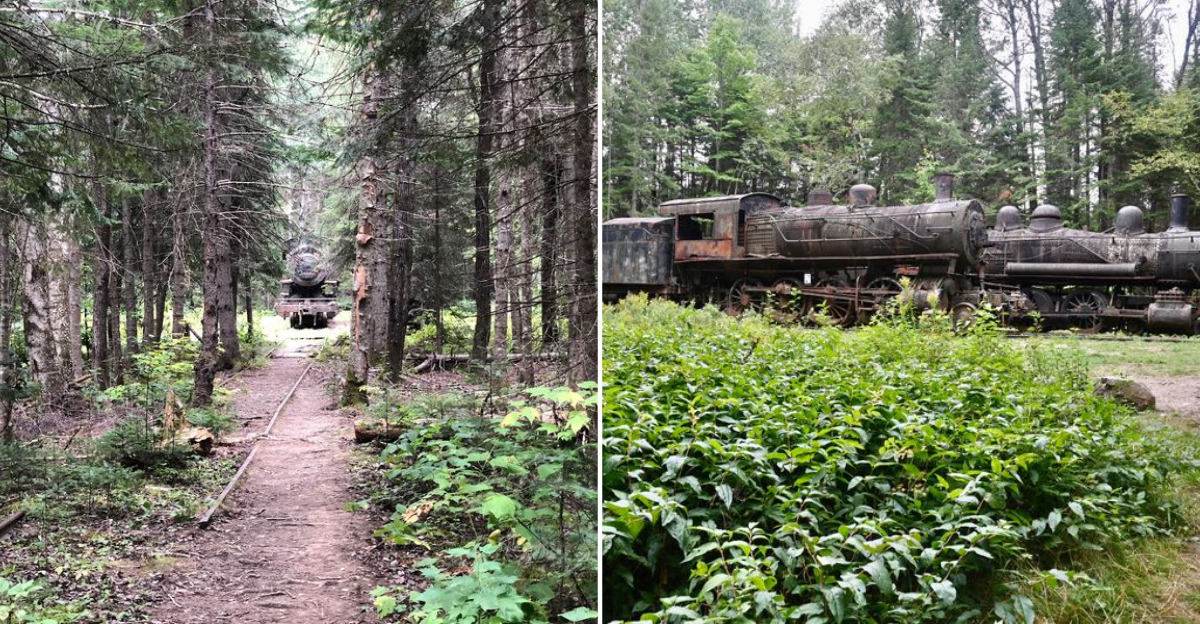
Deep in Maine’s northern woods, steam locomotives are rusting in a place where almost nobody expects to find railroad history. These massive engines were never meant to become a landmark, yet the forest turned them into one.
After a brief logging railroad shut down, moving the machines out proved too costly, so they stayed behind near a remote lake as the wilderness slowly closed in around them. Today, the scene feels almost unreal: heavy iron, quiet trees, old industry, and total backcountry silence in one strange clearing.
The engines are not polished museum pieces or staged roadside attractions. They are weathered survivors of Maine’s logging era, left in place long enough to become part relic, part mystery, and part reward for anyone willing to make the rugged trip.
Ghost Engines Of Eagle Lake
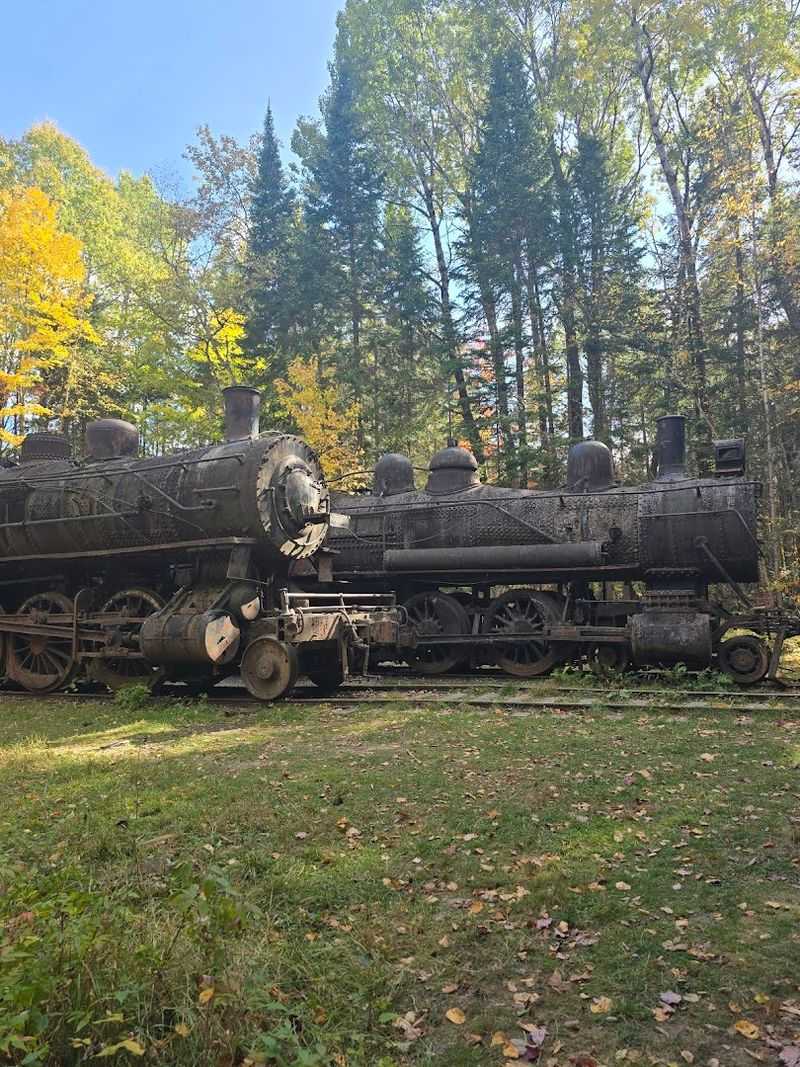
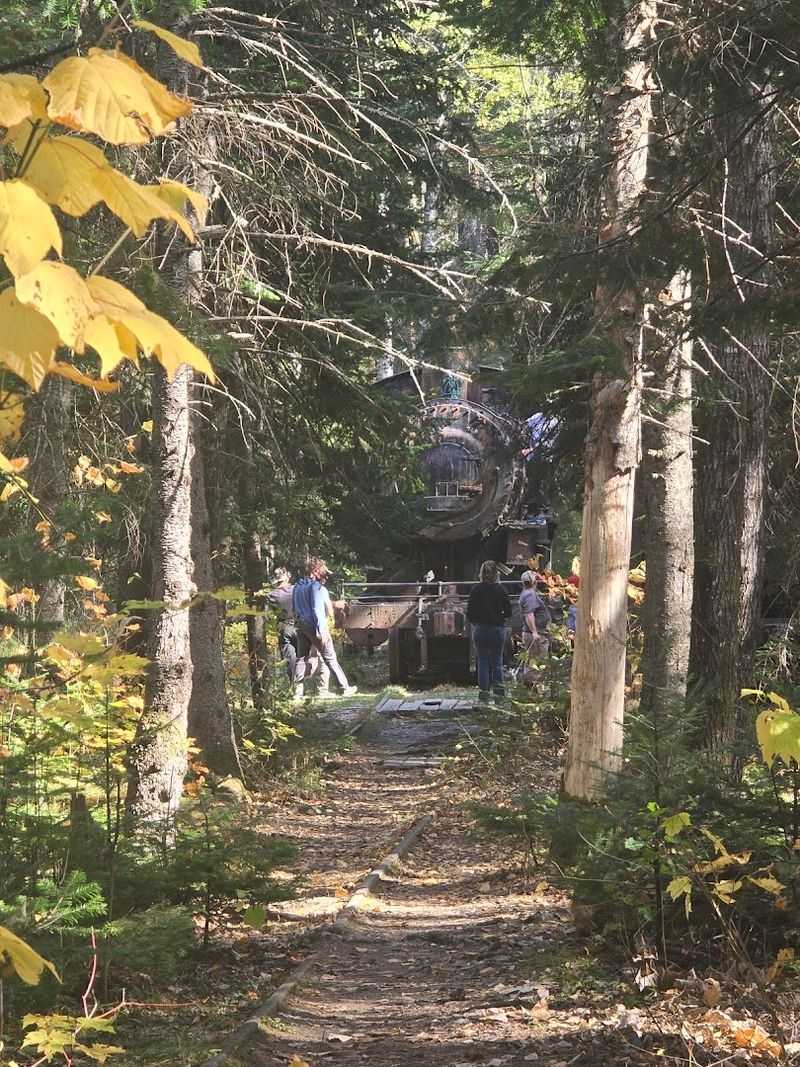
There is something quietly striking about standing next to a full-sized steam locomotive in the middle of a remote Maine forest. At the Eagle Lake Locomotives Trail in the Allagash Wilderness Waterway, that experience is entirely real.
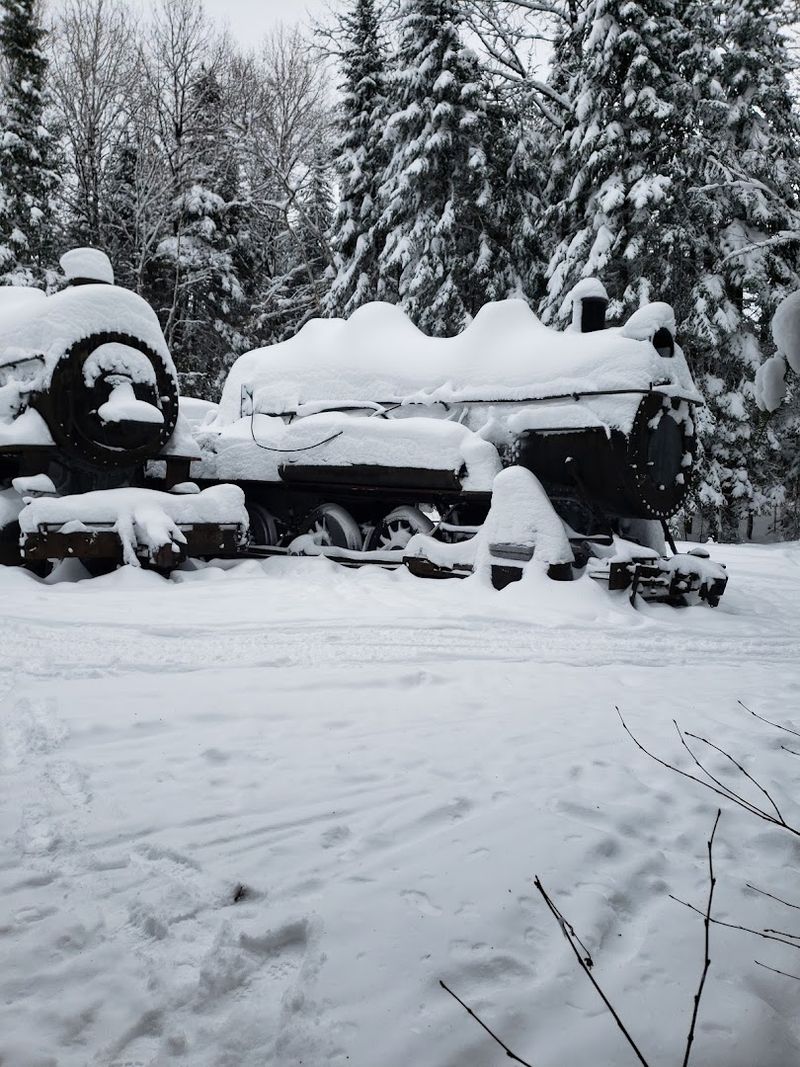
Two standard-gauge steam locomotives rest near the shore of Eagle Lake, slowly being reclaimed by the surrounding wilderness.
These are not props or replicas. They are the genuine machines that once hauled pulpwood through the North Maine Woods, and they have been sitting in roughly the same spot for decades.
The forest has grown up around them, giving the scene an almost surreal quality.
Visiting these locomotives feels like stumbling onto a secret that history forgot to clean up. The sheer size of the engines is impressive even in their weathered state, and the contrast between the industrial steel and the quiet forest setting makes for an unforgettable visual.
Getting there takes effort, but that effort is absolutely worth it.
Built To Move A Forest
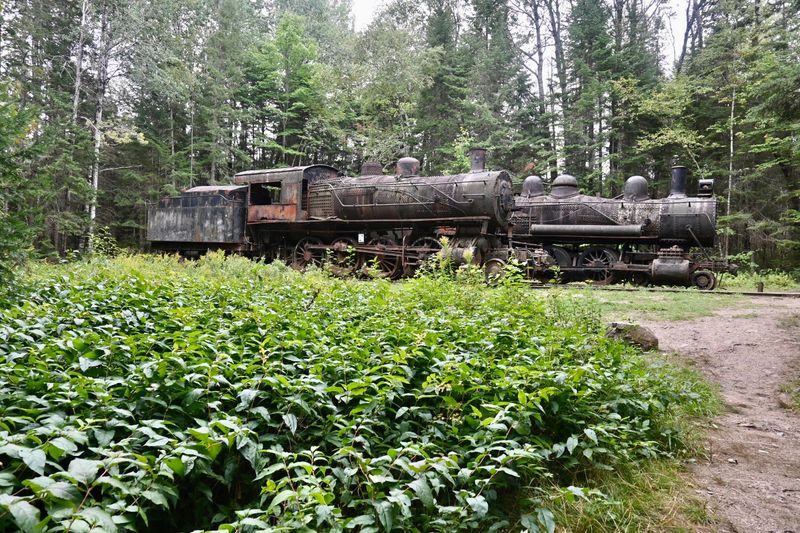
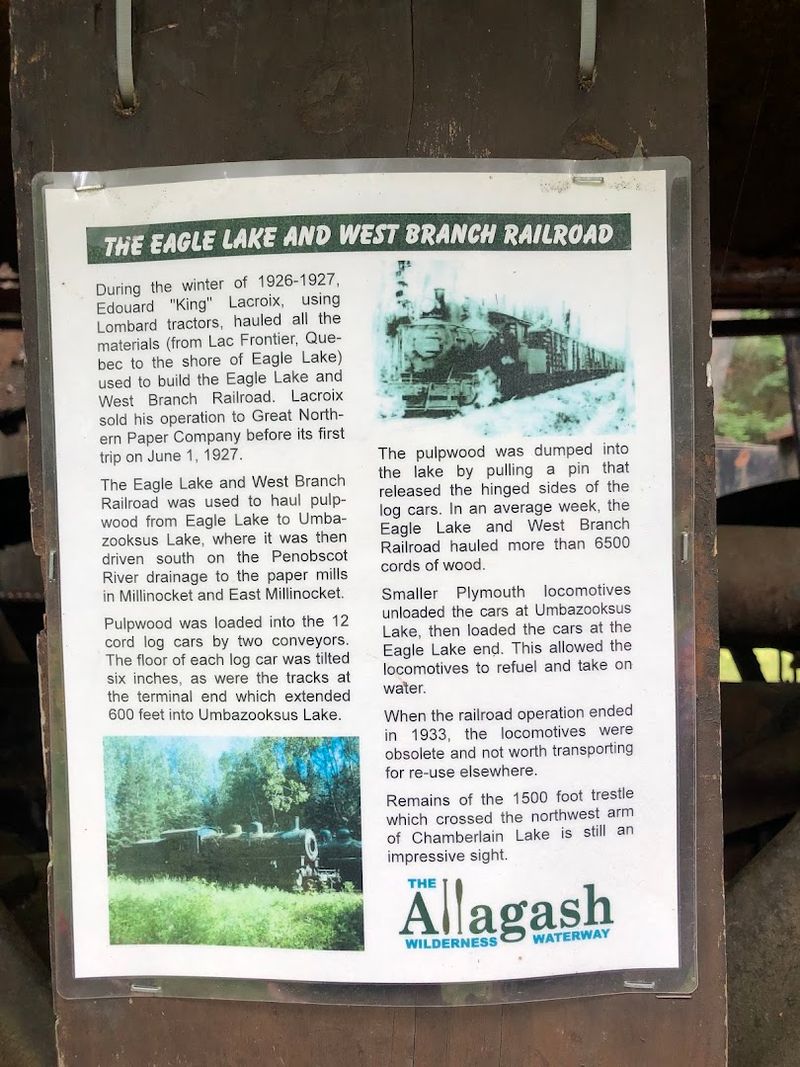
Before these locomotives became a trailside curiosity, they served a very specific industrial purpose. The Eagle Lake and West Branch Railroad was a forest railway constructed to solve a logistical problem that logging companies faced in the North Maine Woods.
Pulpwood needed to move between two separate drainage basins, and a railroad was the most practical solution at the time.
The railway connected Eagle Lake to Umbazooksus Lake, spanning roughly 13 miles through dense wilderness. The locomotives pulled flatcars loaded with pulpwood, making it possible to float logs down rivers in two different directions depending on where they were needed.
It was an engineering effort shaped entirely by the demands of the timber industry, not by any broader transportation network.
The line was built quickly and efficiently, designed to do one job and do it well. Understanding this backstory makes the rusting machines near Eagle Lake feel far more significant than they might appear at first glance.
Six Years On The Rails
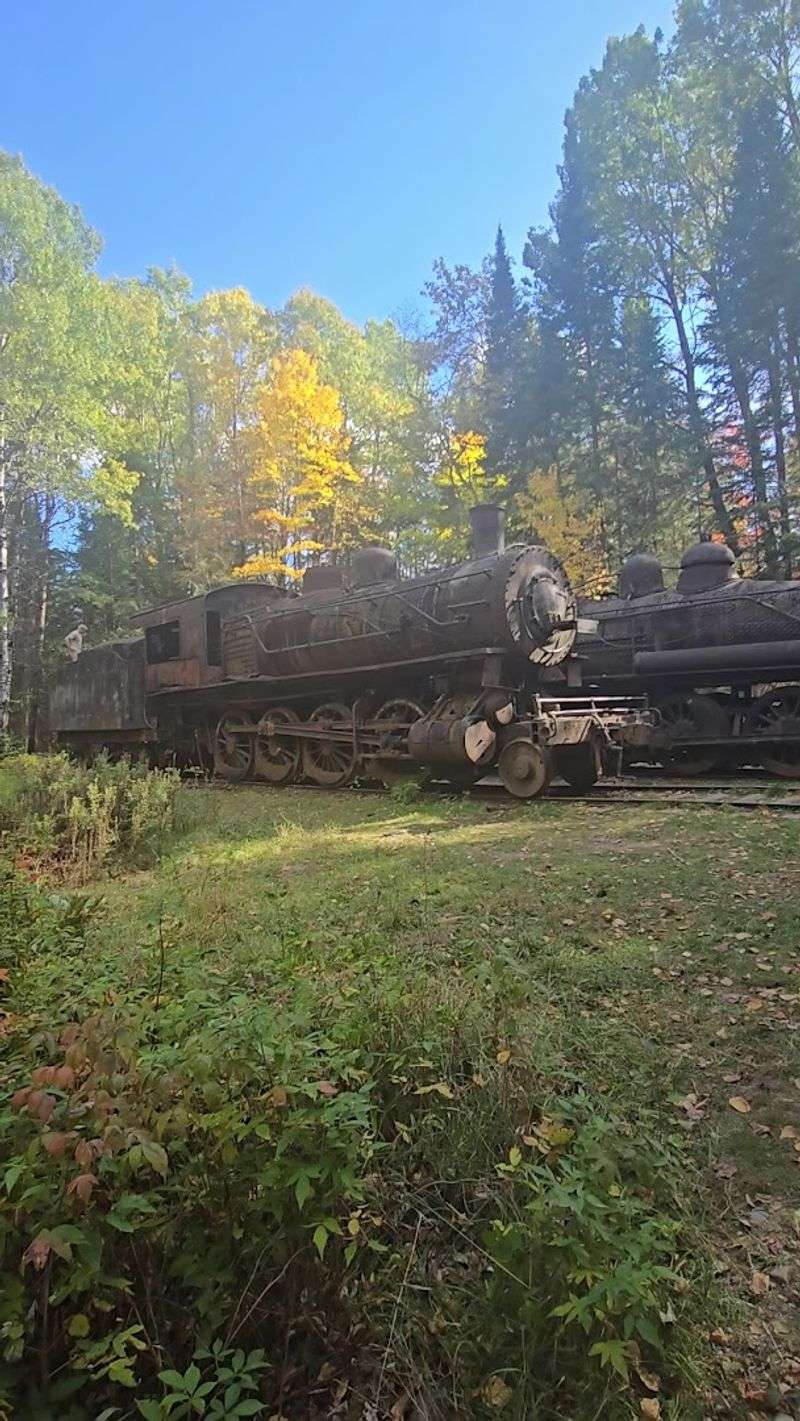
Six years. That is all the time the Eagle Lake and West Branch Railroad had before it shut down for good.
Operations began in 1927 and came to a halt in 1933, making this a notably short-lived logging railroad. For a project of that scale and complexity, six years is a remarkably brief run.
The railroad required significant investment to build, including the locomotives themselves, the tracks, and all the supporting infrastructure at Eagle Lake.
All of that effort, for a window of operation that barely spanned half a decade, tells you something about how quickly economic conditions could shift in the early 20th century.
What makes this timeline even more striking is how much physical evidence still survives. Most industrial operations that brief leave little behind.
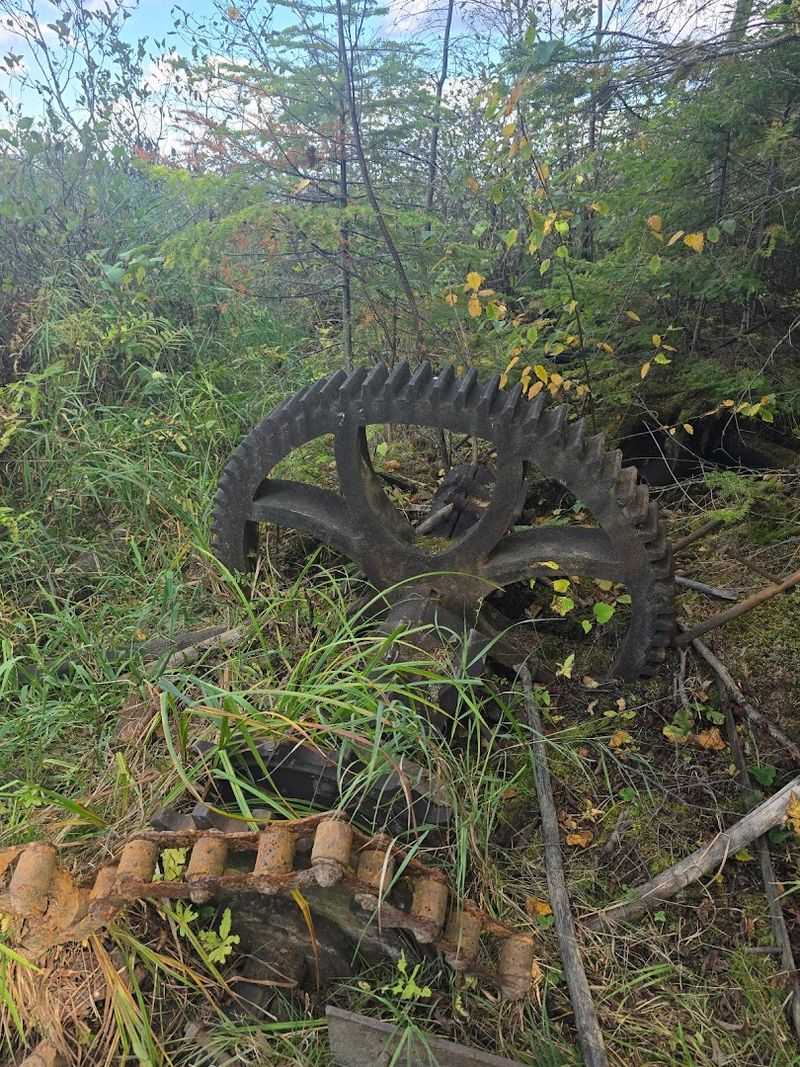
The fact that two full locomotives remain in the woods, along with other relics of the tramway system, gives visitors a surprisingly complete picture of something that vanished very fast.
When The Paper Market Collapsed
The timing of the railroad’s closure was not a coincidence. When the Great Depression hit the United States in the late 1920s and early 1930s, demand for pulpwood dropped sharply.
Paper mills needed less raw material, and the economic case for running an expensive remote railway simply collapsed.
Transporting the locomotives out of the wilderness would have cost more than the machines were worth at that point. So they stayed.
That decision, driven entirely by economic reality, is the reason visitors can still see them today. What looked like an oversight turned into an accidental act of preservation.
The Great Depression reshaped industries across the country, and the logging sector in Maine was no exception. The Eagle Lake locomotives are a tangible reminder that large-scale economic forces can leave physical marks on the landscape for nearly a century.
Standing next to these machines, knowing why they were abandoned, adds a layer of historical weight that no museum display could fully replicate.
The Fire That Changed Their Fate
For decades after the railroad shut down, the locomotives were stored inside a wooden shed at the Eagle Lake facility.
The shed offered some protection from the harsh Maine winters and kept the machines out of direct contact with rain and snow. That protection ended in 1969 when the shed was mistakenly burned by the Maine Forest Service.
The fire was not intentional, but its consequences were lasting. Once the shed was gone, the locomotives were fully exposed to the elements.
Rain, snow, ice, and summer heat began working on the metal in ways that a covered structure had slowed for years.
Interestingly, the same year the shed burned, the Maine Parks and Recreation Commission responded by painting both locomotives in an effort to slow the rusting process.
It was a practical response to an unfortunate accident, and it shows that there was already awareness of these machines as something worth protecting. The fire was a setback, but it also prompted action that helped the locomotives survive to the present day.
A Last-Minute Coat Of Protection
Right after the protective shed burned down in 1969, officials from the Maine Parks and Recreation Commission took a hands-on approach to preservation.
Workers painted both locomotives specifically to create a barrier against moisture and further oxidation. It was a straightforward but meaningful intervention for a site so far from the nearest town.
Reaching the locomotives to do any kind of maintenance work requires a real logistical effort. The site sits several miles from the nearest main road, which means that even a simple painting project required planning, supplies, and a crew willing to make the trip deep into the Allagash wilderness.
The fact that officials made that effort in 1969 reflects a growing recognition that these machines represented something historically valuable, not just scrap metal.
Preservation work in remote wilderness areas rarely gets much attention, but this early action helped ensure that future generations could still see the locomotives in a recognizable form. That paint job was a quiet act of respect for Maine’s industrial past.
Rust Wasn’t The Only Threat
Remote locations sometimes attract the wrong kind of attention, and the Eagle Lake locomotives have not been immune to that problem.
Over the decades, visitors have carved names and symbols into the metal surfaces, and souvenir hunters have removed small pieces of the machines as keepsakes. Each act of vandalism chips away at the historical integrity of the site.
It is a frustrating reality for any open-air historical site, especially one without permanent staff or fencing. The locomotives cannot be locked up or moved indoors, so they remain vulnerable to anyone who decides that a piece of 90-year-old industrial history belongs in their pocket.
Responsible visitors can make a real difference simply by leaving everything exactly as they found it and encouraging others to do the same.
The locomotives have already survived a shed fire, decades of weather exposure, and the slow passage of time. They deserve the chance to keep telling their story without being gradually dismantled by careless hands.
Making The Engines Safer
By 1995, environmental and safety concerns had moved to the top of the preservation agenda at the Eagle Lake site.
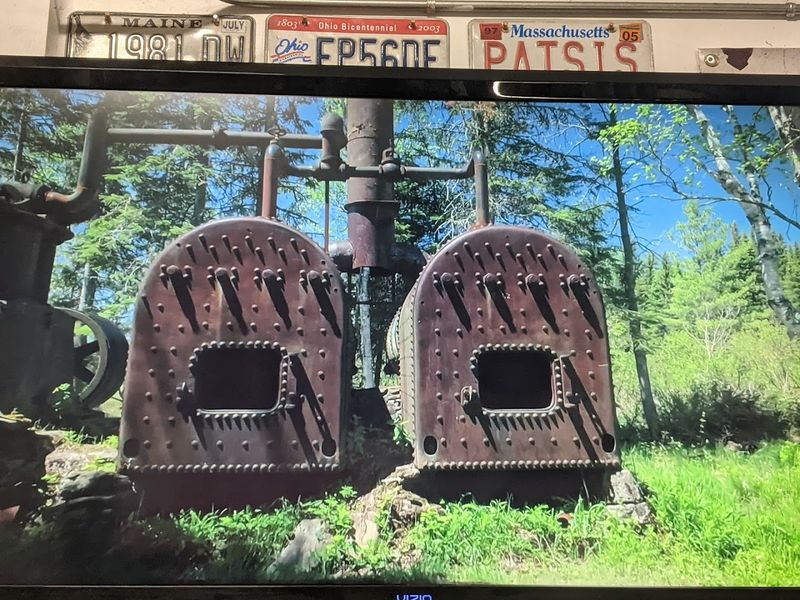
Asbestos, which was commonly used as insulation around boiler systems in early 20th century locomotives, was still present on both machines. A removal project was organized to address the hazard and make the site safer for visitors.
Conducting an asbestos remediation project in a remote wilderness area is no small undertaking. Equipment, protective gear, and a trained crew all had to be transported miles into the Allagash backcountry.
The logistics alone made this a significant operation compared to a typical urban cleanup project. The removal was an important step in the long-term stewardship of the site.
It reduced health risks for the many hikers, paddlers, and snowmobilers who visit each year, and it demonstrated continued official commitment to maintaining the locomotives as a safe and accessible historical attraction. Sometimes caring for the past means dealing with the hazards the past left behind.
The Journey Is Half The Story
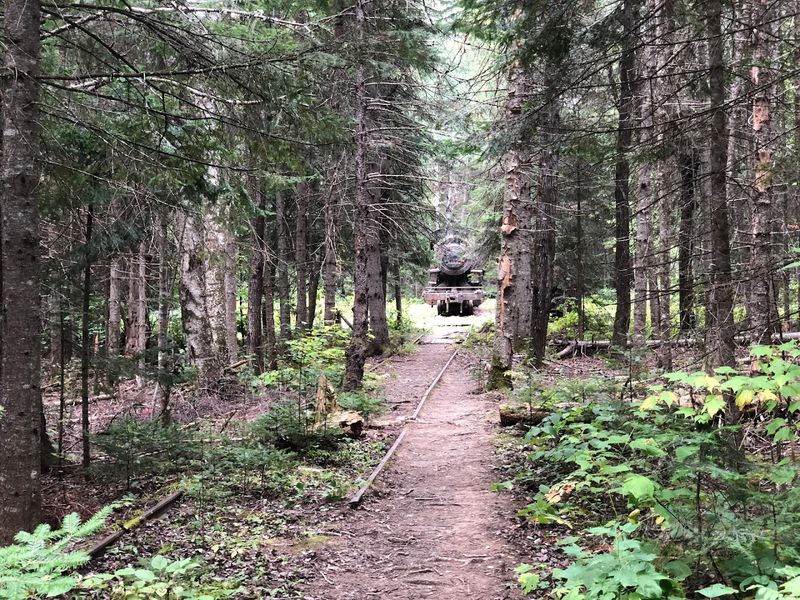
Getting to the Eagle Lake Locomotives Trail is part of the adventure. The site sits several miles from the nearest main road, which means visitors need to commit to the journey.
Visitors can reach the area by remote road access and a short trail, and the trip through the North Maine Woods delivers plenty of scenery along the way.
Paddlers who are already exploring the Allagash Wilderness Waterway by canoe can approach from the water side, making the locomotives a rewarding stop on a longer backcountry trip. In winter, the site is accessible by snowmobile, which opens it up to a completely different crowd of outdoor enthusiasts.
Whichever way you choose to arrive, check current North Maine Woods and Allagash Wilderness Waterway road conditions before traveling; high-clearance AWD may be advisable for the road section leading to the trailhead.
Cell service is essentially nonexistent out there, so downloading offline maps before you leave is a smart move. The effort to reach the locomotives makes the moment you actually see them feel genuinely earned.
Protected, But Still Wild
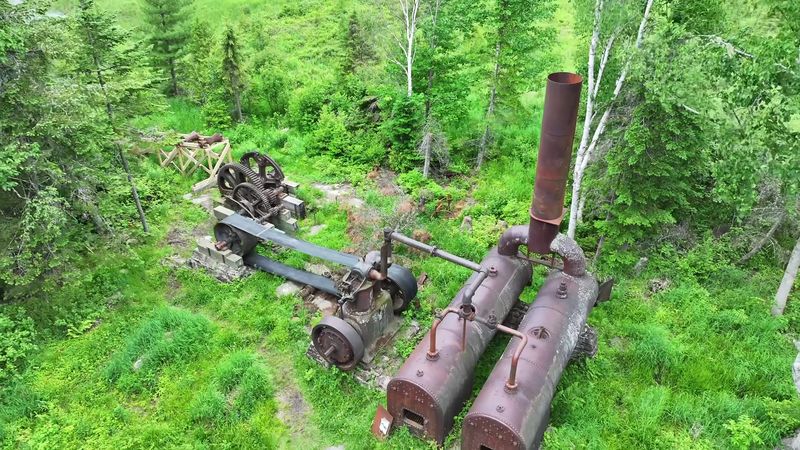
The locomotives do not stand alone in terms of official historical recognition. The Eagle Lake site is part of the Tramway Historic District, which was listed on the National Register of Historic Places in 1979.
That designation covers not just the locomotives but other surviving relics of the old logging tramway system in the area.
Being on the National Register does not mean the site is heavily managed or developed. The Allagash Wilderness Waterway keeps its wild character, and the locomotives remain in their natural forest setting.
The designation is more of an acknowledgment that what exists here has genuine historical significance worth protecting.
The broader Tramway Historic District gives visitors a fuller picture of what the Eagle Lake and West Branch Railroad operation actually looked like.
Other remnants of the logging era are scattered through the area, and taking time to notice them adds real depth to the visit. History rarely comes in a single piece, and this district is a fine example of that layered complexity.