
This Forgotten South Carolina Grocery Store Hasn’t Changed In 60 Years
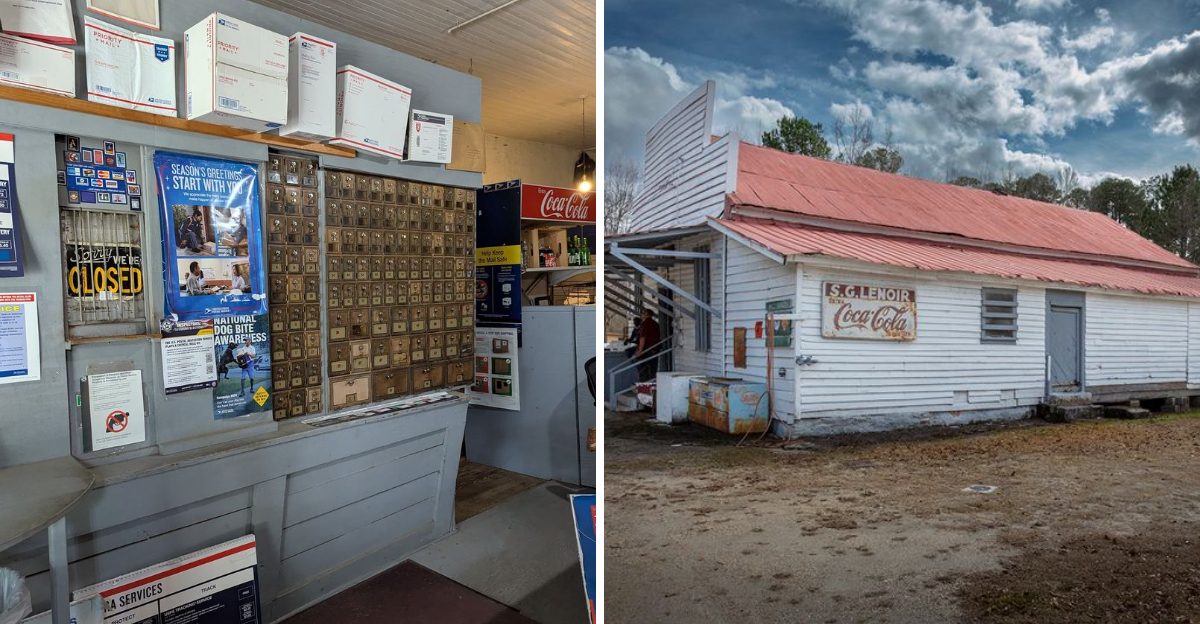
In South Carolina, some places update their look every season, while one country store appears content with the last century.
The floorboards creak, the shelves carry stories, and the pace inside makes modern life feel caffeinated.
There are no self-checkouts, loyalty apps, or machines asking whether you brought your own bag.
Instead, visitors find weathered walls, faces, and a counter that has witnessed generations come and go.
The contrast feels almost rebellious.
While South Carolina changes beyond its doors, this landmark continues its work, serving neighbors and preserving memories without turning either into a performance.
Even the working post office feels like a charming plot twist hiding inside an ordinary errand.
Across South Carolina, history often stands behind ropes and glass, but here it remains part of daily life, quietly proving that survival does not always require reinvention, sometimes it simply takes family, patience, and a door that keeps opening.
A Family Legacy Spanning Five Generations
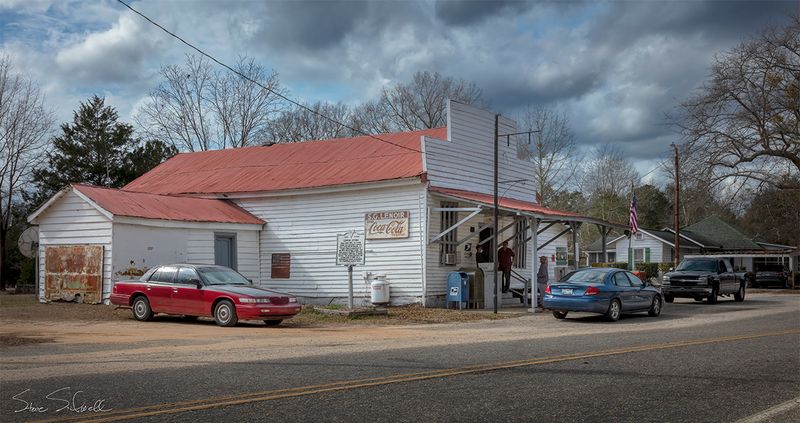
Some stores sell groceries. Lenoir Store sold something harder to find: continuity.
Passed down through five generations of the same family, this small general store in Horatio, South Carolina, represents a kind of commitment to community that is almost impossible to manufacture.
The original family members who opened the store built not just a business but a gathering place. Neighbors came for supplies, stayed for conversation, and left feeling connected to something larger than themselves.
What makes this legacy remarkable is that it was not accidental. Each generation made a deliberate choice to keep the store alive rather than sell the land or walk away.
That kind of dedication is rare in any era, but especially in a modern world that constantly pushes toward newer, faster, and bigger.
Lenoir Store stands as quiet proof that some families take the long view, measuring success not in quarterly profits but in decades of service to a tight-knit rural community.
The Post Office Hidden Inside The Store
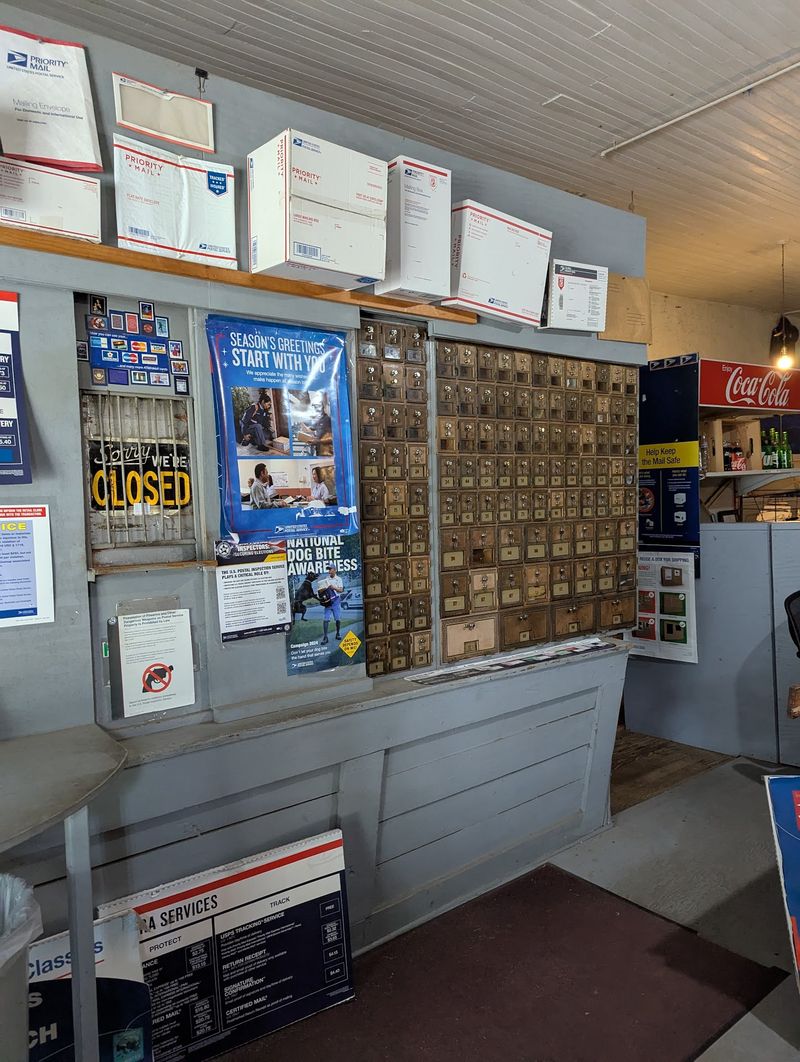
Hidden inside the walls of Lenoir Store is one of the most charming features a small-town building can offer: a working post office. For decades, the store served double duty as both a place to buy everyday goods and a hub for the community’s mail service.
At one point, a female family member held the title of Postmaster, handling correspondence for the surrounding rural area with the kind of personal attention that modern post offices simply cannot replicate. Knowing your Postmaster by name was a normal part of life in Horatio.
The post office boxes and window setup inside the store give visitors a vivid sense of how rural communities once organized their daily lives around a single central location. Everything happened in one building: groceries, mail, news, and neighborly exchange.
Even today, the post office presence inside Lenoir Store makes it a genuinely functional historical artifact rather than just a pretty facade worth photographing on a road trip through Sumter County.
The Woman Who Was Both Postmaster And Fire Chief
Among the most fascinating figures connected to Lenoir Store is a woman who wore two very different hats in the Horatio community. She served simultaneously as the local Postmaster, managing all incoming and outgoing mail for the area, and as the fire chief of the nearby volunteer fire station.
That combination of responsibilities speaks volumes about the kind of people who built and sustained rural South Carolina communities. There was no rigid separation between civic duty and family business.
Everything overlapped, and the strongest members of the community simply took on whatever was needed.
The volunteer fire station she led has since been shut down, but the memory of her leadership lingers in the stories shared by family members who spent childhood summers roaming the store’s wooden floors and exploring the property next door.
Her story is a reminder that history is not always found in textbooks. Sometimes it lives in the walls of a modest general store on a quiet South Carolina backroad, waiting for someone curious enough to ask.
Family Reunions Behind The Store In The Community Center
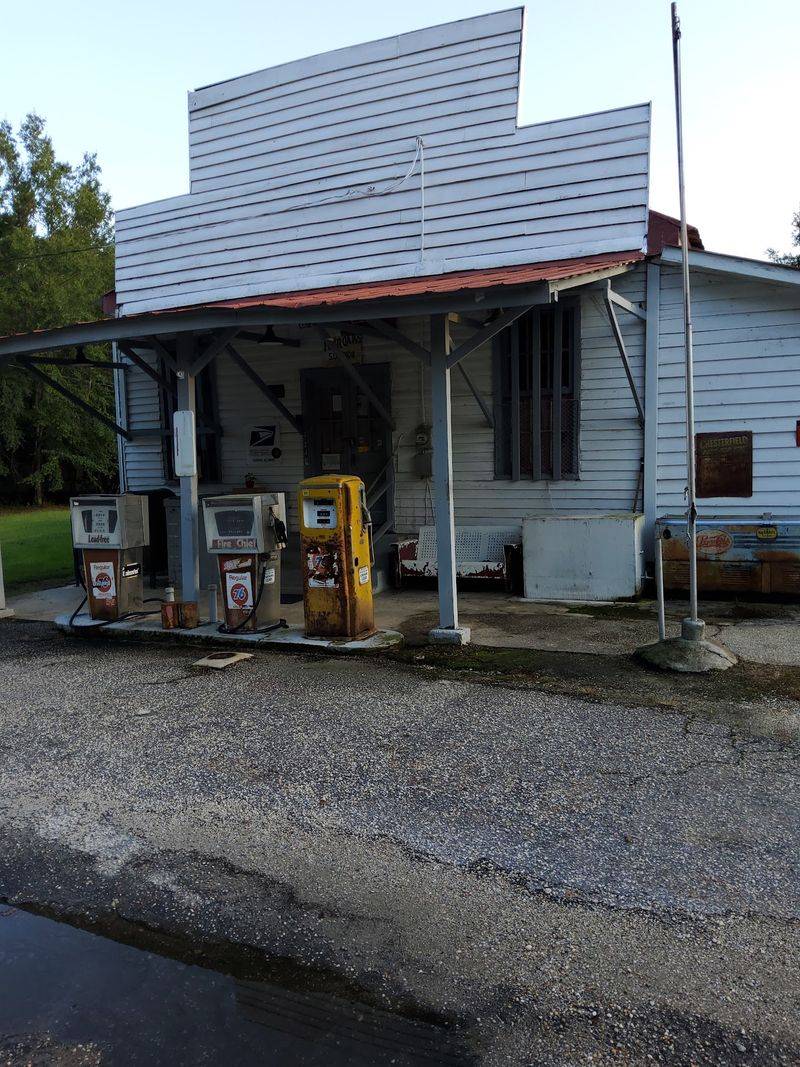
Behind Lenoir Store stood a community center that served as the backdrop for large, lively family reunions that drew relatives from near and far. These were not small, quiet gatherings but full-scale celebrations filled with food, laughter, and the kind of storytelling that only happens when multiple generations sit together under the same roof.
The community center positioned directly behind the store made the entire property feel like a self-contained world. You could pick up supplies at the counter, collect your mail from the Postmaster, and then walk out the back door to find cousins you had not seen in years setting up folding tables and hauling out covered dishes.
That kind of communal energy is hard to recreate once it fades. The community center is no longer in active use for those large gatherings, but the physical space still sits behind the store, a quiet reminder of a time when a single family property could anchor an entire neighborhood’s social life.
Sixty Years Of Barely Changing The Interior
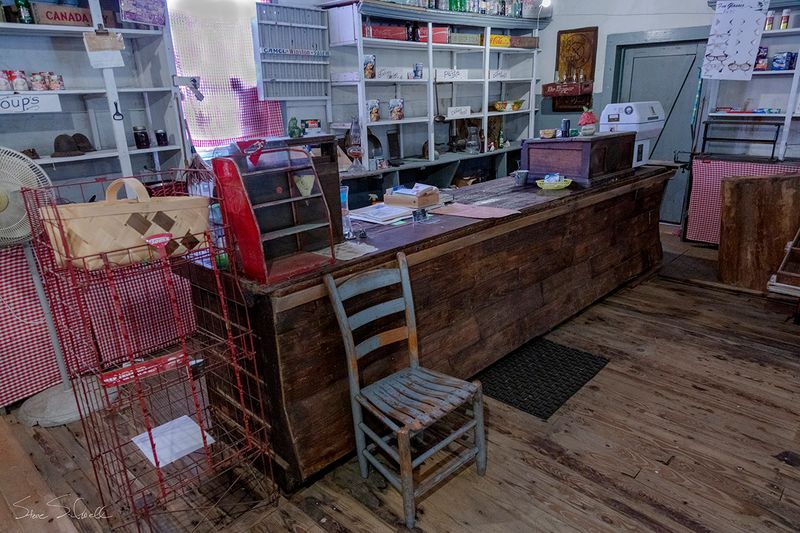
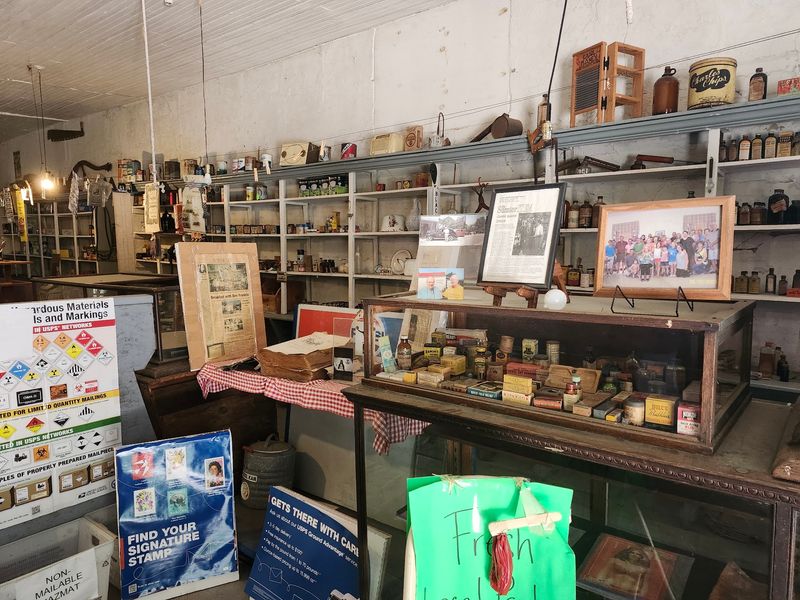
Walking into Lenoir Store feels less like entering a building and more like stepping through a portal. The interior has remained largely unchanged for roughly sixty years, preserving the kind of authentic atmosphere that modern businesses spend enormous amounts of money trying to fake.
Old wooden shelving, worn countertops, and the general layout of the store reflect the era in which it was most active. Nothing about the space screams renovation or modernization, and that is precisely what makes it so compelling to anyone who takes the time to stop and look carefully.
The physical details of the store tell a story that no plaque or historical marker could fully capture. The scuffs on the floor, the arrangement of the counter, and the faded surfaces all carry the weight of thousands of daily interactions between shopkeepers and community members across many decades.
Preserving a space like this without over-restoring it is a delicate act of historical respect, and Lenoir Store manages it with unassuming grace.
Horatio, South Carolina: The Quiet Town That Holds This Treasure
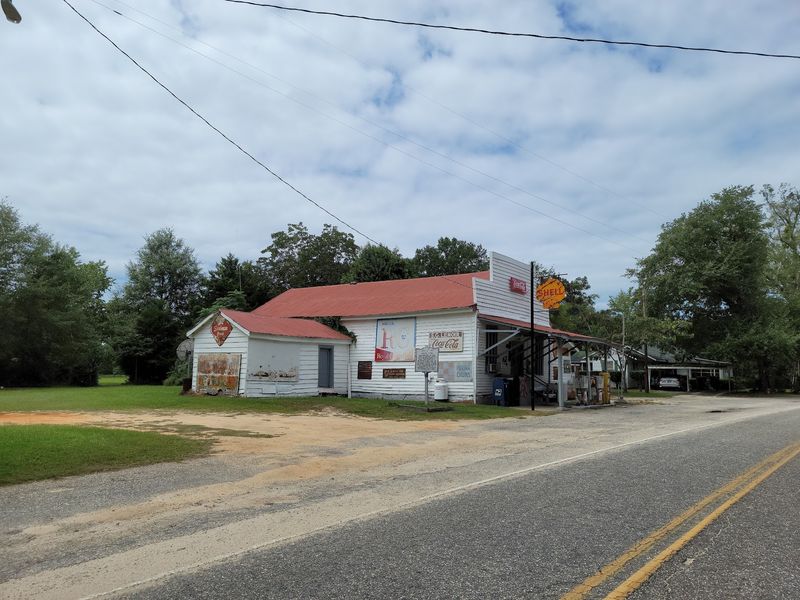
Horatio, South Carolina, is not the kind of place that shows up in travel magazines or tourist brochures. It sits quietly in Sumter County, surrounded by farmland and pine trees, with the kind of unhurried pace that feels foreign to anyone used to city living.
The town’s low profile is actually part of what has allowed Lenoir Store to survive. Without heavy commercial development pressing in from all sides, the store never faced the pressure to modernize or make way for a strip mall.
Horatio simply let it exist on its own terms.
The address, located within the Sumter School District 02 area, places the store in a part of South Carolina where community ties run deep and change comes slowly. That is not a criticism but a compliment, because slow change is exactly what allowed this piece of history to remain intact for future generations to discover.
Horatio may be small, but it holds something genuinely irreplaceable within its quiet boundaries.
What A General Store Actually Meant To Rural Communities
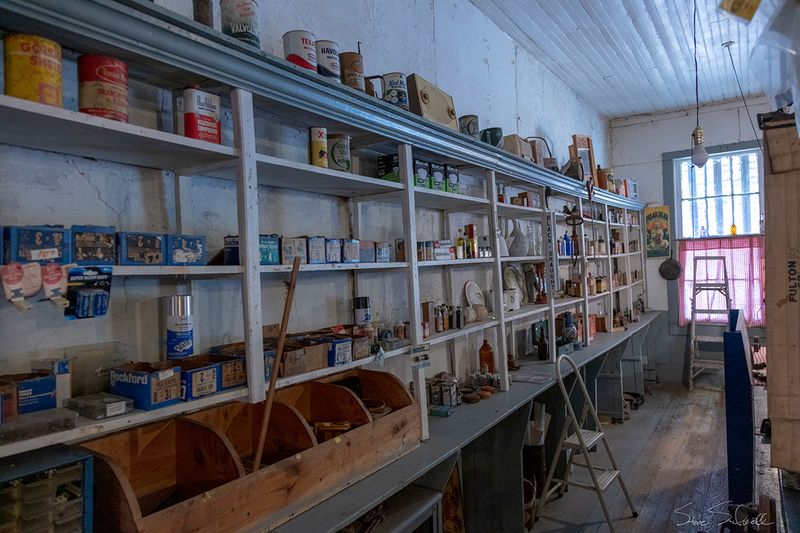
Before supermarkets spread into every corner of the country, the general store was the economic and social center of rural life. Lenoir Store played exactly that role for the Horatio community, stocking the essentials that farm families needed without requiring a long drive into town.
General stores carried everything from canned goods and flour to hardware items and seed. More importantly, they extended credit to families during lean seasons, maintaining handwritten ledgers that recorded who owed what and trusting that debts would be settled after harvest.
The social function was equally important. The store was where news traveled, where local concerns were debated, and where the rhythms of community life played out in real time.
Stopping by the store was not just an errand but an act of participation in the neighborhood’s shared daily existence.
Understanding that context makes Lenoir Store feel even more significant. It was not just a shop.
It was the connective tissue of a rural South Carolina community that depended on it for far more than groceries.
The Store As A Living Time Capsule
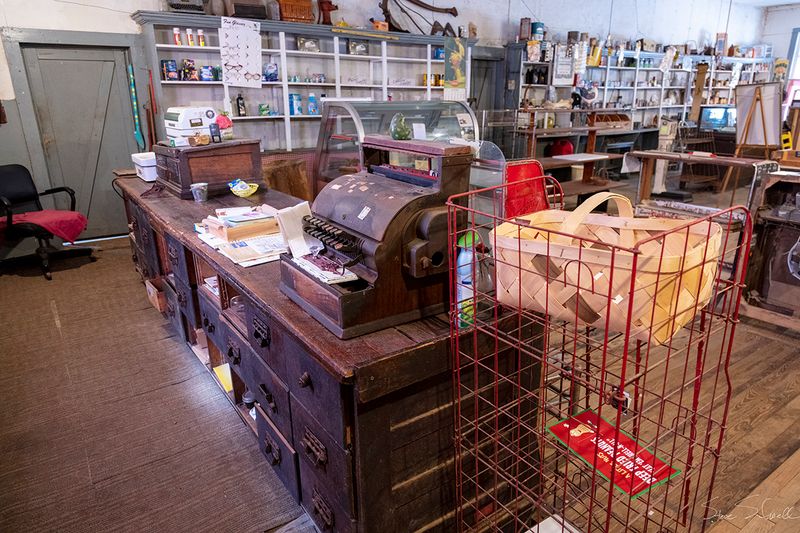
Calling Lenoir Store a time capsule is not an exaggeration. The physical space has retained so many original features that spending time inside it genuinely feels like visiting a different era rather than just an old building.
Time capsules are usually sealed and buried, opened decades later with great ceremony. Lenoir Store is different because it has remained open and accessible all along, never sealed away but also never dramatically altered.
That openness is what makes it so unusual and so valuable as a historical site.
Every surface, every piece of original furniture, and every architectural detail contributes to an overall impression of authenticity that is nearly impossible to replicate. Restoration projects can come close, but there is something fundamentally different about a space that was simply never changed rather than carefully reconstructed to look old.
Visiting Lenoir Store offers a sensory experience that connects the present directly to the mid-twentieth century South Carolina rural world, without any museum-style interpretation standing between the visitor and the real thing.
Why Historic Places Like This Are Worth Preserving
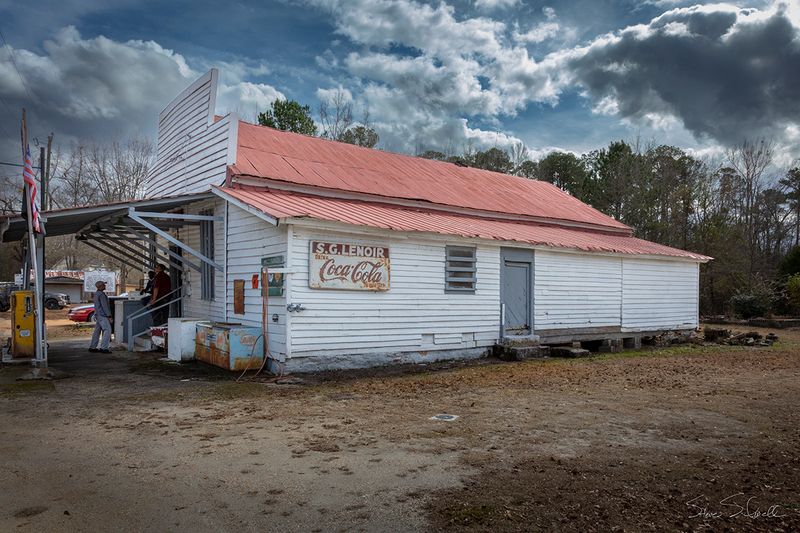
Historic places like Lenoir Store often exist in a fragile state, dependent on the goodwill and financial ability of private owners to maintain them without institutional support. When those owners are gone or circumstances change, these spaces can disappear with startling speed.
The argument for preserving them goes beyond nostalgia. Physical spaces carry information about how people lived, worked, and organized their communities that written records alone cannot fully convey.
A worn countertop tells a story that no document can replicate.
Lenoir Store also serves as an educational resource for younger generations who have no personal memory of what rural South Carolina life looked like before the mid-twentieth century transformed the American landscape. Seeing the real thing, rather than a photograph or a museum diorama, creates a different kind of understanding.
Preservation does not mean freezing a place in amber forever. It means making thoughtful decisions about what to protect and why, ensuring that future generations inherit something real rather than just a description of what once existed.
Tips For Visiting Lenoir Store In Horatio
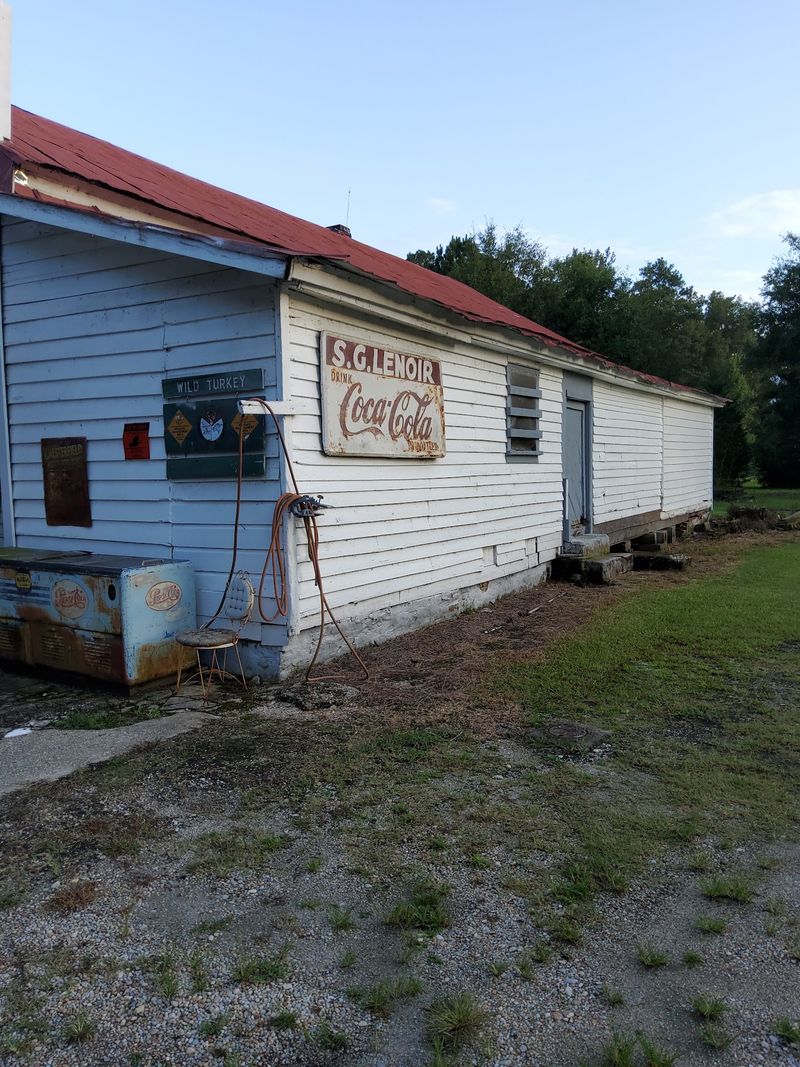
Lenoir Store is located in Horatio, South Carolina, within the Sumter School District 02 area, sitting at coordinates 34.0218979, -80.5678246. Reaching it requires navigating rural roads, so using a GPS with the full address is strongly recommended before setting out.
Because the store is not a commercial tourist attraction, visitors should approach it with a respectful mindset. The property is connected to a private family, and the building carries genuine personal significance to the people who have cared for it across generations.
Treat it accordingly.
The best time to visit is during daylight hours on a clear day, when natural light allows for good photographs of the exterior and surrounding property. The store’s weathered wooden facade and rural setting create a naturally photogenic scene that requires very little effort to capture well.
Bring a camera, bring curiosity, and bring patience. Horatio moves at its own pace, and that is exactly the right mindset for appreciating a place like Lenoir Store, where history is not rushed but simply allowed to exist.