
This 42-Story Gothic Skyscraper In Pennsylvania Is The Tallest Educational Building In The Western Hemisphere
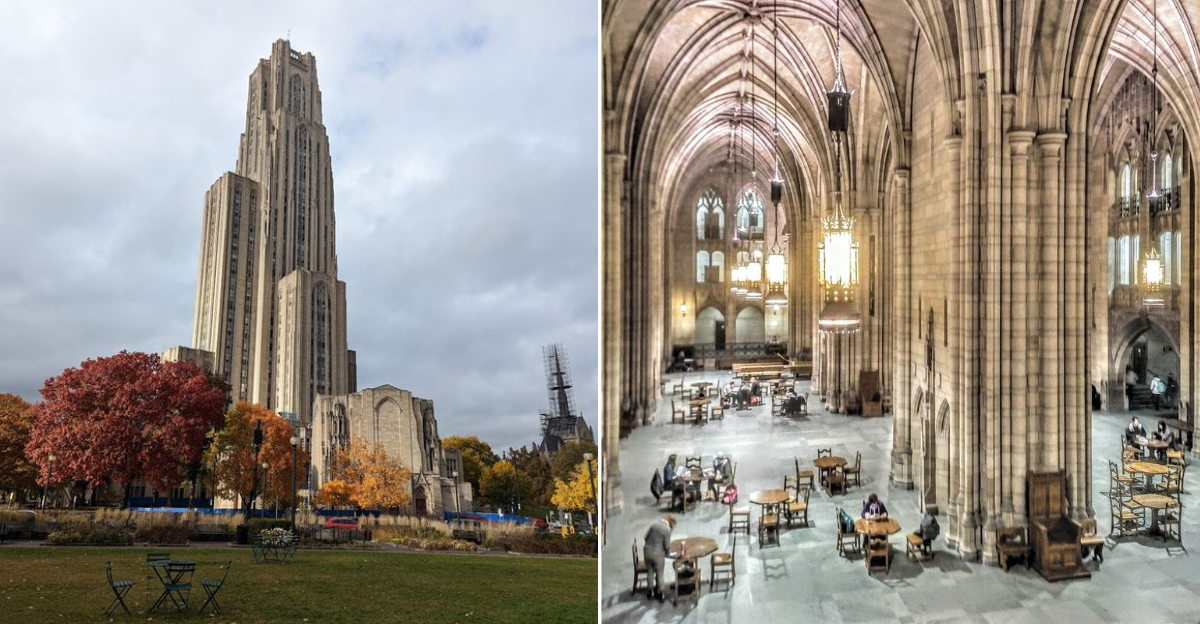
Some buildings rise above a skyline. This one feels like it stepped out of a legend, put on a stone crown, and decided education deserved a little drama.
Pennsylvania is home to a soaring Gothic skyscraper tied to learning that turns campus architecture into something almost cinematic, with pointed arches, towering walls, and the kind of vertical ambition that makes you stop walking just to stare.
There is a rare thrill in seeing a school building that looks more like a cathedral of ideas than a regular academic hall. It makes studying, wandering, and even looking up feel grander than expected.
The whole place carries a sense of history, imagination, and intellectual pride, as if books, classrooms, and old-world design all joined forces to create one unforgettable landmark.
I have always loved buildings that make me feel tiny in the best possible way, and this is the kind of Pennsylvania landmark that would have me craning my neck, taking too many photos, and wondering how a place can feel so scholarly and magical at once.
A Record-Breaking Height That Towers Over The Competition
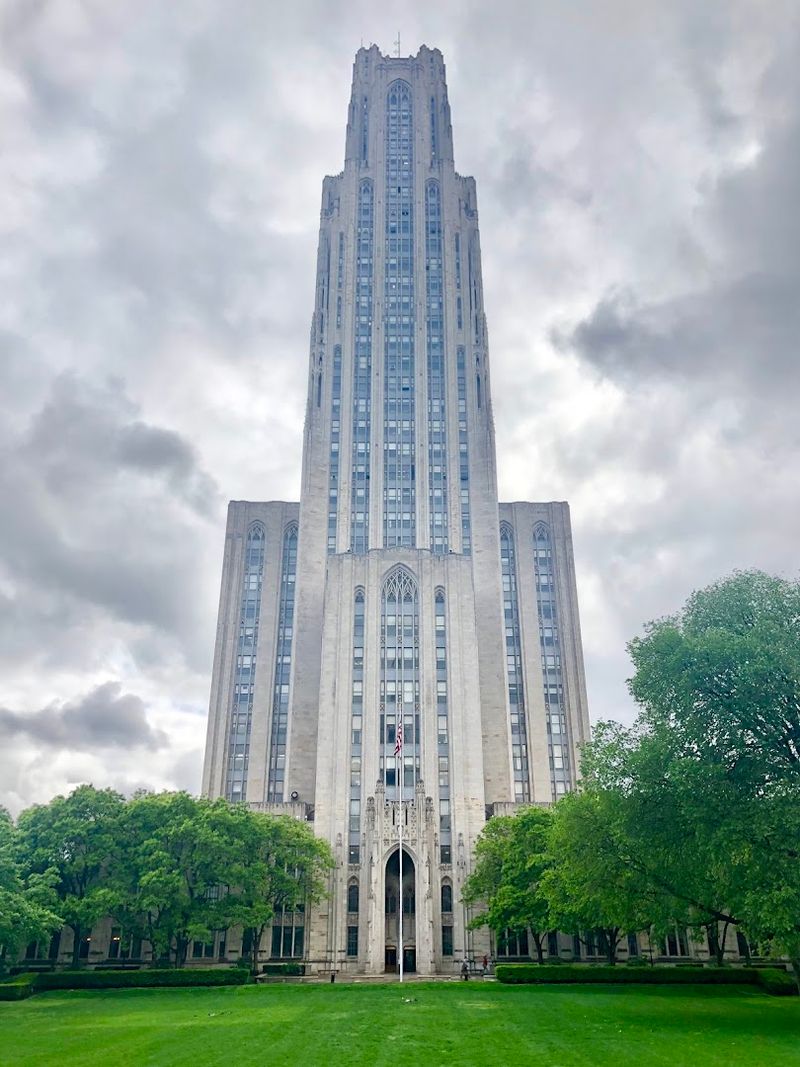
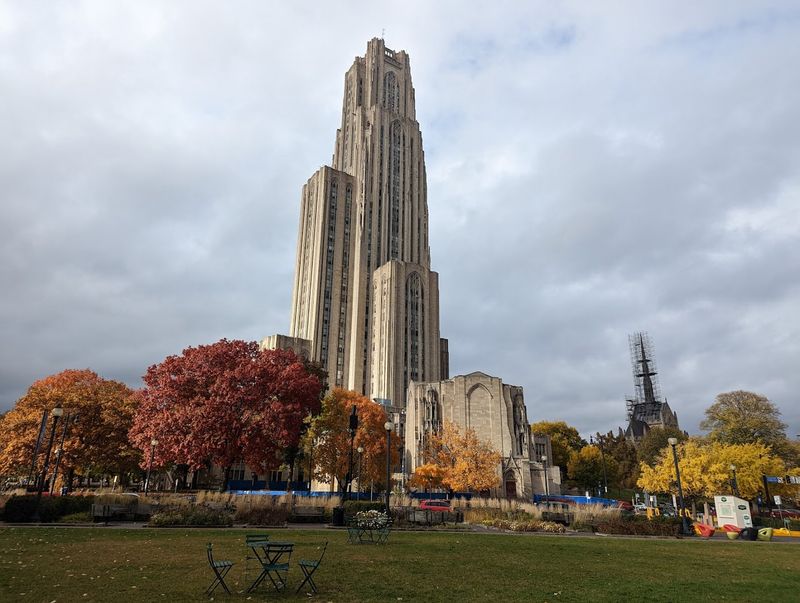
At 535 feet tall, the Cathedral of Learning holds a record that no other educational building in the Western Hemisphere can claim.
That is not just impressive on paper; standing at street level and craning your neck upward to find the top is a genuinely humbling experience.
The building rises 42 stories above the Oakland neighborhood of Pittsburgh, Pennsylvania, making it visible from miles around.
For comparison, many standard office skyscrapers in mid-sized American cities do not even reach this height.
What makes this record even more remarkable is that it belongs to a university building, not a corporate tower or government monument.
The University of Pittsburgh essentially built a functioning skyscraper dedicated entirely to education.
Ohio has tall buildings, but Pittsburgh decided its university deserved the sky, and the result is a landmark that redefines what a campus building can be.
Gothic Revival Architecture That Looks Straight Out Of A Fantasy Film
The moment you lay eyes on the Cathedral of Learning, your brain immediately starts searching for the words to describe it.
Gothic spires, pointed arches, and elaborate stone carvings cover the exterior in a way that feels more like a medieval European cathedral than a modern American university building.
Visitors frequently compare it to the Hogwarts castle from the Harry Potter films, and honestly, that comparison is hard to argue with.
The craftsmanship in the stonework is so detailed and precise that it rewards careful, slow observation.
Architect Charles Klauder designed the building in the Gothic Revival style, blending it with subtle Art Deco influences that were fashionable in the 1920s and 1930s.
Ohio has produced some fine architecture over the years, but this Pittsburgh landmark set a standard that very few university buildings anywhere in the world have managed to match since its completion.
The Commissioning Story That Started With A Bold Vision In 1921
Back in 1921, University of Pittsburgh Chancellor John Gabbert Bowman had an idea that most people probably thought was wildly ambitious.
He wanted to build a skyscraper on campus, not just any skyscraper, but the tallest educational building ever constructed.
Bowman believed that a towering, awe-inspiring structure would attract students, donors, and attention to the university in a way that ordinary campus buildings simply could not. He was right on every count.
Fundraising for the project involved an incredibly creative community effort.
Pittsburgh schoolchildren were invited to contribute their own pennies and dimes toward the construction cost, giving an entire generation a personal stake in the building’s creation.
Construction officially began in 1926, and the building was dedicated in 1937.
Ohio and other neighboring states watched as Pittsburgh quietly pulled off one of the most ambitious university construction projects in American history, delivering a skyscraper that remains unmatched in its category today.
The Commons Room: A Great Hall That Feels Like A Living Castle
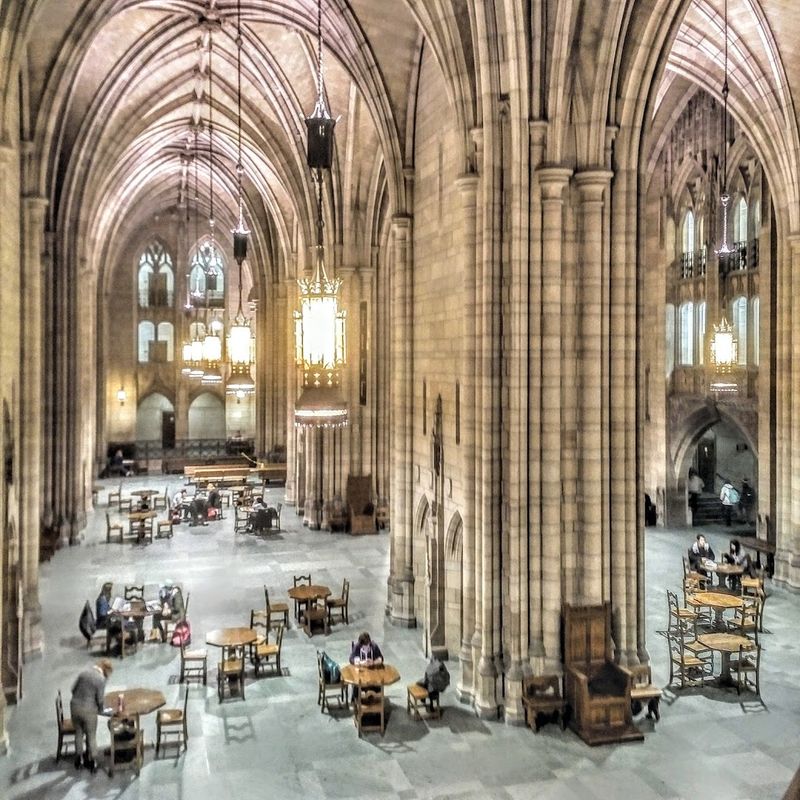
Walk through the main entrance of the Cathedral of Learning and you step into a space that genuinely stops people in their tracks.
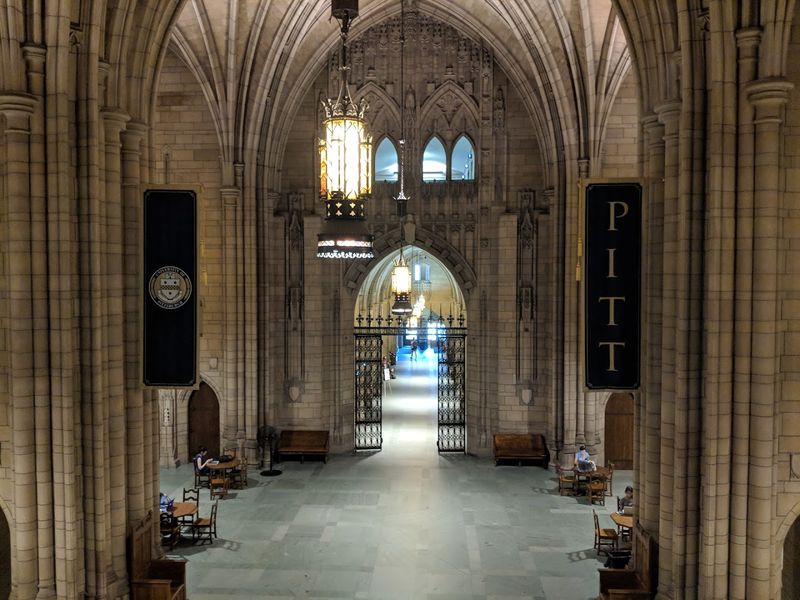
The Commons Room on the first floor is a massive, cathedral-style great hall with soaring vaulted ceilings, carved stone arches, and warm wooden furniture arranged throughout the space.
Students use this room as a study lounge, which means on any given afternoon you might find people reading, writing papers, or just sitting in what can only be described as a throne-like chair while surrounded by centuries-old architectural grandeur.
The scale of the room makes you feel appropriately small in the best possible way. Visitors who are not students are completely welcome to walk in and absorb the atmosphere.
Ohio travelers passing through Pittsburgh on road trips consistently rank this room as one of the most surprisingly spectacular interior spaces they encounter on the entire journey.
Nationality Rooms: 31 Classrooms Representing Cultures From Around The World
One of the most extraordinary features inside the Cathedral of Learning is a collection of Nationality Rooms spread across the first and third floors.
There are currently 31 of these rooms, and each one is designed and decorated to represent a specific country or cultural heritage.
You can walk from a room styled after ancient Greece into one inspired by 18th-century Ukraine, then into a space reflecting the traditions of China, India, Armenia, or Africa.
Every room features authentic materials, furniture, and artwork contributed by members of Pittsburgh’s immigrant communities.
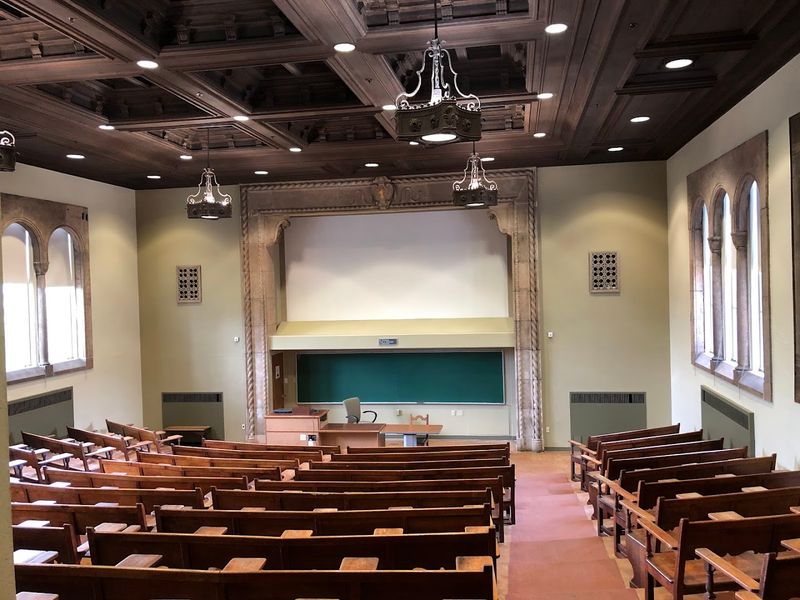
Most of the rooms function as real classrooms during the week, which means they are actively used for teaching rather than sitting behind velvet ropes as museum pieces.
On weekends, many rooms open to the public for self-guided or guided tours.
Ohio visitors who make the drive to Pittsburgh specifically for this experience consistently describe it as one of the most culturally rich afternoons they have ever spent.
The View From The 36th Floor That Reframes The Entire City
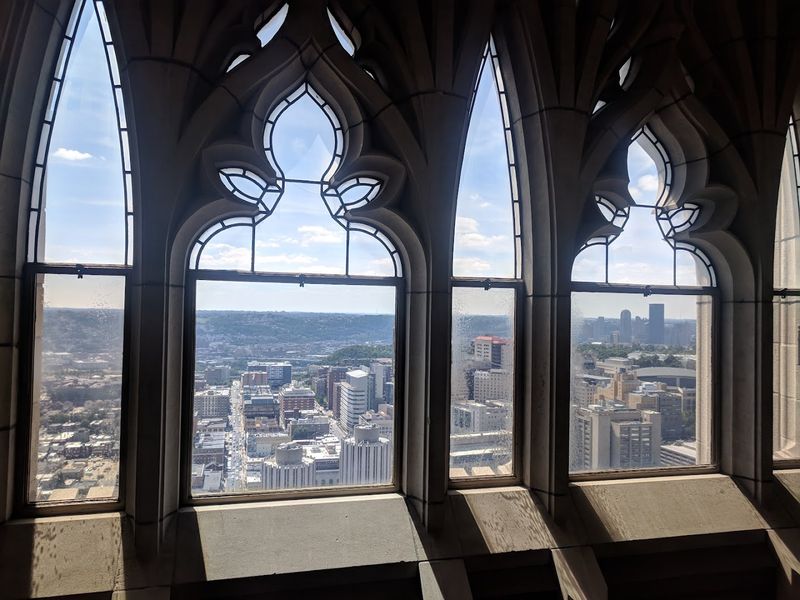
Most people come for the architecture and the Nationality Rooms, but the view from the 36th floor is a reward that catches many visitors off guard.
On a clear day, the panorama stretches across Pittsburgh’s skyline, its famous rivers, the bridges, and the rolling hills that give the city its distinctive character.
Getting up there is simple enough since the building has fast, modern elevators that make the ascent quick and comfortable.
The observation windows offer a perspective on Pittsburgh that you simply cannot get from ground level, and the framing of the view through Gothic-style windows adds a theatrical quality to the whole experience.
There is no steep admission fee for the elevator ride, which makes it one of the better free or low-cost attractions in the city.
Ohio residents who visit Pittsburgh on weekend trips frequently call this floor one of the most underrated viewpoints they have discovered anywhere in the region.
Open 24 Hours: A University Building That Never Really Closes
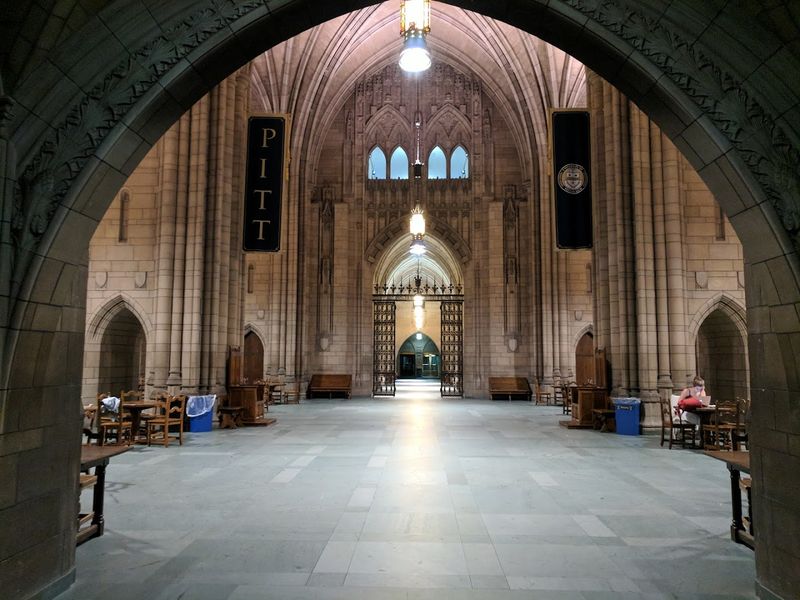
Here is a fact that surprises a lot of people: the Cathedral of Learning has very broad daily access, but it is not fully open to the public around the clock.
Most days, the building is open from 7 AM to 11 PM, with late-night access after 11 PM limited to Pitt ID holders through the Fifth Avenue entrance.
This schedule still reflects its primary function as a working university building.
Students need access to study spaces, classrooms, and offices well beyond ordinary daytime hours, and the building accommodates that need with limited overnight entry rather than unrestricted public access.
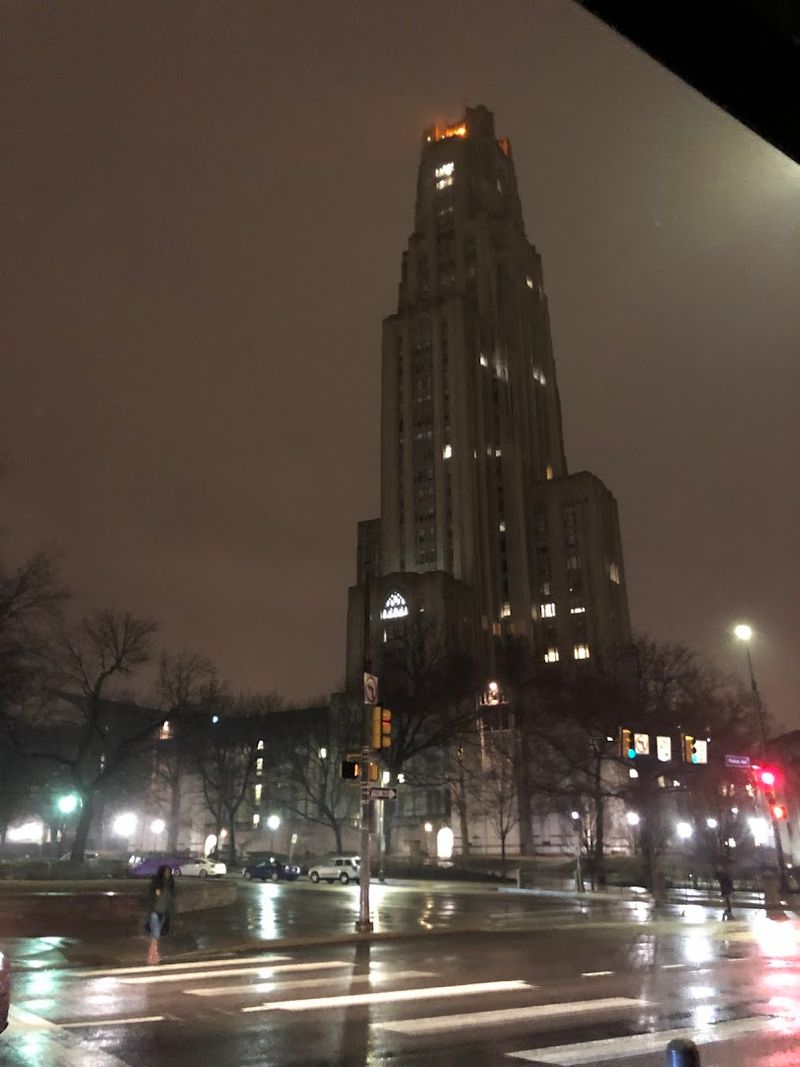
For visitors, this still creates a rare opportunity to experience the atmosphere of the Commons Room well into the evening, when the Gothic interior takes on an even more dramatic quality under artificial light.
The building is located at 4200 Fifth Ave, Pittsburgh, PA 15260, and reaching it is straightforward from most parts of the city.
Ohio day-trippers who arrive late often find that exploring it after dark is an unexpectedly memorable way to end a Pittsburgh visit.
The Pennies Campaign: How Pittsburgh’s Children Helped Fund A Skyscraper
Few buildings in American history have a funding story as heartwarming as this one.
When Chancellor Bowman needed to raise money for construction, he launched a campaign that invited Pittsburgh schoolchildren to donate their own small change toward the project.
Children contributed pennies, nickels, and dimes, and in return each young donor received a certificate recognizing them as a stakeholder in the new building.
The campaign raised meaningful funds but more importantly created a deep emotional connection between the city’s youngest residents and a building that would define Pittsburgh’s skyline for generations.
That sense of community ownership has never fully faded. Locals across western Pennsylvania still speak about the Cathedral of Learning with a pride that goes beyond simple civic boosterism.
Ohio neighbors who learn about this story during visits to Pittsburgh often express genuine surprise that a building of this scale was partly crowd-funded by elementary school students nearly a century before crowd-funding became a household term.
A Fully Functioning Academic Building, Not Just A Tourist Attraction
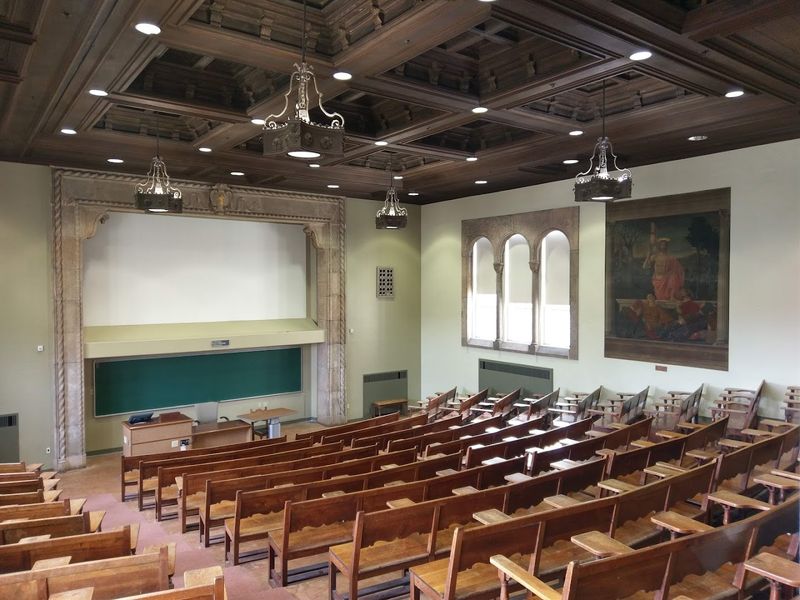
It would be easy to assume that a building this famous and this visually stunning operates primarily as a museum or tourist destination. The reality is refreshingly different.
The Cathedral of Learning is a fully active academic building, housing classrooms, faculty offices, administrative departments, and research spaces across its 42 floors.
Thousands of students walk through its corridors every single weekday, attending lectures and seminars in rooms that happen to be among the most architecturally remarkable spaces in American higher education.
The building’s dual identity as both a working campus facility and a celebrated landmark is part of what makes it so genuinely special.
Tourists and students coexist there with surprisingly little friction. Professors have been known to invite curious visitors into Nationality Rooms between classes for a quick look around.
Ohio students who tour Pennsylvania universities often leave with the Cathedral of Learning as their single most vivid memory of the entire trip.
Why This Pittsburgh Landmark Continues To Inspire Visitors Decades Later
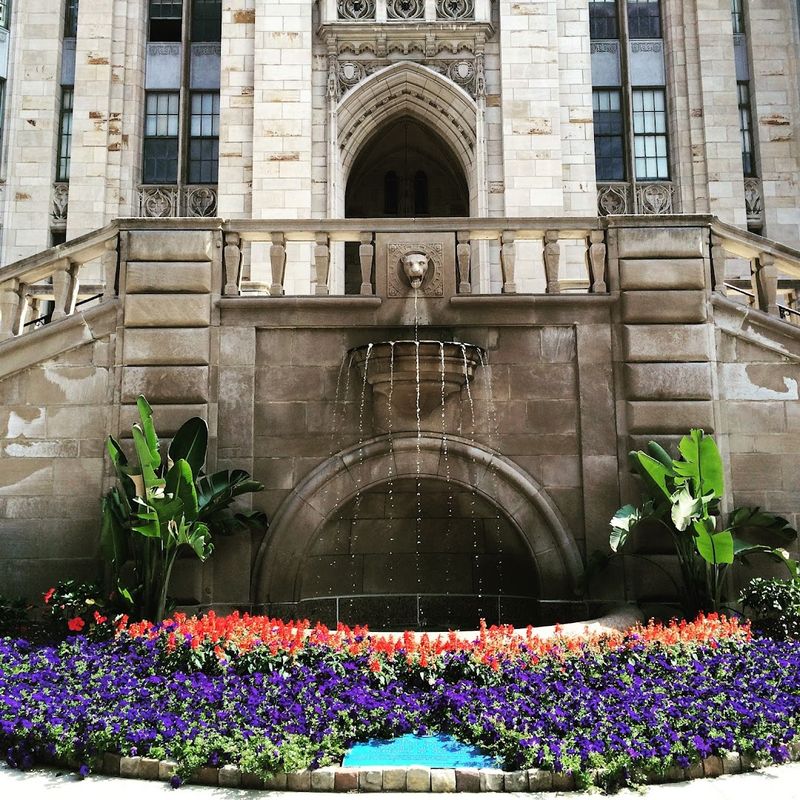
Decades after its dedication in 1937, the Cathedral of Learning continues to draw visitors from across the country and around the world.
Its appeal has not dimmed with age; if anything, the building feels more impressive now that modern architecture has largely moved away from the kind of ambitious ornamentation it represents.
The combination of record-breaking height, Gothic craftsmanship, living cultural classrooms, and panoramic city views creates an experience that is genuinely difficult to replicate anywhere else.
It rewards repeat visits because there is always something new to notice, a carved detail you missed before, a Nationality Room that was closed on your last trip, or a new perspective from a different floor.
For a city like Pittsburgh, which already punches well above its weight in terms of cultural offerings, the Cathedral of Learning stands as a crown achievement. Ohio travelers, Pennsylvania locals, and international tourists alike leave with the same reaction: they cannot wait to come back.