
This Free Central Illinois Museum Showcases Giant Fossils And 300-Million-Year Mysteries
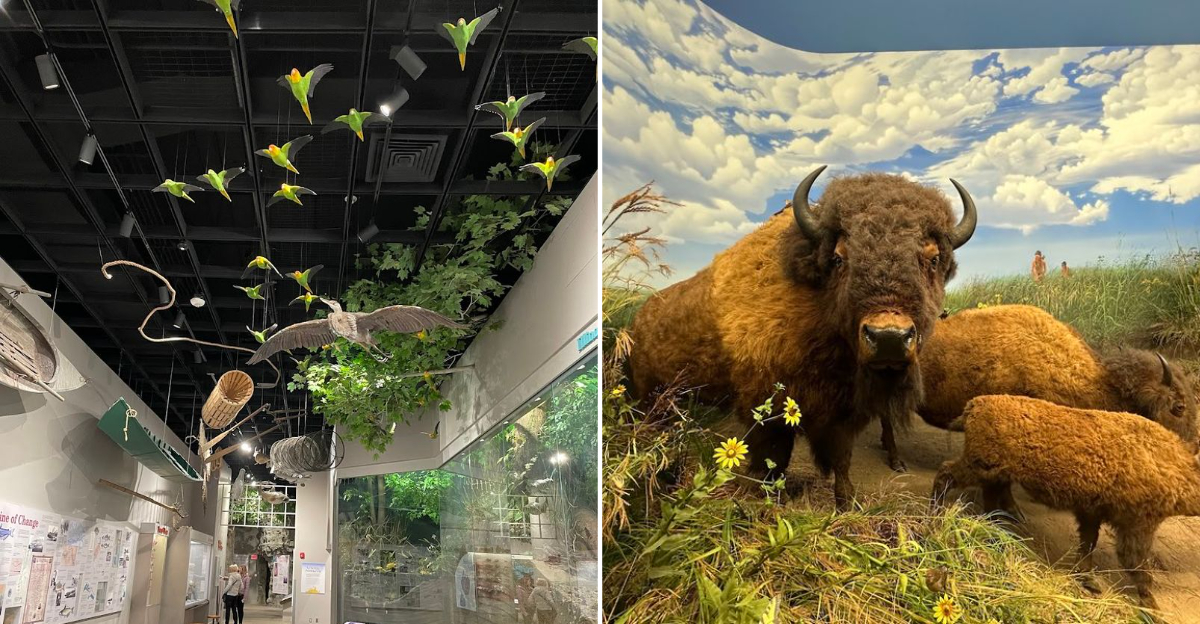
A full-size mastodon towering just a few feet away tends to grab your attention fast, and that’s only the beginning.
In the heart of Springfield, Illinois, this spot unfolds like a quiet time machine, where prehistoric giants fill the halls, ancient cultures speak through carefully preserved artifacts, and the story of the land reveals itself layer by layer.
I walked in not knowing what to expect and got pulled in almost immediately. Within minutes, it felt like stepping through hundreds of millions of years of natural history, human life, and creative work, all gathered under one roof.
One moment you’re eye level with Ice Age creatures, the next you’re exploring glacial landscapes or watching kids dive into hands-on science exhibits. It’s the kind of place that keeps surprising you the longer you stay.
Admission Is Completely Free

I walked up to the Illinois State Museum not really sure what to expect, honestly bracing for a ticket counter and a list of prices.
Instead, the front desk staff just smiled and waved me straight in, no wallet required. Free admission isn’t some limited-time perk here either.
The museum is open to the public at no cost every single day it operates.
Hours run Monday through Saturday from 9 AM to 4:30 PM, and Sundays from 12 PM to 4:30 PM, which makes it incredibly easy to fit into almost any schedule.
It’s the kind of place where you can visit once, head home, start thinking of all the things you didn’t get to, and come back again the next week without even thinking about the cost.
On weekends, you can also find free parking nearby, which just adds to the appeal. If you’re trying to plan something fun without spending much, it’s hard to beat a place that offers this much to see and do for absolutely nothing.
It really does feel like one of those rare finds you end up telling everyone about. You’ll find it at 502 S Spring St, Springfield, IL 62706.
Massive Fossil Displays
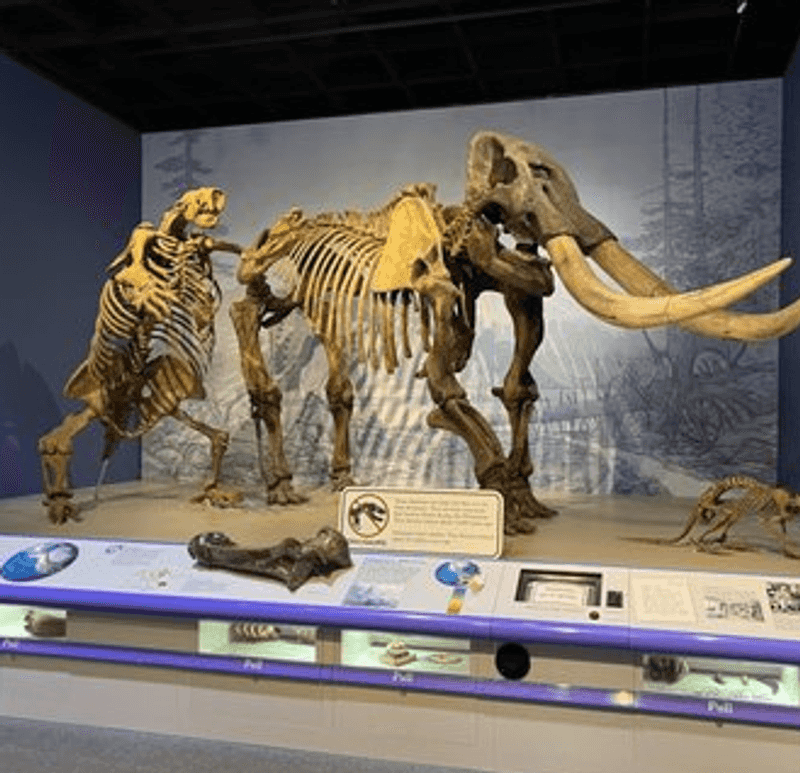
Nothing quite prepares you for the sheer size of the fossil specimens on the main floor of the Illinois State Museum.
I turned a corner and suddenly found myself eye level with bones that belonged to creatures far larger than anything alive in Illinois today. The natural history collection centers on animals that roamed this region thousands to millions of years ago.
Mastodons are the undisputed stars of the fossil floor. Their skeletal frames are enormous, and standing beside one gives you an immediate sense of just how wild and large-scale prehistoric Illinois really was.
The exhibit labels are written clearly enough for kids to follow but detailed enough to satisfy curious adults.
Beyond mastodons, the fossil collection includes marine creatures and ancient plant life that reflect the dramatically different environment Illinois once had. Each display builds on the last, creating a timeline that makes the deep past feel surprisingly close and genuinely fascinating to explore at your own pace.
300-Million-Year-Old Geological Secrets On Display
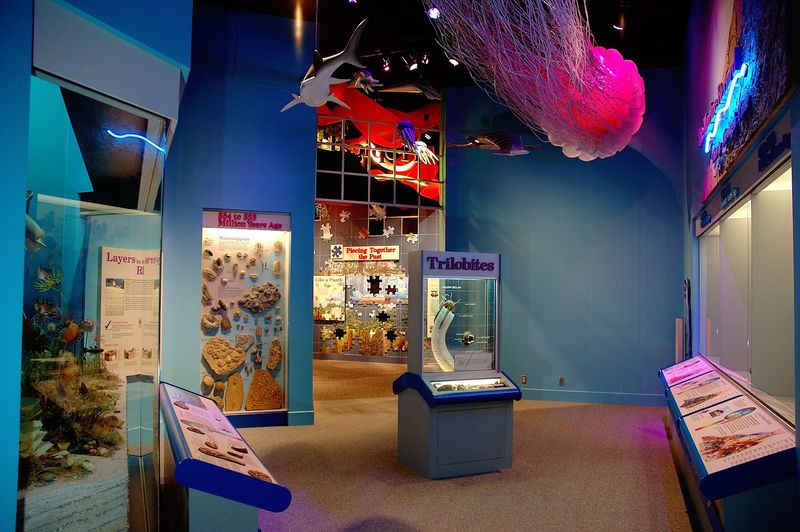
Three hundred million years is a number that sounds impossibly large until you are standing in front of physical evidence of it. The Illinois State Museum does something clever with geology.
Rather than presenting dry rock samples behind glass, the exhibits walk you through the environmental story of the land beneath your feet.
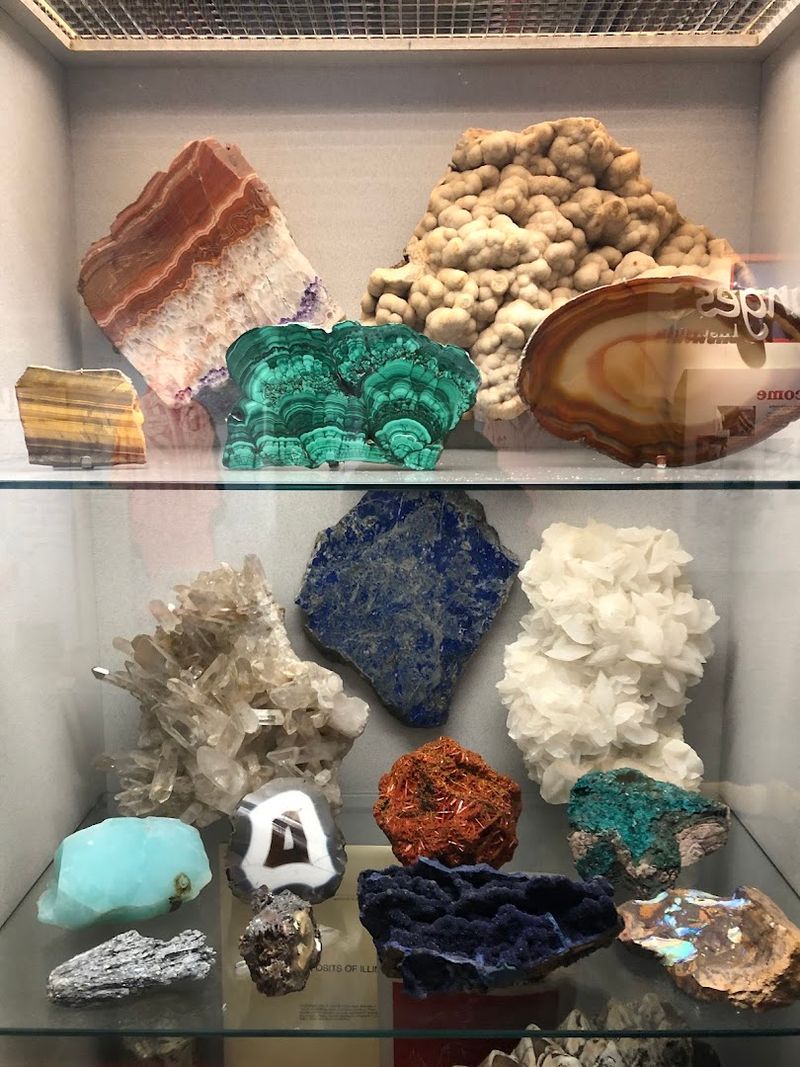
Illinois was once covered by shallow tropical seas, then swampy forests, then glaciers. Each of those eras left behind distinct geological fingerprints, and the museum displays them in a way that actually makes sense to a non-scientist.
I found myself genuinely surprised by how dramatically this region has changed over deep time. The coal-age forests that existed here around 300 million years ago produced some of the most significant fossil plant records in North America.
The museum highlights this with specimens and illustrated reconstructions that help visitors picture a world of giant ferns and prehistoric insects. It transforms abstract geological time into something you can almost touch and feel.
The Natural History Floor
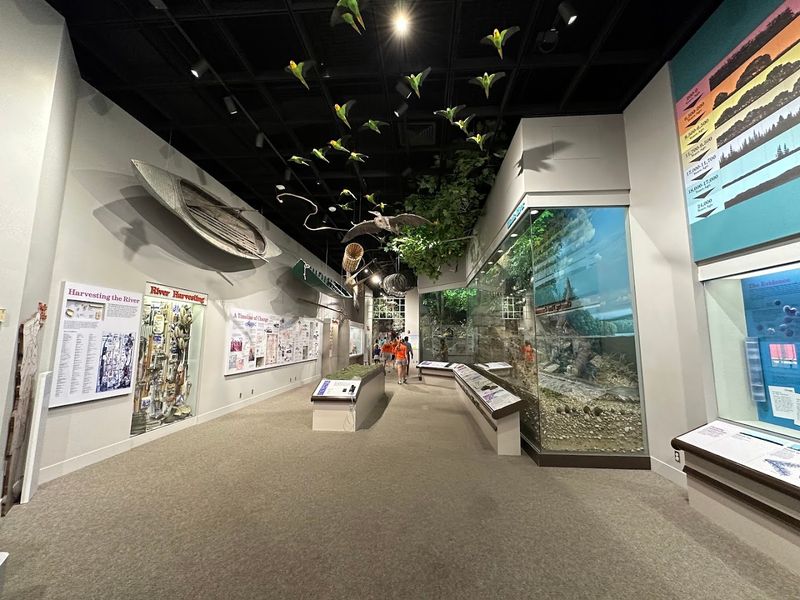
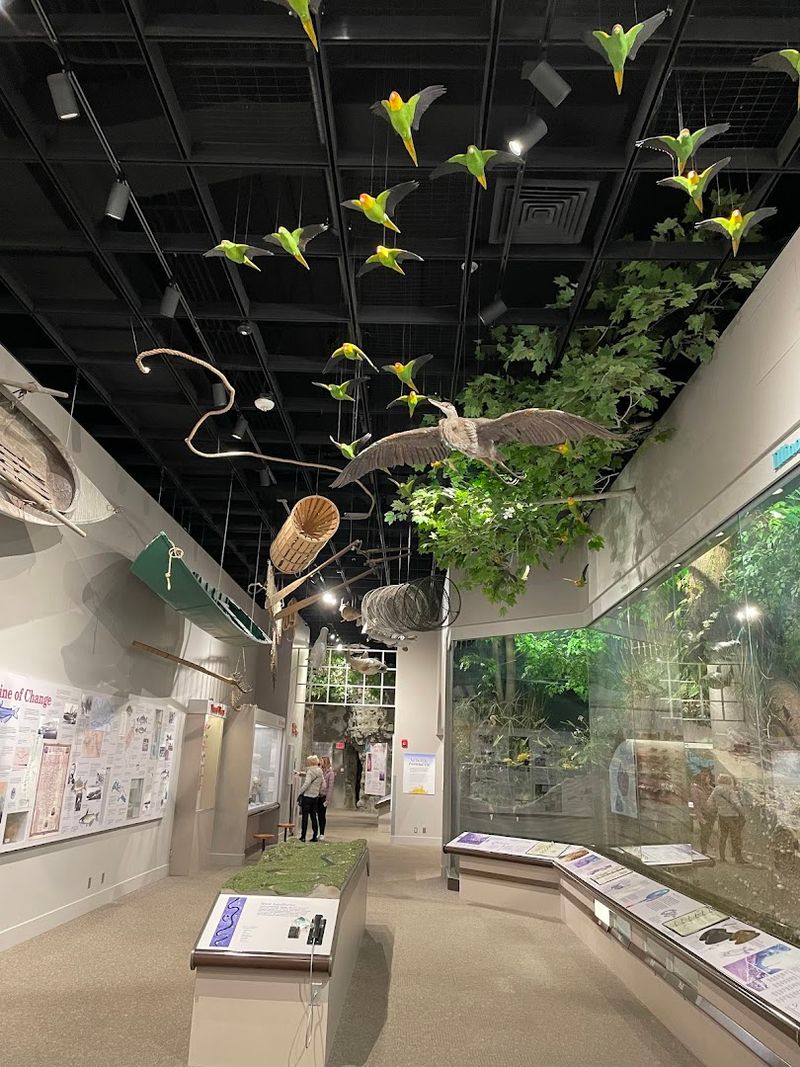
Science lovers, this floor was made for you. The main level of the Illinois State Museum covers ecology, geology, paleontology, and zoology in a layout that flows naturally from one topic to the next.
You never feel like you have jumped subjects without context, because the exhibits are thoughtfully connected.
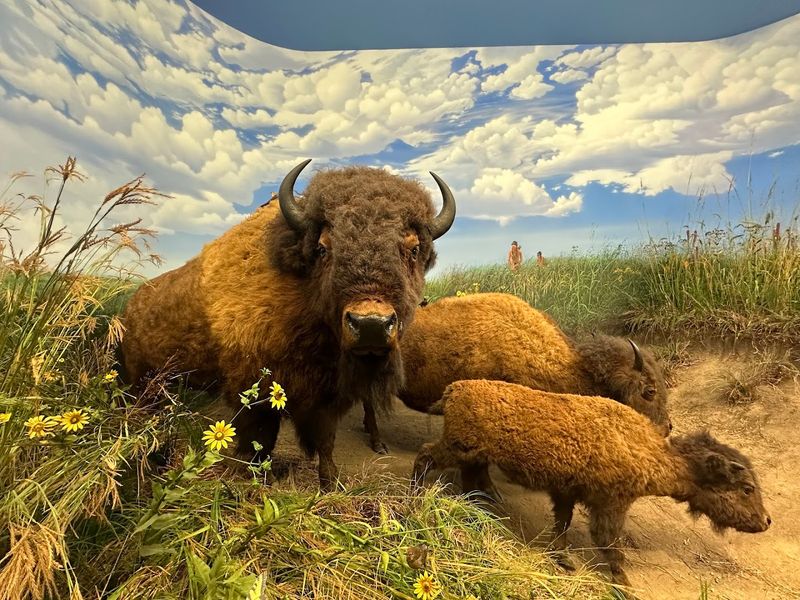
Taxidermied animals representing Illinois wildlife are positioned in realistic habitat recreations. Deer, birds, and other native species appear alongside information about their ecosystems, behaviors, and conservation status.
Two extinct animal taxidermy specimens also appear here, which is a genuinely rare thing to encounter in a regional museum.
There are also audible video stations where you can watch and listen to educational content about specific topics.
These are especially useful if you prefer absorbing information through multiple formats. I spent well over an hour on this floor alone and still felt like I had more to see.
The pacing of the exhibits rewards curiosity rather than rushing visitors toward the exit.
Indigenous Culture And Beadwork Portraits
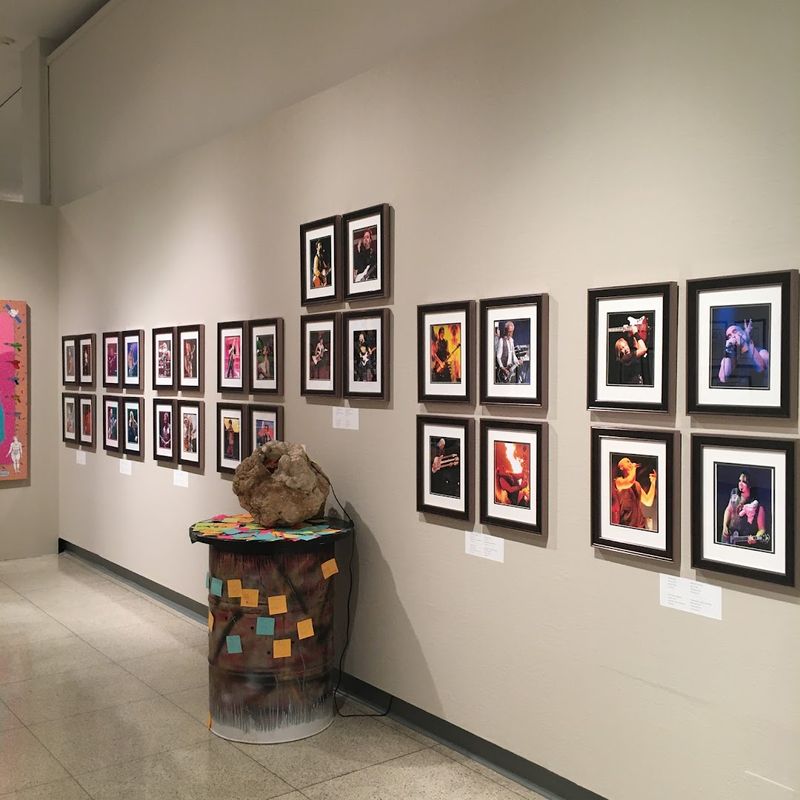
The second floor of the Illinois State Museum holds some of the most visually striking exhibits in the entire building. One gallery may feature exhibitions such as indigenous beadwork and regalia portraits, presented with cultural context that helps visitors understand the traditions and craftsmanship behind each piece.
Illinois has a deep and layered Native American history that stretches back thousands of years. The museum treats this history with care, presenting artifacts and imagery in a way that honors the communities they come from rather than simply putting objects on display without explanation.
The art gallery on the upper floor also rotates exhibitions, so there is always something new to see on return visits. Historical furniture, clothing, and household items from different eras of Illinois settlement round out the floor with a tangible sense of everyday life across the centuries.
Miniature room displays show what homes looked like in past decades, offering a quietly nostalgic window into domestic history that many visitors find unexpectedly moving.
A Kids’ Play Area
Museum basements are sometimes an afterthought, but the lower level at the Illinois State Museum clearly had children in mind from the very beginning. The kids’ area includes interactive displays, a book nook for quiet reading, and a hands-on fossil play area focused on mastodon excavation that little ones are drawn to.
What makes this space work so well is that the play is tied to actual learning. Children are not just running around, they are engaging with concepts related to natural history, science, and exploration.
Toys from different historical decades appear here too, giving kids a hands-on sense of how playtime has changed over generations.
Parents get a moment to breathe while kids explore, and the space is manageable enough that you never feel like you have lost track of anyone.
I watched several families wrap up their visit here, with children clearly energized rather than exhausted. It is the kind of ending to a museum trip that makes everyone want to come back again soon.
History Exhibits That Span Centuries Of Illinois Life
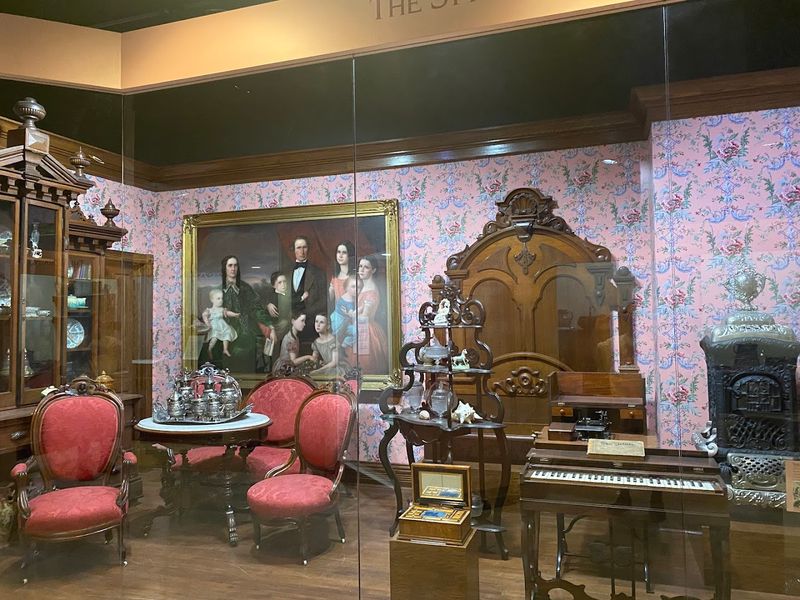
History fans will find plenty to slow down for on the upper floors of the Illinois State Museum. The exhibits cover Illinois life across multiple centuries, from early settlement and pioneer culture all the way through the mid-twentieth century.
Each era gets its own dedicated display space with artifacts that feel genuinely selected rather than randomly gathered.
Antique furniture, vintage clothing, and everyday household objects from past generations fill the galleries with a specific kind of quiet detail.
There is something almost meditative about looking at a hand-stitched quilt or a cast iron stove and thinking about the person who used it daily. The museum connects those objects to real historical context so they mean something beyond their age.
A particularly popular section features items from the Gen X and Baby Boomer eras, with toys, appliances, and pop culture artifacts that trigger instant recognition for visitors who grew up in those decades.
Younger visitors find it equally fascinating, viewing it as a window into how recent history actually looked and felt in practice.
The Gift Shop
Museum gift shops can be hit or miss, but the one at the Illinois State Museum earns a genuine look before you leave. The selection leans toward educational and locally made items rather than generic tourist merchandise, which immediately sets it apart from the usual souvenir experience.
Local artists have their work represented here, which is a thoughtful touch that supports the creative community of Springfield and the surrounding region.
You can find nature-themed books, science kits for kids, Illinois-specific keepsakes, and small handcrafted pieces at a range of price points that do not feel exploitative.
I picked up a field guide to Illinois geology that I have actually used since the visit, which says something about the quality of the selection.
The gift shop is compact but well-curated, and it rewards slow browsing. If you are visiting with children, budget a few extra minutes here because they will want to look at everything, and a few items will absolutely catch their eye in the best way.
Friendly And Knowledgeable Staff
One thing that consistently stood out during my visit was how approachable the staff were at every level of the building.
From the front desk team who greeted me without making me feel rushed, to the floor staff who offered context about exhibits without being overbearing, the human element of this museum is genuinely strong.
Good museum staff make a real difference in how much a visitor absorbs. When someone can point you toward a display you might have missed or explain the significance of a specific artifact in plain language, the experience deepens considerably.
That happened to me multiple times during my visit here.
The museum primarily offers a self-guided experience, with staff available to answer questions and provide additional context. For families visiting with curious kids who ask rapid-fire questions, having staff nearby who enjoy answering those questions is not a small thing.
It genuinely shapes the whole visit.
A Cultural And Artistic Hub Worth Returning To
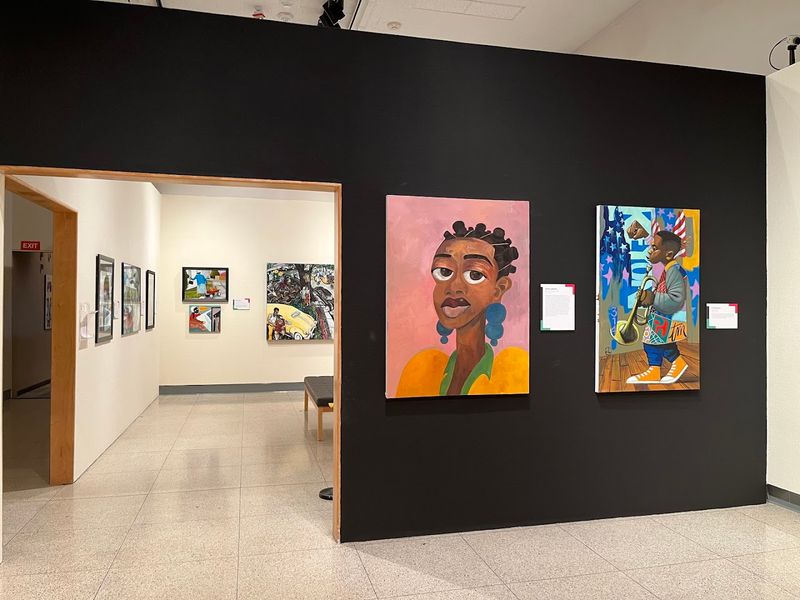
The Illinois State Museum is not a one-and-done kind of place. The rotating art exhibitions on the upper floor ensure that return visits always offer something fresh.
Illinois artists and cultural themes drive the programming, giving the gallery a regional identity that feels specific rather than generic.
Anthropology and cultural history intersect throughout the building in ways that reward visitors who take their time.
The museum covers the full arc of human presence in Illinois, from ancient indigenous communities through waves of immigration and settlement, presenting each chapter with equal attention and care.
You can reach the museum by phone at +1 217-782-7386 or explore upcoming exhibitions online before planning your visit. Knowing what temporary exhibits are on display helps you prioritize your time, especially if you have a specific interest in art, archaeology, or natural science.
After spending a full afternoon here, I left with the clear sense that I had only scratched the surface of what this place has to offer Springfield and the wider region.