
This Free Zoo Lets You See Lions, Gorillas, And Penguins Against One Of Illinois’ Best Skylines
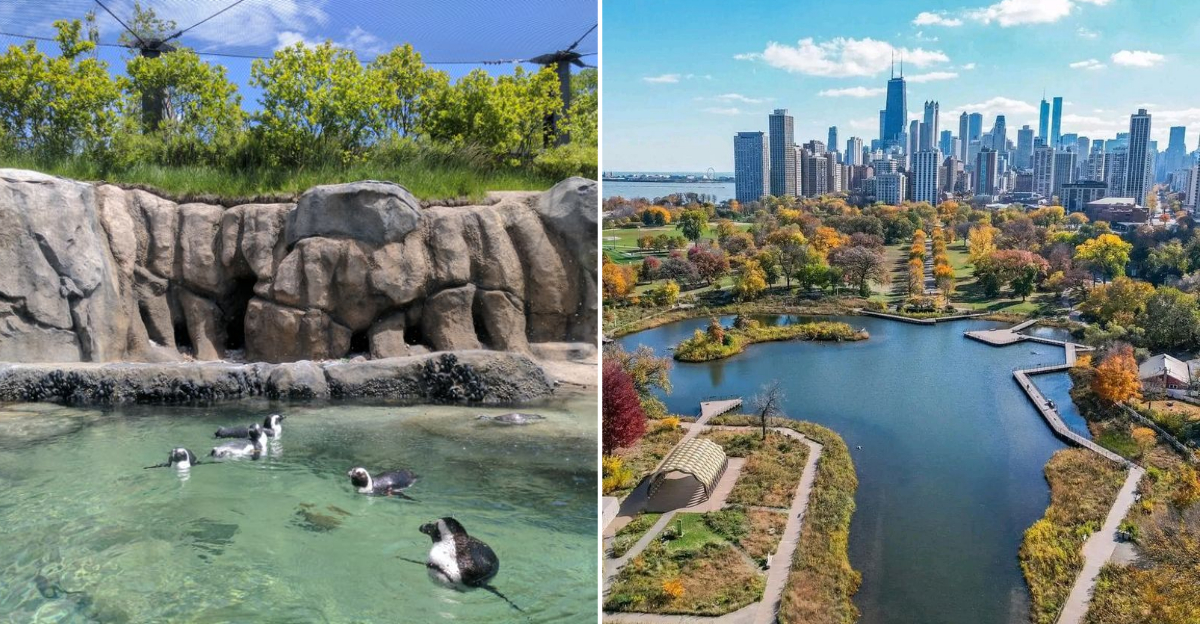
Picture yourself walking through a leafy park where a lion’s roar rolls across the grass and blends with the distant hum of traffic, while glassy towers gather on the horizon like stage scenery. In Illinois, this rare pairing of wildlife and skyline feels almost cinematic, yet completely unforced.
Paths curve past habitats alive with motion, a flash of black-and-white feathers in the water, the slow authority of a silverback, the heavy calm of a grazing giant. Then the landscape opens, and a pond catches the city’s reflection in a shimmer of light and wind.
There’s space to linger, benches that invite stillness, and long sightlines that reward patience. Curiosity carries the day at its own pace, with each turn offering a fresh contrast between nature’s rhythms and Chicago’s vertical pulse… all without an admission fee.
A Free Zoo With A Skyline View
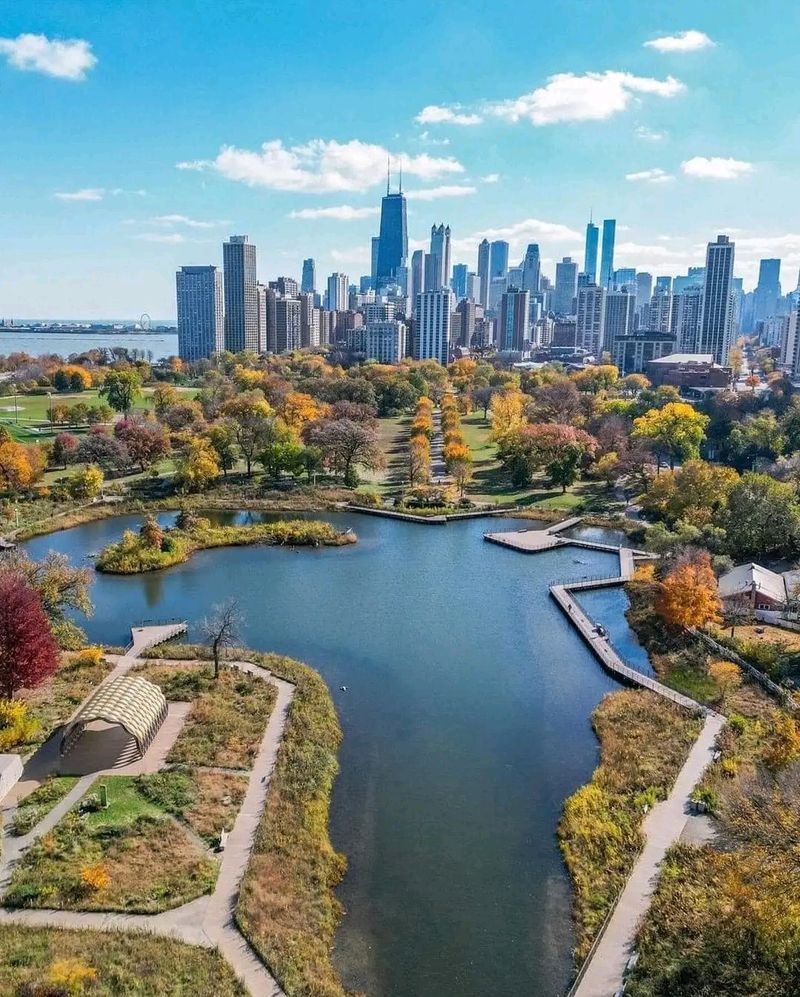
You notice the shift almost immediately. The air feels lighter under the trees, and the noise of the city softens into a distant murmur.
Kids dart ahead with that unfiltered excitement that only animals seem to spark, while above the treetops the skyline rises slowly into view, like it’s keeping a quiet watch over the park. The paths don’t rush you, but they do nudge you forward, curving past pockets of shade and sun.
There’s a familiar comfort in the first breath, a mix of earth, lake breeze, and the faint sweetness of concession snacks. Off to one side, still water holds a glassy reflection of the towers.
On the other, open lawns and welcoming buildings invite a slower pace. Even when it’s lively, it never feels crowded.
Somewhere in the distance, a lion’s call rolls across the grounds, low and steady. Arrive early if you can.
The light is softer, the animals more alert, and wandering feels unhurried, especially once you realize you’re inside Lincoln Park Zoo.
The Lions’ Roar And The Wind Off The Lake
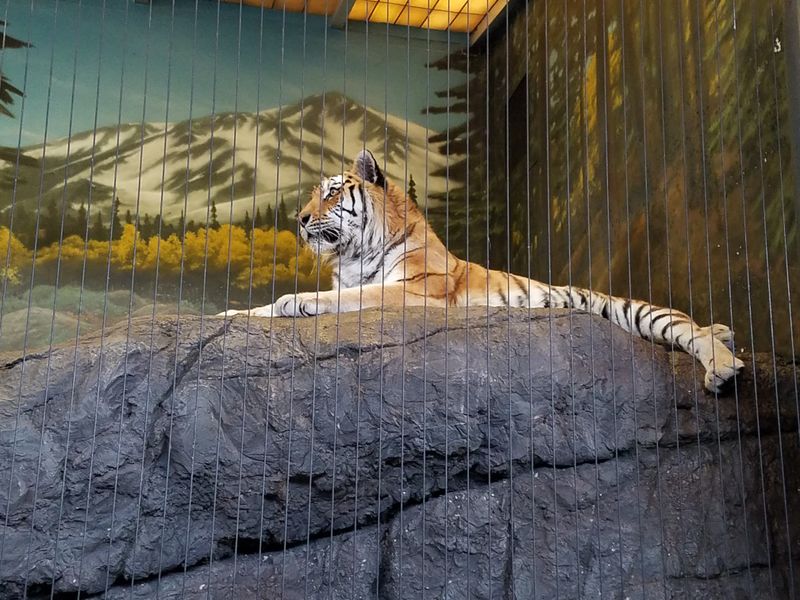
Follow the crowd’s hush to the lion habitat, and you might feel the air shift before you see them. The rocks hold afternoon heat while the cats stretch and blink with that slow, regal confidence.
When a lion stands, the space tightens, conversations drop, and every phone appears at once. You catch a rumble that seems to roll through your chest.
Add a whisper of Lake Michigan wind and you’ve got drama without a script.
The habitat is designed with levels and vantage points so you can look in without feeling like you’re peering over shoulders. You’ll appreciate the broad glass, sturdy railings, and pathways that gently guide movement.
Children press their noses to the clear panels, and you might catch a perfect profile shot. If it’s chilly, step into the nearby indoor viewing spaces for a closer, warmer look.
The balance of shade and sun matters on hot days too.
Patience pays off. Wait a minute longer and you may see a full yawn, a tail flick, or a quiet interaction that makes the whole crowd gasp.
Animal schedules can vary by season, so there are moments when they rest out of view. That’s the zoo’s rhythm speaking.
Gorillas, Chimpanzees, And The Slow Magic Of Watching Minds At Work
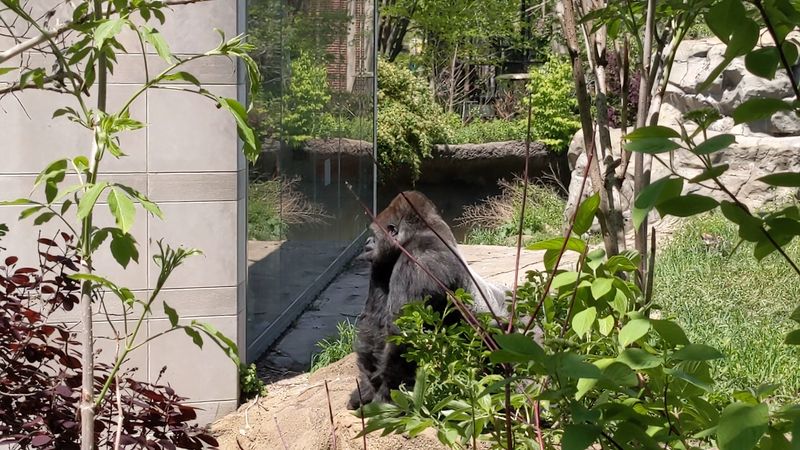
Inside the Regenstein Center for African Apes, sound softens and the pace changes. You watch gorillas hold court with unhurried grace, fingers exploring stems and leaves like tiny tools.
Chimps move with quick wit, eyes bright, scanning everything, including you. There’s humor here, along with a sense that you’ve walked into an ongoing conversation.
Seats near the glass invite you to linger without rushing.
The exhibits are layered with platforms, ropes, and climbing structures that keep the apes engaged. Signage lands well, clear without being preachy, pointing out social dynamics or individual quirks.
Conservation stories appear in small bites, so you learn while staying present. Students gather with notebooks, couples whisper theories, and a caretaker might offer a quick behavioral note.
It feels collaborative, like everyone’s piecing together a puzzle.
Stay a few extra minutes after a crowd moves on. A surprising gesture might unfold: a gentle chest beat, a shared snack, or a side glance that feels personal.
If the day is cold, this building is a warm refuge. If it’s hot, it’s a quiet break from the sun.
Either way, the best plan is simple: watch, breathe, repeat.
Penguins And The Joy Of Chill Spaces
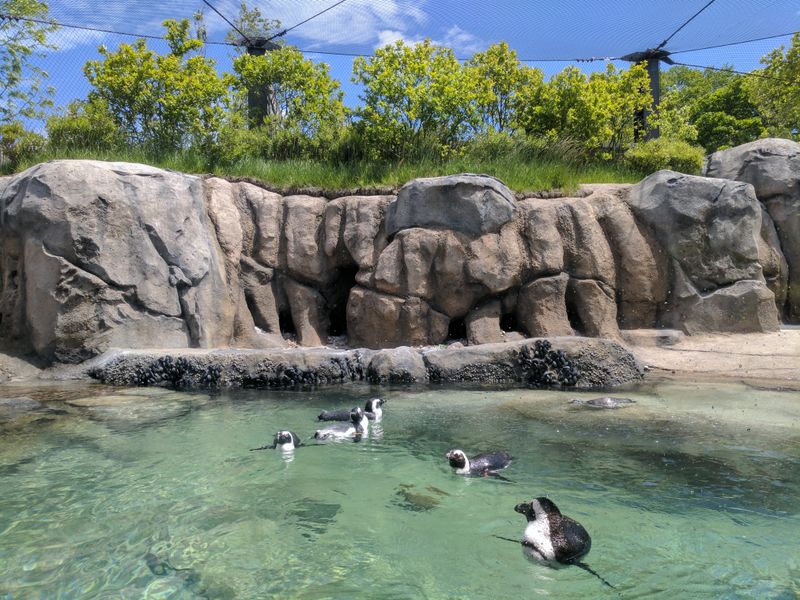
The penguin habitat is refreshment for the senses. Light brushes the rocks, water shimmers, and black-and-white torpedoes shoot past like they’ve discovered a private racetrack.
Kids squeal, adults laugh, and cameras fail to keep up with the speed. You feel the splash and energy of the water and welcome the burst of motion.
Stand long enough and you’ll learn each penguin has its own favorite launch pad.
Look for panels that explain how these birds navigate currents, find mates, and manage feathers built for speed. You’ll notice the air smells clean and lightly briny, with a soft hum from the filtration systems.
It’s an exhibit made for repeat passes because behavior changes minute to minute. If you catch a feeding, you’ll see teamwork at the glass and a playful dash for dinner.
It’s hard not to smile.
Timing helps. Midday can be crowded, so try earlier hours for a quicker view or embrace the excitement and settle in.
Accessibility is solid here, with level floors and good lines of sight for wheelchairs and strollers. In summer, the shaded viewing areas feel like a gift.
In winter, sheltered spots still make it easy to linger. Either way, the penguins deliver pure, uncomplicated joy.
African Journey
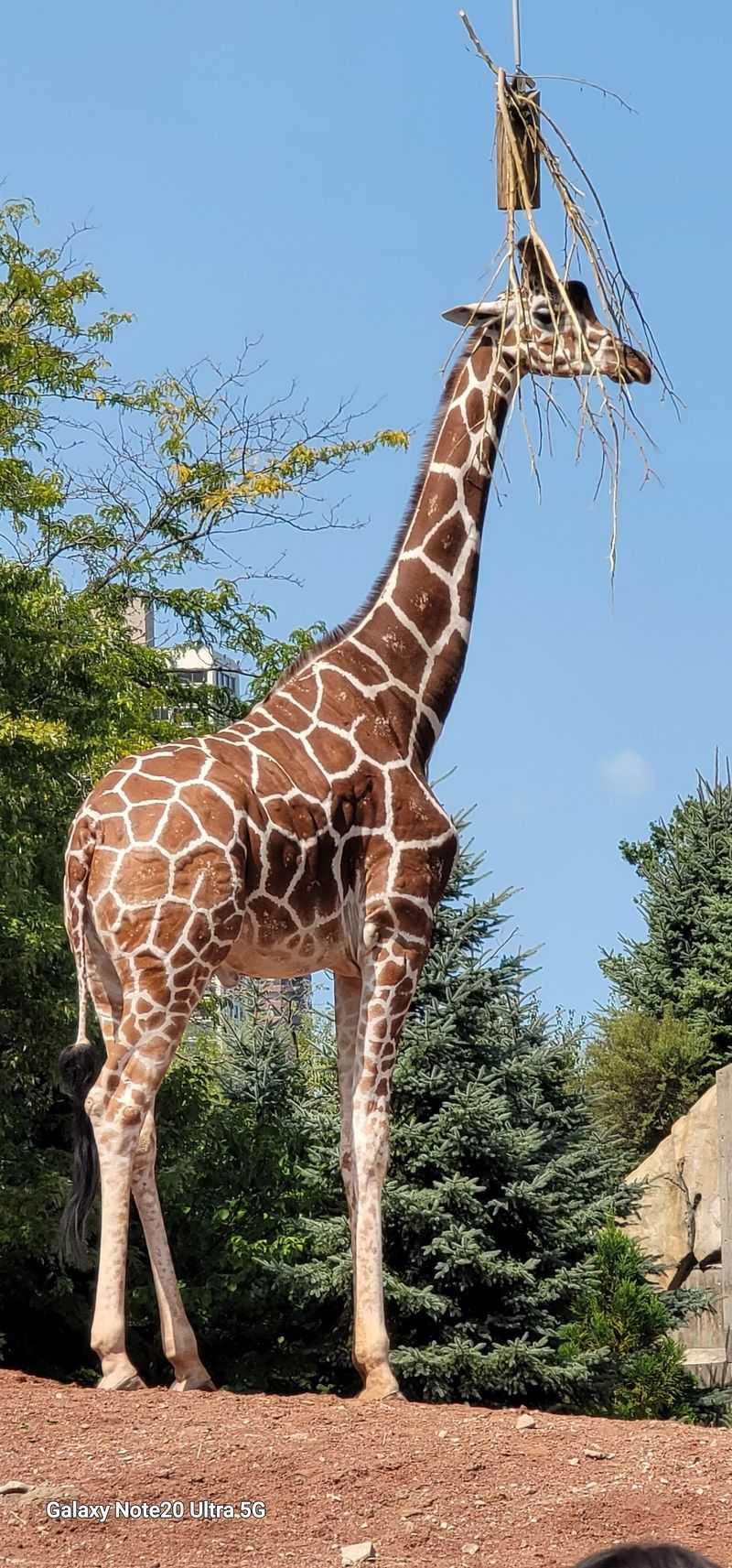
African Journey unfolds like a walking story, each turn revealing a new scene. You move from sandy tones and towering branches to quiet pools where fish slip by like living punctuation.
Rhinos lumber with certainty, big yet somehow gentle. Giraffes tilt their heads just enough to feel like a greeting.
The lighting is soft and steady, perfect for noticing small details in big animals.
It’s a space that respects your pace. Benches appear where you want them, and windows frame habitats at natural heights for kids and adults.
Signage shares just enough about adaptations and conservation. You learn that patience is rewarded here too.
One corner might be calm, while another feels like a surprise is brewing. The soundscape mixes soft steps, a distant call, and the rustle of leaves.
If a keeper talk is scheduled during your visit, it’s worth pausing. You’ll pick up daily rhythms without any jargon, and sometimes a close view of training sessions.
The path is accessible and stroller friendly, and restrooms are nearby. If an animal is off exhibit for care, a note usually explains why.
That transparency builds trust, and it makes every sighting feel earned.
Reptiles, Amphibians, And The Art Of Noticing
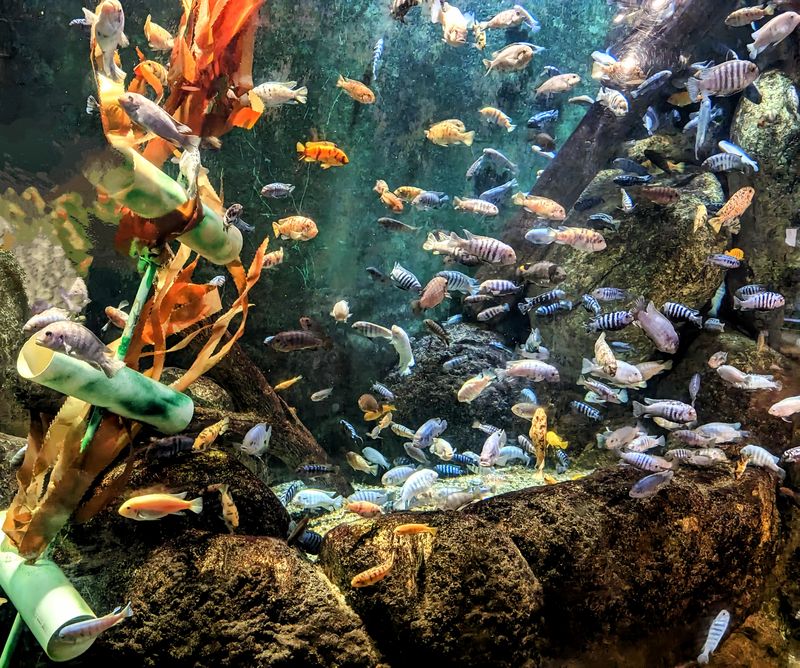
Slow down in the reptile and amphibian areas and your eyes sharpen. At first it’s branches and leaves, then a pattern resolves into a snake or a tiny frog barely bigger than a thumb.
Heat lamps throw warm pools of light. Water trickles in a steady hush that calms the brain.
You realize the thrill here is not big volume, but small revelations found by pausing.
The habitats feature careful textures and smart hiding spots, so you get that little spark when you finally spot the resident. The signage helps with maps, telling you where to look and what markings to notice.
You come away appreciating design as much as biology. Kids treat it like a treasure hunt and often win.
Adults soften into quiet observers and end up pointing like kids.
Some species shift between on-view and behind-the-scenes based on health and breeding. When a tank is empty, there’s usually a note with context.
That honesty makes the wins feel real. If crowds build, step back and return in a few minutes.
The payoff is better when your head is clear and unhurried. You leave with delight tucked behind your eyes.
Farm-In-The-City
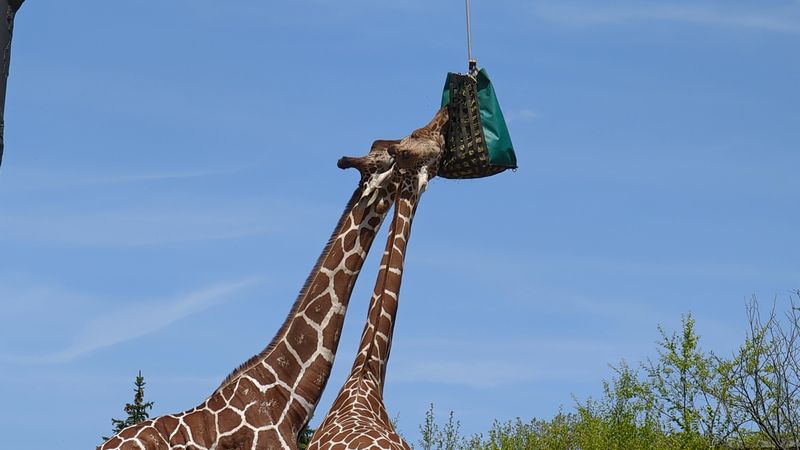
At Farm-in-the-Zoo, city life meets barn life in the most hands-on way. Kids meet goats up close, explore animal textures, and ask a hundred great questions.
You see gardens planted with care and interpretive signs written in a voice that feels friendly. The barn smells honest, like hay and sun-warmed wood.
It’s the kind of stop that briefly slows everything down, then flips a switch and fills everyone with energy again.
There are seasonal activities that change throughout the year. You might catch a keeper chat about animal care, or a moment where a kid’s face lights up at a soft muzzle.
The layout keeps strollers rolling and wheelchairs moving easily. Seating is generous, shade is thoughtful, and bathrooms sit close by.
It’s built to help families last longer.
Because the zoo is free, you can pop in just for this and not feel pressure to do it all. Donations support the programs, so give if you can.
Check hours, since the farm may follow slightly different schedules during colder months or special events. You’ll leave with dirt on tiny hands and big grins that last the rest of the day.
Where Wildlife Meets Architecture
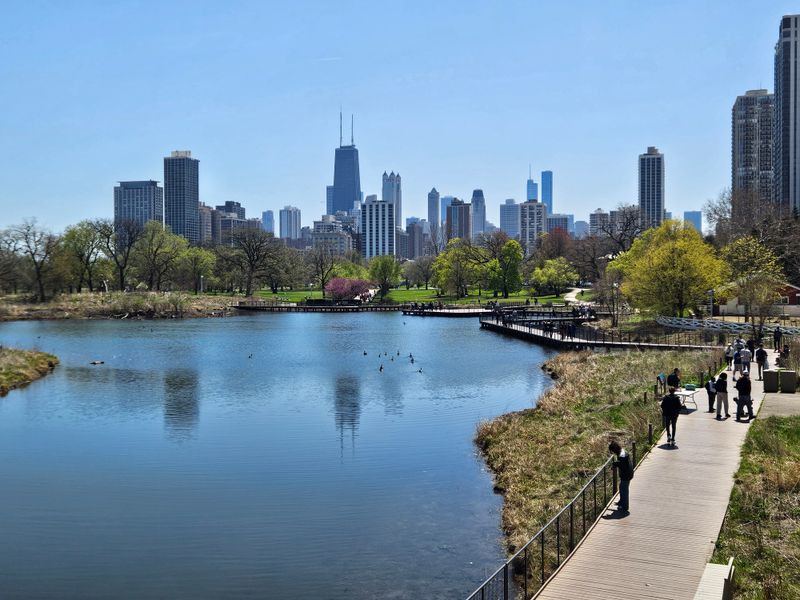
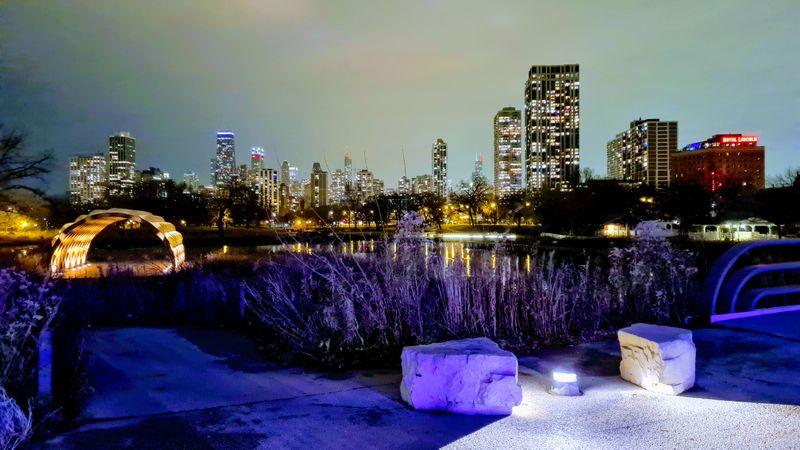
Walk a few steps beyond the exhibits and the city flips into a nature frame. The Nature Boardwalk curves around South Pond, native grasses swaying while turtles sunbathe on logs.
Dragonflies sketch the air. From the bridge, the skyline rises like a line drawing turned glossy.
You feel both tiny and centered, a perfect pause between animal encounters. Photographers love this spot, and so will you.
Benches sit along the trail, and interpretive panels share stories about urban ecology. You learn how these plants stabilize soil, feed pollinators, and welcome migrating birds.
The boardwalk is flat, wide, and friendly to wheels. Joggers pass with a wave, and families park strollers to soak in the view.
It’s a shared space that still finds quiet pockets.
Come in the morning for that crisp stillness or near sunset for warm light that turns everything cinematic. In winter, the view stays striking even when wildlife goes subtle.
In summer, the buzz of life is everywhere. It’s the place you think about later, the scene that lingers.
Pair it with a snack break, and suddenly your day has both crescendo and calm.
History With Personality
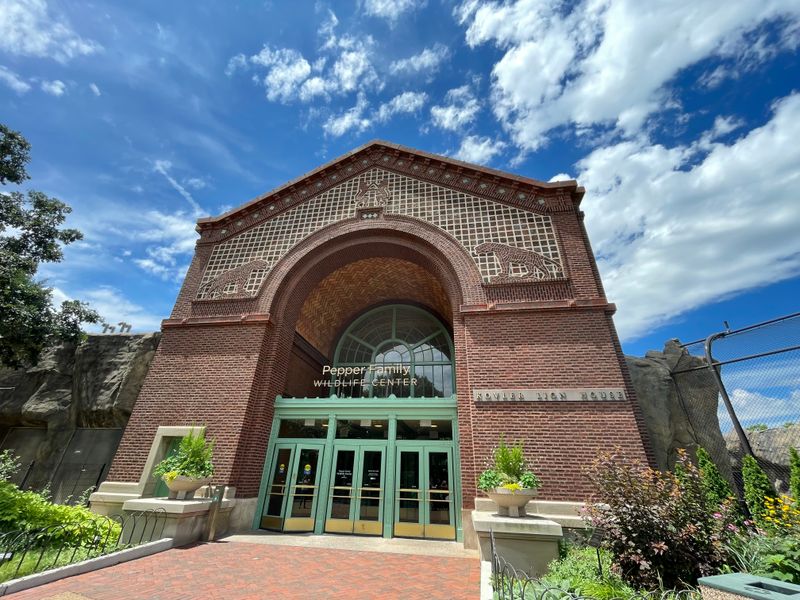
Lincoln Park Zoo’s story starts in 1868 with a gift of two pairs of swans, and the plot kept thickening from there. The park evolved as Chicago rebuilt and expanded, and the zoo followed with better habitats and stronger science.
Old postcards show tidy lawns and ironwork. Today’s version favors natural textures, more space, and research that underpins daily care.
You feel the continuity while seeing real change.
Look for plaques that nod to long-standing buildings and names that shaped the place. Conservation has grown from a theme to a core mission.
The zoo runs programs that study behavior, breeding, and wild populations, sharing results in language everyone can understand. It’s history that moves, not a dusty timeline.
Staff and volunteers carry that legacy with a friendly ease.
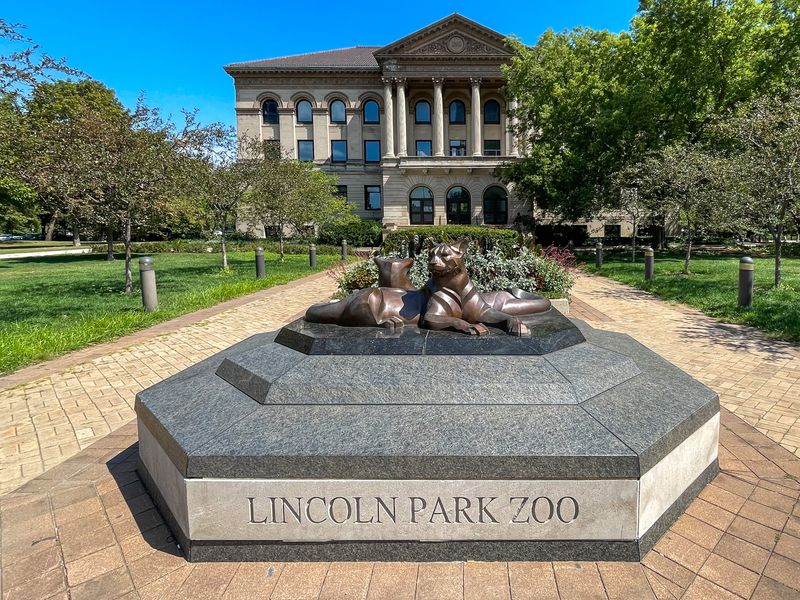
When you walk these paths, you’re sharing ground with generations. Families have been meeting at the lion statues and the bridge for decades.
People who came on field trips now bring their kids. Free admission has kept the gates open to every kind of visitor.
That tradition adds heart to every step, and you’ll feel it most when the sun glows over the skyline.
Seasonal Magic
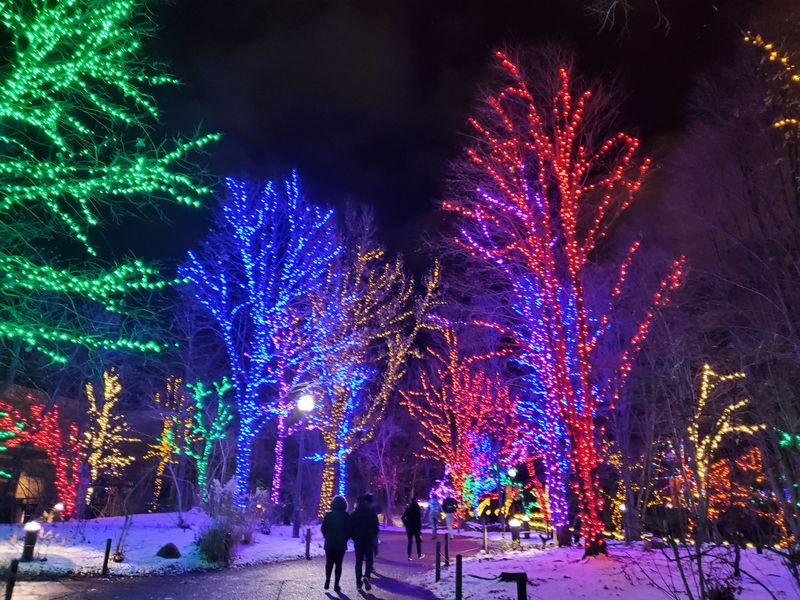
When winter hits, the zoo trades leaves for glitter. ZooLights wraps trees and pathways in a choreographed shimmer that people travel across town to see.
The line might look long, but it moves. Inside, you wander through tunnels of light, pause at glowing sculptures, and duck into warm buildings between outdoor displays.
The effect is part spectacle, part cozy tradition, and all charm.
Most nights require paid tickets with advance booking, while Free Admission Mondays (with registration) offer no-cost entry, so check the schedule before you head out. Arrive early for easier parking or take public transit to skip the hunt.
Cold nights can be the best ones because the air keeps everything crisp. Indoors, you’ll still find animals awake and curious.
Plan quick warm-up stops and you can last for hours.
Photography fans, bring patience and steady hands. The lights reward slow shutter moments, and the skyline plays supporting actor.
If the littles run out of steam, aim for a shorter loop and a promised hot treat. ZooLights changes displays from year to year, so even repeat visitors get fresh surprises.
It’s a Chicago winter staple that turns a dark season wonderfully bright.
Hours, Parking, And Accessibility
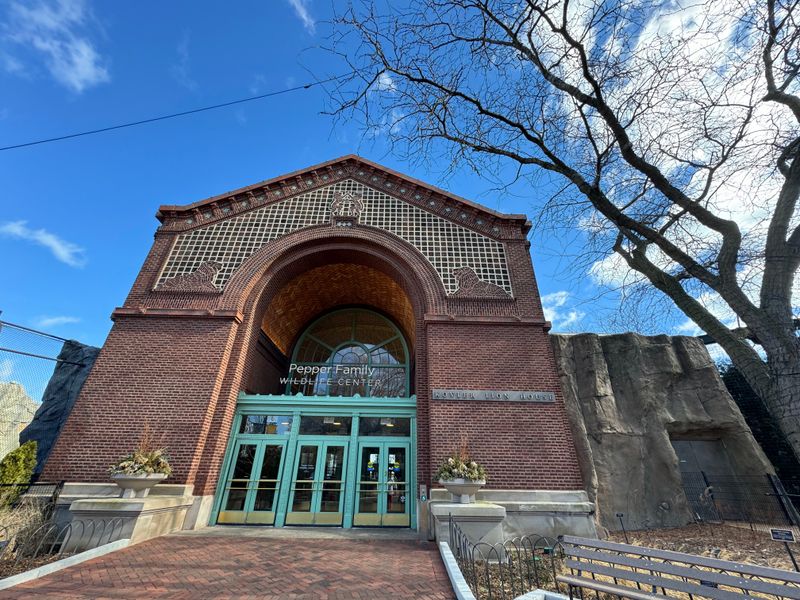
Plan on general hours around 10 AM to 5 PM, with seasonal variations, including earlier summer gate openings, and occasional early closures for special events. Admission is free, though special programs or events may have separate fees.
If you’re driving, street parking and nearby paid lots can fill fast on sunny weekends. Arrive early or consider transit and rideshares.
Bike racks help if you prefer pedals to parking meters.
The grounds are mostly flat with ramps and wide paths for wheelchairs and strollers. Family restrooms and changing stations are spread thoughtfully.
Indoor buildings become welcome temperature breaks year round. Keep snacks handy but remember zoo rules on food and respect for animals.
Water refill stations make it easy to stay hydrated during warm months.
Map out a gentle loop instead of bouncing around. Start with a headliner like lions or apes, then follow paths that naturally link habitats.
If someone in your group needs breaks, pepper in benches and indoor stops. On cold days, animals may be off view, and on hot days, midday can be quiet.
That’s part of the experience.
Food, Rest, And Little Recharges
Energy management is the secret to a great zoo day. Cafes and kiosks serve kid friendly eats, warm drinks in cold months, and cool treats in summer.
Seating appears where you need it most, shaded by trees or tucked along gentle paths. The vibe is casual and unhurried, perfect for regrouping.
You can bring reasonable snacks, just follow posted guidelines and keep wildlife safe.
Choose a table with a skyline glimpse for instant mood boost. If you prefer quiet, slip into a side courtyard or one of the indoor spaces where chatter softens.
Many visitors time meals to avoid the noon rush, which keeps lines shorter and patience higher. The zoo’s layout helps you stage short wins: eat, see a headliner, then rest again.
It stretches the fun.
Refill water often and watch the weather. Chicago can flip from breezy to brisk in a heartbeat.
A light layer helps in shady spots, and sunscreen pays off even on hazy days. If you need to regroup, hop over to the Nature Boardwalk for a ten minute reset.
You’ll return with fresh eyes and happier feet, ready for the next highlight.
One Perfect Route
Start at the gates with a quick glance at the map. Head to the lions while the morning is fresh.
Drift to the apes next, where quiet observation sets a thoughtful tone. From there, slide into penguins for a cool reset.
Late morning fits African Journey nicely, when the light is kind and crowds spread out. Pause for lunch with a skyline view, then let the Farm-in-the-Zoo recharge the kids.
After lunch, explore reptiles and amphibians at an easy pace. Swing by any must-sees you missed, then step onto the Nature Boardwalk for that postcard panorama.
If energy holds, circle back for a second look at your favorite habitat. Leave room for surprises like a keeper chat or a sudden active moment.
This plan respects feet and attention spans while still hitting the best beats.
If winter brings ZooLights, shift the route later, bundle up, and aim for indoor warm-ups between outdoor scenes. If summer turns steamy, front-load the day and reward yourselves with shady breaks.
Keep it flexible and listen to the rhythm of the animals. With free admission, you can return for round two whenever you like.
The zoo is generous that way.