
This Funky Michigan Art Village Looks Straight Out Of A Dream
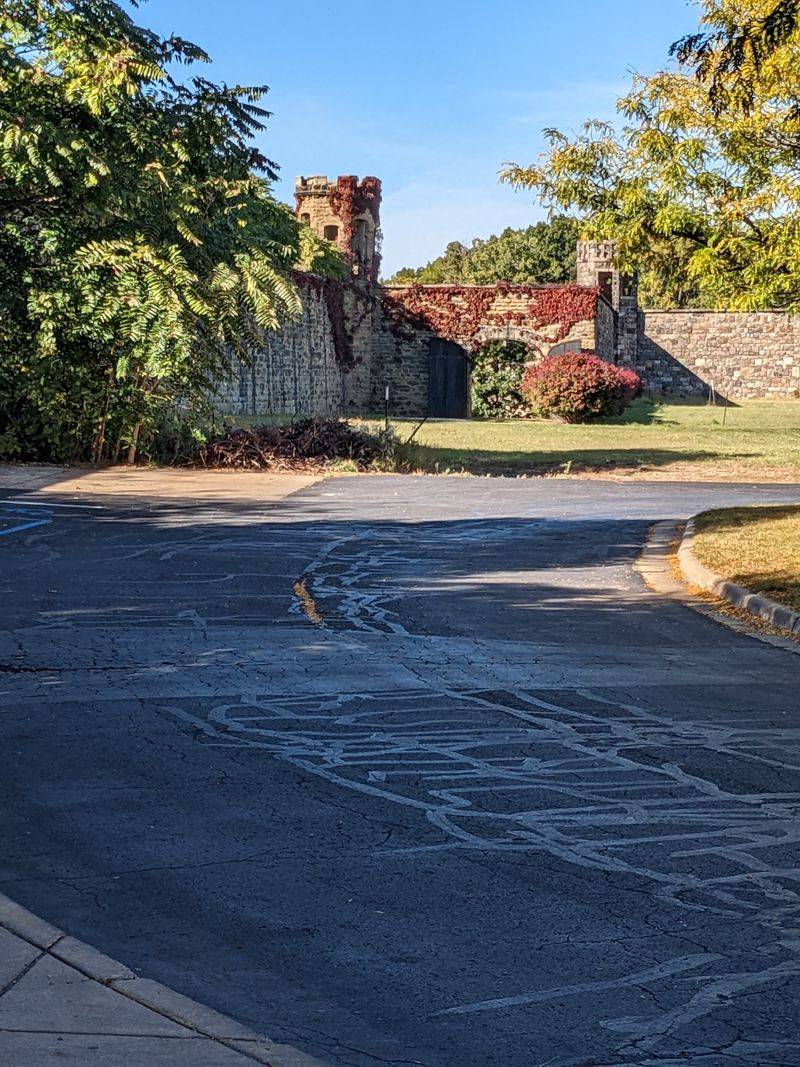
The sun-bleached bricks at 100 Armory Ct, Jackson, MI 49202 possess a stoic, heavy silence that hints at their incarcerated past, but crossing the threshold reveals a surprising, vibrant exhale.
Inside the Armory Arts Village, the air loses its cold, stony edge, replaced by the intoxicating perfume of fresh oil paints, sanded cedar, and the metallic tang of active welding torches. It is a surreal acoustic landscape where the ghostly, hollow echoes of a former state prison are now drowned out by the rhythmic chink-chink of chisels and the soft, creative chatter of resident artists.
This repurposed historic site is a premier cultural landmark for travelers exploring unique art galleries and fascinating architectural heritage in Michigan.
Walking through these corridors feels like watching a wound heal in real-time; where iron bars once stood, light now floods across canvases. It is a masterpiece of reinvention where the grit of Jackson’s history provides the backdrop for a modern creative revolution.
Reading The Walls: Brick, Light, And Echo
Start your journey by simply staring at the brick, because it is not a flat manufactured color, it is a blend of mineral and memory patched and repointed over decades. It carries soot tones that trap late afternoon light, and that surface makes the whole building feel like it is quietly still working.
West-facing windows are the secret, since they turn the walls honey-colored, then russet, then into a slow dusk that makes resident art look newly made every single evening. The shift is subtle but constant, and it rewards you for standing still instead of rushing through.
This site holds the weight of being Michigan’s first state prison, later serving as a National Guard armory before its final transformation into apartments and studios, and the conversion wisely did not erase rough edges. You’ll notice old steel lintels and thick thresholds that keep the past readable, without turning the place into a staged display.
Time your walk for sunset, because ten minutes of shifting color changes the entire personality of the hallway, and you start noticing details you would otherwise miss. Look up often, since the most hauntingly beautiful features tend to live well above eye level.
A Guided Past: Tours, Stories, And Straight Talk
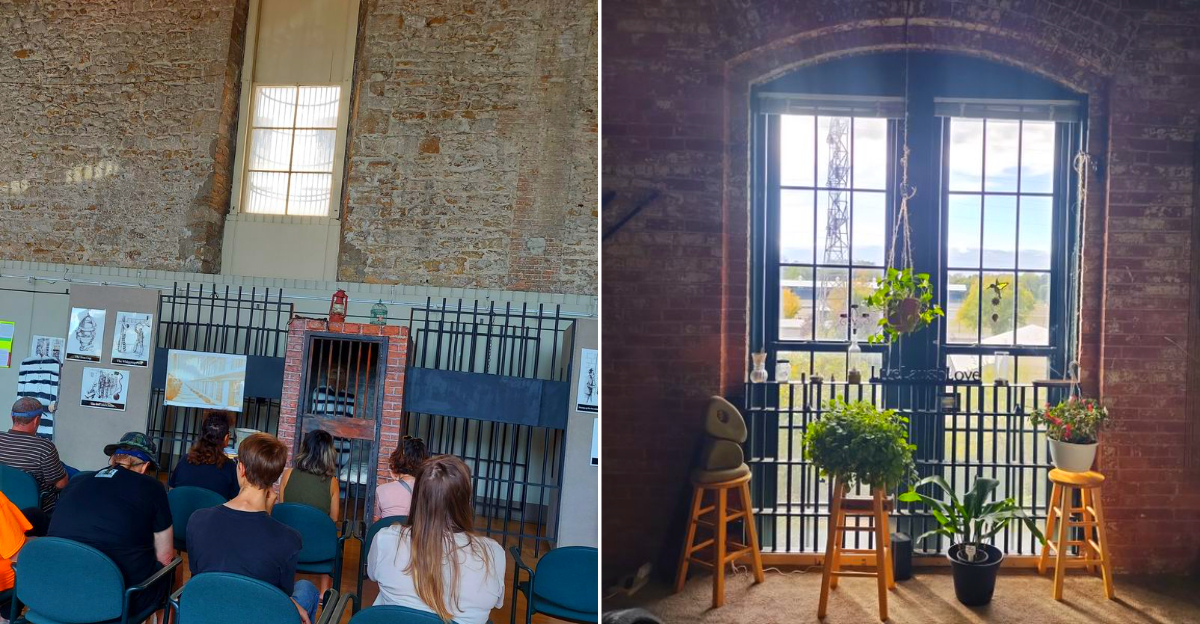
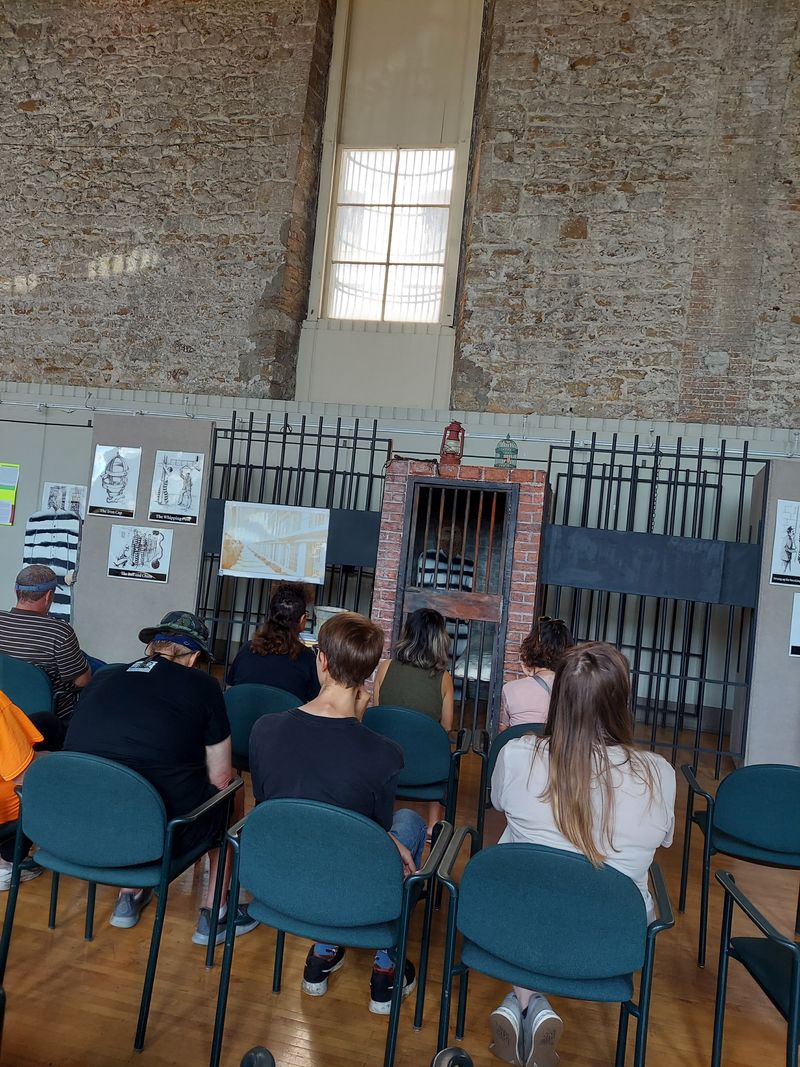
If you are lucky enough to catch a guided history talk, take it, because a knowledgeable host can thread the needle from the site’s 1837 beginnings to modern reuse with clarity. They layer facts with exact locations, so events land against physical brick rather than floating as abstract history.
The narrative is refreshingly frank about incarceration, labor, and reform, and that honesty sharpens your appreciation for the building’s peaceful state today. It is easier to feel the transformation when the hard parts are not softened or skipped.
Jackson once housed one of the nation’s largest prisons, a complex tied to discipline and manufacturing before drifting into its armory years, and the conversion kept the shell while changing the soul. Confirm tour times well in advance, because office hours can be limited and access depends on who is available.
Arrive early with a few questions ready, because specific dates and names anchor what you see in a way that wandering alone cannot match.
Loft Scale: Volume You Can Feel
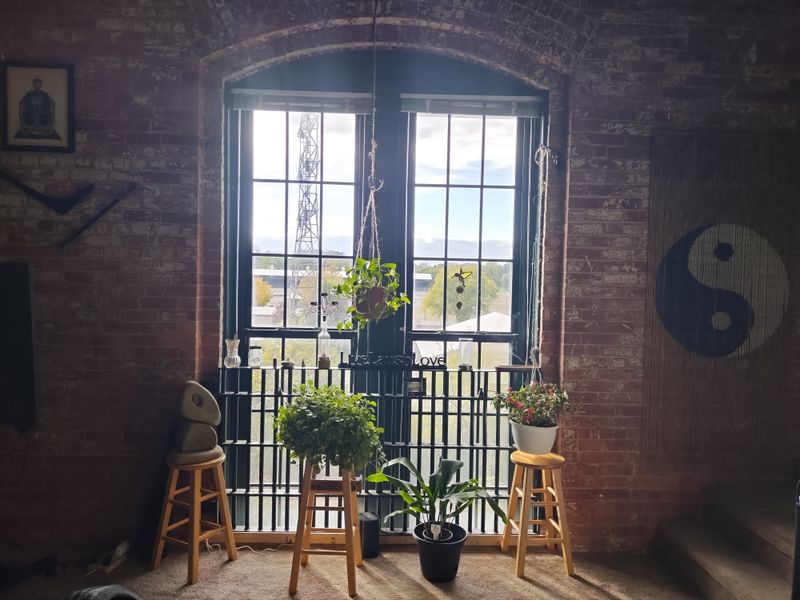
The proportions surprise first. Some units stack a mezzanine above a living room where a single brick wall climbs thirty feet. Windows face west, big enough to divide the sky into panels.
The architecture encourages pauses, like a gallery that happens to hold a couch.
Originally carceral, the shell is now generous with height. That shift carries meaning: rooms for breath and work, not confinement. Neighbors talk through thin walls sometimes, but the acoustics mostly amplify soft life sounds.
Visitor tip: during open studio afternoons, stand near the stair rail and look down the volume. Light falls in slabs. It changes how you read paintings, and how you listen to footsteps.
Finding The Studios: Art In A Maze
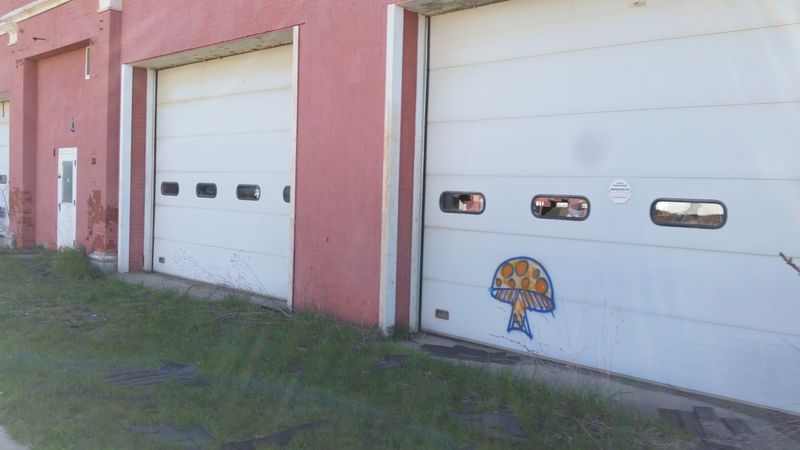
Hallways fold back on themselves like a small maze, and that is part of the charm. Doors might open onto storage, or a studio where someone is glazing a bowl. The mix is honest to residence life: not a curated museum, but working spaces with rhythms.
The building’s layout reflects layered construction stages. You can sense old securings in the turns, where lines kink slightly. Artists occupy some studios, others wait their turn, and the corridor art changes with time.
Logistics: check for posted open studio notices near the entrance. Weekday office hours are 9 to 3, and weekends are typically quiet. Be gentle with curiosity, and always ask before entering.
Soundtrack After Midnight: Train, River, Quiet
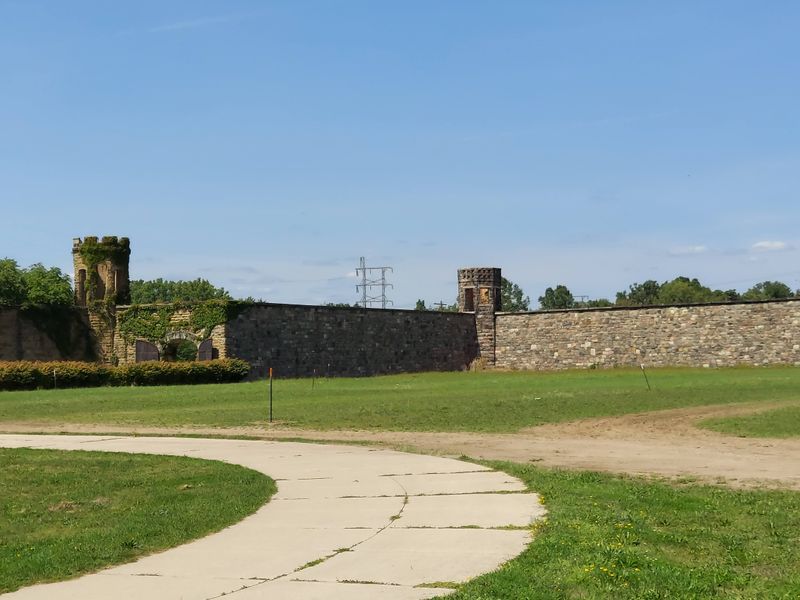
Night loosens the building’s grip. A single train passes slowly on the near tracks, metal whispering more than clanking. Beyond, the Grand River flattens moonlight, and the fairgrounds grandstand sits like a paper cutout.
The hush makes art on the walls feel brighter.
Historically, this site held a dense schedule of bodies, rules, and noise. Now the loudest thing might be a furnace, then the train’s hush. That reversal reads like a thesis for adaptive reuse.
Practical note: exterior corners are dark, so use a flashlight for photography. Long exposures catch the train blur. If you are sensitive to ambient noise, aim for an interior room away from the tracks.
Textures Underhand: Floors, Rails, Thresholds
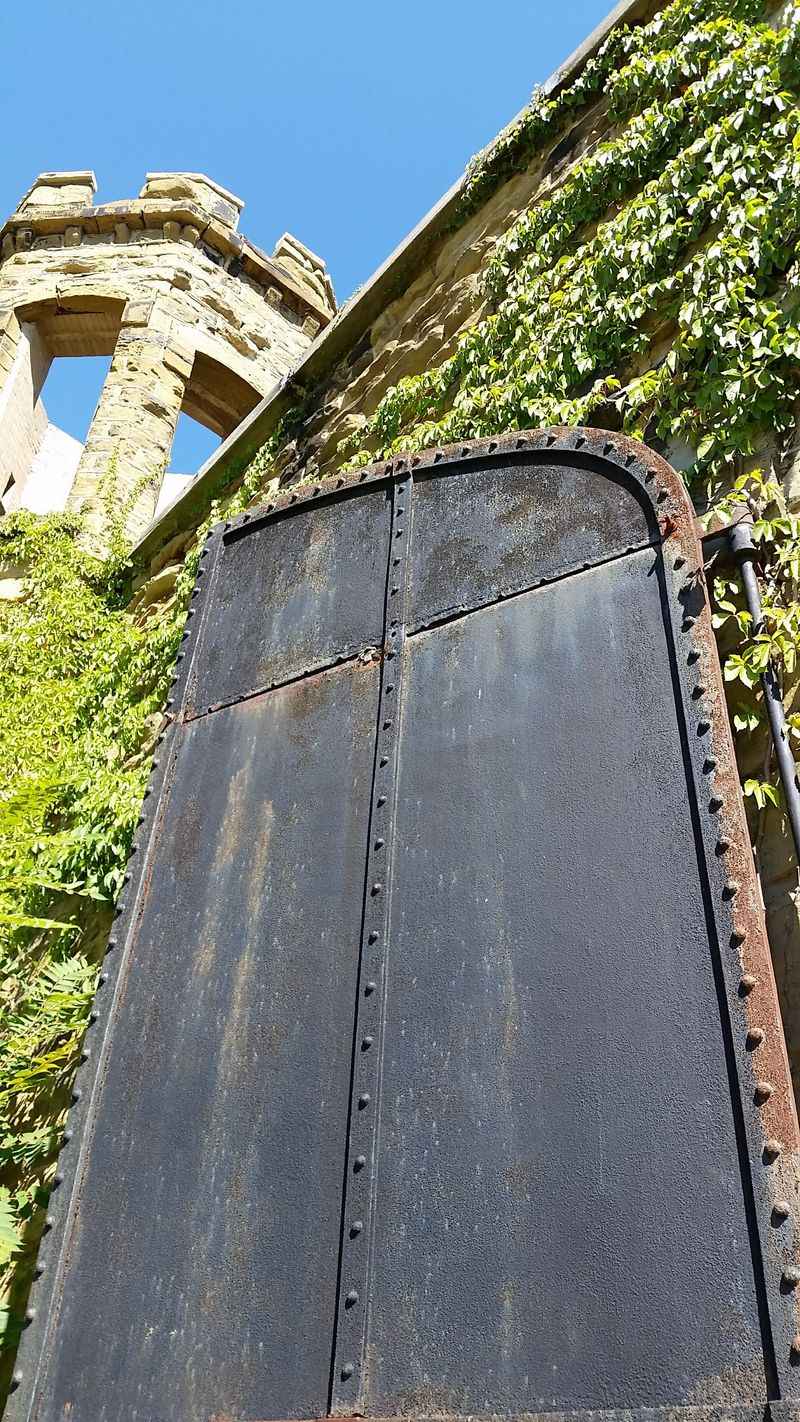
Your hands tell stories here. Railings feel slightly cool, with small paint ridges where years overlapped. Floor treads show arcs of traffic in their finish.
Even door thresholds hint at former checkpoints, now simply places where shoes scuff and neighbors wave hello.
The preservation is careful, not precious. Historic fabric remains readable, while safety codes guide new elements. That handshake between eras keeps the building legible without turning it into a set piece.
Visitor habit to try: slow down on the stairs and count the different materials underfoot. Photograph textures instead of rooms for a while. Later, those close views reconstruct the place more honestly than wide shots do.
Seasonal Light Tricks
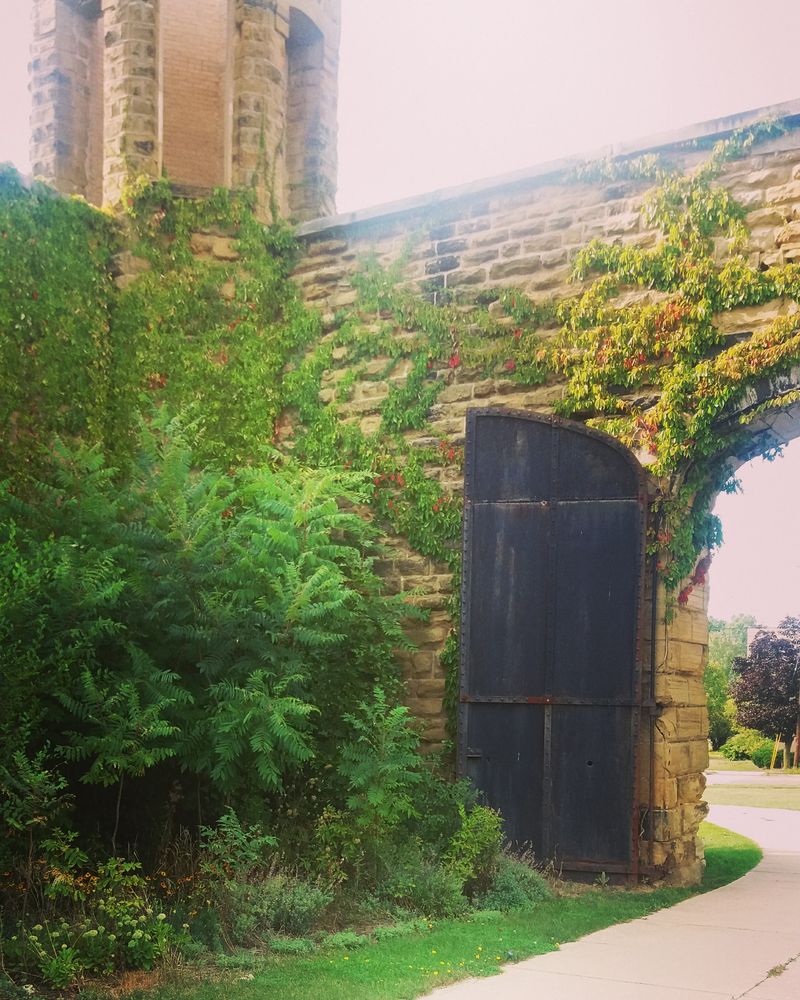
The Armory Arts Village functions like a brick-and-mortar calendar, because each season edits the light and the mood without changing the architecture. Winter pulls a stark blue into hallways that cools the brick, while spring brings reflections that stipple high ceilings when puddles catch the sun.
Summer sunsets stretch long amber bars across studio doors, and autumn throws rust-colored leaves against matching brick until the world seems to harmonize without trying. The building stays the same, yet your experience keeps shifting, which is why repeat visits never feel identical.
There is a local tradition of walking the grounds year-round, and you will see people circling the perimeter at lunch while checking the river and testing the air. Even closed doors seem more neighborly when the light hits them right, because color can soften the feeling of distance.
If you can, return in a different season and take the same photo from the same spot, because comparison teaches you more than any single perfect visit. A January corner and a July corner can look like different buildings, and that contrast reveals the living soul of the place.
History You Can Stand In
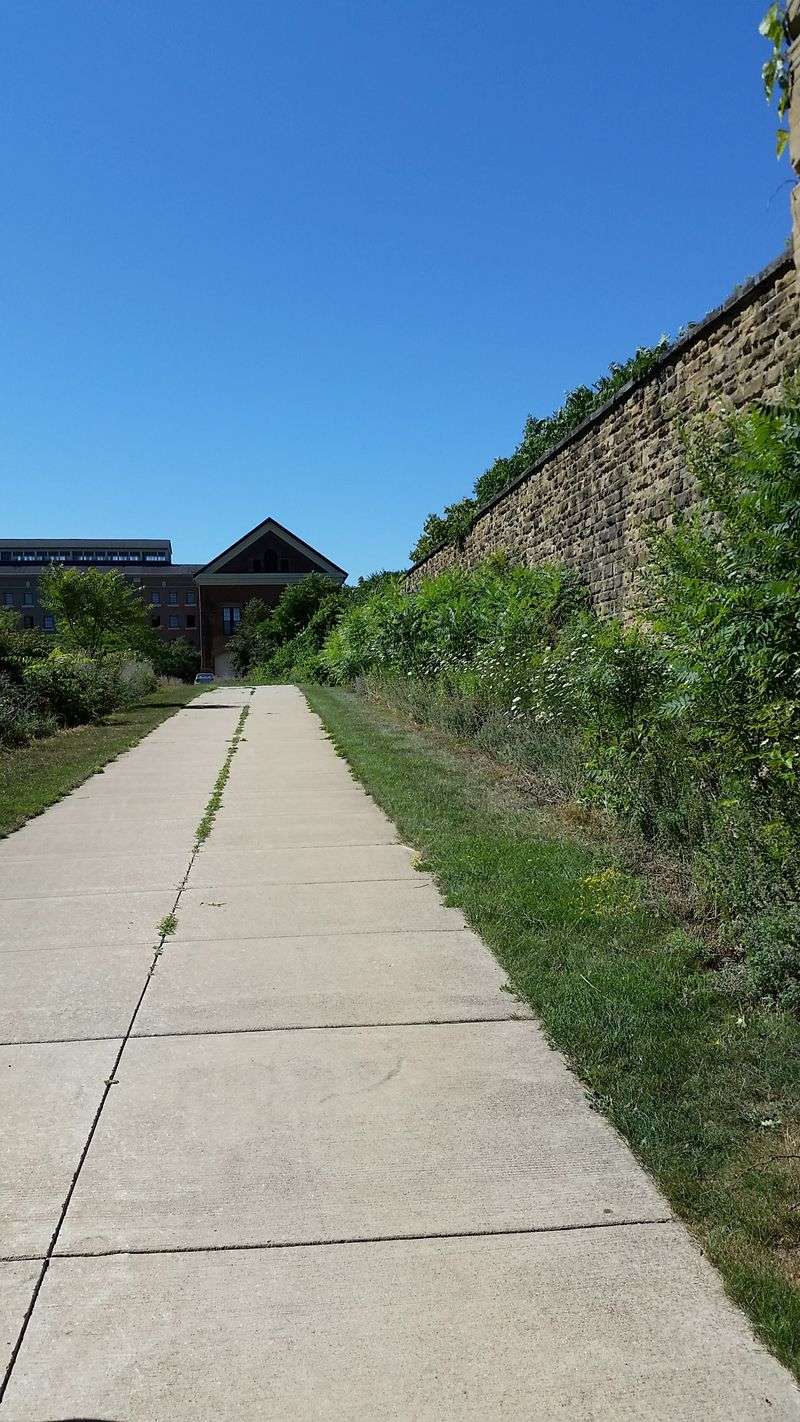
A quiet corner does the heavy lifting. Stand still and picture the 19th century origin of Michigan’s first state prison, then the armory period, then today’s studios. Layers align when you wait long enough for footsteps to fade and your imagination to catch up.
Preservation here favors evidence over spectacle. You read history through material facts: brick courses, window proportions, patterns of reinforcement. The building argues its case without slogans.
Visitor tip: bring a small folder of historic images on your phone. Match camera angles in real time. It turns the tour into a hands-on comparison, and it sharpens your eye for what has changed and why.
People Patterns: Residents, Artists, Staff
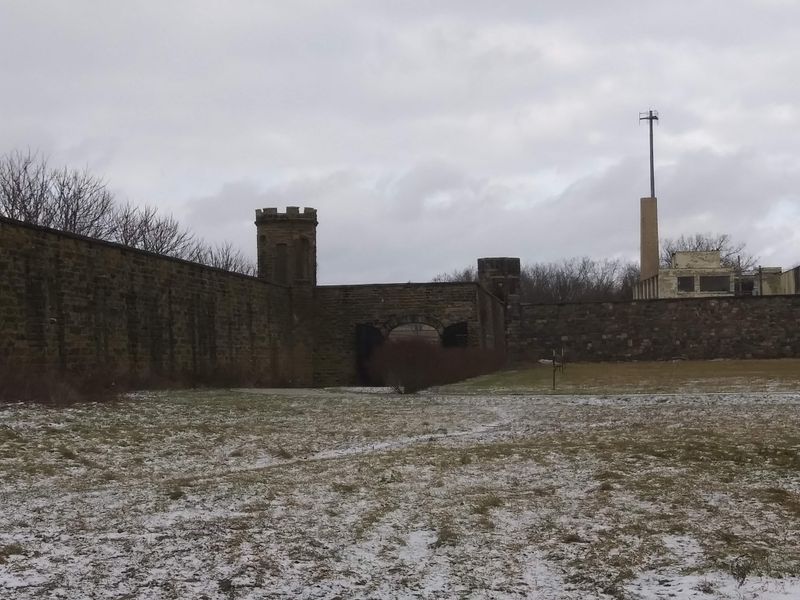
Human rhythm sets the tone. You might meet a painter waiting on a studio assignment, a tenant praising maintenance, or someone frustrated by hard-to-reach phones. The mix feels real, neither brochure perfect nor gloomy.
Conversations drift between technique, rent, and ghost rumors.
Local culture leans practical and creative at once. Jackson’s pride in reuse is visible in small courtesies, like doors held open for deliveries or shared tips about lighting rigs. Staff names show up in reviews for good reasons.
Advice: be respectful with questions, and patient with logistics. Office hours end at three on weekdays. If you need info, try in person during morning hours, and bring a short list.
Ghost Stories, Gently Handled
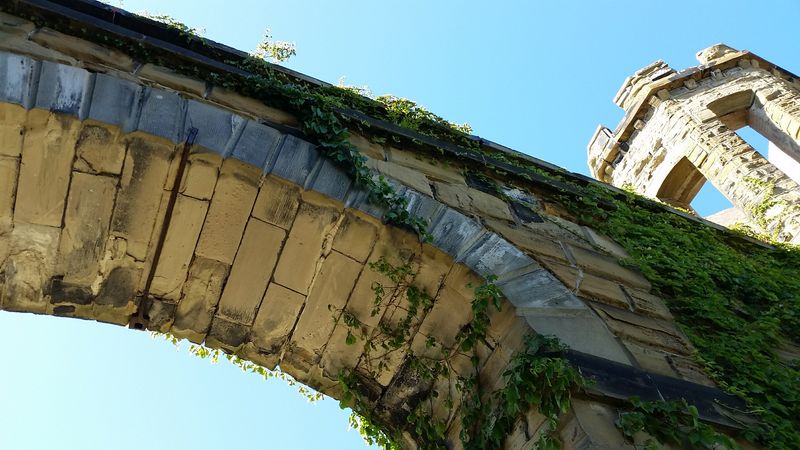
Whispers about ghosts travel fast in a place with this much history, and people respond in different ways that tell you as much as the stories themselves. Some residents shrug, some swear they felt a cold presence in stairwells, and others roll their eyes with a knowing smile.
The former prison past invites speculation, yet the vibe of the place feels calm, lived-in, and strangely kind, especially after sundown when the light softens everything. That contrast can make the lore feel more like community folklore than a scare tactic.
Remembering the hard truths of the prison’s history keeps the lore grounded, because this is not about making a spooky spectacle out of real suffering. It is more about acknowledging lives that were here before artists moved in, and keeping the building’s story honest.
If a resident volunteers a story, listen with an open mind, thank them, and move on without pushing, because privacy and respect matter more than a dramatic ending. Let quiet stay quiet, because the place offers enough beauty and intrigue without leaning on effects.
Planning Your Visit: Hours, Access, Expectations
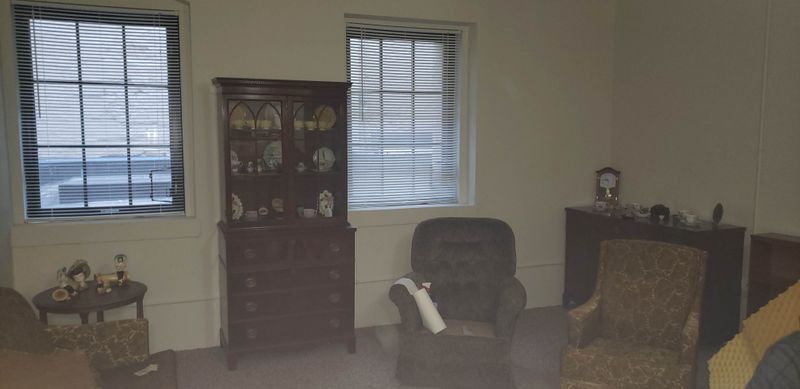
Start practical to enjoy the poetic parts. Office hours run Monday through Friday, nine to three, and weekends are typically closed. Communication can be hit or miss, so in-person visits during morning hours tend to work best.
Bring patience and specific questions.
This is a lived-in apartment complex with studios, not a museum. Respect privacy signs, and ask before photographing people or interiors. Public areas provide plenty to see.
Expect a blend of history, art, and everyday life. If you want a guided experience, verify availability ahead of time. Comfortable shoes, layered clothing, and a notebook will serve you better than a strict schedule. Let the building set the pace.