
This Georgia Canyon Looks Like A Painted Desert Hiding In The Deep South
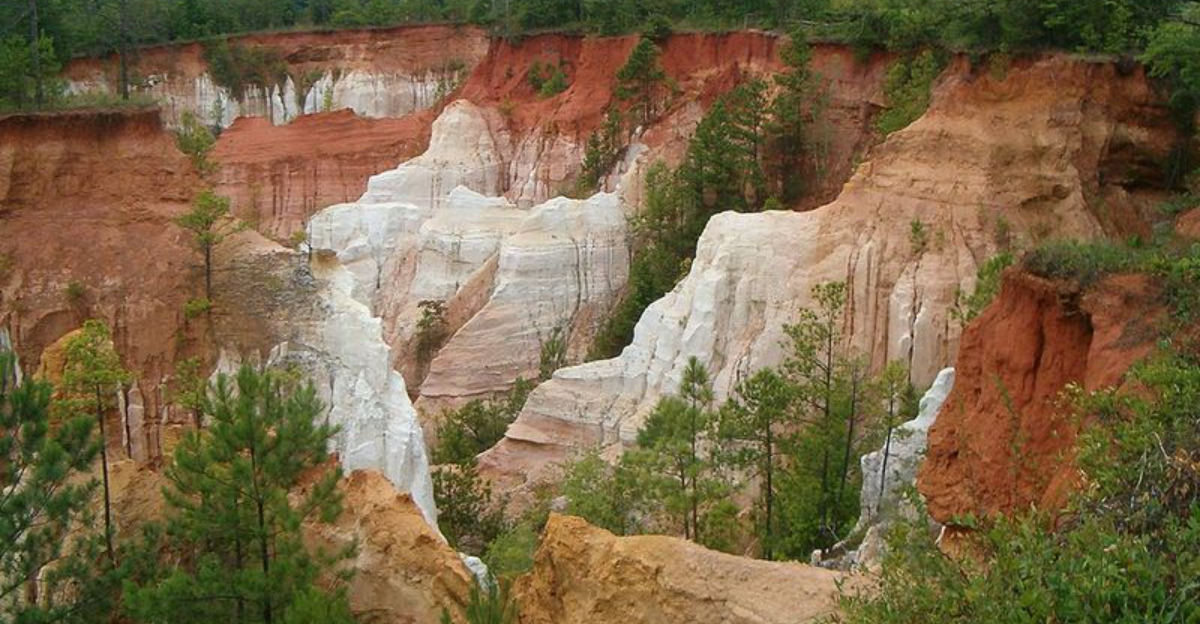
What if I told you a Van Gogh painting didn’t just exist, but somehow came alive? Not on canvas, but carved into the earth of Georgia, where deep canyons ripple in reds, oranges, and soft clay pastels like nature got carried away mid-masterpiece and never stopped.
At first glance, it feels unreal. Like the land itself experimented with color theory and nailed it on the first try.
Yet this isn’t brushwork or imagination. It’s rain, erosion, and a century of quiet transformation shaping soil into something strangely cinematic.
You almost expect someone to whisper, “don’t touch it, it’s still drying.” And then you’re left wondering. If Van Gogh had seen this, would he have painted it, or just admitted the earth got there first?
The Multicolored Canyon Walls That Steal Every Glance
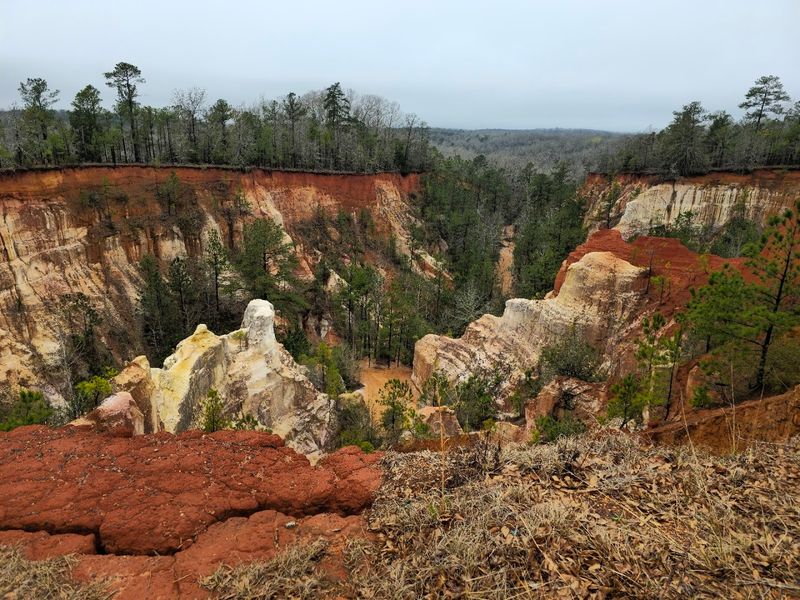
Nobody’s gonna tell you about the colors. You walk up to the rim expecting brown dirt and Georgia red clay, and instead you get what looks like a living watercolor painting stretched across the earth.
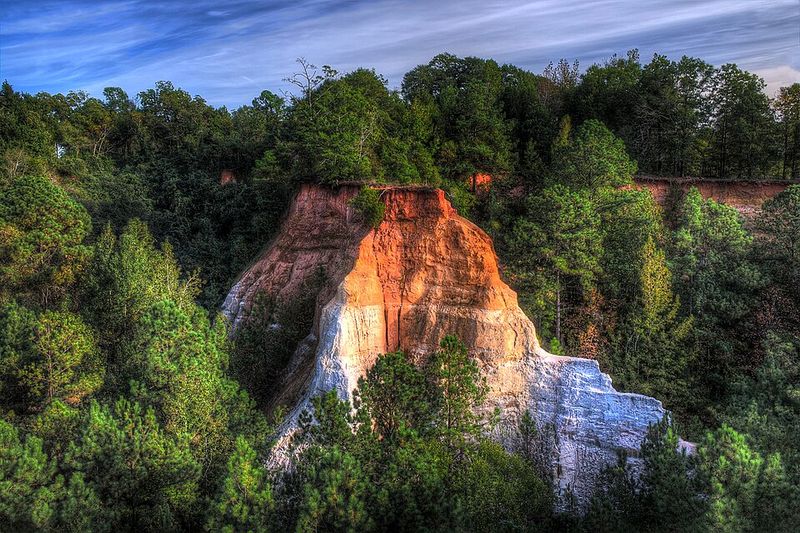
The canyon walls at Providence Canyon display up to 43 distinct shades, including salmon, scarlet, ochre, lavender, purple, white, and deep gold.
These colors come from mineral deposits working quietly inside the soil. Iron oxides create those fiery reds and oranges.
Manganese brings in the moody purples and soft pinks.
Limonite produces the warm yellows and tans, while kaolin clay contributes those crisp, bright whites that almost glow in afternoon sunlight.
The light plays a massive role in how the colors appear throughout the day. Morning light makes the pinks look almost neon.
Late afternoon turns everything amber and rust.
Photographers who visit at golden hour often describe the experience as surreal, like standing inside a sunset. The stripes and swirling patterns on the sedimentary walls feel more like a work of art than a geological accident.
Standing here, you will genuinely forget you are still in Georgia.
The Surprising Human-Made Origin Story Behind The Canyon
Most canyons take millions of years to form. Providence Canyon took about two centuries, and a plow.
That is the part that blows every first-time visitor’s mind when they hear it at the visitor center.
This entire dramatic landscape was created largely by poor farming practices that began in the early 1800s.
Located at 8930 Canyon Road in Lumpkin, Georgia, the park sits in Stewart County near the Alabama border.
Early settlers cleared native forests and plowed slopes straight up and down rather than along the natural contour of the land. Rainwater had nowhere to go, so it carved deep gullies into the exposed soil at a shocking pace.
What started as small ditches grew into the 150-foot-deep canyon system visible today. The canyon is still growing, losing three to five feet of wall annually from ongoing erosion.
Three major geological layers are now exposed in the walls, dating back 59 to 80 million years. The Clayton Formation sits at the top, the colorful Providence Formation runs through the middle, and the ancient Ripley Formation, once an ocean floor, rests at the base.
Geology class never looked this good.
Hiking The Canyon Floor Feels Like Walking Through Another World
Stepping down onto the canyon floor is a completely different experience from looking at it from above. The towering walls close in around you, and suddenly those 150-foot heights feel very real and very magnificent.
The floor itself is a sandy creek bed, often wet and occasionally flowing with shallow streams that weave through the canyon fingers.
Waterproof shoes or sturdy hiking boots are genuinely essential here, not optional. The ground can shift from dry sand to ankle-deep mud within just a few steps, especially after recent rainfall.
Most visitors who wear regular sneakers end up regretting it by canyon number two.
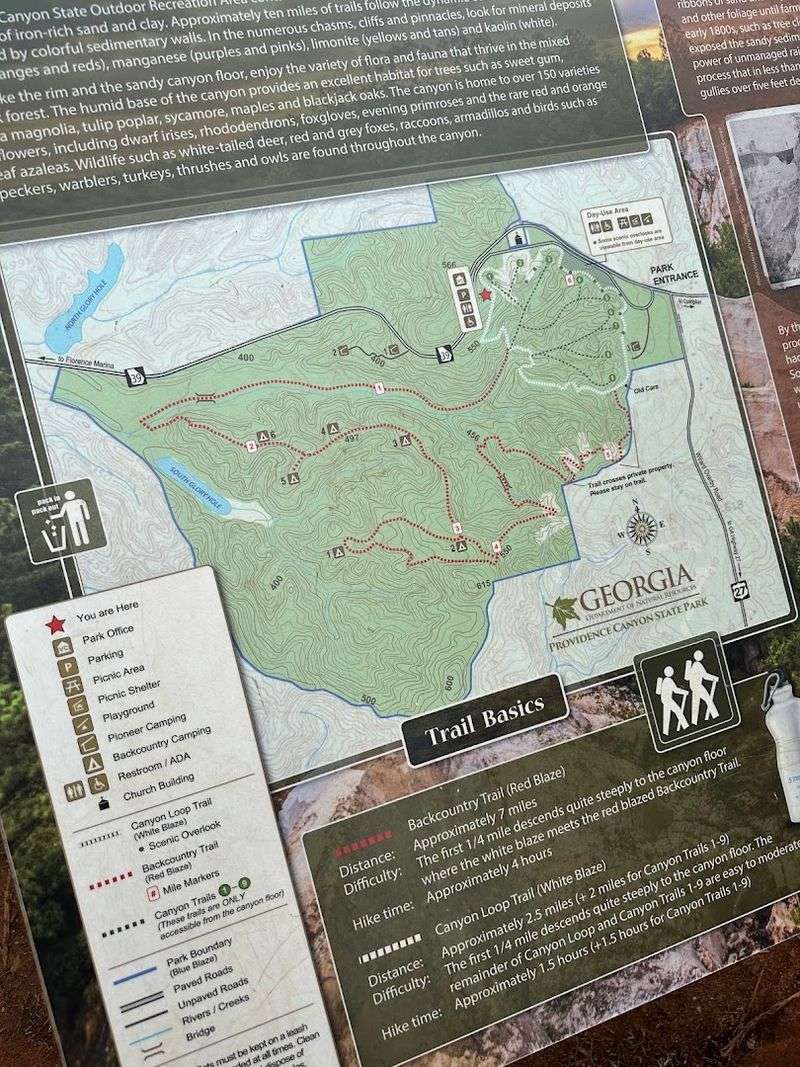
The Canyon Loop Trail runs approximately 2.5 miles and takes you through nine of the canyon fingers at floor level.
Looking straight up from the bottom gives you a perspective that no rim overlook can match. The walls stretch skyward in ribbons of color, framing a narrow strip of blue Georgia sky overhead.
Wildlife shows up down here too, including white-tailed deer tracks pressed into the wet sand and the occasional armadillo shuffling through the brush. Every single step reveals something worth stopping to stare at.
The Rim Trail Views That Make Your Camera Work Overtime
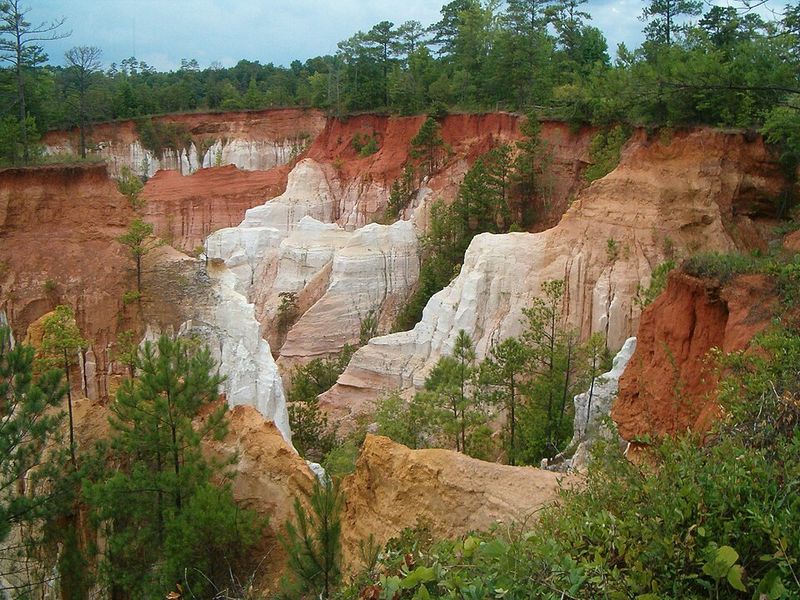
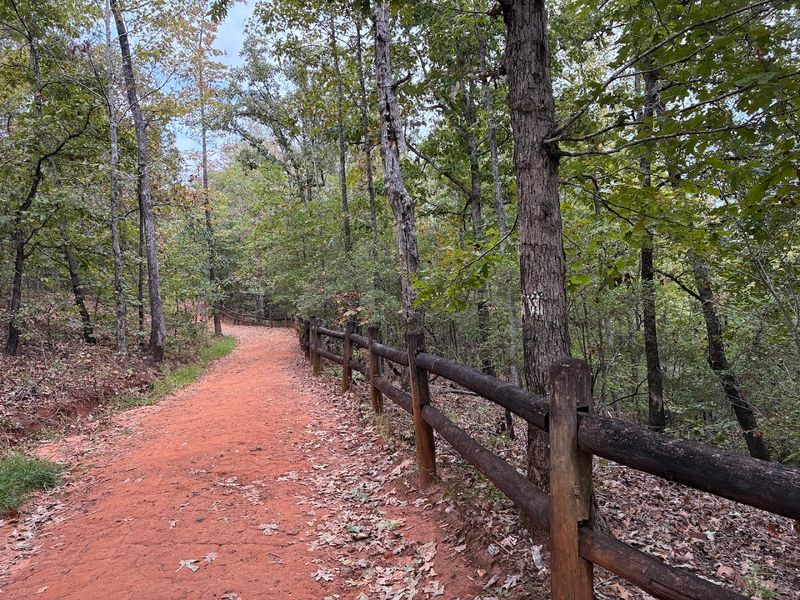
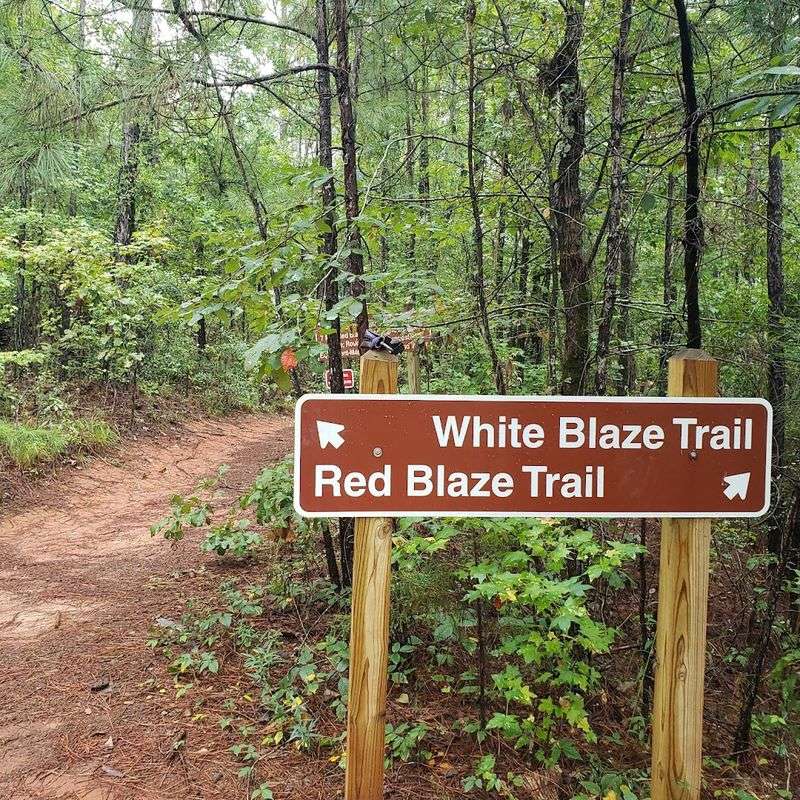
If the canyon floor is the main event, the rim trail is the perfect opening act. The White Blaze Canyon Loop runs about two miles along the canyon’s upper edges and delivers some of the most dramatic overlook views in the entire Southeast.
Every few hundred yards, a new angle opens up and you realize the canyon is even bigger than you thought.
The trail itself is manageable for most fitness levels. There are a few uphill sections that get your heart rate going, but nothing that requires serious training.
The payoff at each overlook point is immediate and spectacular, with the full canyon spread out below in all its striped, colorful glory.
Several designated viewpoints sit conveniently close to the parking area, making this trail accessible for visitors who want the view without a long hike. The surrounding pine forest adds a lush green contrast to the raw, exposed canyon walls just beyond the tree line.
Bringing a wide-angle lens or using your phone’s panoramic mode is a smart move up here. The canyon’s scale simply refuses to fit inside a standard photo frame, which is honestly a beautiful problem to have.
The Rare Plumleaf Azalea That Blooms When Nothing Else Does
Most flowering plants in Georgia do their thing in spring and call it a year. The plumleaf azalea missed that memo entirely.
This rare and stunning native shrub blooms in late summer, typically from July through September, when almost everything else has finished flowering and the heat is at its most intense.
Providence Canyon is one of the few places in the world where this plant grows naturally. The vivid orange-red blooms cluster along the canyon rim and within the canyon fingers, creating a striking pop of color against the already colorful walls.
Botanists and wildflower enthusiasts specifically plan visits around this bloom window every single year.
The plumleaf azalea thrives in the moist, sandy soil conditions that the canyon environment provides. Its late-season bloom schedule means summer visitors get a show that spring hikers never see.
Spotting one of these shrubs in full bloom tucked against a lavender canyon wall is the kind of image that stays with you long after the drive home. The park’s biodiversity goes well beyond its geology, and the plumleaf azalea is living proof of that claim.
The Abandoned 1950s Vehicles Swallowed By The Canyon Edge
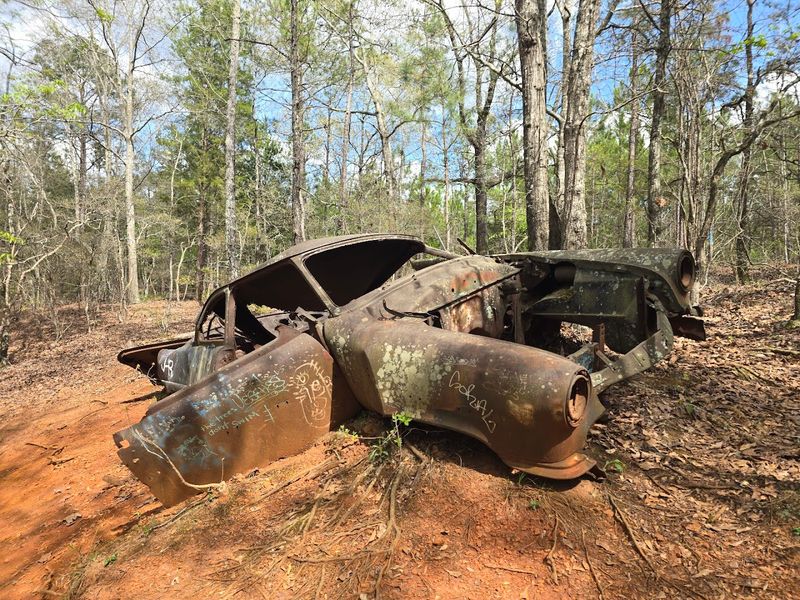
Strange things happen when a canyon grows faster than anyone planned. Near the edges of Providence Canyon, a small collection of abandoned vehicles from the 1950s sits frozen in time, slowly being claimed by the earth itself.
Trucks and cars that were parked decades ago now teeter at the edge of the expanding canyon walls.
Park authorities have made the deliberate decision to leave them in place. Attempting to remove them would cause significant additional erosion to the surrounding soil, potentially damaging the fragile canyon edges even further.
So the vehicles stay, becoming an accidental exhibit in the world’s most colorful outdoor museum.
Seeing rusted metal frames peeking out from sandy, mineral-stained soil adds a genuinely unexpected layer to the Providence Canyon experience. It is part history lesson, part visual curiosity, and entirely unforgettable.
The vehicles serve as a quiet reminder of how rapidly this landscape has changed within a single human lifetime. Canyon growth of three to five feet per year means these old trucks have watched a lot of earth disappear beneath them.
It is creepy, fascinating, and oddly poetic all at once.
Wildlife That Calls The Canyon Home Year-Round
The canyon is not just a geological showpiece. It is a thriving habitat packed with wildlife that has adapted beautifully to this unique landscape.
White-tailed deer move quietly through the pine forest surrounding the canyon rim, often spotted at dawn and dusk when the park is at its most peaceful and the light is at its most golden.
Foxes, raccoons, and armadillos are frequent residents of the canyon ecosystem. Armadillos in particular seem to enjoy the sandy canyon floor, where their digging behavior fits right in with the general spirit of erosion that created the whole place.
Bird watchers will also find plenty to keep their binoculars busy throughout the year.
The canyon’s varied terrain creates multiple microhabitats within a compact area.
The moist canyon floor supports different plant and animal communities than the dry pine forest along the rim, which means biodiversity is surprisingly high for such a relatively small park.
Spring and fall bring migratory birds through the area, adding seasonal variety to the wildlife roster. Visiting at sunrise gives you the best chance of catching the canyon at its quietest and most alive, when the animals are active and the colors are absolutely stunning.
The Backcountry Trail For Hikers Who Want The Full Adventure
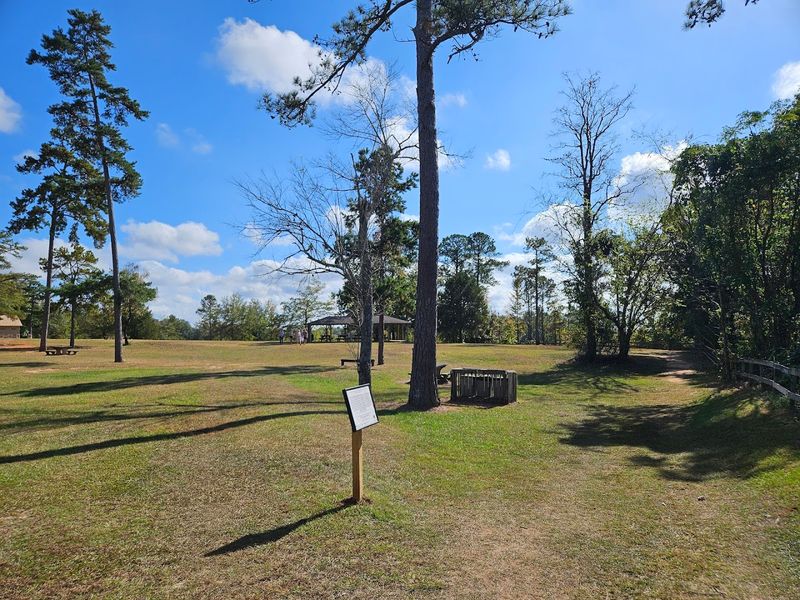
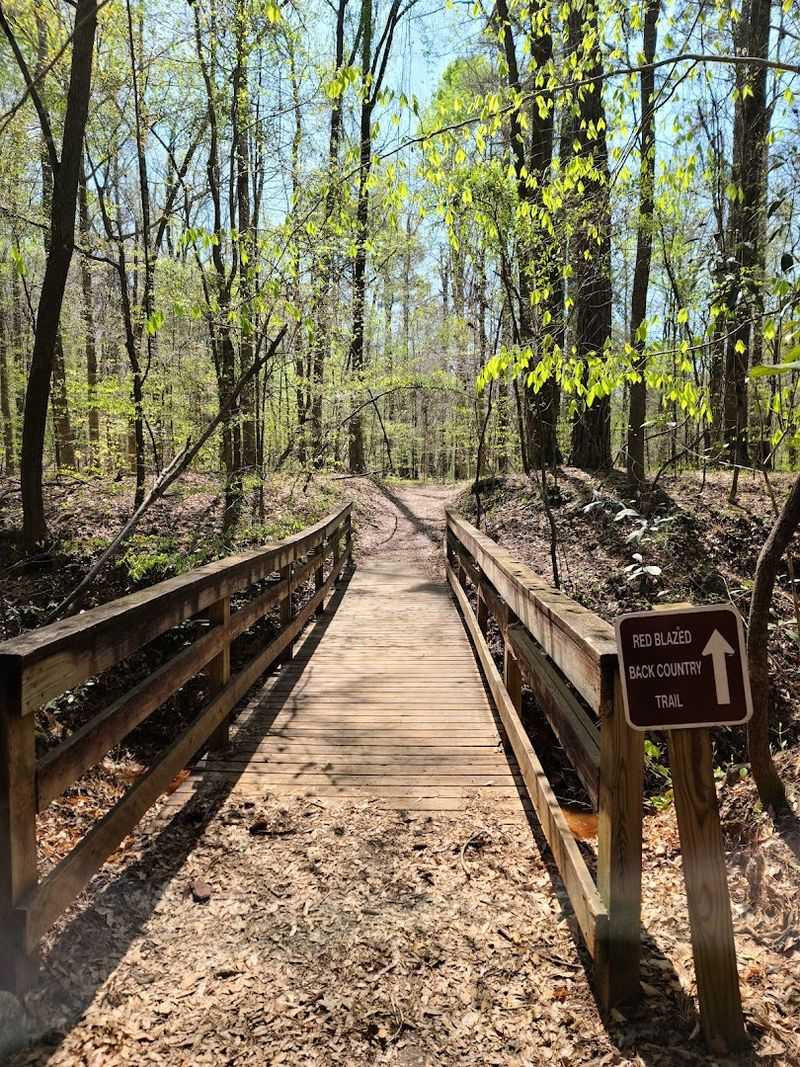
For hikers who feel like two miles is just a warmup, the backcountry trail at Providence Canyon is the real challenge waiting at the end of the parking lot.
This seven-mile loop winds through the forested rim, dipping into secluded canyon viewpoints that most casual visitors never reach. It is rugged, it is quiet, and it rewards every bit of effort you put in.
The backcountry trail is designated for experienced hikers and backpackers. The terrain is more demanding than the canyon loop, with uneven footing and sections that require genuine attention.
Overnight camping is available along this trail for those who want to experience the canyon under a Georgia sky full of stars.
Carrying a trail map is strongly recommended because signage in certain sections can be tricky to follow. Cell service is spotty throughout the park and essentially nonexistent inside the canyon, so downloading an offline map before arriving is a genuinely smart move.
The reward for completing the full backcountry loop is a sense of the park’s true scale that no overlook can communicate. This trail turns a day trip into an experience that feels earned, memorable, and completely worth the sore legs afterward.
Planning Your Visit To Georgia’s Most Unexpected Natural Wonder
Getting to Providence Canyon requires a bit of planning, and that planning is absolutely worth every minute. The park is located in rural Stewart County, and the drive from Atlanta takes roughly two and a half hours.
Gas stations and rest stops become sparse about an hour before arrival, so topping off the tank and making any necessary stops early is genuinely wise advice.
The park opens at 7 AM daily and closes at 9 PM, giving visitors a generous window to explore. An entrance fee applies per vehicle, and the park’s website at gastateparks.org offers updated pricing and trail information.
A small visitor center on-site provides maps, educational exhibits about the canyon’s formation, and a gift shop stocked with snacks and souvenirs worth browsing.
Fall and spring are the most comfortable seasons to visit, with mild temperatures and beautiful surrounding foliage adding extra scenery to the already dramatic canyon views.
Summer visits are completely doable but require extra water and sun protection. Waterproof footwear is the single most important gear decision you will make for this trip.
So, are you ready to discover the most colorful secret Georgia has been quietly keeping from the rest of the world?