
This Ghost Town In Arizona Is Home To Hundreds Of Remarkably Preserved Vintage Cars
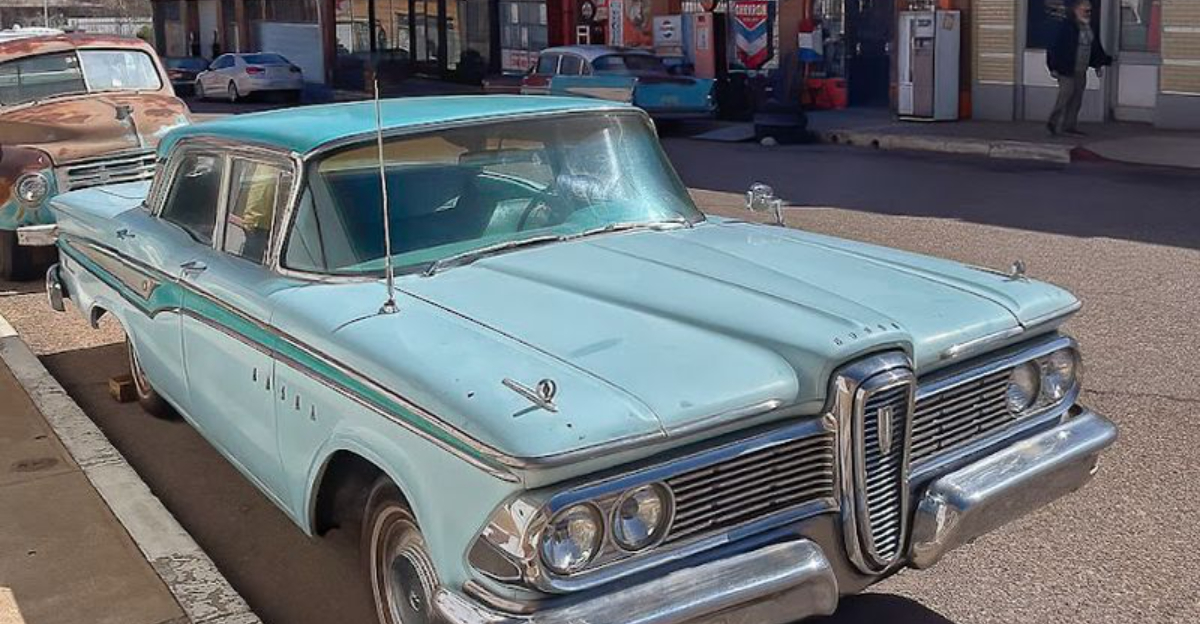
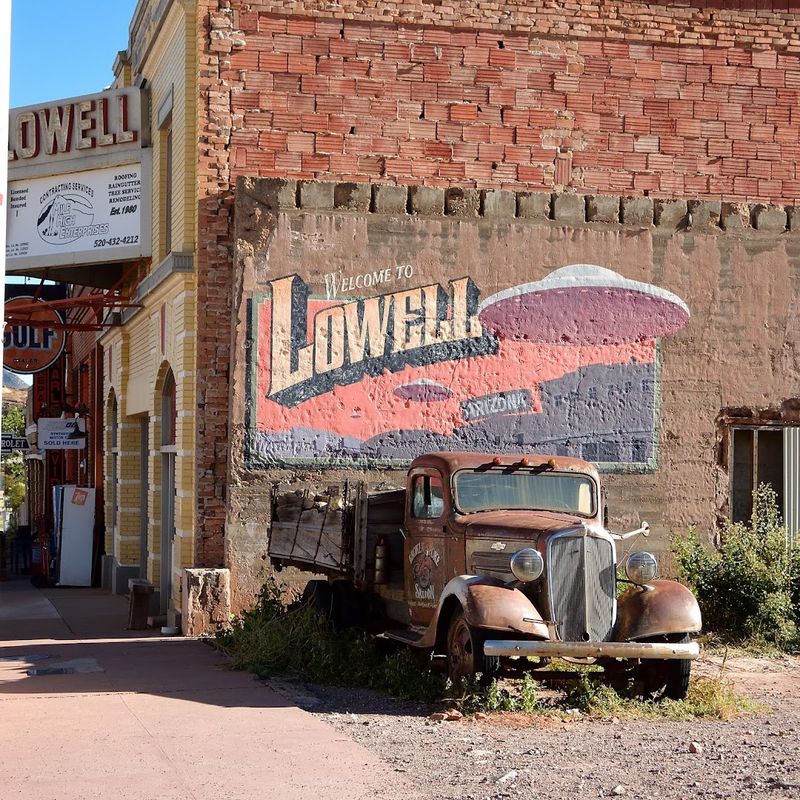
When I first heard whispers about a forgotten settlement tucked away in the Arizona wilderness, I imagined crumbling adobe walls and tumbleweeds drifting through empty alleys. What I found, however, was a spectacularly preserved fleet of classic cars, each one a time capsule parked under the relentless desert sun.
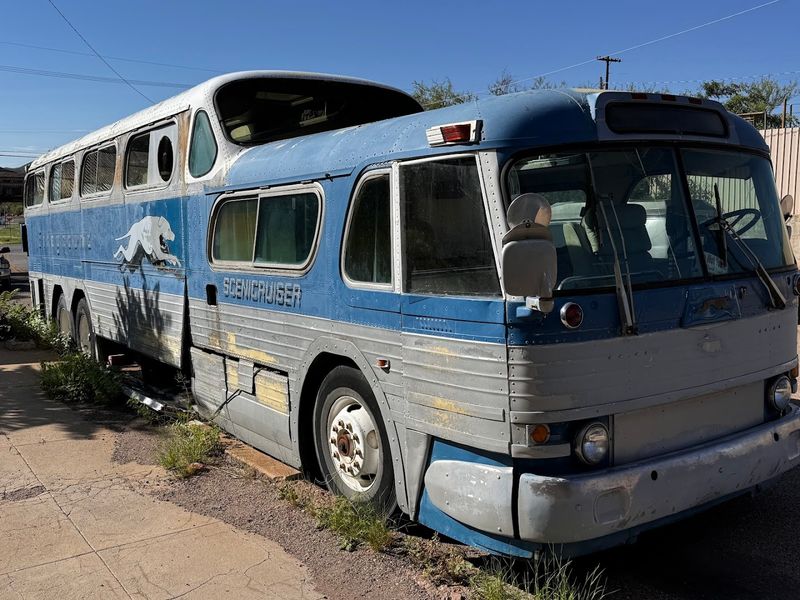
This quiet ghost town street holds dozens of vintage cars that have been sitting untouched for decades, slowly becoming part of the landscape itself.
Rust and dust tell stories of mining families who once called this place home, and their abandoned vehicles now create an outdoor museum that photographers and history buffs travel from across the country to see.
Walking down feels like stepping onto a movie set where classic cars from the 1940s through 1970s sit frozen in time, their chrome bumpers and rounded fenders slowly surrendering to the Arizona sun.
A Street Frozen In Mining History
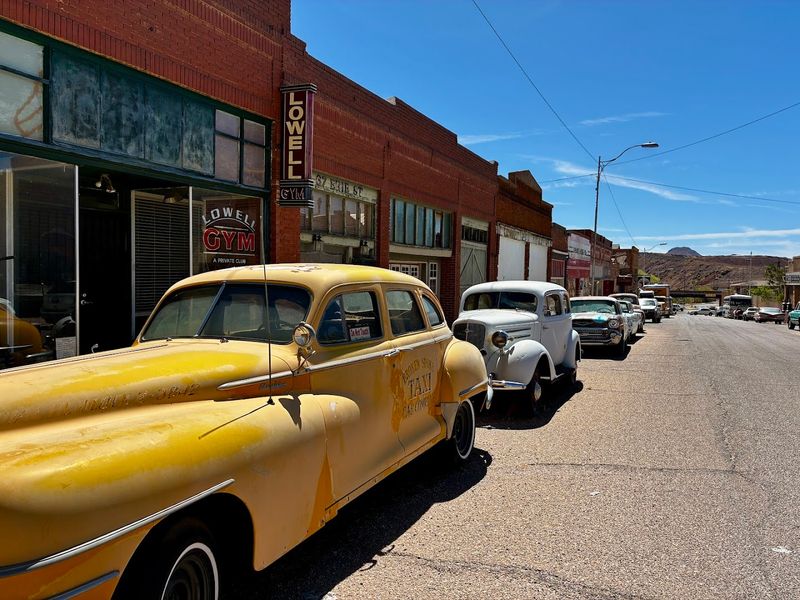
This place winds through what remains of Lowell, a copper mining community that thrived when the nearby Copper Queen Mine pulled ore from the earth around the clock. Workers and their families filled modest homes along this street, parking their prized automobiles out front after long shifts underground.
Walking the cracked pavement today, I counted at least twenty vehicles in various states of preservation, each one representing a family’s pride and a paycheck well spent. The street itself barely spans three blocks, but every house lot seems to hold another automotive treasure waiting to be discovered.
Photographers arrive at dawn to catch the perfect light hitting these metal sculptures of a bygone era. The combination of desert backdrop and vintage steel creates images that belong in museums, yet here they sit accessible to anyone willing to make the journey.
Nobody moves these cars or cleans them up, which gives Erie Street its authentic ghost town atmosphere that modern restorations can never quite capture.
Tucked away in the desert hills near Bisbee, Arizona, Erie Street in Lowell has become an unexpected time capsule of automotive history.
Copper Queen Mine’s Automotive Legacy
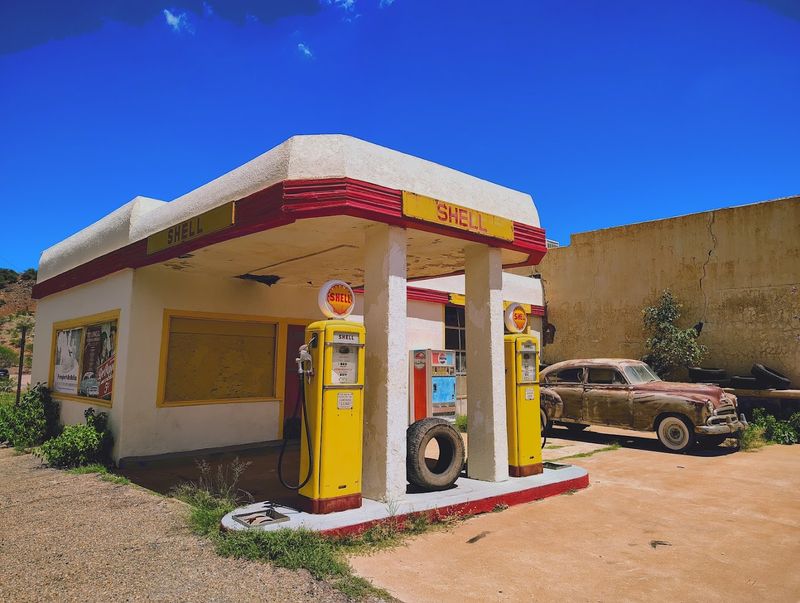
Copper mining brought prosperity to this corner of Arizona, and prosperity meant families could afford the latest Detroit iron rolling off assembly lines. The connection between underground wealth and surface transportation created this accidental collection that now defines Erie Street’s character.
Miners who worked the Copper Queen shifts earned enough to buy Chevrolets, Fords, and Dodges that represented middle-class success in mid-century America. These weren’t luxury vehicles but working-class transportation that served families through grocery runs, Sunday drives, and trips to visit relatives in nearby towns.
When the mines slowed down and eventually closed, families moved away but often left their older vehicles behind rather than pay to transport them. That economic reality created the automotive graveyard that draws visitors today, each rusting frame telling stories of boom times and sudden departures.
Standing among these vehicles, I felt the weight of decisions made quickly when paychecks stopped coming and better opportunities called from distant cities.
Chrome And Steel Time Capsules
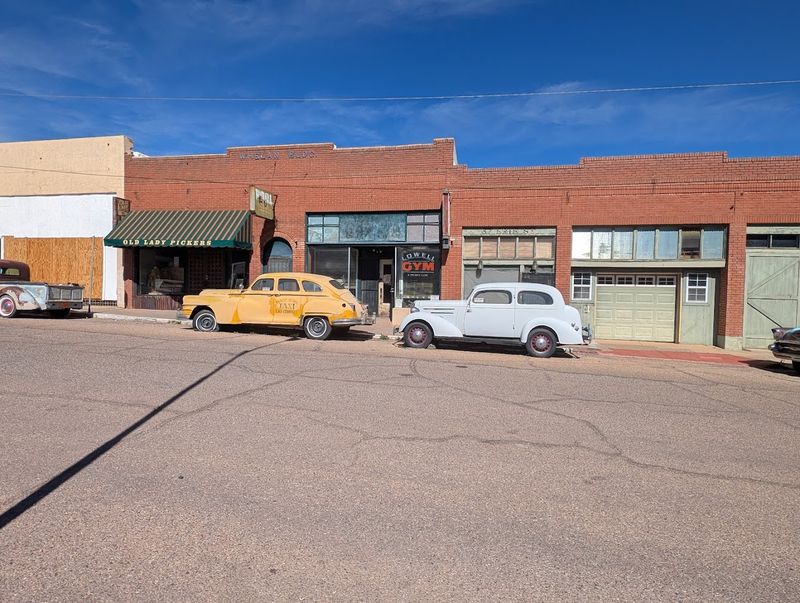
Chrome bumpers that once gleamed in showroom lights now wear thick coats of desert dust, their reflective surfaces dimmed but not entirely defeated by decades of exposure. The cars along Erie Street showcase design eras when vehicles featured personality rather than the uniform shapes we see today.
I spent an afternoon examining tail fins, hood ornaments, and dashboard details that automakers once considered essential selling points. Each vehicle represents a moment when American car culture valued style as much as function, and families saved for years to afford these rolling statements.
The variety surprises first-time visitors who expect a handful of wrecks but instead find sedans, trucks, station wagons, and even a few coupes scattered across properties. Some sit on flat tires with windows intact, while others have surrendered their glass to time and vandals, but all maintain enough original character to identify their make and model.
Automotive historians make pilgrimages here to photograph details that restoration guides miss, capturing how these vehicles age naturally without human intervention.
Desert Preservation Effects
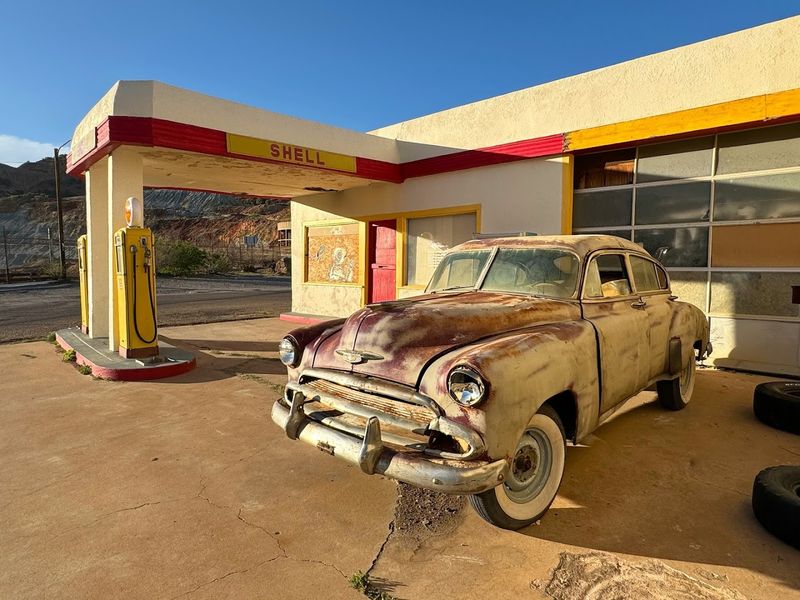
Arizona’s drFarizonay climate works magic on abandoned metal that would rust away completely in wetter regions, preserving these vehicles in a state of arrested decay. The lack of humidity means steel corrodes slowly, leaving structures intact even as paint fades and rubber perishes under relentless sunshine.
This natural preservation explains why Erie Street’s collection remains viewable rather than collapsing into unrecognizable heaps of scrap. Bodies retain their shapes, doors still hang on hinges, and trim pieces stay attached where moisture would have dissolved the connections decades ago.
I noticed how the desert acts as both destroyer and preserver, fading colors to pastel ghosts while maintaining the physical integrity that makes these cars recognizable. The same sun that blisters paint also discourages the rust-through that would claim these vehicles in coastal or mountain environments.
Collectors from humid states often express amazement at what survives here, knowing their local climates would have reduced these cars to powder long ago.
Photography Paradise
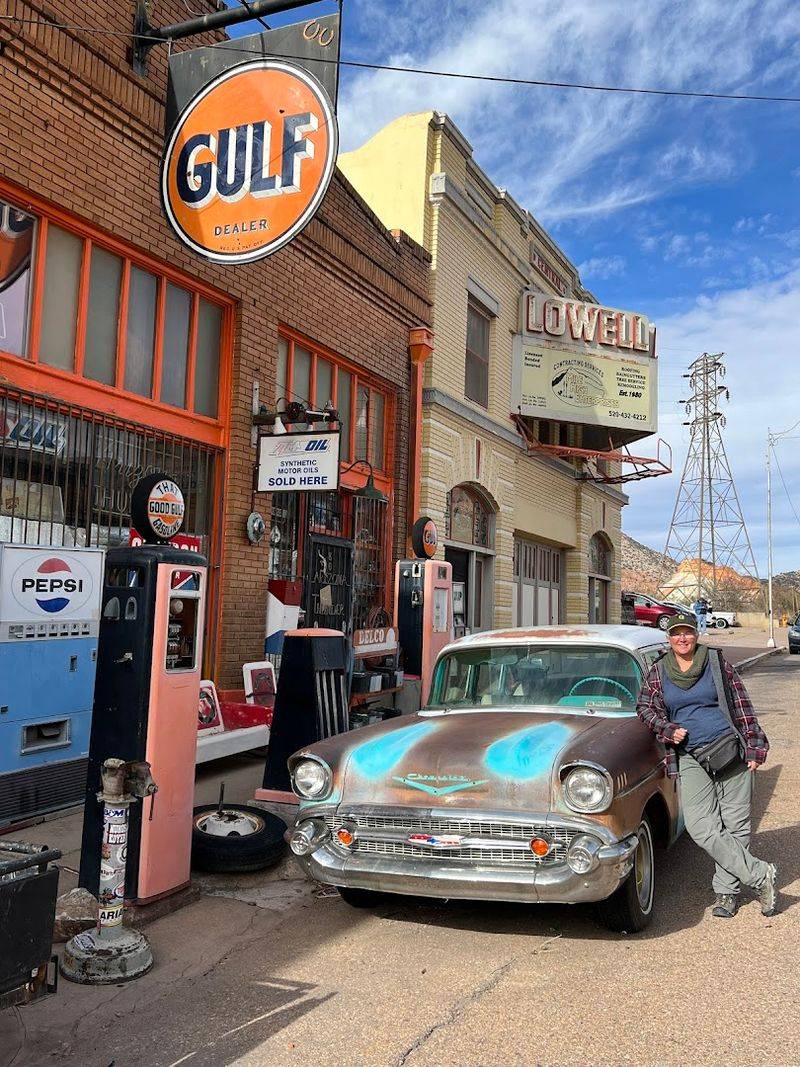
Shutterbugs discovered Erie Street years ago, and now the location appears regularly in automotive photography magazines and social media feeds dedicated to urban exploration. The combination of authentic decay and dramatic desert backdrops creates images that capture imaginations worldwide.
Sunrise and sunset bring the best light, casting long shadows that emphasize every curve and dent while painting the landscape in colors that complement the vehicles’ faded paint schemes. I watched several photographers work the same car from different angles, each finding unique compositions that highlighted different aspects of beauty in deterioration.
The lack of modern intrusions means shots capture pure vintage atmosphere without power lines, contemporary buildings, or other elements that would break the time-travel illusion. Every frame looks like it could have been shot decades ago, which gives these images their transportive quality.
Instagram and photography forums have spread Erie Street’s fame beyond regional boundaries, bringing visitors who might never have heard of Lowell otherwise but now make special trips just to capture these automotive monuments.
Accessible History Lesson
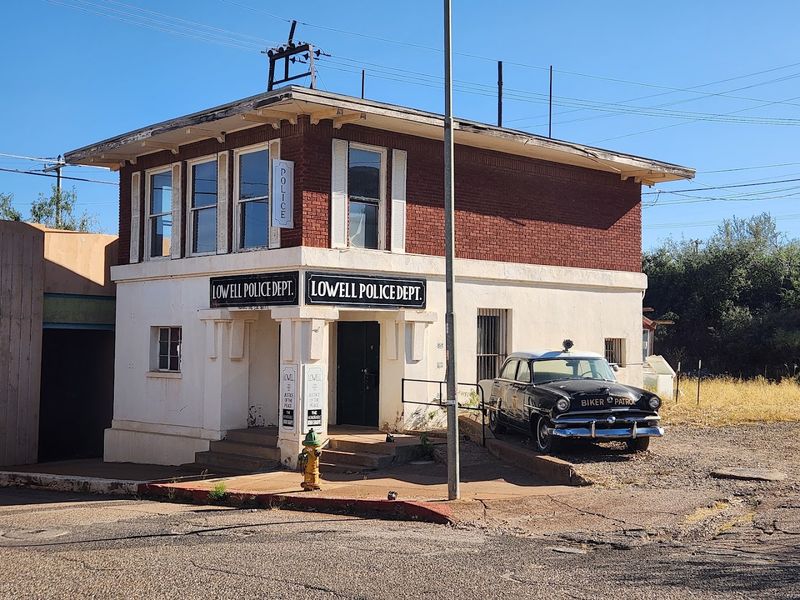
Unlike museums that charge admission and restrict what visitors can photograph, Erie Street offers free access to automotive history that anyone can explore at their own pace. This democratic approach to preservation means families, students, and casual tourists all get the same opportunity to connect with the past.
Parents use the street as an outdoor classroom, pointing out design features their grandparents would have known intimately while explaining how mining communities functioned when these cars were new. The tangible nature of the experience beats textbook learning, letting kids touch history rather than just reading about it.
I overheard one father explaining column shifters to his daughter, who only knew automatic transmissions and touchscreen controls. The conversation highlighted how much automotive technology has changed and how Erie Street preserves evidence of those transformations.
Teachers from nearby schools sometimes bring field trips here, using the vehicles as jumping-off points for discussions about economics, technology, and social history that mining communities represent.
Automotive Archaeology
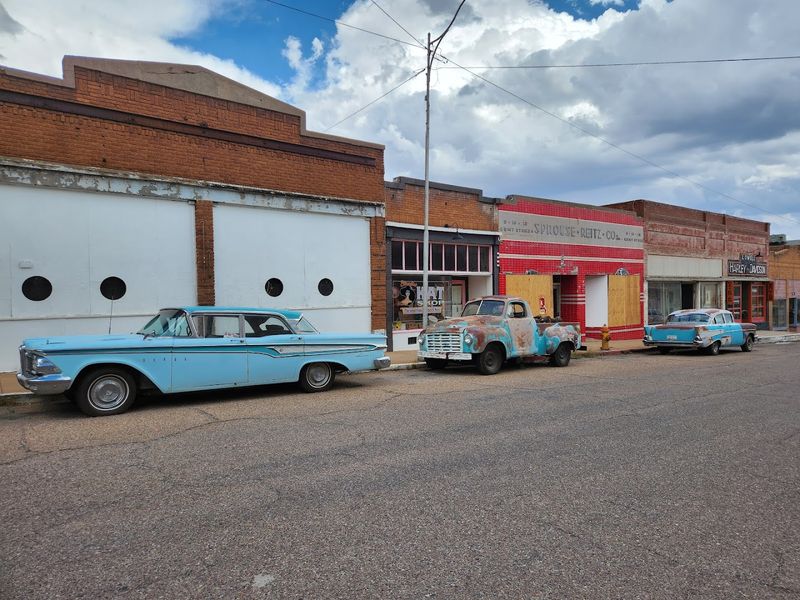
Automotive historians treat Erie Street like an archaeological site where each vehicle provides clues about manufacturing techniques, consumer preferences, and regional transportation patterns from mid-century America.
The undisturbed nature of the collection makes it valuable for research that restored vehicles cannot provide.
Original paint codes, factory assembly marks, and wear patterns tell stories that restoration erases, making these deteriorating hulks more historically significant than pristine examples at car shows. Researchers photograph identification plates, measure dimensions, and document details that factory records may have lost or never recorded.
I met a university professor studying how desert communities adapted vehicles for local conditions, finding modifications and repairs that reflect the ingenuity of people living far from dealership service departments.
Erie Street’s cars show how real families used and maintained their transportation rather than how manufacturers intended them to be used.
This research helps restoration experts understand what original vehicles actually looked like versus idealized versions that concours judges prefer today.
The Human Stories Behind Windshields
Personal items occasionally surface inside these vehicles, offering glimpses into the families who once turned ignition keys and adjusted bench seats for comfort. Registration papers, children’s toys, and faded photographs sometimes survive, connecting these metal shells to real people who made real lives here.
One sedan I examined still held a sun-bleached map in the glove compartment, its folds showing the routes someone planned decades ago. These small discoveries transform vehicles from objects into memory vessels, reminding visitors that each car represented someone’s dreams and daily routines.
The emotional weight of abandonment hangs over Erie Street, raising questions about what circumstances forced families to leave behind possessions that once meant so much.
Economic necessity explains the practical reasons, but standing beside these silent witnesses makes you wonder about the people who locked doors one last time and walked away.
Some visitors leave notes or small tributes tucked into window frames, acknowledging the human stories these automotive monuments represent.
Practical Visiting Information
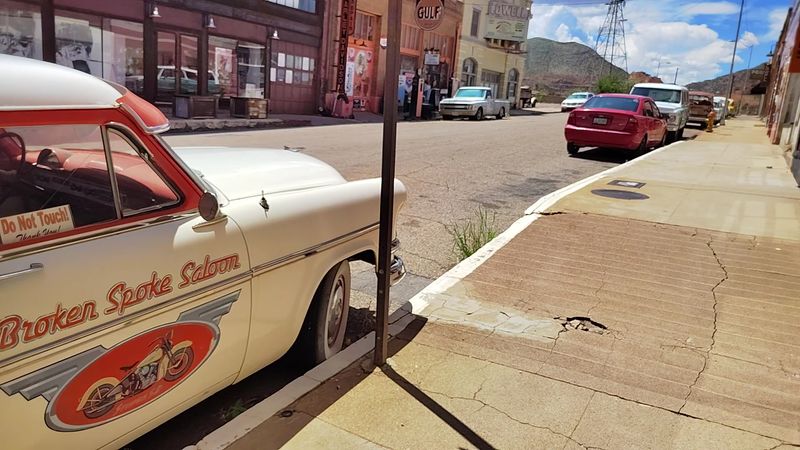
Erie Street sits within Lowell, which borders Bisbee proper in southeastern Arizona, about ninety miles from Tucson and accessible via Highway 80. The street itself is public, though the vehicles sit on private property, so visitors should observe from roadways and respect boundaries.
No admission fees apply since this remains an active neighborhood rather than an official attraction, but that also means no facilities, guided tours, or safety barriers exist.
I recommend bringing water, wearing sun protection, and watching for uneven ground that could trip unwary photographers focused on their viewfinders.
Early morning and late afternoon offer the best combination of comfortable temperatures and photographic light, while midday summer heat can make extended exploration uncomfortable. The area remains open year-round, though monsoon season brings occasional flash flood risks that visitors should monitor.
Nearby Bisbee offers restaurants, lodging, and additional historical attractions that pair well with an Erie Street visit, making day trips or weekend excursions practical for travelers exploring southern Arizona’s mining heritage.
Respectful Exploration Ethics
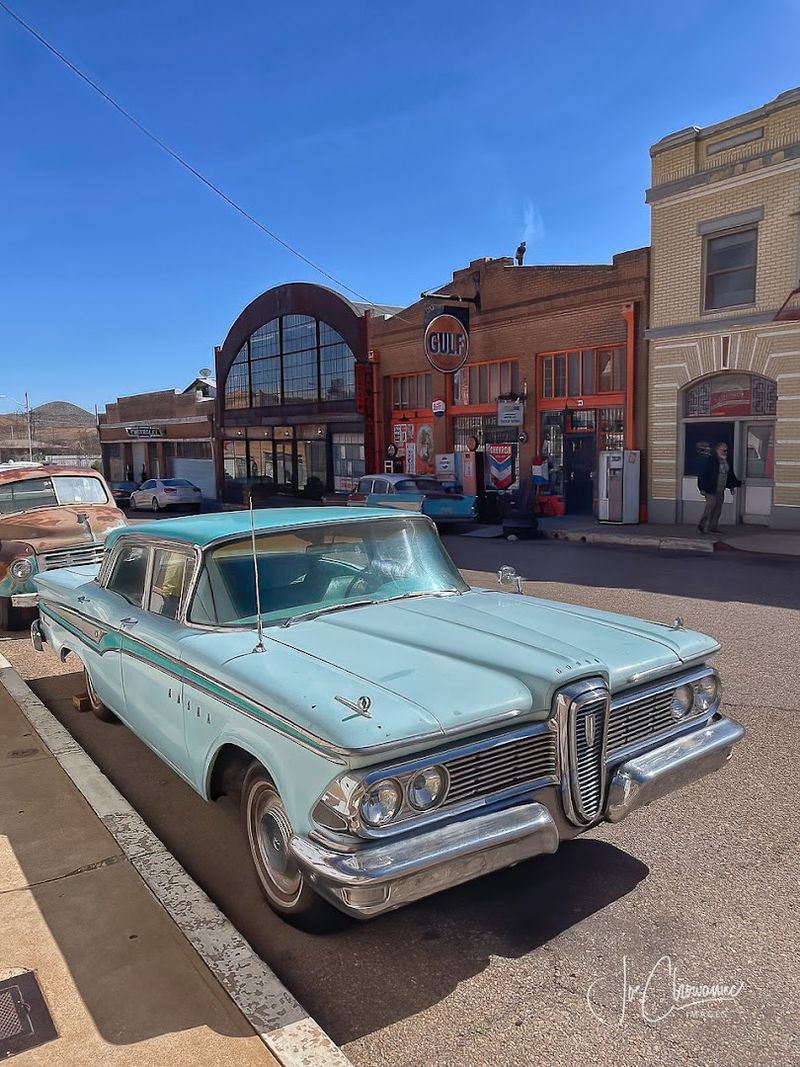
The accessibility that makes Erie Street special also requires visitor responsibility to ensure the site remains available for future generations. These vehicles sit on private property, and owners tolerate photography from public areas but understandably object to trespassing or vandalism.
I noticed signs reminding visitors to stay on streets and sidewalks, advice that protects both the cars and the people exploring them. Climbing on vehicles damages fragile structures and creates liability issues, while removing parts or leaving trash disrespects both property owners and fellow visitors.
The ghost town atmosphere tempts some people to treat the area as abandoned, but families still live along Erie Street and deserve privacy and consideration.
Taking photographs from respectful distances preserves everyone’s experience while maintaining the community goodwill that keeps the street accessible.
Social media posts should avoid revealing exact addresses or encouraging behaviors that could lead to site closure, focusing instead on the historical and cultural value that responsible visitors appreciate.
Seasonal Considerations
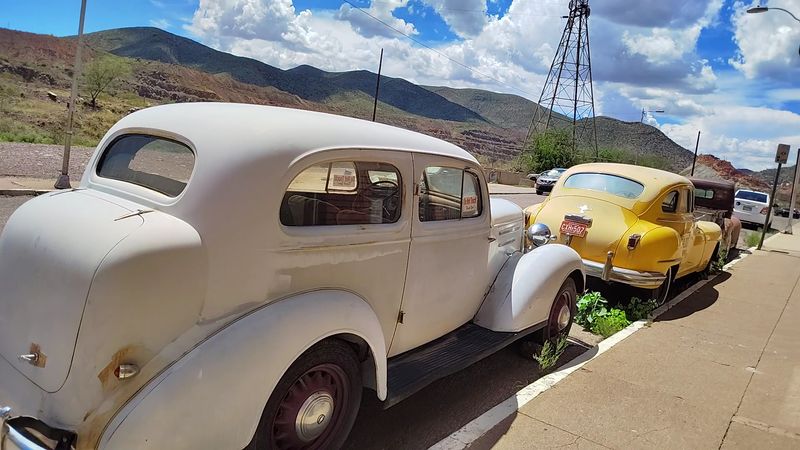
Arizona’s dramatic seasonal shifts affect both vehicle appearance and visitor comfort along Erie Street, making timing considerations important for anyone planning a trip. Summer temperatures regularly exceed one hundred degrees, turning metal surfaces into griddles and making midday exploration genuinely dangerous.
Winter brings mild days perfect for wandering among the cars without heat exhaustion risks, though occasional cold snaps can make early mornings chilly until the sun warms the desert. Spring wildflowers sometimes bloom around the vehicles, adding unexpected color pops that complement the automotive palette.
Monsoon season from July through September creates the most dramatic skies, with towering clouds and occasional storms providing theatrical backdrops for photography. However, those same storms can make dirt roads impassable and create hazardous conditions that strand unprepared visitors.
I found late fall offered the sweet spot of comfortable temperatures, clear skies, and fewer crowds than spring break periods when college students discover the location. Planning visits around seasonal weather patterns maximizes both safety and enjoyment.
Preservation Through Appreciation
The future of Erie Street’s automotive collection depends on continued public interest that gives property owners reasons to maintain access rather than scrapping vehicles for metal value. Each visitor who treats the site respectfully and shares its story helps ensure these time capsules survive for future generations.
Economic pressures constantly threaten places like this, where land value and cleanup costs can outweigh sentimental attachment to rusting cars. The attention Erie Street receives from photographers and history enthusiasts creates intangible value that helps counterbalance those purely financial calculations.
Local preservation groups monitor the site and work with property owners to document vehicles before they deteriorate beyond recognition. This partnership between community members and visitors creates a preservation model that doesn’t require government intervention or museum infrastructure.
My visit convinced me that places like Erie Street matter because they preserve authentic history that sanitized attractions cannot replicate, offering connections to the past that feel genuine because they actually are. Supporting sites like this through respectful visits and positive publicity helps protect these irreplaceable resources.