
This Gorgeous State Park In Washington Will Make You Feel Like You’re In A Postcard
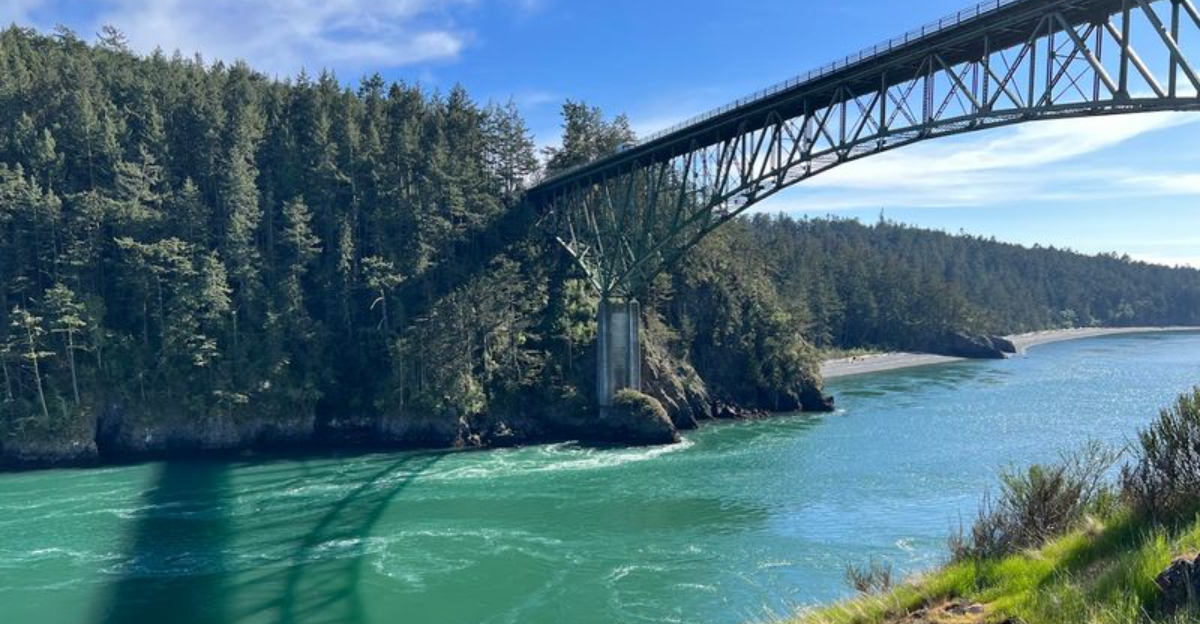
Look, I’m the type of person who usually prefers a climate-controlled couch to a rugged trail, but I have a weakness for views that actually make me stop complaining about the incline.
When I stumbled upon this coastal gem, I realized I had been doing life all wrong. I spent the morning watching seals play in the turquoise currents while feeling like a character in a fantasy movie.
It is easily the most photogenic spot in all of Washington, offering jagged cliffs and crashing waves that make you feel like you’re standing at the edge of the world.
I don’t care how much you dislike hiking or getting sand in your shoes; this place is going to ruin every other park for you. It’s just that good.
The Iconic Bridge That Connects Two Worlds
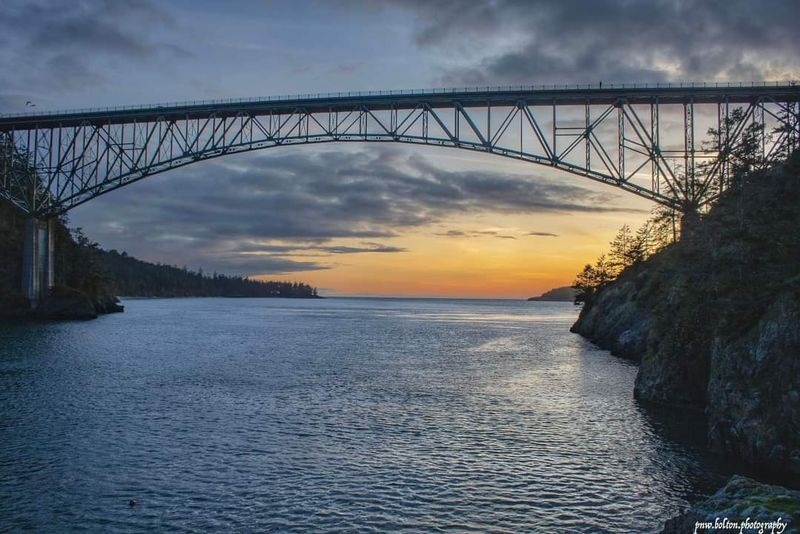
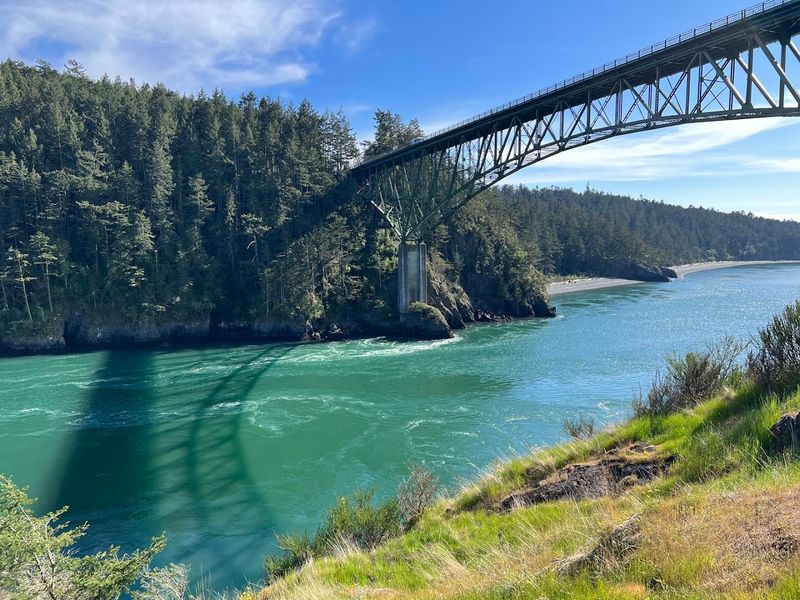
Crossing the Deception Pass Bridge felt like walking through a postcard come to life. This steel marvel rises 180 feet above the churning waters below, connecting Fidalgo and Whidbey Islands with two graceful spans that have become Washington’s most photographed landmark.
I recommend parking at one of the viewpoints and walking across the bridge itself. The pedestrian walkway lets you peer straight down into the swirling currents that gave this place its name.
Captain George Vancouver named it Deception Pass in 1792 when he realized what appeared to be a peninsula was actually an island separated by this narrow, treacherous channel.
The views from the bridge change with every visit. Morning fog wraps around the structure like a blanket, while afternoon sun illuminates the deep greens of the surrounding forest.
I watched boats navigate the turbulent waters far below, their progress slow against the powerful tidal currents that can reach eight knots. Photography enthusiasts should bring a wide-angle lens and plan for multiple visits at different times of day.
Forty Miles Of Trails Through Diverse Terrain
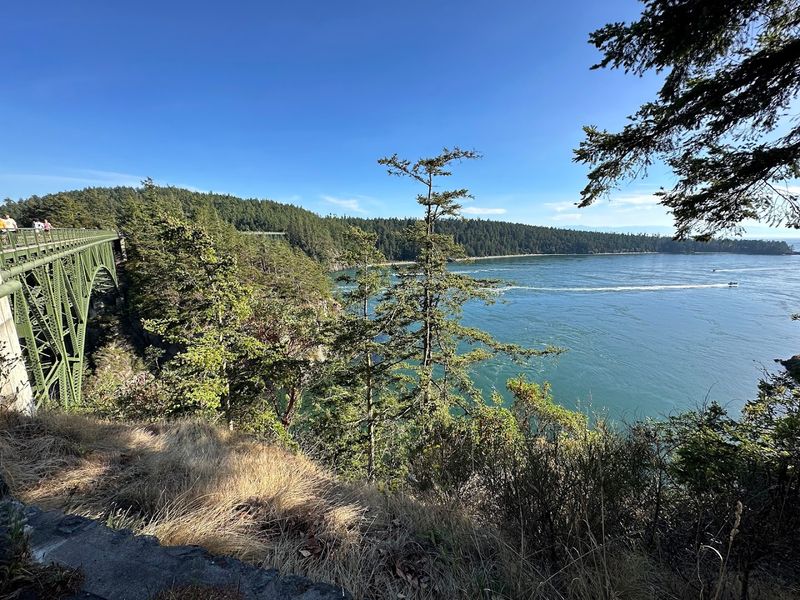
Lacing up my boots for the first of many hikes, I discovered that Deception Pass offers 40 miles of trails ranging from easy beach strolls to challenging mountain climbs. The park includes segments of the Pacific Northwest National Scenic Trail, giving serious hikers a taste of this epic long-distance route.
My favorite path wound through old-growth forest where Douglas firs tower overhead and the air stays cool even on warm days. The trail system connects mountains, cliffs, beaches, and forests into one spectacular network.
You can customize your hike based on energy level and available time. Some trails lead to hidden viewpoints where I found myself completely alone despite the park’s popularity.
Others take you down to secluded beaches where driftwood piles up like natural sculptures. The Goose Rock Summit Trail climbs to panoramic views that reward the steep ascent with sights stretching across the San Juan Islands.
Trail conditions vary by season, so checking current status before heading out makes sense for planning your adventure properly.
Camping Under Stars And Towering Trees
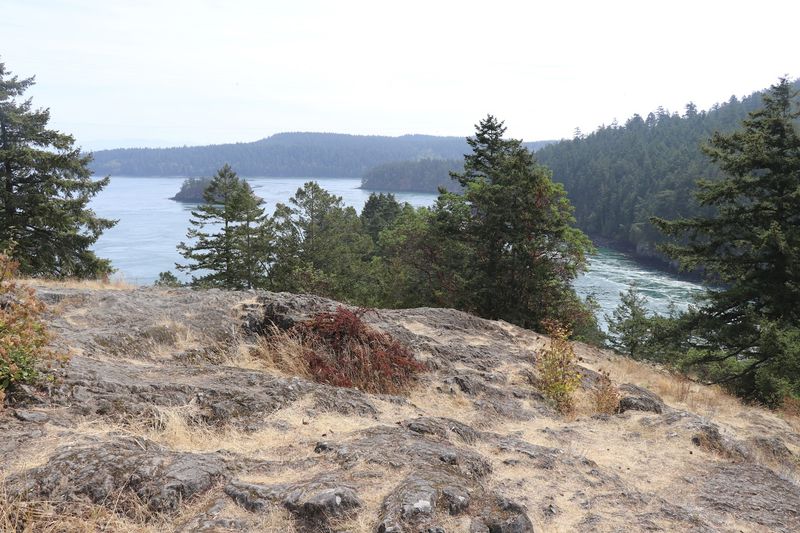
Spending the night at Deception Pass transformed my day visit into something far more memorable. The park maintains 317 campsites spread across three campgrounds: Cranberry Lake, Cornet Bay, and Bowman Bay. Each area has its own character and appeal.
I chose a site near Cranberry Lake where the morning mist rising off the water created an ethereal scene. The campgrounds accommodate both tent campers and RVs, with facilities that include restrooms, showers, and picnic tables.
Reservations fill up quickly during summer months, so booking well in advance is essential. Waking up to the sound of birds instead of traffic reminded me why camping beats hotels every time.
The campgrounds provide easy access to trails, beaches, and boat launches. Evening campfires brought fellow campers together to share stories and recommendations.
Winter camping offers a quieter experience with fewer crowds, though you need to prepare for rain and cooler temperatures. The park stays open year-round, adjusting hours seasonally from 6:30 a.m. to dusk in summer and 8:00 a.m. to dusk in winter.
Saltwater And Freshwater Adventures Await
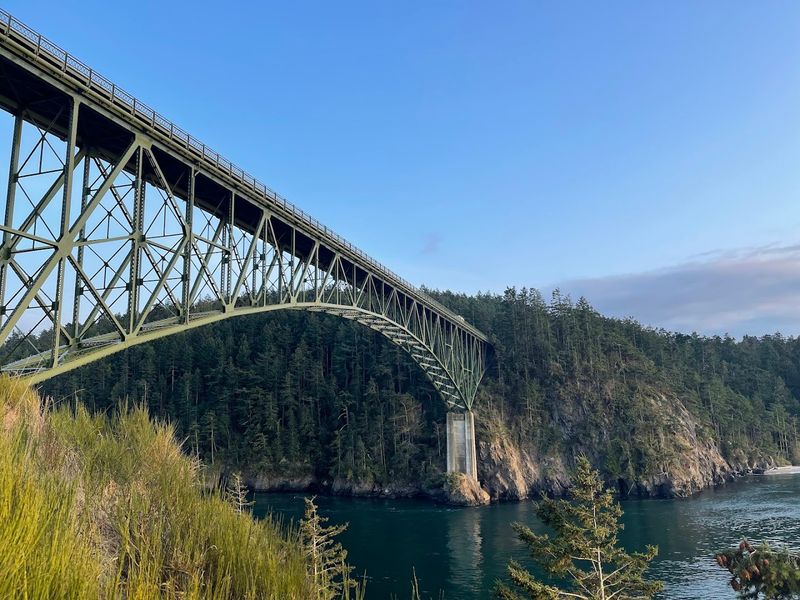
Launching my kayak into the protected waters of Bowman Bay opened up an entirely different perspective on the park. Deception Pass offers both saltwater and freshwater activities, with five saltwater boat ramps, three freshwater ramps, and over 1,100 feet of dock space combined.
The calm bays provide perfect conditions for beginning kayakers, while more experienced paddlers can venture into the pass itself when tidal currents allow. Fishing opportunities abound in both environments, with salmon, rockfish, and various bottomfish species attracting anglers year-round.
I watched seals pop their heads above water to investigate my kayak, and eagles circled overhead searching for their next meal. The park’s swimming areas offer refreshing dips on warm days, though the water temperature stays brisk even in summer.
Cranberry Lake provides the warmest swimming conditions.
Boat launches accommodate everything from small kayaks to larger motorized vessels. The protected bays make excellent spots for stand-up paddleboarding, and the scenery from water level rivals any view from land or bridge.
Wildlife Watching In Natural Habitats
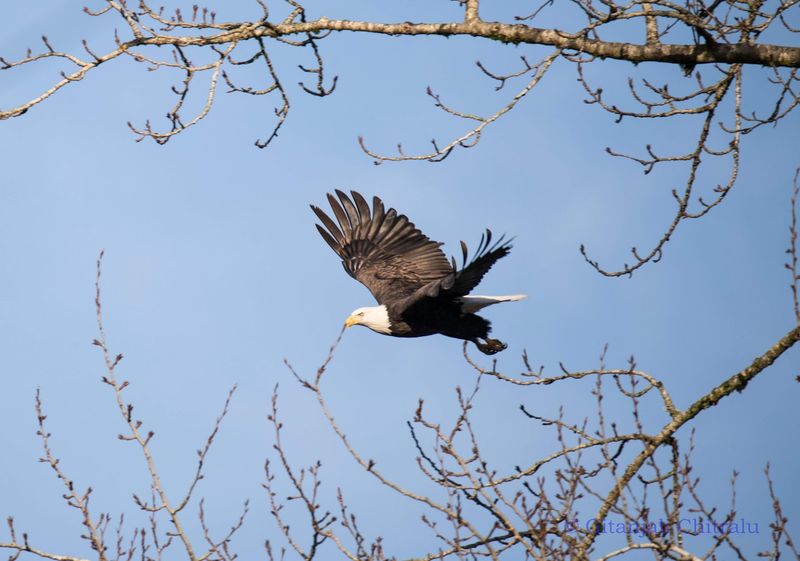
Binoculars became my most valuable accessory after spotting my first bald eagle soaring above the bridge. Deception Pass serves as home to incredible wildlife diversity, including peregrine falcons, various owl species, harbor seals, and occasional orca pods passing through the strait.
Early morning and late afternoon provide the best wildlife viewing opportunities. I stationed myself near the rocky shorelines where seals haul out to rest, watching them navigate between rocks with surprising grace.
The tide pools reveal smaller creatures: starfish, anemones, crabs, and other marine life adapted to the changing water levels.
Bird enthusiasts should bring field guides because the species list includes everything from common gulls to rare migrants. The varied habitats support different wildlife communities.
Forest trails offer chances to spot deer, while shoreline areas attract shorebirds and waterfowl. Respecting wildlife means maintaining distance and never feeding animals.
I brought a telephoto lens for photography, allowing close-up shots without disturbing natural behaviors. The park’s protected status helps preserve these habitats for future generations to enjoy and appreciate.
Rugged Cliffs And Pristine Beaches
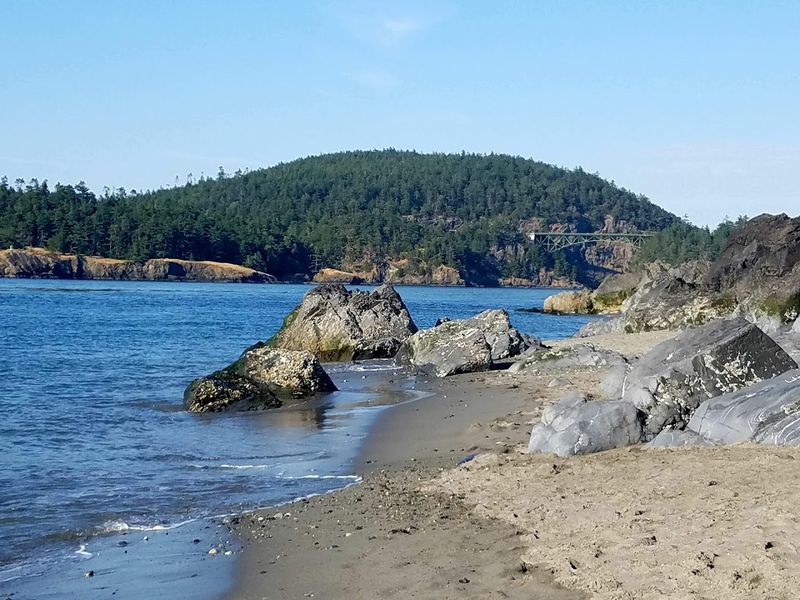
Scrambling down to West Beach, I found myself surrounded by towering cliffs on one side and endless ocean views on the other. The park’s diverse shoreline includes everything from protected sandy beaches to dramatic rocky headlands where waves crash with impressive force.
Each beach has distinct characteristics worth exploring. Some collect smooth stones perfect for skipping, while others accumulate massive driftwood logs bleached silver by sun and salt.
The beaches face different directions, meaning you can find sun or shade depending on time of day and personal preference.
Tide timing matters significantly for beach exploration. Low tides reveal tide pools teeming with marine life and expand the walkable beach area considerably. High tides bring waves closer to the cliffs, creating dramatic displays of nature’s power.
I checked tide charts before heading out to maximize my beach time.
The contrast between rugged geology and delicate ecosystems fascinates me every visit. Ancient rock formations tell stories of volcanic activity and glacial carving, while modern ecosystems thrive in the spaces between stone and sea.
Planning Your Visit To Washington’s Most Popular Park
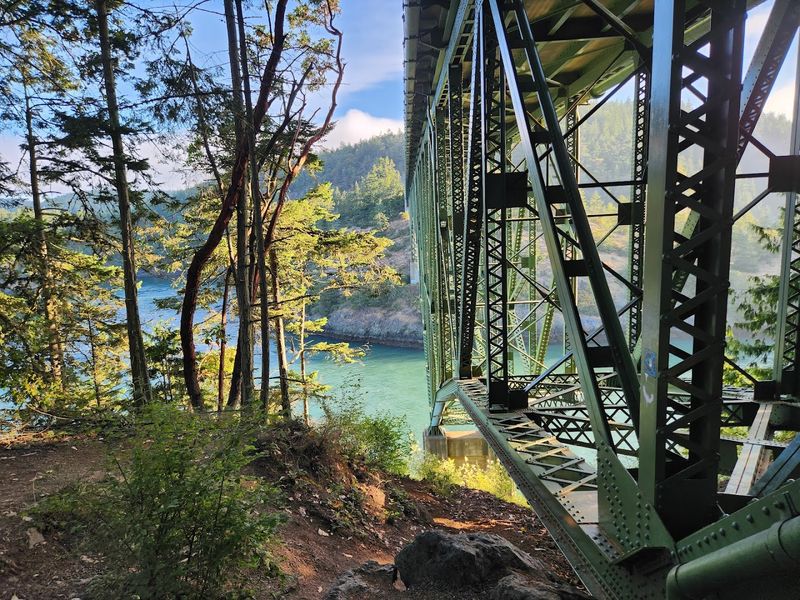
Arriving prepared makes all the difference when visiting Washington’s most popular state park. You need a Discover Pass for vehicle access, available as an annual pass for $45 or a one-day pass for $10. Additional fees apply for moorage, watercraft launches, and overnight vehicle parking.
I suggest visiting during shoulder seasons like spring or fall when crowds thin out but weather remains pleasant. Summer weekends bring maximum visitors, making parking challenging and popular trails crowded. Weekday visits offer more solitude even during peak season.
The park stays open year-round with adjusted hours by season. Their staff provided helpful advice about trail conditions and camping availability.
Bringing layers makes sense regardless of season because coastal weather changes quickly. I packed rain gear, sun protection, sturdy footwear, and plenty of water.
The park has limited food services, so bringing your own supplies ensures you stay fueled for adventure throughout your entire visit.
Historic Sites And Cultural Heritage
The park feels like stepping back through layers of time. The Civilian Conservation Corps built much of the park’s infrastructure during the 1930s, and their craftsmanship remains visible in stone walls and sturdy shelters that still serve visitors today.
Native American tribes, particularly the Samish people, have called this area home for thousands of years. You’ll find interpretive signs throughout the park sharing their stories and explaining the deep cultural significance of these lands and waters.
World War II left its mark here too, with old military bunkers and defense installations hidden among the trees, waiting to be discovered by curious explorers. That layered history gives the park a depth that goes far beyond its scenery.
You are not just walking through a beautiful place, you are moving through traces of many different eras at once. Each path and overlook carries a sense that something important happened here long before your visit ever began.
That mix of natural beauty and visible history is a big part of what makes the park feel so unforgettable.