
This Gorgeous Town In South Carolina Is So Peaceful, You’ll Think It’s A Hallmark Movie Scene
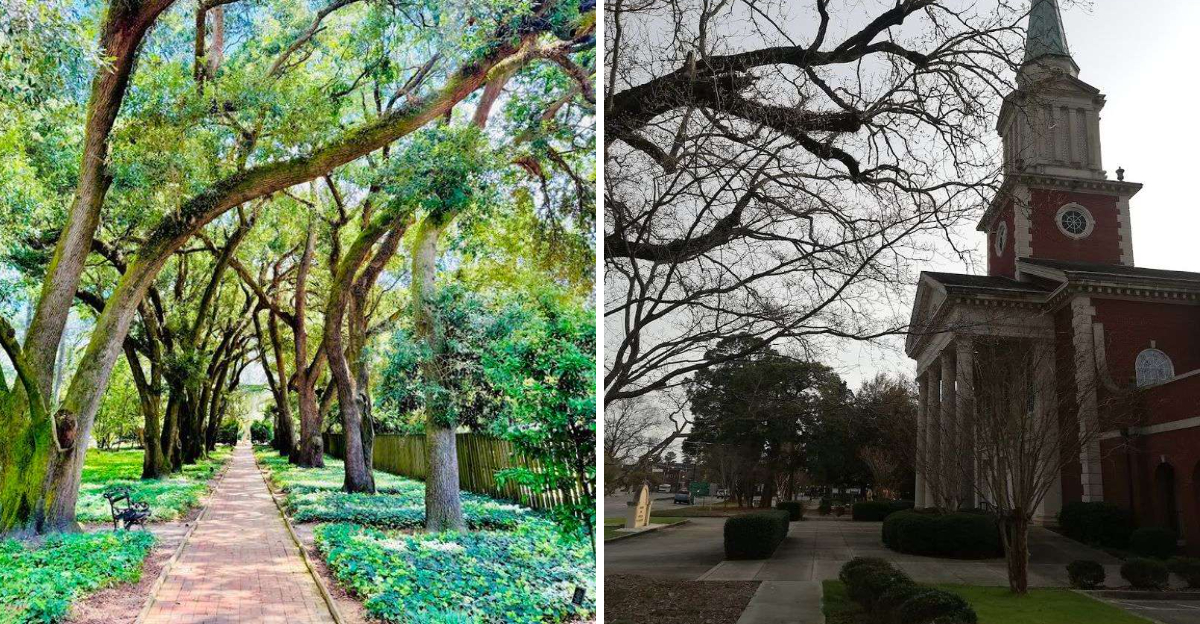
I expected Aiken, South Carolina to be the kind of place you pass through on the way to somewhere else, but it did not take long to realize that was a mistake.
The streets are lined with trees, the homes carry a sense of history, and the downtown moves at a pace that makes it easy to slow down without even thinking about it. Nothing feels rushed, and that is part of what makes the experience work.
I spent what was supposed to be a short visit walking through quiet blocks, stopping where something caught my attention, and noticing how naturally everything seemed to fit together.
South Carolina has no shortage of charming towns, but Aiken stands out for how complete it feels without trying too hard.
People say some places are easy to leave… but this is not one of them.
A Downtown That Looks Like A Film Set
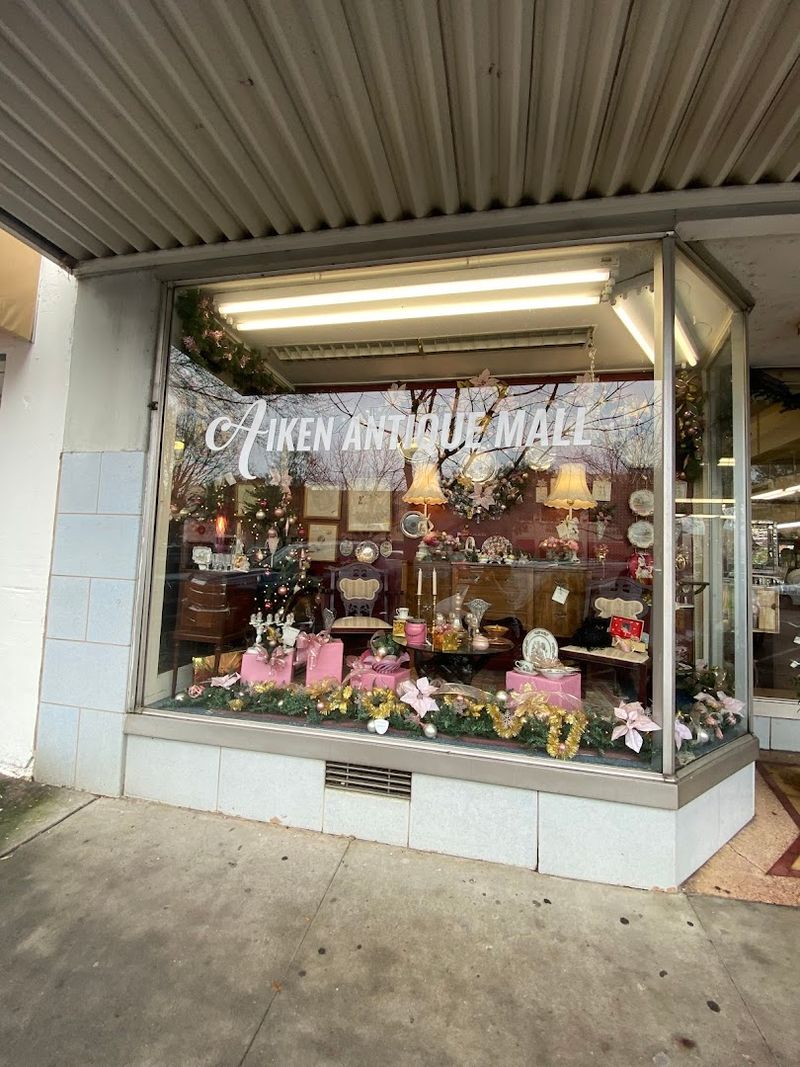
Walking down Laurens Street in downtown Aiken feels less like a regular errand run and more like stepping into a carefully curated small-town movie backdrop.
The storefronts are clean, the sidewalks are wide, and the mix of boutique shops, local restaurants, and historic buildings gives the whole area a warm, lived-in elegance that bigger cities rarely manage to pull off.
I found myself stopping every few steps to take photos, not because I planned to, but because something new kept catching my eye.
Local business owners tend to know their customers by name here, and that kind of community energy is honestly hard to fake.
Hanging flower baskets, old-fashioned lampposts, and carefully restored facades make the street feel like it belongs to another, slower era.
Aiken’s downtown has also seen steady investment in recent years, bringing in new dining spots while keeping the historic character intact.
If a Hallmark movie producer ever needs a filming location, this street should already be at the top of the list.
The Hitchcock Woods Are Unlike Anything Else Nearby
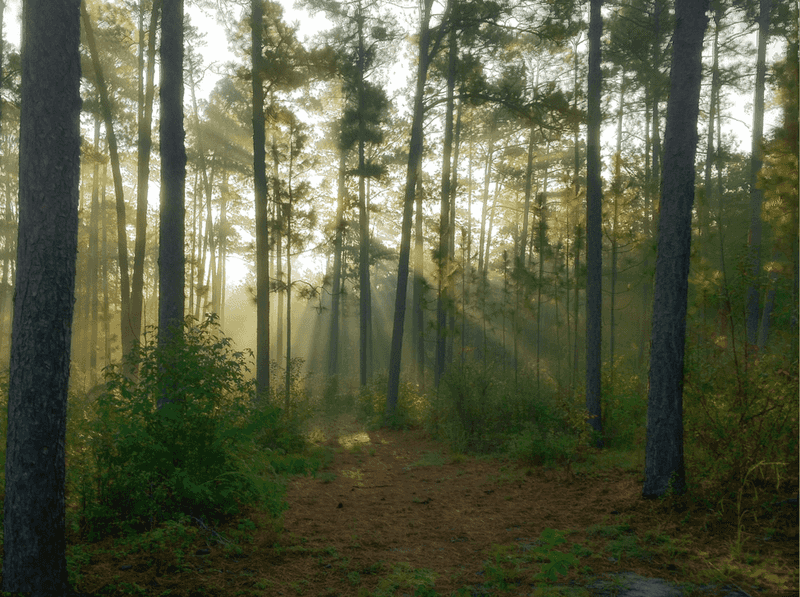
Covering more than 2,100 acres right inside city limits, Hitchcock Woods is one of the largest urban forests in the entire United States, and somehow Aiken keeps this fact quietly in its back pocket.
I wandered in on a weekday morning and barely crossed paths with anyone, which made the whole experience feel almost surreal given how close the trailhead sits to downtown.
The sandy trails wind through tall pines and hardwoods, and the only sounds you really hear are birds, the crunch of your own footsteps, and the occasional distant clip-clop of a horse.
Equestrian use is actually encouraged here, which gives the forest a distinctive character you just do not find in typical city parks.
The trails are well-marked and range from easy strolls to longer loops that take a solid couple of hours to complete.
Families, dog walkers, runners, and horseback riders all share the space with a relaxed kind of mutual respect.
Honestly, finding this much nature tucked inside a city felt like discovering a secret that everyone in Aiken already knows and quietly enjoys.
Polo Culture Runs Deep Here

Aiken has a polo scene that dates back to the late 1800s, and it remains one of the most distinctive aspects of the city’s identity today.
Whitney Field hosts matches throughout the season, and the atmosphere at a Sunday afternoon game is something I genuinely did not expect to enjoy as much as I did.
There is a relaxed, come-as-you-are energy to the crowd, with families spreading out blankets, kids chasing each other along the sidelines, and longtime fans explaining the rules to anyone willing to listen.
Aiken was once a winter retreat for wealthy Northern families who brought their horses and sporting traditions south with them, and that legacy never really left.
The city still hosts the Aiken Triple Crown each spring, a beloved series of equestrian events that draws visitors from across the country.
Watching horses thunder across the field with the pine tree backdrop and the Carolina sky overhead is one of those experiences that sticks with you.
It is equal parts sport, social event, and living history lesson, all wrapped up in one very charming afternoon.
Historic Architecture Around Every Corner
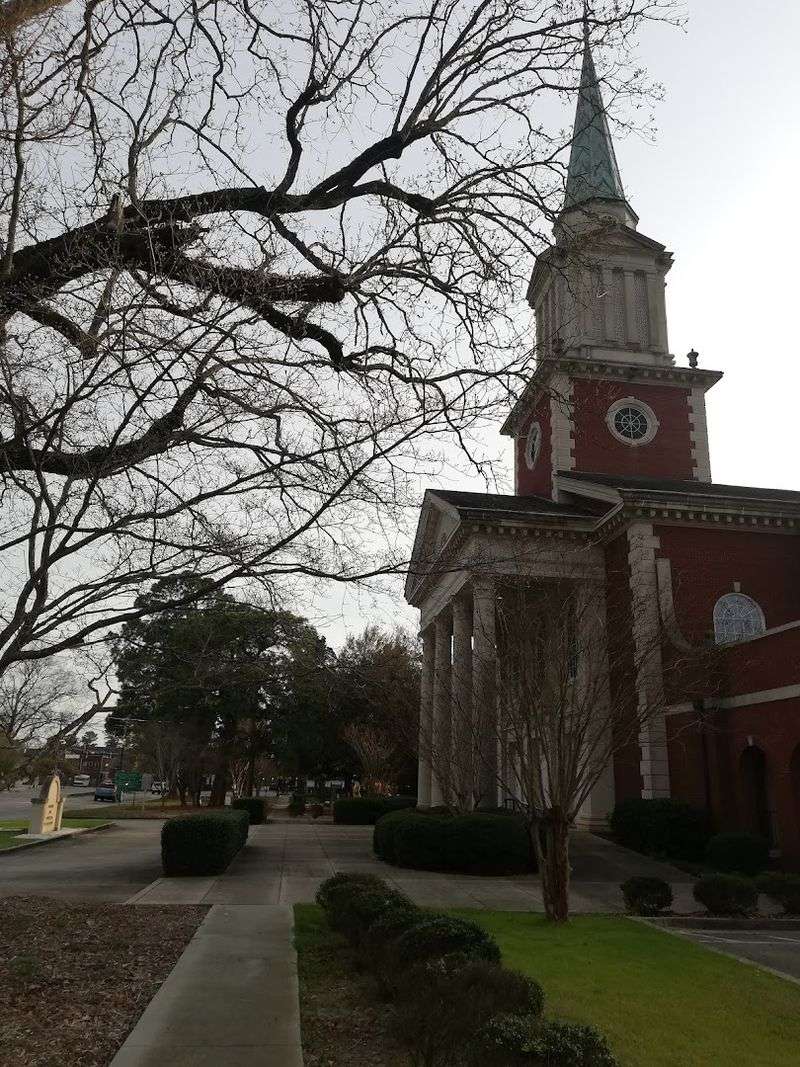
Few things set Aiken apart quite like its architectural landscape, where stately homes from the late 1800s and early 1900s sit comfortably alongside carefully preserved historic landmarks.
The Winter Colony era left behind a remarkable collection of cottages, meaning grand estates that wealthy families from the Northeast built as seasonal retreats during the Gilded Age.
Strolling through neighborhoods like Coker Heights or along South Boundary Avenue feels like reading a history book written in bricks, wraparound porches, and ornate woodwork.
I kept noticing details that most modern construction simply does not bother with anymore, things like decorative gable trim, leaded glass windows, and deep shady verandas designed for long summer afternoons.
Many of these homes are still privately owned and lovingly maintained, which gives the whole neighborhood a living, breathing quality rather than a museum-like stillness.
The Aiken County Historical Museum, located in the former Banksia estate, offers a great starting point for understanding how these architectural layers came together over time.
Architecture lovers could spend an entire weekend here and still feel like they missed something worth seeing.
The Aiken Triple Crown Is A Spring Tradition Worth Planning Around
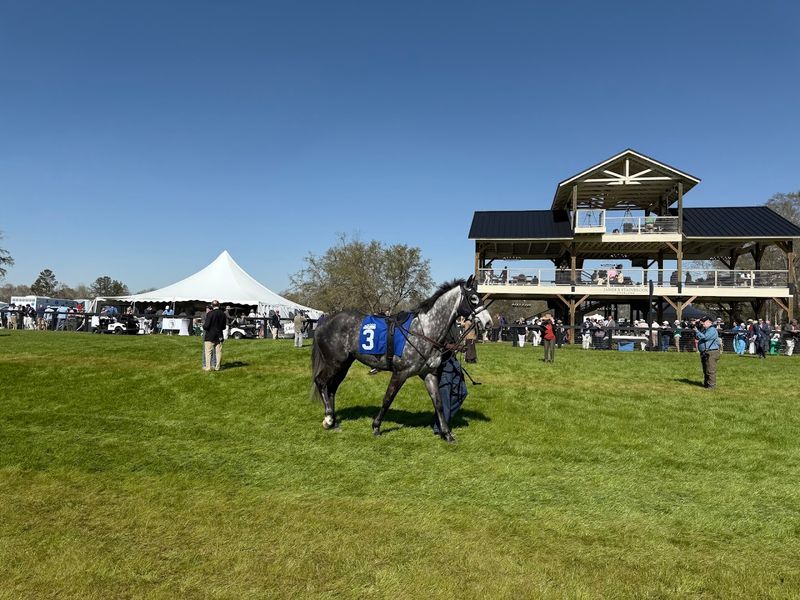
Every spring, Aiken hosts one of the most charming and genuinely fun equestrian weekends in the American South, known as the Aiken Triple Crown.
Spread across three consecutive Saturdays in March, the event features harness racing, a steeplechase, and a thoroughbred trials race, each held at different venues around the city.
I attended the steeplechase on a crisp March afternoon and found myself completely caught up in the energy, even though I had never watched horse racing in person before that day.
Tailgating is part of the tradition, and people set up elaborate spreads in the infield that range from simple coolers and lawn chairs to full catered setups with matching tablecloths and centerpieces.
The crowd tends to dress up, not in a stuffy way, but in a festive, spring-hat-and-sundress kind of way that adds to the celebratory mood.
Local vendors, food trucks, and community organizations all participate, making the event feel like a proper town celebration rather than just a sporting competition.
If you are timing a visit to Aiken, building it around the Triple Crown is absolutely the right call.
Aiken’s Food Scene Is A Pleasant Surprise
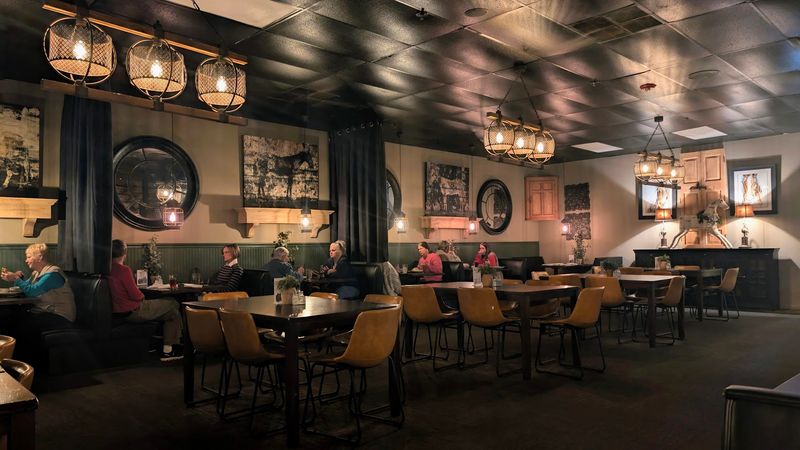
Aiken does not shout about its food scene, but once you start eating your way through downtown, you realize the city has quietly built something worth talking about.
The restaurant mix covers a satisfying range, from classic Southern comfort food to wood-fired pizzas, farm-to-table menus, and locally owned cafes that do breakfast better than most places twice their size.
I had a lunch at a spot on Laurens Street where the shrimp and grits were so good that I considered ordering a second bowl before my first one was even finished.
Local chefs here tend to lean on South Carolina ingredients, including fresh produce, lowcountry-style seafood, and recipes that carry regional history without feeling tired or predictable.
Weekend brunch spots fill up fast, especially during polo season and Triple Crown weekends, so arriving early or making a reservation is a smart move.
The downtown also has a handful of excellent coffee shops that double as community gathering spots, which tells you a lot about how Aiken operates socially.
Good food and good company seem to be treated here as equally important, and that combination is hard to resist.
Hopeland Gardens Offers Pure, Unhurried Beauty
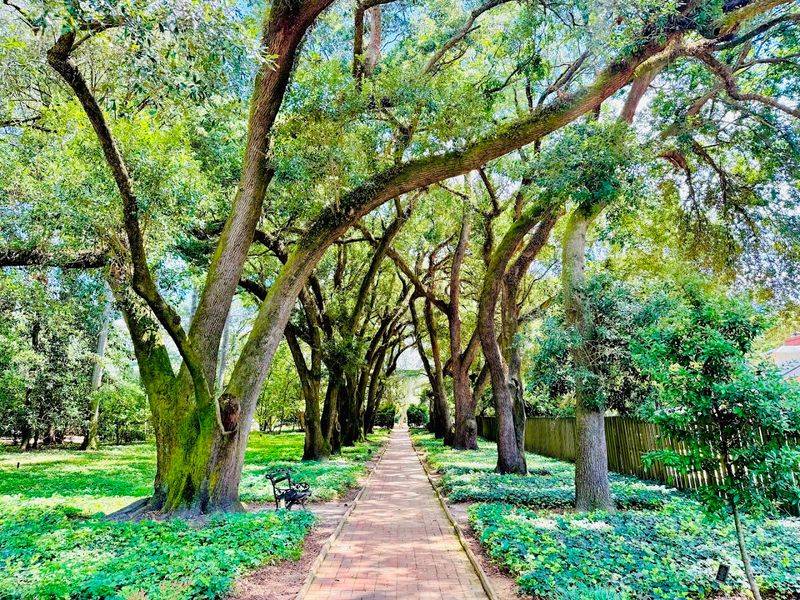
Fourteen acres of pure garden serenity sit right inside the city at Hopeland Gardens, and the experience of walking through it on a quiet morning is genuinely hard to describe without sounding like you are overselling it.
Massive live oaks draped in Spanish moss arch over winding brick paths, and the azalea blooms in spring turn the whole place into something that barely looks real.
I visited on a weekday when the garden was nearly empty, and the only sounds were birdsong and the soft splash of a fountain somewhere deeper in the property.
The garden was donated to the city by Olivia Dowell and Hope Iselin in 1969, and it has been maintained as a free public space ever since, which feels like an extraordinary gift to the community.
A sensory trail designed for visually impaired visitors runs through part of the garden, featuring plants chosen specifically for their texture and fragrance.
Outdoor concerts are held here during warmer months, turning the garden into a casual performance venue with one of the best natural backdrops imaginable.
Hopeland Gardens is the kind of place that makes you exhale slowly and remember what it feels like to simply be somewhere beautiful.
The City Has Deep Roots In The Thoroughbred Horse World
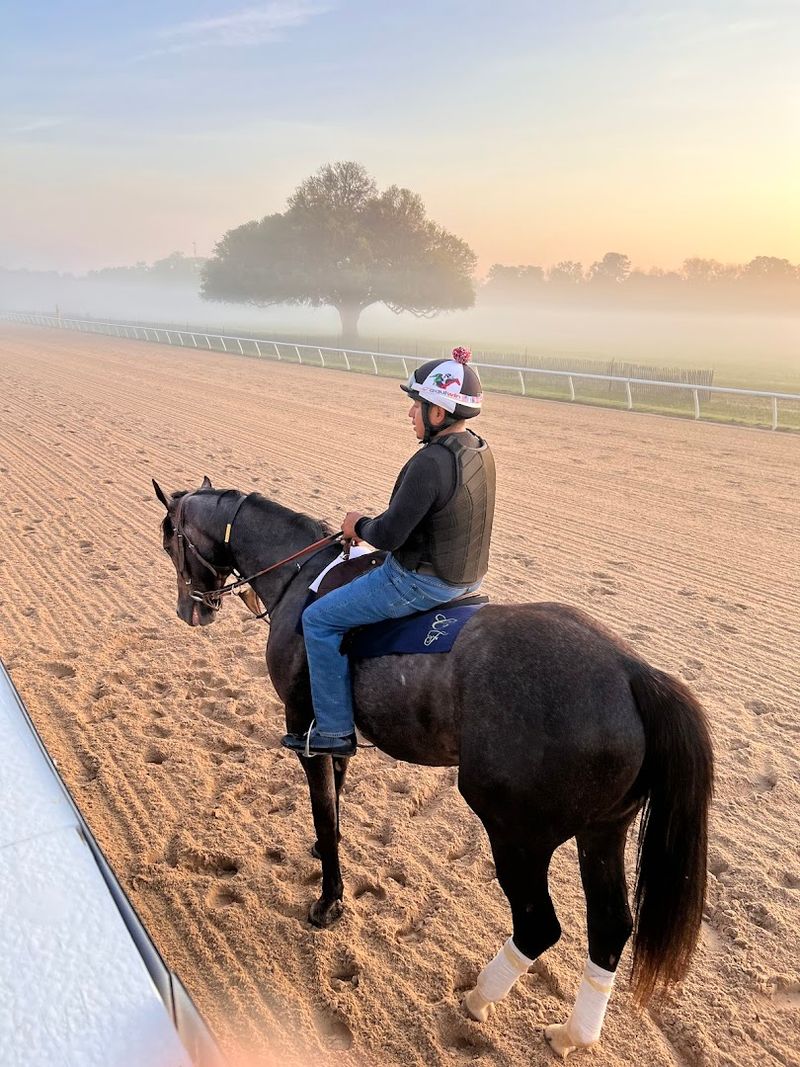
Long before Aiken became known for polo or its charming downtown, it built a serious reputation as a training ground for some of the most celebrated racehorses in American history.
The sandy soil and mild climate made Aiken uniquely suited for year-round horse training, and trainers began bringing their thoroughbreds here in the early twentieth century to take advantage of those conditions.
Several Kentucky Derby winners have trained on Aiken’s tracks, a fact that the city carries with quiet, earned pride.
The Aiken Training Track on Mead Avenue is still active today, and watching morning workouts from the rail is a completely free and absolutely mesmerizing way to spend an early hour.
Horses move through the mist at a speed that makes you forget everything else for a moment, and the trainers and jockeys add a sense of focused, purposeful energy to the scene.
The Thoroughbred Racing Hall of Fame and Museum in Hopeland Gardens honors the horses and people who shaped this legacy.
For anyone with even a passing interest in horses, Aiken offers a level of access and authenticity that few other cities in the country can match.
Aiken State Natural Area Is Perfect For Outdoor Escapes
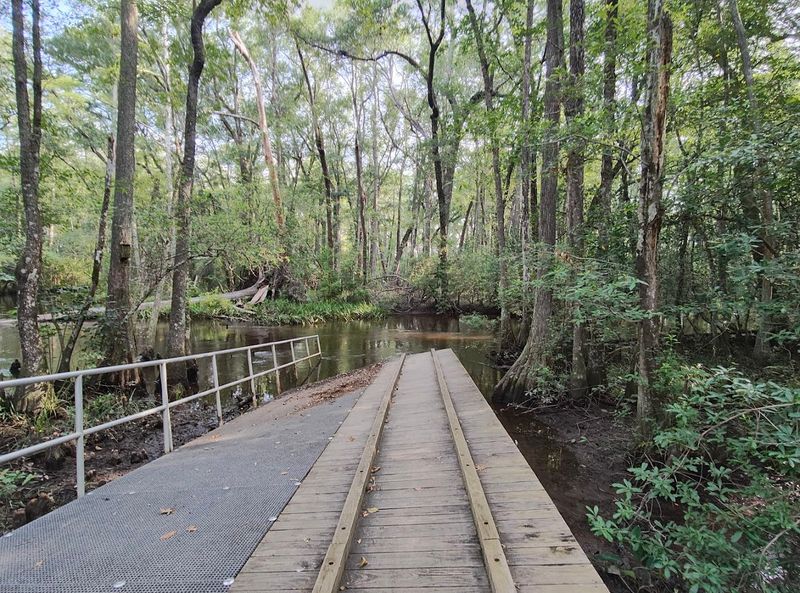
About sixteen miles east of downtown, Aiken State Natural Area sits along the South Edisto River and offers a completely different kind of natural experience than the urban forest of Hitchcock Woods.
The park covers over 1,600 acres and features four spring-fed lakes, miles of hiking and biking trails, and some of the most peaceful blackwater river paddling I have done anywhere in the Southeast.
Kayak and canoe rentals are available on site, which makes it easy to get out on the water even if you did not come fully prepared for a paddling trip.
The cypress trees along the river edge have a hauntingly beautiful quality, especially in the early morning when mist settles on the water and the light filters through the canopy at low angles.
Camping is available at the park, and spending a night under the South Carolina sky here is a genuinely restorative experience.
Fishing is popular year-round, and the park sees a good mix of families, solo hikers, and serious naturalists who come specifically for the birdwatching.
Aiken State Natural Area is the kind of outdoor escape that reminds you why South Carolina’s natural landscape deserves far more attention than it typically gets.
Small-Town Warmth With A Surprisingly Rich Cultural Life
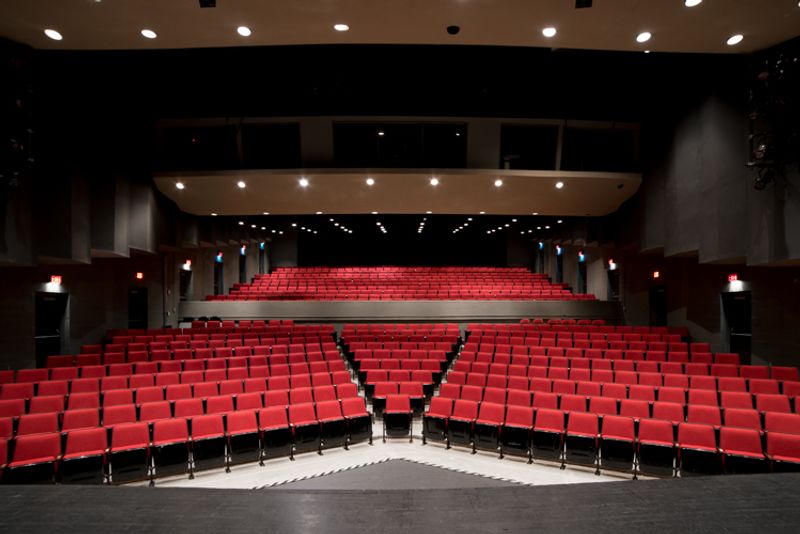
One of the things that surprised me most about Aiken is how much cultural life a city of roughly 32,000 people manages to sustain with genuine enthusiasm and community investment.
The Aiken Community Playhouse has been producing live theater since 1953, and its productions draw loyal audiences who treat opening night like a proper event worth dressing up for.
The Etherredge Center at the University of South Carolina Aiken hosts concerts, dance performances, and traveling productions that bring professional-level arts programming to the city throughout the year.
Local galleries, art walks, and studio tours give visual artists a real platform here, and the creative community has a collaborative spirit that makes it feel larger than its numbers suggest.
The Aiken County Public Library hosts regular author talks, community programs, and events that keep intellectual and cultural life active beyond just the arts venues.
Festivals throughout the year, including the Aiken Makin arts and crafts festival each October, bring the community together in ways that feel genuinely celebratory rather than just commercially motivated.
Aiken proves, convincingly, that a small Southern city can hold a big cultural heart without losing any of the warmth that makes it feel like home.