
This Half-Mile Maine Trail Leads To A Waterfall Most Drivers Never Notice
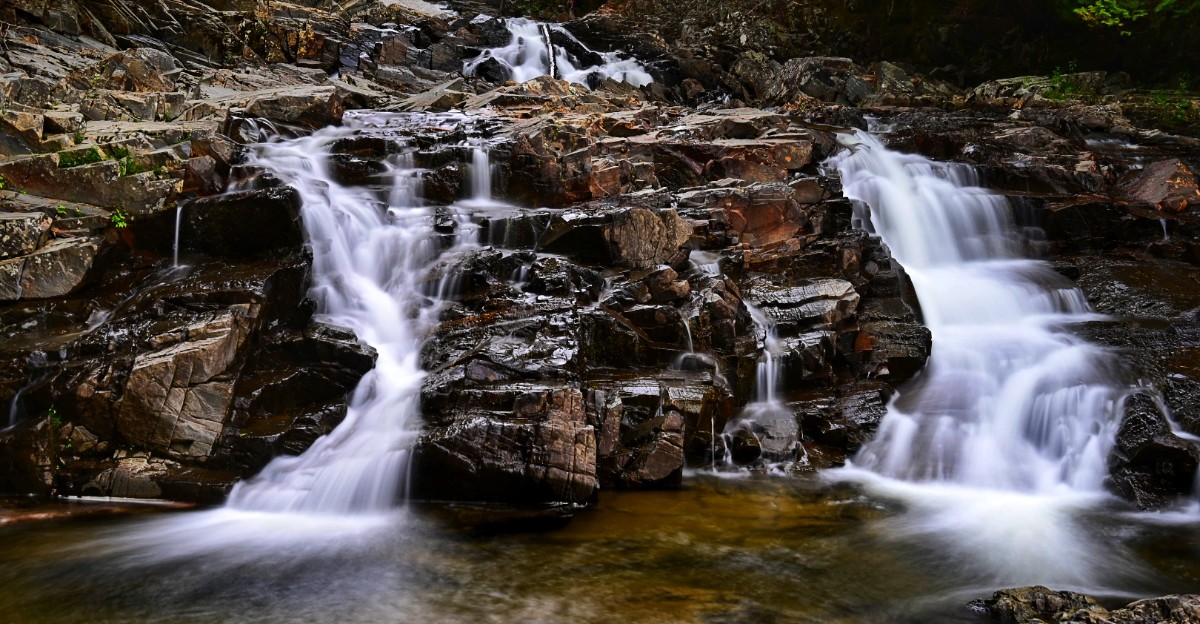
A tiny roadside sign is easy to miss when you are driving through Maine, but this one is worth slowing down for. Just a short walk into the woods leads to a waterfall spilling over dark rock ledges into clear, chilly pools below.
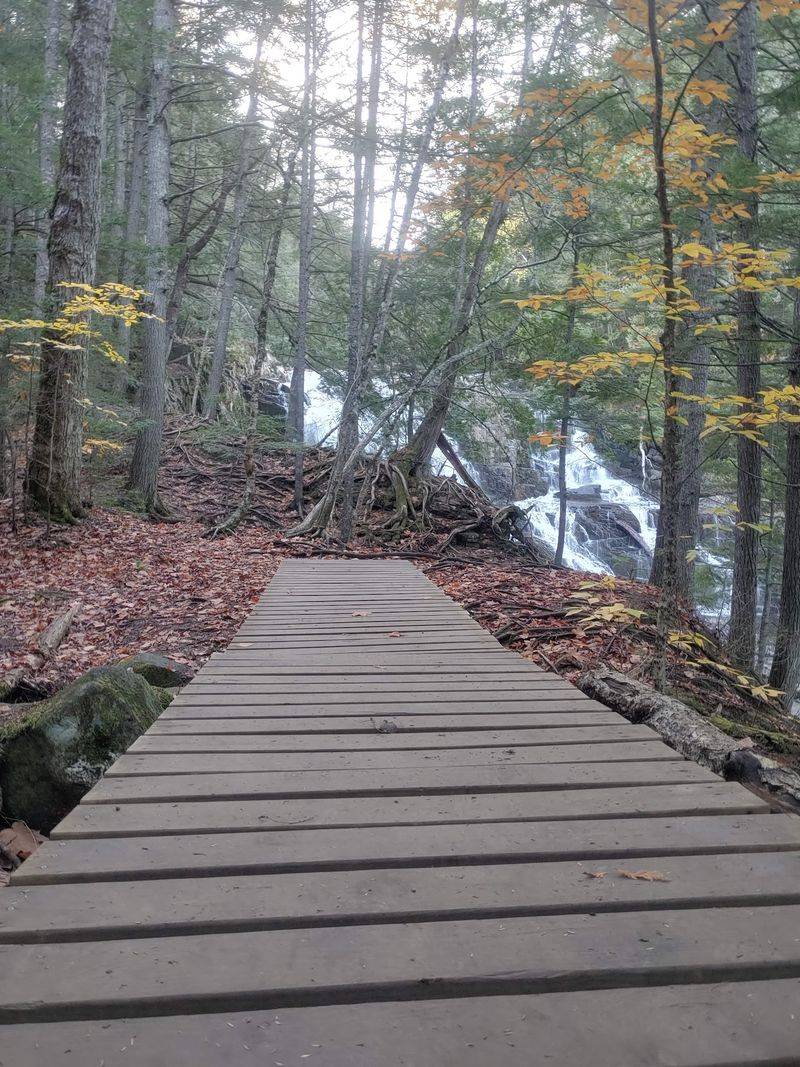
The trail is quick but a little rugged, with roots and rocks underfoot and the sound of the brook following you along the way. There is no ticket booth or visitor center waiting at the end, just rushing water, shady woods, and a surprisingly beautiful payoff for such a short walk.
The best part is how quickly the road disappears behind you. Within minutes, the sound of traffic gives way to rushing water, cool shade, and a waterfall that feels far more remote than it really is.
It is an easy little detour with the kind of payoff that makes you wonder how many other Maine gems you have driven right past.
A Tiny Sign With A Big Payoff
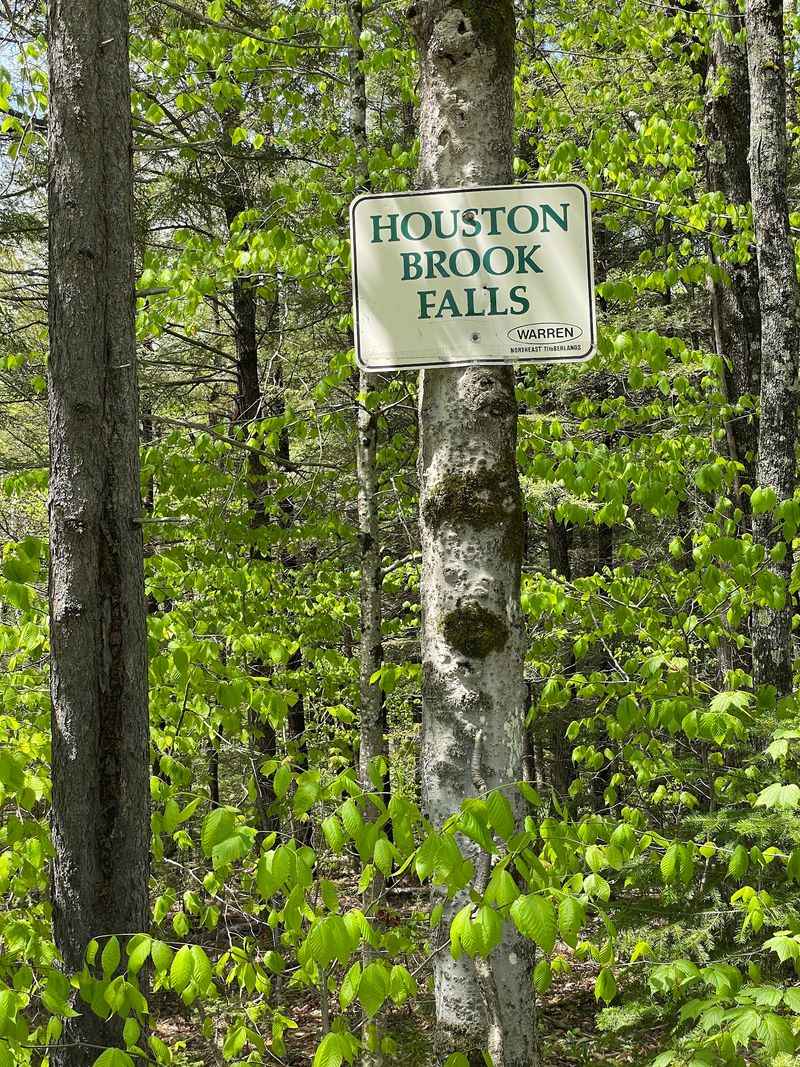
Blink at the wrong moment and you will cruise right past it. Houston Brook Falls sits just outside the small town of Bingham, Maine, in Somerset County.
There is no fancy entrance, just a modest roadside sign that reads FALLS.
Finding the trailhead is part of the fun. The path begins near the entrance to a local transfer station, which is a polite way of saying the town dump, so do not be surprised if your GPS makes you second-guess yourself.
Yes, one of the prettiest waterfalls around starts next to the trash drop-off, and that little twist makes the reveal even sweeter.
Parking is tight, with room for only about eight cars. Visitors typically pull in near the front of the transfer station or along the shoulder of the road, so be careful not to block the gate or any traffic.
Arriving early in the morning or on a weekday gives you the best shot at a spot.
The area is listed as open 24 hours and costs nothing to visit. Still, daylight is your friend here, since the path is not lit and the woods get dark quickly.
Plan your visit for daytime hours and you will catch every sparkle.
Roots, Bridges And A Babbling Brook
Your feet will get a workout, but your lungs will barely notice. The walk to the falls is short, usually taking around five to ten minutes each way, and the trail heads mostly downhill on the way in.
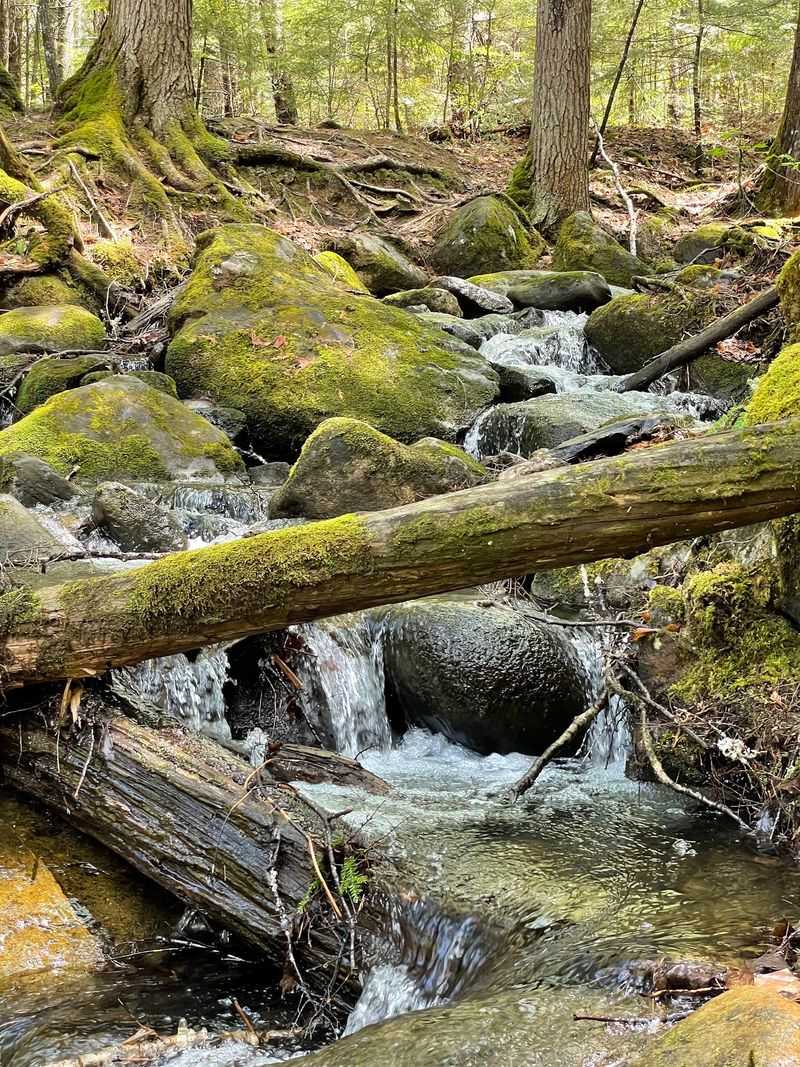
A small stream keeps you company along the path, gurgling happily the whole time.
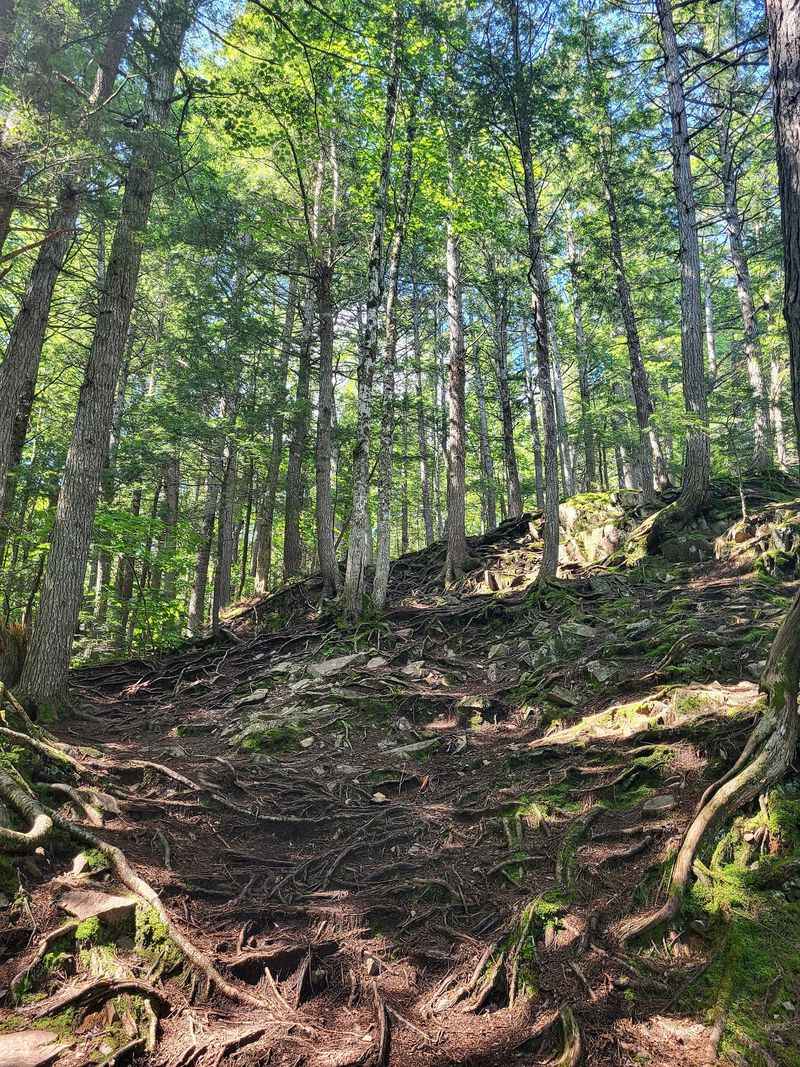
Do not expect a smooth, groomed sidewalk. Tree roots crisscross the ground, rocks poke up in odd places, and you may need to step over or around a fallen tree or two.
Sturdy sneakers or hiking shoes make a big difference, and flip-flops are a recipe for stubbed toes.
A few simple wooden footbridges cross the wet spots. Some boards can feel bouncy or loose, and bridges in the woods can get damaged over time, so step carefully and test each plank before putting your full weight on it.
If a bridge looks rough, there is usually a safe way to walk around it.
Strollers are not a good match for this route, so bring a baby carrier for little ones instead. Remember that downhill in means uphill out, and the climb back to the car has a real incline.
Save a little energy, and maybe a snack, for the return trip.
The Falls Steal The Show
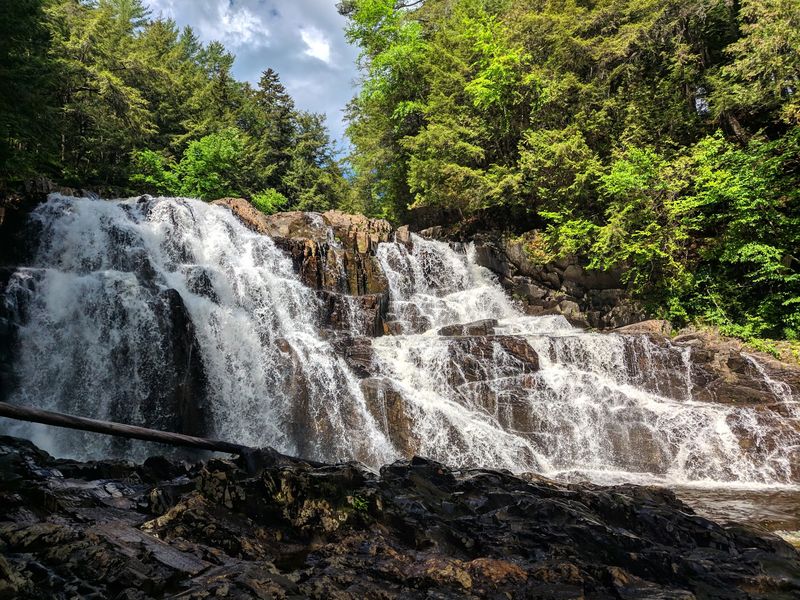
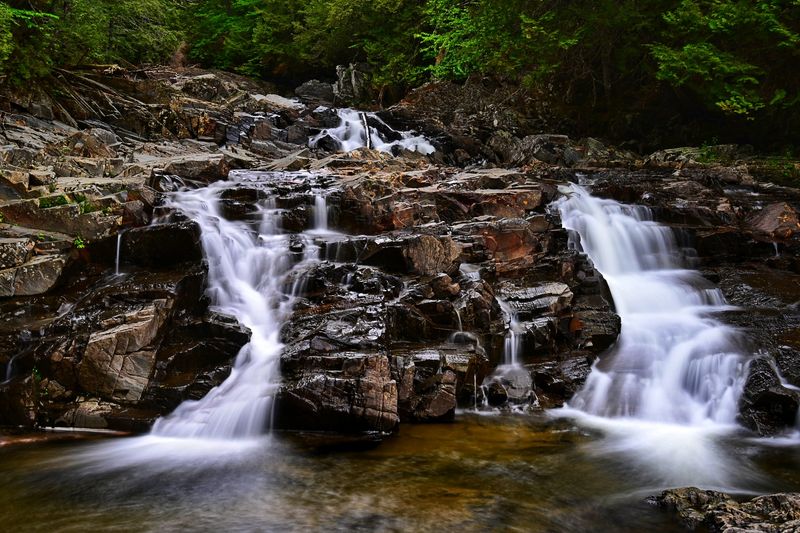
Here is the moment everyone walks in for. Houston Brook tumbles over a series of dark rock ledges, splashing and foaming as it drops into a rocky gorge below.
The sound reaches you before the view does, so listen for the rumble as you get close.
At the bottom, the water spreads into clear pools surrounded by big boulders and flat stone shelves. These rocks make natural benches for resting, snacking, or simply staring at the white water.
Below the falls, Houston Brook continues toward Wyman Lake, the reservoir on the Kennebec River.
Getting right up close is possible for steady walkers. Stable rocks and roots give you handholds for climbing down near the water, but the stones can be slick, especially when wet or covered with moss.
Take it slow, keep three points of contact on steep bits, and let kids hold a hand.
Photographers will find plenty of angles here. Try shooting low near a pool to catch the falls reflecting in the water, or step back to frame the cascade with the surrounding pines and birches.
For silky water shots, a small tripod and a slower shutter speed work wonders, and cloudy days help avoid harsh glare on the rocks.
A Chilly Swim Worth The Goosebumps
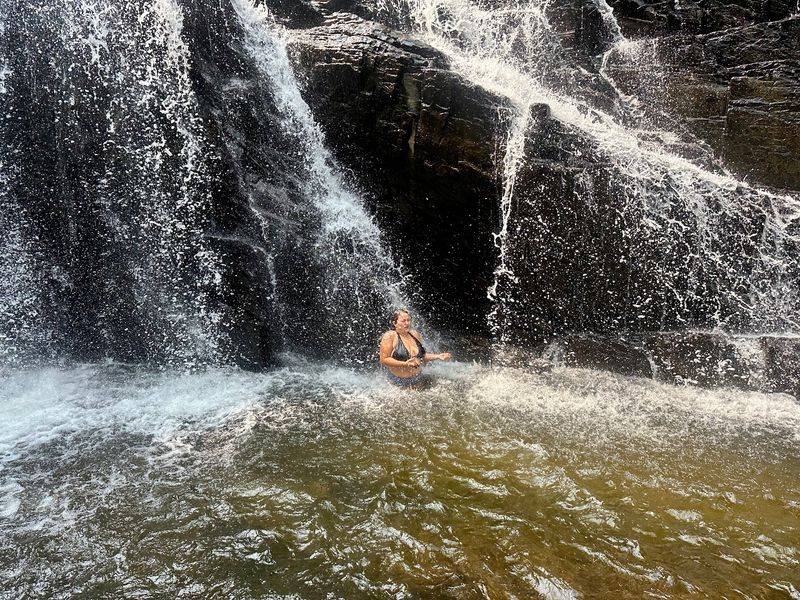
On a sticky July afternoon, few things beat sliding into a cool, clear pool. The basins below the falls work as a natural swimming hole, and brave visitors can even wade near the curtain of falling water.
Fair warning, though, the word refreshing does not quite cover it.
The water here is cold, even in the middle of summer. Ease in slowly instead of jumping, and give your body a minute to adjust before swimming.
Kids should stay within arm’s reach of an adult, since pool depths can change after heavy rain.
Water shoes are a smart packing choice. The bottom of the pools is rocky and uneven, and the ledges around the edges can be slippery with algae.
Avoid leaping off rocks, because hidden boulders often sit just below the surface where you cannot see them.
Summer weekends can bring a crowd to the pools, with families spreading out towels on every flat stone. If you want a quieter soak, arrive early or visit midweek.
Bring a lightweight towel, a dry change of clothes, and a bag for wet swimsuits so the ride home stays comfortable.
After a swim, sit on a warm rock and let the sun do the drying.
Timing The Tumble
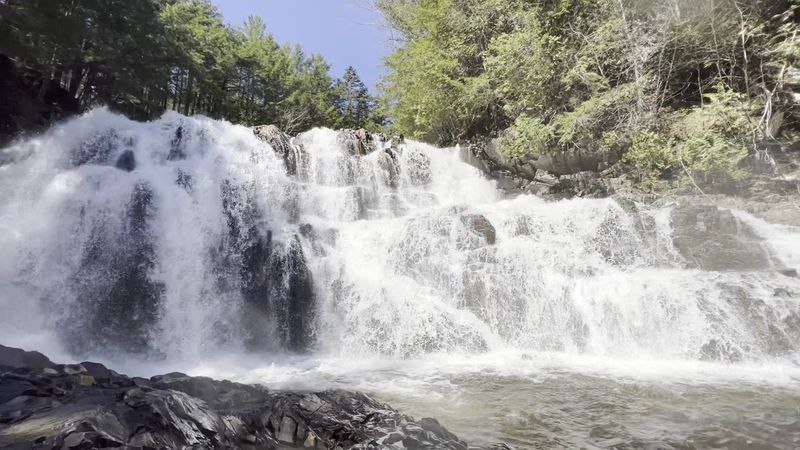
Waterfalls have moods, and this one changes a lot with the calendar. After heavy rain or during the spring snowmelt, Houston Brook can roar with power, sending sheets of white water crashing into the pools.
On those days, the spray alone can cool you off.
Late summer tells a different story. By early September, the flow often shrinks to a gentler trickle, which reveals more of the rock ledges and makes exploring easier.
The falls are still pretty, just calmer and quieter.
Want the best of both worlds? Check recent rainfall before heading out, since a wet week usually means a lively show.
Keep in mind that high water also makes rocks slicker and pools riskier for swimming, so enjoy the thunder from a safe distance.
Winter brings a totally different scene. In cold months, the falls can freeze into a shimmering ice sculpture, with frozen columns hanging over the ledges.
The trail turns into packed snow, so traction cleats and warm layers are a must.
Autumn deserves a shout-out too. In late September and early October, the maples and birches around the gorge turn bright orange and gold.
Fewer bugs, cooler air, and colorful leaves make fall a sweet time to visit.
Bug Spray Is Not Optional
The mosquitoes around here take their job very seriously. Shady woods, a running brook, and damp ground add up to prime bug territory, especially in late spring and summer.
Maine’s black fly season, which usually peaks in May and June, can also make things itchy.
Pack insect repellent and apply it before leaving the car, not after the first bite. Light-colored long sleeves and pants help too, and a head net makes a handy backup.
Evening hours tend to be the buggiest, so midday visits are often more pleasant.
Footwear matters just as much as bug spray. Choose shoes with good grip for the rooty trail and slick rocks, and toss water shoes in your bag if you plan to swim.
A small backpack keeps your hands free for grabbing roots on steep spots.
Other handy items include a water bottle, snacks, a small first aid kit, and a phone with a charged battery. Cell service in rural western Maine can be spotty, so download a map before you go.
A trash bag is worth bringing too.
Traveling with a pup? Leashed dogs can make the trip, and most love the rocky scrambles.
Bring water and a towel for muddy paws.
Halfway To The North Pole
Here is a fun fact to share on the drive: Bingham sits right on the 45th parallel, which means it is roughly halfway between the equator and the North Pole. The line is marked by a sign in the area.
It makes a great photo stop before or after the falls.
Bingham is a small riverside town along the Kennebec River in Somerset County. It sits on the Old Canada Road Scenic Byway, the stretch of U.S.
Route 201 that heads north toward Jackman and the Canadian border. The drive is packed with forests, hills, and river views.
Wyman Lake stretches north of town, created by the Wyman Dam on the Kennebec. Its long, narrow shape and wooded shores offer more places to stretch your legs, snap pictures, or enjoy a picnic.
The region is also known for whitewater rafting on the Kennebec, farther north near The Forks.
Because the falls only take an hour or so to enjoy, they pair nicely with a scenic road trip. Plan a loop through the area and treat the waterfall as your midday break.
Grab supplies in town, since services thin out quickly once you head deeper into the woods.
Leave Nothing But Footprints
Little places stay special only when visitors treat them kindly. There are no trash cans at the waterfall, and litter left on the rocks can harm wildlife, cut bare feet, and spoil the view for the next family.
Pack out everything you bring in, including snack wrappers and bottle caps.
Going one step further makes a real difference. If you spot a stray can or wrapper, scoop it into your trash bag and carry it back to the car.
Kids often love turning this into a treasure hunt, and it teaches a lesson that lasts longer than any souvenir.
Stick to the existing path to protect tree roots and plants along the brook. Keep music low or leave the speaker at home, since the rushing water supplies the best soundtrack around.
Sharing the pools politely goes a long way on busy days.
In the end, this quick trail proves that some of Maine’s best moments are hiding right beside the road. A few minutes of walking trades highway noise for cool mist, mossy rocks, and water that never seems to stop singing.
Next time a small sign reading FALLS catches your eye, go ahead and hit the brakes.